
10 Best Zoom Lenses for Astrophotography in 2026
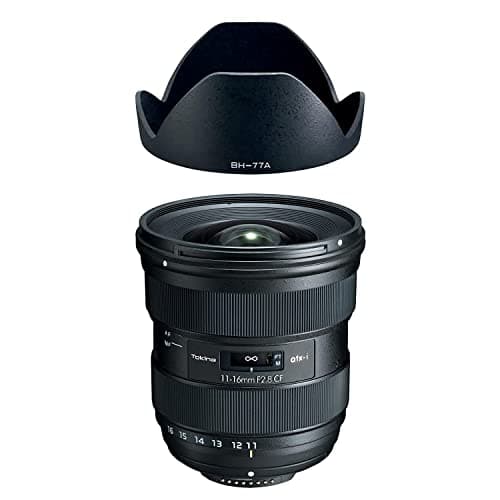
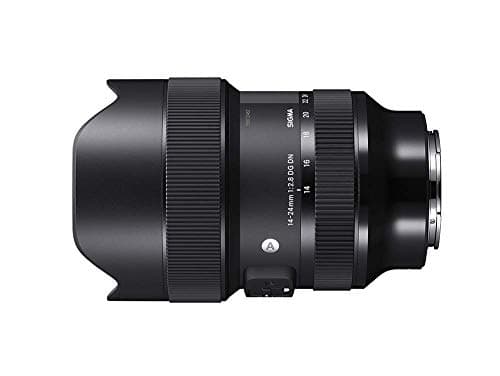
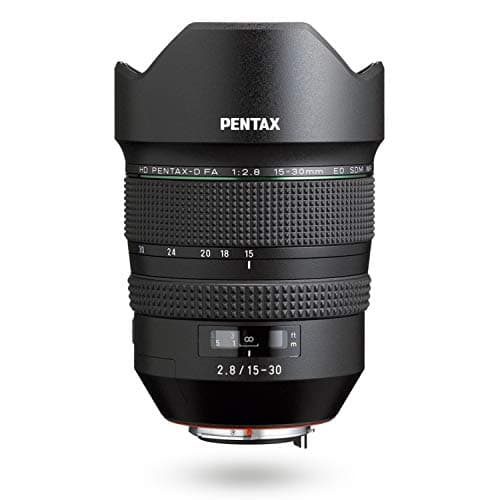
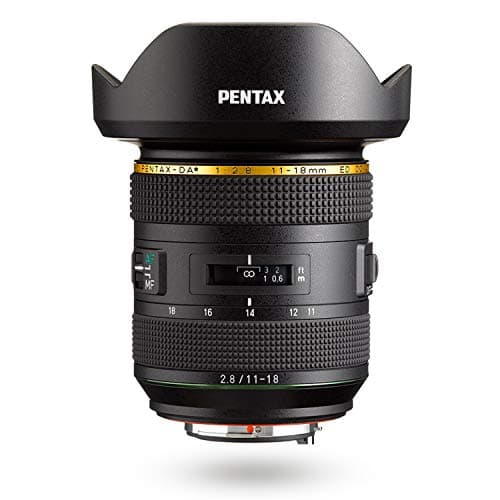
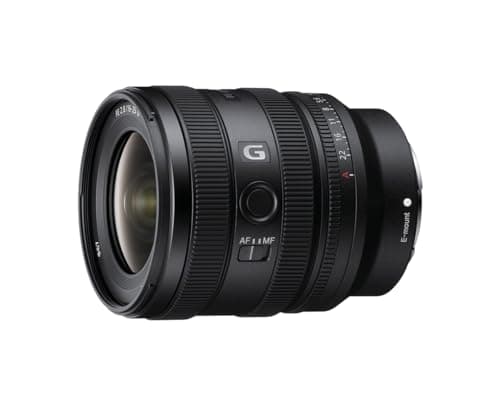
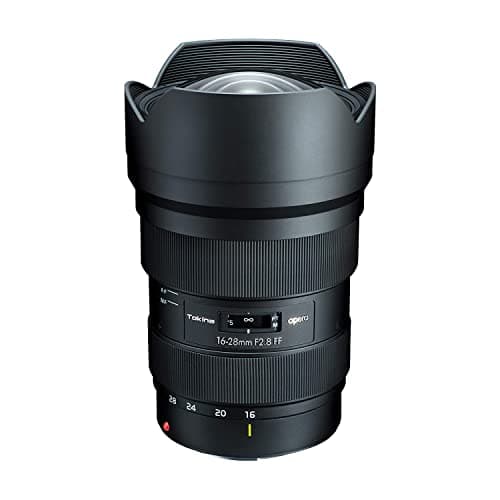
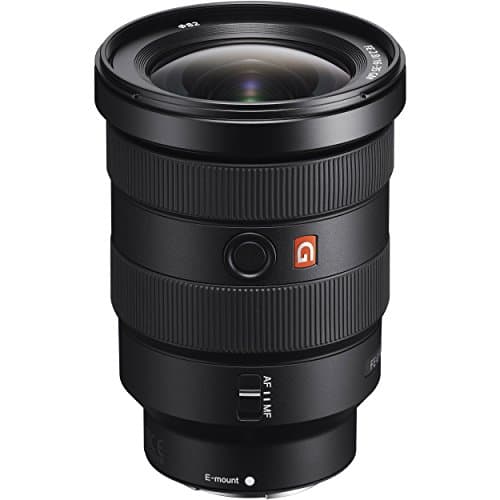
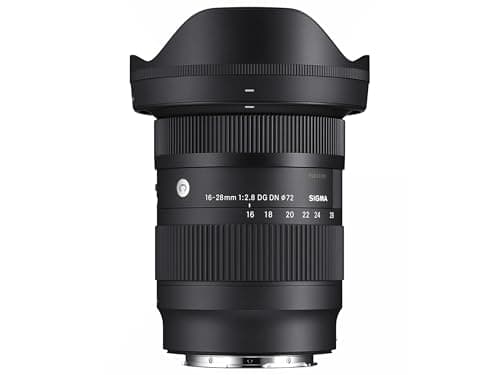
* Product prices and availability are accurate as of the date/time indicated and are subject to change. Any price and availability information displayed on Amazon.com at the time of purchase will apply to the purchase of this product.
* Imaginated.com may receive compensation for purchases made at participating retailers linked on this site. This compensation does not affect what products or prices are displayed, or the order of prices listed. Learn more here.
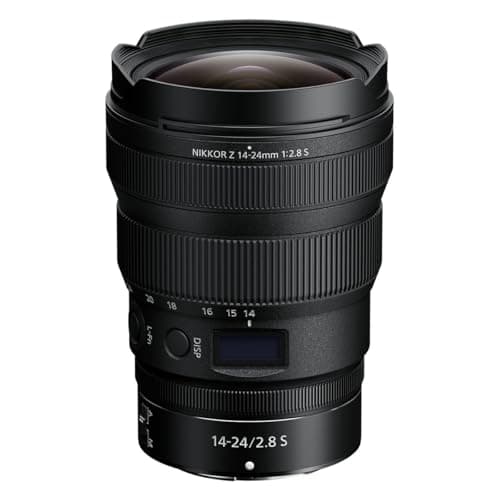
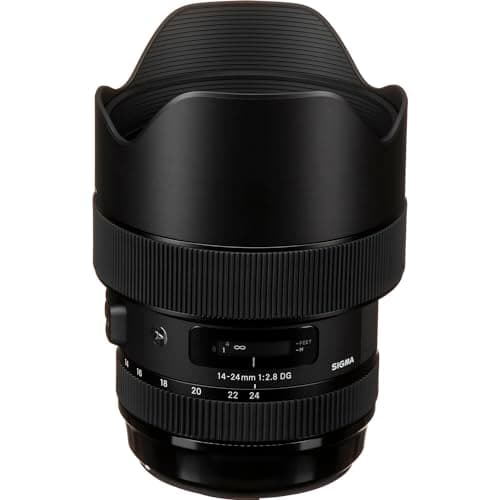
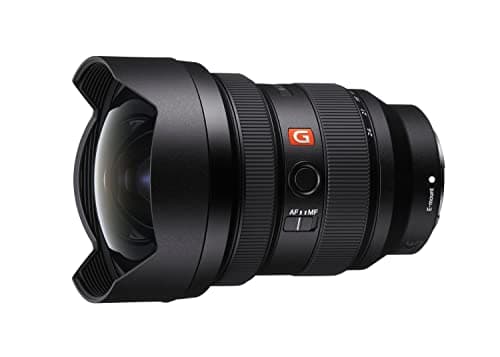
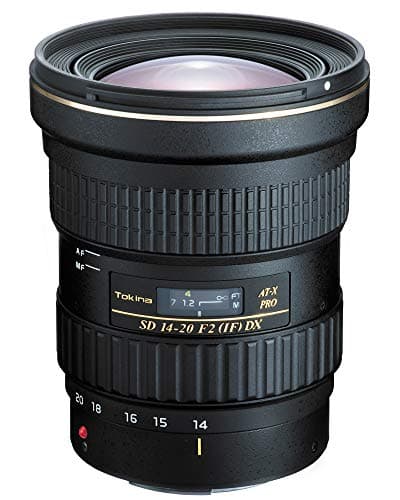
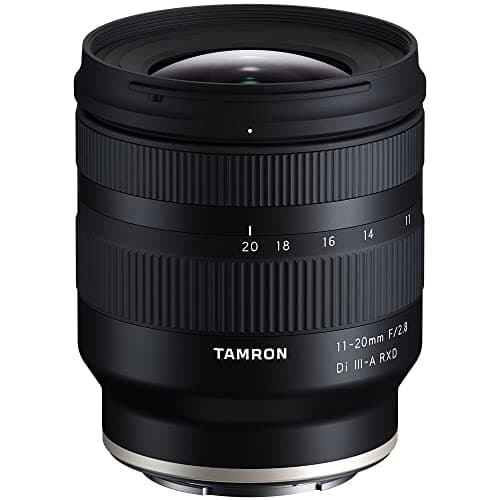
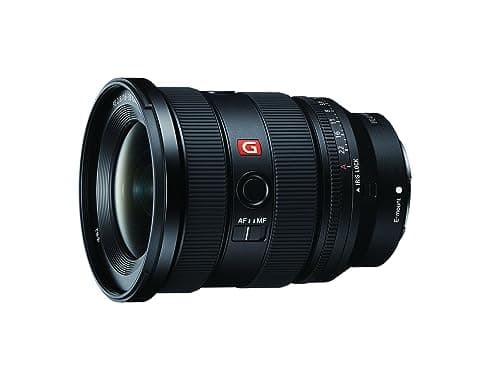
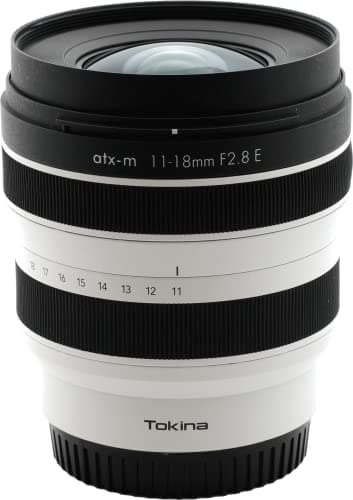
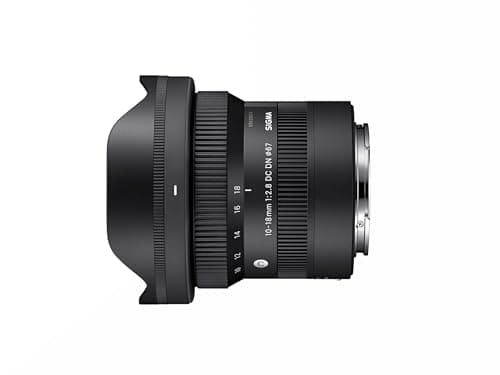
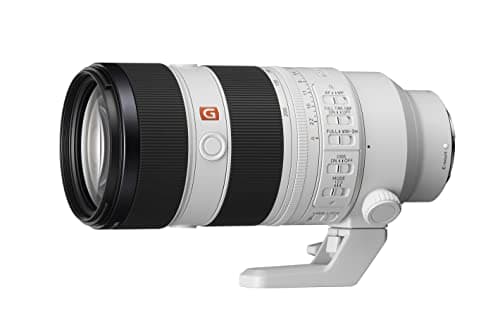
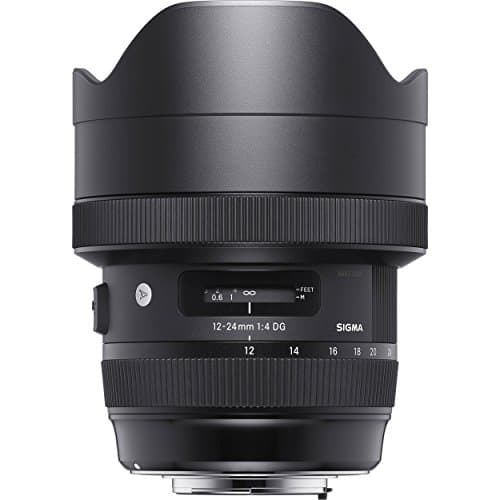
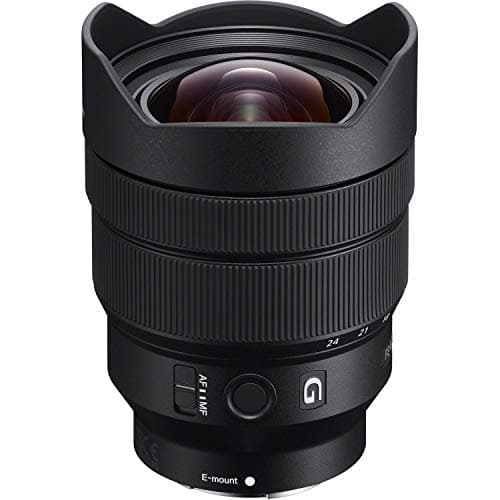
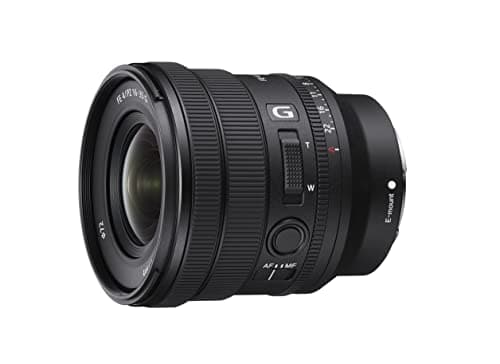
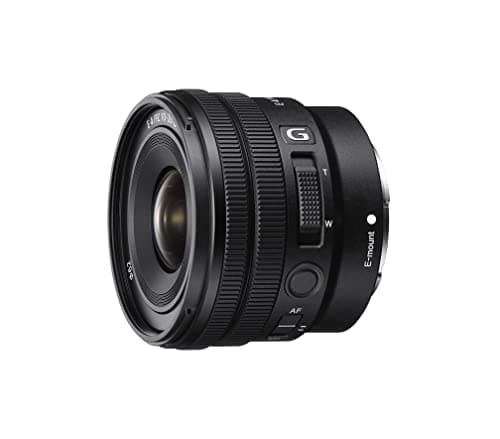
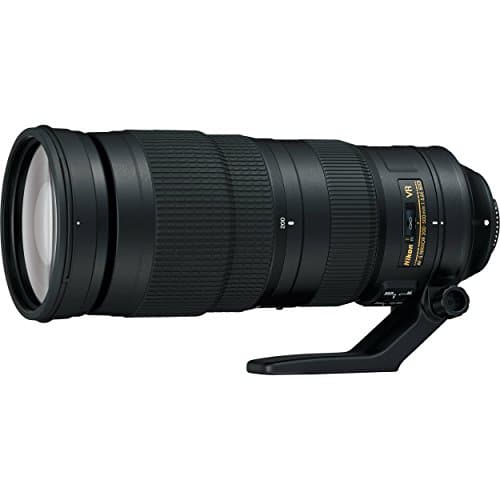
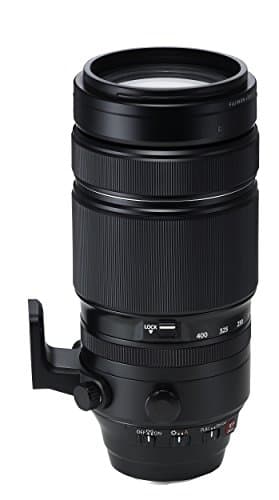
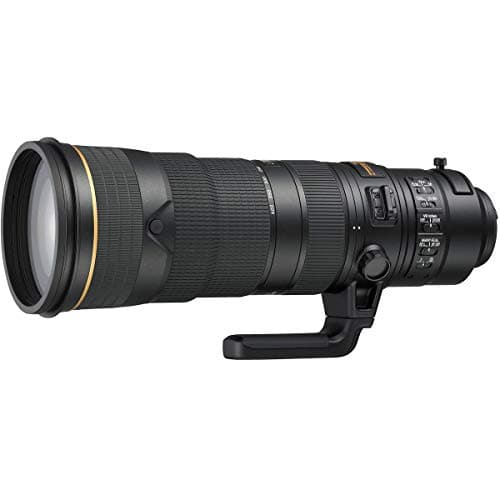
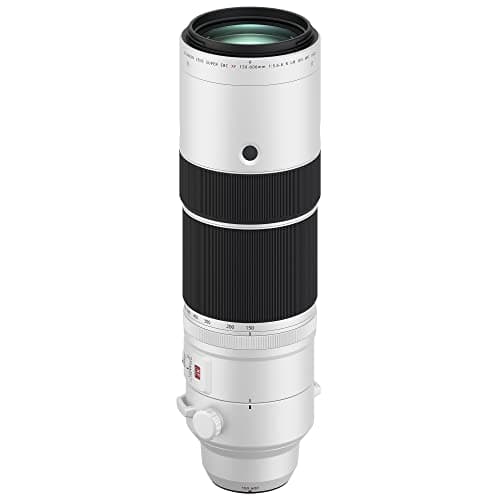
These are the best zoom lenses for astrophotography when you want tight star points, disciplined coma/sagittal astigmatism, even illumination, and coatings that hold contrast under light pollution—whether you’re shooting Milky Way landscapes, blue-hour-to-night transitions, tracked mosaics, or compressed constellations—and here’s what to look for as you buy: prioritize fast, clean corners at working apertures (ƒ2–ƒ2.8 for FF/APS-C; ƒ1.7–ƒ2.8 for MFT), low sagittal flare on bright stars, gentle field curvature, repeatable manual focus with a long smooth throw (or a reliable infinity hard stop), minimal focus breathing if you film, and a practical filter plan (front 77/82mm threads or rear gels/holders for bulbous fronts); for trackers, favor zooms with robust collars or compact weight for easy balance, and pick focal ranges that stitch well without warped geometry. Full-frame astro zoom heroes: Nikon Z 14–24mm ƒ2.8 S (superb corner discipline, rear-gel holder), Sony FE 12–24mm ƒ2.8 GM (ultra-wide speed with impressive coma control), Sony FE 16–35mm ƒ2.8 GM II (lighter, crisp stars stopped 1/3–2/3), Canon RF 15–35mm ƒ2.8L IS (clean, stabilized framing for foreground blends), Sigma 14–24mm ƒ2.8 DG DN Art (L/E-mount value with strong corners and rear-gel slot), Tamron 17–28mm ƒ2.8 Di III (lightweight, threaded, great travel pick), Panasonic/LUMIX S Pro 16–35mm ƒ4 (slower but very tidy corners for long exposures), and wide-to-normal companions like Nikon Z 17–28mm ƒ2.8 or Sony/Tamron/Sigma 24–70mm ƒ2.8 for stitched panoramas at 24–35mm; for tele sky/constellation fields on trackers, 70–200mm ƒ2.8 class zooms (Sony FE GM II, Canon RF L, Nikon Z S, Sigma DN) render clusters/nebulae with pleasing compression—use at ~85–135mm for easy guiding. APS-C standouts: Tokina 11–20mm ƒ2.8 (Sony/Fuji/Nikon variants—fast, sharp), Sigma 18–35mm ƒ1.8 DC Art (legendary “prime-zoom” for starry panoramas at 18–24mm), Sigma 10–18mm ƒ2.8 DC DN (tiny, bright ultrawide), Sony E 10–20mm PZ ƒ4 (slower but rectilinear and great for long exposures), Sony/Tamron 17–70mm ƒ2.8s (use 17–24mm for stitched nightscapes), and Fujifilm XF 10–24mm ƒ4 OIS WR (clean geometry for long, low-ISO tripod work). Micro Four Thirds picks: Panasonic Leica 10–25mm ƒ1.7 and 25–50mm ƒ1.7 (unique constant-fast pair with prime-like rendering for nightscapes and tracked tele fields), Olympus/OM SYSTEM 7–14mm ƒ2.8 Pro (classic ultrawide astro tool), OM 8–25mm ƒ4 Pro (slower but crisp edges and flexible framing), Panasonic 8–18mm ƒ2.8–4 (filter-friendly 67mm front). Practical buyer tips: the widest end isn’t always the best corner behavior—many lenses hit their sweet spot 1/3–1 stop down; bulbous-front ultrawides need rear gels or square holders—plan for this before a trip; if you stitch, choose zooms with even illumination and low wave distortion and learn the entrance pupil to avoid parallax; for tracked work past ~85mm, prioritize weight/balance and consider a lens foot or rail; standardize 77/82mm where possible for NDs during twilight blends and for day scouting; if you mix stills/video, favor zooms with low breathing and linear MF and enable in-body breathing compensation. Night-field technique that keeps stars tight: use the NPF rule (more accurate than the 500-rule) to set shutter time by focal length and pixel pitch, shoot RAW, disable IBIS/IS on a locked tripod, and focus via magnified live view on a bright star—rock through and tape the ring; start with a high-ISO test frame to compose, then drop ISO and expose to the right without clipping highlights in lit foregrounds; run a dew heater or deep hood to prevent fogging, stop 1/3–1 stop down for cleaner corners, and bracket a low-ISO foreground at dusk/blue hour for noise-free blends; for deep-sky on teles, stack multiple guided frames and add calibration frames (darks/flats/bias) in your workflow; manage color under light pollution with a consistent WB (~3800–4200K) and gentle dehaze, and watch wind—raise ISO to maintain shutter speed and fire short bursts to land a tack frame; for video, lock a 180° shutter with quality VND for day-to-night transitions, set slow AF transitions, and keep moves minimal to avoid star wobble. Whether you’re framing a lone tree beneath the galactic core, building multi-row panoramas over desert mesas, or tracking constellations with a tele zoom, the best zoom lenses for astrophotography combine fast apertures, coma-taming optics, and reliable manual focus—so your night skies stay bright, sharp, and beautifully star-strewn.
Lenses by brand:
Lenses by price:
Lenses by type:
Lenses by feature:
Lenses by use case:
- Best Zoom Lenses for Astrophotography
- Best Zoom Lenses for Bird Photography
- Best Zoom Lenses for Concert Photography
- Best Zoom Lenses for Documentary Photography
- Best Zoom Lenses for Event Photography
- Best Zoom Lenses for Fashion Photography
- Best Zoom Lenses for Food Photography
- Best Zoom Lenses for Headshot Photography
- Best Zoom Lenses for Jewelry Photography
- Best Zoom Lenses for Landscape Photography
- Best Zoom Lenses for Macro Photography
- Best Zoom Lenses for Nature Photography
- Best Zoom Lenses for Portrait Photography
- Best Zoom Lenses for Sports Photography
- Best Zoom Lenses for Street Photography
- Best Zoom Lenses for Travel Photography
- Best Zoom Lenses for Wedding Photography
- Best Zoom Lenses for Wildlife Photography
- Best Zoom Lenses for Video
Lenses by experience:
Cameras: