
10 Best Zoom Lenses for Documentary Photography in 2026
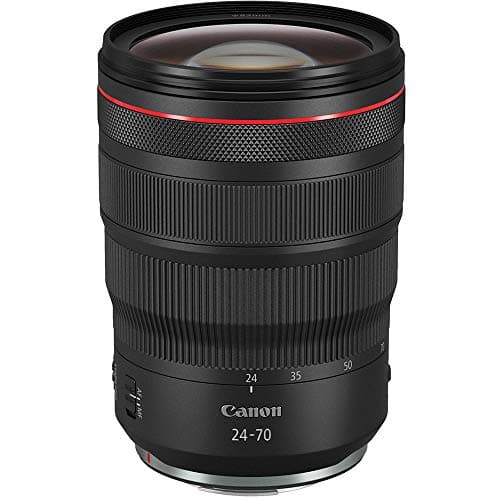
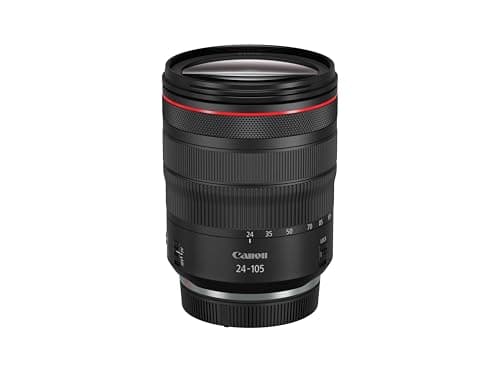
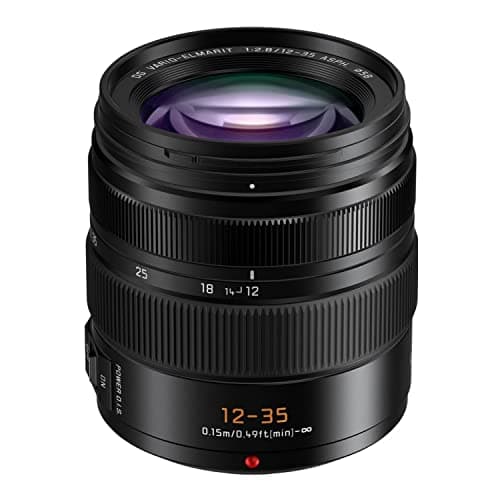
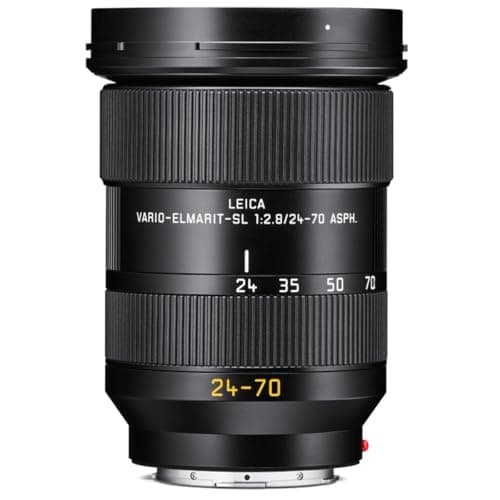
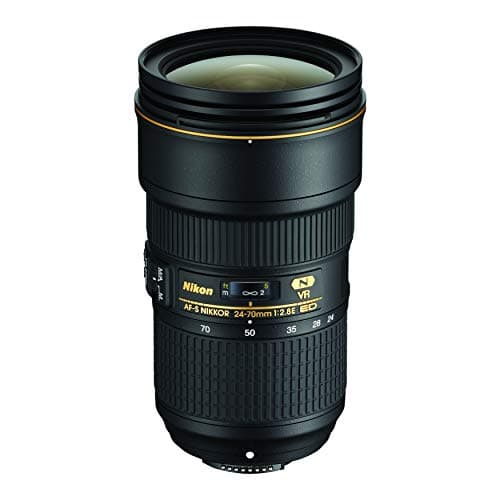
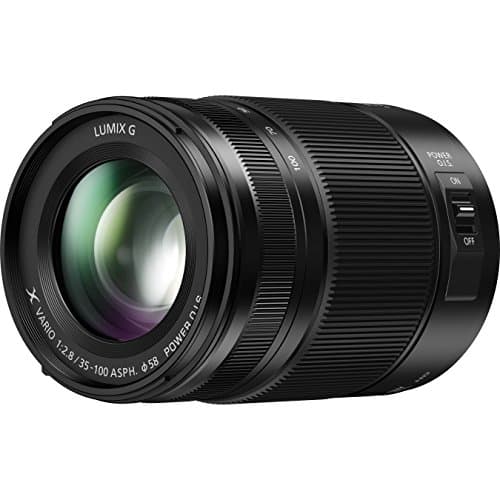
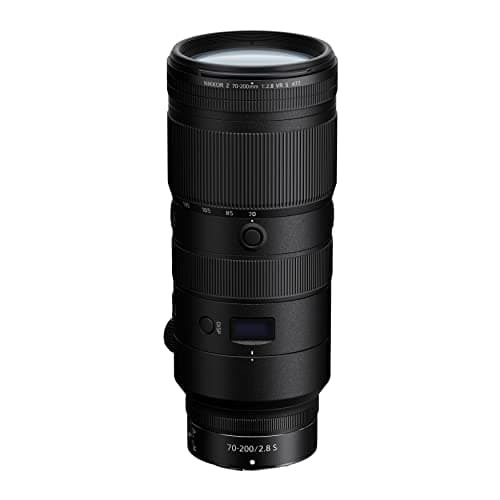
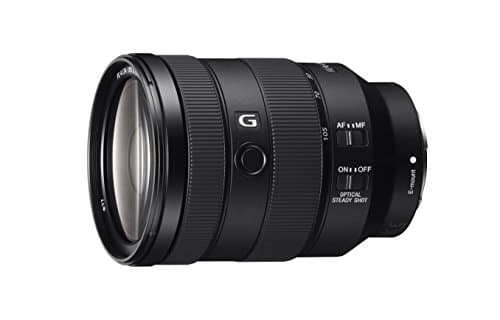
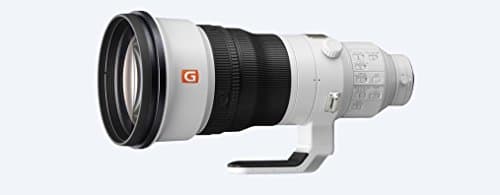
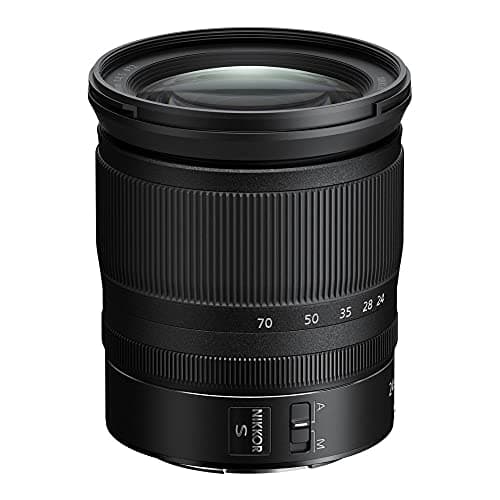
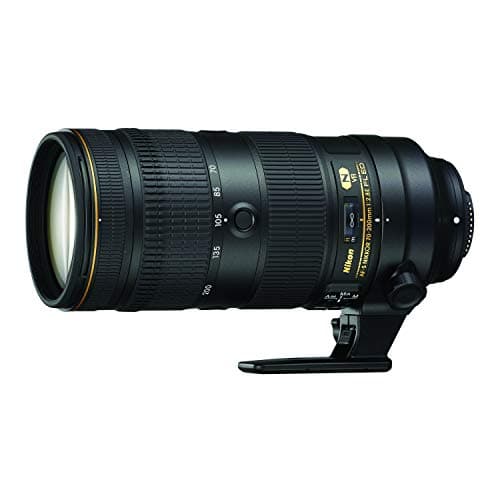
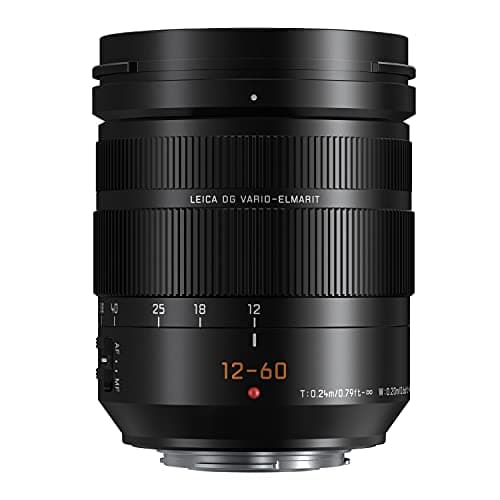
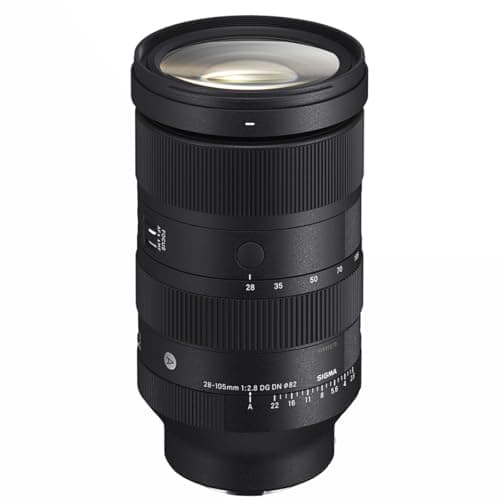
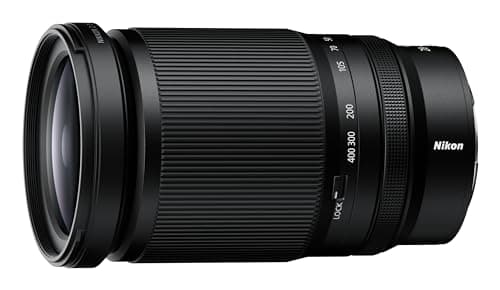

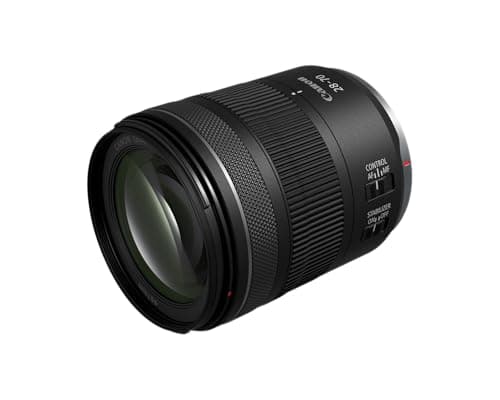
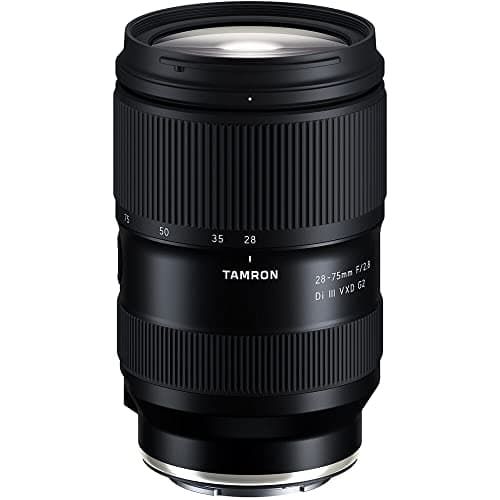
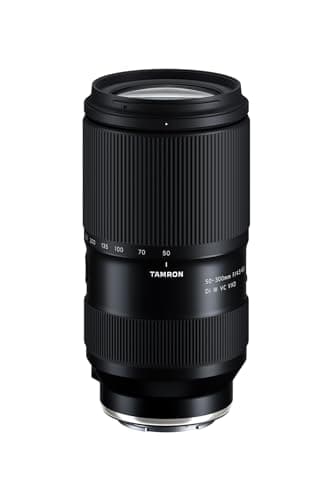
* Product prices and availability are accurate as of the date/time indicated and are subject to change. Any price and availability information displayed on Amazon.com at the time of purchase will apply to the purchase of this product.
* Imaginated.com may receive compensation for purchases made at participating retailers linked on this site. This compensation does not affect what products or prices are displayed, or the order of prices listed. Learn more here.
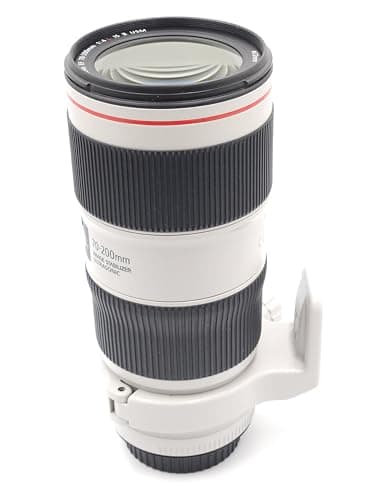
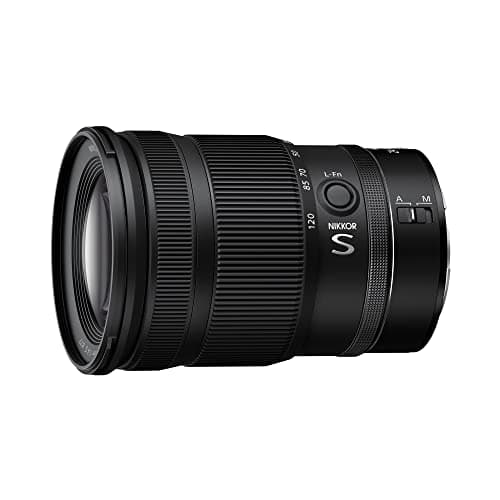
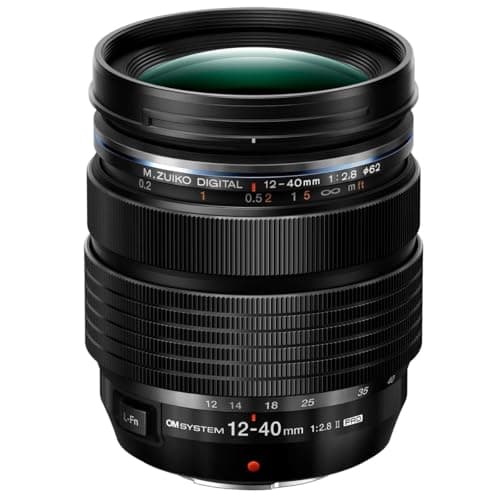
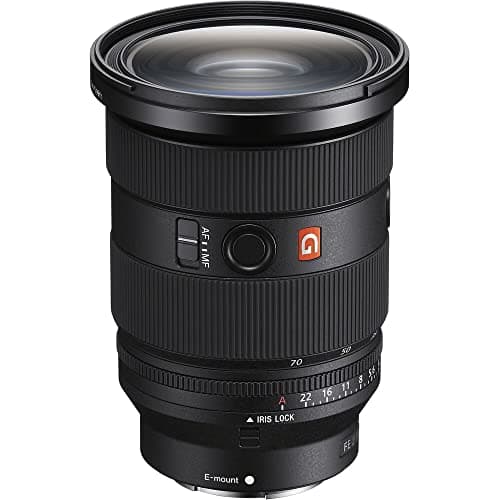
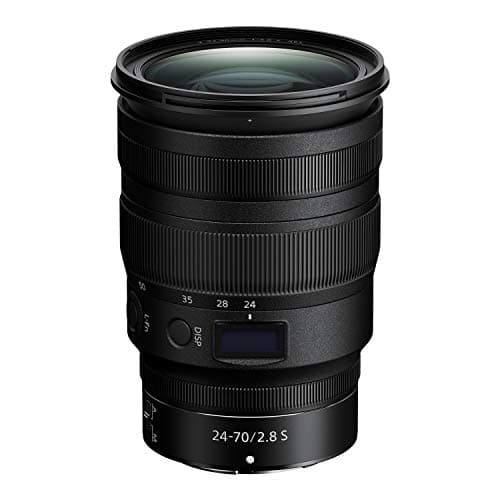
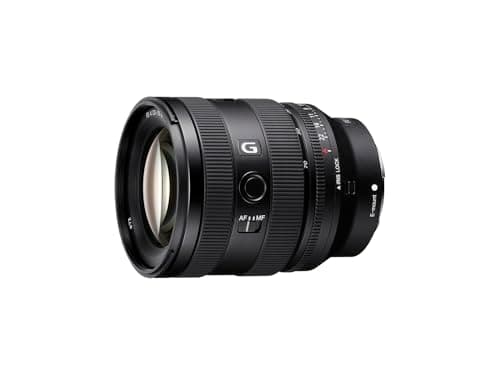
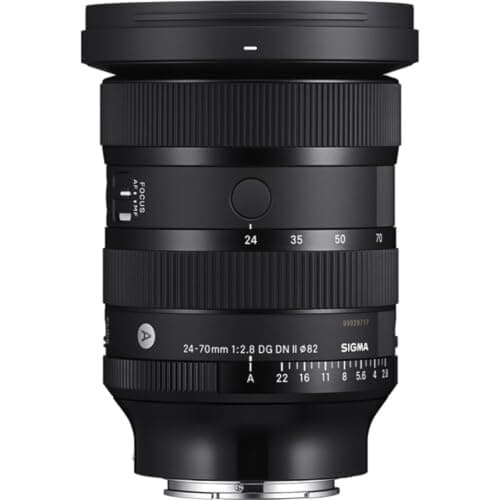
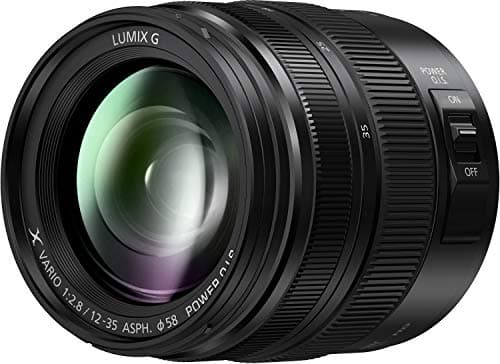
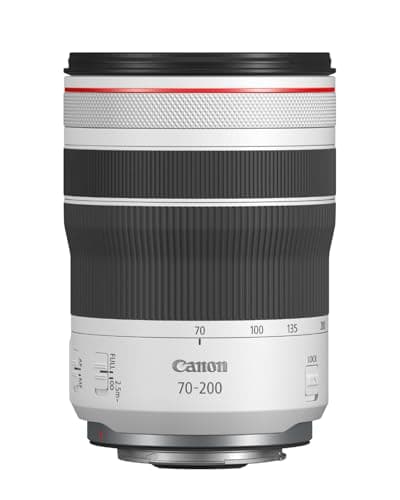
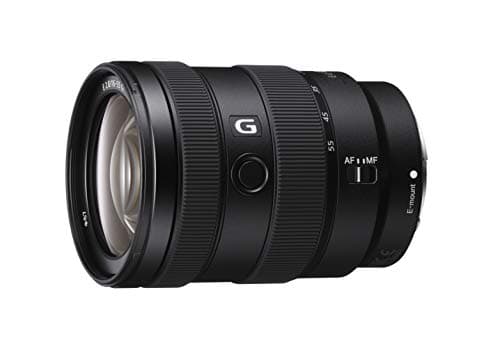
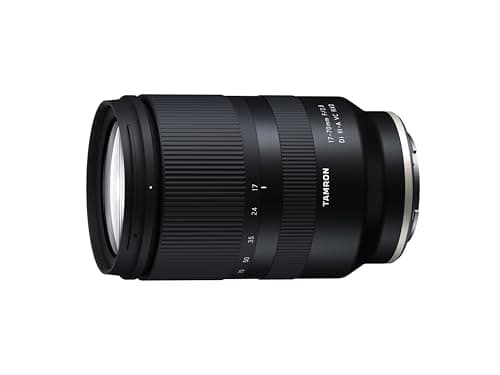
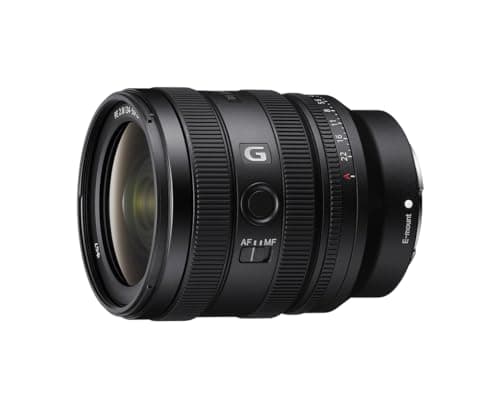
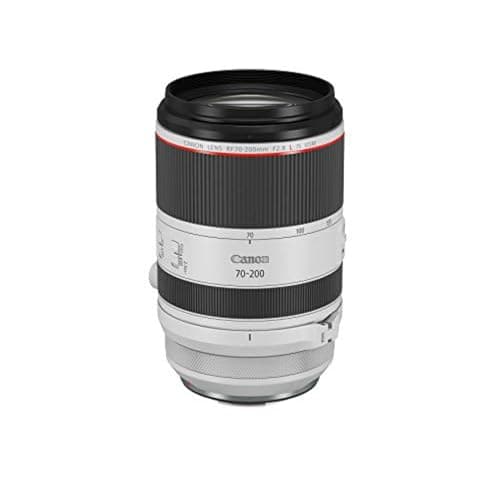
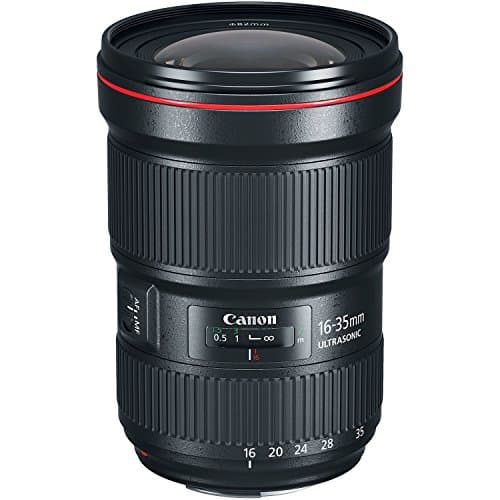
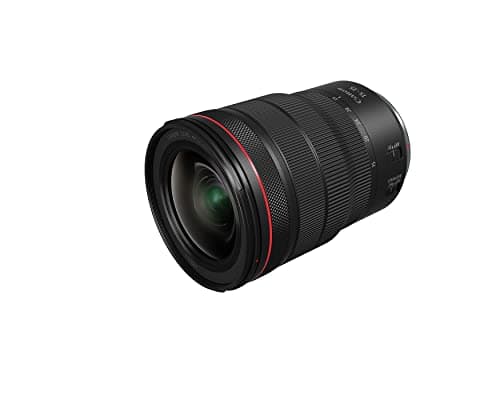
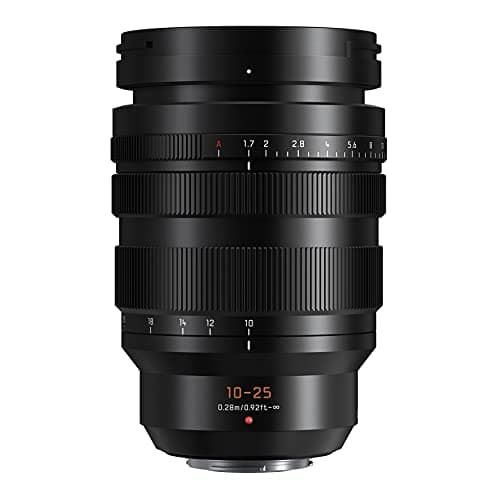
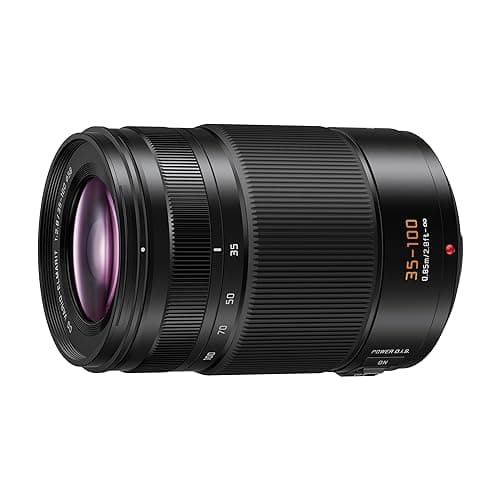
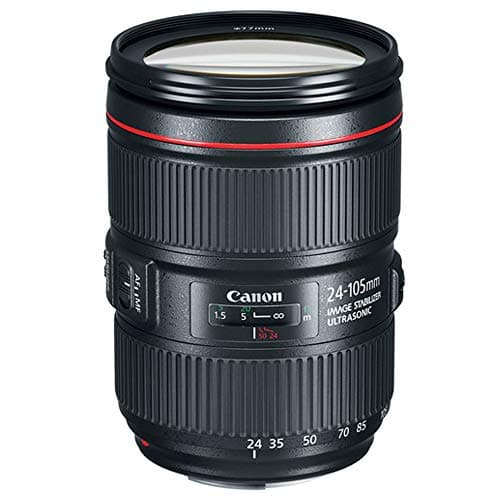
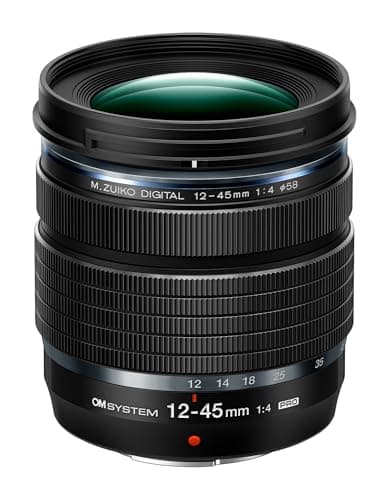
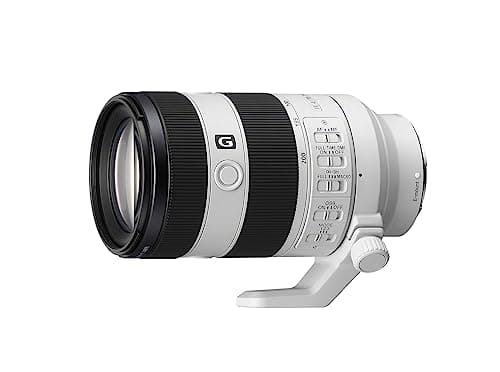
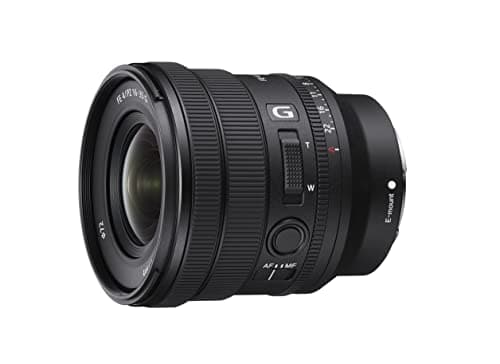
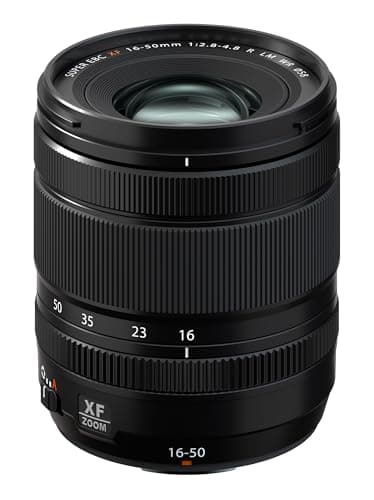
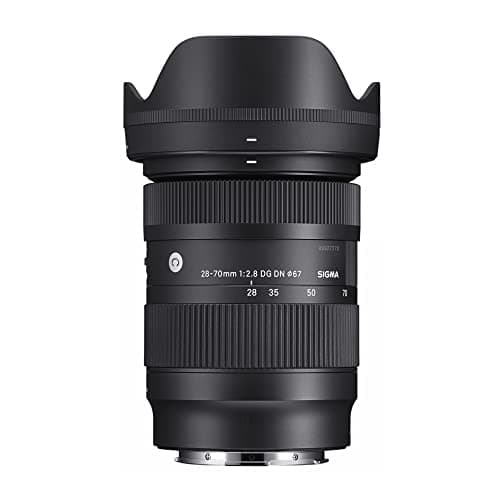
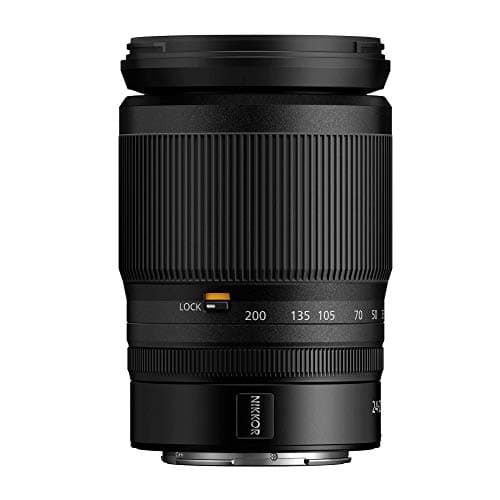
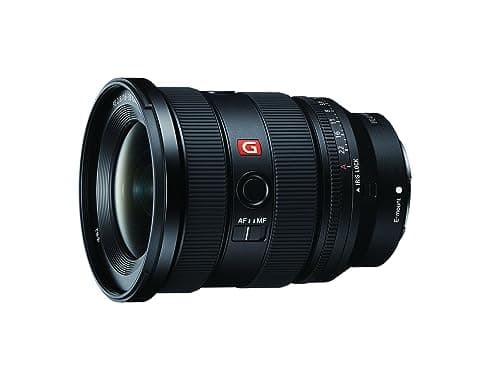
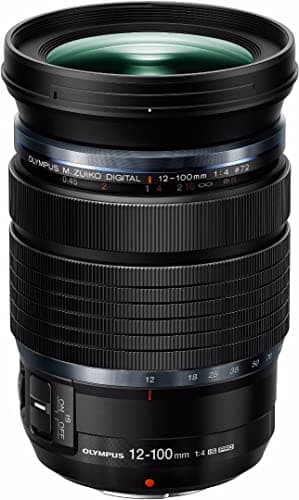
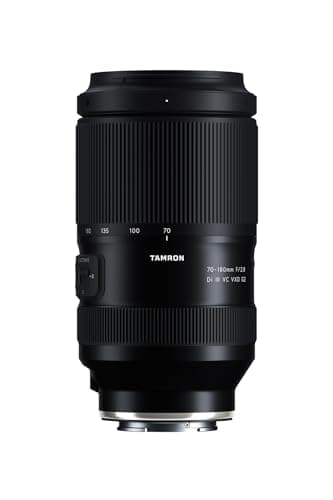
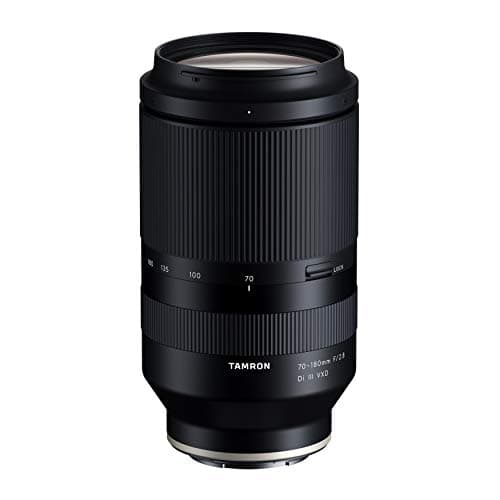
These are the best zoom lenses for documentary photography when you want compact builds, fast and reliable AF, honest geometry, and stabilization that keeps handheld shots sharp—whether you’re embedded on long projects, moving through crowded streets, covering sensitive interviews, or working fast in changing light—and here’s what to look for as you buy: prioritize moderate size/weight you’ll carry all day, rectilinear rendering with low wave/moustache distortion, strong performance wide open (ƒ2.8 ideal; ƒ4 for lighter kits), quiet linear/STM motors with predictable AF behavior, minimal focus breathing if you film, effective IS/OSS/VR that plays nicely with IBIS, weather sealing and robust hoods, practical close-focus for detail cutaways, and front threads (67/77/82mm) so one VND/CPL/diffusion covers the set; favor internal focus (and internal zoom where possible) for gimbals, standardize diameters across your lenses, and keep firmware current for AF and stabilization improvements. Full-frame doc heroes: standard zooms—Sony FE 24–70mm ƒ2.8 GM II (fast, light for class, breathing control), FE 24–105mm ƒ4 G OSS (one-lens day with excellent OSS), Canon RF 24–70mm ƒ2.8L IS and RF 24–105mm ƒ4L IS (flagship AF + IS), Nikon Z 24–70mm ƒ2.8 S and Z 24–120mm ƒ4 S (neutral color, tidy geometry), Panasonic/LUMIX S 24–105mm ƒ4 O.I.S. and Sigma 24–70mm ƒ2.8 DG DN (consistent rendering, strong value). Wide/ultrawide context lenses—Sony FE 16–35mm ƒ2.8 GM II or FE PZ 16–35mm ƒ4 G (great for handheld interiors and gimbal work), Canon RF 15–35mm ƒ2.8L IS / RF 14–35mm ƒ4L IS, Nikon Z 14–30mm ƒ4 S, Sigma 14–24mm ƒ2.8 DG DN (rear-gel option; clean corners). Tele/story compression—Sony FE 70–200mm ƒ2.8 GM OSS II or ƒ4 G OSS II (light, quick), Canon RF 70–200mm ƒ2.8L IS / ƒ4L IS (compact, stabilized), Nikon Z 70–200mm ƒ2.8 VR S (razor sharp, great VR), Sigma 70–200mm ƒ2.8 DG DN OS (modern, balanced) for respectful distance portraits and moment isolation. APS-C standouts for light, discreet rigs: Sony E 18–135mm ƒ3.5–5.6 OSS (one-lens travel), E 16–55mm ƒ2.8 G (prime-like sharpness), Tamron 17–70mm ƒ2.8 VC (fast + stabilized), Sigma 18–50mm ƒ2.8 DC DN (tiny, bright), Fujifilm XF 18–55mm ƒ2.8–4 OIS (legendary “kit killer”), XF 16–80mm ƒ4 OIS (range + OIS), XF 10–24mm ƒ4 OIS WR (handheld interiors), Canon RF-S 18–150mm ƒ3.5–6.3 IS and 55–210mm ƒ5–7.1 IS (compact stabilized pair), Nikon Z DX 16–50mm ƒ3.5–6.3 VR and 50–250mm ƒ4.5–6.3 VR (sharp, featherweight). Micro Four Thirds workhorses (stealthy and stabilized): OM SYSTEM 12–100mm ƒ4 IS Pro (Sync IS legend—handheld at silly lows), 12–40mm ƒ2.8 Pro II + 40–150mm ƒ2.8 Pro (classic twin-pack), Panasonic 12–35mm ƒ2.8 and 35–100mm ƒ2.8 (tiny, smooth OIS), Panasonic Leica 10–25mm ƒ1.7 (prime-like rendering for dim interiors). Practical buyer tips: build a two-zoom spine—(16/15–35 + 24–70) covers most briefs; add a 70–200 for respectful distance and compressed moments; if weight is king, pick ƒ4 zooms with strong IS and pair with a single fast prime for nights; standardize 77/82mm fronts for one VND/CPL/diffusion (use CPL sparingly—don’t kill window reflections you might want), choose lenses with low breathing and declickable or well-damped apertures if you’re hybrid, and prefer internal-focus designs for gimbals. Field technique that keeps files honest and sharp: run Aperture Priority or Manual with Auto-ISO and a sensible floor (1/125–1/250s for people; 1/500s+ for quick action), keep the camera roughly level to avoid unintentional keystone that dramatizes scale, and favor 24–35mm for context with a quick swap to 50–105/200mm for emotion and detail; expose for faces and let highlights clip gracefully if needed, lock a consistent white balance per scene for clean edits, and use IBIS/IS deliberately—give it a half-second to stabilize and shoot short bursts for a tack frame; for interviews and quiet spaces, rely on stabilized ƒ4 zooms and gentle diffusion for flattering contrast; for video, keep a 180° shutter with a quality VND, set slow AF transitions and medium sensitivity for natural racks, enable breathing compensation, and favor short, intentional moves over long walks; always mind access and ethics—work small, be transparent, and let the story lead your focal length choices. Whether you’re following a single subject for months, filing fast from the field, or crafting vérité sequences with ambient light, the best zoom lenses for documentary photography combine manageable size, reliable AF, low distortion, smart stabilization, and consistent rendering—so your images feel truthful, immediate, and quietly cinematic.
Lenses by brand:
Lenses by price:
Lenses by type:
Lenses by sensor:
Lenses by feature:
Lenses by use case:
- Best Zoom Lenses for Astrophotography
- Best Zoom Lenses for Bird Photography
- Best Zoom Lenses for Concert Photography
- Best Zoom Lenses for Documentary Photography
- Best Zoom Lenses for Event Photography
- Best Zoom Lenses for Fashion Photography
- Best Zoom Lenses for Food Photography
- Best Zoom Lenses for Headshot Photography
- Best Zoom Lenses for Jewelry Photography
- Best Zoom Lenses for Landscape Photography
- Best Zoom Lenses for Macro Photography
- Best Zoom Lenses for Nature Photography
- Best Zoom Lenses for Portrait Photography
- Best Zoom Lenses for Sports Photography
- Best Zoom Lenses for Street Photography
- Best Zoom Lenses for Travel Photography
- Best Zoom Lenses for Wedding Photography
- Best Zoom Lenses for Wildlife Photography
- Best Zoom Lenses for Video
Lenses by experience:
Cameras: