
10 Best Zoom Lenses for Concert Photography in 2026
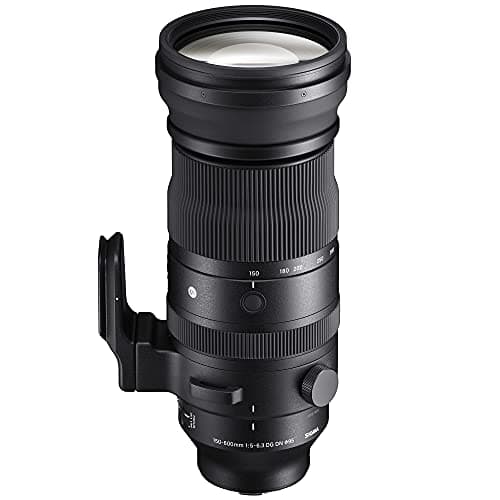
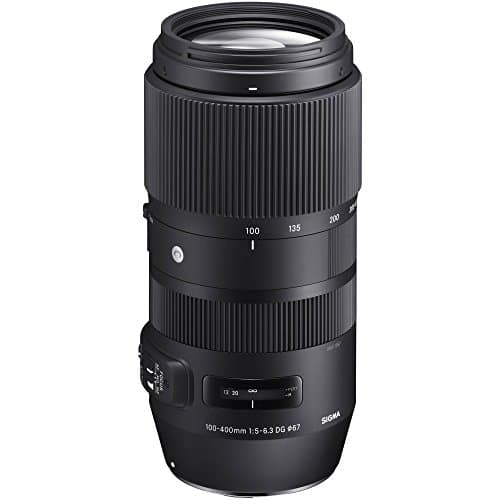
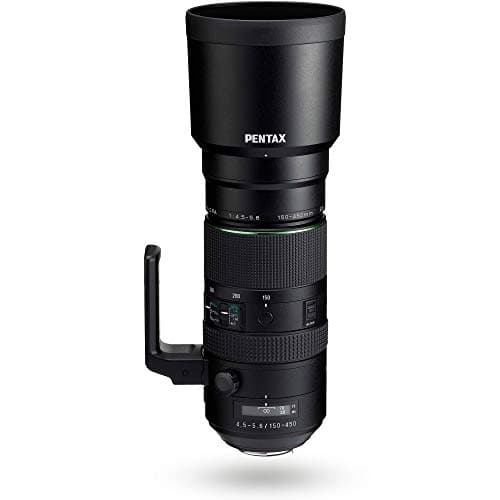
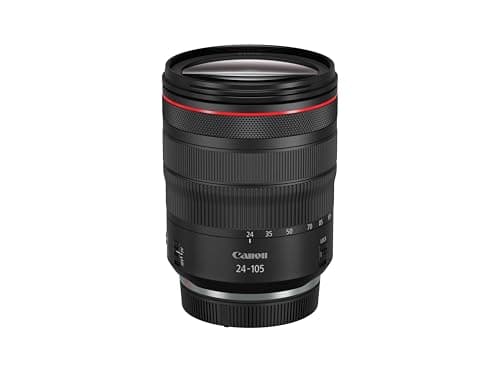
* Product prices and availability are accurate as of the date/time indicated and are subject to change. Any price and availability information displayed on Amazon.com at the time of purchase will apply to the purchase of this product.
* Imaginated.com may receive compensation for purchases made at participating retailers linked on this site. This compensation does not affect what products or prices are displayed, or the order of prices listed. Learn more here.
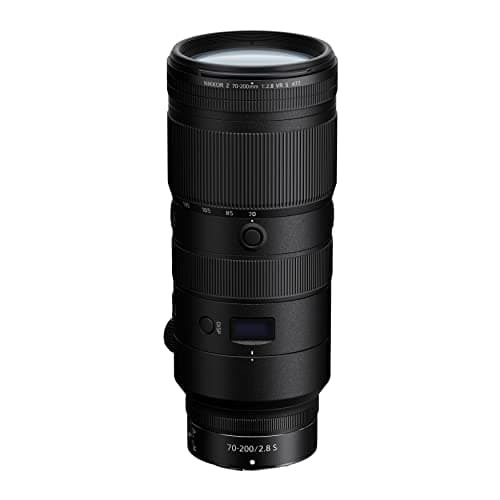
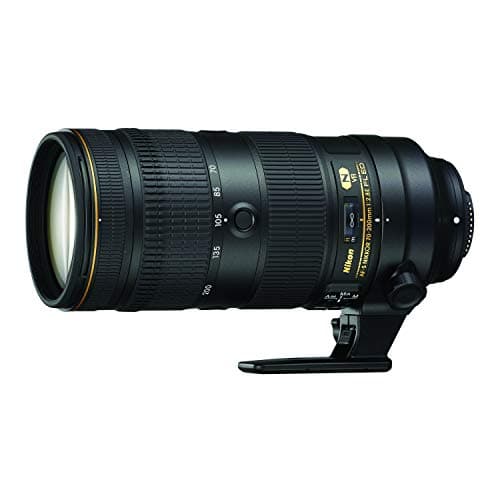
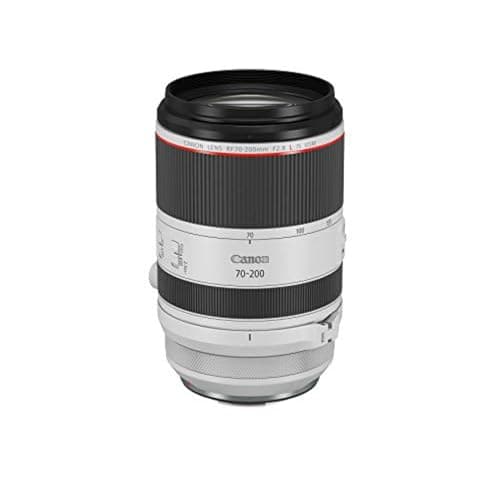
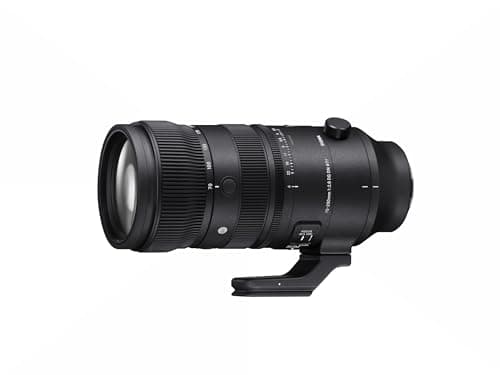
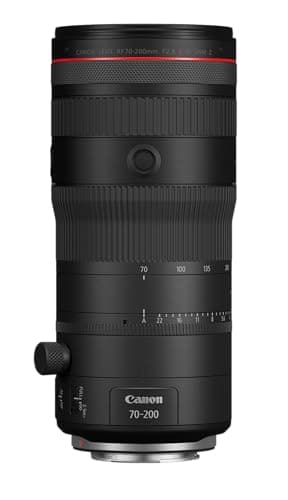
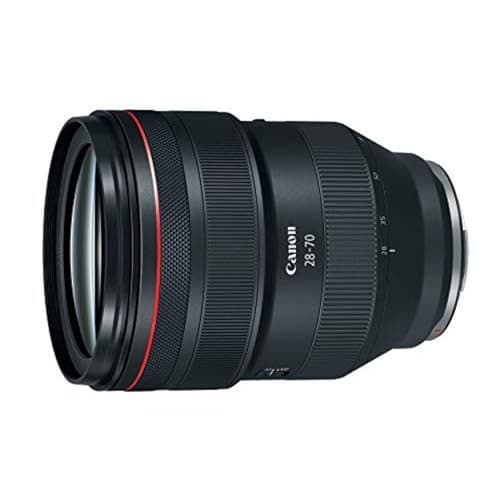
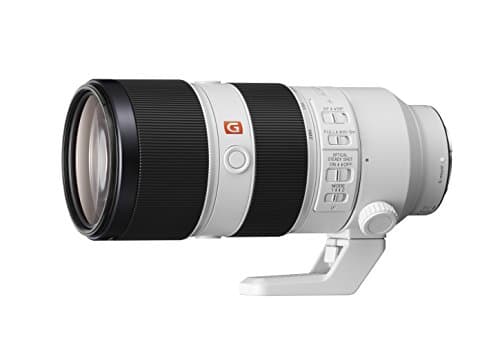
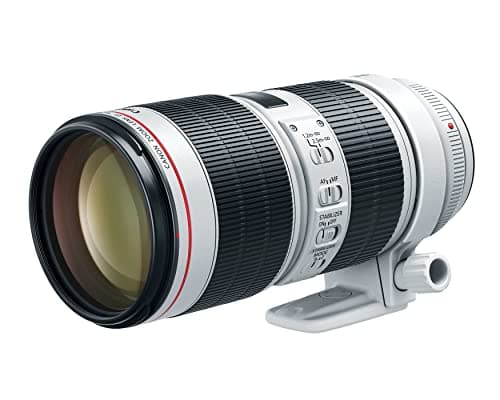
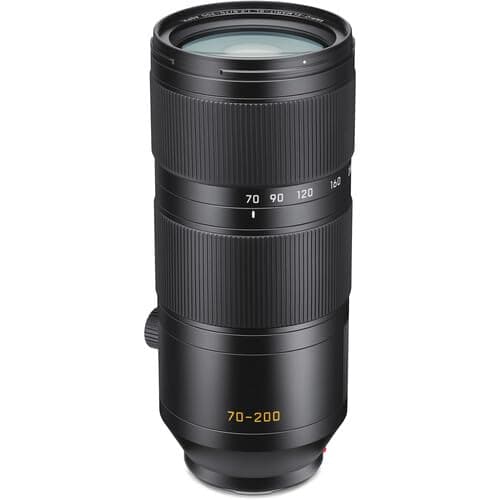
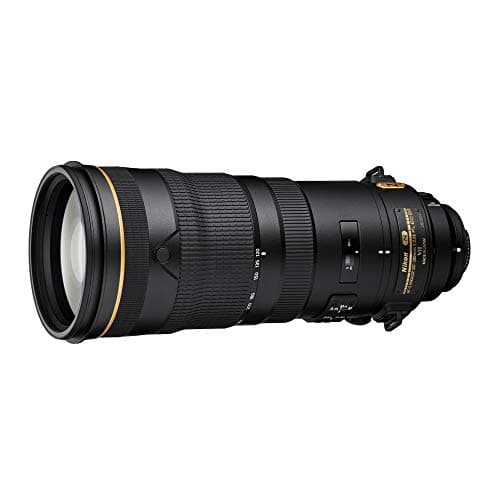
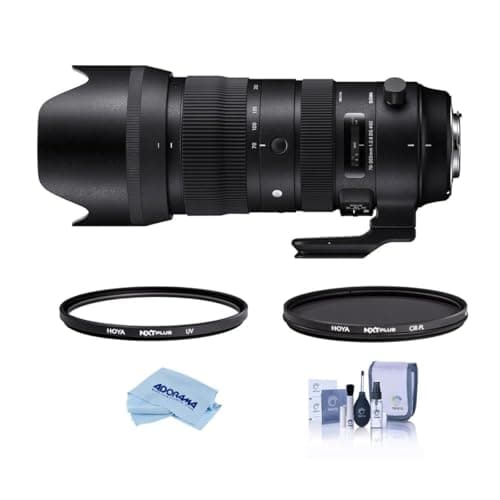
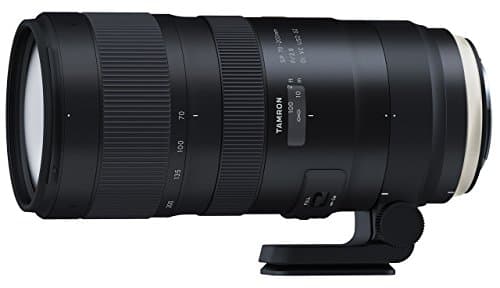
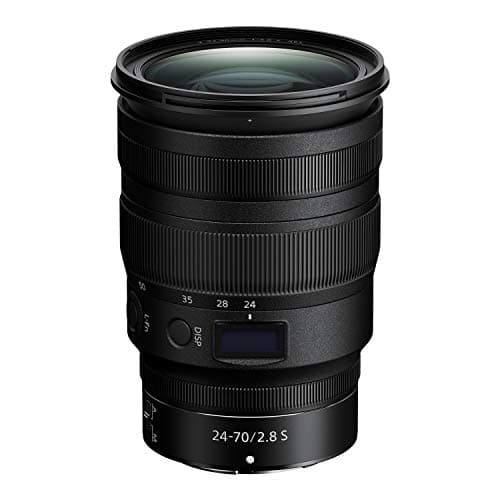
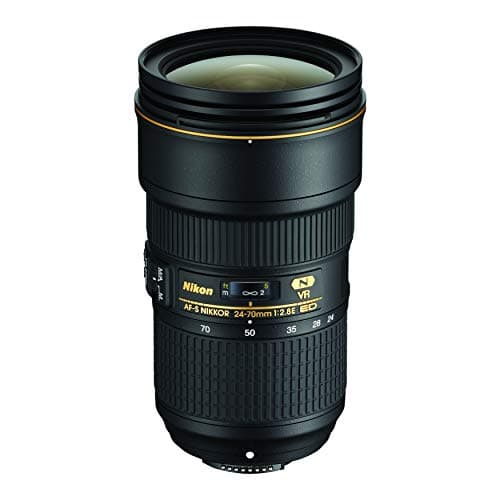
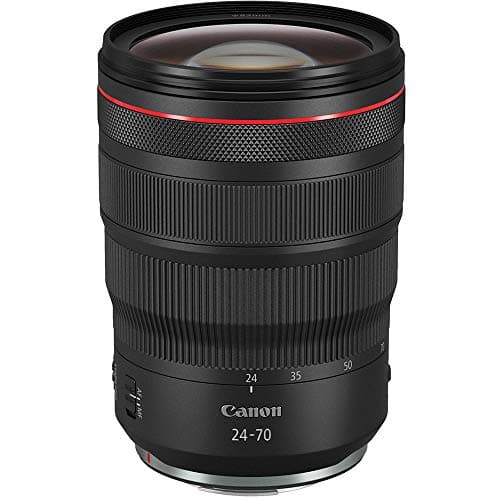
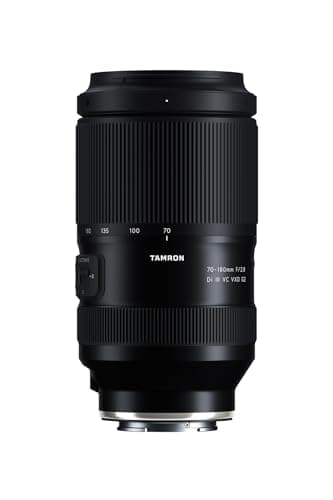
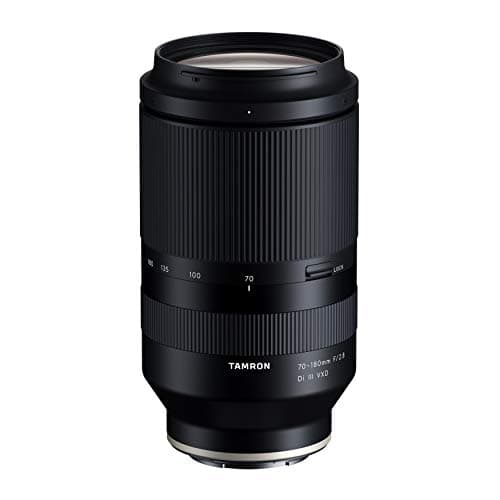
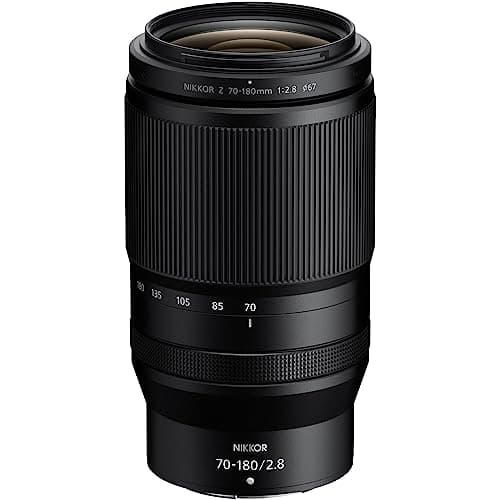
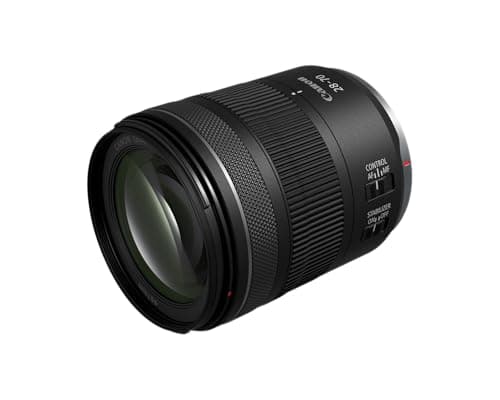
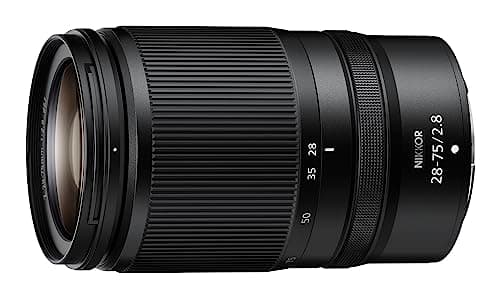
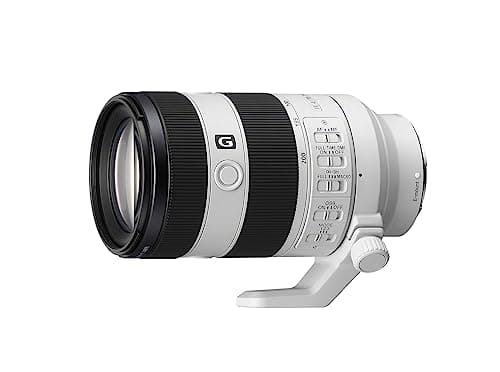
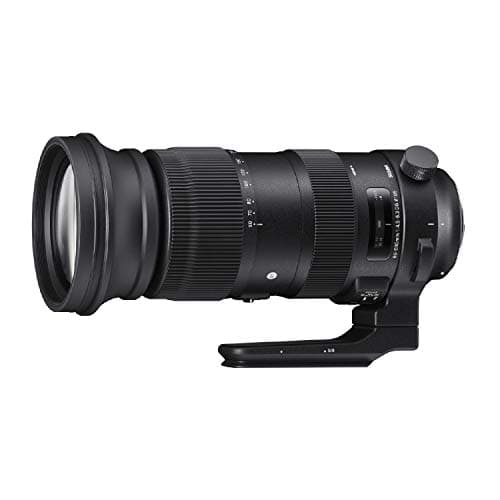
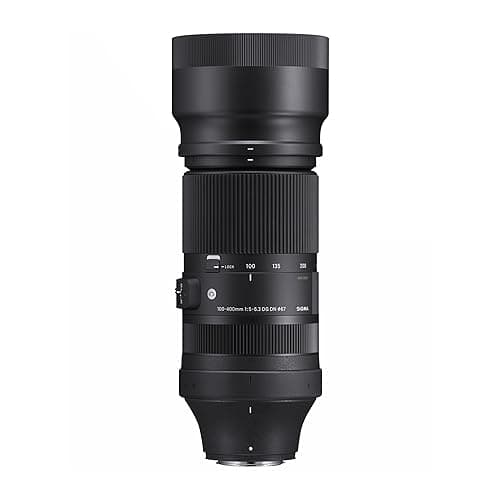
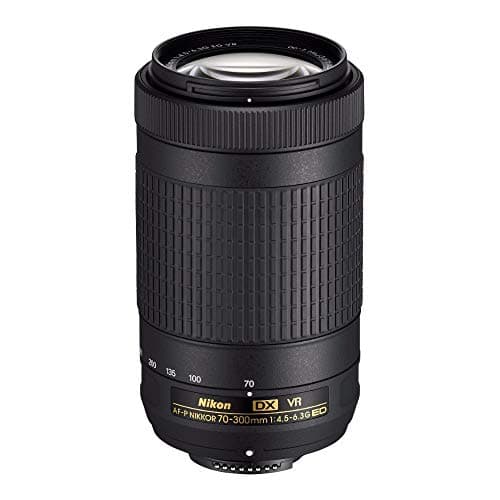
These are the best zoom lenses for concert photography when you want fast apertures, sticky AF in low contrast, disciplined flare/ghosts against brutal LEDs, and smooth, quiet focus for video—whether you’re in the pit, side stage, the balcony, or roaming festivals—and here’s what to look for as you buy: prioritize constant ƒ2.8 (or faster) with strong wide-open contrast and controlled LoCA on speculars, quiet linear/STM motors that don’t chatter in quiet rooms, minimal focus breathing if you film, effective stabilization that plays nicely with IBIS for ballads, robust weather sealing, and front threads (77/82mm) for one VND/diffusion; favor internal focus (and internal zoom if possible) for gimbals, tight hoods for stray light, and consistent color across your set. Full-frame pit-to-stage heroes: wide/standard—Sony FE 16–35mm ƒ2.8 GM II and FE 24–70mm ƒ2.8 GM II (fast AF, breathing control), Canon RF 15–35mm ƒ2.8L IS and RF 24–70mm ƒ2.8L IS (great IS under shaky platforms), Nikon Z 14–24mm ƒ2.8 S and Z 24–70mm ƒ2.8 S (clean flare handling), Sigma 14–24mm ƒ2.8 DG DN Art and 24–70mm ƒ2.8 DG DN Art (modern coatings, strong value), Tamron 17–28mm ƒ2.8 + 28–75mm ƒ2.8 G2 (light, fast, budget-savvy), and Canon RF 28–70mm ƒ2L when you want prime-like speed in one lens; tele/aisle compression—Sony FE 70–200mm ƒ2.8 GM OSS II, Canon RF 70–200mm ƒ2.8L IS, Nikon Z 70–200mm ƒ2.8 VR S, Sigma 70–200mm ƒ2.8 DG DN OS (all excellent for faces from the seats), plus the Tamron 35–150mm ƒ2–2.8 (walk-the-venue portrait-to-tele flexibility). APS-C standouts for smaller pits and light kits: Sony E 16–55mm ƒ2.8 G (razor standard), Tamron 17–70mm ƒ2.8 VC (fast + stabilized), Sigma 18–50mm ƒ2.8 DC DN (tiny night workhorse), Sony E 70–350mm ƒ4.5–6.3 G OSS (useful long-end compression outdoors), Fujifilm XF 16–55mm ƒ2.8 and XF 50–140mm ƒ2.8 (quiet linear AF, stage-ready), and Canon RF-S users can run RF 24–70mm ƒ2.8L on crop or adapt EF-S 17–55mm ƒ2.8 IS for stabilized club coverage. Micro Four Thirds low-light zoom champs: Panasonic Leica 10–25mm ƒ1.7 and 25–50mm ƒ1.7 (prime-like speed for dark clubs), Olympus/OM SYSTEM 12–40mm ƒ2.8 Pro II and 40–150mm ƒ2.8 Pro (sharp, sealed, great AF), Panasonic 12–35mm ƒ2.8 and 35–100mm ƒ2.8 (tiny twin-pack with effective OIS). Practical buyer tips: build a two-zoom spine—(16/17–28 + 24–70 ƒ2.8) covers most stages; add a 70–200 ƒ2.8 for headliners from the mix or balcony; standardize 77/82mm for one high-quality VND and subtle diffusion (Black Mist 1/8–1/4) to tame harsh LEDs; favor lenses with proven flare resistance and breathing control if you shoot hybrid; keep firmware current for Eye AF and flicker fixes; skip CPLs in venues (they kill light and can shift gels). Field technique that lands keepers: run Manual or T/Av with Auto-ISO and a sensible ceiling (ISO 12,800–25,600), lock motion around 1/160–1/320s for performers (1/500s+ for jumps), work near wide open and stop 1/3–2/3 stop for eyelash-sharp faces, use Eye AF with a movable point to survive backlight, and expose for skin—let speculars clip gracefully; enable anti-flicker under LED walls and prefer mechanical shutter to avoid PWM banding; brace elbows, give IS/IBIS a half-second to “spin up,” and shoot short bursts to net a tack frame; keep the camera roughly level to avoid stretched features at wide ends, zoom with intention (24–35mm for context, 70–200mm for emotion), and watch flare paths from off-frame spots—use the hood/hand as a flag; for video, lock a 180° shutter with a quality VND, set slow AF transition/sensitivity for natural racks, enable breathing compensation, and favor internal-focus/zoom designs for stable gimbals. Whether you’re in sweaty basements, neon theaters, stadium pits, or festival dust, the best zoom lenses for concert photography combine fast constants, flare-savvy optics, quiet, confident AF, and stabilization that plays nicely with your body—so your night images stay sharp, colorful, and electric.
Lenses by brand:
Lenses by price:
Lenses by type:
Lenses by feature:
Lenses by use case:
- Best Zoom Lenses for Astrophotography
- Best Zoom Lenses for Bird Photography
- Best Zoom Lenses for Concert Photography
- Best Zoom Lenses for Documentary Photography
- Best Zoom Lenses for Event Photography
- Best Zoom Lenses for Fashion Photography
- Best Zoom Lenses for Food Photography
- Best Zoom Lenses for Headshot Photography
- Best Zoom Lenses for Jewelry Photography
- Best Zoom Lenses for Landscape Photography
- Best Zoom Lenses for Macro Photography
- Best Zoom Lenses for Nature Photography
- Best Zoom Lenses for Portrait Photography
- Best Zoom Lenses for Sports Photography
- Best Zoom Lenses for Street Photography
- Best Zoom Lenses for Travel Photography
- Best Zoom Lenses for Wedding Photography
- Best Zoom Lenses for Wildlife Photography
- Best Zoom Lenses for Video
Lenses by experience:
Cameras: