
10 Best Zoom Lenses for Street Photography in 2026
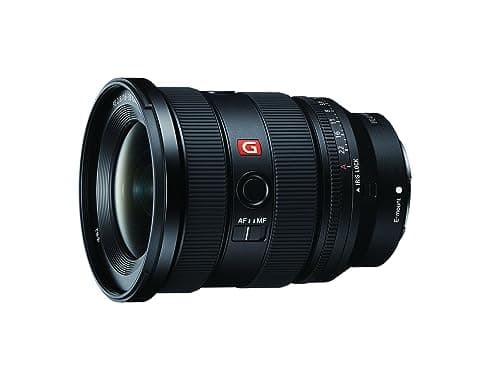
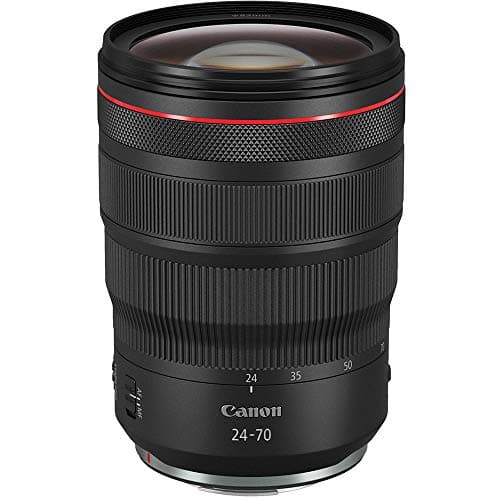
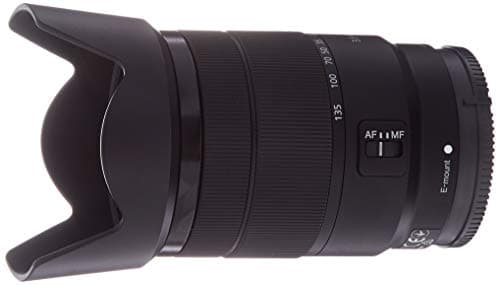
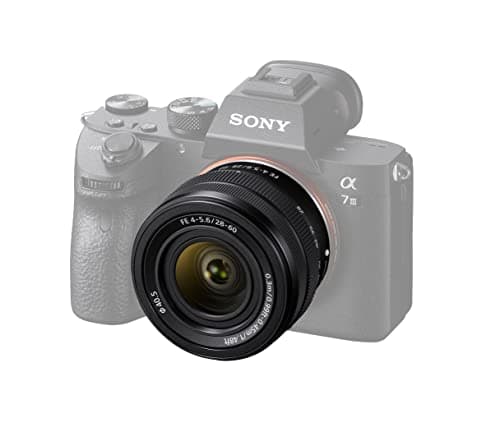
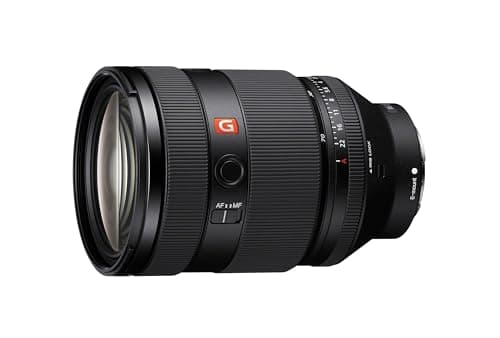
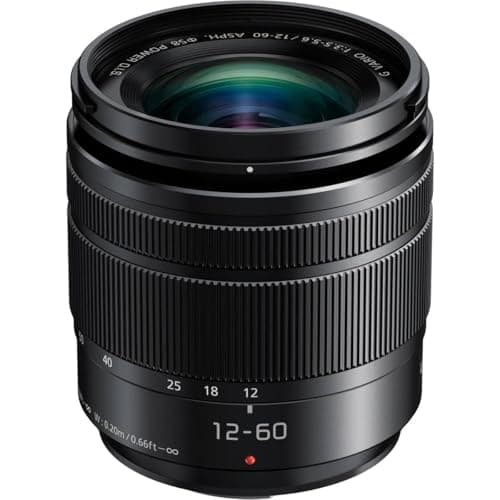
* Product prices and availability are accurate as of the date/time indicated and are subject to change. Any price and availability information displayed on Amazon.com at the time of purchase will apply to the purchase of this product.
* Imaginated.com may receive compensation for purchases made at participating retailers linked on this site. This compensation does not affect what products or prices are displayed, or the order of prices listed. Learn more here.
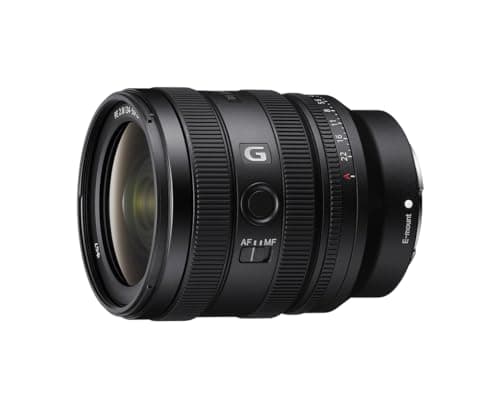
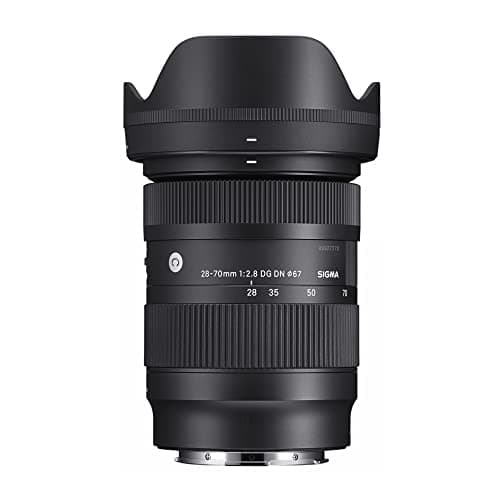
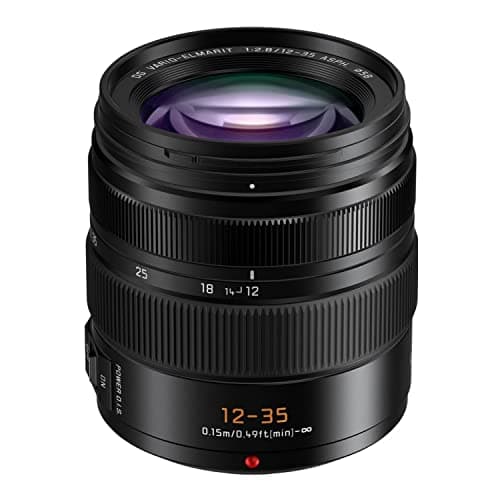
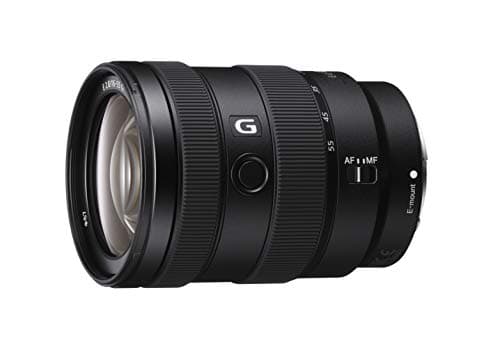
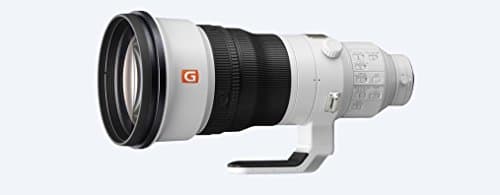
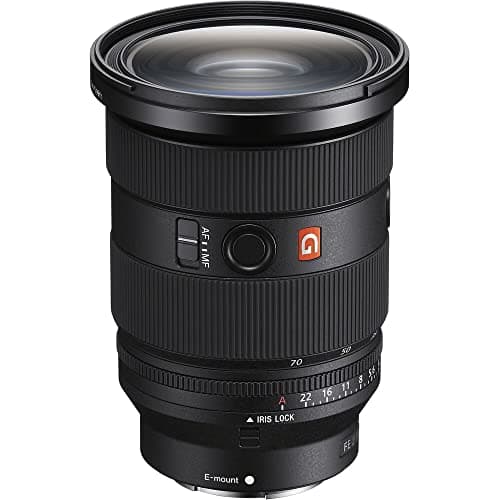
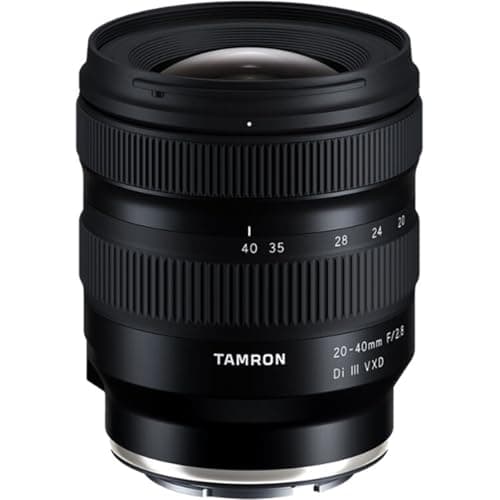
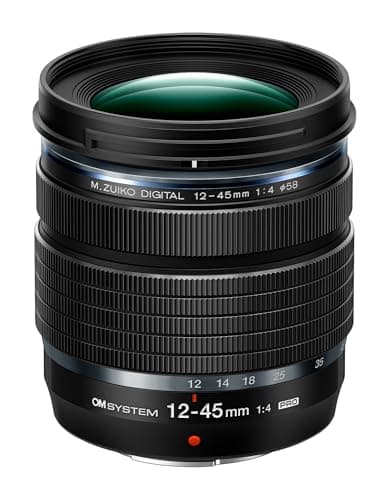
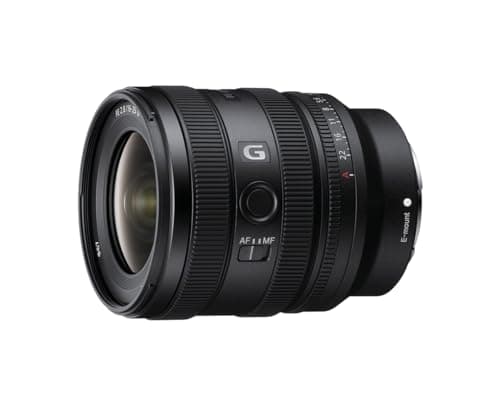
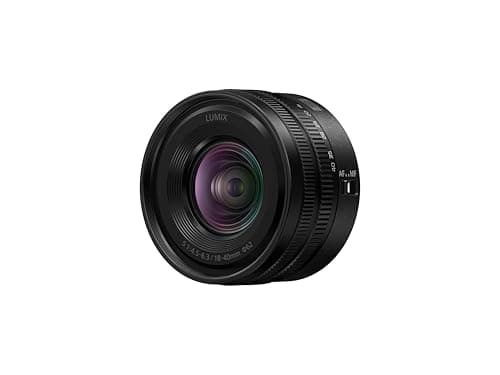
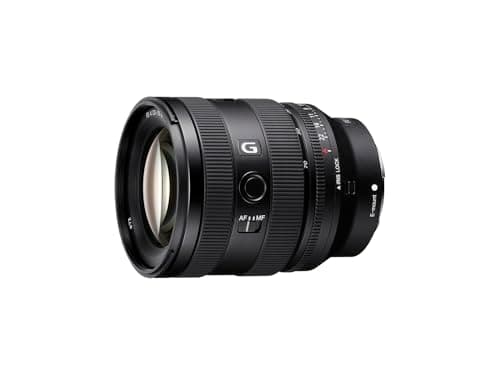
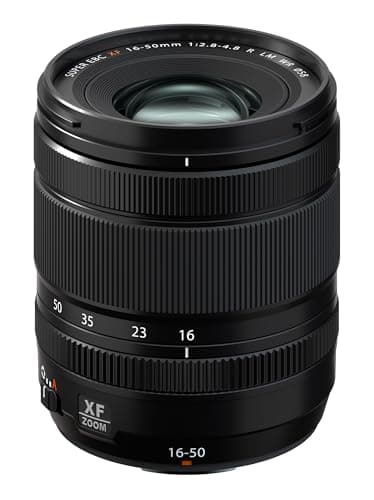
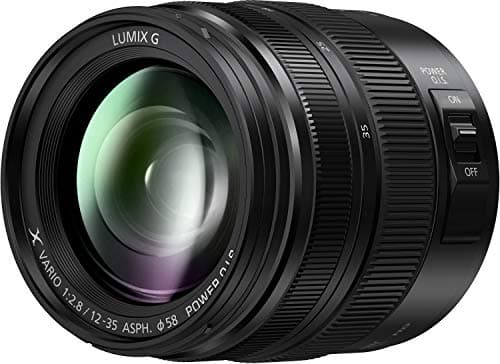
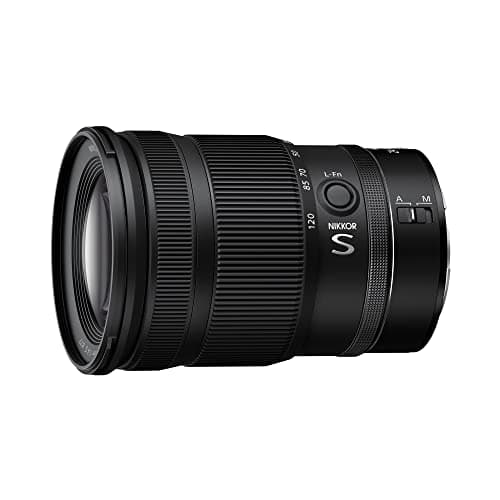
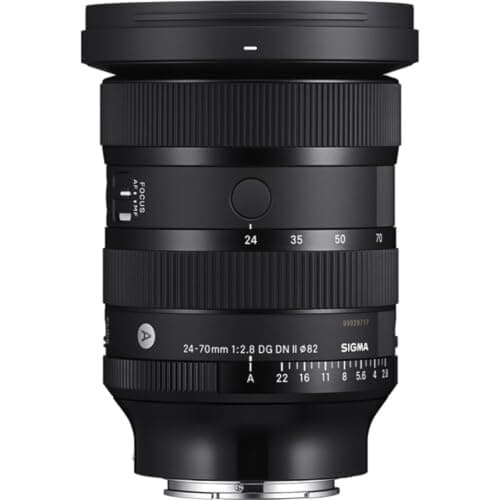
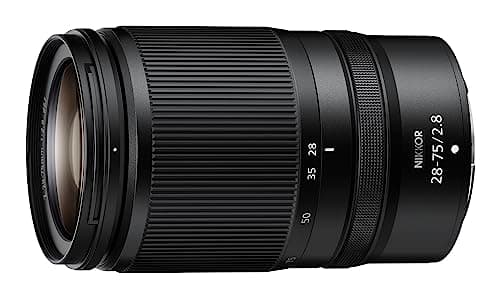
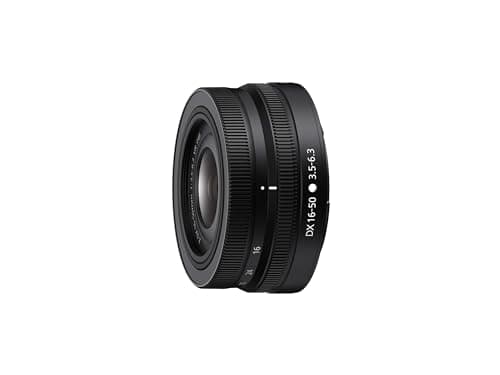
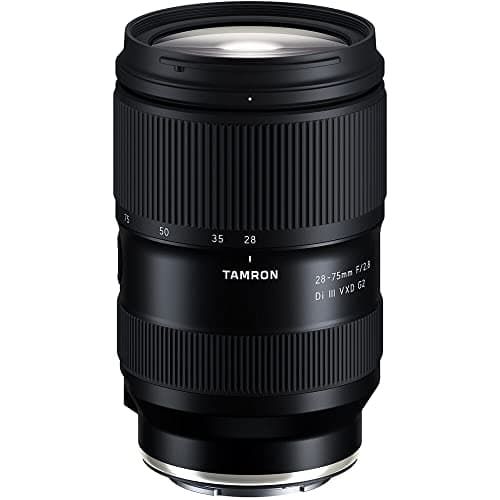
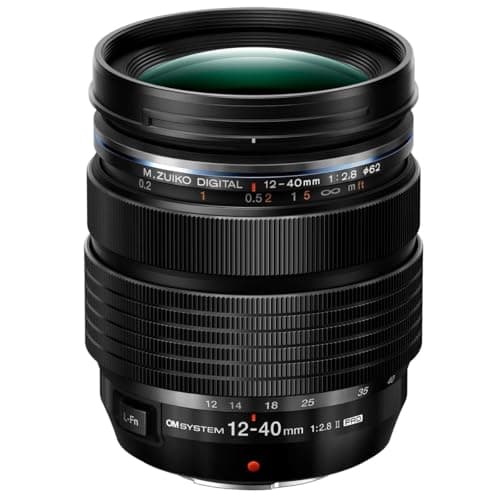
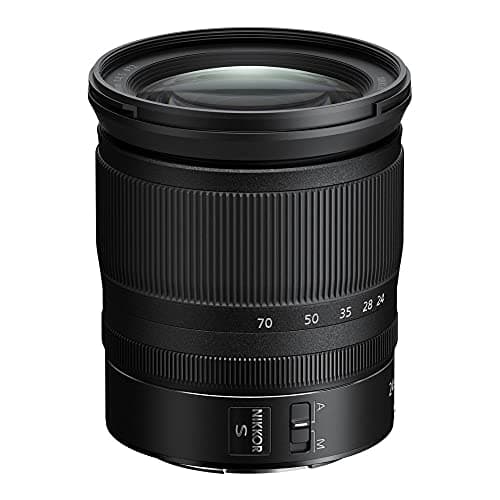
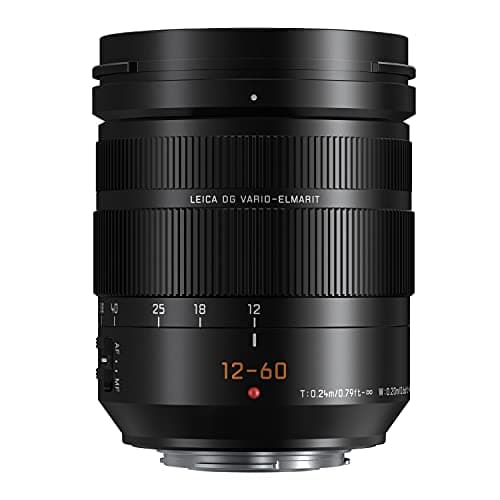
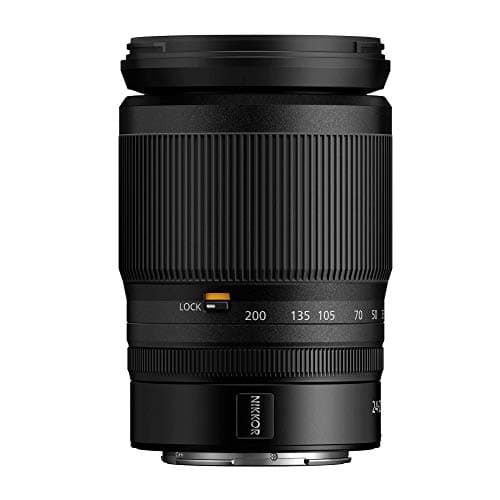
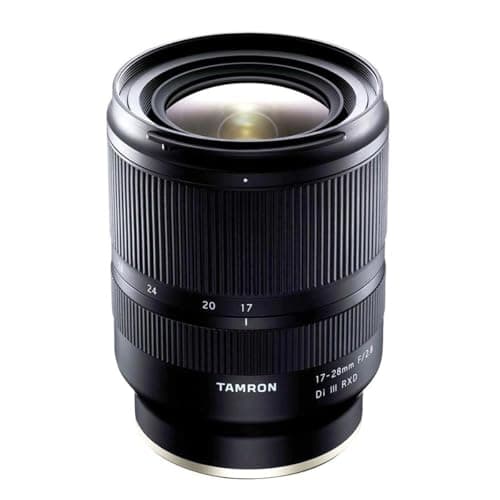
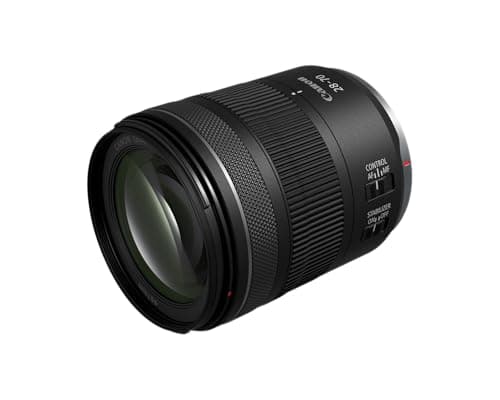
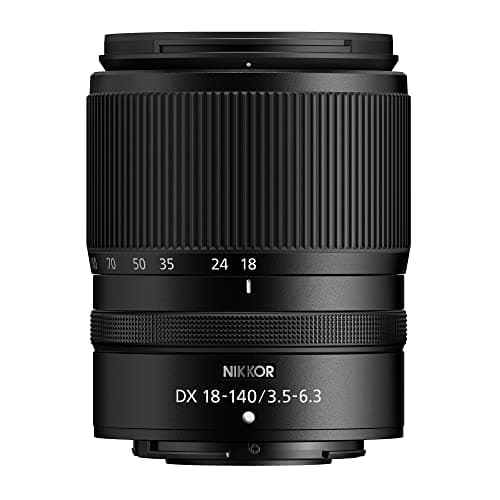
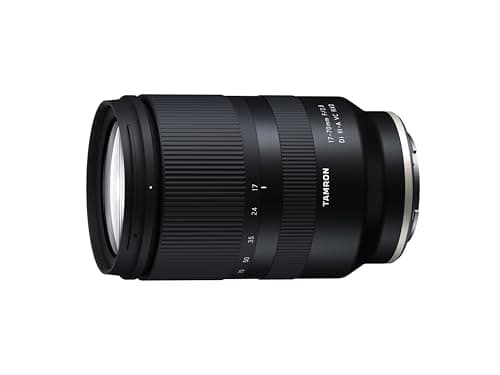
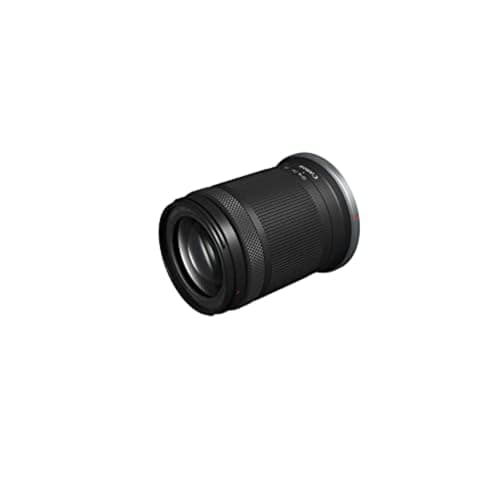
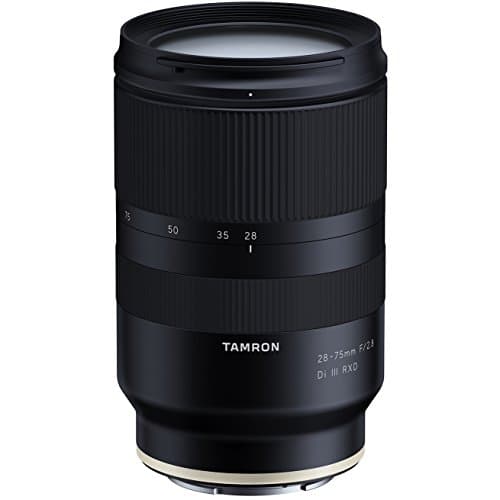
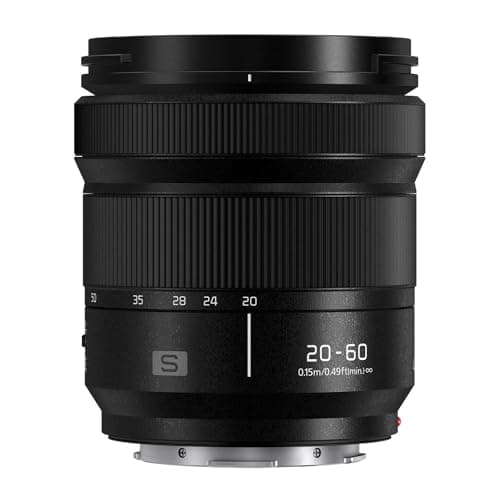
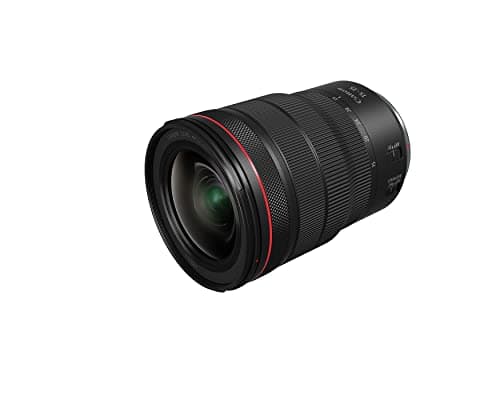
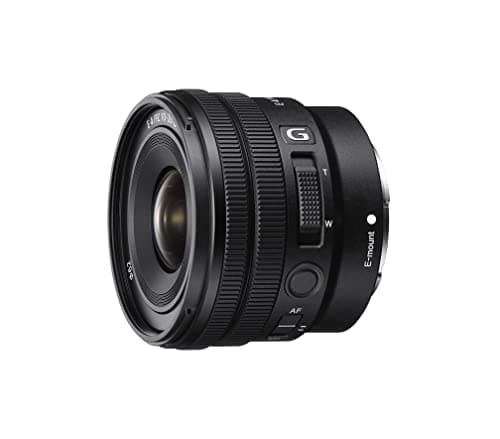
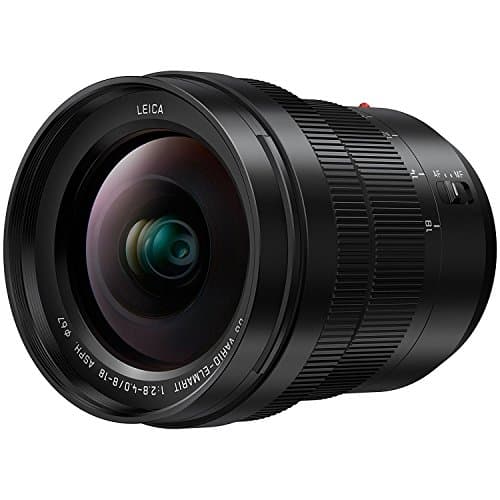
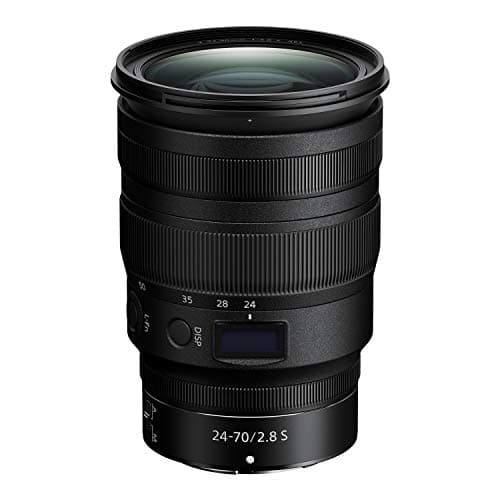
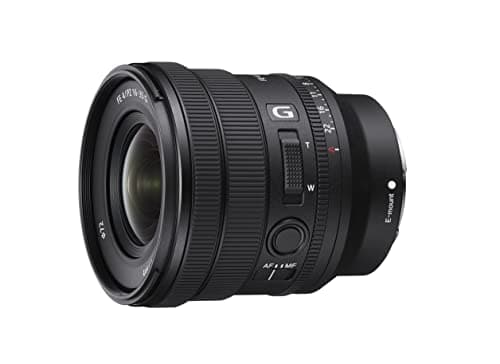
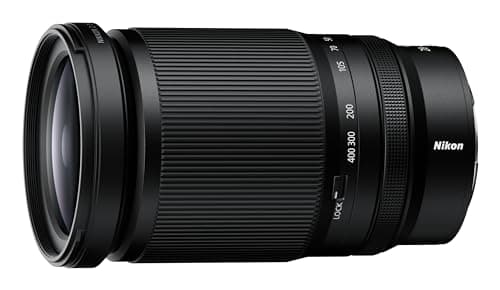
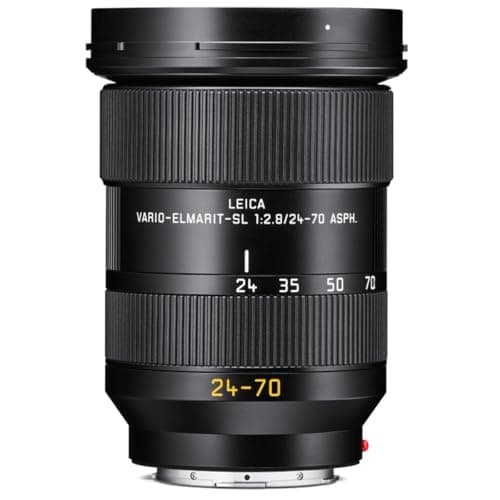
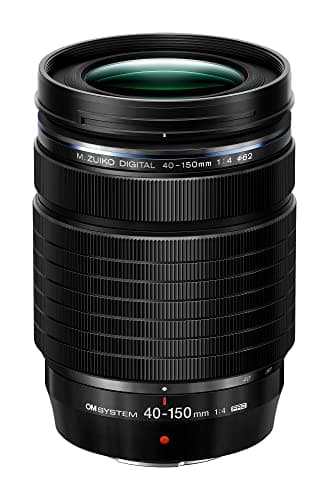
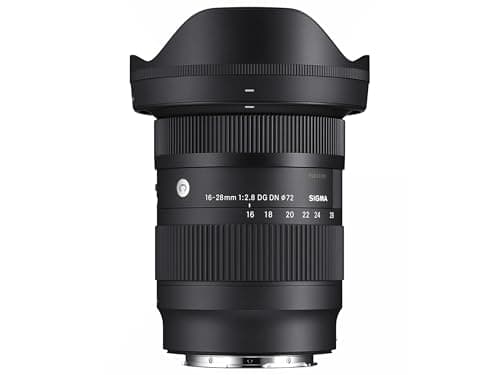
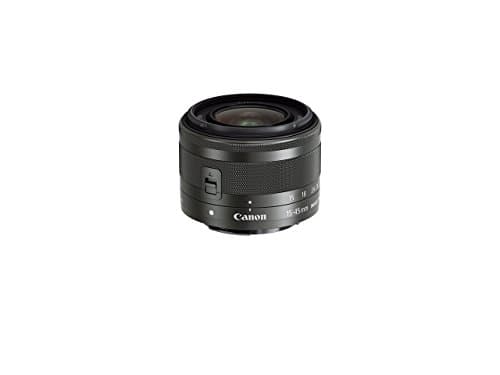
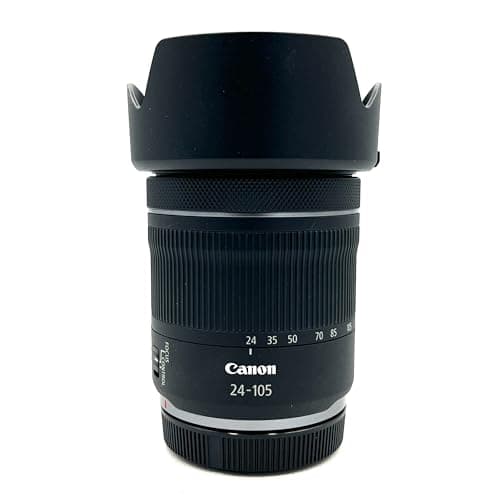
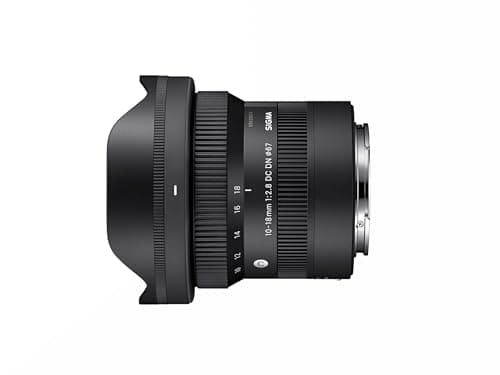
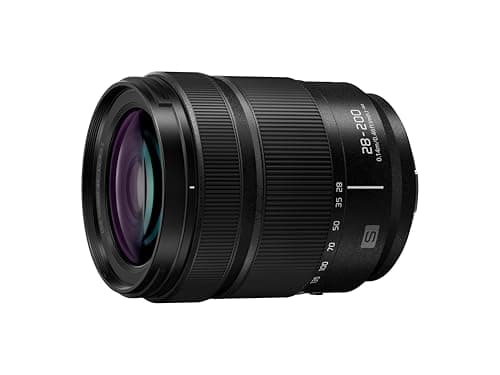
These are the best zoom lenses for street photography when you want compact size, fast and quiet AF, honest geometry that keeps people natural, and coatings that handle backlit neon and midday sun—whether you’re working candid sidewalks, layered crossings, tight markets, trains and cafes, or moody blue hour—and here’s what to look for as you buy: prioritize small/light builds you’ll carry all day, rectilinear optics with low wave/moustache distortion, strong wide-open contrast (ƒ2.8 ideal; sharp ƒ4 for lighter kits), minimal focus breathing if you film, effective stabilization that plays nicely with IBIS, tactile manual rings for quick zone-focus tweaks, and front threads (55–67–77mm) for one slim VND/diffusion (go easy on CPLs to keep reflections you might want); internal focus (and internal zoom if possible) helps on gimbals, and matched families keep color consistent across sets. Full-frame street heroes: compact standards—Sony FE 24–70mm ƒ2.8 GM II (light for class, fast AF), Canon RF 24–70mm ƒ2.8L IS, Nikon Z 24–70mm ƒ2.8 S, Sigma 24–70mm ƒ2.8 DG DN (value/modern coatings), Tamron 28–75mm ƒ2.8 G2 (tiny, close-focusing); featherweight range kings for all-day carry—Sony FE 24–105mm ƒ4 G OSS, Canon RF 24–105mm ƒ4L IS, Nikon Z 24–120mm ƒ4 S (sharp, stabilized, honest geometry); small wides for cramped alleys and interiors—Sony FE PZ 16–35mm ƒ4 G, Canon RF 14–35mm ƒ4L IS or RF 15–35mm ƒ2.8L IS, Nikon Z 14–30mm ƒ4 S, Sigma 16–28mm ƒ2.8 and 14–24mm ƒ2.8 DG DN (clean corners and sunstars); long-end compression for candid distance—Sony FE 70–200mm ƒ4 G OSS II (surprisingly close MFD for detail B-roll) and travel-light options like Sigma 100–400mm DG DN (use sparingly for layered streetscapes). APS-C standouts that disappear in a sling: Sigma 18–50mm ƒ2.8 DC DN (tiny, sharp, bright), Tamron 17–70mm ƒ2.8 VC (fast + stabilized + close), Sony E 16–55mm ƒ2.8 G (prime-like bite), Sony E 10–20mm PZ ƒ4 (gimbal-ready ultrawide), E 18–135mm ƒ3.5–5.6 OSS (one-lens travel), Fujifilm XF 18–55mm ƒ2.8–4 OIS (legendary “kit killer”), XF 16–80mm ƒ4 OIS (range + stabilization), XF 10–24mm ƒ4 OIS WR (handheld interiors), and Canon RF-S 18–150mm ƒ3.5–6.3 IS (compact stabilized walkabout). Micro Four Thirds picks that punch above size: OM SYSTEM 12–40mm ƒ2.8 Pro II and 12–45mm ƒ4 Pro (prime-like rendering), Panasonic 12–35mm ƒ2.8 and 35–100mm ƒ2.8 (tiny twin-pack with smooth OIS), OM 12–100mm ƒ4 IS Pro (Sync IS legend—handheld seconds), Panasonic Leica 10–25mm ƒ1.7 (bright docu-style storyteller). Practical buyer tips: build a two-zoom spine you love—(16/14–35 + 24–70) for context-to-people coverage—or go featherweight with an ƒ4 pair and carry one fast prime for night; standardize front diameters for one slim VND and subtle diffusion (Black Mist/Glimmer 1/8–1/4), favor low-breathing designs if you’re hybrid, and keep firmware current for AF/tracking upgrades; skip heavy CPL use on deep wides (blotchy skies), and prefer lenses with robust hoods and nano coatings for head-on sun and neon. Field technique that keeps moments honest and sharp: keep the camera roughly level to avoid stretching bodies, favor 24–35mm for storytelling and 50–85mm for cleaner faces, and place subjects near the central third; day: run Aperture Priority around ƒ5.6–ƒ8 with Auto-ISO and a 1/250–1/500s floor for moving people, using zone focus for anticipation; dusk/night: switch to Manual or T/Av with Auto-ISO, work near wide open and stop 1/3–2/3 stop for eyelash-sharp results, brace on posts, and shoot short bursts; expose for highlights and let shadows ride for mood, flag the lens against veiling flare, and lock WB per sequence for coherent color; for video, set a 180° shutter with a small VND, enable breathing compensation, choose slow AF transitions, and favor internal-focus/zoom designs for stable gimbal walk-and-talks. Whether you’re weaving layers at crosswalks, framing reflections in shop windows, riding subways, or chasing neon after rain, the best zoom lenses for street photography combine compact builds, low distortion, quiet, confident AF, and filter-friendly designs—so your scenes feel truthful, dynamic, and close without warping the story.
Lenses by brand:
Lenses by price:
Lenses by type:
Lenses by feature:
Lenses by use case:
- Best Zoom Lenses for Astrophotography
- Best Zoom Lenses for Bird Photography
- Best Zoom Lenses for Concert Photography
- Best Zoom Lenses for Documentary Photography
- Best Zoom Lenses for Event Photography
- Best Zoom Lenses for Fashion Photography
- Best Zoom Lenses for Food Photography
- Best Zoom Lenses for Headshot Photography
- Best Zoom Lenses for Jewelry Photography
- Best Zoom Lenses for Landscape Photography
- Best Zoom Lenses for Macro Photography
- Best Zoom Lenses for Nature Photography
- Best Zoom Lenses for Portrait Photography
- Best Zoom Lenses for Sports Photography
- Best Zoom Lenses for Street Photography
- Best Zoom Lenses for Travel Photography
- Best Zoom Lenses for Wedding Photography
- Best Zoom Lenses for Wildlife Photography
- Best Zoom Lenses for Video
Lenses by experience:
Cameras: