
10 Best Zoom Lenses for Video in 2026
Filters:
Name | Features | Price |
|---|---|---|
Sony FE PZ 16-35mm F4 G⭐ 5.0 / 5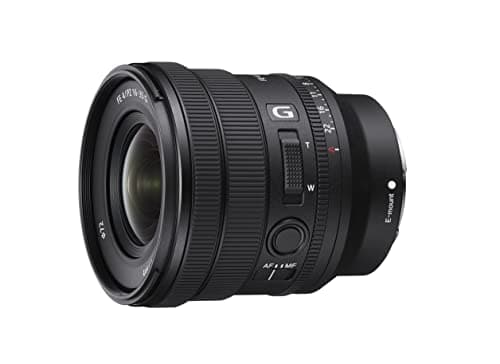 | ||
Name | Features | Price |
Panasonic Leica DG Vario-Summilux 25-50mm F1.7 ASPH⭐ 5.0 / 5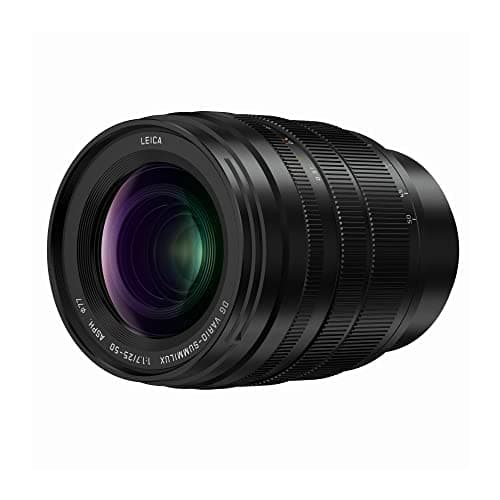 | ||
Name | Features | Price |
Canon RF 24-105mm F2.8 L IS USM Z⭐ 5.0 / 5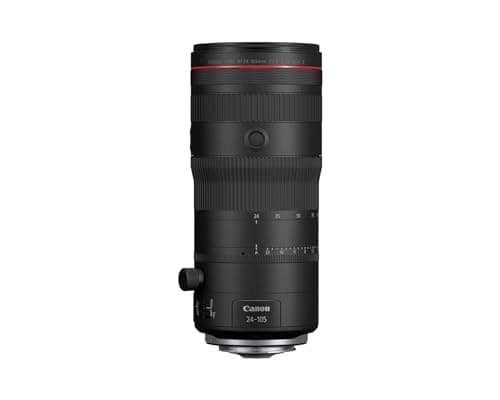 | ||
Name | Features | Price |
Sigma 28-45mm F1.8 DG DN Art⭐ 4.9 / 5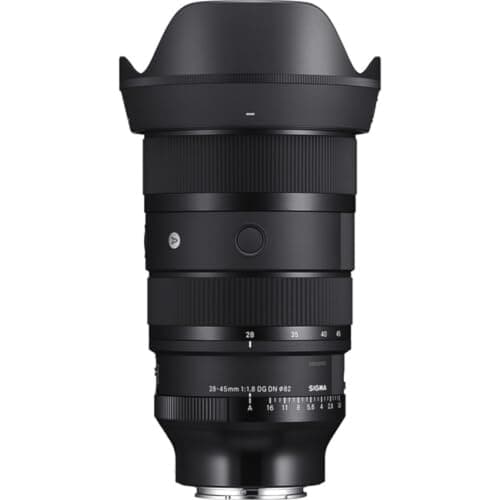 | ||
Name | Features | Price |
Sony FE 24-70mm F2.8 GM II⭐ 4.9 / 5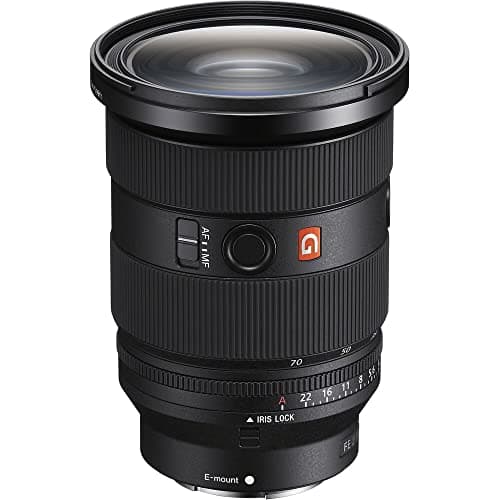 | ||
Name | Features | Price |
Panasonic Leica DG Vario-Summilux 10-25mm F1.7 ASPH⭐ 4.9 / 5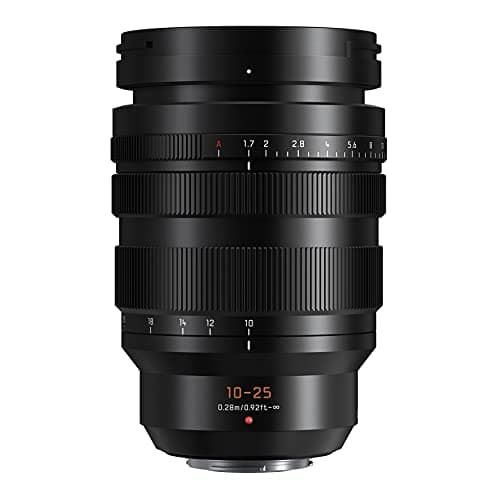 | ||
Name | Features | Price |
Panasonic Leica DG Vario-Elmarit 35-100mm F2.8 Power OIS⭐ 4.9 / 5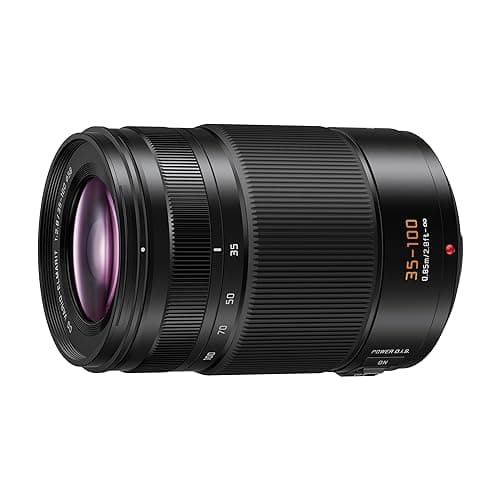 | ||
Name | Features | Price |
Fujifilm Fujinon MKX 18-55mm T2.9⭐ 4.9 / 5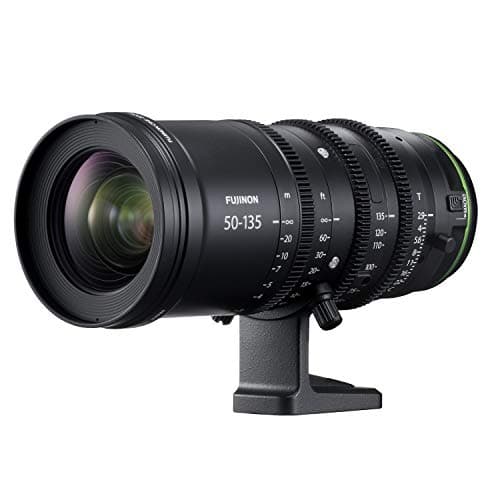 | ||
Name | Features | Price |
Canon RF 10-20mm F4 L IS STM⭐ 4.9 / 5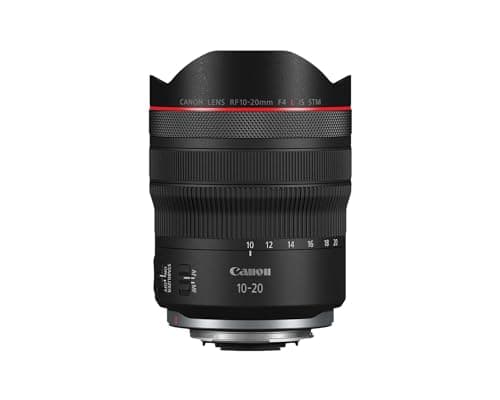 | ||
Name | Features | Price |
Sony E 10-20mm F4 PZ G⭐ 4.9 / 5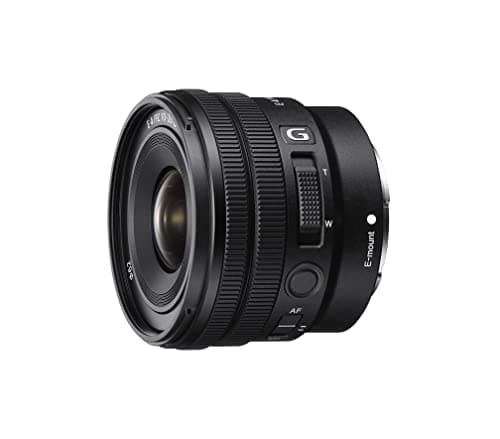 |
* Product prices and availability are accurate as of the date/time indicated and are subject to change. Any price and availability information displayed on Amazon.com at the time of purchase will apply to the purchase of this product.
* Imaginated.com may receive compensation for purchases made at participating retailers linked on this site. This compensation does not affect what products or prices are displayed, or the order of prices listed. Learn more here.
These are the best zoom lenses for video when you want smooth, quiet AF, low focus breathing, repeatable manual focus, and flare control under mixed light—whether you’re filming handheld docs, gimbal walk-throughs, interviews, talking-heads with environment, or night city reels—and here’s what to look for as you buy: prioritize internal focus (and internal zoom where possible) for easy balance, quiet linear/STM motors with predictable AF transitions, de-clicked or well-damped aperture control, breathing compensation support on your camera, consistent color/contrast across the set, strong wide-open sharpness, and front threads (67/77/82mm) for a high-quality VND/diffusion; prefer matched “families” for uniform rendering and standardized diameters, and pick lenses with good close-focus for larger bokeh at the same framing. Full-frame video heroes: wide/context—Sony FE PZ 16–35mm ƒ4 G (power zoom, minimal breathing), FE 16–35mm ƒ2.8 GM II; Canon RF 15–35mm ƒ2.8L IS and RF 14–35mm ƒ4L IS; Nikon Z 14–30mm ƒ4 S and Z 17–28mm ƒ2.8; Sigma 16–28mm ƒ2.8 DG DN (light, filter-friendly). Standard/story—Sony FE 24–70mm ƒ2.8 GM II (breathing control + declickable), Canon RF 24–70mm ƒ2.8L IS (rock-solid IS), Nikon Z 24–70mm ƒ2.8 S (stable rendering), Sigma 24–70mm ƒ2.8 DG DN (value, modern coatings), Panasonic/LUMIX S 24–105mm ƒ4 O.I.S. (Dual I.S., great range). Tele/portraits and event coverage—Sony FE 70–200mm ƒ2.8 GM OSS II or ƒ4 G OSS II (light, low breathing), Canon RF 70–200mm ƒ2.8L/ƒ4L IS (compact, smooth IS), Nikon Z 70–200mm ƒ2.8 VR S (excellent VR), Sigma 70–200mm ƒ2.8 DG DN OS (balanced, modern AF); one-lens versatility—Tamron 35–150mm ƒ2–2.8 (creamy transitions from wide portraits to tele compression) and Sony FE 28–135mm ƒ4 G PZ OSS (video-centric, geared feel). APS-C standouts for nimble rigs: Sony E 10–20mm PZ ƒ4 (gimbal-ready), Sigma 18–50mm ƒ2.8 DC DN (tiny, smooth AF), Tamron 17–70mm ƒ2.8 VC (fast + stabilized + close focus), Sony E 16–55mm ƒ2.8 G (prime-like bite), Fujifilm XF 18–55mm ƒ2.8–4 OIS and XF 16–80mm ƒ4 OIS (excellent OIS, pleasing color), XF 10–24mm ƒ4 OIS WR (handheld interiors), Canon RF-S 18–150mm ƒ3.5–6.3 IS (travel doc range with good IS). Micro Four Thirds picks that punch above size: Panasonic Leica 10–25mm ƒ1.7 and 25–50mm ƒ1.7 (prime-like speed, stepless aperture rings), Panasonic 12–35mm ƒ2.8 and 35–100mm ƒ2.8 (tiny twin-pack with smooth OIS), OM SYSTEM 12–40mm ƒ2.8 Pro II and 12–100mm ƒ4 IS Pro (Sync IS legend—handheld seconds for doc work). Practical buyer tips: build a two-zoom spine you trust—(16/15–35 + 24–70) covers most briefs; add a 70–200 for interviews and compressed B-roll or a 35–150 for fewer swaps; standardize 77/82mm fronts for one quality VND and a subtle diffusion (Black Mist/Glimmer 1/8–1/4); confirm breathing-comp support on your body, prefer internal-focus/zoom for gimbals, and pick parfocal-ish designs or lenses that hold focus well through the range; if mixing stills and cine, favor consistent color families and consider power zooms for precise moves. Field technique that keeps footage cinematic: set a 180° shutter (e.g., 1/50 at 25p, 1/60 at 30p) and ride exposure with ND, not shutter; lock WB per scene for grade-friendly consistency; set AF transition speed/sensitivity slow for natural racks, or switch to MF with peaking and use focus pull points; keep the camera roughly level to avoid unintentional distortion, favor 24–35mm for context and 50–135/200mm for interviews/B-roll detail, and work near wide open for mood then stop 1/3–2/3 stop for edge confidence; on gimbals, balance carefully, reduce follow speeds, and add a top handle for slow, controlled moves; handheld, combine IBIS/IS with proper stance and short, intentional motions to avoid “float,” and use lens hoods/flags to control flare; record lens metadata to match shots across days. Whether you’re crafting travel reels, brand films, interviews, weddings, or vérité docs, the best zoom lenses for video combine low breathing, smooth AF/MF behavior, filter-friendly designs, and consistent rendering—so your shots stay stable, cinematic, and beautifully coherent from wides to tele close-ups.
Lenses by brand:
Lenses by price:
Lenses by type:
Lenses by sensor:
Lenses by feature:
Lenses by use case:
- Best Zoom Lenses for Astrophotography
- Best Zoom Lenses for Bird Photography
- Best Zoom Lenses for Concert Photography
- Best Zoom Lenses for Documentary Photography
- Best Zoom Lenses for Event Photography
- Best Zoom Lenses for Fashion Photography
- Best Zoom Lenses for Food Photography
- Best Zoom Lenses for Headshot Photography
- Best Zoom Lenses for Jewelry Photography
- Best Zoom Lenses for Landscape Photography
- Best Zoom Lenses for Macro Photography
- Best Zoom Lenses for Nature Photography
- Best Zoom Lenses for Portrait Photography
- Best Zoom Lenses for Sports Photography
- Best Zoom Lenses for Street Photography
- Best Zoom Lenses for Travel Photography
- Best Zoom Lenses for Wedding Photography
- Best Zoom Lenses for Wildlife Photography
- Best Zoom Lenses for Video
Lenses by experience:
Cameras: