
10 Best Lenses For Astrophotography in 2026
Filters:
Name | Features | Price |
|---|---|---|
Sigma 14mm F1.4 DG DN⭐ 5.0 / 5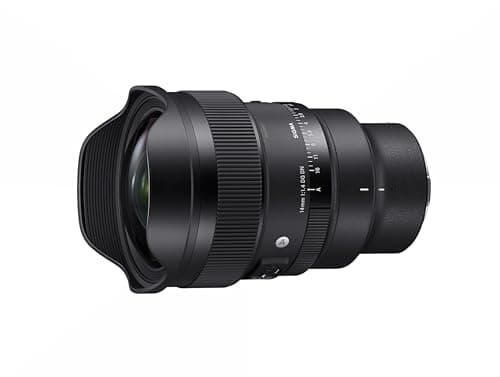 | ||
Name | Features | Price |
Sony FE 20mm F1.8G⭐ 5.0 / 5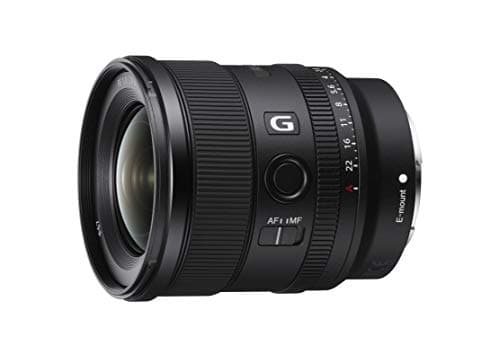 | ||
Name | Features | Price |
Sony FE 14mm F1.8 GM⭐ 5.0 / 5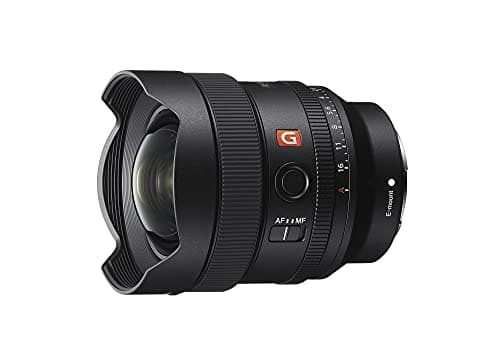 | ||
Name | Features | Price |
Sigma 14mm F1.8 DG HSM Art⭐ 5.0 / 5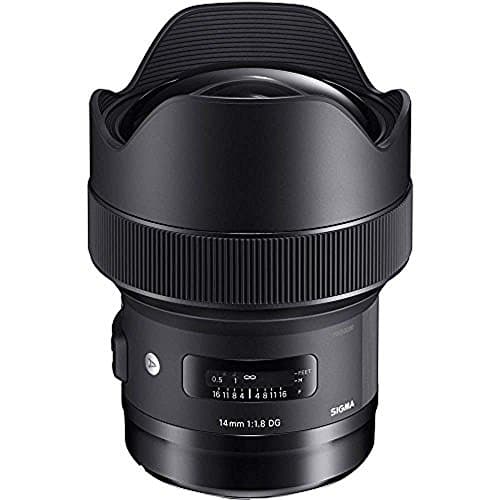 | ||
Name | Features | Price |
Nikon Nikkor Z 20mm F1.8 S⭐ 5.0 / 5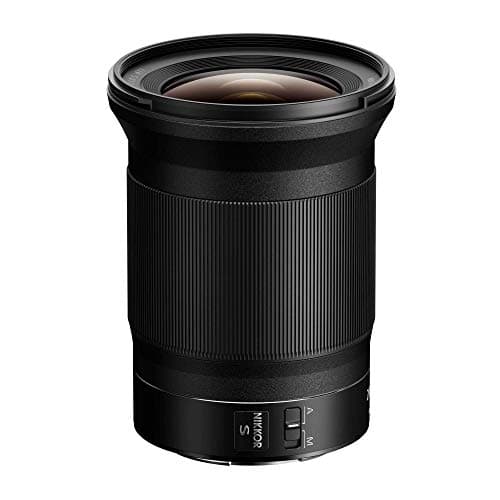 | ||
Name | Features | Price |
Nikon Z 14-24mm F2.8 S⭐ 5.0 / 5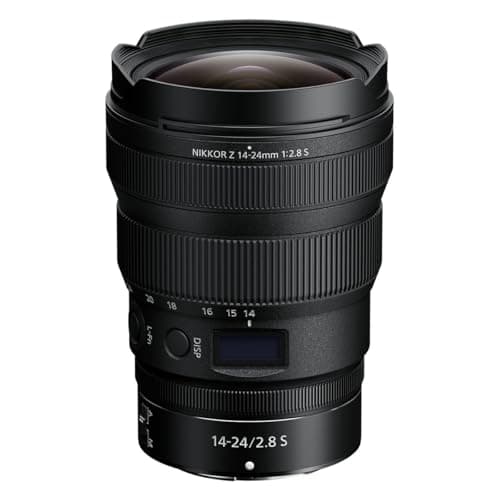 | ||
Name | Features | Price |
Sigma 15mm F1.4 DG DN Art⭐ 5.0 / 5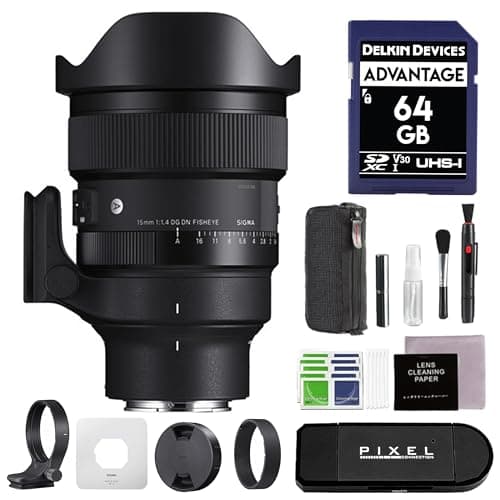 | ||
Name | Features | Price |
Nikon Nikkor Z 58mm F0.95 S Noct⭐ 4.9 / 5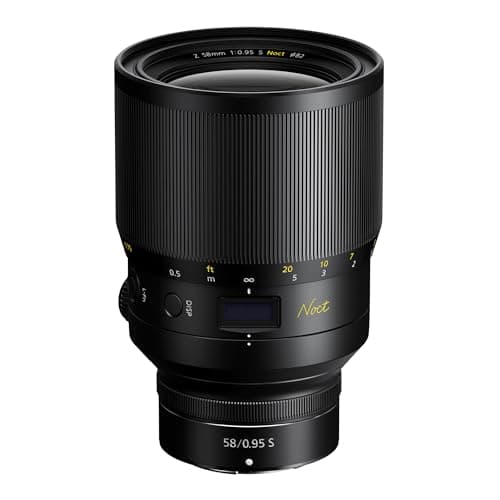 | ||
Name | Features | Price |
Olympus M.Zuiko Digital ED 8mm F1.8 Fisheye PRO⭐ 4.9 / 5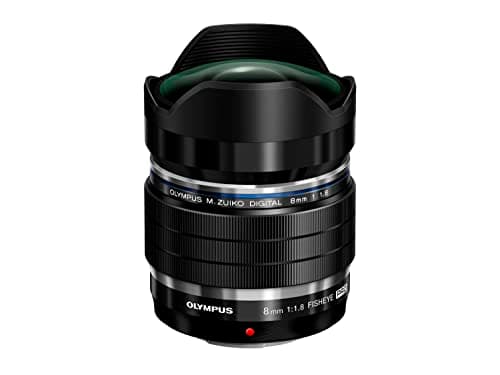 | ||
Name | Features | Price |
Sigma 14-24mm F2.8 DG HSM Art⭐ 4.9 / 5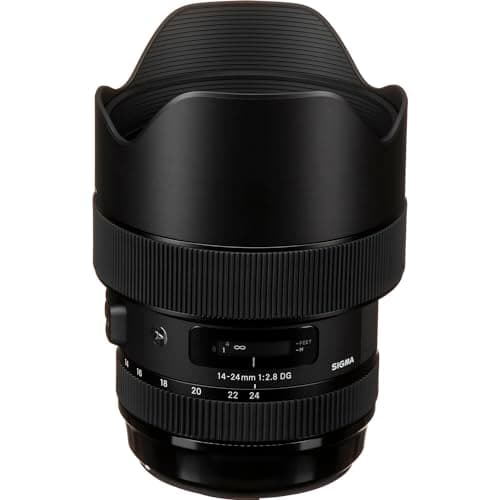 |
* Product prices and availability are accurate as of the date/time indicated and are subject to change. Any price and availability information displayed on Amazon.com at the time of purchase will apply to the purchase of this product.
* Imaginated.com may receive compensation for purchases made at participating retailers linked on this site. This compensation does not affect what products or prices are displayed, or the order of prices listed. Learn more here.
These are the best lenses for astrophotography, designed to capture the beauty of the night sky, stars, and celestial landscapes with stunning clarity and minimal distortion. Astrophotography demands lenses with wide apertures, excellent sharpness, and minimal coma to ensure pinpoint stars across the frame. Whether you’re photographing the Milky Way, shooting star trails, or capturing expansive nightscapes, the right lens can elevate your results and reveal the cosmos in breathtaking detail. Astrophotography lenses are available for all major mounts, including Sony E, Canon RF/EF, Nikon Z/F, Fujifilm X, L-mount, and Micro Four Thirds systems. Wide-angle prime lenses, such as the Sigma 14mm f/1.8 DG HSM Art, stand out for their ultra-wide field of view and fast aperture, allowing more light to hit the sensor, essential for low-light conditions. For Sony users, the Sony FE 20mm f/1.8 G is a lightweight, sharp option that delivers excellent star rendering with minimal aberration. Canon’s RF 15-35mm f/2.8L IS USM offers versatile framing options, making it perfect for capturing wide starry skies and foreground elements. Popular astrophotography lenses include the Rokinon 14mm f/2.8 IF ED UMC, a budget-friendly manual focus lens known for its excellent optical performance and minimal distortion, making it a favorite among beginner and professional astrophotographers alike. The Laowa 15mm f/2 Zero-D for Sony and Canon mounts provides near-zero distortion and wide aperture performance, ensuring clean and sharp star images across the entire frame. For Nikon shooters, the NIKKOR Z 20mm f/1.8 S delivers exceptional low-light performance and corner-to-corner sharpness, ideal for capturing nightscapes and auroras. Astrophotography lenses are typically wide-angle, allowing photographers to capture more of the night sky and foreground elements in a single frame. Fast apertures (f/1.4 to f/2.8) are crucial for gathering light in dark environments, reducing the need for high ISO settings and minimizing noise. Many of the best astrophotography lenses also feature advanced coatings and optical designs that reduce ghosting, flare, and coma, ensuring stars appear as sharp points rather than smudged shapes. Investing in a lens specifically for astrophotography allows photographers to unlock the full potential of their night sky captures. Whether you’re photographing meteor showers, shooting deep-sky landscapes, or creating time-lapses, these lenses provide the sharpness, light-gathering ability, and low distortion needed for stunning results. Explore the best lenses for astrophotography for your camera system, and take advantage of deals or promotions to add one of these essential tools to your kit. With the right lens, you can capture the majesty of the night sky in ways that are both technically impressive and artistically inspiring.
Lenses by brand:
- Best Canon Lenses for Astrophotography
- Best Fujifilm Lenses for Astrophotography
- Best Irix Lenses for Astrophotography
- Best Leica Lenses for Astrophotography
- Best Nikon Lenses for Astrophotography
- Best Olympus Lenses for Astrophotography
- Best Panasonic Lenses for Astrophotography
- Best Pentax Lenses for Astrophotography
- Best Rokinon Lenses for Astrophotography
- Best Sigma Lenses for Astrophotography
- Best Sony Lenses for Astrophotography
- Best Tamron Lenses for Astrophotography
- Best Zeiss Lenses for Astrophotography
Lenses by price:
Lenses by type:
Lenses by feature:
Lenses by use case:
- Best Lenses for Aerial Photography
- Best Lenses for Architectural Photography
- Best Lenses for Astrophotography
- Best Lenses for Automotive Photography
- Best Lenses for Bird Photography
- Best Lenses for Boudoir Photography
- Best Lenses for Cityscape Photography
- Best Lenses for Commercial Photography
- Best Lenses for Concert Photography
- Best Lenses for Corporate Photography
- Best Lenses for Documentary Photography
- Best Lenses for Editorial Photography
- Best Lenses for Event Photography
- Best Lenses for Fashion Photography
- Best Lenses for Fine Art Photography
- Best Lenses for Food Photography
- Best Lenses for Headshot Photography
- Best Lenses for Jewelry Photography
- Best Lenses for Landscape Photography
- Best Lenses for Lifestyle Photography
- Best Lenses for Macro Photography
- Best Lenses for Medical Photography
- Best Lenses for Nature Photography
- Best Lenses for Newborn Photography
- Best Lenses for Night Photography
- Best Lenses for Pet Photography
- Best Lenses for Photojournalism
- Best Lenses for Portrait Photography
- Best Lenses for Product Photography
- Best Lenses for Real Estate Photography
- Best Lenses for Sports Photography
- Best Lenses for Still Life Photography
- Best Lenses for Stock Photography
- Best Lenses for Street Photography
- Best Lenses for Studio Photography
- Best Lenses for Travel Photography
- Best Lenses for Underwater Photography
- Best Lenses for Weather Photography
- Best Lenses for Wedding Photography
- Best Lenses for Wildlife Photography
- Best Lenses for Video
Lenses by experience: