
10 Best Prime Lenses for Street Photography in 2026
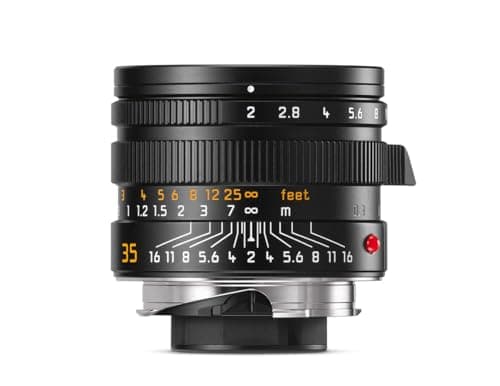
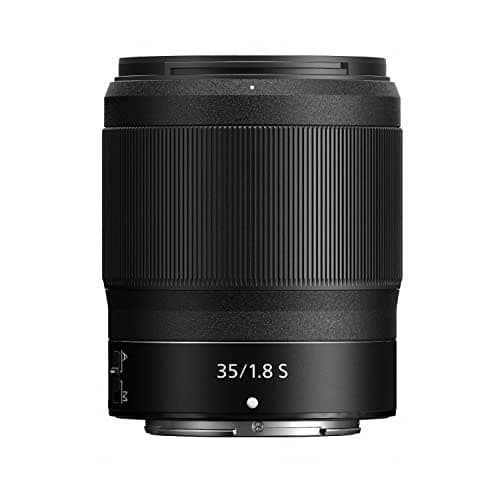
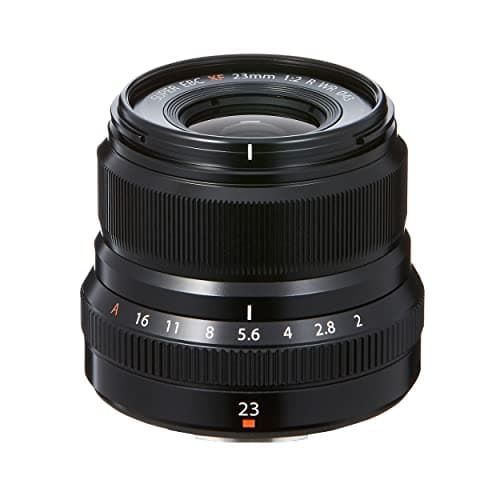
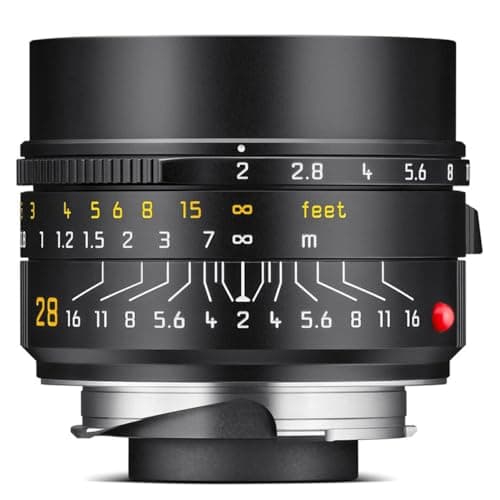
-primary-image.jpg&w=3840&q=75)
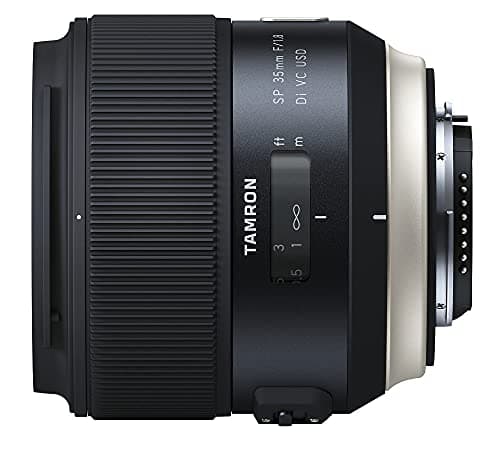
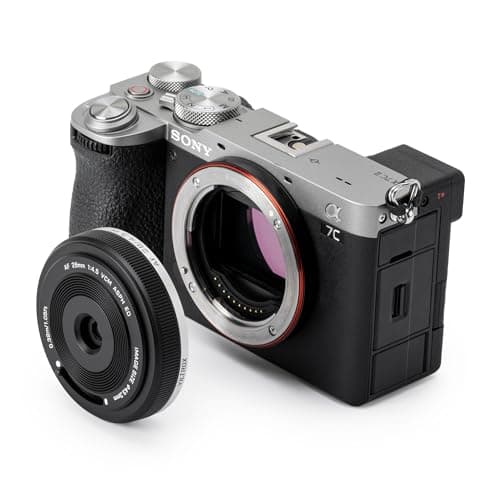
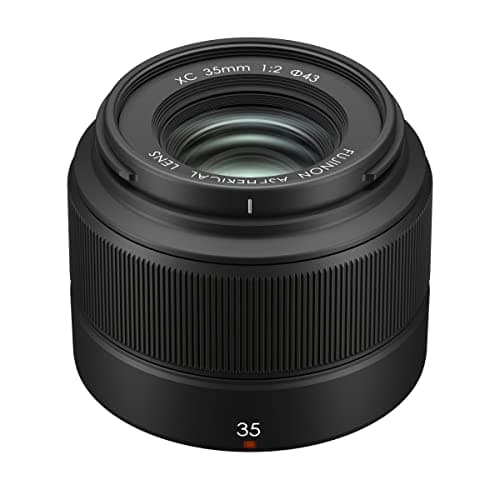
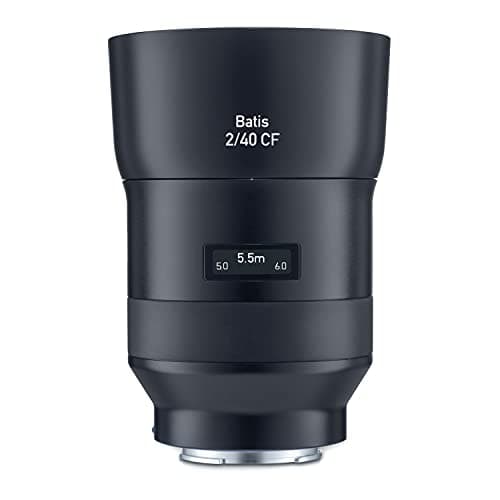
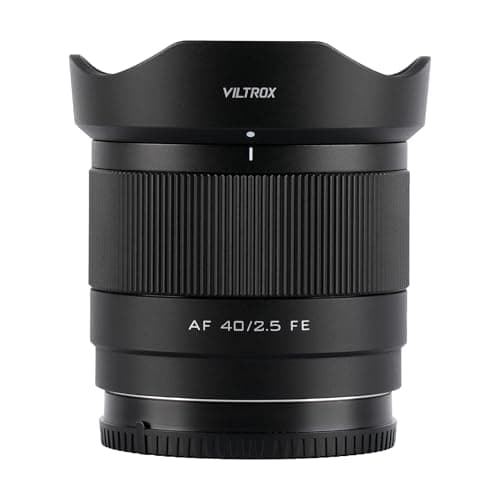
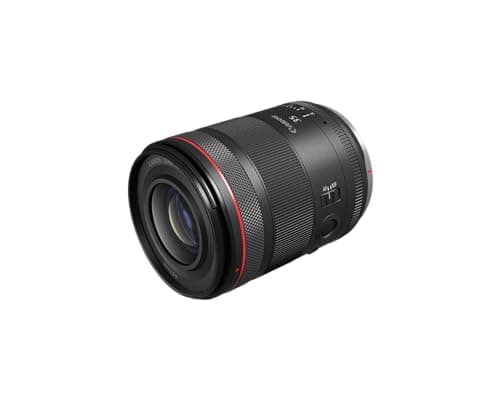
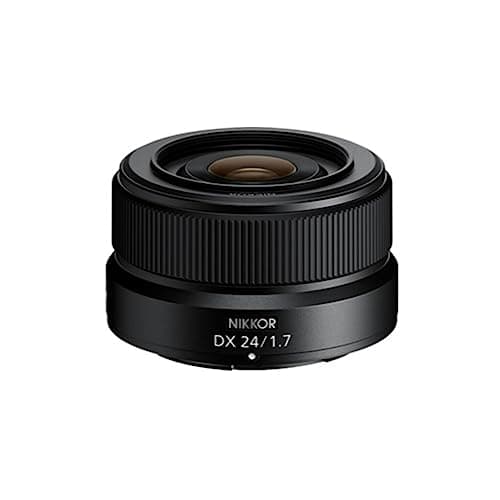
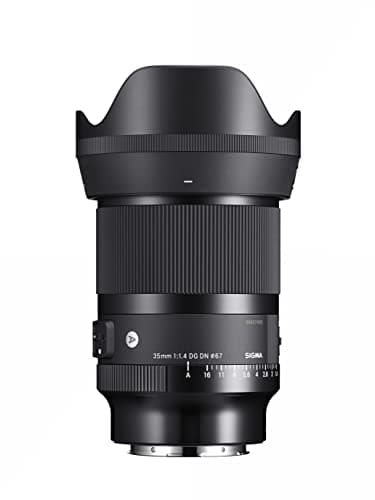
-primary-image.jpg&w=3840&q=75)
* Product prices and availability are accurate as of the date/time indicated and are subject to change. Any price and availability information displayed on Amazon.com at the time of purchase will apply to the purchase of this product.
* Imaginated.com may receive compensation for purchases made at participating retailers linked on this site. This compensation does not affect what products or prices are displayed, or the order of prices listed. Learn more here.
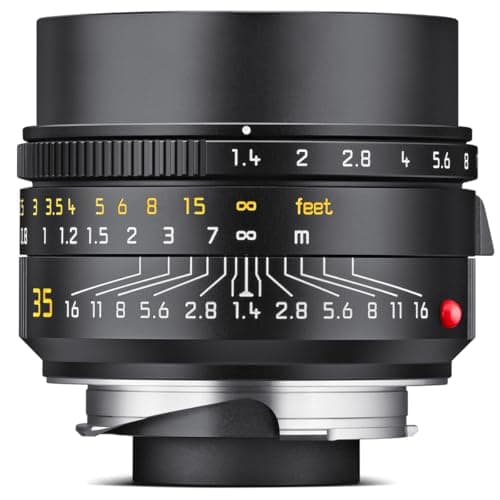
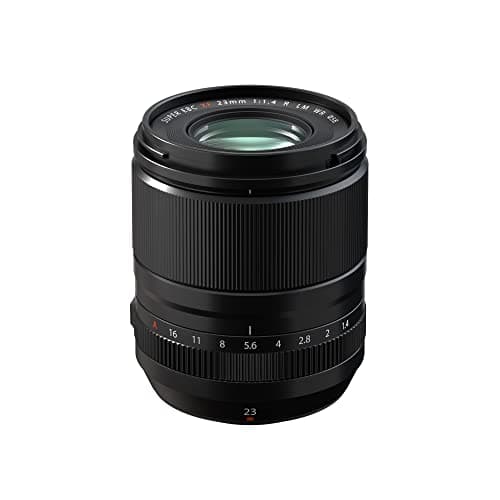
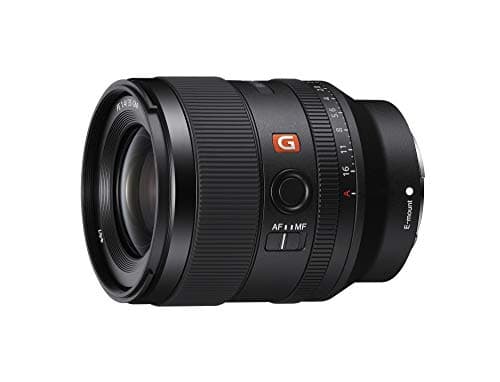
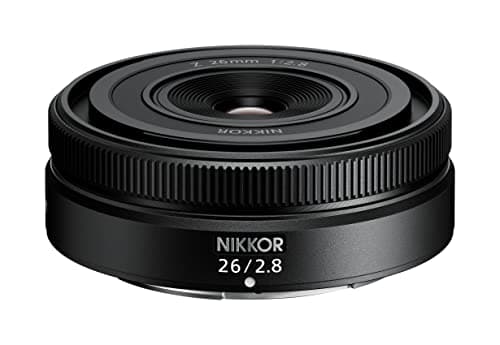
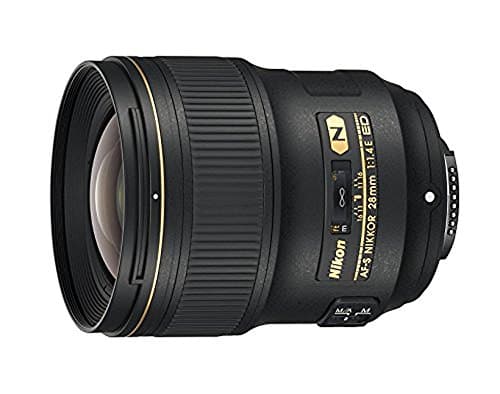
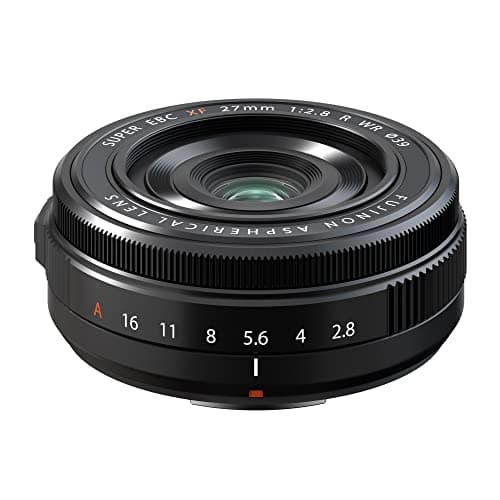
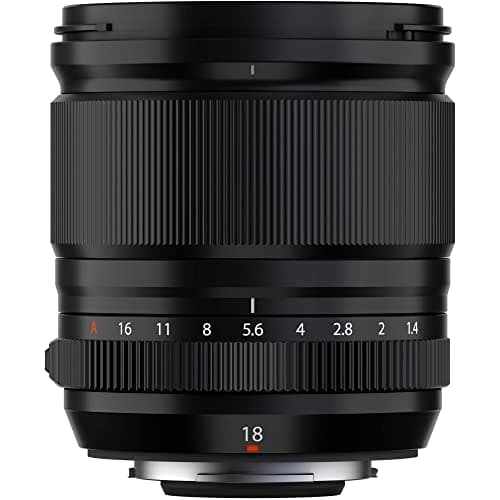
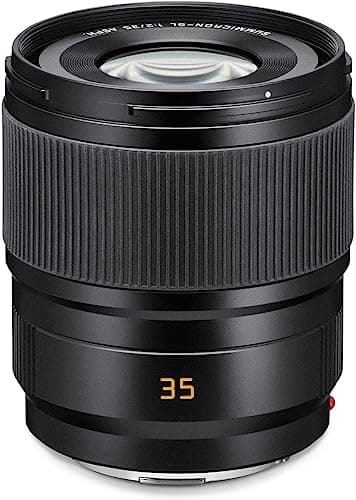
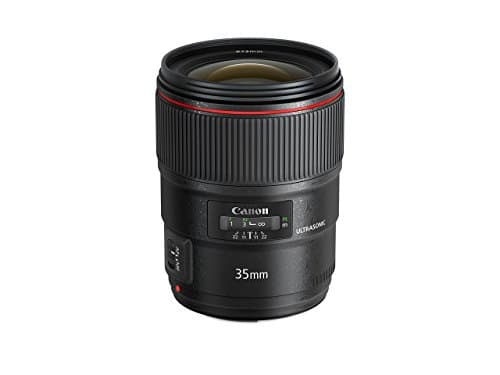
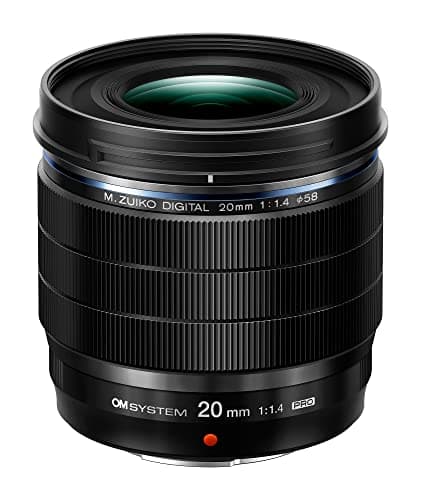
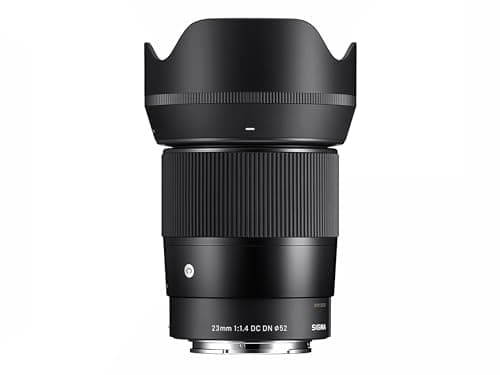
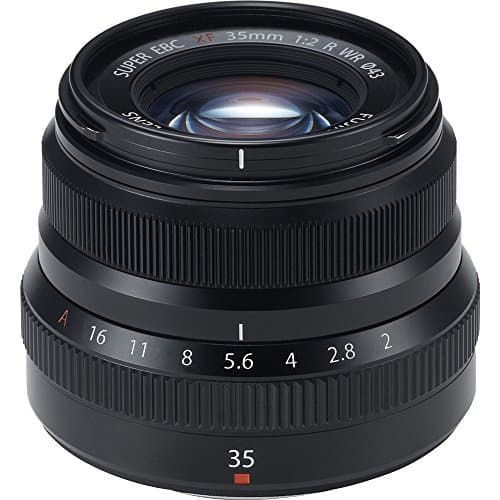
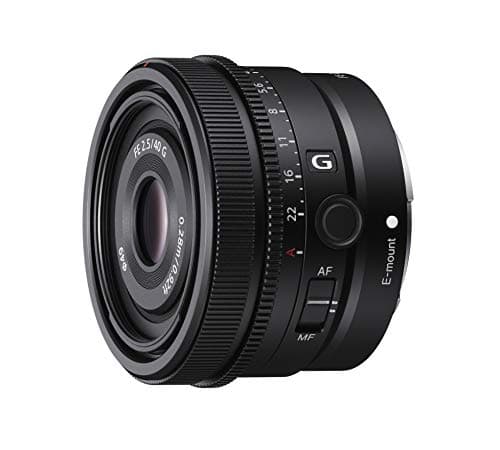
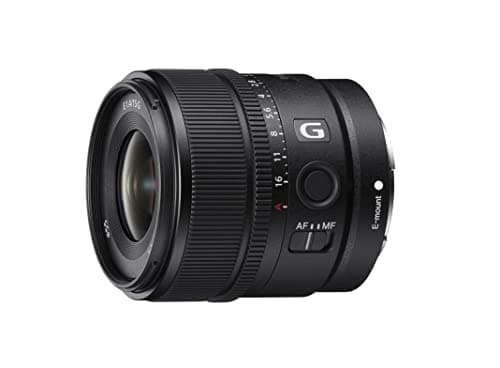
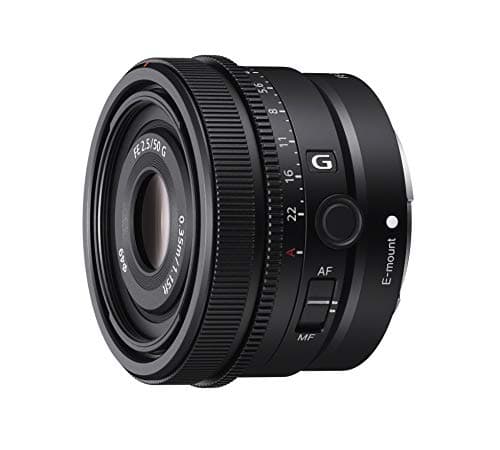
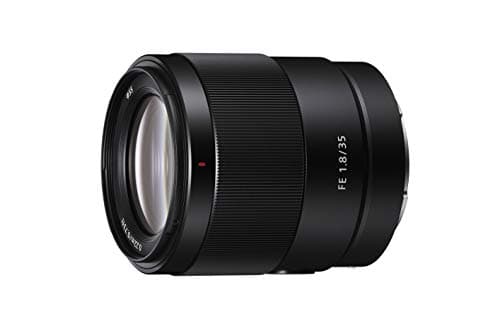
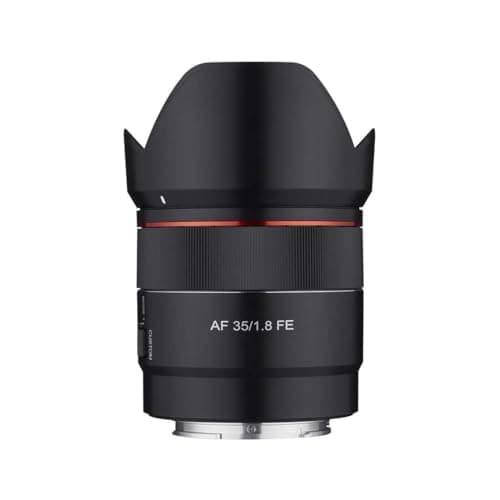
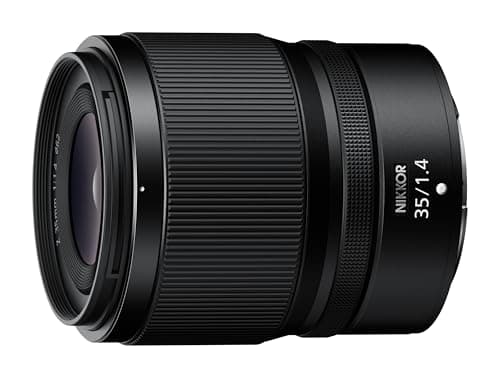
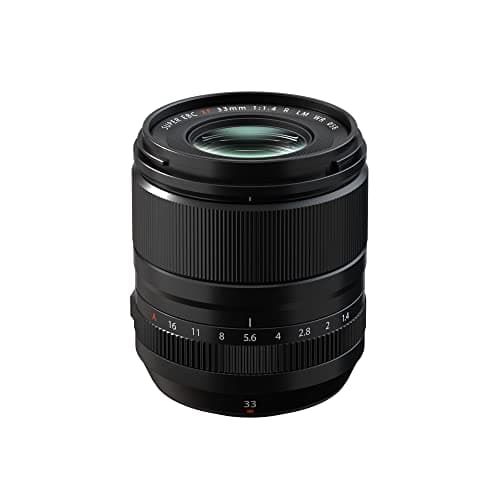
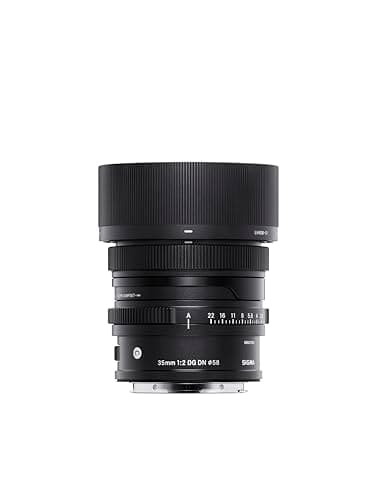
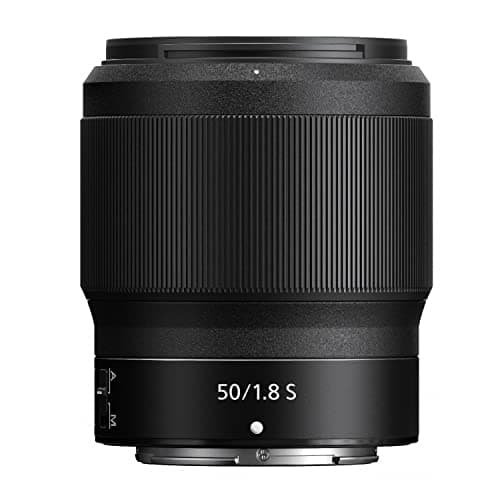
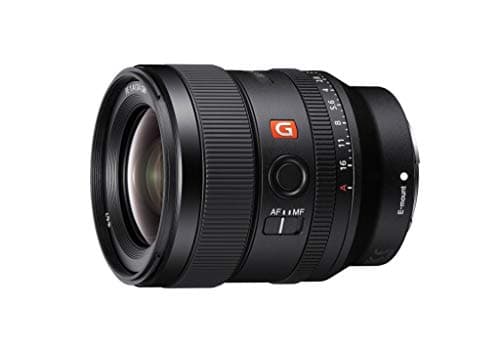
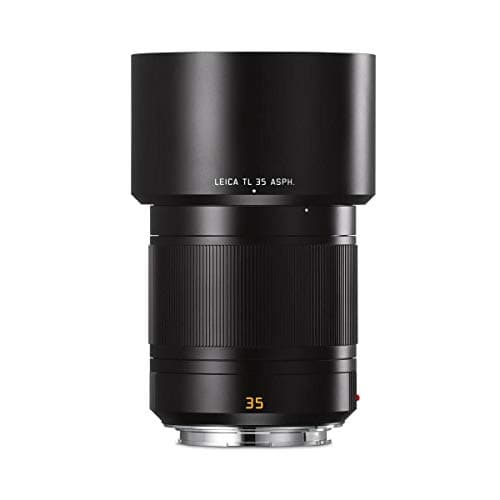
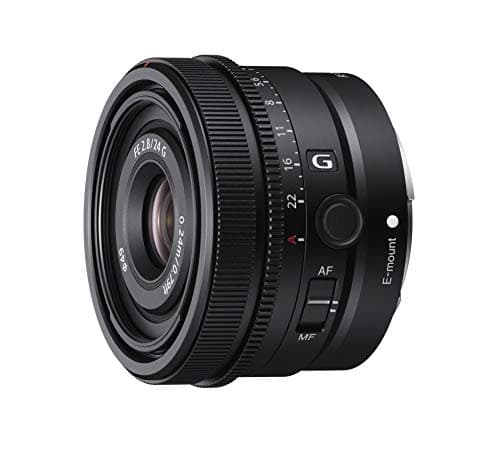
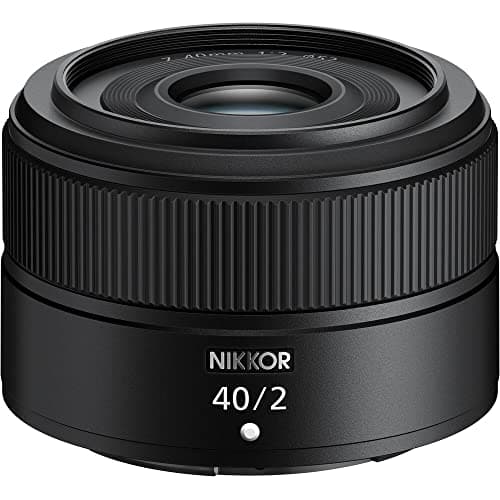
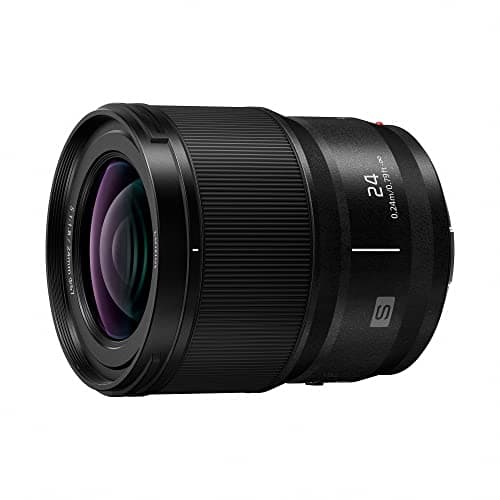
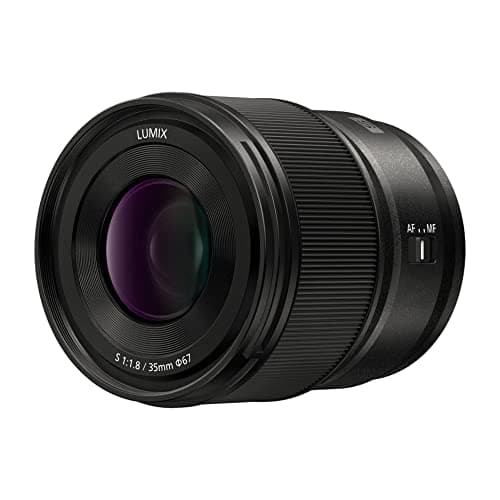
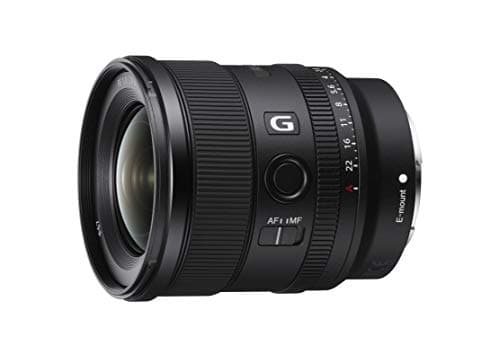
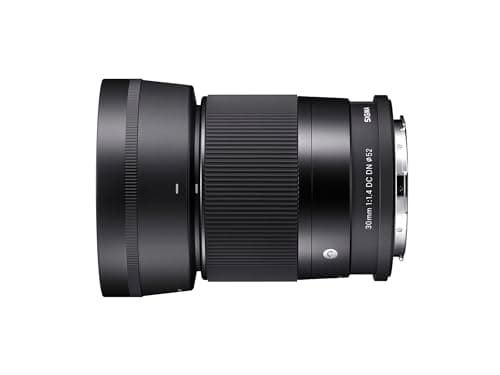
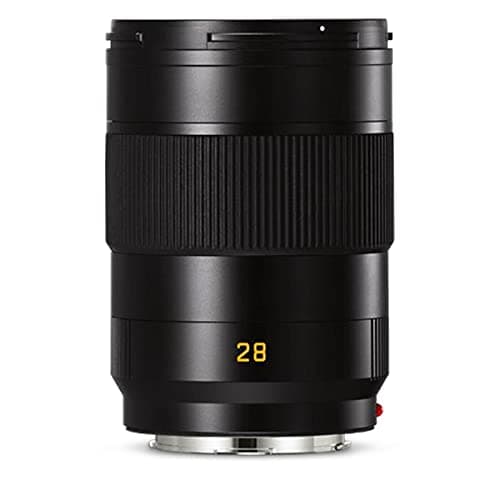
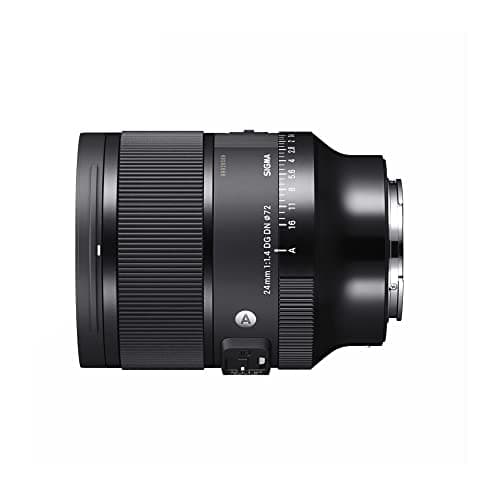
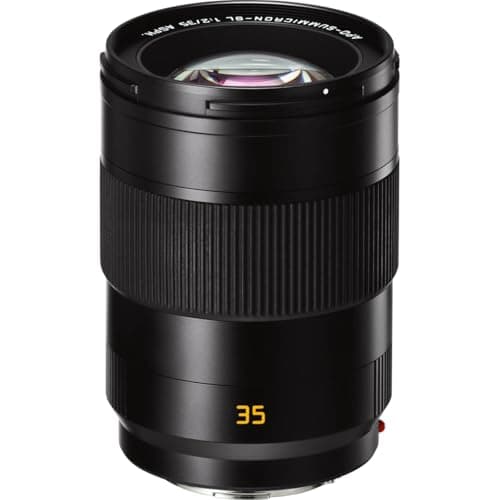
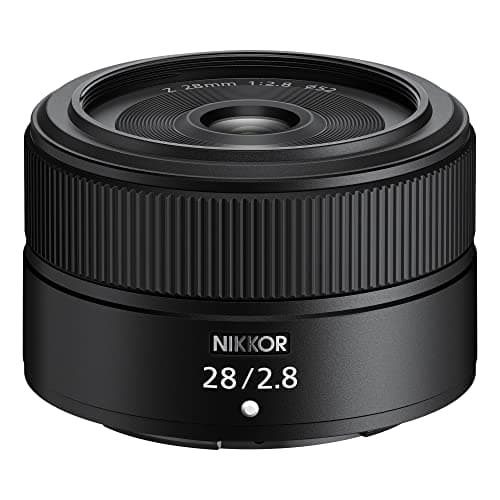
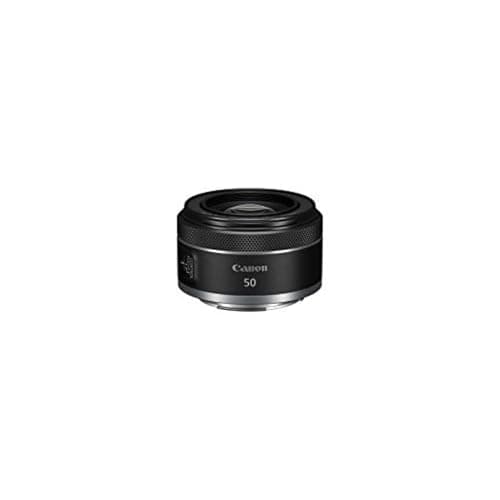
These are the best prime lenses for street photography when you want compact size, fast and quiet AF, honest geometry that keeps people natural, and coatings that handle backlit neon and midday sun—whether you’re working candid sidewalks, layered crossings, tight markets, or moody blue-hour scenes—and here’s what to look for as you buy: prioritize small, discreet builds with rectilinear rendering, strong wide-open contrast (discipline LoCA on speculars), round diaphragms for smooth bokeh, quiet linear/STM motors for sticky Eye AF, a tactile manual ring with repeatable throw for zone focus, minimal focus breathing if you film, and front threads (49–67mm) for a tiny VND or diffusion; zone-focus shooters should favor lenses with clear depth-of-field scales and hard infinity stops. Full-frame street heroes: 24mm ƒ1.4 class (Sony FE 24/1.4 GM, Sigma 24/1.4 DG DN, Canon RF 24/1.8 IS, Nikon Z 24/1.8 S) for environmental context; 28mm ƒ2–ƒ1.4 (Sony FE 28/2 value, Nikkor Z 28/2.8 pancake, Leica/Sigma 28/1.4 options) for classic “walkabout” width; 35mm ƒ1.4–ƒ1.8 (Sony FE 35/1.4 GM or 35/1.8, Sigma 35/1.4 DN, Nikon Z 35/1.8 S, Canon RF 35/1.8 IS) as the storytelling staple; 40–55mm normals for subtle compression and people-first frames (Zeiss 55/1.8, Sigma 45/2.8 & 65/2 DG DN, Sony FE 50/1.4 or 1.2 GM, Canon RF 50/1.8/1.2, Nikon Z 50/1.8 S); character-friendly wides like Laowa 15mm ƒ2 Zero-D (manual, straight lines) and Voigtländer 21/1.4/28/2 (crisp micro-contrast) add personality without bulk. APS-C standouts for light, stealthy rigs: Sigma 16/23/30/56mm ƒ1.4 DC DN trio (legendary value), Sony E 11/1.8 for tight alleys, E 15/1.4 G and E 24/1.8 ZA, E 35/1.8 OSS (tiny, stabilized), Fujifilm XF 18/1.4, 23/1.4 LM WR, 33/1.4 LM WR (quiet linear AF and classic FOVs), XF 27/2.8 pancake for pocket carry, and Viltrox 23/33/56mm ƒ1.4 or 27/1.2 for budget-bright options; Canon RF-S users can lean on RF 24/1.8 IS, RF 35/1.8 IS, RF 50/1.8 for small, stabilized kits. Micro Four Thirds picks that disappear in a jacket: Olympus/OM SYSTEM 17/25/45mm ƒ1.8 (tiny, sharp), 17/25/45mm ƒ1.2 Pro (rounded blades, sealed), Panasonic 20mm ƒ1.7 (pancake legend), Panasonic Leica 15mm ƒ1.7 and 25mm ƒ1.4 (character + contrast), and the 42.5mm ƒ1.7/ƒ1.2 Nocticron for portraits on the go. Practical buyer tips: build a two-prime spine—(28/2 + 50/1.8) for classic feel, or (35/1.4 + 85/1.8) if you mix portraits—then add a compact 24/1.8 for tight spaces; standardize front diameters for one slim VND or diffusion (skip CPLs—polarizers make skies blotchy and kill window reflections you might want); favor lenses with robust hoods and nano coatings for backlit alleys; if you zone focus, memorize hyperfocal marks at ƒ5.6–ƒ8 for “1.5 m to infinity” coverage; hybrid shooters should verify breathing and enable linear MF. Field technique that keeps moments honest and sharp: keep the camera roughly level to avoid stretching bodies, favor 28–40mm for natural perspectives (dip to 20–24mm only for deliberate intensity or cramped scenes), and place faces near the central third; day: run Aperture Priority at ƒ5.6–ƒ8 with Auto-ISO and a 1/250–1/500s floor for moving people, use zone focus for anticipation, and time footsteps for clean silhouettes; dusk/night: switch to Manual or T/Av with Auto-ISO, work near wide open and stop 1/3–2/3 stop for eyelash-sharp eyes, brace on posts, and fire short bursts; expose for highlights and let shadows ride for mood, use the hood/hand to block veiling flare, and keep WB consistent across a sequence; for video, set a 180° shutter with a tiny VND, enable breathing compensation, slow AF transitions, and keep moves short and intentional. Whether you’re weaving layers at crosswalks, catching gesture and light in markets, or framing neon after rain, the best prime lenses for street photography combine compact size, low distortion, quiet, confident AF, and flare-savvy optics—so your scenes feel truthful, dynamic, and close without warping the story.
Lenses by brand:
Lenses by price:
Lenses by type:
Lenses by feature:
Lenses by use case:
- Best Prime Lenses for Aerial Photography
- Best Prime Lenses for Architectural Photography
- Best Prime Lenses for Astrophotography
- Best Prime Lenses for Automotive Photography
- Best Prime Lenses for Concert Photography
- Best Prime Lenses for Event Photography
- Best Prime Lenses for Food Photography
- Best Prime Lenses for Headshot Photography
- Best Prime Lenses for Landscape Photography
- Best Prime Lenses for Lifestyle Photography
- Best Prime Lenses for Macro Photography
- Best Prime Lenses for Nature Photography
- Best Prime Lenses for Night Photography
- Best Prime Lenses for Pet Photography
- Best Prime Lenses for Photojournalism
- Best Prime Lenses for Portrait Photography
- Best Prime Lenses for Product Photography
- Best Prime Lenses for Real Estate Photography
- Best Prime Lenses for Sports Photography
- Best Prime Lenses for Street Photography
- Best Prime Lenses for Studio Photography
- Best Prime Lenses for Travel Photography
- Best Prime Lenses for Wedding Photography
- Best Prime Lenses for Wildlife Photography
- Best Prime Lenses for Video
Lenses by experience:
Cameras: