
10 Best Prime Lenses for Travel Photography in 2026
-primary-image.jpg&w=3840&q=75)
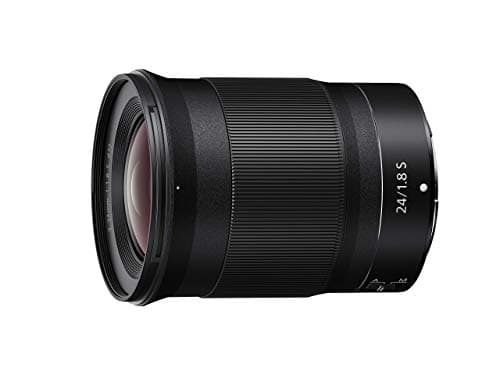
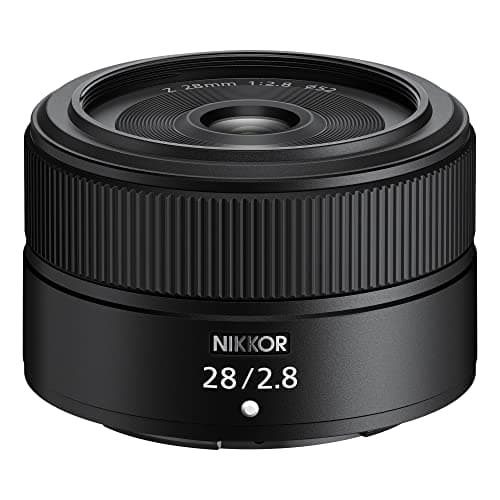
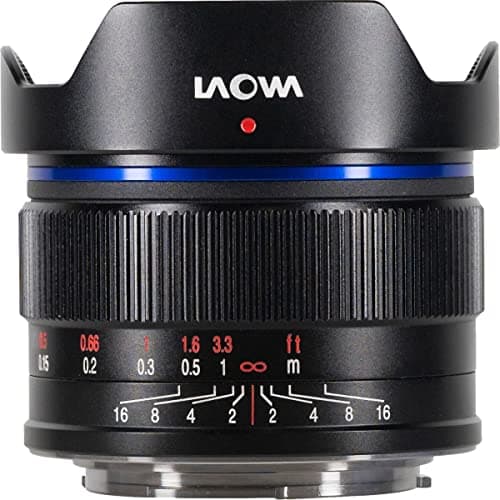
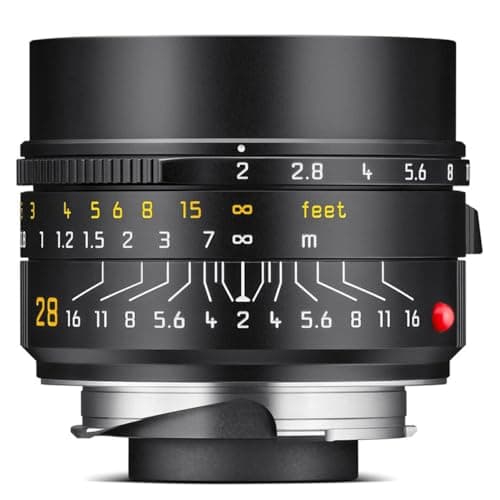
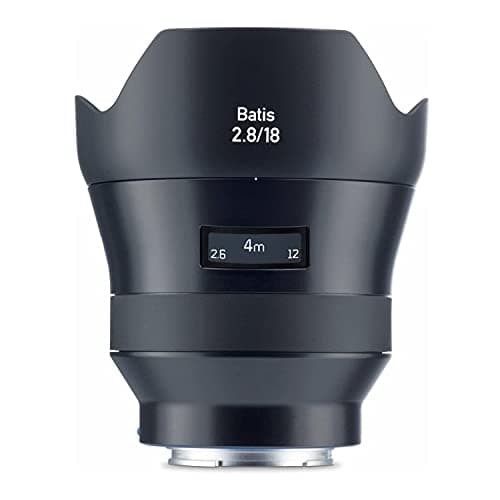
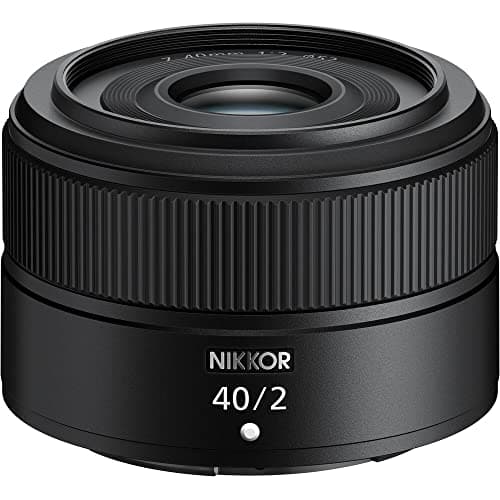
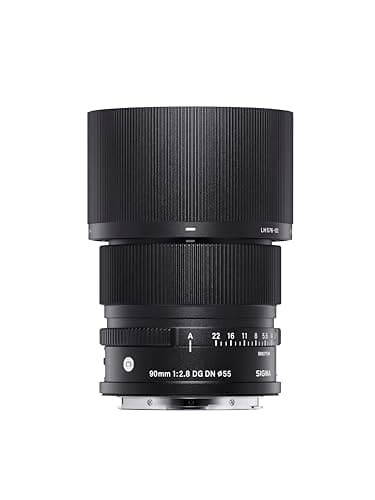
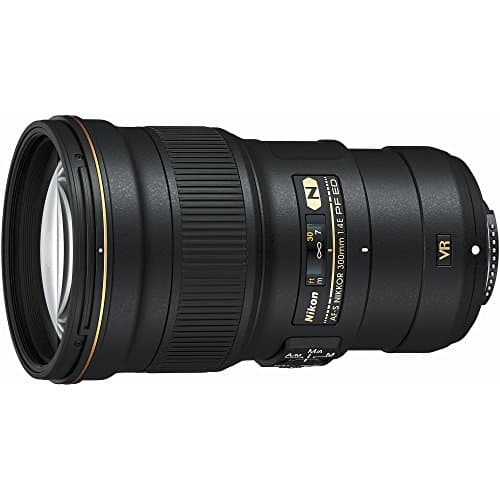
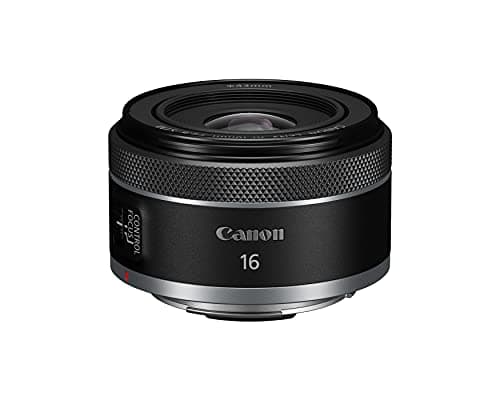
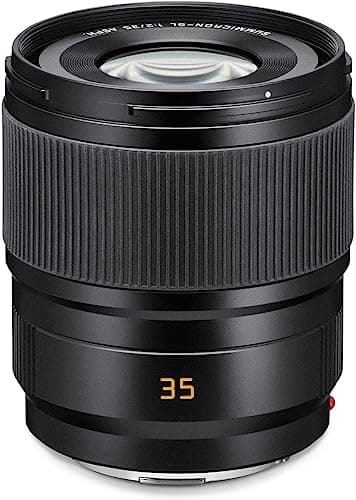
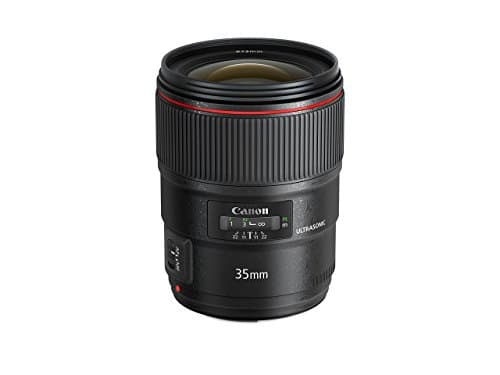
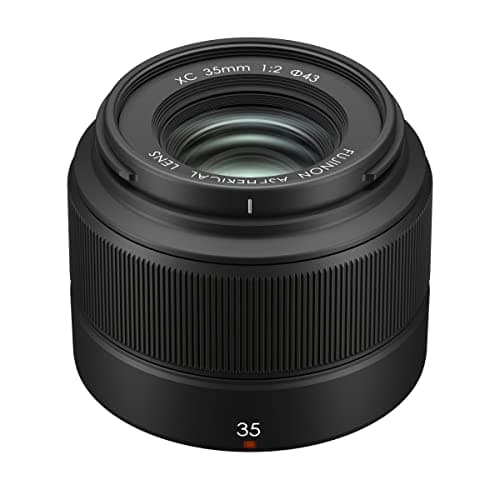
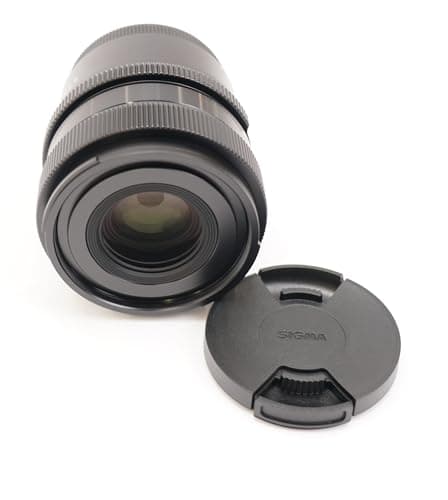
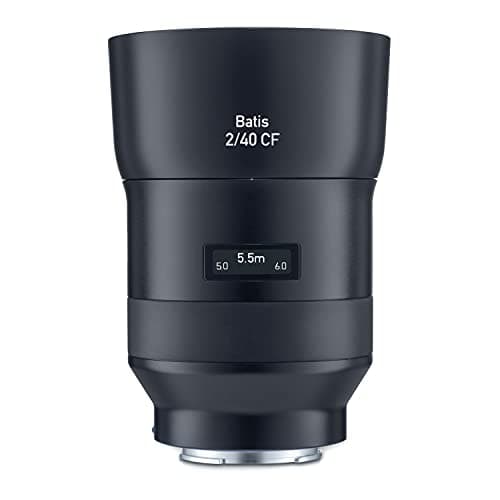
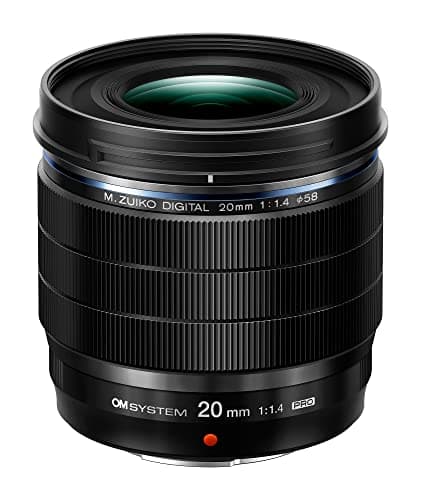
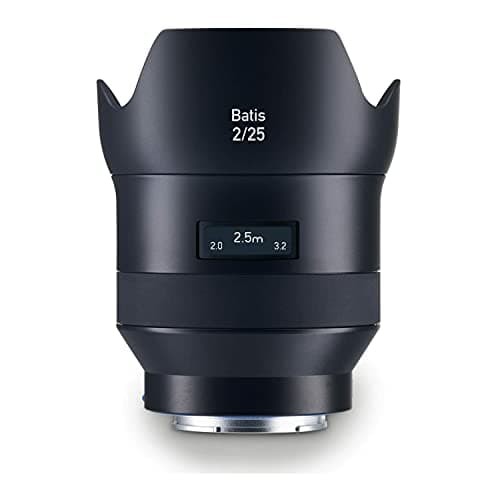
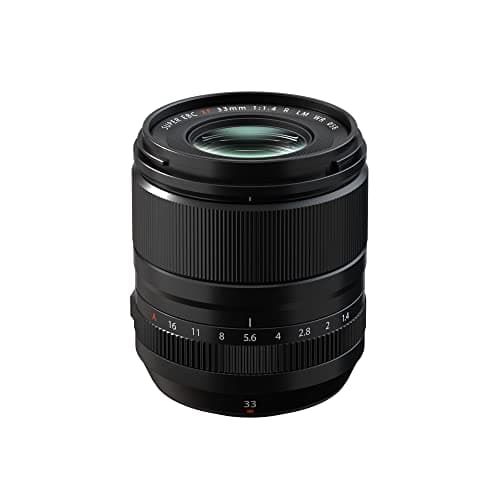
* Product prices and availability are accurate as of the date/time indicated and are subject to change. Any price and availability information displayed on Amazon.com at the time of purchase will apply to the purchase of this product.
* Imaginated.com may receive compensation for purchases made at participating retailers linked on this site. This compensation does not affect what products or prices are displayed, or the order of prices listed. Learn more here.
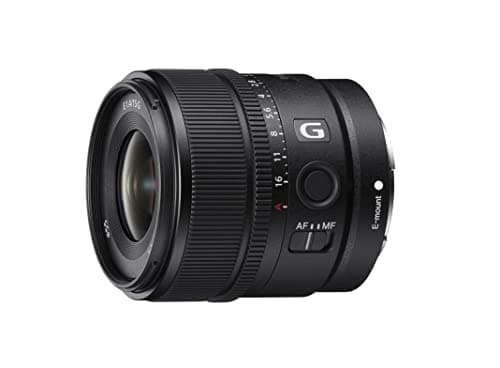
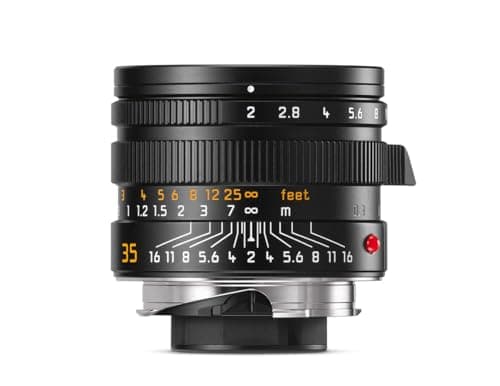
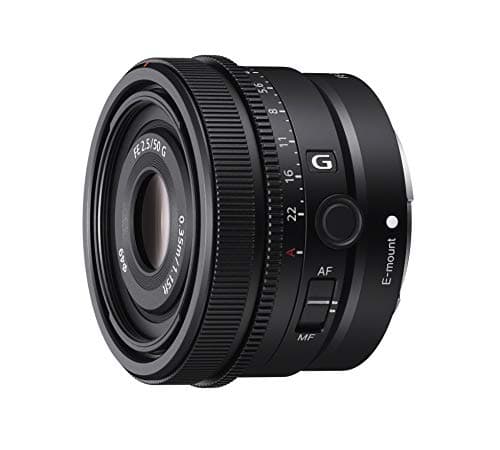
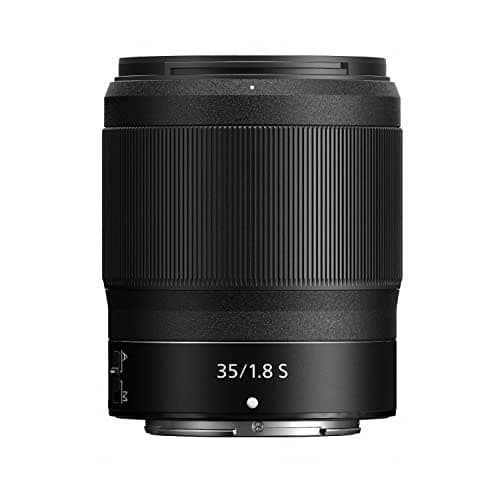
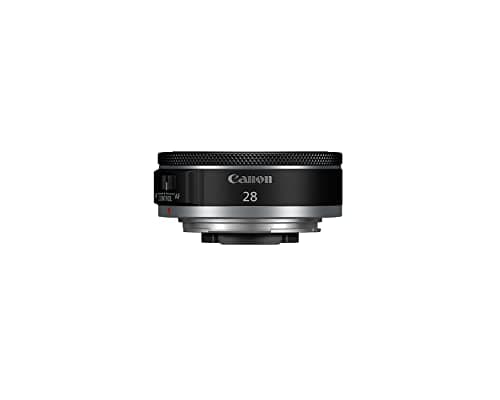
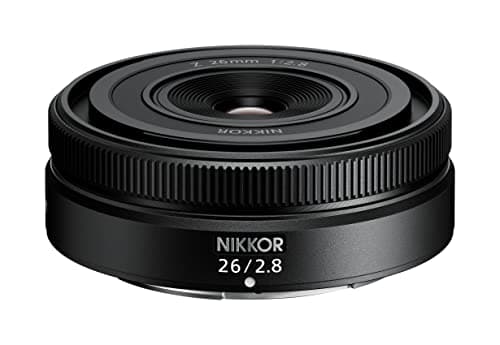
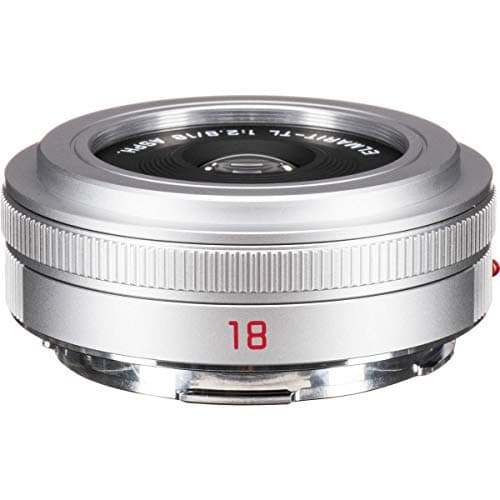
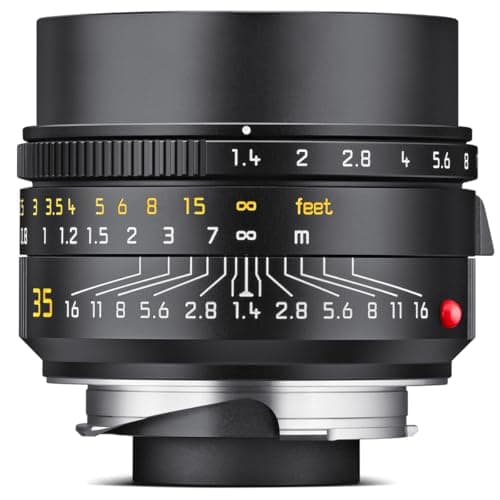
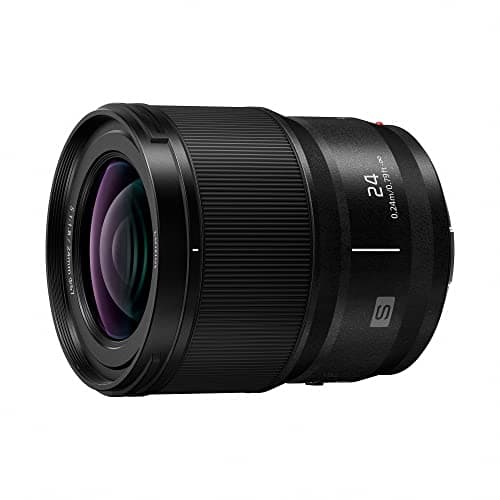
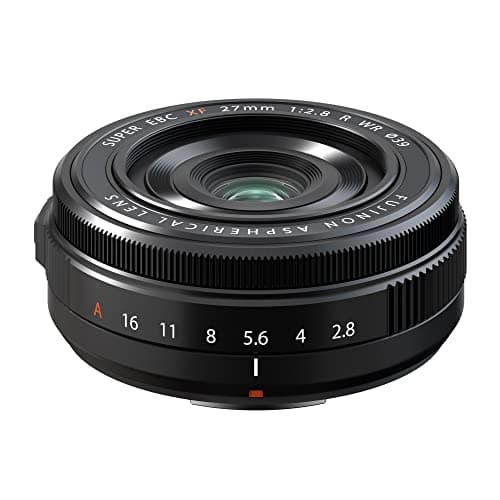
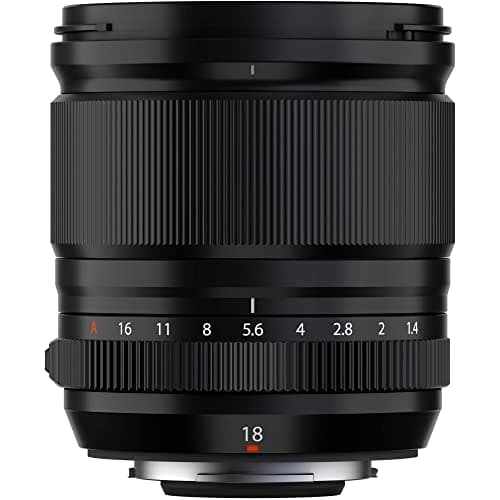
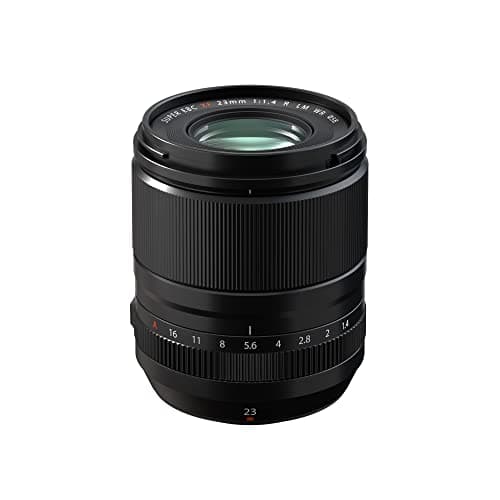
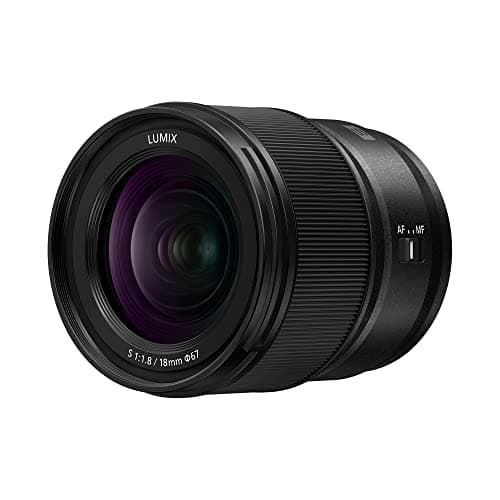
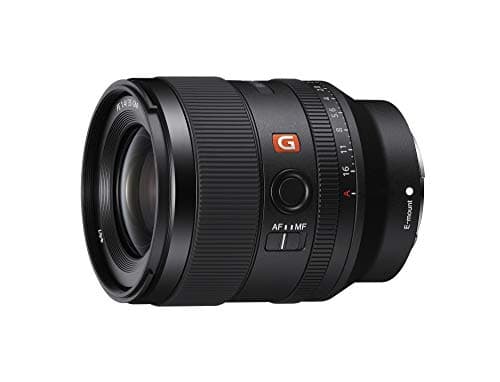
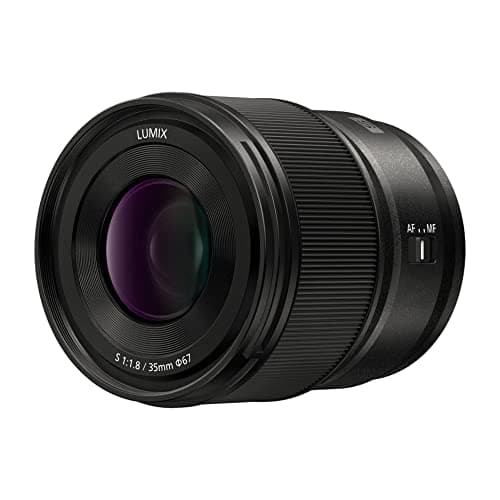
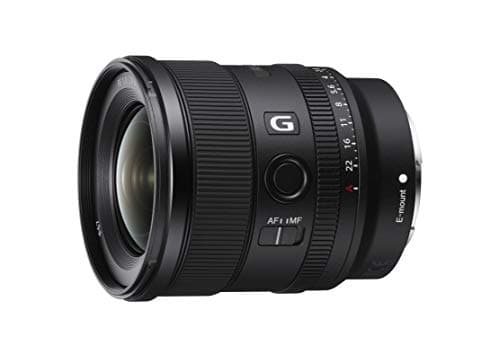
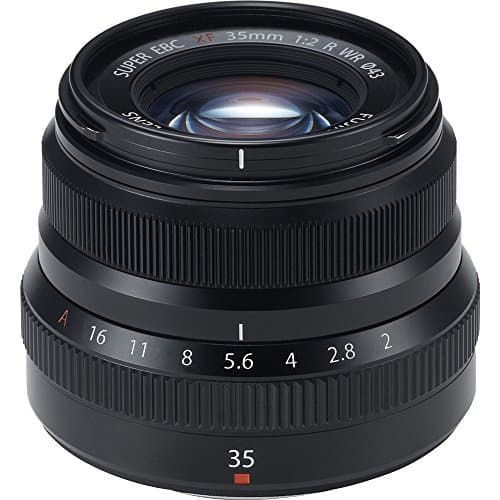
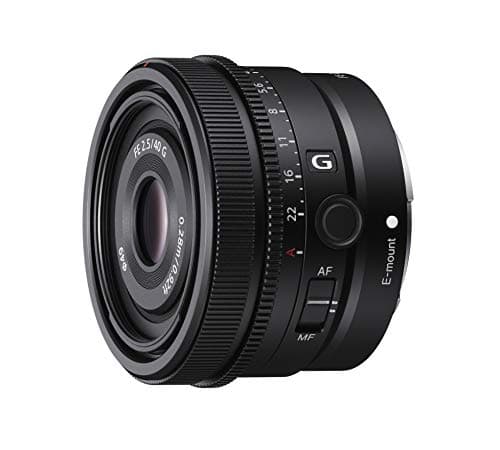
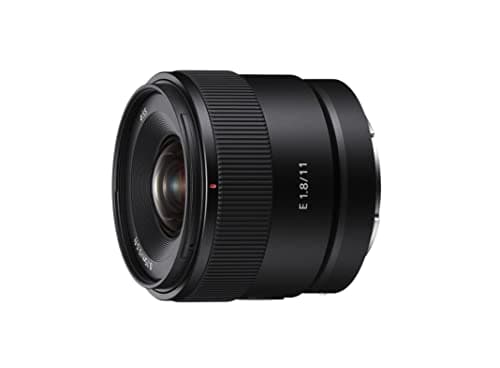
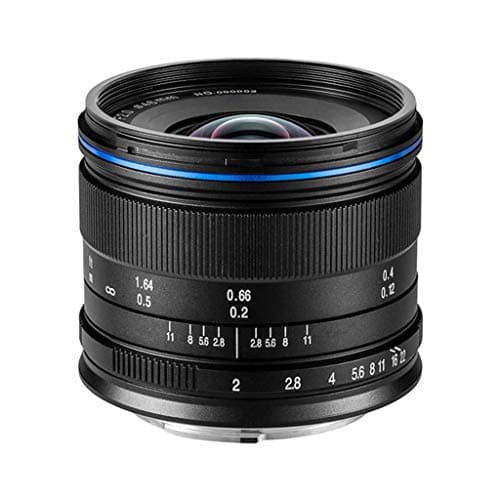
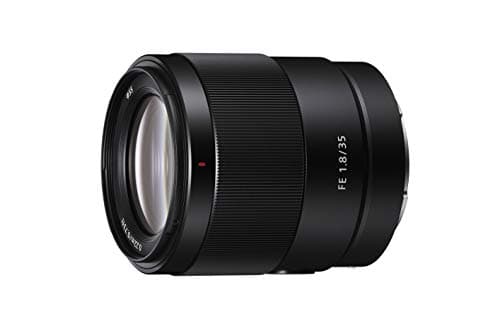
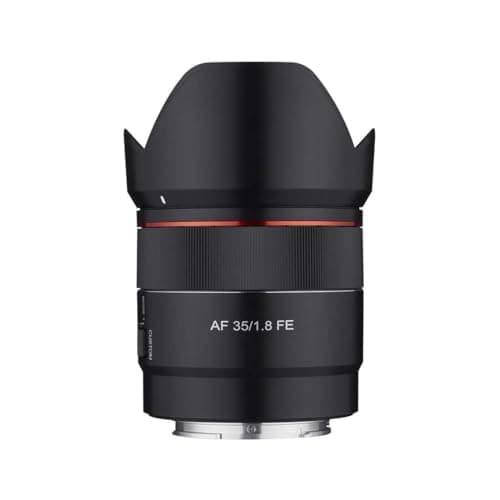
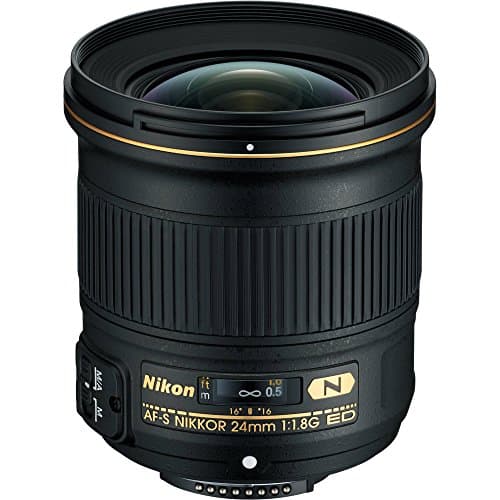
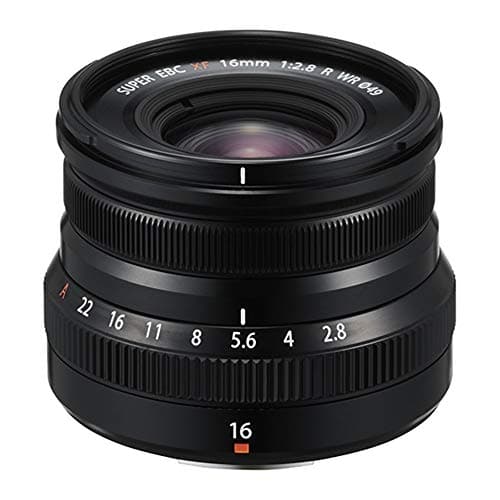
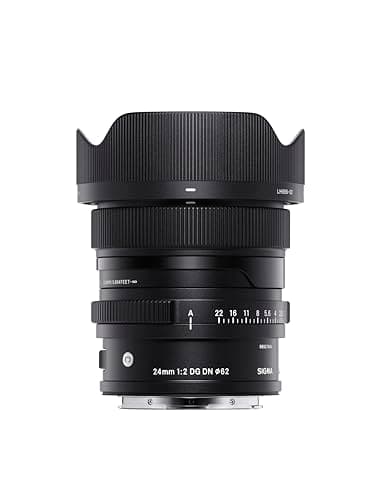
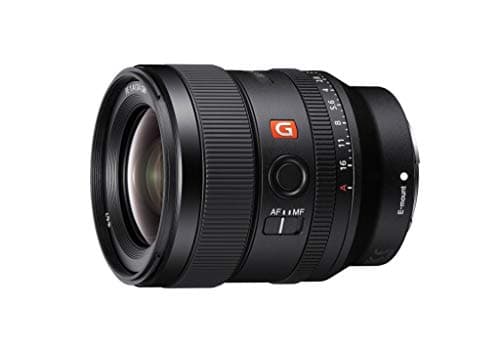
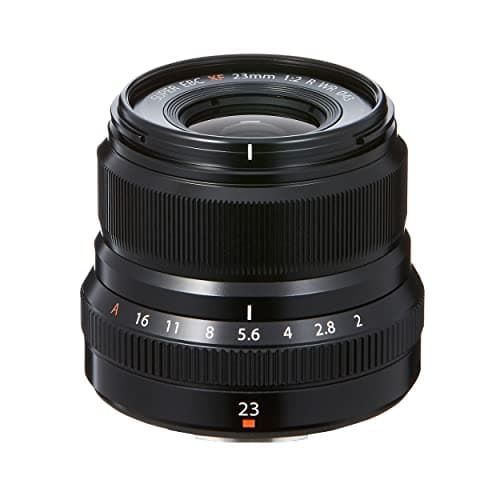
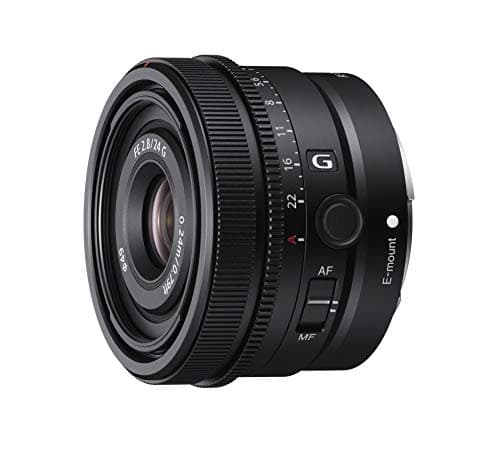
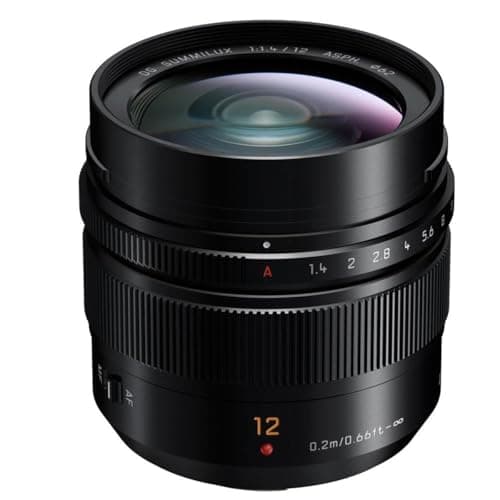
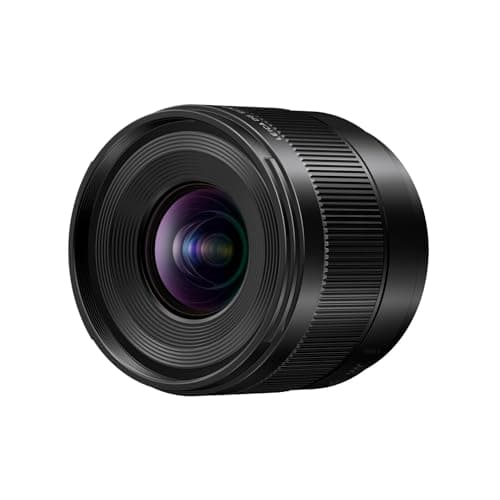
These are the best prime lenses for travel photography when you want compact size, honest geometry, fast and quiet AF, and rich color that holds up from harsh noon to moody blue hour—whether you’re shooting alleyways, interiors, street moments, food, or twilight skylines—and here’s what to look for as you buy: prioritize small, lightweight builds you’ll actually carry, rectilinear optics with low wave/moustache distortion, strong wide-open contrast (ƒ1.4–ƒ2 for people; ƒ2–ƒ2.8 for detail), close-focus for food and textures, weather sealing for unpredictable trips, minimal focus breathing if you film, and front threads (49–67–77mm) so one VND/CPL/diffusion covers the kit; build a two- or three-prime spine that fits your style—(24/1.8 + 50/1.8) for classic travel, (35/1.4 + 85/1.8) for people-first, or (20/1.8 + 35/1.4 + 65/2) for wide-to-normal stories. Full-frame travel heroes: 20–24mm for context (Sony FE 20/1.8 G, FE 24/1.4 GM; Nikon Z 20/1.8 S, Z 24/1.8 S; Canon RF 24/1.8 IS; Sigma 20/1.4 and 24/1.4 DG DN Art; Laowa 15/2 Zero-D for manual “straight-line” drama), 35mm for storytelling (Sony FE 35/1.4 GM or 35/1.8; Nikon Z 35/1.8 S; Canon RF 35/1.8 IS; Sigma 35/1.4 DN), 50–65mm for people/food/details (Sony FE 50/1.4 or 1.2 GM; Canon RF 50/1.8 or 1.2L; Nikon Z 50/1.8 S; Sigma 50/1.4 DN and 65/2 DG DN), and 85–105mm for portraits and compressed vistas (Sony FE 85/1.8, Canon RF 85/2 IS, Nikon Z 85/1.8 S, Sigma 85/1.4 DN; macro anchors like Sony FE 90/2.8 Macro OSS, Canon RF 100/2.8L IS, Nikon Z MC 105/2.8 VR, Sigma 105/2.8 DG DN cover labels and small crafts). APS-C standouts that disappear in a day bag: Sigma 16/23/30/56mm ƒ1.4 DC DN (legendary value and bright), Sony E 15/1.4 G and E 11/1.8 (tiny wides), E 24/1.8 ZA, E 35/1.8 OSS and 50/1.8 OSS (stabilized classics), Fujifilm XF 18/1.4, 23/1.4 LM WR, 33/1.4 LM WR, 56/1.2 WR (quiet linear AF and people-friendly rendering), and Canon RF-S travelers can leverage RF 24/1.8 IS, RF 35/1.8 IS, RF 50/1.8 for bright, stabilized kits. Micro Four Thirds picks for ultra-light travel: OM SYSTEM 17/25/45mm ƒ1.8 (tiny trio), 17/25/45mm ƒ1.2 Pro (rounded blades, sealed), Panasonic 20/1.7 (pancake legend), Panasonic Leica 15/1.7 and 42.5/1.2 Nocticron OIS (lux rendering), plus Olympus 60/2.8 Macro for markets and details. Practical buyer tips: standardize front diameters so one slim VND, a gentle diffusion (Black Mist 1/8–1/4), and a modest CPL handle everything—use CPL sparingly on ultrawides to avoid blotchy skies; favor lenses with robust hoods and nano coatings for backlit alleys and seaside glare; if your body lacks IBIS, stabilized primes (Canon IS, Sony OSS, Nikon VR, Panasonic OIS) help for dusk interiors; consider a compact macro for double duty (detail + portrait). Field technique that keeps trips vivid and sharp: keep the camera roughly level for natural lines, favor 24–35mm for context and 50–85mm for portraits, and place a foreground anchor (tile, rail, coffee cup) near the central third for depth; run Aperture Priority or Manual with Auto-ISO and a sensible floor (1/125–1/250s for people; 1/30–1/60s for static with stabilization), work near wide open for mood then stop 1/3–2/3 stop for edge snap, and bracket gently for high-contrast scenes; for interiors, press against a wall or post, use a small VND to keep a 180° shutter for video, and enable breathing compensation; for blue hour, shoot RAW, protect highlights, and add a 3–6 stop ND for water/traffic motion; lock WB per set for color continuity and travel light—prime kits reward you with stealth, speed, and distinct looks. Whether you’re threading souks, riding trains, hiking coastlines, or chasing neon rain after dark, the best prime lenses for travel photography combine compact builds, low distortion, quiet, confident AF, and filter-friendly designs—so your stories feel immersive, truthful, and beautifully portable.
Lenses by brand:
Lenses by price:
Lenses by type:
Lenses by feature:
Lenses by use case:
- Best Prime Lenses for Aerial Photography
- Best Prime Lenses for Architectural Photography
- Best Prime Lenses for Astrophotography
- Best Prime Lenses for Automotive Photography
- Best Prime Lenses for Concert Photography
- Best Prime Lenses for Event Photography
- Best Prime Lenses for Food Photography
- Best Prime Lenses for Headshot Photography
- Best Prime Lenses for Landscape Photography
- Best Prime Lenses for Lifestyle Photography
- Best Prime Lenses for Macro Photography
- Best Prime Lenses for Nature Photography
- Best Prime Lenses for Night Photography
- Best Prime Lenses for Pet Photography
- Best Prime Lenses for Photojournalism
- Best Prime Lenses for Portrait Photography
- Best Prime Lenses for Product Photography
- Best Prime Lenses for Real Estate Photography
- Best Prime Lenses for Sports Photography
- Best Prime Lenses for Street Photography
- Best Prime Lenses for Studio Photography
- Best Prime Lenses for Travel Photography
- Best Prime Lenses for Wedding Photography
- Best Prime Lenses for Wildlife Photography
- Best Prime Lenses for Video
Lenses by experience:
Cameras: