
10 Best Prime Lenses for Sports Photography in 2026
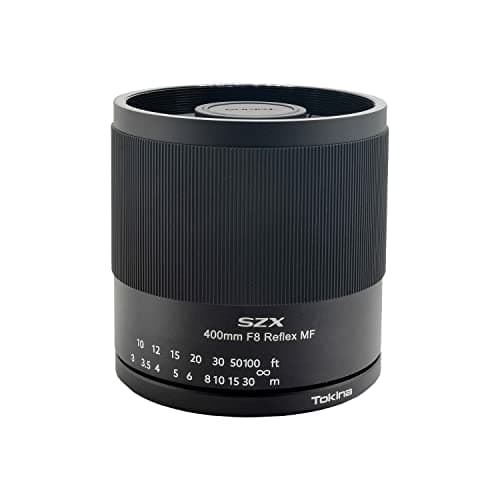
* Product prices and availability are accurate as of the date/time indicated and are subject to change. Any price and availability information displayed on Amazon.com at the time of purchase will apply to the purchase of this product.
* Imaginated.com may receive compensation for purchases made at participating retailers linked on this site. This compensation does not affect what products or prices are displayed, or the order of prices listed. Learn more here.
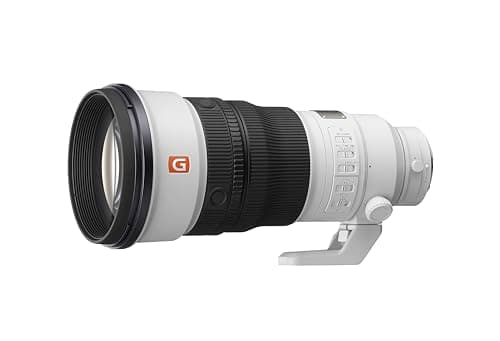
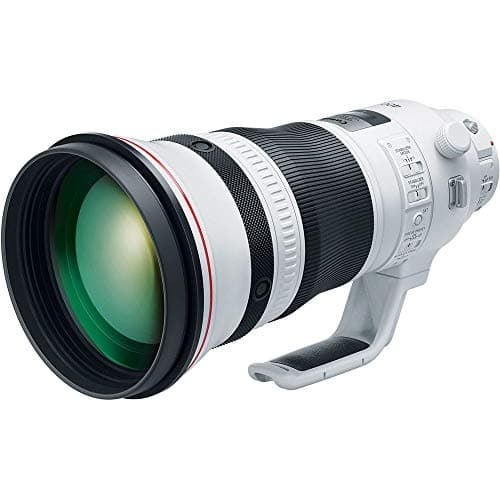
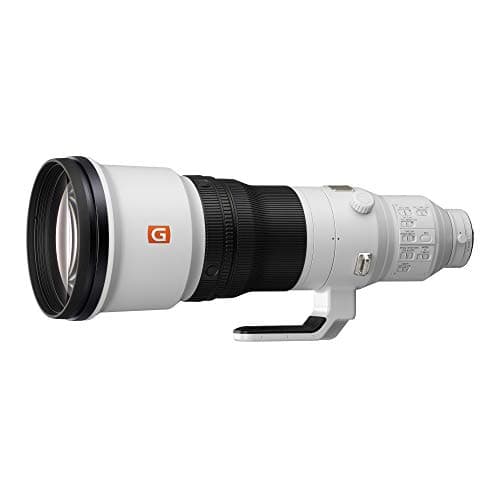
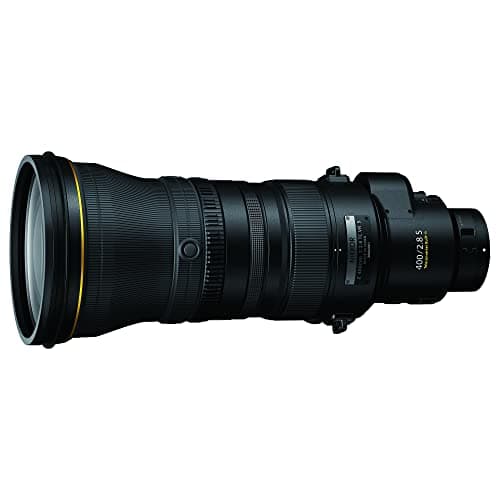
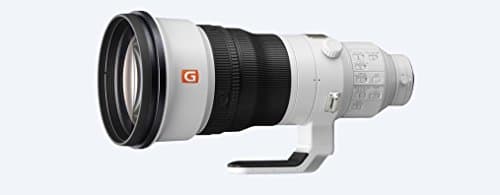
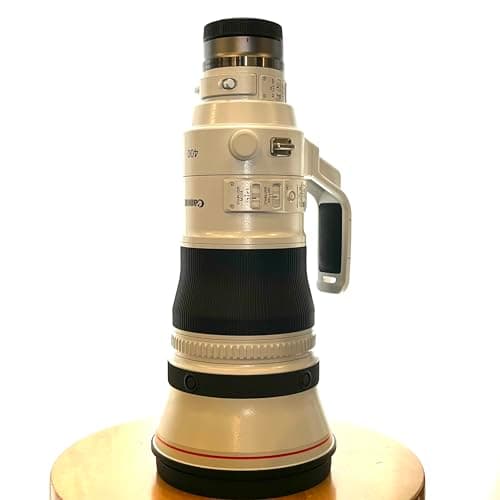
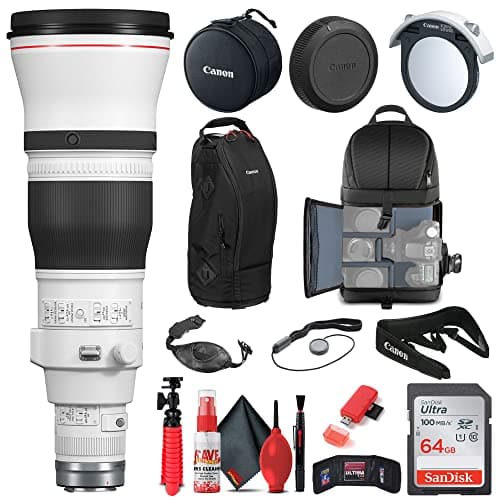
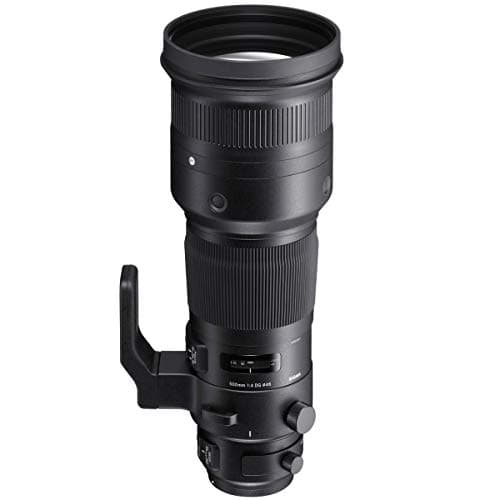
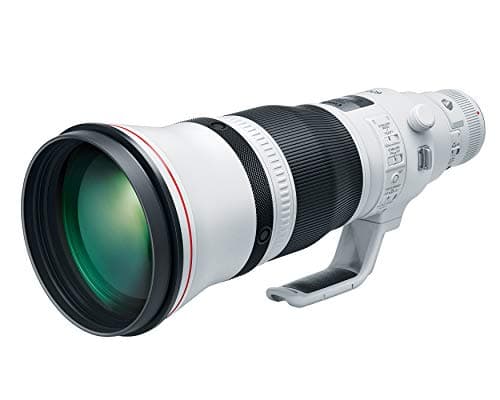
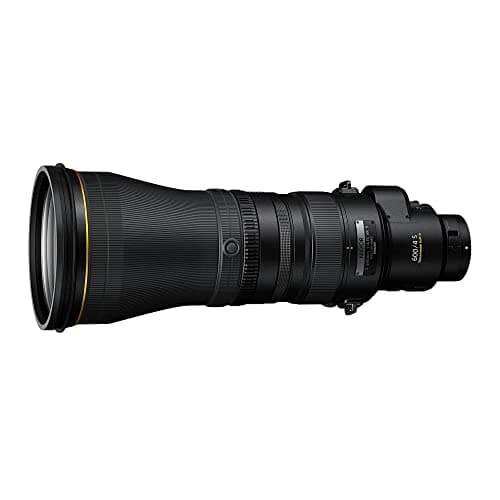
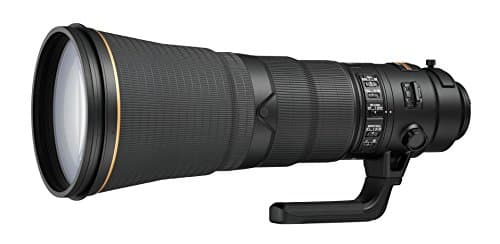
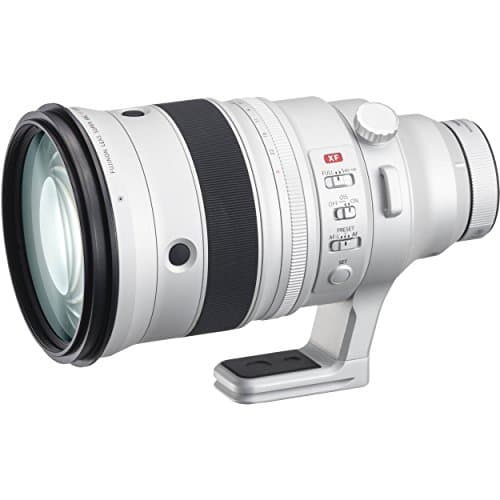
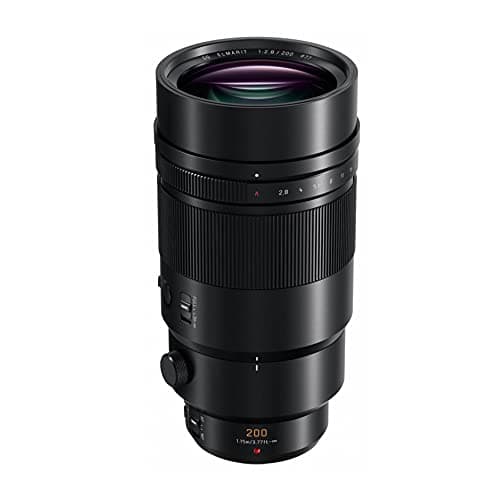
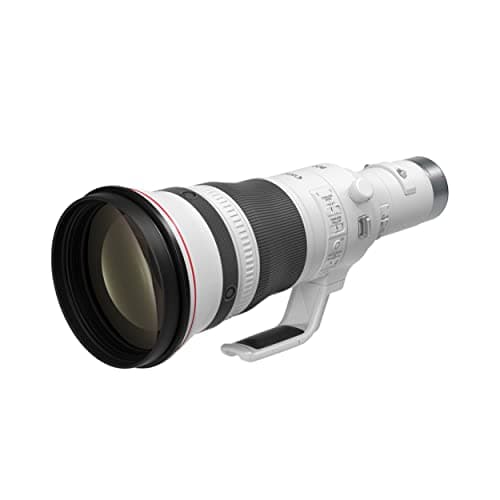
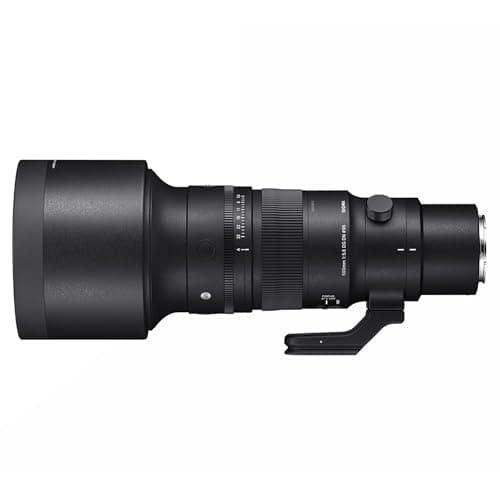
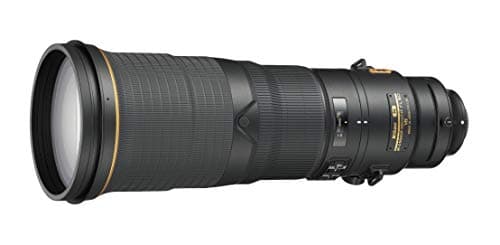
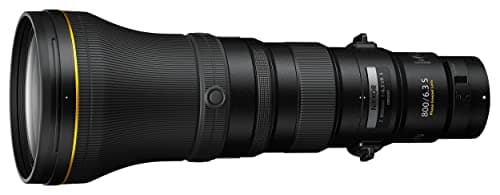
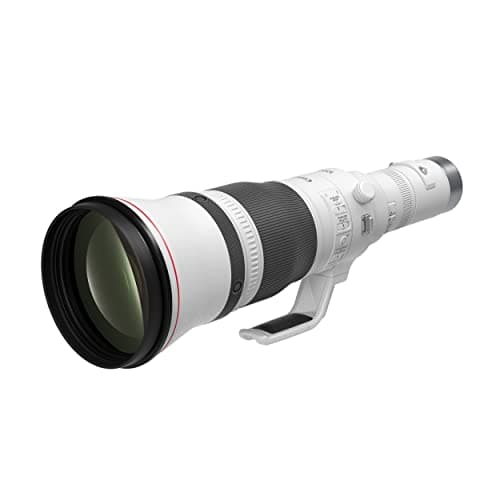
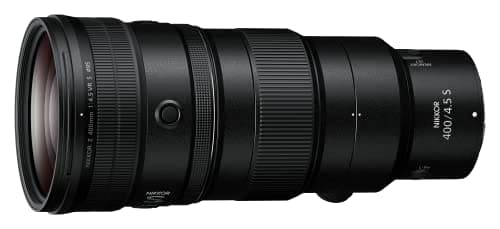
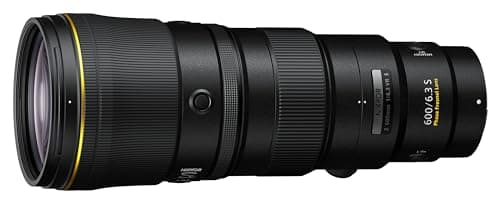
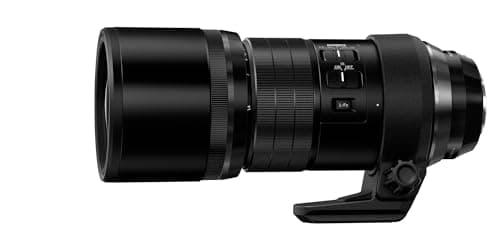
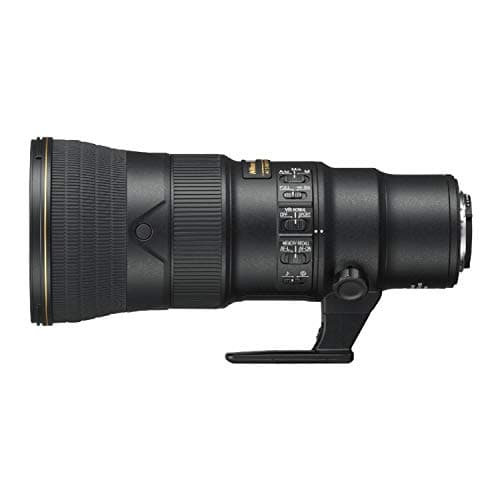
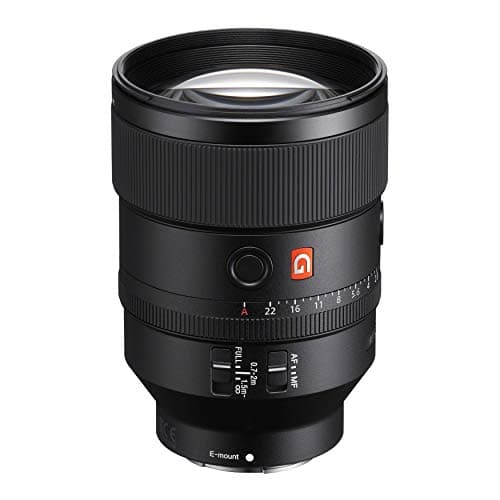
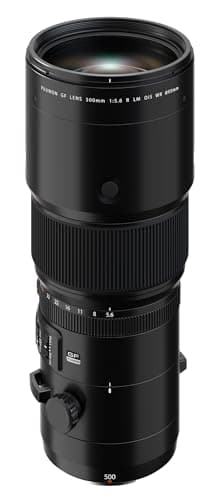
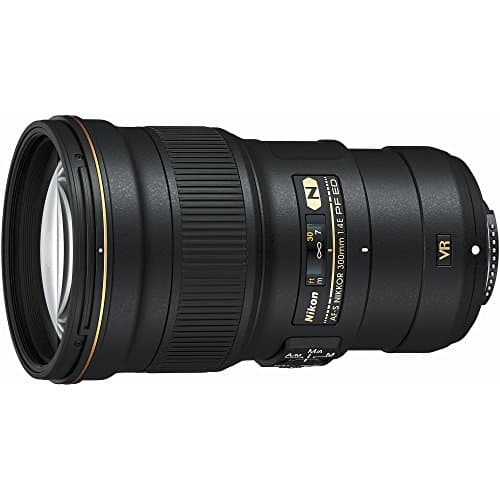
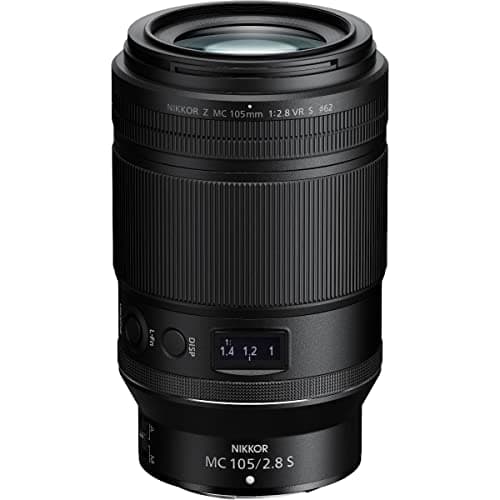
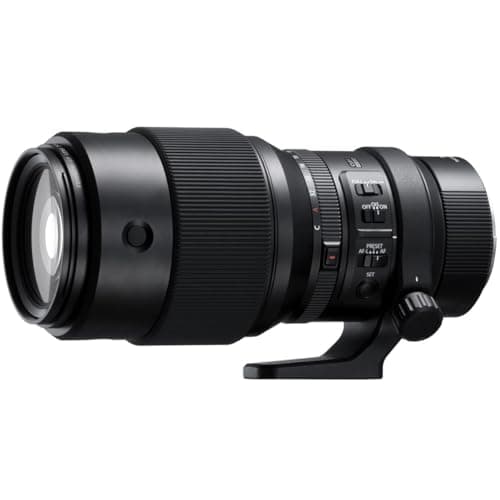
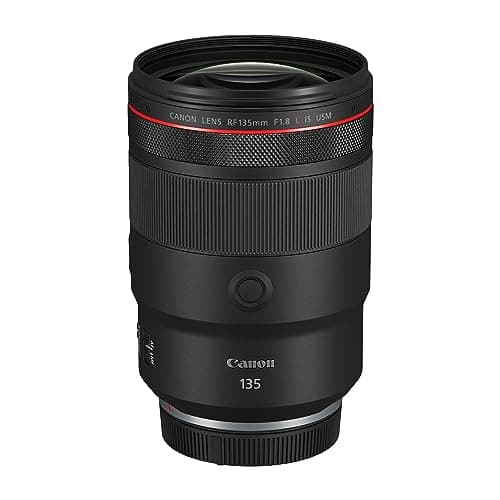
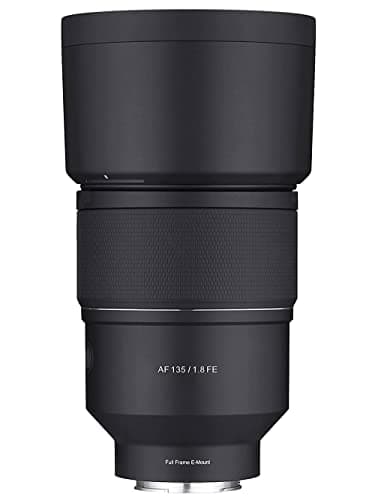
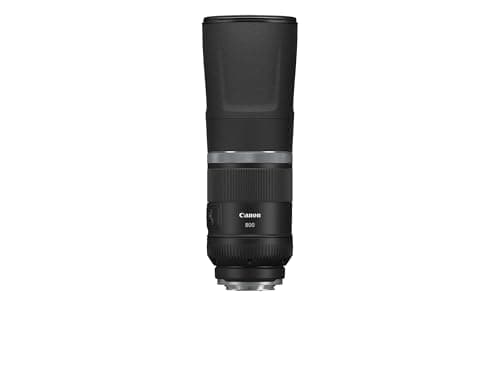
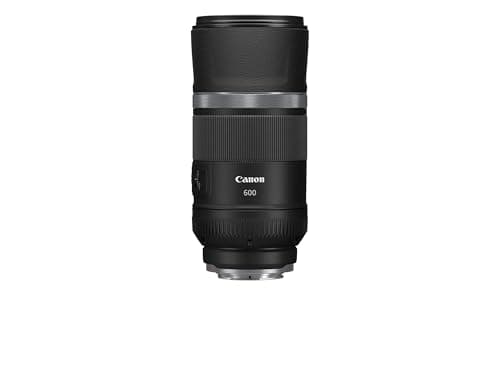
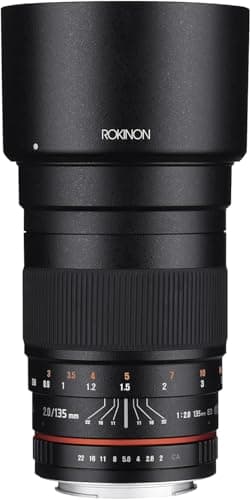
These are the best prime lenses for sports photography when you want blistering AF, reliable subject tracking in bad light, weather-tough builds, and optics that stay sharp wide open—whether you’re courtside, rink-level, trackside, or on the touchline—and here’s what to look for as you buy: prioritize fast apertures and motors (ƒ1.4–ƒ2 for indoor/close; ƒ2.8–ƒ4 for field tele), linear/STM/SSM motors with focus limiters and memory recall buttons, strong wide-open contrast with controlled LoCA on sweaty highlights, robust stabilization that plays nice with IBIS, minimal focus breathing if you film, and practical ergonomics (drop-in filters on big whites, balanced collars, programmable Fn); choose lenses that accept matched 1.4×/2× teleconverters, and favor sealed designs with carbon hoods for rain days. Full-frame pit-to-sideline heroes: short tele/indoors—Sony FE 85mm ƒ1.8 / ƒ1.4 GM, FE 135mm ƒ1.8 GM; Nikon Z 85mm ƒ1.8 S, Z 135mm ƒ1.8 Plena; Canon RF 85mm ƒ2 IS / RF 85mm ƒ1.2L, RF 135mm ƒ1.8L IS; Sigma 105mm ƒ1.4 Art and 135mm ƒ1.8 Art (punchy “bokeh masters”). Field tele primes—Sony FE 300mm ƒ2.8 GM OSS, FE 400mm ƒ2.8 GM OSS, FE 600mm ƒ4 GM OSS; Nikon Z 400mm ƒ2.8 TC VR S (built-in 1.4×), Z 600mm ƒ4 TC VR S, Z 400mm ƒ4.5 S and Z 600mm ƒ6.3 PF (featherweight reach); Canon RF 400mm ƒ2.8L IS and RF 600mm ƒ4L IS (with RF 1.4×/2×), RF 600mm ƒ11 / RF 800mm ƒ11 (budget daylight reach); classic DSLR options still shine via adapters—Canon EF 200mm ƒ2L IS, EF 300mm ƒ2.8L IS II, EF 400/2.8L, EF 500/4L, Nikon AF-S 300mm ƒ2.8G VR II, 400/2.8, 500/4, 600/4. Specialty sidelines: 200mm ƒ2 class (EF/Nikon) for dreamy indoor arena compression; compact tele primes like Nikon 300mm ƒ4E PF and Z 400mm ƒ4.5 S for long walk days. APS-C standouts (or second bodies on the belt): Sigma 56mm ƒ1.4 DC DN (indoor hoops/volleyball), Sigma 90mm ƒ2.8 DG DN C (light, sharp), Sony E 50mm ƒ1.8 OSS and 35mm ƒ1.8 OSS for closer baseline work; Fujifilm XF 90mm ƒ2 (135-eq punch) and the XF 200mm ƒ2 OIS (pro arena beast); RF-S shooters can run RF 85/2 IS, RF 135/1.8L IS, or the RF 600/800 with crop for extra reach. Micro Four Thirds picks that punch above size: OM SYSTEM 300mm ƒ4 IS Pro (600-eq with Sync IS), Panasonic Leica 200mm ƒ2.8 OIS (400-eq with razor AF), and OM 90mm ƒ3.5 Macro IS PRO for tight detail on gear between plays. Practical buyer tips: build a two-prime spine you trust—(135/1.8 for indoor portraits/action + 400/2.8 for field play) or (85/1.8 + 300/2.8) depending on venue; standardize drop-in ND/clear filters on big teles and keep a monopod with a quick top—your wrists will thank you; confirm TC compatibility and AF performance before game day; skip CPLs (they blotch turf/jerseys and cut light); map focus limiters and recall buttons for near/far plays; carry rain covers, silica, and extra hoods. Field technique that lands keepers: shoot AF-C with subject tracking/expand zones, back-button focus, and a sensible shutter floor—~1/1000–1/2000s for field sports (1/3200s for baseball bat-ball, 1/2000s for soccer headers), ~1/500–1/1000s for indoor court; work near wide open for subject pop, then stop 1/3–2/3 stop if you need a touch more DOF; use anti-flicker under LEDs, prefer mechanical shutter to avoid PWM banding, and pre-focus on lanes or the crease; pan smoothly for motorsports at 1/60–1/250s and shoot bursts to land a tack helmet with streaked backgrounds; keep the camera roughly level to avoid unintentional stretch and compose with space for the play to develop; for video, maintain a 180° shutter with ND, enable breathing compensation, set slow AF transitions, and anchor big teles on a monopod or fluid head. Whether you’re tracking sprinters at the finish, freezing a dunk, isolating a striker through traffic, or panning bikes at golden hour, the best prime lenses for sports photography combine speed, reach, weather-tough ergonomics, and teleconverter-friendly optics—so your action frames stay sharp, clean, and decisive.
Lenses by brand:
Lenses by price:
Lenses by type:
Lenses by feature:
Lenses by use case:
- Best Prime Lenses for Aerial Photography
- Best Prime Lenses for Architectural Photography
- Best Prime Lenses for Astrophotography
- Best Prime Lenses for Automotive Photography
- Best Prime Lenses for Concert Photography
- Best Prime Lenses for Event Photography
- Best Prime Lenses for Food Photography
- Best Prime Lenses for Headshot Photography
- Best Prime Lenses for Landscape Photography
- Best Prime Lenses for Lifestyle Photography
- Best Prime Lenses for Macro Photography
- Best Prime Lenses for Nature Photography
- Best Prime Lenses for Night Photography
- Best Prime Lenses for Pet Photography
- Best Prime Lenses for Photojournalism
- Best Prime Lenses for Portrait Photography
- Best Prime Lenses for Product Photography
- Best Prime Lenses for Real Estate Photography
- Best Prime Lenses for Sports Photography
- Best Prime Lenses for Street Photography
- Best Prime Lenses for Studio Photography
- Best Prime Lenses for Travel Photography
- Best Prime Lenses for Wedding Photography
- Best Prime Lenses for Wildlife Photography
- Best Prime Lenses for Video
Lenses by experience:
Cameras: