
10 Best Prime Lenses for Headshot Photography in 2026
* Product prices and availability are accurate as of the date/time indicated and are subject to change. Any price and availability information displayed on Amazon.com at the time of purchase will apply to the purchase of this product.
* Imaginated.com may receive compensation for purchases made at participating retailers linked on this site. This compensation does not affect what products or prices are displayed, or the order of prices listed. Learn more here.
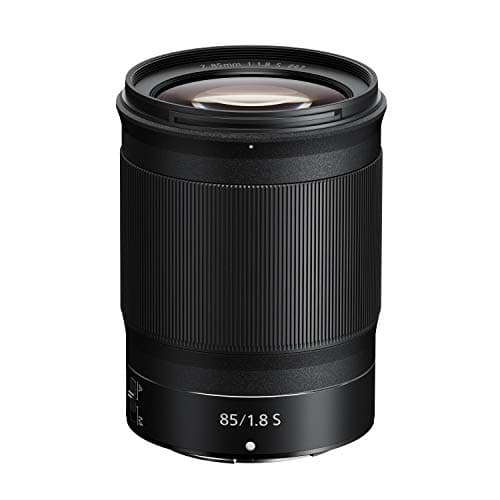
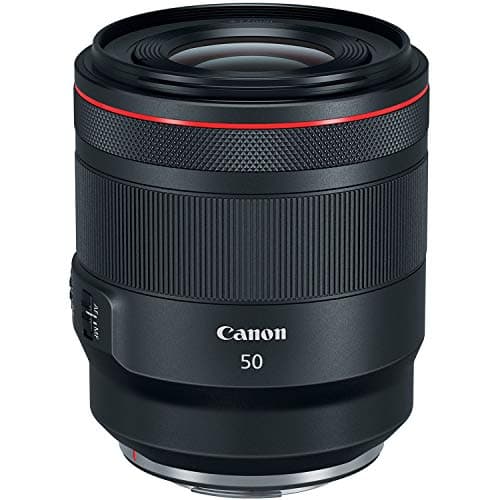
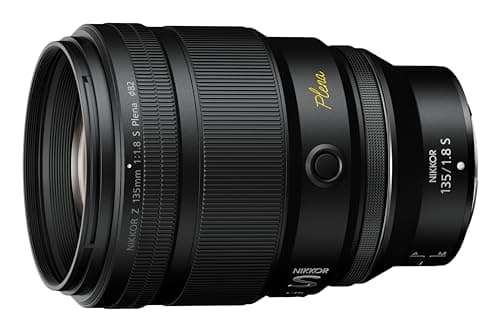
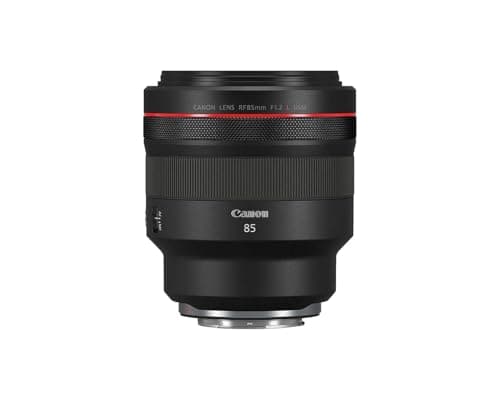
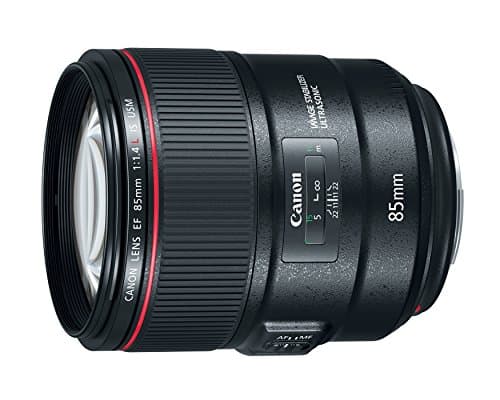
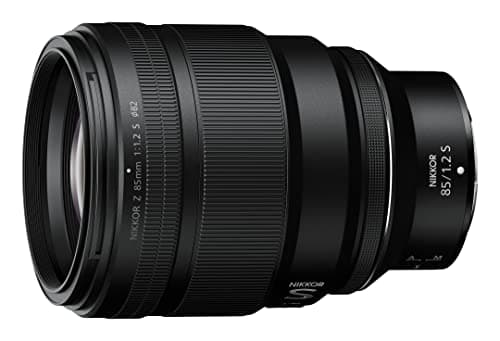
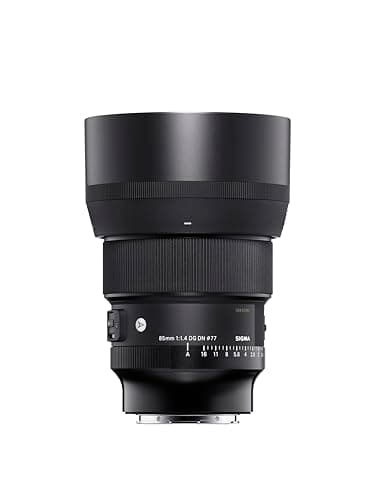
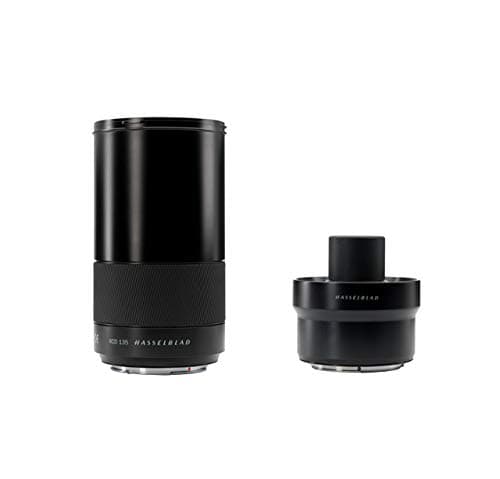
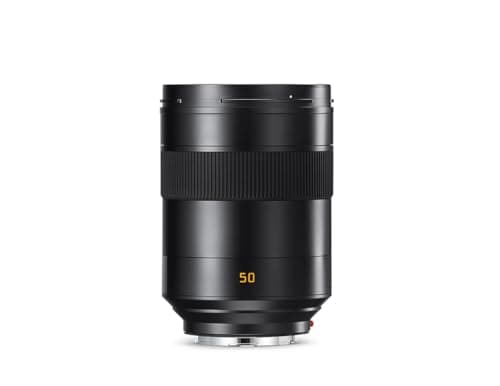
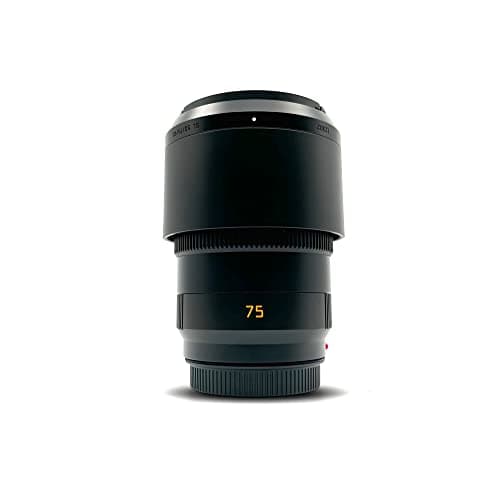
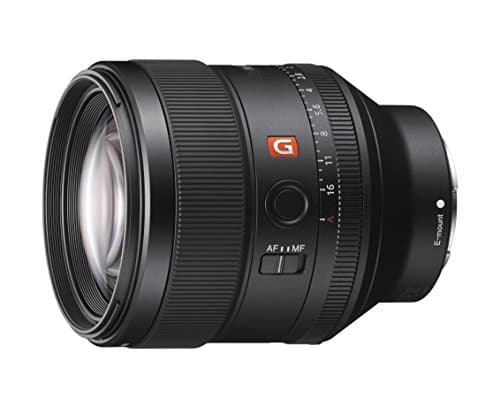
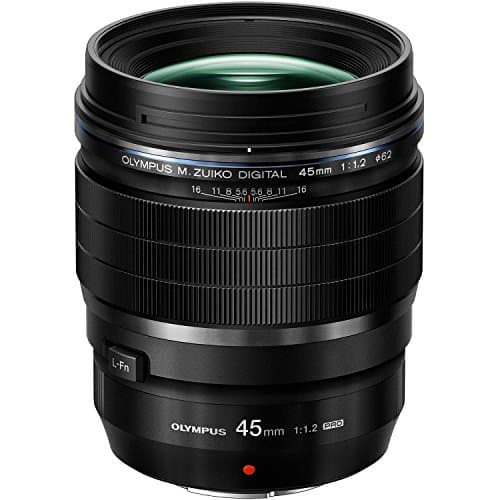
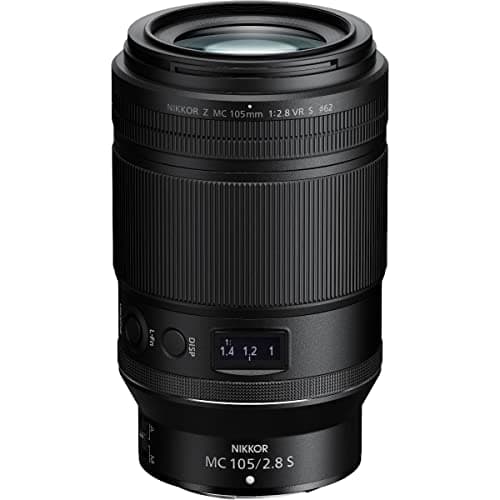
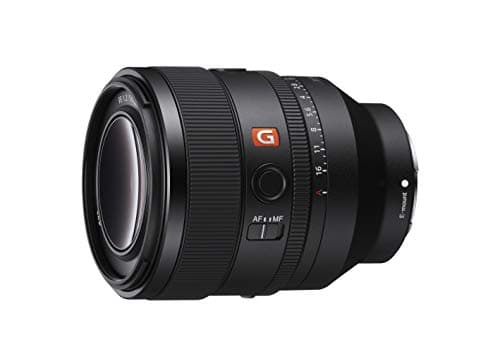
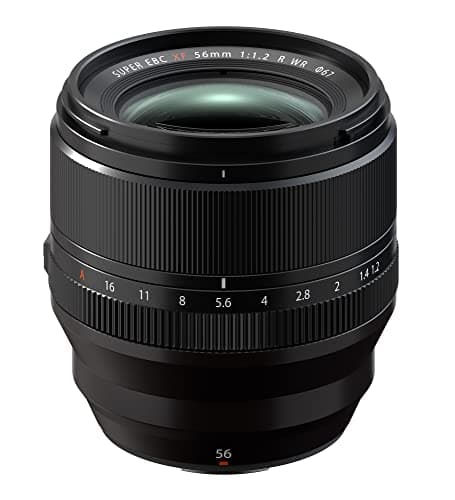
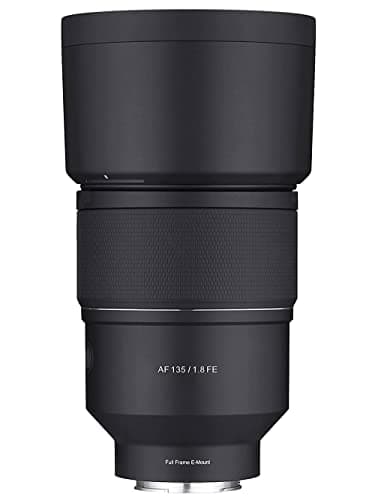
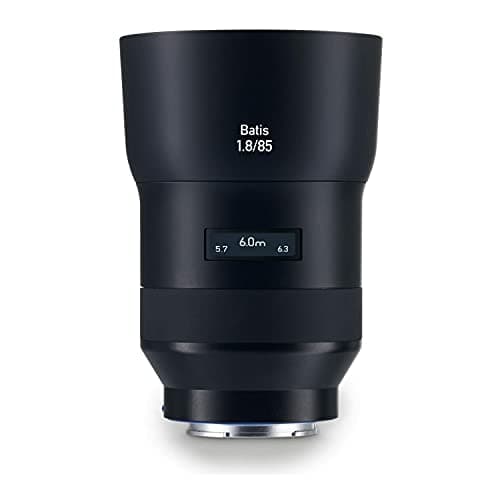
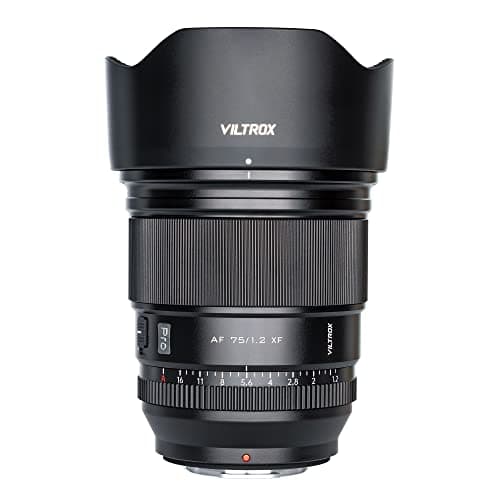
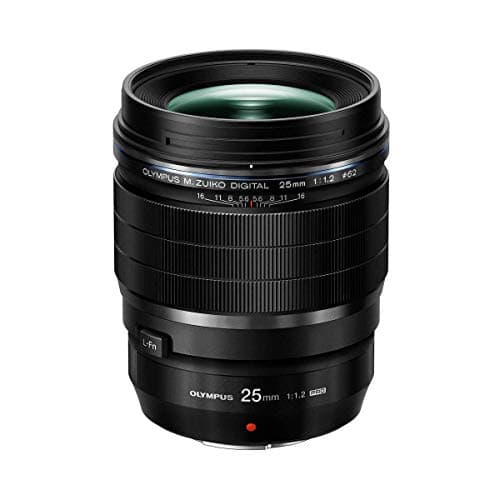
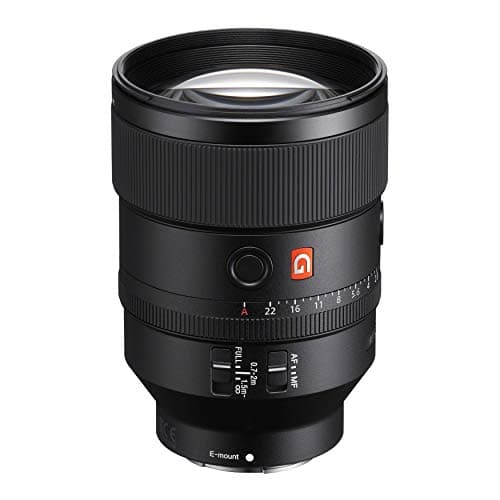
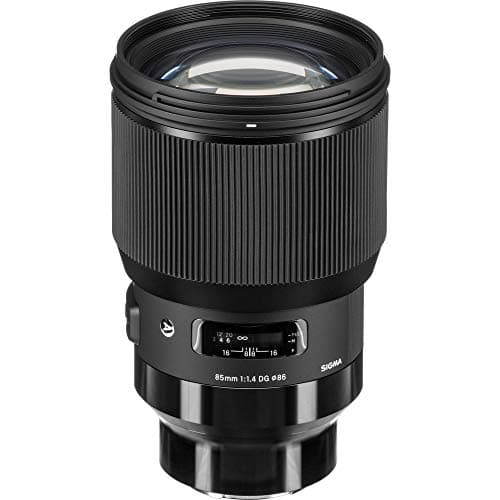
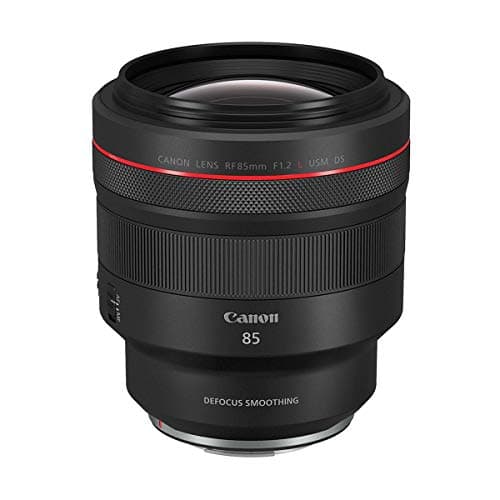
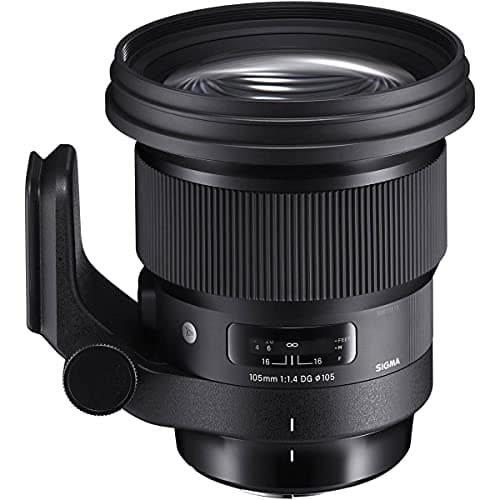
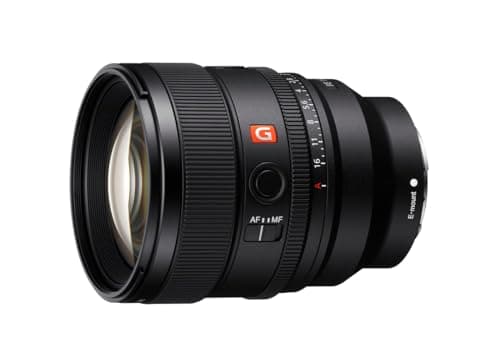
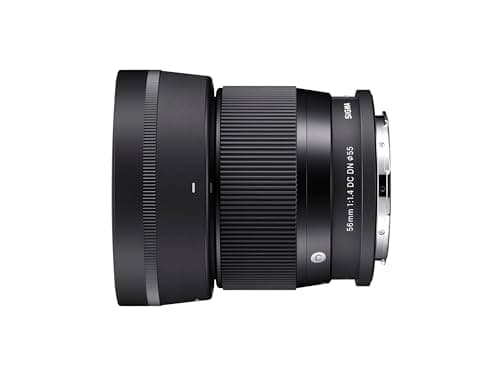
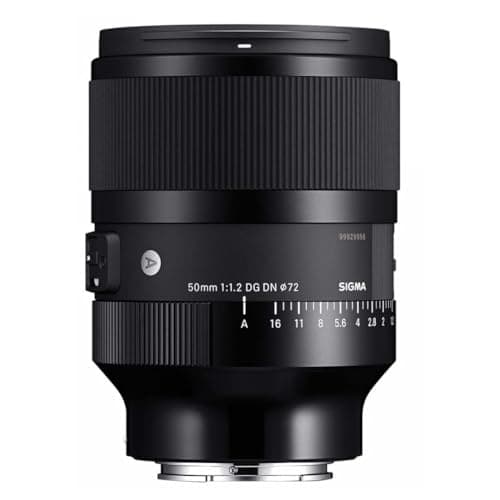
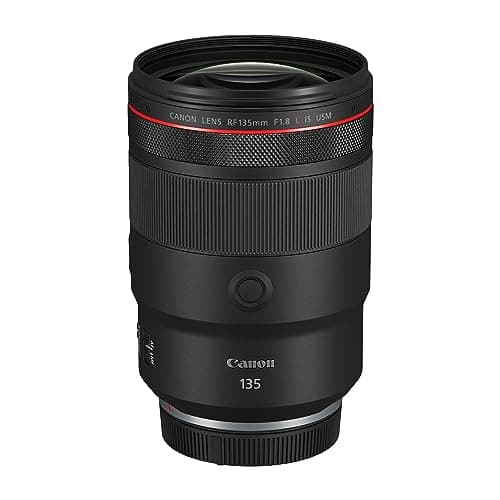
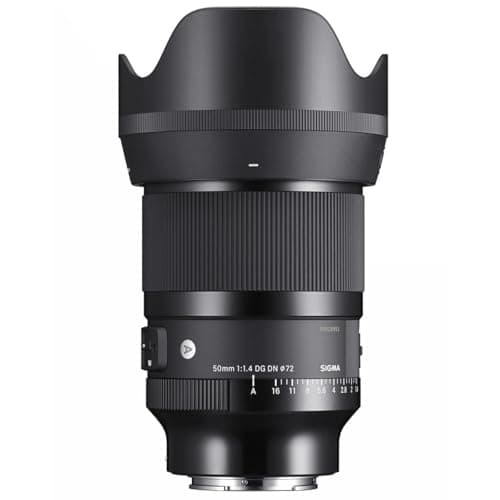
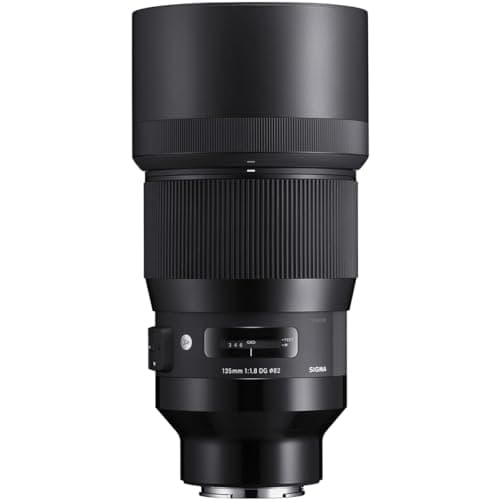
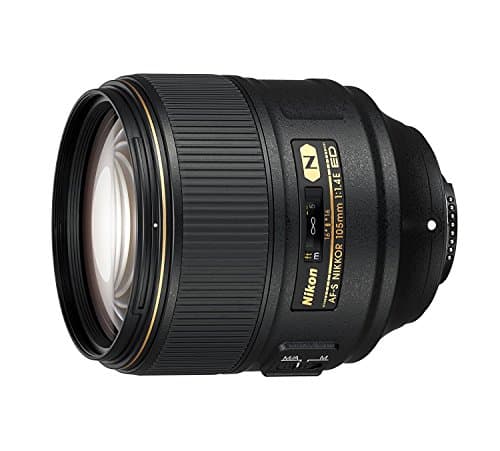
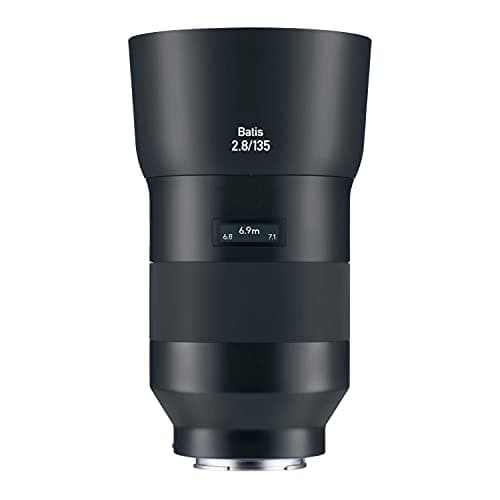
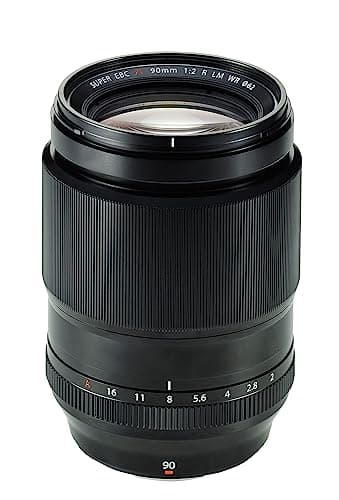
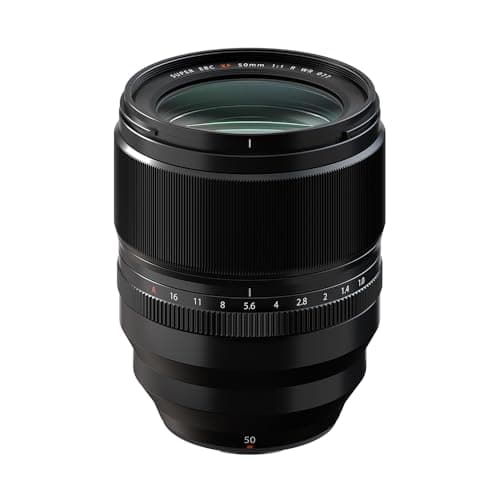
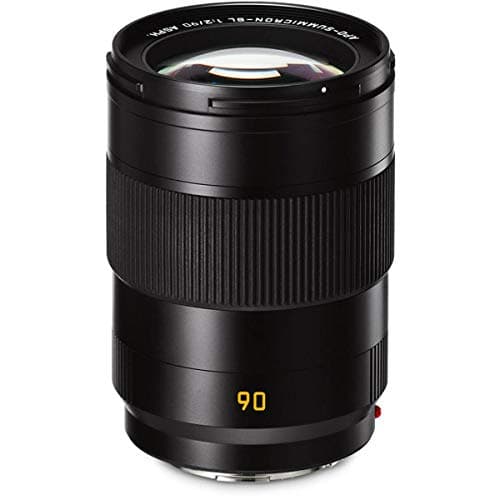
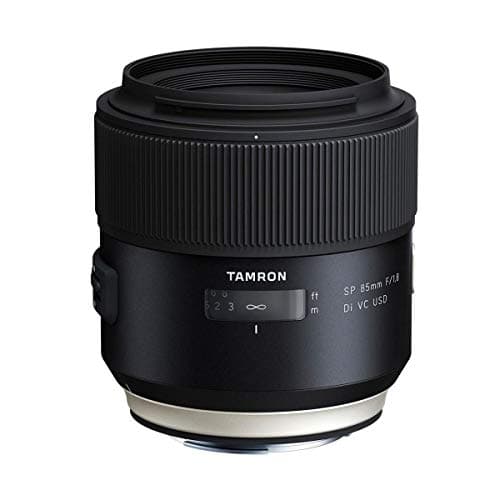
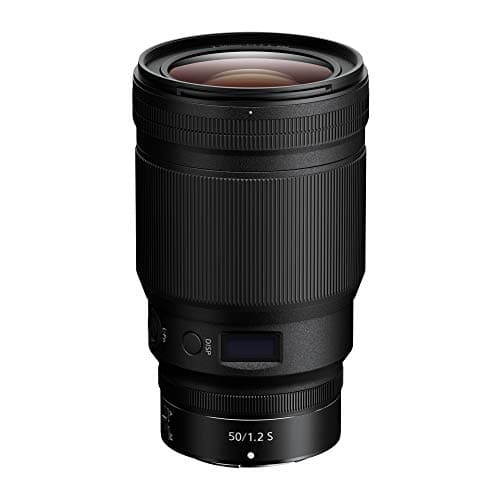
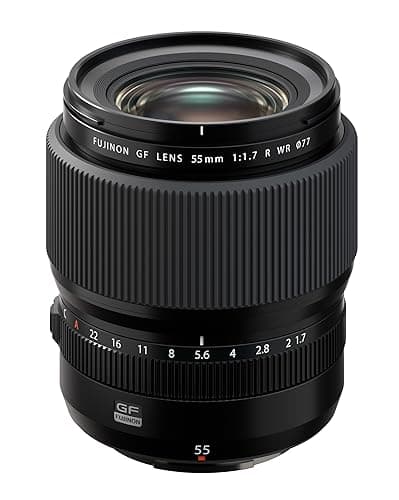
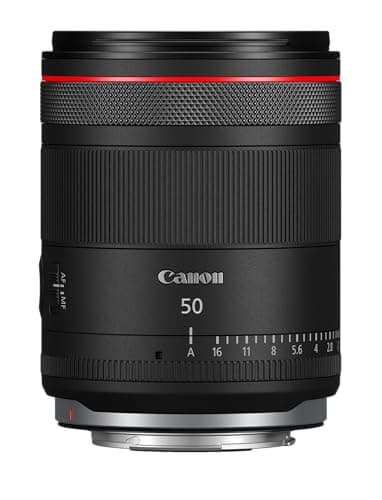
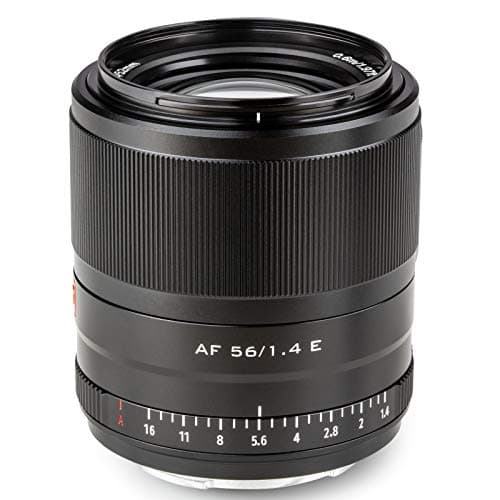
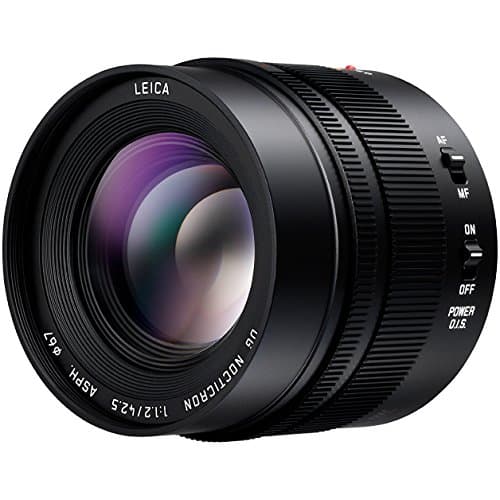
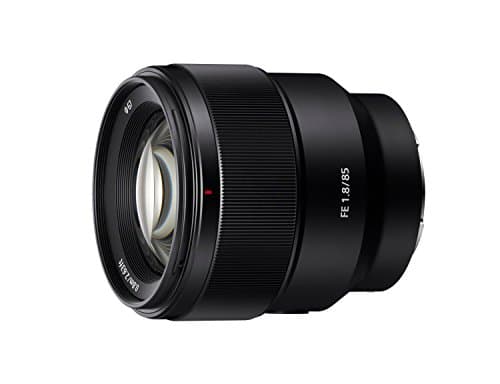
These are the best prime lenses for headshot photography when you want flattering compression, razor-sharp eyes, creamy yet controlled bokeh, accurate skin tones, and fast, reliable Eye AF—whether you’re shooting clean studio looks, natural-light portraits, corporate teams, or cinematic close-ups—and here’s what to look for as you buy: prioritize focal lengths that flatter faces (full-frame 85–135mm; APS-C ~50–90mm; Micro Four Thirds ~45–75mm), round diaphragms that stay circular stopped down, disciplined longitudinal CA (to avoid green/magenta fringing in blur), gentle contrast with strong micro-contrast at the plane of focus, quiet linear/STM motors, minimal focus breathing if you film, and close-focus for tight crops; stabilization helps for handheld ambient, but shutter speed is still king. Full-frame headshot heroes (Sony/Nikon/Canon/L-mount): 85mm ƒ1.4–ƒ1.8 staples like Sony FE 85/1.4 GM and 85/1.8, Nikon Z 85/1.8 S, Canon RF 85/2 IS (bonus macro), and Sigma 85/1.4 DG DN Art (buttery yet crisp); 105–135mm for luxe compression: Sony FE 135/1.8 GM (razor eyes, velvet falloff), Canon RF 135/1.8L IS (silky bokeh + IS), Nikon Z 135/1.8 Plena (round highlights edge-to-edge), Sigma 105/1.4 Art (“bokeh master”), classic 100/105mm macros—Sony FE 90/2.8 Macro G OSS, Canon RF 100/2.8L Macro IS, Nikon Z MC 105/2.8 VR (tack detail, beautiful background); versatile normals that still flatter tighter frames: Sony FE 50/1.4 GM/1.2 GM, Canon RF 50/1.2L, Nikon Z 50/1.8 S, Sigma 50/1.4 DG DN (for half-head/shoulders with context). APS-C standouts that punch above size: Sigma 56/1.4 DC DN (legendary headshot smoothness), Sony E 50/1.8 OSS (budget classic), Sony E 35/1.8 OSS and 15/1.4 G for environmental tight crops, Fujifilm XF 56/1.2 R WR (creamy portrait king), XF 90/2 (tele compression with silk-smooth discs), XF 50/1.0 when you want dreamy separation, and Viltrox 75/1.2 Pro (modern, round bokeh). Micro Four Thirds picks for compact kits: OM SYSTEM 45/1.2 Pro and 75/1.8 (tiny tele magic), 45/1.8 (value gem), Panasonic Leica 42.5/1.2 Nocticron OIS (lux blur with stabilization), and OM 60/2.8 Macro for pore-accurate detail when needed. Practical buyer tips: choose two anchors you love—85/1.4 (or 1.8) + 135/1.8 covers classic looks; macros double as ultra-sharp headshot glass at ƒ2.8–ƒ4 if you don’t need extreme blur; standardize front diameters for one diffusion/Black Mist (1/8–1/4) to soften speculars without killing micro-contrast; favor lenses with robust hoods and modern coatings for backlit hair light; if you film, verify breathing and enable linear MF; keep firmware current for Eye AF improvements. Field technique that keeps faces flattering and files clean: position the camera slightly above eye line for most faces, keep the camera roughly level to avoid chin/nose distortion, and use 85–135mm for classic compression—step closer or back rather than dipping to wider focal lengths; work near wide open for mood, then stop 1/3–2/3 stop for eyelash-sharp eyes and smoother skin texture; place catchlights with a large source (window/softbox) just off-axis, add negative fill to sculpt jawlines, and flag stray highlights; expose for skin and let background ride, watch LoCA around bright edges, and use a gentle diffusion filter or retouching for specular control; for corporate teams, standardize distance/focal length and lock white balance for uniformity; for video headshots, keep a 180° shutter with ND, set slow AF transitions, enable breathing compensation, and stabilize with IBIS/IS or a monopod. Whether you’re crafting clean LinkedIn portraits, moody actor headshots, editorial beauty, or cinematic talking heads, the best prime lenses for headshot photography combine flattering focal lengths, controlled aberrations, round bokeh, and confident AF—so eyes sparkle, skin looks natural, and your subjects feel like the best version of themselves.
Lenses by brand:
Lenses by price:
Lenses by type:
Lenses by sensor:
Lenses by feature:
Lenses by use case:
- Best Prime Lenses for Aerial Photography
- Best Prime Lenses for Architectural Photography
- Best Prime Lenses for Astrophotography
- Best Prime Lenses for Automotive Photography
- Best Prime Lenses for Concert Photography
- Best Prime Lenses for Event Photography
- Best Prime Lenses for Food Photography
- Best Prime Lenses for Headshot Photography
- Best Prime Lenses for Landscape Photography
- Best Prime Lenses for Lifestyle Photography
- Best Prime Lenses for Macro Photography
- Best Prime Lenses for Nature Photography
- Best Prime Lenses for Night Photography
- Best Prime Lenses for Pet Photography
- Best Prime Lenses for Photojournalism
- Best Prime Lenses for Portrait Photography
- Best Prime Lenses for Product Photography
- Best Prime Lenses for Real Estate Photography
- Best Prime Lenses for Sports Photography
- Best Prime Lenses for Street Photography
- Best Prime Lenses for Studio Photography
- Best Prime Lenses for Travel Photography
- Best Prime Lenses for Wedding Photography
- Best Prime Lenses for Wildlife Photography
- Best Prime Lenses for Video
Lenses by experience:
Cameras: