
10 Best Prime Lenses for Lifestyle Photography in 2026
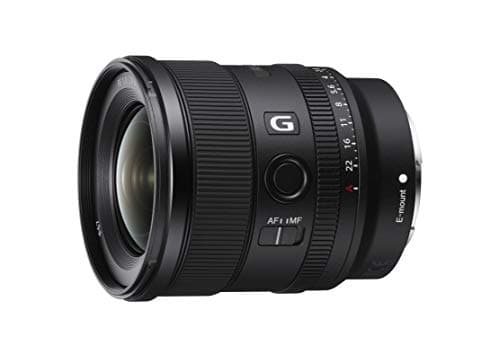
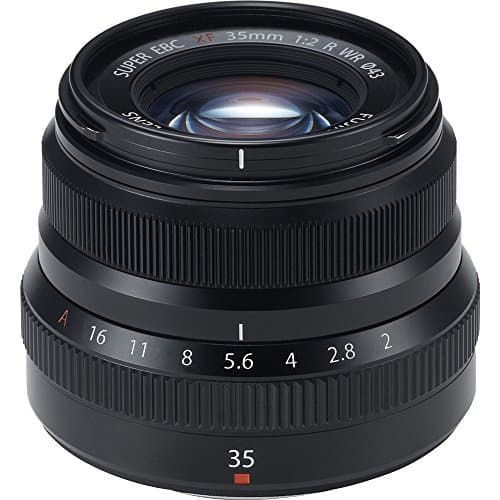
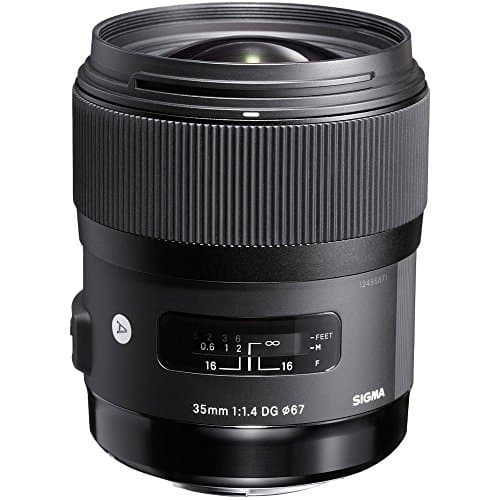
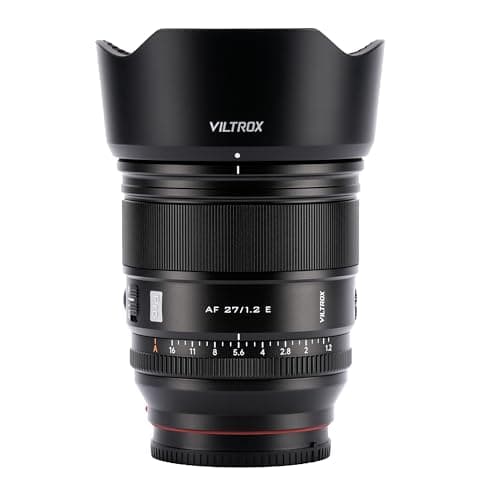
-primary-image.jpg&w=3840&q=75)
* Product prices and availability are accurate as of the date/time indicated and are subject to change. Any price and availability information displayed on Amazon.com at the time of purchase will apply to the purchase of this product.
* Imaginated.com may receive compensation for purchases made at participating retailers linked on this site. This compensation does not affect what products or prices are displayed, or the order of prices listed. Learn more here.
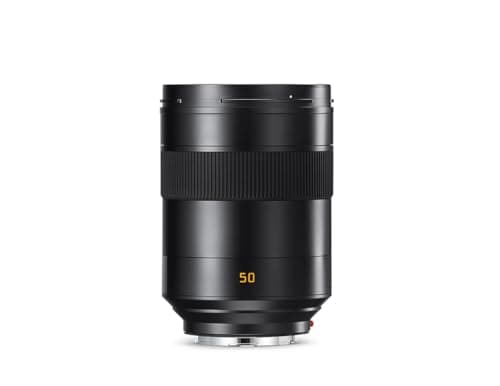
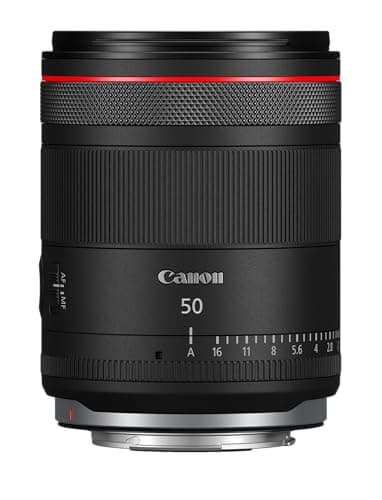
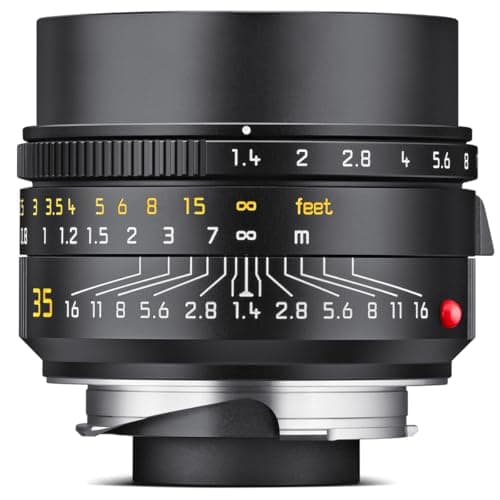
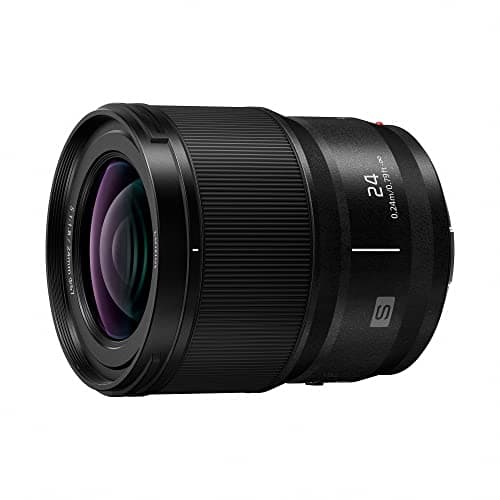
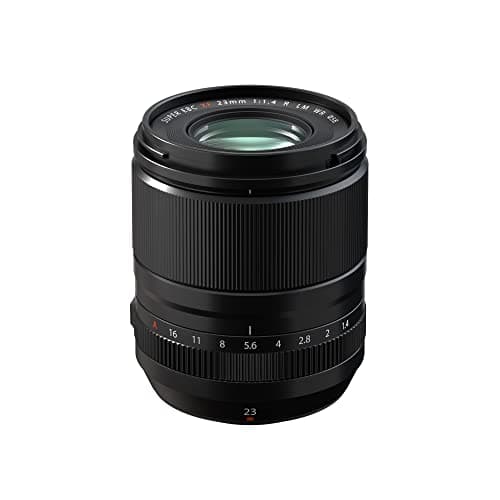
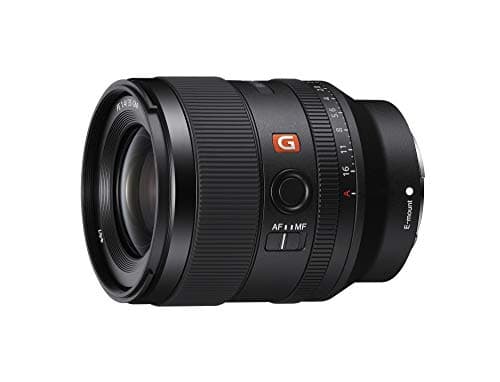
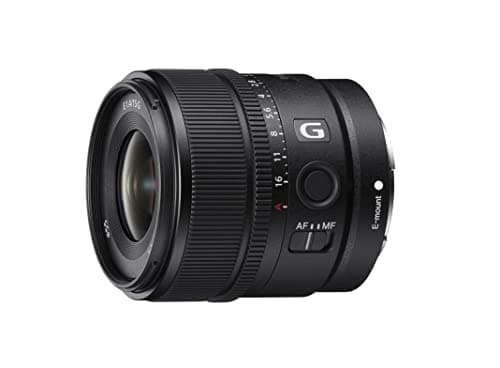
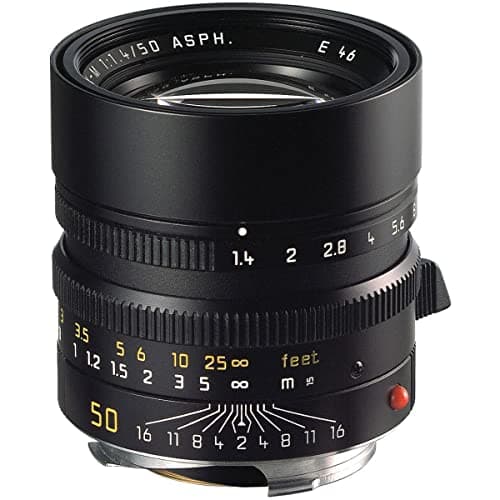
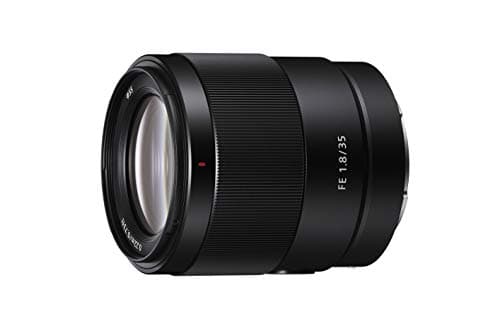
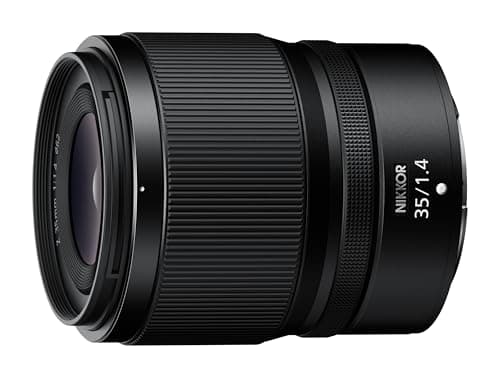
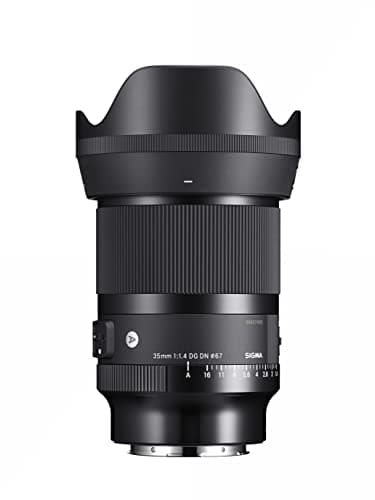
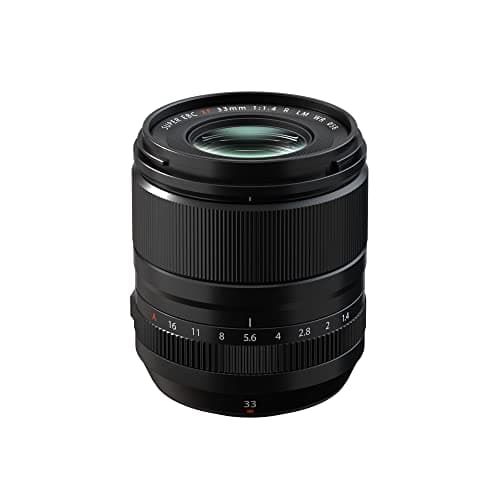
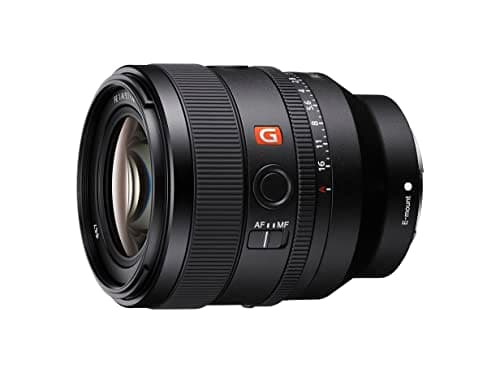
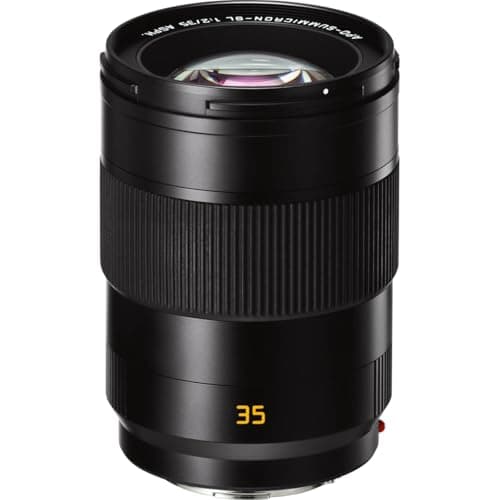
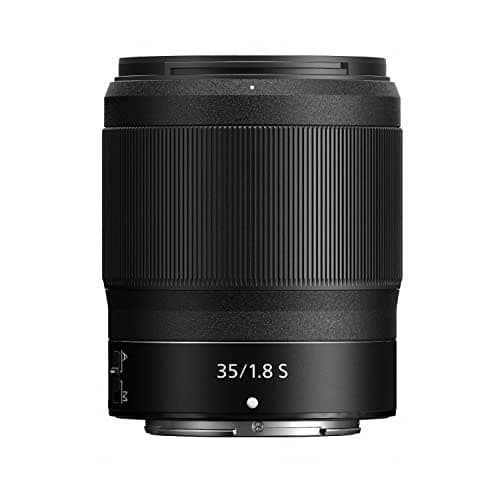
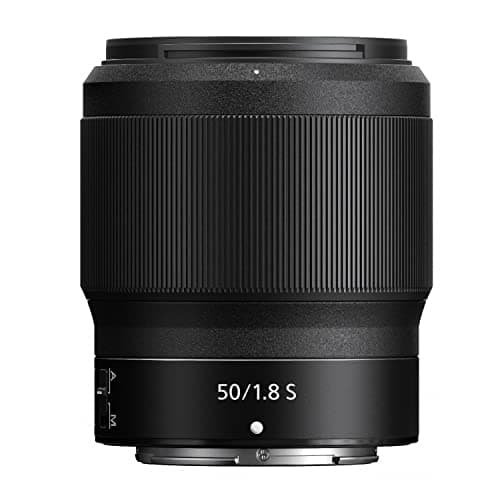
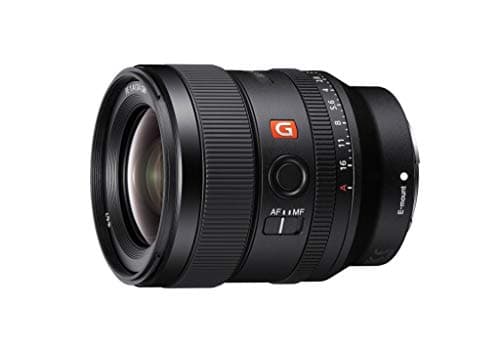
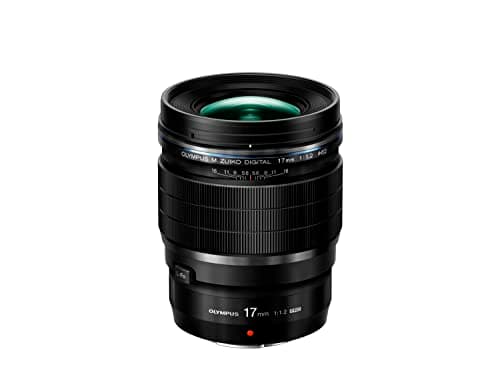
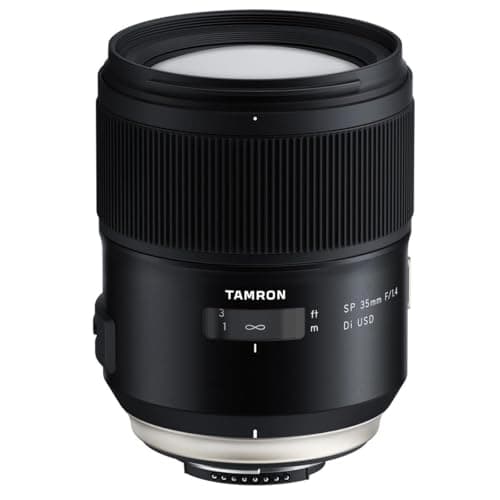
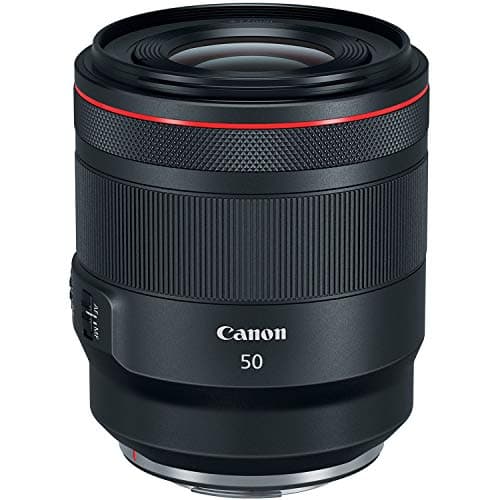
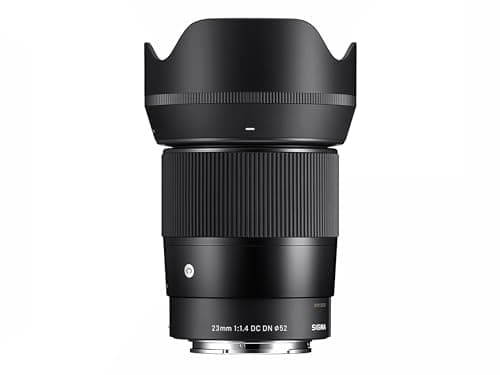
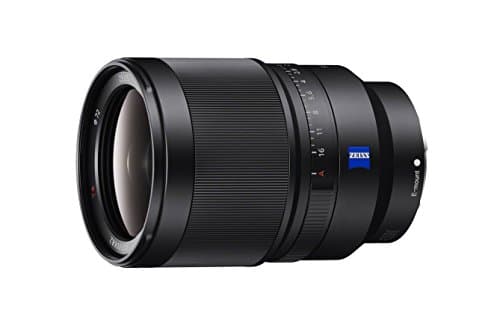
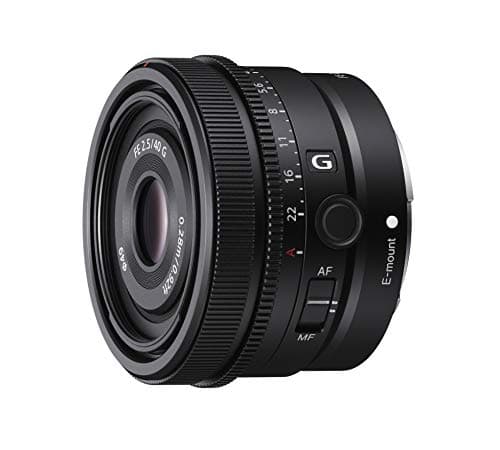
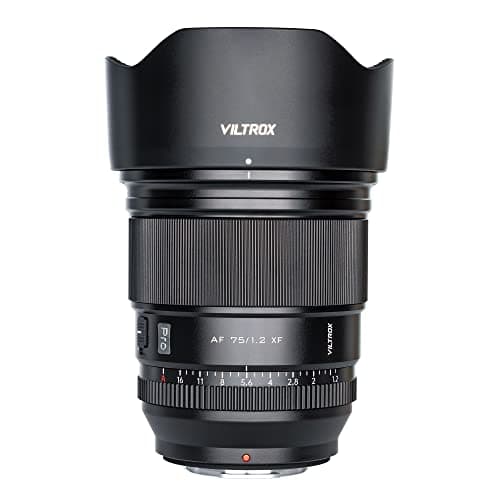
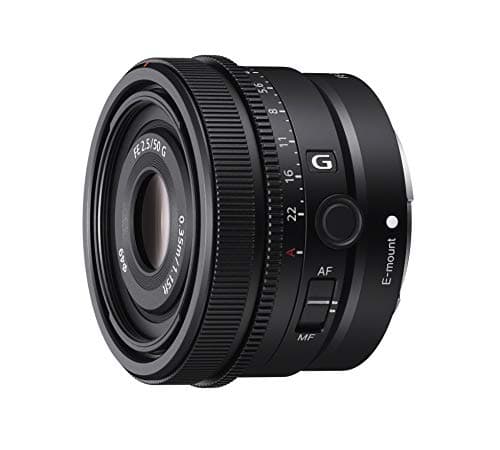
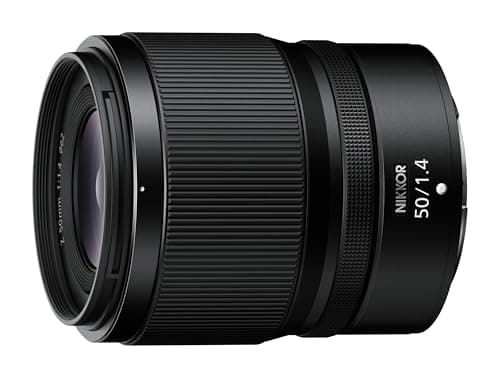
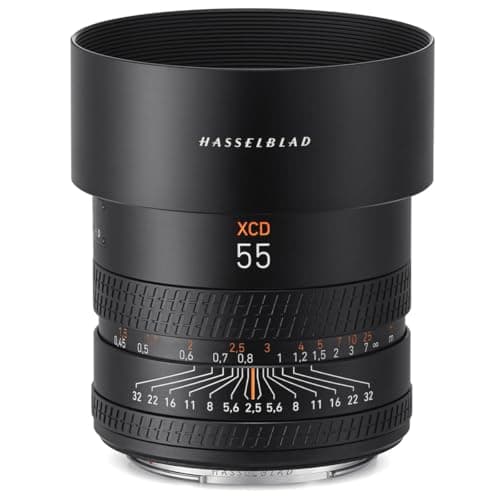
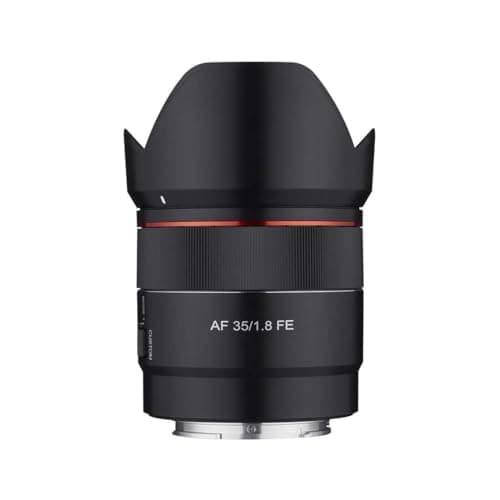
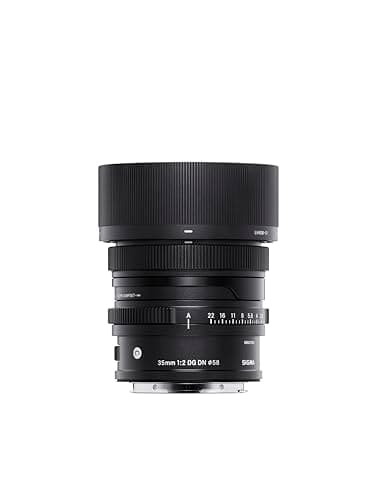
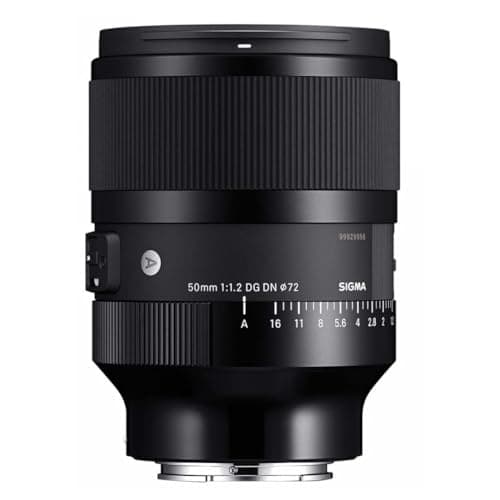
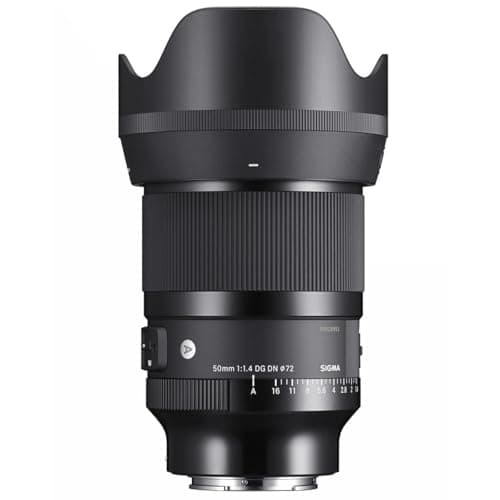
These are the best prime lenses for lifestyle photography when you want natural-looking perspectives, fast and quiet AF, flattering skin tones, and creamy-but-controlled background blur—whether you’re capturing at-home mornings, cafe afternoons, travel stories, or brand lifestyle sets—and here’s what to look for as you buy: prioritize focal-length anchors that feel human (full-frame 24/28/35/50/85; APS-C ~16/23/33/56; Micro Four Thirds ~12/17/25/45), strong wide-open contrast with disciplined longitudinal CA, round diaphragms that keep highlights circular a stop or two down, quiet linear/STM motors for sticky Eye AF, minimal focus breathing if you film, close-focus for details (hands, food, texture), and front threads (49–82mm) for one VND/diffusion; weather sealing helps for real-life unpredictability, and if your body lacks IBIS, stabilized primes (IS/OSS/VR/OIS) are clutch for ambient interiors. Full-frame lifestyle heroes: 24mm ƒ1.4 class (Sony FE 24/1.4 GM, Sigma 24/1.4 DG DN Art, Canon RF 24/1.8 IS, Nikon Z 24/1.8 S) for environmental scenes; 28–35mm storytellers (Sony FE 35/1.4 GM or 35/1.8, Sigma 35/1.4 DN, Nikon Z 35/1.8 S, Canon RF 35/1.8 IS) for “feels like being there”; 50mm ƒ1.2–ƒ1.8 (Sony FE 50/1.4 or 1.2 GM, Sigma 50/1.4 DN, Canon RF 50/1.2L or 50/1.8, Nikon Z 50/1.8 S) for classic half-body candids; 85mm ƒ1.4–ƒ2 (Sony FE 85/1.4 GM or 85/1.8, Sigma 85/1.4 DN, Canon RF 85/2 IS, Nikon Z 85/1.8 S) for flattering portraits without crowding; specialty primes that elevate sets: Sony FE 90/2.8 Macro OSS, Canon RF 100/2.8L Macro IS, Nikon Z MC 105/2.8 VR for product/food cutaways, and character-rich options like Sigma 65/2 DG DN or Zeiss 55/1.8 for crisp micro-contrast. APS-C standouts for nimble kits: Sony E 15/1.4 G (22.5-eq with threads), E 24/1.8 ZA, E 35/1.8 OSS and E 50/1.8 OSS (stabilized classics), Sigma 16/23/30/56mm ƒ1.4 DC DN (legendary value and skin-friendly rendering), Fujifilm XF 16/1.4 (close-focus hero), XF 23/1.4 LM WR and XF 33/1.4 LM WR (quiet linear AF), XF 56/1.2 WR (buttery portraits), and Viltrox 27/1.2 or 75/1.2 Pro (modern, smooth transitions); Canon RF-S users can lean on RF 24/1.8 IS, RF 35/1.8 IS, RF 50/1.8, and RF 85/2 IS on crop for bright, stabilized sets. Micro Four Thirds picks that disappear in a day bag: OM SYSTEM 17/25/45mm ƒ1.2 Pro (rounded blades, weather-sealed), Olympus 17/25/45mm ƒ1.8 (tiny, sharp), Panasonic 20mm ƒ1.7 (pancake storytelling), Panasonic Leica 15mm ƒ1.7 and 42.5mm ƒ1.2 Nocticron OIS (lux rendering), plus the Olympus 60mm ƒ2.8 Macro for lifestyle product details. Practical buyer tips: build a two- or three-prime spine you love—(24/1.4 + 50/1.4) for airy context and classic portraits, or (35/1.4 + 85/1.8) for people-first sets—then add a macro for details; standardize front diameters so one quality VND and a subtle diffusion (Black Mist 1/8–1/4) cover everything; skip CPLs for people unless you’re killing glare on glass—polarizers can dull skin; pick lenses with strong flare resistance for backlit windows and golden hour; if you shoot hybrid, test breathing and AF transition smoothness and enable linear MF where supported. Field technique that keeps moments honest and flattering: favor 24–35mm for “in the scene” context and 50–85mm for portraits, keep the camera roughly level to avoid unintentional stretch, and place faces near the central third; shoot near wide open for mood, then stop 1/3–2/3 stop for eyelash-sharp eyes; guide subjects into window light or open shade, use negative fill (a dark towel/jacket) to sculpt jawlines, and backlight hair for glow—shield the front element to prevent veiling; for kids and pets, lock 1/250–1/500s and burst short sequences; for indoor ambient, run Aperture Priority or Manual with Auto-ISO and a sensible ceiling (ISO 6400–12,800), brace elbows, and let IBIS/IS carry slower shutters for static scenes; sprinkle detail cutaways (hands, food, objects) to pace a story, and keep color consistent by locking white balance across a set; for video, maintain a 180° shutter with VND, set slow AF transitions, enable breathing compensation, and balance primes on a gimbal (internal focus helps). Whether you’re documenting everyday family life, crafting brand lifestyle campaigns, or making travel essays, the best prime lenses for lifestyle photography combine people-friendly focal lengths, quiet, confident AF, close-focus agility, and flare-savvy optics—so your images feel natural, warm, and beautifully lived-in.
Lenses by brand:
Lenses by price:
Lenses by type:
Lenses by sensor:
Lenses by feature:
Lenses by use case:
- Best Prime Lenses for Aerial Photography
- Best Prime Lenses for Architectural Photography
- Best Prime Lenses for Astrophotography
- Best Prime Lenses for Automotive Photography
- Best Prime Lenses for Concert Photography
- Best Prime Lenses for Event Photography
- Best Prime Lenses for Food Photography
- Best Prime Lenses for Headshot Photography
- Best Prime Lenses for Landscape Photography
- Best Prime Lenses for Lifestyle Photography
- Best Prime Lenses for Macro Photography
- Best Prime Lenses for Nature Photography
- Best Prime Lenses for Night Photography
- Best Prime Lenses for Pet Photography
- Best Prime Lenses for Photojournalism
- Best Prime Lenses for Portrait Photography
- Best Prime Lenses for Product Photography
- Best Prime Lenses for Real Estate Photography
- Best Prime Lenses for Sports Photography
- Best Prime Lenses for Street Photography
- Best Prime Lenses for Studio Photography
- Best Prime Lenses for Travel Photography
- Best Prime Lenses for Wedding Photography
- Best Prime Lenses for Wildlife Photography
- Best Prime Lenses for Video
Lenses by experience:
Cameras: