
10 Best Zoom Lenses for Landscape Photography in 2026
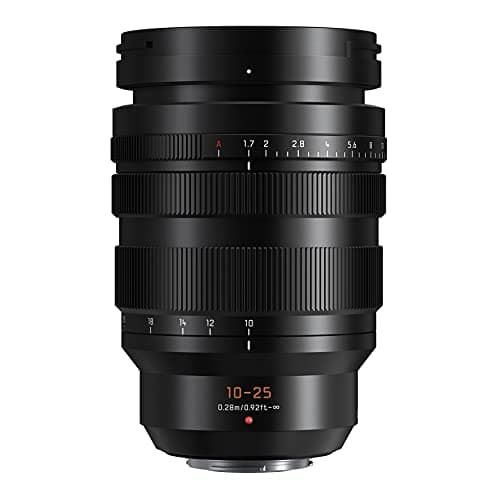
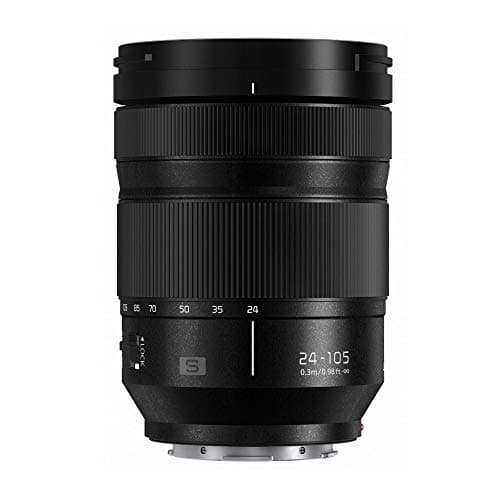
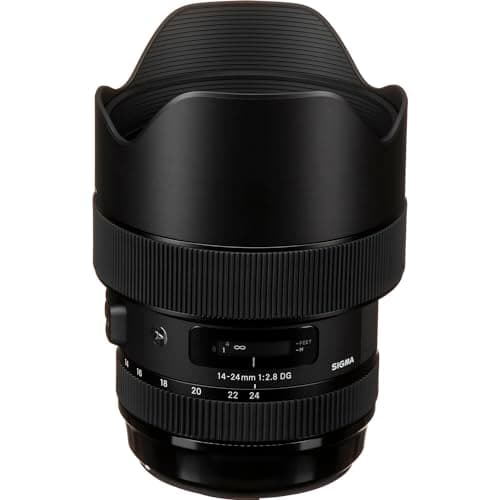
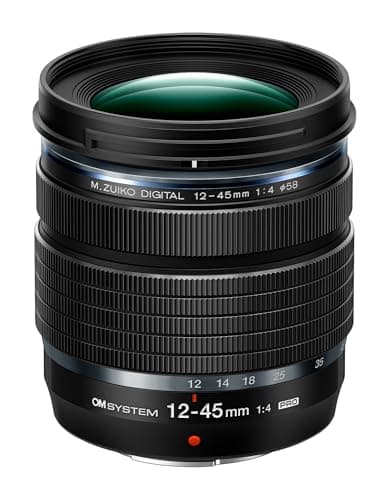
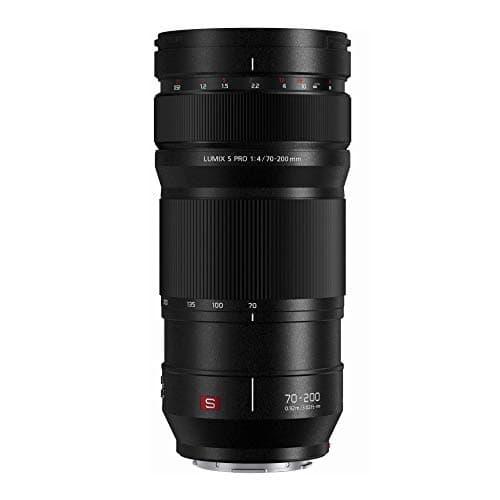
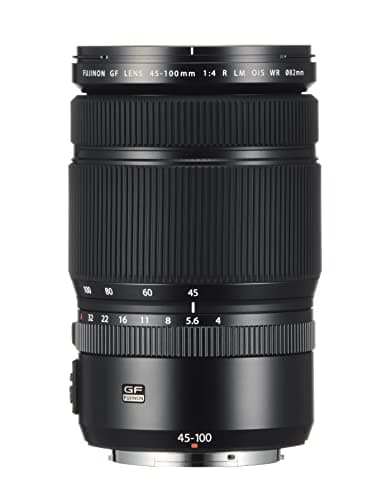
* Product prices and availability are accurate as of the date/time indicated and are subject to change. Any price and availability information displayed on Amazon.com at the time of purchase will apply to the purchase of this product.
* Imaginated.com may receive compensation for purchases made at participating retailers linked on this site. This compensation does not affect what products or prices are displayed, or the order of prices listed. Learn more here.
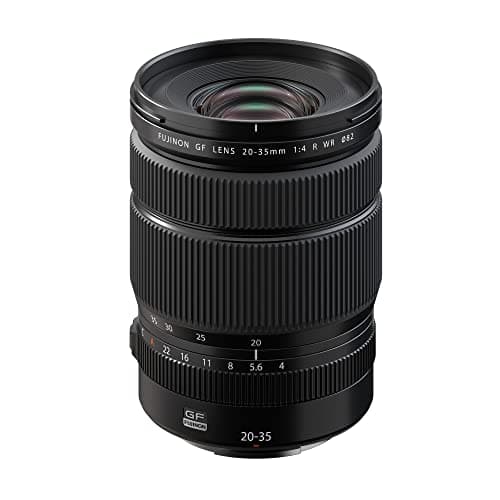
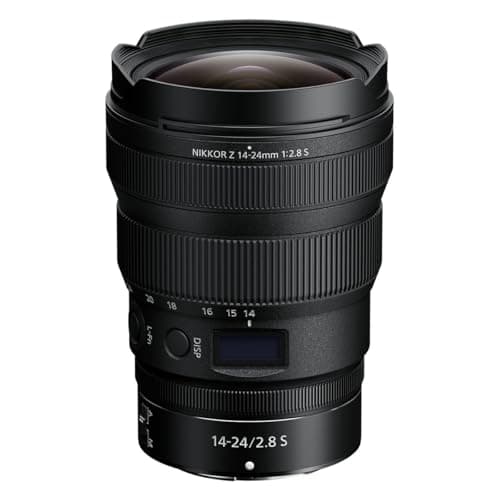
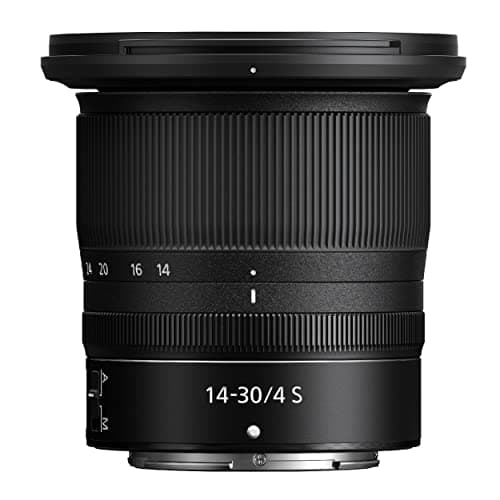
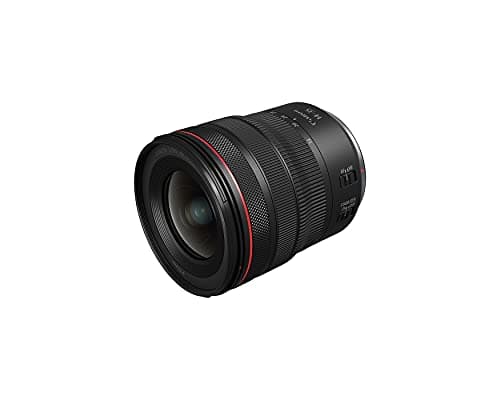
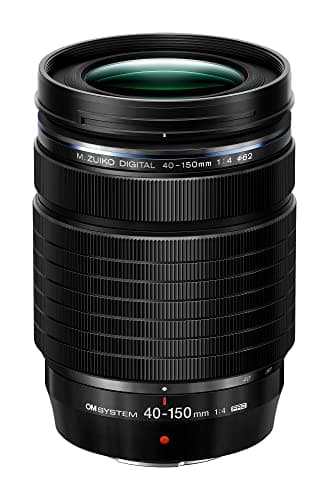
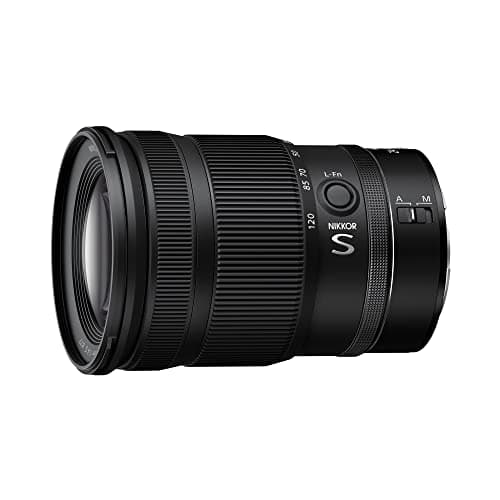
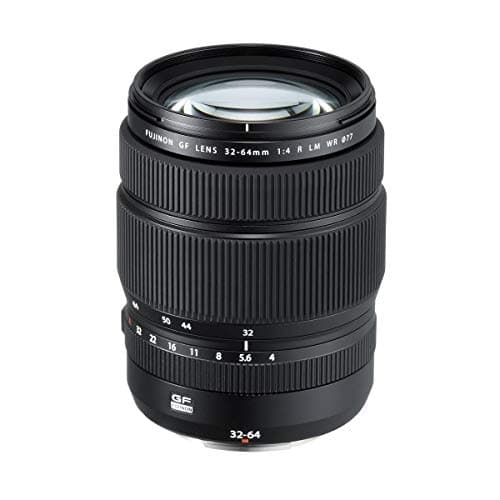
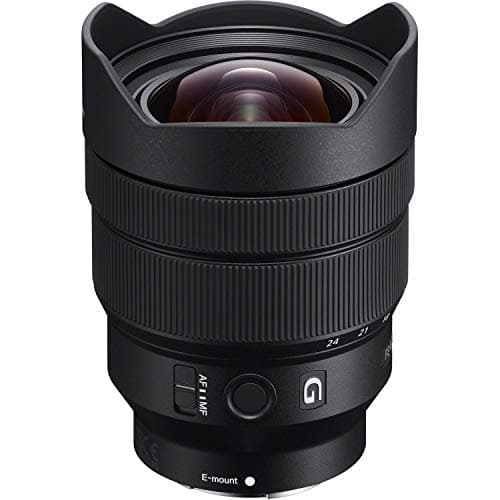
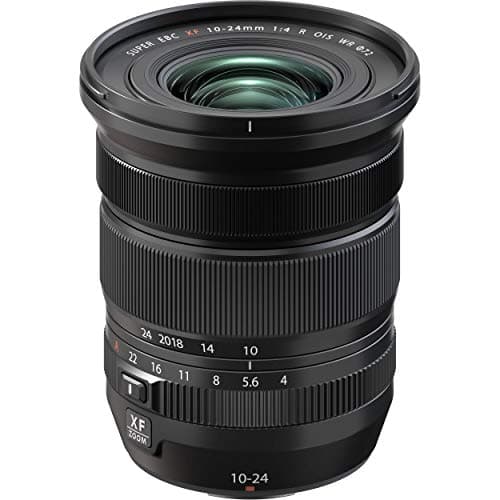
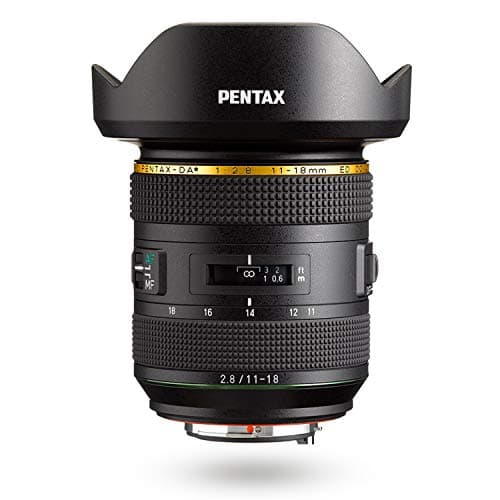
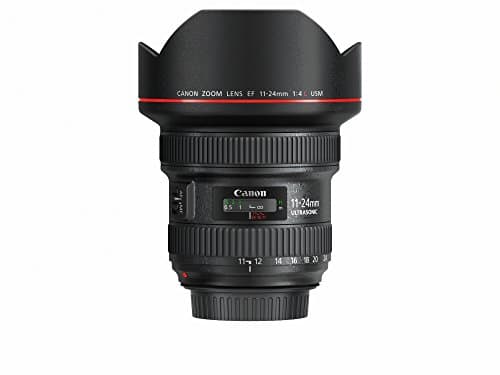
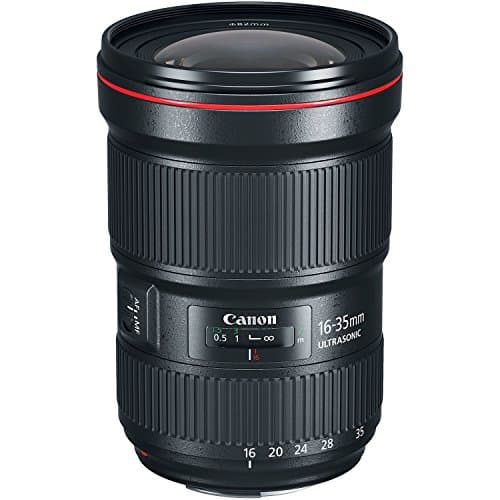
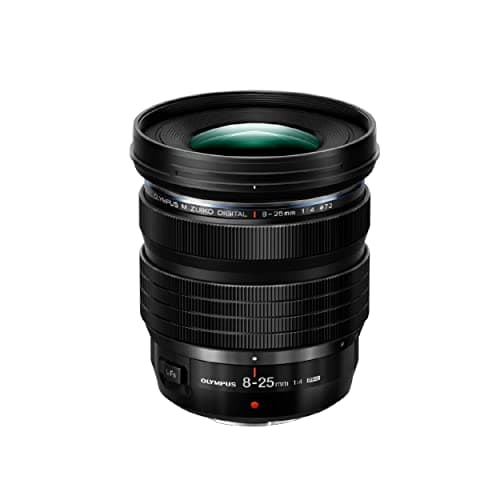
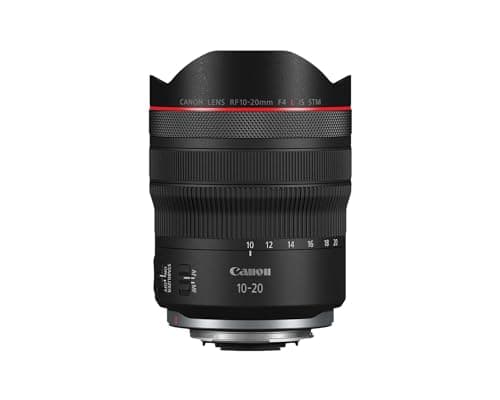
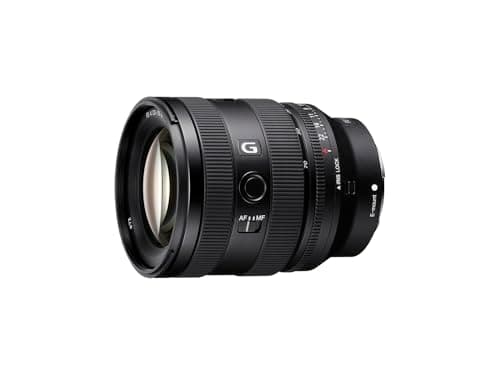
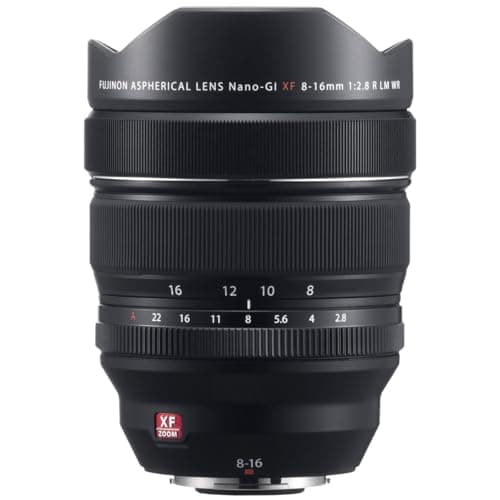
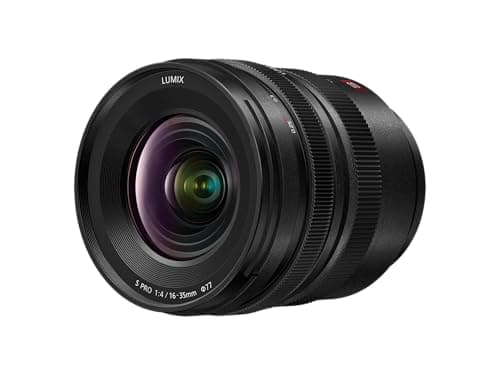
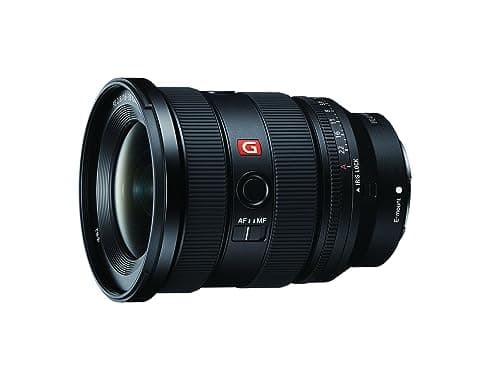
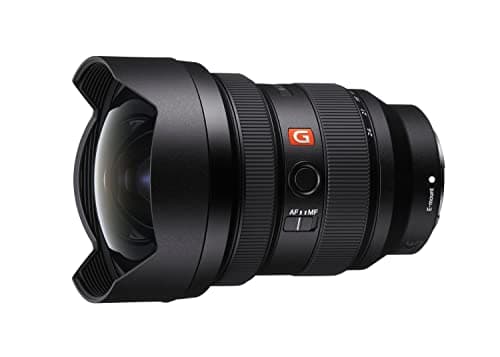
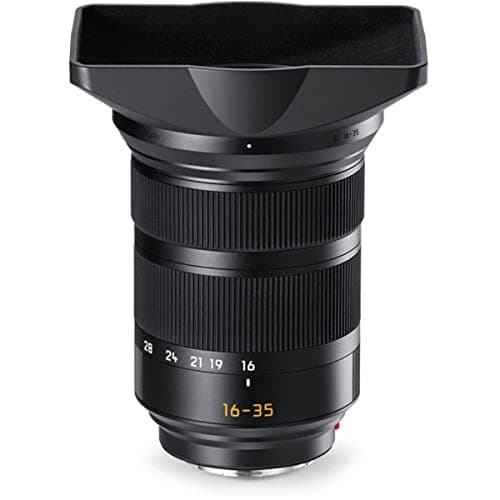
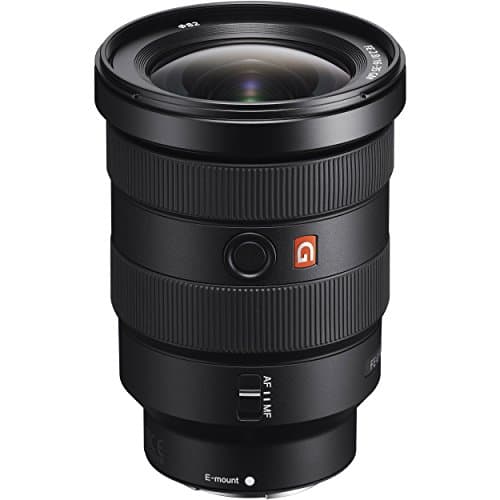
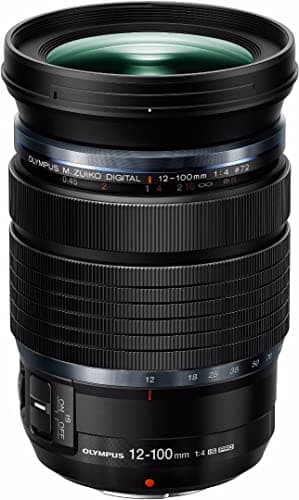
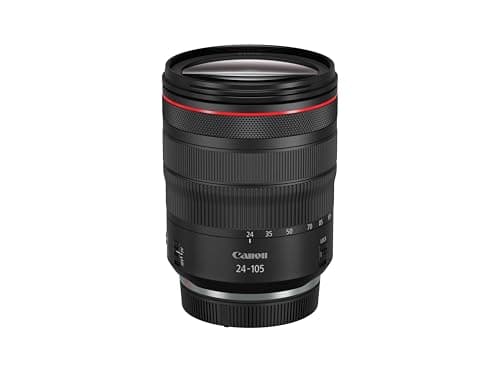
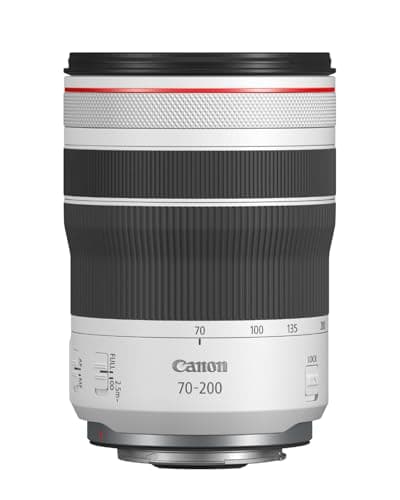
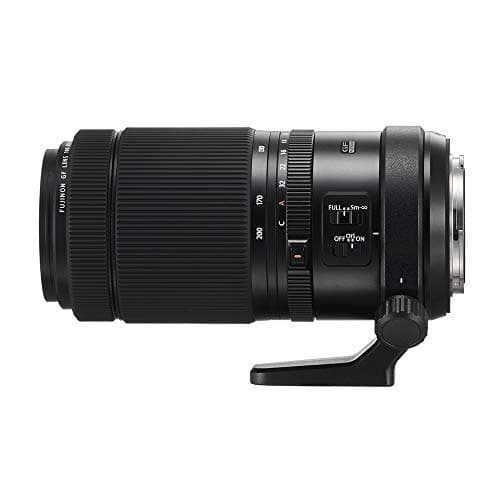
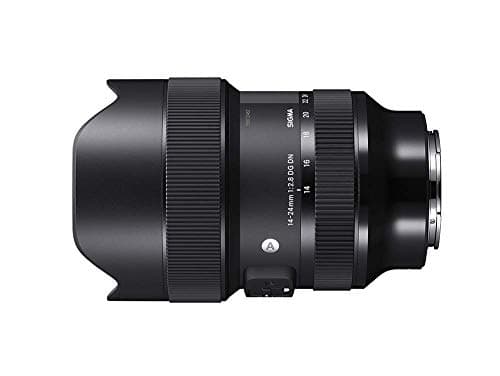
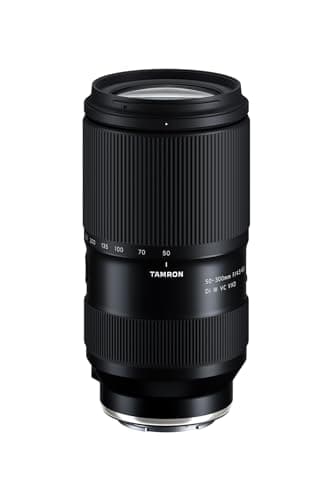
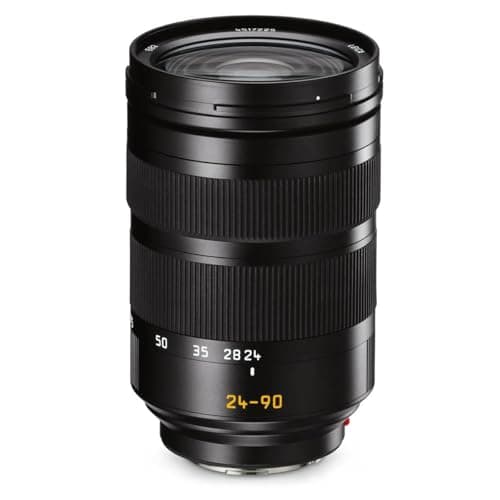
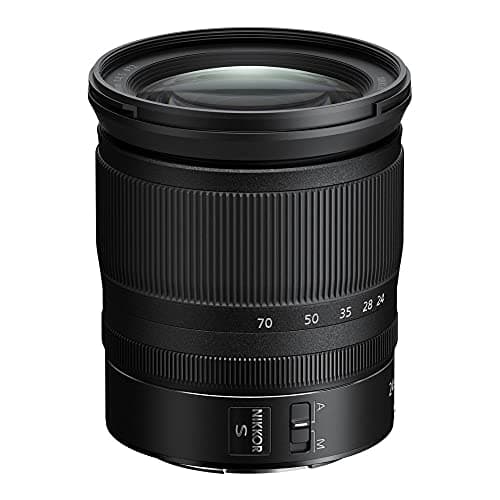
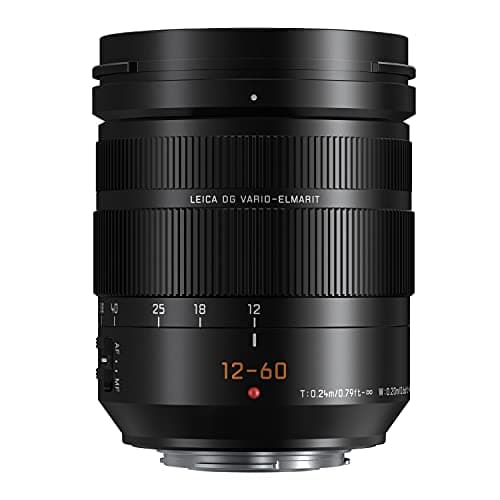
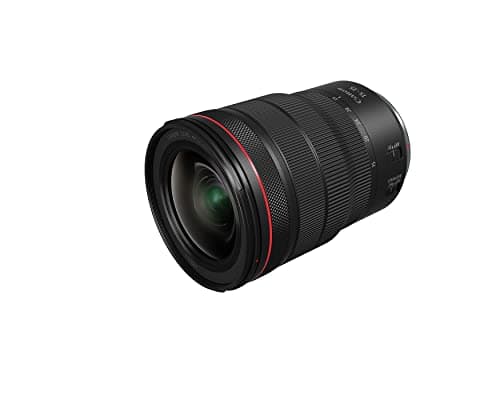
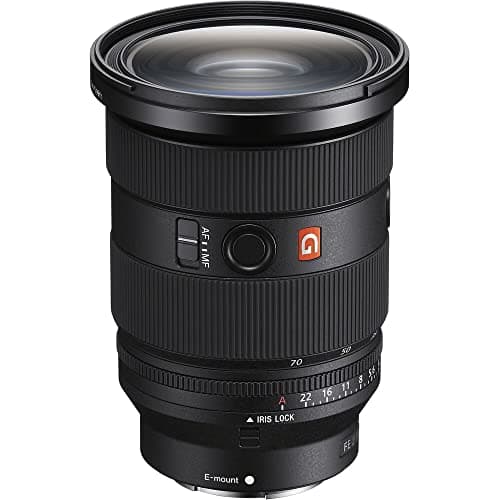
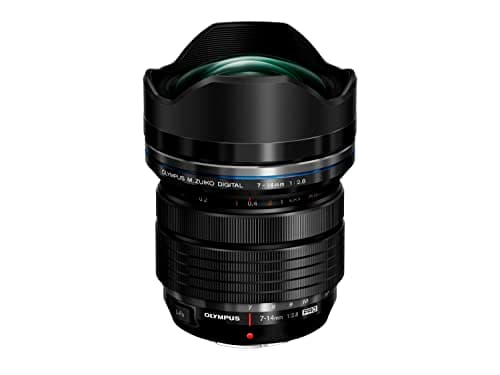
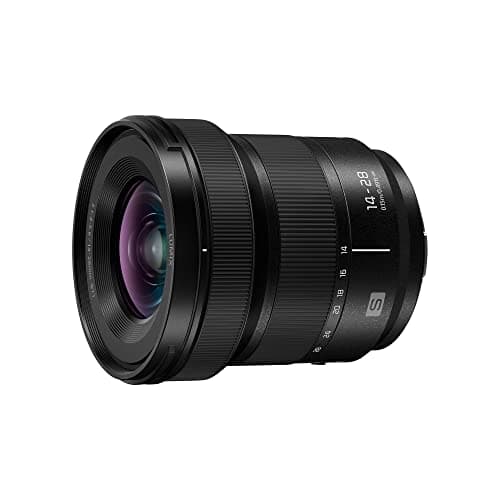
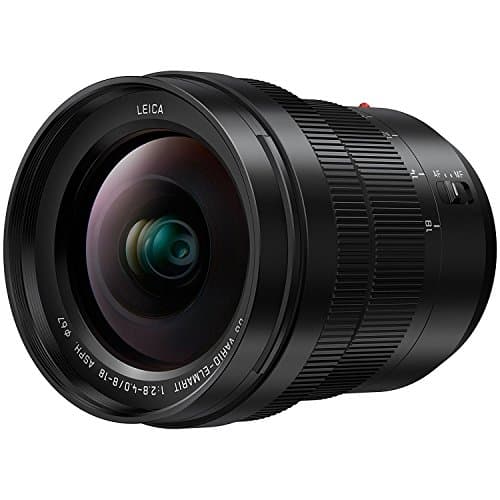
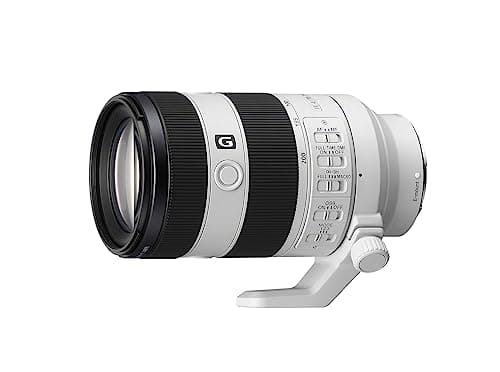
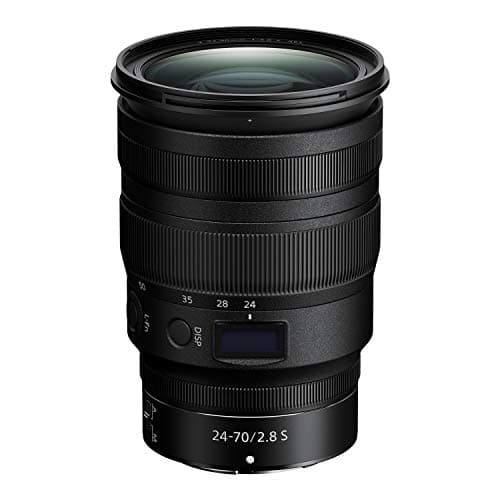
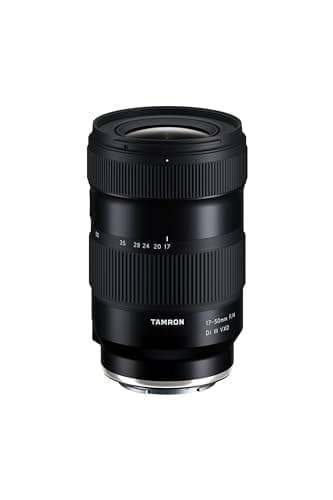
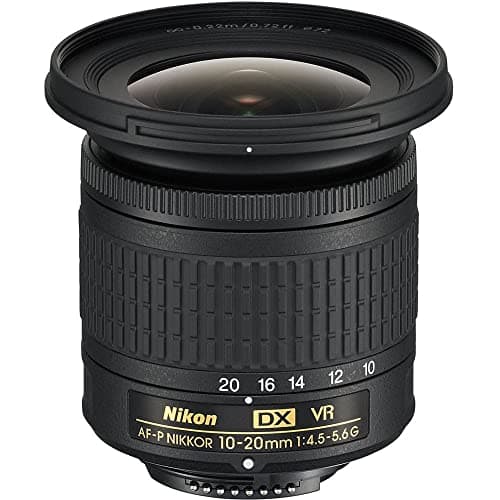
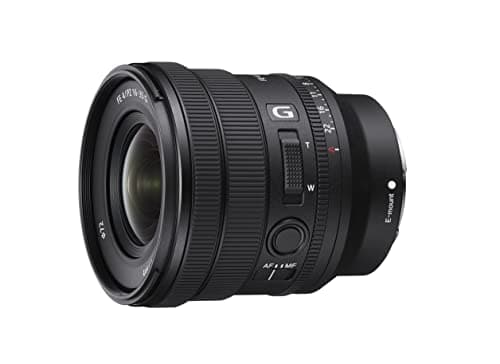
These are the best zoom lenses for landscape photography when you want corner-to-corner sharpness, honest geometry, beautiful sunstars, and coatings that crush veiling flare—whether you’re hiking alpine ridgelines, working coastal long exposures, stitching panoramas, or chasing blue hour—and here’s what to look for as you buy: prioritize rectilinear designs with very low wave/moustache distortion, strong performance at working apertures (ƒ5.6–ƒ11), gentle field curvature, even illumination, consistent color across the set, and a filter plan that matches your style (front 67/77/82mm threads for CPL/ND/grads or proven rear/square holders for bulbous fronts); weather sealing, solid hoods, and smooth manual focus help in wind and night work, and if you film, pick low-breathing zooms with linear MF and quiet AF. Full-frame landscape heroes: ultrawide/context—Sony FE 12–24mm ƒ2.8 GM (disciplined corners), FE 16–35mm ƒ2.8 GM II or FE PZ 16–35mm ƒ4 G (filter-friendly control), Canon RF 15–35mm ƒ2.8L IS and RF 14–35mm ƒ4L IS (excellent IS, tidy geometry), Nikon Z 14–24mm ƒ2.8 S (rear gels + sharp corners) and Z 14–30mm ƒ4 S (thin, takes 82mm filters), Sigma 14–24mm ƒ2.8 DG DN Art and 16–28mm ƒ2.8 (great value), Tamron 17–28mm ƒ2.8 (light, threaded), Panasonic/LUMIX S Pro 16–35mm ƒ4 and 14–28mm ƒ4–5.6 (L-mount hikers). Standard/tele for layered scenes and compression—Sony FE 24–70mm ƒ2.8 GM II and FE 24–105mm ƒ4 G OSS, Canon RF 24–70mm ƒ2.8L IS and RF 24–105mm ƒ4L IS, Nikon Z 24–70mm ƒ2.8 S and Z 24–120mm ƒ4 S, Sigma 24–70mm ƒ2.8 DG DN; long-range “landscape tele”—Sony FE 70–200mm ƒ4 G OSS II (close-focus king) or ƒ2.8 GM II, Canon RF 70–200mm ƒ4/ƒ2.8L IS, Nikon Z 70–200mm ƒ2.8 VR S, Sigma 70–200mm ƒ2.8 DG DN OS, and compact reach like Sony FE 100–400mm GM, Nikon Z 100–400mm S, Canon RF 100–400mm IS for mountain layers and distant textures. APS-C standouts: ultrawide staples—Fujifilm XF 10–24mm ƒ4 OIS WR (low distortion), XF 8–16mm ƒ2.8 (dramatic UWA), Sony E 10–20mm PZ ƒ4 (tiny, rectilinear), Tamron 11–20mm ƒ2.8 and Sigma 10–18mm ƒ2.8 DC DN (bright, travel-ready), Canon RF-S 10–18mm ƒ4.5–6.3 IS (compact interior/landscape tool); mid-range storytellers—Sigma 18–50mm ƒ2.8 DC DN, Sony E 16–55mm ƒ2.8 G, Tamron 17–70mm ƒ2.8 VC, Fujifilm XF 16–80mm ƒ4 OIS and XF 18–55mm ƒ2.8–4 OIS, Canon RF-S 18–150mm ƒ3.5–6.3 IS for one-lens trips. Micro Four Thirds picks that punch above size: OM SYSTEM 7–14mm ƒ2.8 Pro and 8–25mm ƒ4 Pro (range + sealing), Panasonic 8–18mm ƒ2.8–4 (67mm threads), OM 12–40mm ƒ2.8 Pro II and 12–45mm ƒ4 Pro (prime-like rendering), OM 12–100mm ƒ4 IS Pro (Sync IS legend for handheld seconds), Panasonic 12–35mm ƒ2.8 and 35–100mm ƒ2.8 (tiny twin-pack). Practical buyer tips: standardize 77/82mm fronts for one high-quality CPL (use lightly on ultrawides to avoid blotchy skies) plus solid NDs (3/6/10-stop) for water/cloud motion; bulbous-front UWAs need square/rear holders—plan before the trip; if you stitch or shift-pan, pick zooms with even illumination and minimal wave distortion and learn the entrance pupil for parallax-free seams; carry a compact tripod, proper plates, and a rain cover—stability beats chasing ƒ2.8 for landscapes. Field technique that keeps vistas crisp and dimensional: keep the camera roughly level to protect horizons/verticals, place a foreground anchor near the central third for depth, and work around the lens’s sweet spot (often ƒ5.6–ƒ8; ƒ11 for stronger sunstars—watch diffraction on high-MP sensors); focus slightly beyond the foreground anchor or bracket focus for near-to-far sharpness, use a 2-sec timer/remote, disable IBIS/IS on a locked tripod, and shield the front element from stray light; expose for highlights and bracket gently for blends in high-contrast scenes, lock WB per sequence for consistent color, and overlap generously for panos; in wind, raise ISO modestly to keep shutters honest and fire short bursts to catch a tack frame; for blue hour/nightscapes, follow NPF for star sharpness, add a slight stop-down for corner discipline, and run a dew hood/heater. Whether you’re framing granite domes, tidal mirrors, sandstone canyons, or city edges at dusk, the best zoom lenses for landscape photography combine low distortion, confident corners, flare-savvy coatings, and filter-friendly designs—so your horizons stay true, your textures sing, and your scenes feel expansive and alive.
Lenses by brand:
Lenses by price:
Lenses by type:
Lenses by sensor:
Lenses by feature:
Lenses by use case:
- Best Zoom Lenses for Astrophotography
- Best Zoom Lenses for Bird Photography
- Best Zoom Lenses for Concert Photography
- Best Zoom Lenses for Documentary Photography
- Best Zoom Lenses for Event Photography
- Best Zoom Lenses for Fashion Photography
- Best Zoom Lenses for Food Photography
- Best Zoom Lenses for Headshot Photography
- Best Zoom Lenses for Jewelry Photography
- Best Zoom Lenses for Landscape Photography
- Best Zoom Lenses for Macro Photography
- Best Zoom Lenses for Nature Photography
- Best Zoom Lenses for Portrait Photography
- Best Zoom Lenses for Sports Photography
- Best Zoom Lenses for Street Photography
- Best Zoom Lenses for Travel Photography
- Best Zoom Lenses for Wedding Photography
- Best Zoom Lenses for Wildlife Photography
- Best Zoom Lenses for Video
Lenses by experience:
Cameras: