
10 Best Telephoto Lenses for Night Photography in 2026
Filters:
Name | Features | Price |
|---|---|---|
Sony FE 28-70mm F2 GM⭐ 5.0 / 5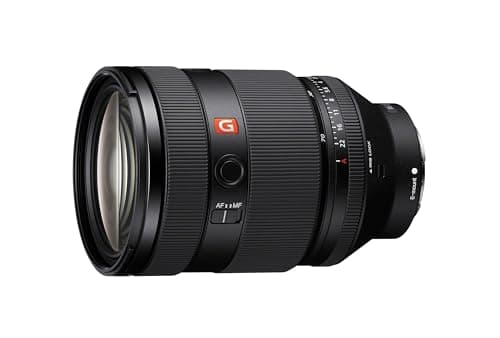 | ||
Name | Features | Price |
Canon RF 28-70mm F2L USM⭐ 5.0 / 5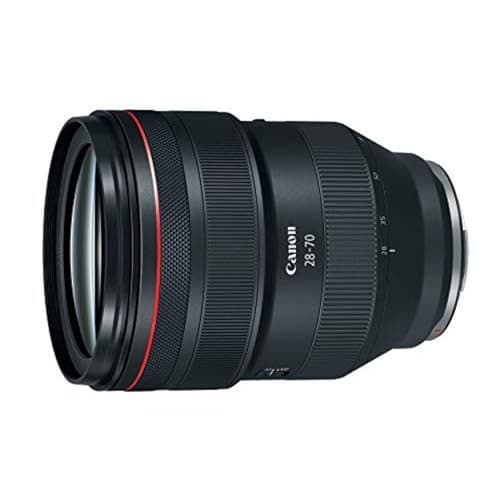 | ||
Name | Features | Price |
Rokinon 135mm F2.0 ED UMC⭐ 4.9 / 5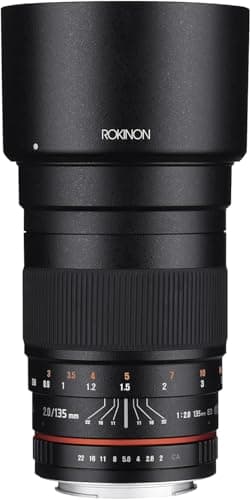 | ||
Name | Features | Price |
Tamron 35-150mm F2-2.8 Di III VXD⭐ 4.9 / 5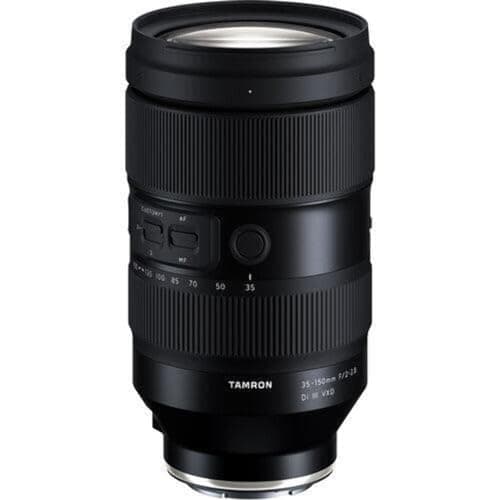 | ||
Name | Features | Price |
Panasonic Leica DG Vario-Summilux 25-50mm F1.7 ASPH⭐ 4.9 / 5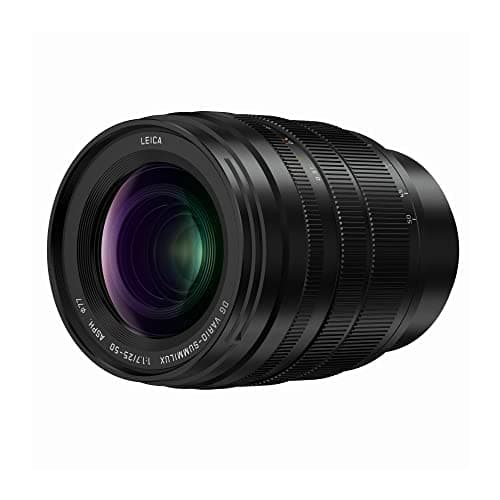 | ||
Name | Features | Price |
Sigma 50-100mm F1.8 DC HSM Art⭐ 4.8 / 5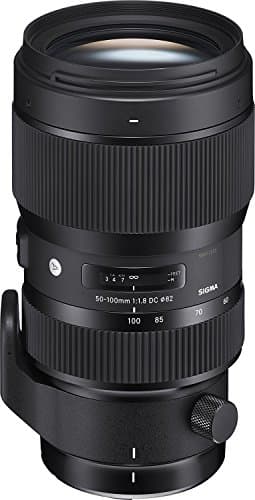 | ||
Name | Features | Price |
Fujifilm GF 80mm F1.7 R WR⭐ 4.8 / 5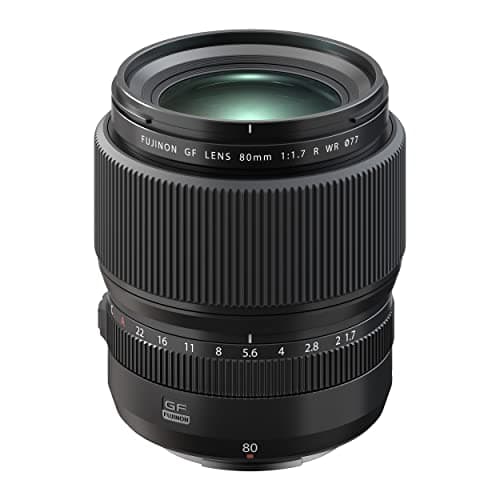 | ||
Name | Features | Price |
Canon RF 70-200mm F2.8L IS USM⭐ 4.8 / 5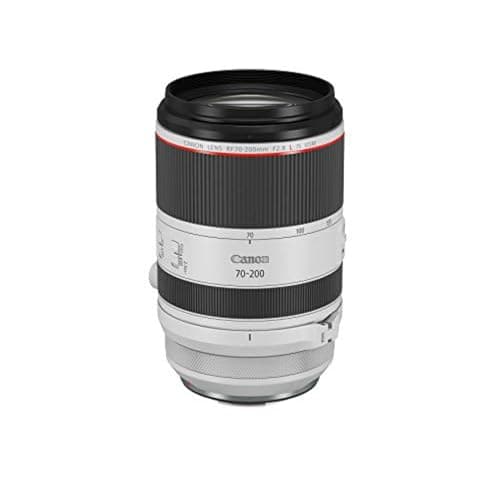 | ||
Name | Features | Price |
Panasonic Lumix S Pro 70-200 F2.8 O.I.S.⭐ 4.8 / 5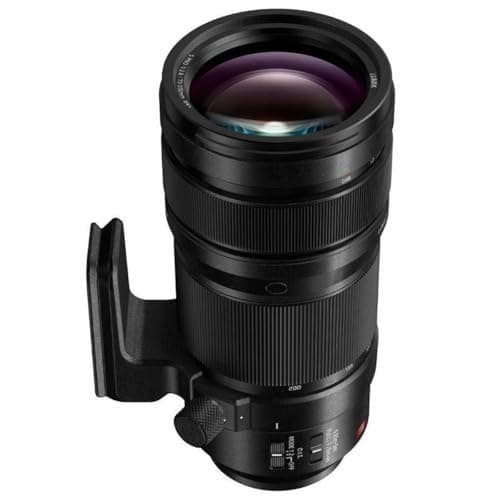 | ||
Name | Features | Price |
Sony FE 24-70mm F2.8 GM II⭐ 4.8 / 5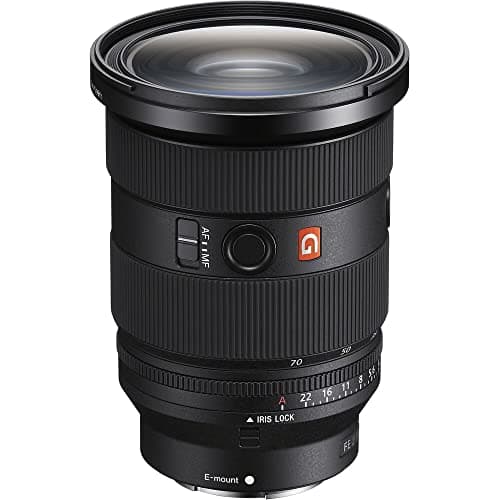 |
* Product prices and availability are accurate as of the date/time indicated and are subject to change. Any price and availability information displayed on Amazon.com at the time of purchase will apply to the purchase of this product.
* Imaginated.com may receive compensation for purchases made at participating retailers linked on this site. This compensation does not affect what products or prices are displayed, or the order of prices listed. Learn more here.
These are the best telephoto lenses for night photography when you want fast, confident autofocus, clean contrast, disciplined flare control, and creamy separation for city lights, night portraits, concerts, neon streets, moon details, and compressed skylines—without drowning in noise—and here’s what to look for as you buy: prioritize speed (ƒ1.2–ƒ2 for primes; constant ƒ2.8 for zooms), effective stabilization (IS/VR/OSS or strong IBIS pairing) for hand-held scenes between action peaks, linear/stepper AF motors that lock under dim LEDs, low longitudinal CA to keep magenta/green fringing off point lights and chrome, strong coatings and internal blacking to resist veiling flare/ghosts, minimal focus breathing if you film, and weather sealing for drizzle and mist; 85–135mm primes excel for people and compressed city scenes, 70–200mm ƒ2.8 covers events and street-to-skyline flexibility, 100–400mm frames distant architecture and the moon (accept higher ISO), and tripod collars on longer glass help stability for locked shots. Full-frame night heroes: primes for speed and glow control—Sony FE 135mm ƒ1.8 GM and FE 85mm ƒ1.4 GM (blazing AF with luxurious blur), Sigma 85mm ƒ1.4 DG DN and 105mm ƒ1.4 Art (gorgeous separation), Canon RF 85mm ƒ1.2L (and DS for controlled highlight bloom), RF 135mm ƒ1.8L IS (stabilized precision), Nikon Z 85mm ƒ1.2 S and Z 135mm ƒ1.8 S Plena (rich micro-contrast, elegant speculars); zoom workhorses that thrive at night—Sony FE 70–200mm ƒ2.8 GM II, Canon RF 70–200mm ƒ2.8L IS, Nikon Z 70–200mm ƒ2.8 S, Panasonic S 70–200mm ƒ2.8 OIS (all with strong stabilization and flare control), plus 100–400mm class lenses (Sony GM, Canon RF L, Nikon Z S, Sigma DG DN) for skyline compression and lunar frames—plan on a modest stop-down and higher ISO; value classics via adapter still rock after dark: Canon EF 135mm ƒ2L, EF 70–200mm ƒ2.8L IS II/III, and Nikon 180mm ƒ2.8 ED/105mm ƒ1.4E. APS-C and Micro Four Thirds standouts: Fujifilm XF 90mm ƒ2 (razor night portrait tele), XF 56mm ƒ1.2 (short-tele glow with bite), XF 50–140mm ƒ2.8 OIS (pro event zoom), XF 70–300mm ƒ4–5.6 OIS (city layers at higher ISO); Sony: Sigma 56mm ƒ1.4 DC DN (tiny low-light beast), Sony FE 85mm ƒ1.8 and Tamron 70–180mm ƒ2.8 on A6xxx bodies, and E 70–350mm ƒ4.5–6.3 G OSS for distant lights; Canon RF-S 55–210mm IS STM for budget reach paired with RF 85mm ƒ2 Macro IS for stabilized portraits; Nikon Z DX 50–250mm VR punches above its weight at night with IBIS bodies; Micro Four Thirds: OM SYSTEM 40–150mm ƒ2.8 PRO (fast, weather-sealed), Panasonic 35–100mm ƒ2.8 II OIS (mini event lens), Olympus 75mm ƒ1.8 (iconic night portrait look), and Panasonic/Leica 100–400mm for moon/skyline compression in backpack size. Practical buyer tips: pick an 85/1.4–135/1.8 if people and available-light events dominate; a 70–200/2.8 is the all-round night tele for concerts, weddings, and city layers; reach for 100–400mm when you want distant bridges, window grids, and the moon (use a tripod and faster shutter); favor lenses with excellent coatings and low LoCA so point lights stay clean; standardize filter diameters for one quality diffusion filter (subtle!) and a VND for video; used EF/F 135/2, 85/1.8, and 70–200/2.8 IS remain budget-savvy night options on modern bodies. Night tele shooting tips: run AF-C with face/eye or subject detect and a focus limiter, expose for faces and let highlights clip gracefully, shoot near wide open then stop 1/3–2/3 stop for eyelash-sharp results with smooth bokeh, keep shutter speeds honest (≈1/125–1/250s for portraits; 1/500s+ for action/panning), pair IS/VR with good stance or a monopod, watch LED flicker—enable anti-flicker or nudge shutter to friendly multiples, and manage color: set a consistent Kelvin or custom WB to keep skin and neon believable; for locked-down cityscapes, mount solidly, turn stabilization off, work at mid apertures (≈ƒ5.6–ƒ8 FF), use a 2–5s timer/electronic first curtain, bracket exposures for highlight signs, and guard the front element from stray light with a hood/hand; for the moon, use longer focal lengths, fast shutter (≈1/250–1/500s), and base ISO with a slight stop-down; whether you’re isolating a sax player under spotlights, compressing neon-drenched streets, or carving pin-sharp skylines across a bay, the best telephoto lenses for night photography combine fast glass, controlled aberrations, and rock-steady handling—so your dark scenes stay sharp, clean, and beautifully luminous.
Lenses by brand:
Lenses by price:
Lenses by type:
Lenses by sensor:
Lenses by feature:
Lenses by use case:
- Best Telephoto Lenses for Aerial Photography
- Best Telephoto Lenses for Architectural Photography
- Best Telephoto Lenses for Astrophotography
- Best Telephoto Lenses for Automotive Photography
- Best Telephoto Lenses for Bird Photography
- Best Telephoto Lenses for Cityscape Photography
- Best Telephoto Lenses for Concert Photography
- Best Telephoto Lenses for Fashion Photography
- Best Telephoto Lenses for Food Photography
- Best Telephoto Lenses for Headshot Photography
- Best Telephoto Lenses for Landscape Photography
- Best Telephoto Lenses for Macro Photography
- Best Telephoto Lenses for Nature Photography
- Best Telephoto Lenses for Night Photography
- Best Telephoto Lenses for Portrait Photography
- Best Telephoto Lenses for Product Photography
- Best Telephoto Lenses for Sports Photography
- Best Telephoto Lenses for Street Photography
- Best Telephoto Lenses for Travel Photography
- Best Telephoto Lenses for Wedding Photography
- Best Telephoto Lenses for Wildlife Photography
- Best Telephoto Lenses for Video
Lenses by experience:
Cameras: