
10 Best Telephoto Lenses for Bird Photography in 2026
Filters:
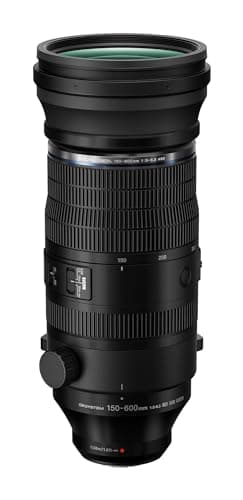
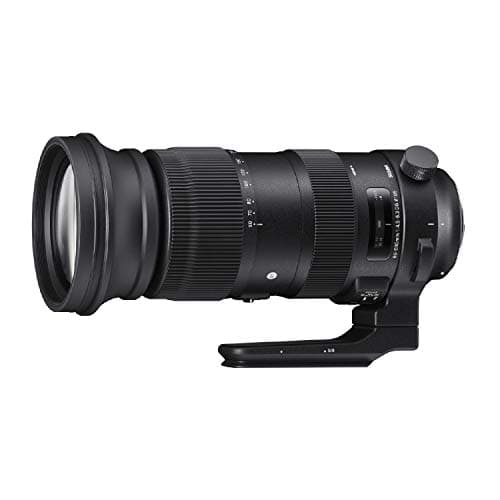
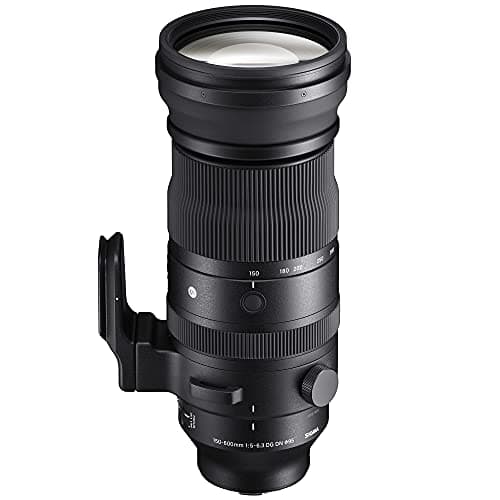
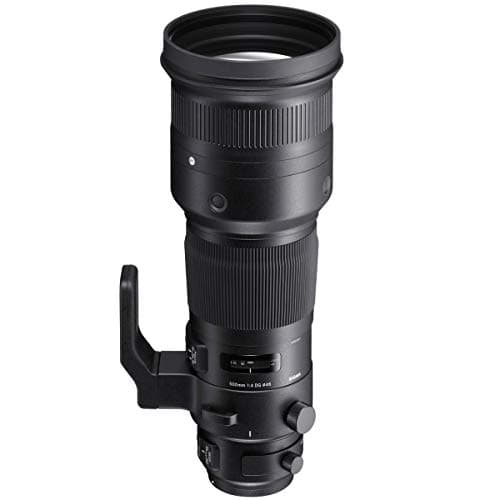
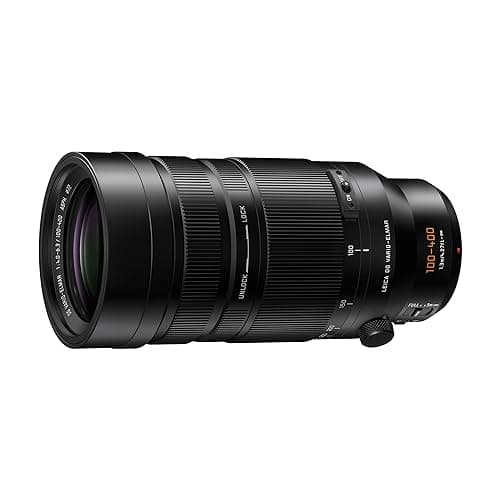
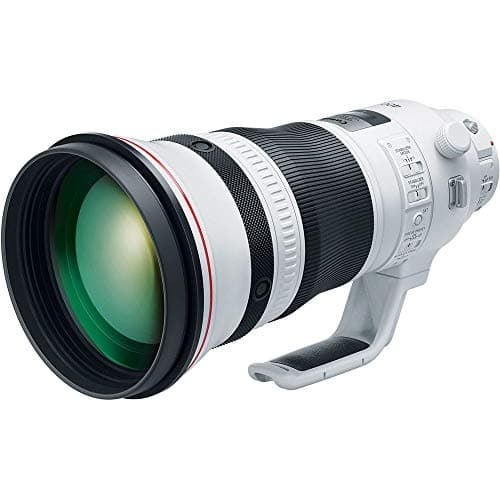
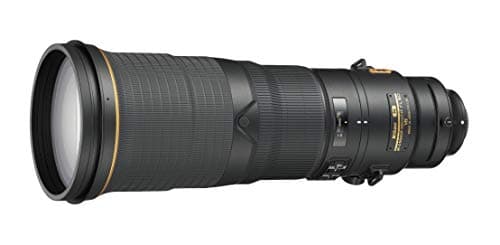
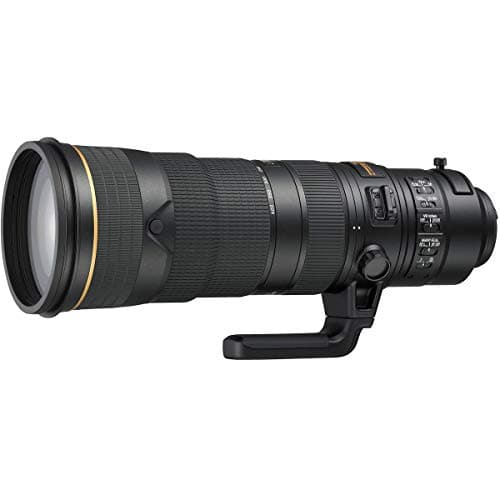
* Product prices and availability are accurate as of the date/time indicated and are subject to change. Any price and availability information displayed on Amazon.com at the time of purchase will apply to the purchase of this product.
* Imaginated.com may receive compensation for purchases made at participating retailers linked on this site. This compensation does not affect what products or prices are displayed, or the order of prices listed. Learn more here.
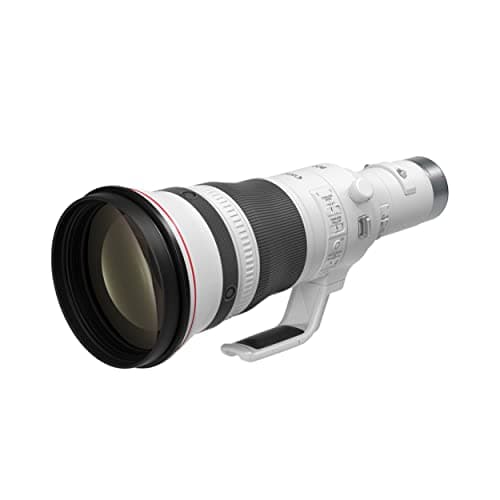
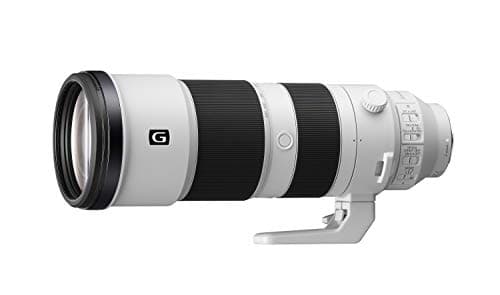
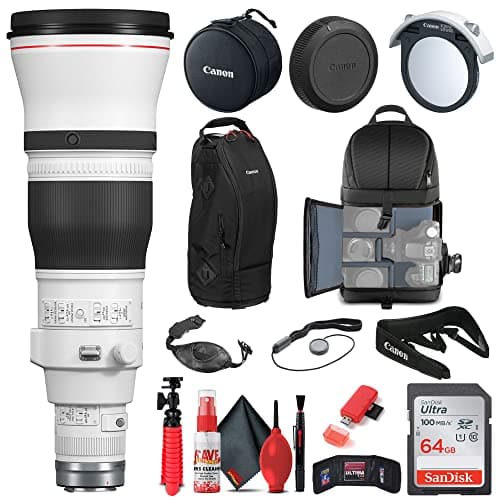
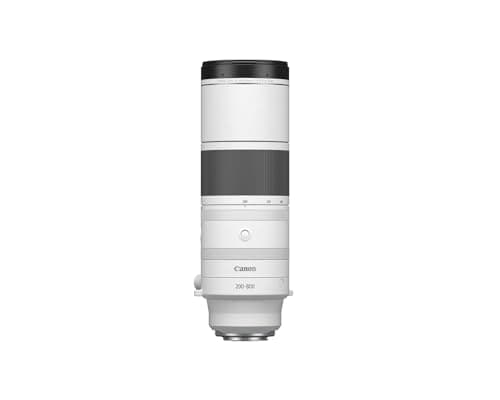
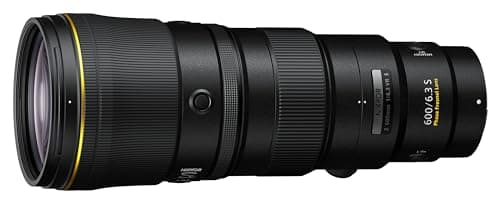
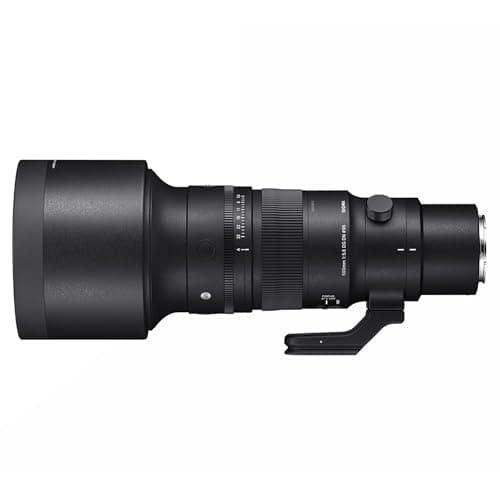
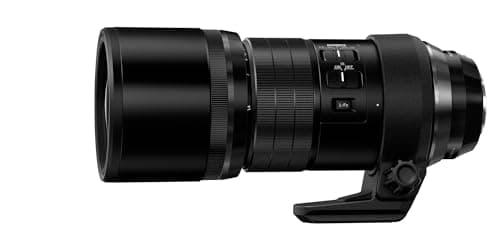
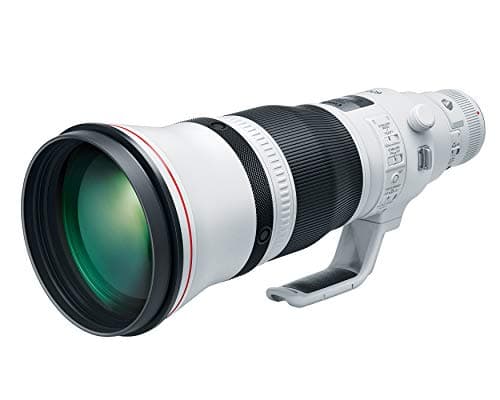
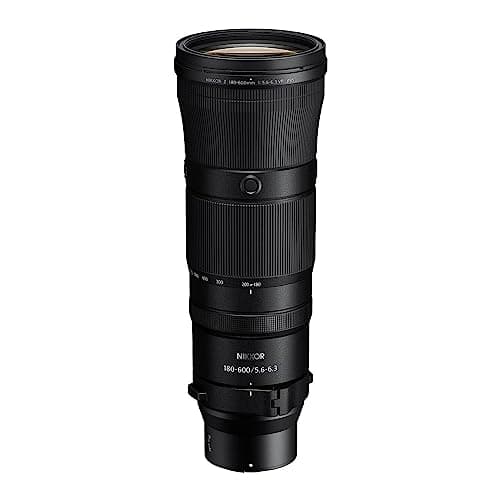
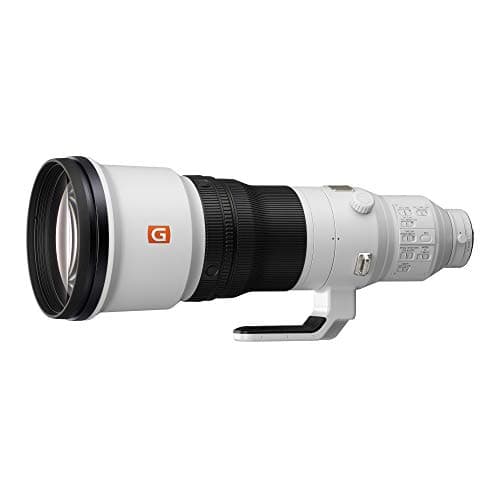
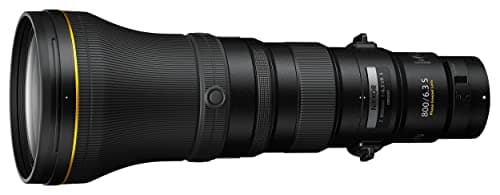
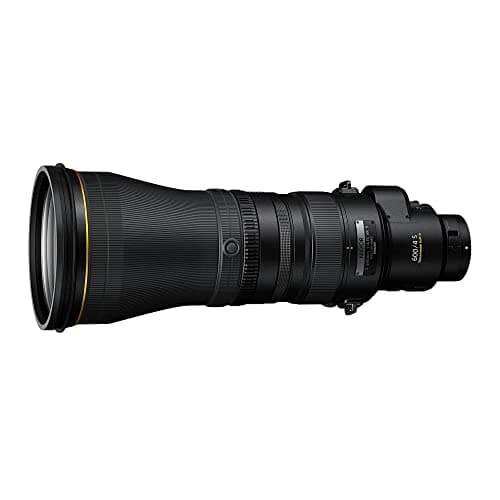
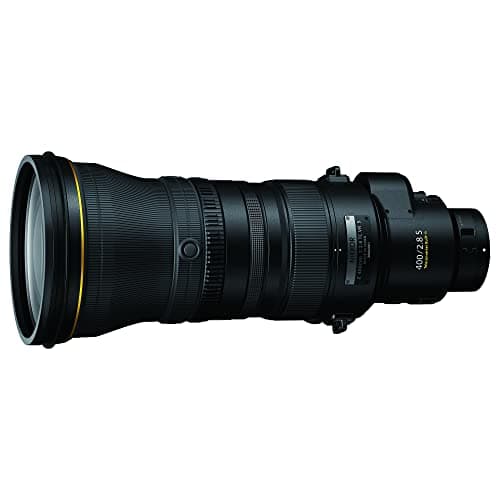
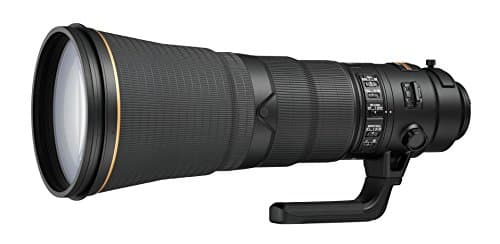
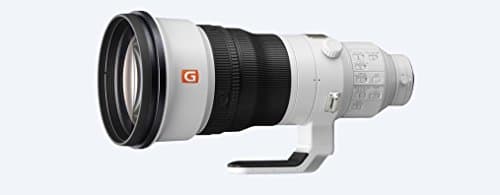
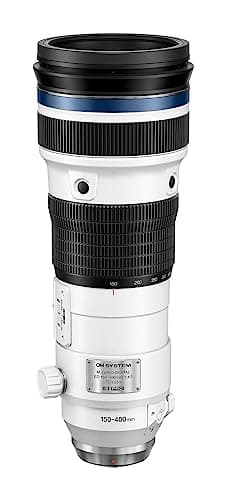
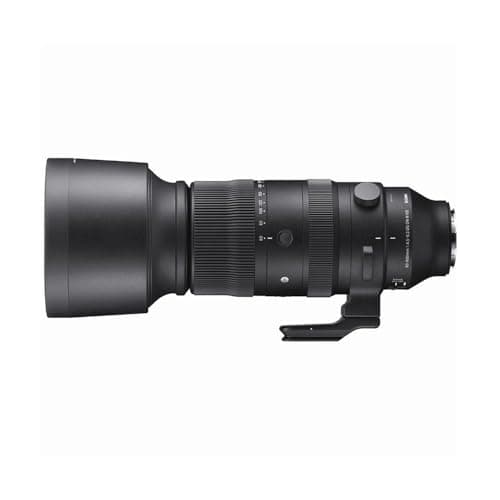
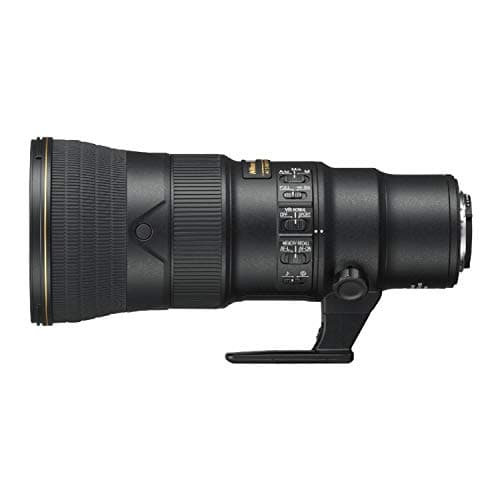
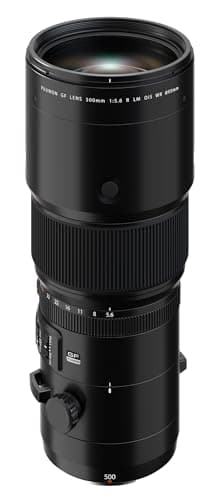
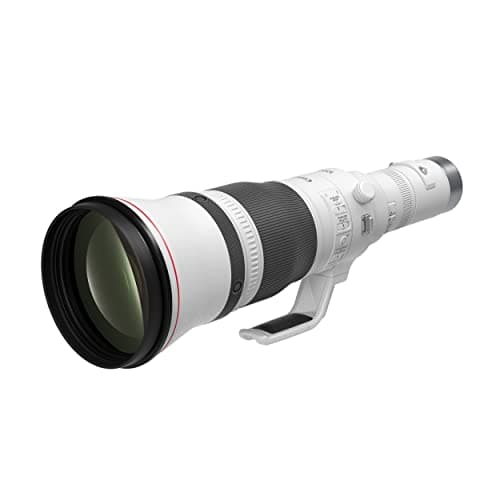
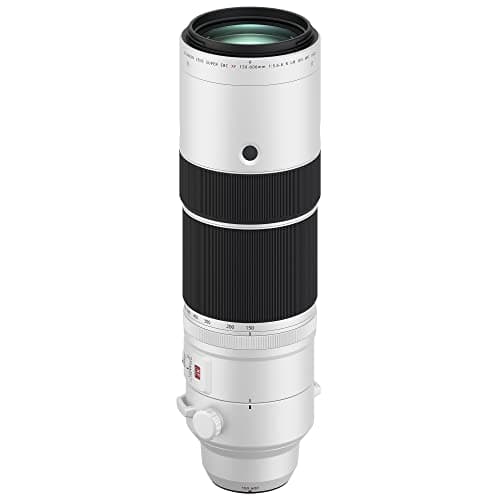
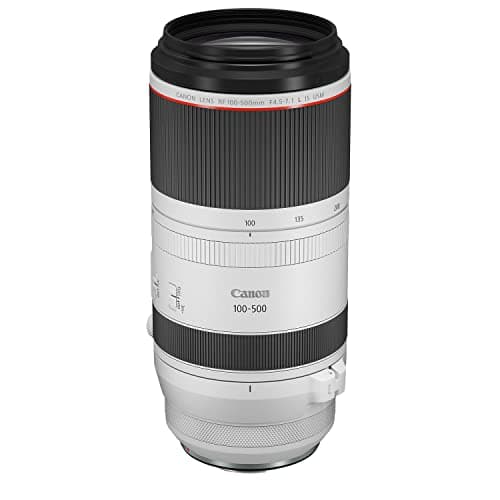
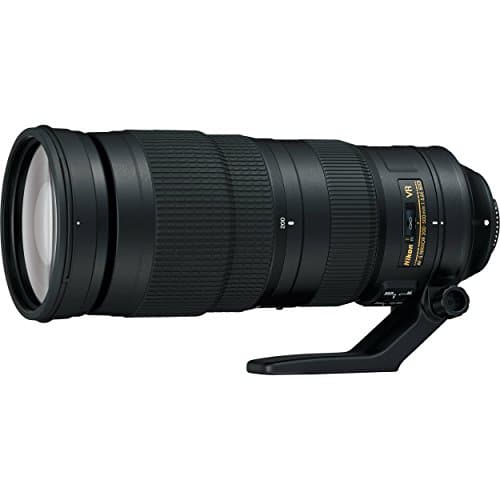
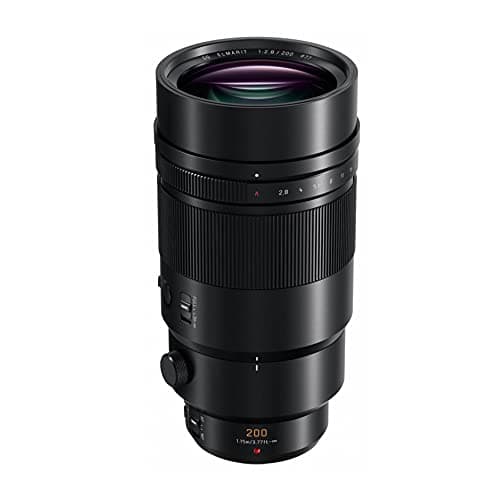
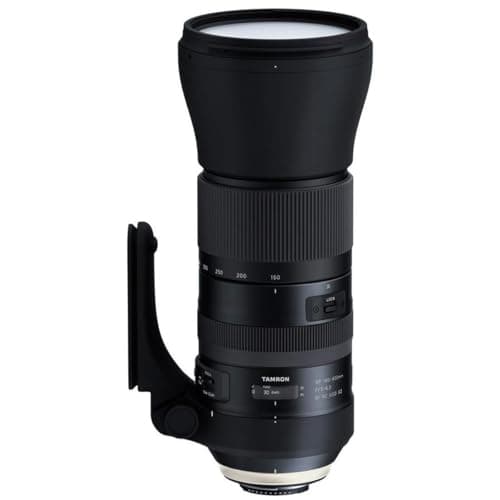
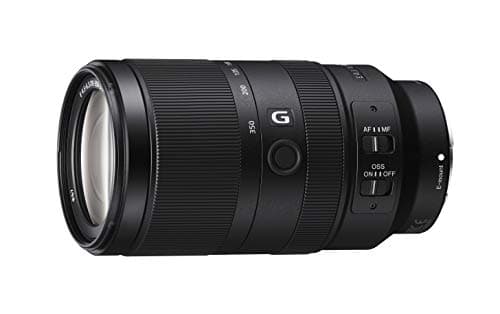
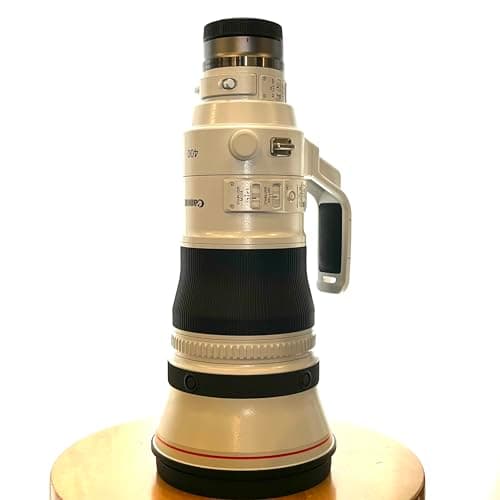
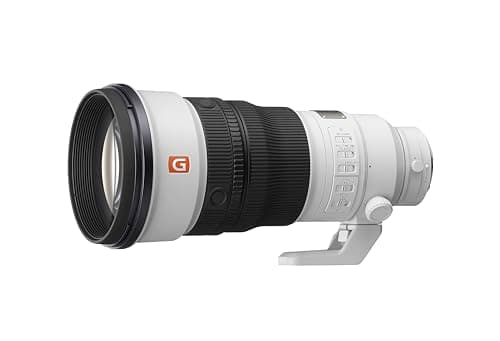
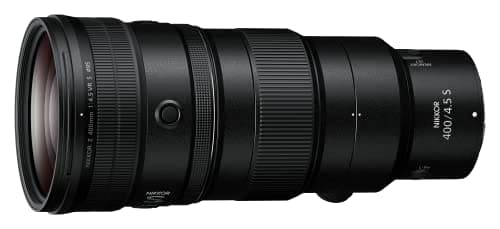
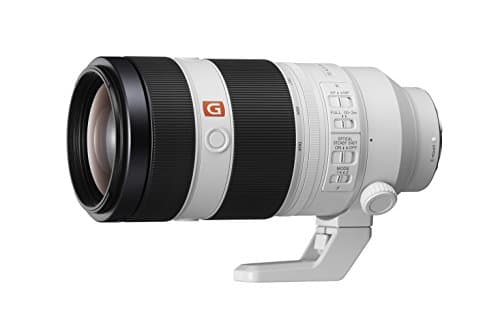
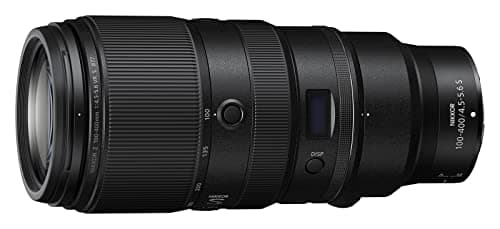
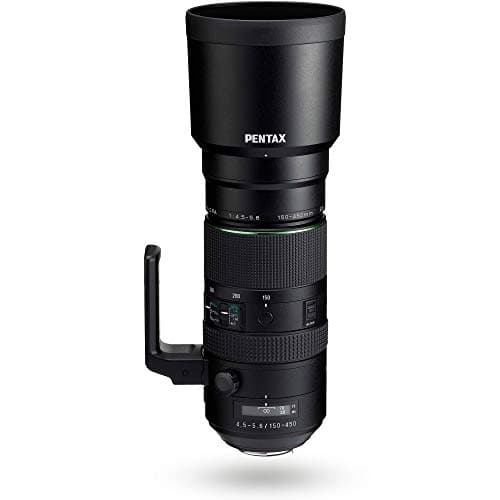
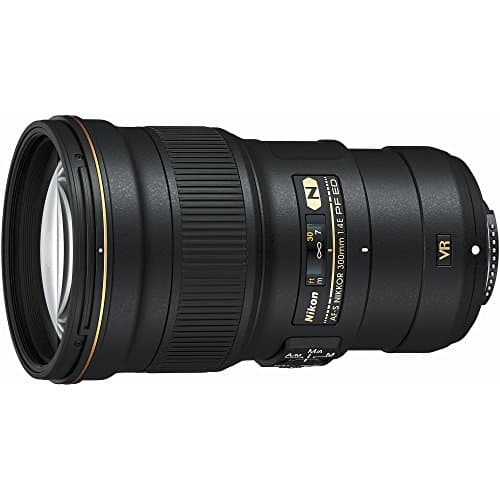
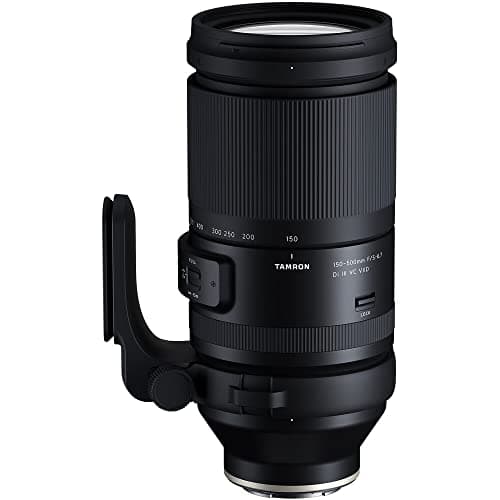
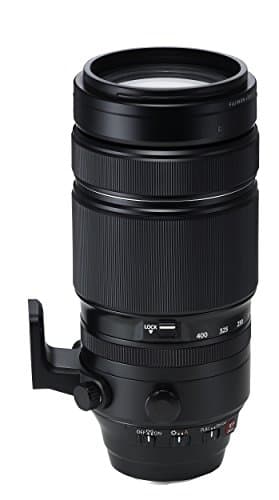
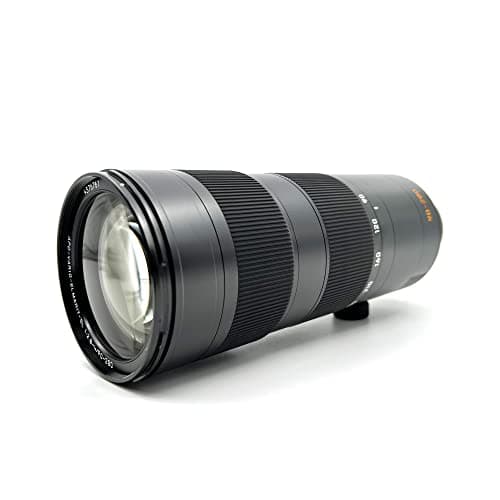
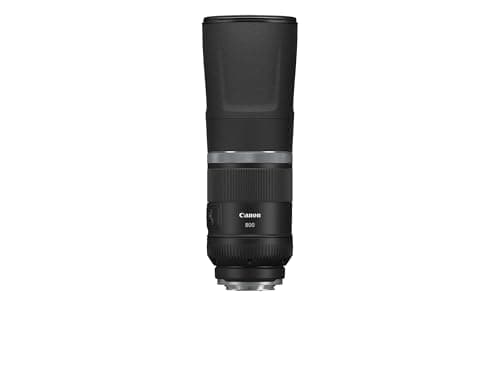
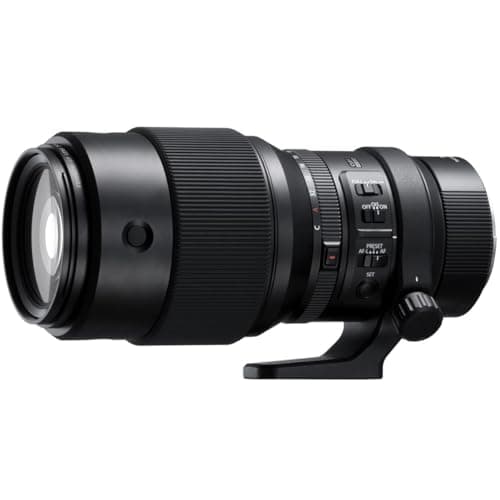
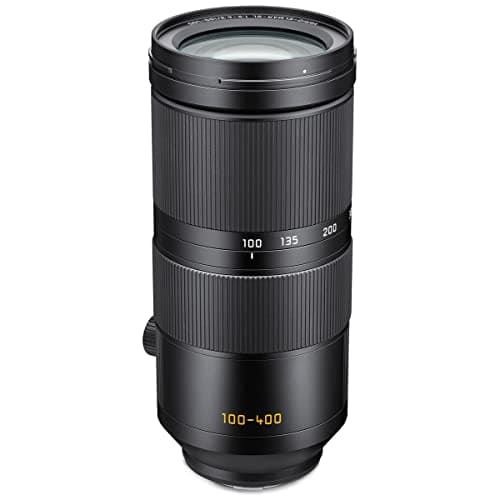
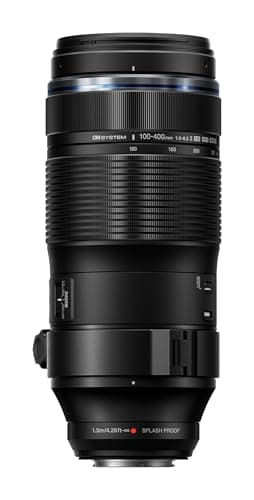
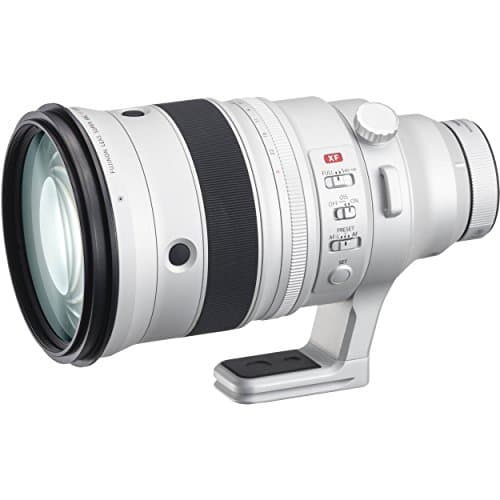
These are the best telephoto lenses for bird photography when you want sticky AF, long reach, feather detail, and steady handheld performance for perched songbirds, raptors, shorebirds, and birds-in-flight—without missing the moment—and here’s what to look for as you buy: prioritize fast, reliable autofocus (linear/USM/LM/STM) with a focus limiter, effective optical stabilization (VR/IS/OSS/OIS) that pairs cleanly with IBIS, honest sharpness at the long end, internal zoom or well-balanced handling, weather sealing for rain/spray/sand, teleconverter compatibility, and close-focus for frame-filling small birds; 400–600mm is the sweet spot, 300–400mm with TCs for versatility, and lighter PF/DO/phase-fresnel designs keep you mobile all day. Full-frame standouts: Sony FE 200–600mm ƒ5.6–6.3 G (internal zoom, excellent AF, handholdable), Sony FE 100–400mm ƒ4.5–5.6 GM (fast AF, sharp with 1.4× TC), Sony FE 400mm ƒ2.8 GM and 600mm ƒ4 GM (flagship BIF primes), Sigma 150–600mm DG DN Sports (great reach/value, strong OS), and Sigma 500mm ƒ5.6 DG DN (featherweight prime with bite); Canon RF 100–500mm ƒ4.5–7.1L IS (superb AF, TC-capable 300–500mm), RF 200–500mm ƒ4L IS (elite speed/reach combo for action), RF 600mm ƒ4L and 800mm ƒ5.6L (pro long primes), budget-light RF 600mm ƒ11 and 800mm ƒ11 (surprisingly effective in bright light), plus adapted EF 100–400mm II and EF 500/600mm super-tele primes (still birding legends); Nikon Z 180–600mm ƒ5.6–6.3 VR (internal zoom, excellent VR, great value), Z 100–400mm ƒ4.5–5.6 S (fast, TC-friendly), featherweight PF primes Z 400mm ƒ4.5 VR S and Z 600mm ƒ6.3 VR S (carry-all-day reach), and adapted F-mount 300mm ƒ4 PF / 500mm ƒ5.6 PF (beloved for hiking). L-mount: Panasonic S 70–300mm ƒ4.5–5.6 OIS (close-focus gem—pair with good stalking) and Sigma 150–600mm DG DN Sports (long, stabilized, responsive). APS-C winners: Sony E 70–350mm ƒ4.5–6.3 G OSS (compact, sharp, great AF), Fujifilm XF 100–400mm ƒ4.5–5.6 OIS (TC-friendly, BIF-capable), XF 150–600mm ƒ5.6–8 OIS (serious reach with quick AF), XF 70–300mm ƒ4–5.6 OIS (light, close focus), Canon RF-S 55–210mm IS STM (budget starter—lean on crop), Nikon Z DX 50–250mm VR (shockingly good near 250; step closer), Sigma 100–400mm DG DN via adapters where applicable. Micro Four Thirds long-reach champs: OM SYSTEM 150–400mm ƒ4.5 PRO IS (integrated 1.25× TC, monster AF/IS in tiny package), M.Zuiko 300mm ƒ4 IS PRO (legendary handholdable prime), OM SYSTEM 100–400mm ƒ5–6.3 IS and Panasonic Leica 100–400mm (huge EFL reach in backpack size), OM SYSTEM 40–150mm ƒ2.8 PRO with 1.4×/2× TCs for fast-action medium reach. Practical buyer tips: pick an internal-zoom 180/200–600mm if you hike or shoot in wind/dust; choose a 100–400mm if you want one-lens versatility plus TC options; lightweight PF/DO primes (300–600 class) deliver elite sharpness with carry-all-day handling; confirm TC compatibility and AF performance with your body; standardize front diameters for one CPL/ND, use a deep hood to cut veiling flare, and don’t fear used pro DSLR glass—EF/F super-teles are outstanding value on adapters. Bird-shooting tips: use AF-C with bird/eye detection and a focus limiter, keep shutter speeds honest (≈1/1000–1/2000s for BIF; 1/500–1/1000s for perched), ride Auto-ISO with a ceiling and shoot wide open then stop 1/3–2/3 stop for extra bite, pan smoothly and fire short bursts to beat micro-shake, brace elbows or use a monopod, watch heat shimmer at long distances (closer vantage > more zoom), pre-focus to a perch/flight lane, expose for highlights on white birds to avoid clipping, and mind backgrounds—shift a step for clean color fields; for low light, favor faster glass or raise ISO rather than sacrificing shutter; for ethics and success, approach slowly, respect distance and nesting areas, and let the birds dictate the shot—when your lens combines decisive AF, honest stabilization, and long-end discipline, the feathers, catchlight, and wing shapes come back sharp and spectacular.
Lenses by brand:
Lenses by price:
Lenses by type:
Lenses by sensor:
Lenses by feature:
Lenses by use case:
- Best Telephoto Lenses for Aerial Photography
- Best Telephoto Lenses for Architectural Photography
- Best Telephoto Lenses for Astrophotography
- Best Telephoto Lenses for Automotive Photography
- Best Telephoto Lenses for Bird Photography
- Best Telephoto Lenses for Cityscape Photography
- Best Telephoto Lenses for Concert Photography
- Best Telephoto Lenses for Fashion Photography
- Best Telephoto Lenses for Food Photography
- Best Telephoto Lenses for Headshot Photography
- Best Telephoto Lenses for Landscape Photography
- Best Telephoto Lenses for Macro Photography
- Best Telephoto Lenses for Nature Photography
- Best Telephoto Lenses for Night Photography
- Best Telephoto Lenses for Portrait Photography
- Best Telephoto Lenses for Product Photography
- Best Telephoto Lenses for Sports Photography
- Best Telephoto Lenses for Street Photography
- Best Telephoto Lenses for Travel Photography
- Best Telephoto Lenses for Wedding Photography
- Best Telephoto Lenses for Wildlife Photography
- Best Telephoto Lenses for Video
Lenses by experience:
Cameras: