
Name | Features | Price |
|---|---|---|
Panasonic Leica DG Vario-Summilux 25-50mm F1.7 ASPH⭐ 5.0 / 5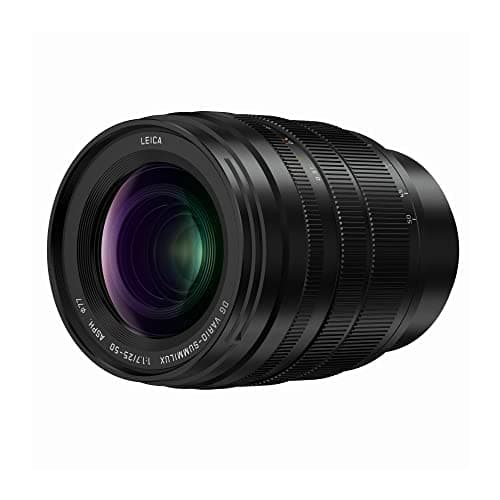 | ||
Name | Features | Price |
Canon RF 24-105mm F2.8 L IS USM Z⭐ 5.0 / 5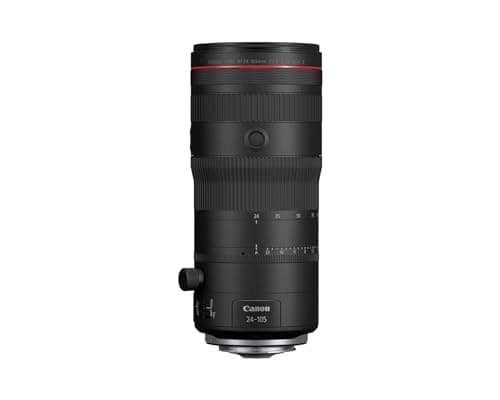 | ||
Name | Features | Price |
Sony FE 24-70mm F2.8 GM II⭐ 4.9 / 5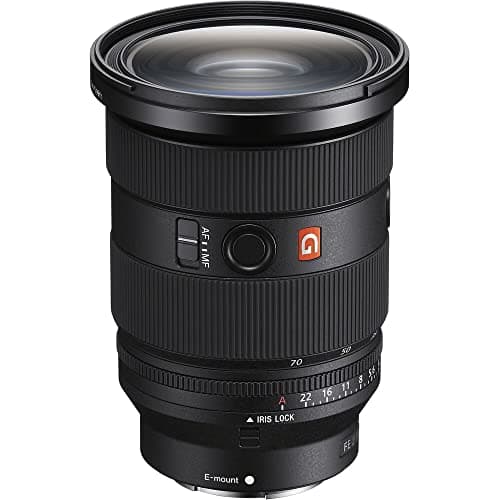 | ||
Name | Features | Price |
Panasonic Leica DG Vario-Elmarit 35-100mm F2.8 Power OIS⭐ 4.9 / 5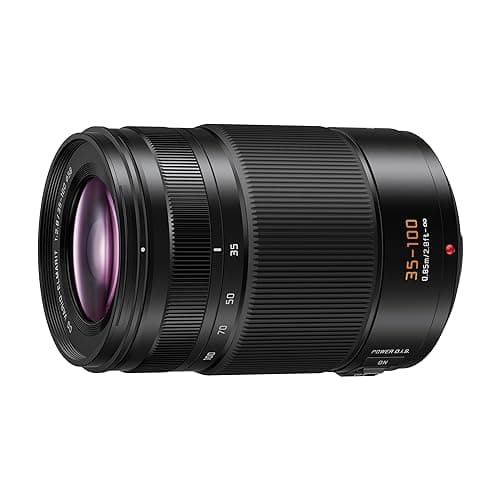 | ||
Name | Features | Price |
Nikon Nikkor Z 24-70mm F2.8 S⭐ 4.9 / 5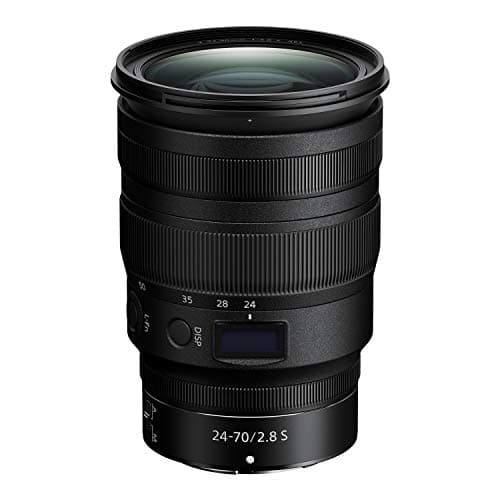 | ||
Name | Features | Price |
Panasonic Lumix G X Vario 35-100mm F2.8 II Power OIS⭐ 4.9 / 5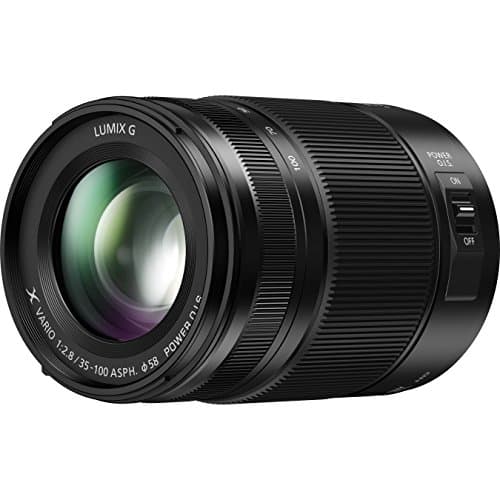 | ||
Name | Features | Price |
Canon RF 24-70mm F2.8L IS USM⭐ 4.9 / 5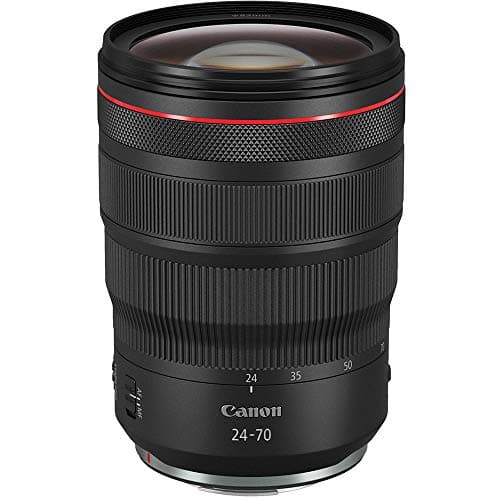 | ||
Name | Features | Price |
Nikon Nikkor Z 70-200mm F2.8 VR S⭐ 4.9 / 5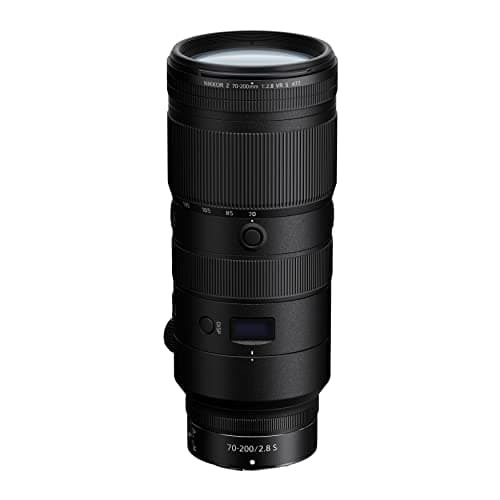 | ||
Name | Features | Price |
Fujifilm Fujinon MK 50-135mm T2.9⭐ 4.9 / 5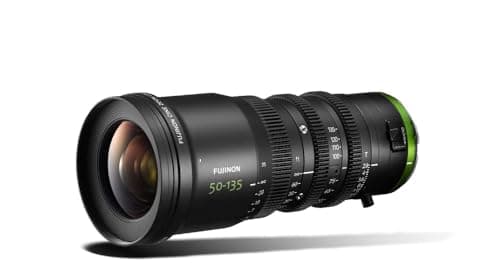 | ||
Name | Features | Price |
Canon RF 24-105mm F4L IS USM⭐ 4.9 / 5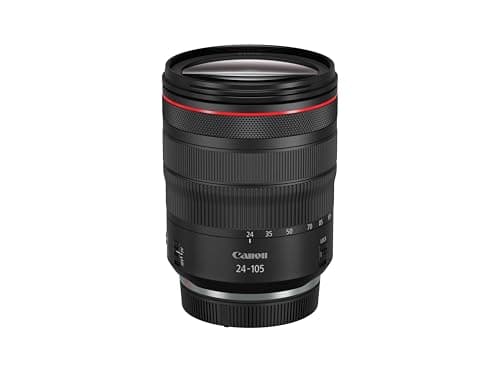 |
* Product prices and availability are accurate as of the date/time indicated and are subject to change. Any price and availability information displayed on Amazon.com at the time of purchase will apply to the purchase of this product.
* Imaginated.com may receive compensation for purchases made at participating retailers linked on this site. This compensation does not affect what products or prices are displayed, or the order of prices listed. Learn more here.
These are the best telephoto lenses for video when you want quiet, confident autofocus, minimal focus breathing, smooth stabilized shots, and disciplined flare for interviews, documentaries, runway, sports, wildlife, weddings, and compressed city layers—without wrestling your rig—and here’s what to look for as you buy: prioritize linear/STM/USM/LM motors that rack quietly and predictably, low breathing (or bodies with breathing compensation), optical stabilization that plays cleanly with IBIS, parfocal or “holds focus well while zooming” behavior, consistent color/contrast across your set, de-clickable or finely stepped apertures (or electronic aperture smoothing), tripod collars for balance, and internal zooms for gimbal life; choose range by job—70–200mm ƒ2.8 for events and portraits, 70–200mm ƒ4 for travel/doc rigs, 100–400mm for daylight field work, and 150/180/200–600mm when reach rules; cine-style power zooms are gold for controlled moves. Full-frame standouts for video: Sony FE 70–200mm ƒ2.8 GM II (class-leading AF, light, very low breathing with body comp), FE 70–200mm ƒ4 G II (compact, macro-ish close focus, great for doc kits), FE 100–400mm GM (reliable long end), FE 200–600mm G (internal zoom balances beautifully), and the FE PZ 28–135mm ƒ4 G OSS (cine servo PZ with true video ergonomics for S35/FX3/FX6 users who don’t need extreme reach); Canon RF 70–200mm ƒ2.8L IS and ƒ4L IS (tiny for class, excellent IS), RF 100–500mm ƒ4.5–7.1L IS (versatile, sticky AF), RF 100–400mm ƒ5.6–8 IS (light doc long lens), plus adapted EF 70–200mm ƒ2.8L IS II/III and EF 100–400mm II (still video legends with smooth IS and focus); Nikon Z 70–200mm ƒ2.8 S (stellar optics and VR, great breathing control), Z 70–180mm ƒ2.8 (compact, budget-savvy), Z 100–400mm ƒ4.5–5.6 S (fast AF, clean long end), Z 180–600mm ƒ5.6–6.3 (internal zoom for gimbals/vehicles); L-mount crews: Panasonic S 70–200mm ƒ2.8 OIS and S 70–200mm ƒ4 OIS (Dual I.S. champs), Panasonic S 70–300mm ƒ4.5–5.6 OIS (close-focus, light), Sigma 100–400mm ƒ5–6.3 DG DN OS and 150–600mm DG DN Sports (long reach with solid OS). APS-C and Super35 picks: Sony E 70–350mm ƒ4.5–6.3 G OSS (gimbalable reach with OSS), Tamron 70–180mm ƒ2.8 on A6xxx (fast, light), Sony E PZ 18–110mm ƒ4 G OSS (cine-style S35 workhorse covering short-tele), Fujifilm XF 50–140mm ƒ2.8 OIS (pro doc/runway lens), XF 70–300mm ƒ4–5.6 OIS (light, flexible), XF 100–400mm ƒ4.5–5.6 OIS (serious reach); Canon RF-S 55–210mm IS STM (budget tele for R7/R10 rigs); Nikon Z DX 50–250mm VR (surprisingly stable and sharp for doc). Micro Four Thirds video gems: Panasonic 35–100mm ƒ2.8 II OIS (tiny event lens), Leica 50–200mm ƒ2.8–4 OIS and 100–400mm OIS (long, contrasty, OIS that plays nicely with IBIS), OM SYSTEM 40–150mm ƒ2.8 PRO / ƒ4 PRO (weather-sealed, crisp, great for gimbals), and Panasonic 100–300mm II OIS (lightweight wildlife/video reach). Practical buyer tips: pick a 70–200mm ƒ2.8 if you shoot receptions, concerts, and interviews in low light; go 70–200mm ƒ4 for travel and long days on a monopod; choose 100–400mm when you need flexible daylight reach with consistent AF; internal zooms (Sony 200–600, Nikon 180–600) balance best on gimbals/vehicles; if you zoom during takes, favor lenses that hold focus and pair with bodies offering breathing compensation; standardize front diameters for one quality VND and diffusion, and consider a follow-focus for repeatable racks; used EF/F 70–200/2.8 IS and 100–400 II remain superb video values on adapters. Tele-video shooting tips: follow the 180° shutter rule (e.g., 1/50s at 24p) and set a sensible base ISO, use AF-C with subject/eye detect plus a focus limiter, ride IBIS/IS for micro-jitter and add a monopod or gimbal for bigger moves, pre-focus to lanes and let talent enter the plane, feather zooms or use a power-zoom for smooth reframes, keep shutter speed higher (1/125–1/250s) when panning long focal lengths to avoid smear, shade the front element to prevent veiling flare, and manage color—keep a consistent Kelvin or LUT across bodies; for interviews, sit around 85–135mm for flattering perspective and quiet backgrounds, and for long-reach B-roll, stop down 2/3–1 stop for extra bite at the tele end; whether you’re covering ceremonies, chasing wildlife sequences, compressing city layers, or filming sideline action, the best telephoto lenses for video combine quiet linear AF, low breathing, honest stabilization, and zooms that hold focus—so your footage looks cinematic, steady, and reliably in focus.
Lenses by brand:
Lenses by price:
Lenses by type:
Lenses by sensor:
Lenses by feature:
Lenses by use case:
- Best Telephoto Lenses for Aerial Photography
- Best Telephoto Lenses for Architectural Photography
- Best Telephoto Lenses for Astrophotography
- Best Telephoto Lenses for Automotive Photography
- Best Telephoto Lenses for Bird Photography
- Best Telephoto Lenses for Cityscape Photography
- Best Telephoto Lenses for Concert Photography
- Best Telephoto Lenses for Fashion Photography
- Best Telephoto Lenses for Food Photography
- Best Telephoto Lenses for Headshot Photography
- Best Telephoto Lenses for Landscape Photography
- Best Telephoto Lenses for Macro Photography
- Best Telephoto Lenses for Nature Photography
- Best Telephoto Lenses for Night Photography
- Best Telephoto Lenses for Portrait Photography
- Best Telephoto Lenses for Product Photography
- Best Telephoto Lenses for Sports Photography
- Best Telephoto Lenses for Street Photography
- Best Telephoto Lenses for Travel Photography
- Best Telephoto Lenses for Wedding Photography
- Best Telephoto Lenses for Wildlife Photography
- Best Telephoto Lenses for Video
Lenses by experience:
Cameras: