
10 Best Wide-Angle Lenses for Night Photography in 2026
Filters:
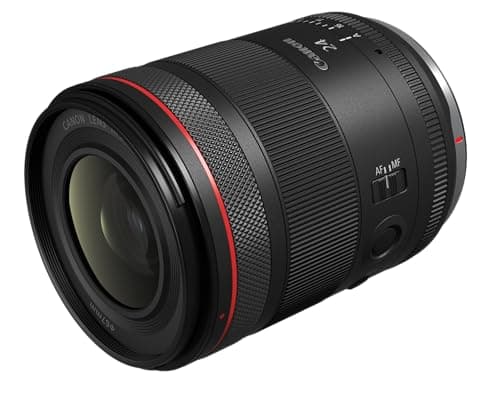
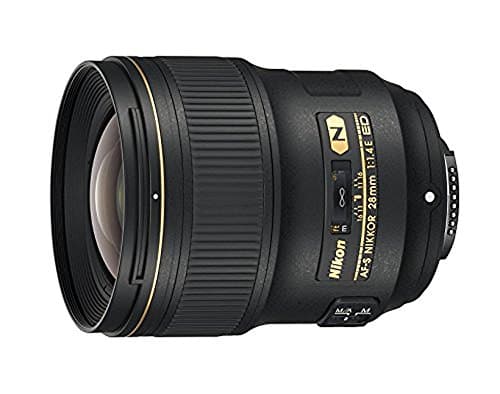
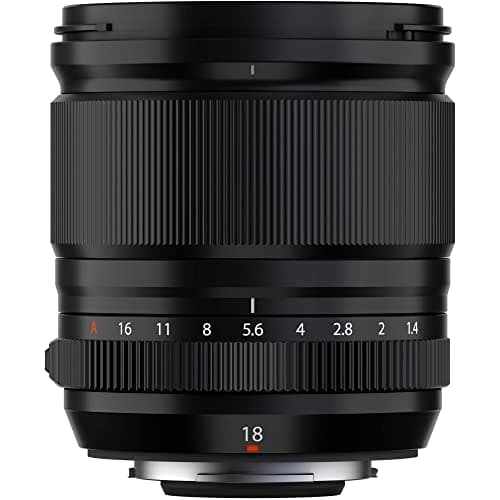
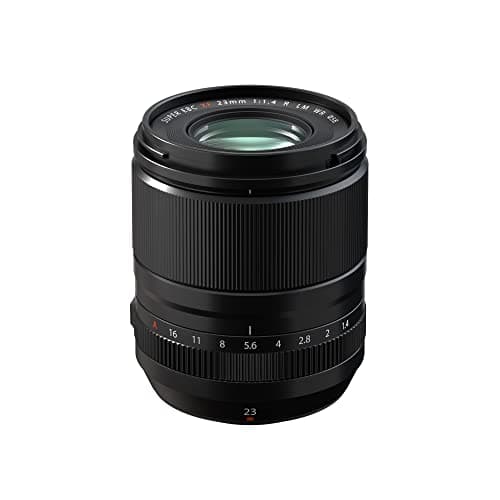
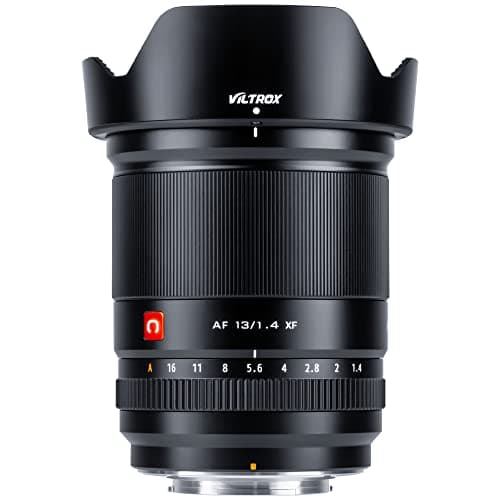
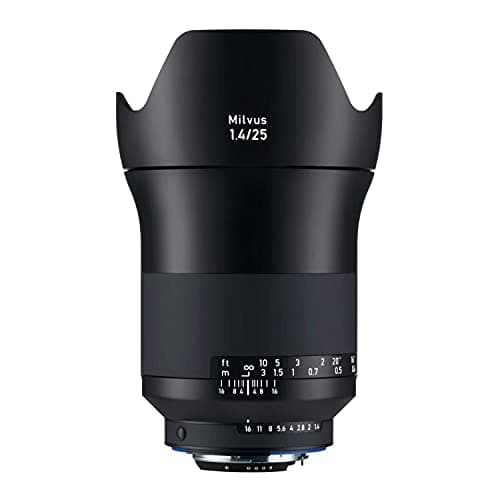
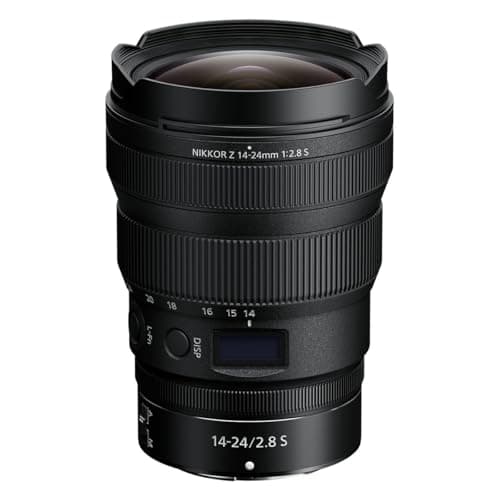
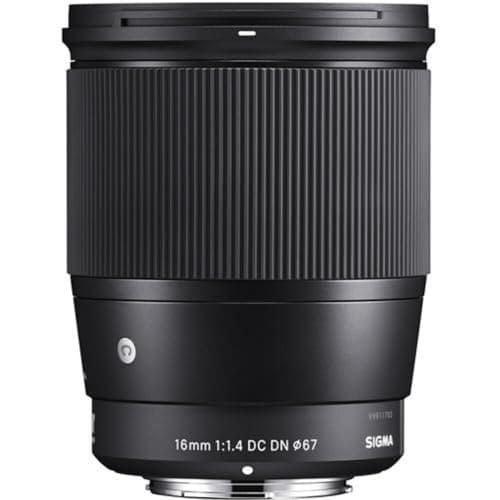
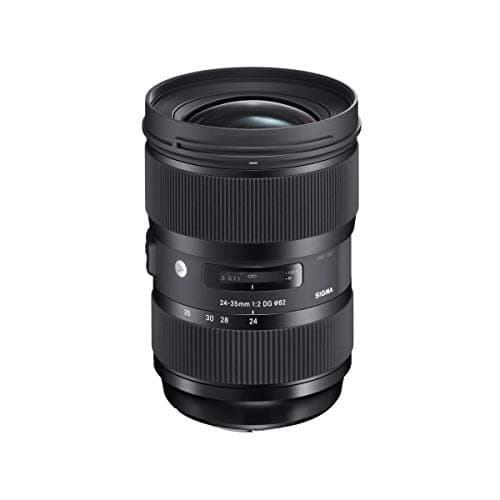
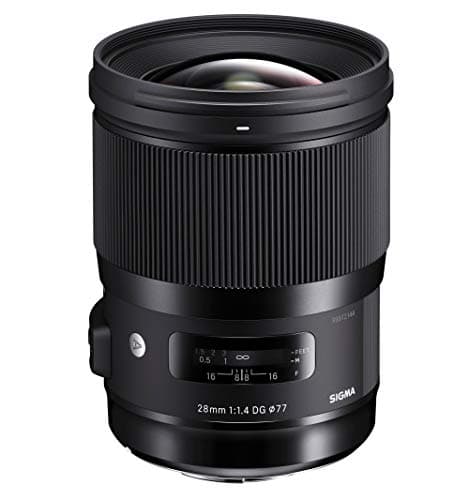
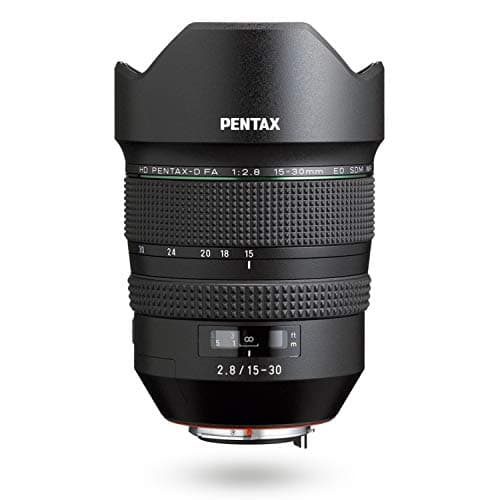
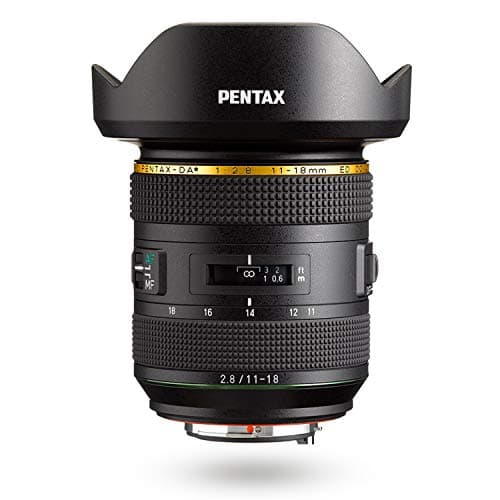
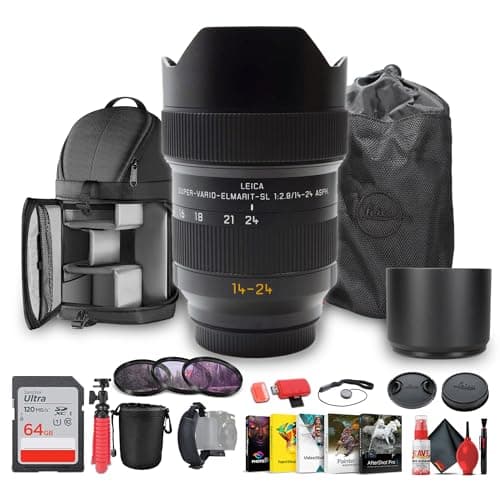
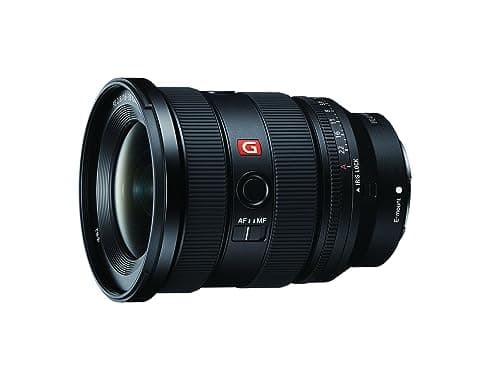
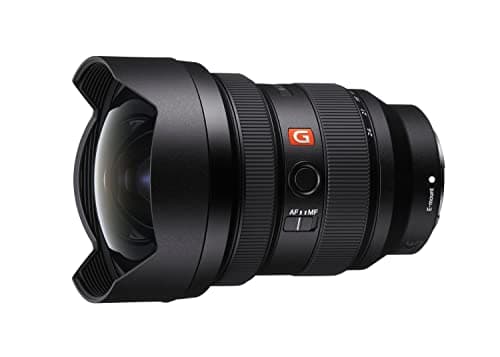
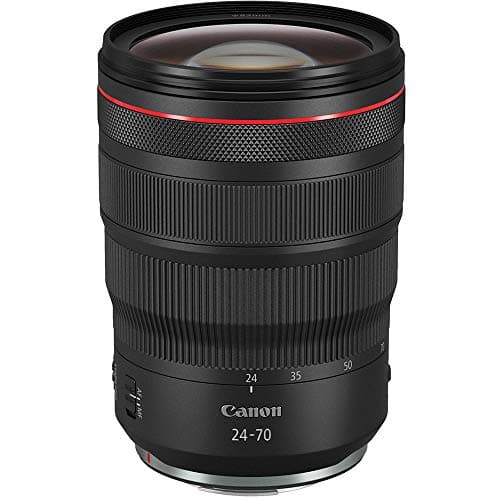
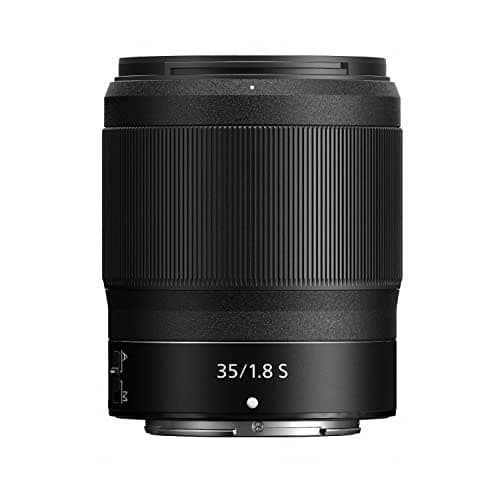
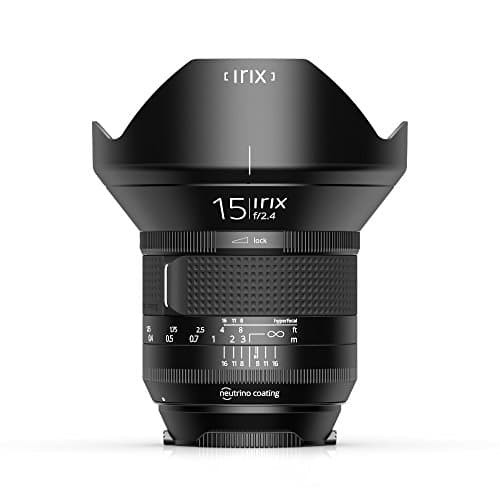
* Product prices and availability are accurate as of the date/time indicated and are subject to change. Any price and availability information displayed on Amazon.com at the time of purchase will apply to the purchase of this product.
* Imaginated.com may receive compensation for purchases made at participating retailers linked on this site. This compensation does not affect what products or prices are displayed, or the order of prices listed. Learn more here.
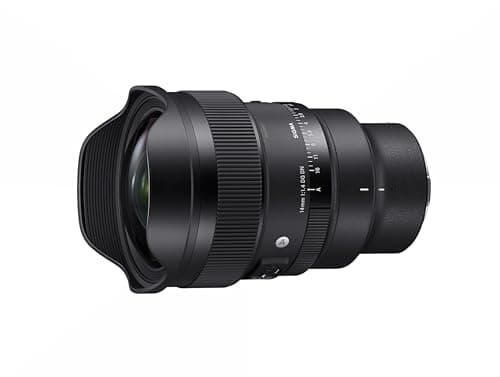
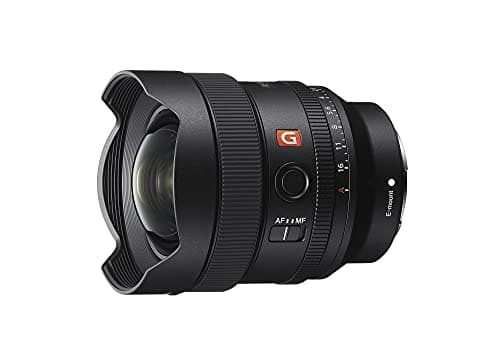
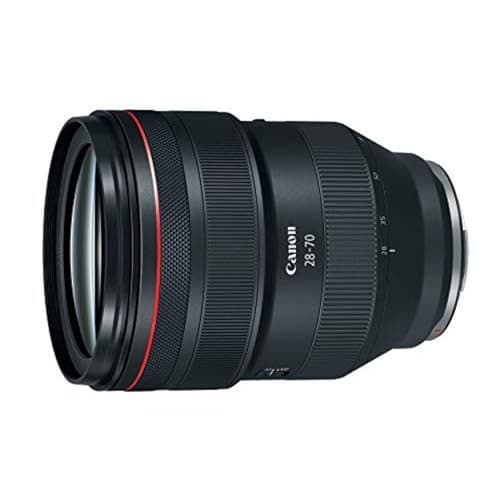
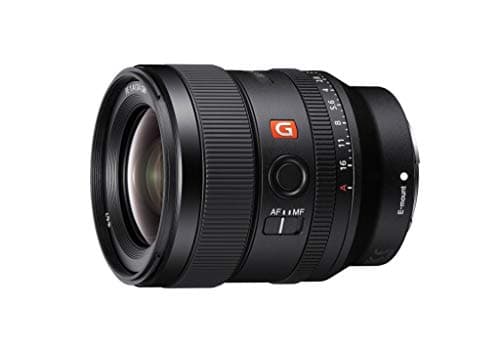
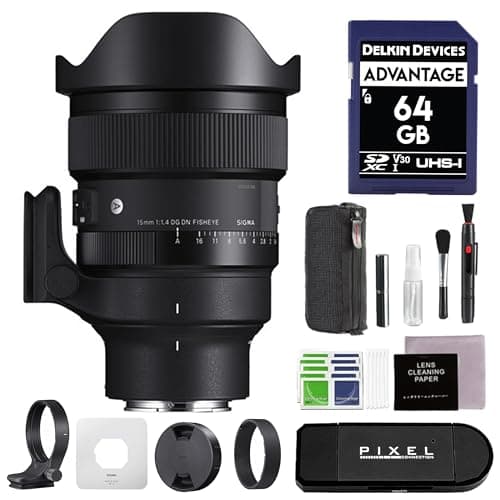
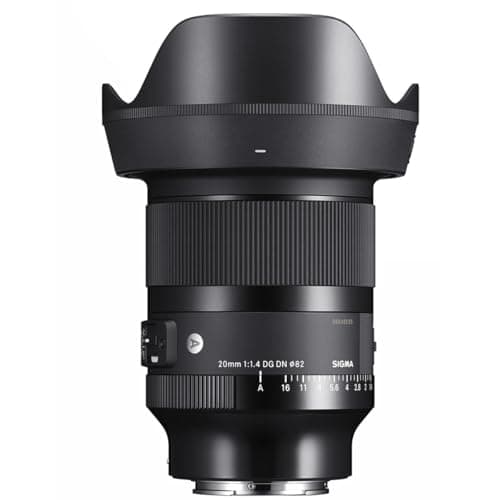
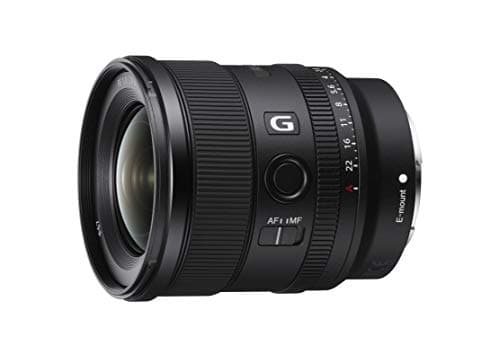
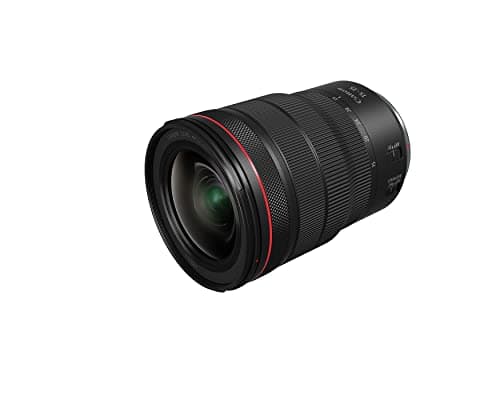
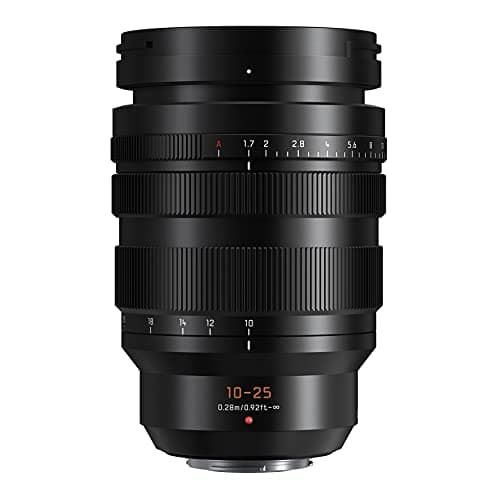
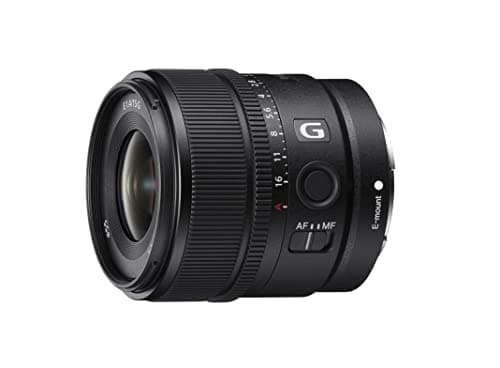
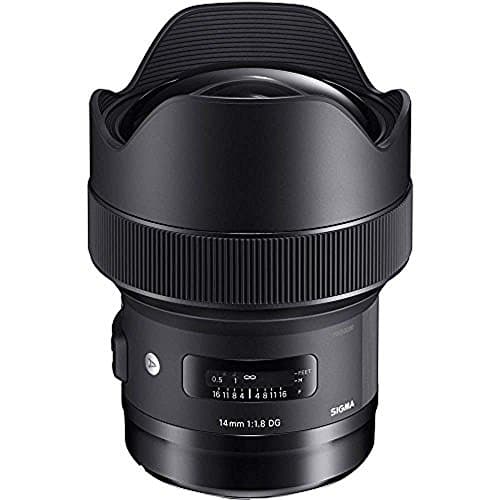
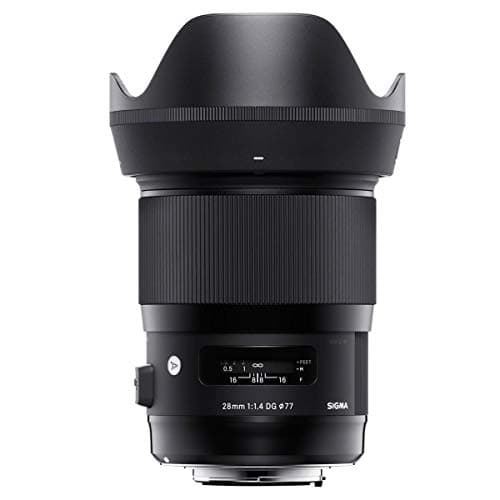
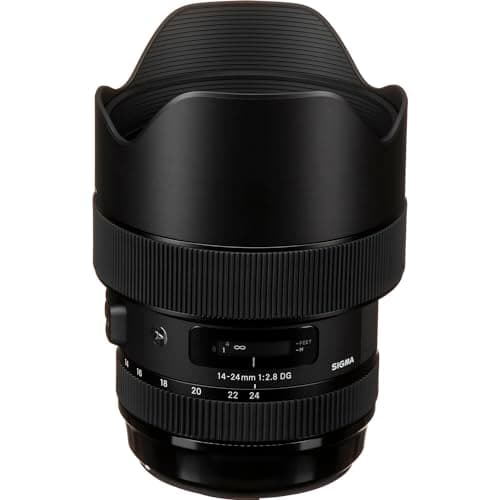
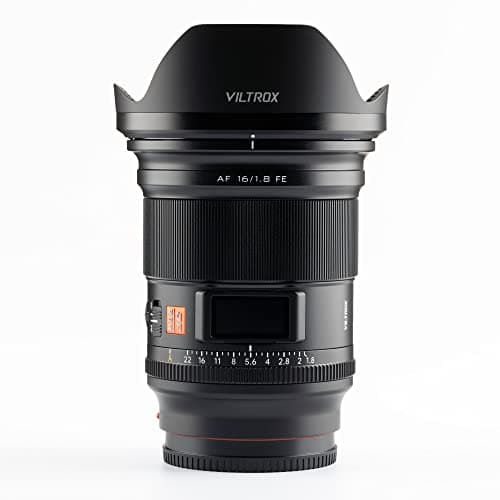
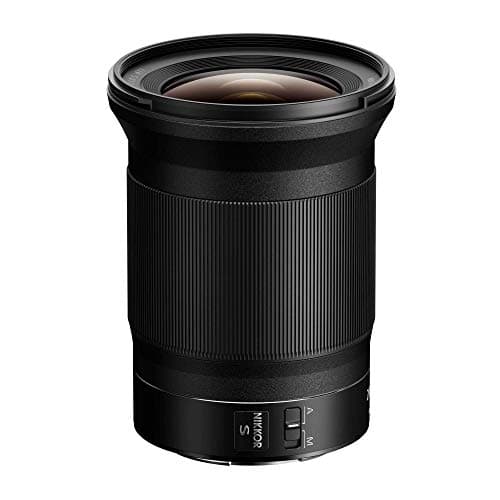
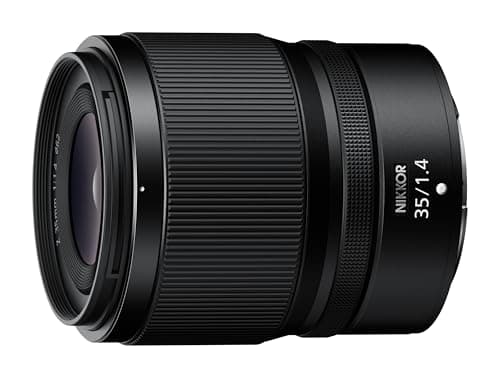
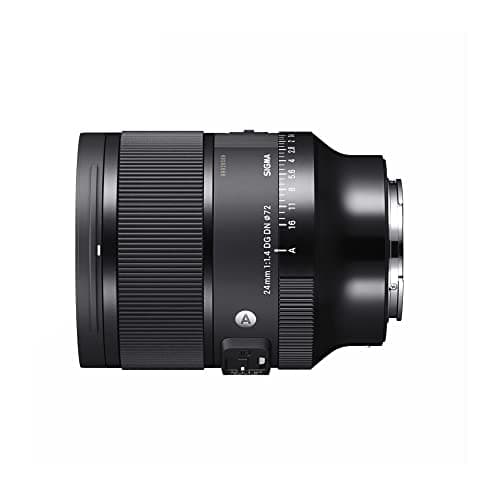
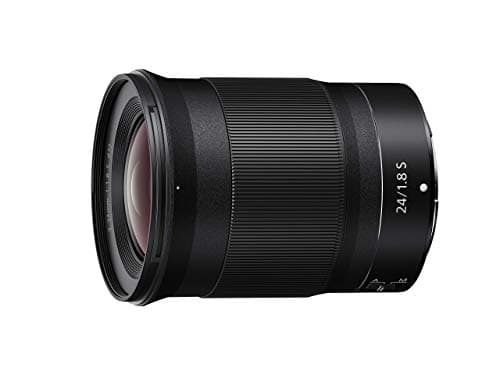
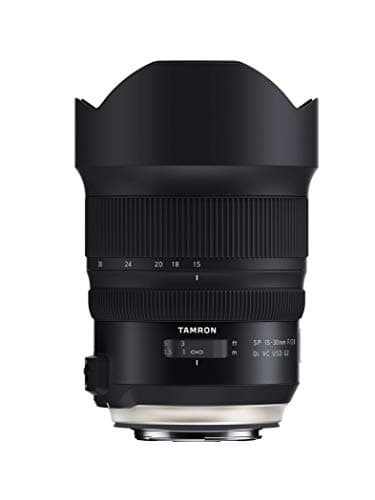
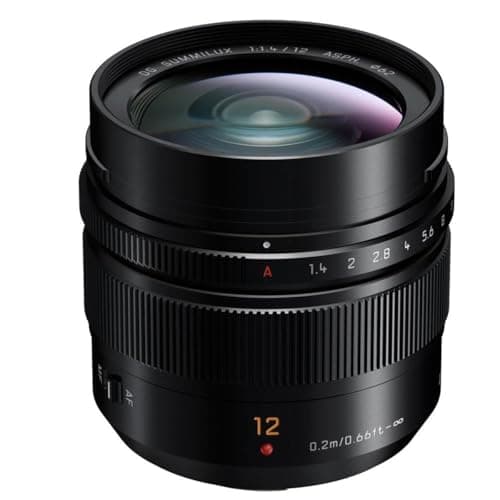
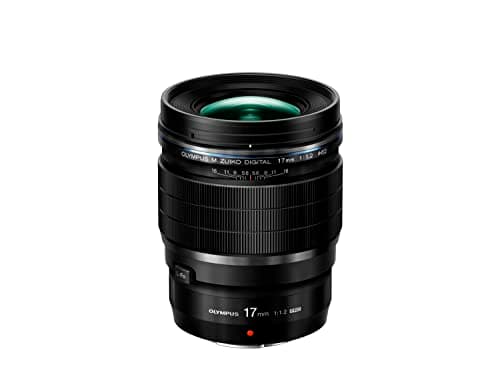
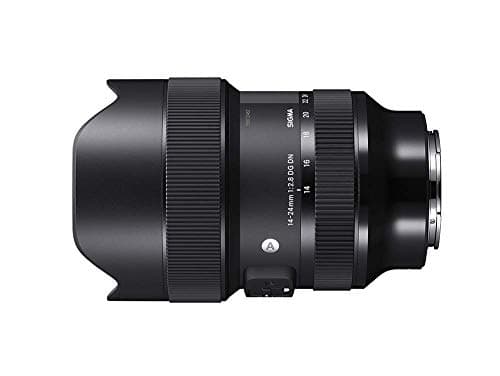
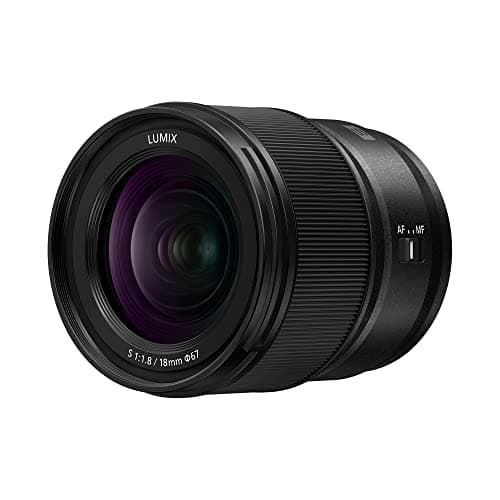
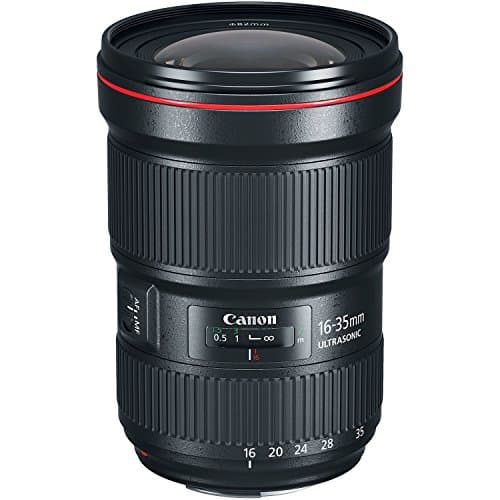
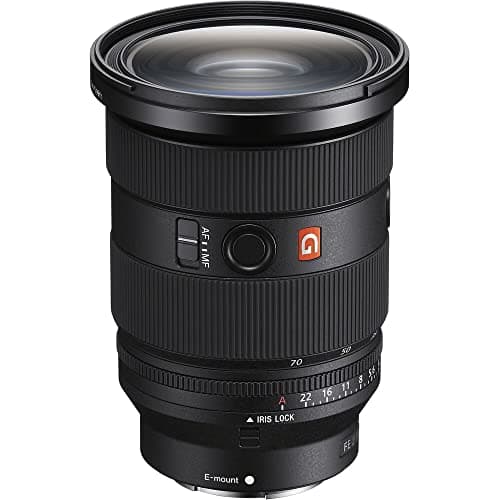
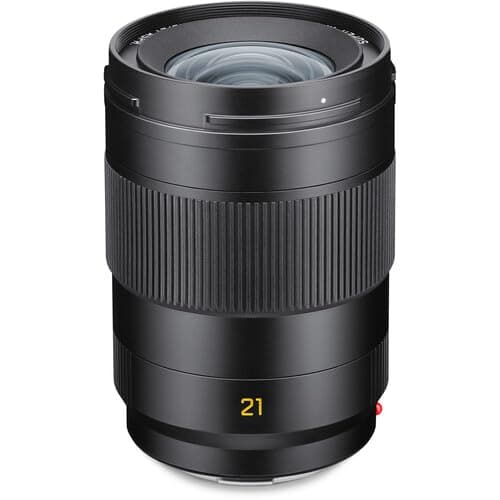
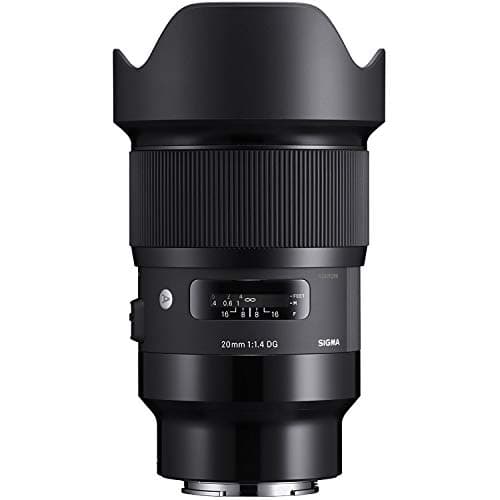
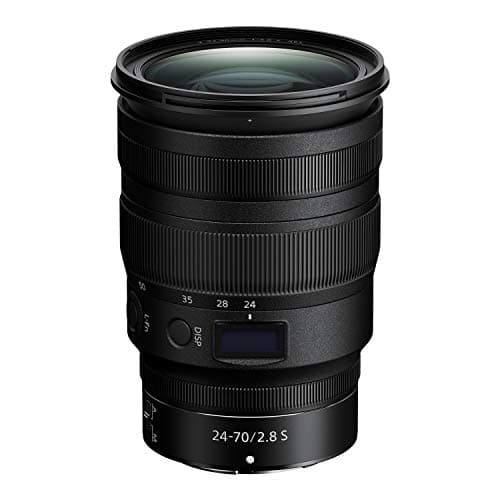
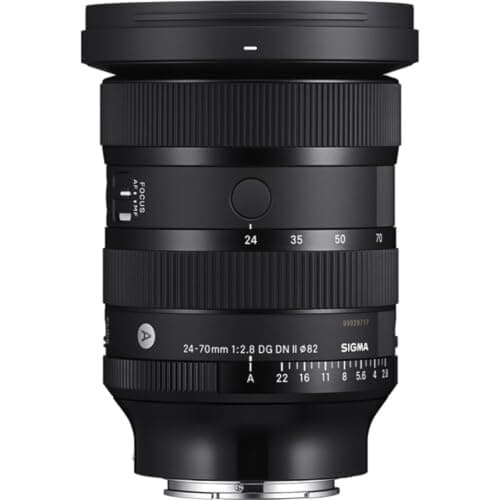
These are the best wide-angle lenses for night photography when you want clean high-ISO files, disciplined coma and sagittal aberrations, tight flare control against streetlights and neon, and confident AF in low contrast—whether you’re shooting blue-hour cityscapes, moonlit coastlines, light trails, or casual Milky Way—and here’s what to look for as you buy: prioritize speed and correction (ƒ1.4–ƒ1.8 primes for darkest scenes; constant ƒ2.8 zooms for versatility), corner performance at working apertures (often best at ƒ1.8–ƒ2.8), coatings that tame ghosting/veiling flare around point sources, even field illumination (manageable vignetting), accurate infinity behavior with a smooth MF throw, minimal focus breathing if you film, and a filter plan that fits your workflow (front 77/82mm threads for ND/VND; proven rear/holder systems for bulbous fronts). Full-frame prime heroes that pull in the night: Sony FE 14mm ƒ1.8 GM (tiny, sharp, disciplined coma), Sony FE 20mm ƒ1.8 G (versatile street-to-sky with threads), Sony FE 24mm ƒ1.4 GM (blue-hour storyteller), Nikon Z 20mm ƒ1.8 S and Z 24mm ƒ1.8 S (neutral color, tidy corners), Canon RF 24mm ƒ1.8 Macro IS and RF 16mm ƒ2.8 (budget-friendly night options), Sigma 14mm ƒ1.4 DG DN Art (astro specialist that also excels on lit scenes), Sigma 20mm ƒ1.4 and 24mm ƒ1.4 DG DN Art (modern flare resistance, crisp at ƒ1.8–ƒ2), and Laowa 15mm ƒ2 Zero-D / 12mm ƒ2.8 (manual “straight-line” classics with unique perspectives). Zoom workhorses for mixed night shooting: Sony FE 16–35mm ƒ2.8 GM II (razor AF, elegant flare handling, filter-friendly), Sony FE 12–24mm ƒ2.8 GM (ultra-wide drama with disciplined edges), Sony FE 16–35mm ƒ4 G PZ (lighter rig with impressive flare control), Nikon Z 14–24mm ƒ2.8 S (class-leading sharpness and ghost control with smart filter options), Nikon Z 17–28mm ƒ2.8 (travel-light), Canon RF 15–35mm ƒ2.8L IS USM (sticky AF, IS helps handheld blue hour), Canon RF 14–35mm ƒ4L IS (compact for city nights), Sigma 14–24mm ƒ2.8 DG DN Art (pro value, consistent corners), and Tamron 17–28mm ƒ2.8 (featherweight, clean rendering). APS-C standouts for nimble night kits: Sony E 11mm ƒ1.8 (tiny and bright), Sony E 15mm ƒ1.4 G (hit-rate champ with threads), E 10–20mm ƒ4 PZ (good for well-lit streets), Fujifilm XF 16mm ƒ1.4 and XF 18mm ƒ1.4 (beloved low-light primes), XF 10–24mm ƒ4 R OIS WR (stabilized cityscaper), XF 8–16mm ƒ2.8 (pro ultra-wide), Canon RF-S 10–18mm (compact travel nights), and value legends like Samyang 12mm ƒ2 and Laowa 9mm ƒ2.8 for clean, wide nightscapes. Micro Four Thirds picks that punch above their size: OM SYSTEM 7–14mm ƒ2.8 Pro, 8–25mm ƒ4 Pro, Panasonic 8–18mm ƒ2.8–4, Panasonic Leica 10–25mm ƒ1.7 (zoom-prime look), and Laowa 7.5mm ƒ2 for featherweight night missions. Practical buyer tips: if your scenes include bright point lights (lamps, signage), study coma/astigmatism samples—not just MTF; prefer lenses with robust hoods and modern nano coatings for ghost suppression; standardize front diameters for one ND/VND (for light trails and water blur) and keep a clear filter only where venue rules require protection; if you stitch panos or stack, favor even illumination and minimal wave distortion and learn the entrance pupil for clean seams. Night-field technique that keeps frames crisp and luminous: for handheld city nights, run Auto-ISO with a sensible floor (e.g., 1/40–1/80s on stabilized bodies) and fire short bursts to land a tack frame; for tripod work, disable IBIS/IS, use a 2-sec timer or remote, shield the front element from stray light, stop 1/3–1 stop down from wide open for cleaner corners, and aim for the lens’s sunstar sweet spot (often ƒ8–ƒ11); for light trails, set Manual with ND as needed, lock WB to avoid color shifts across frames, and bracket ±2 EV for dynamic range; for casual Milky Way, follow the NPF/500 guides, focus with magnified live view on a bright star, and add a slight stop-down if corners need discipline; manage color by starting around 3400–4200K for mixed city light, then fine-tune in RAW. Whether you’re painting highways with tail-light ribbons, reflecting neon off wet streets, or layering moonlit clouds over a skyline, the best wide-angle lenses for night photography combine big apertures, coma-taming optics, and flare-savvy coatings—so your images stay sharp, clean, and beautifully luminous after dark.
Lenses by brand:
Lenses by price:
Lenses by type:
Lenses by sensor:
Lenses by feature:
Lenses by use case:
- Best Wide-Angle Lenses for Architectural Photography
- Best Wide-Angle Lenses for Astrophotography
- Best Wide-Angle Lenses for Automotive Photography
- Best Wide-Angle Lenses for Cityscape Photography
- Best Wide-Angle Lenses for Concert Photography
- Best Wide-Angle Lenses for Event Photography
- Best Wide-Angle Lenses for Fashion Photography
- Best Wide-Angle Lenses for Food Photography
- Best Wide-Angle Lenses for Landscape Photography
- Best Wide-Angle Lenses for Macro Photography
- Best Wide-Angle Lenses for Nature Photography
- Best Wide-Angle Lenses for Night Photography
- Best Wide-Angle Lenses for Pet Photography
- Best Wide-Angle Lenses for Photojournalism
- Best Wide-Angle Lenses for Portrait Photography
- Best Wide-Angle Lenses for Product Photography
- Best Wide-Angle Lenses for Real Estate Photography
- Best Wide-Angle Lenses for Sports Photography
- Best Wide-Angle Lenses for Street Photography
- Best Wide-Angle Lenses for Travel Photography
- Best Wide-Angle Lenses for Underwater Photography
- Best Wide-Angle Lenses for Wedding Photography
- Best Wide-Angle Lenses for Wildlife Photography
- Best Wide-Angle Lenses for Video
Lenses by experience:
Cameras: