
10 Best Telephoto Lenses for Concert Photography in 2026
Filters:
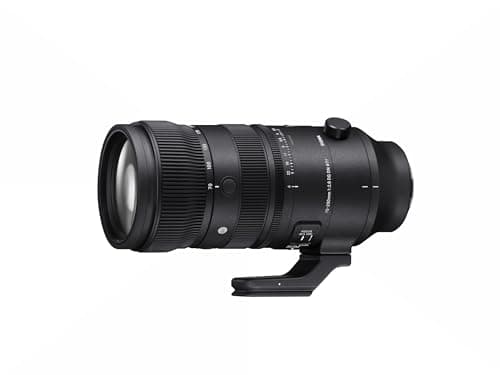
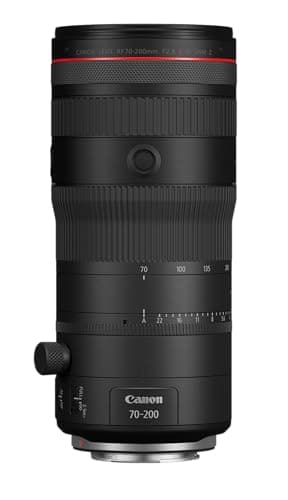
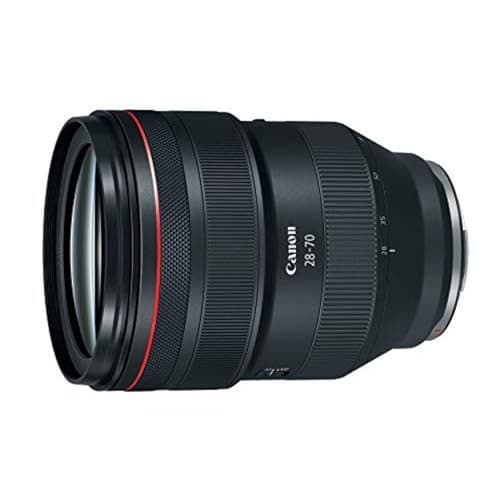
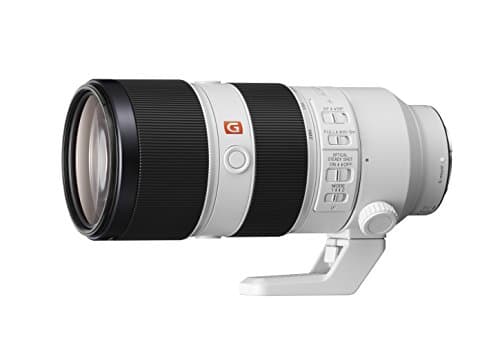
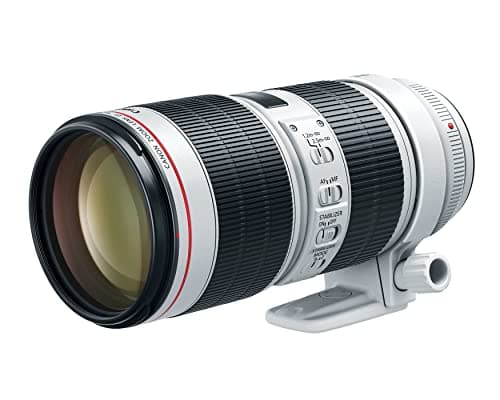
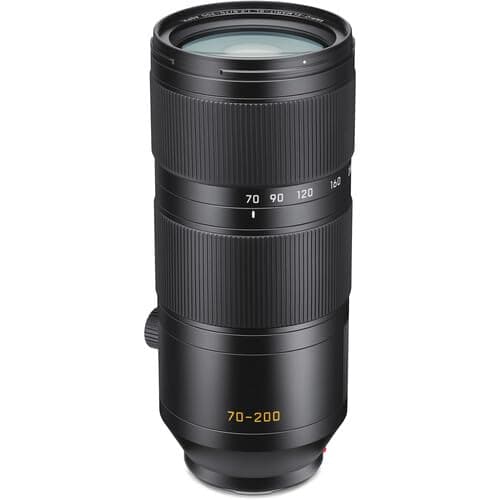
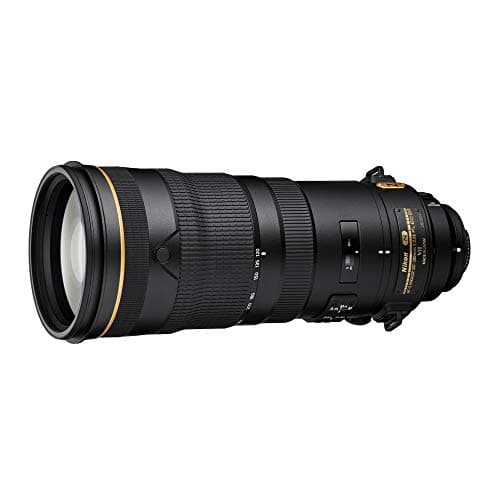
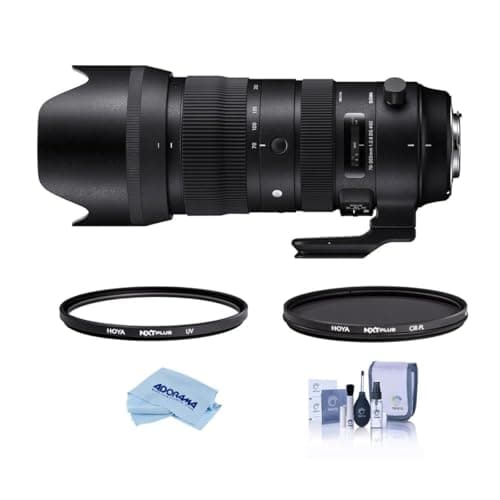
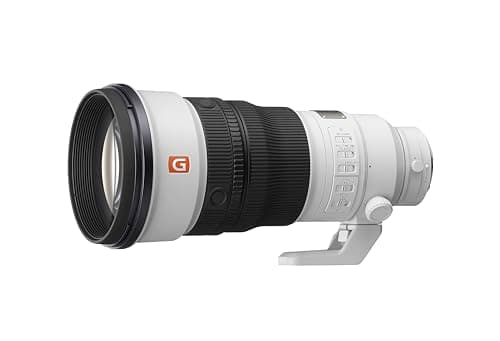
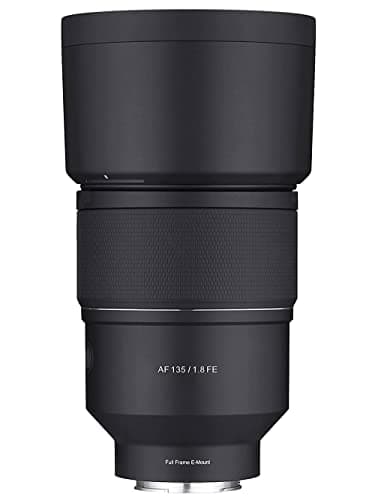
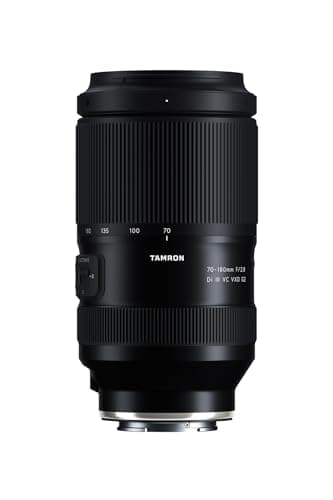
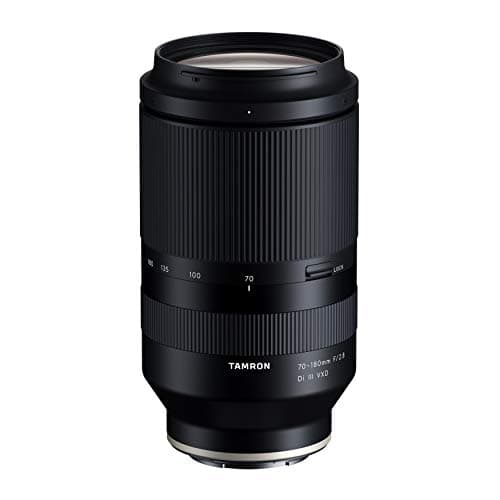
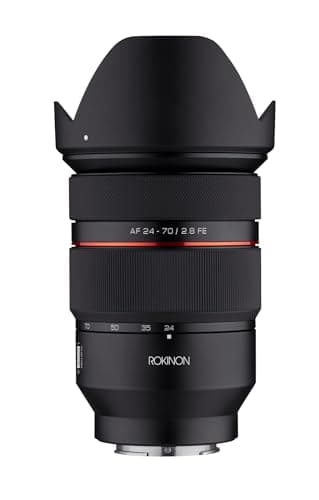
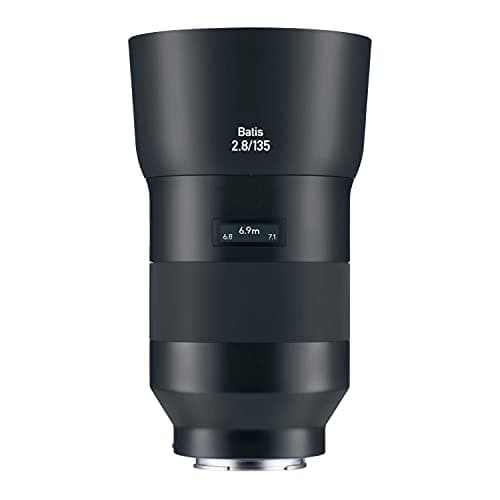
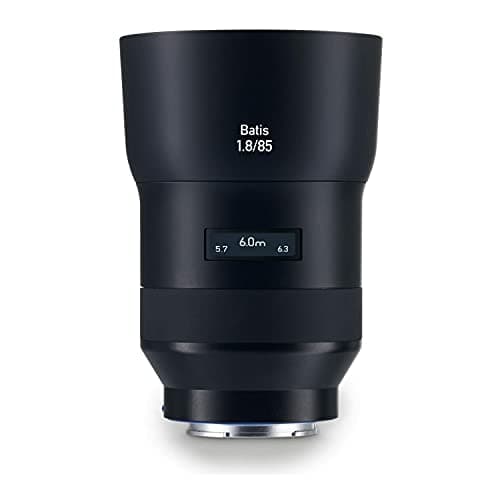
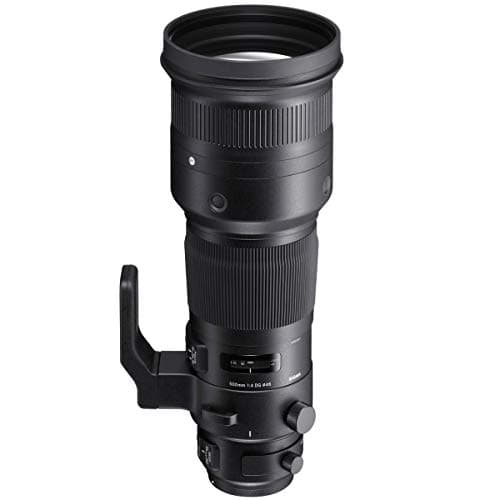
* Product prices and availability are accurate as of the date/time indicated and are subject to change. Any price and availability information displayed on Amazon.com at the time of purchase will apply to the purchase of this product.
* Imaginated.com may receive compensation for purchases made at participating retailers linked on this site. This compensation does not affect what products or prices are displayed, or the order of prices listed. Learn more here.
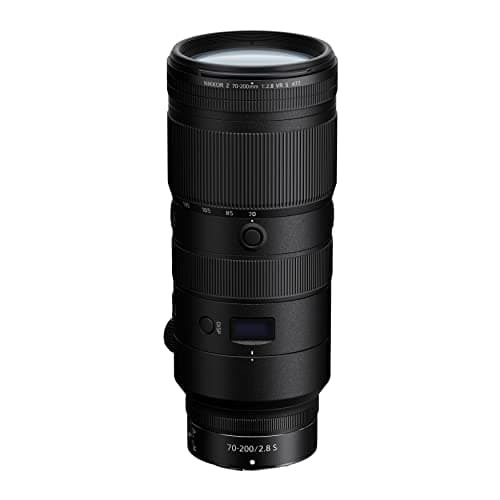
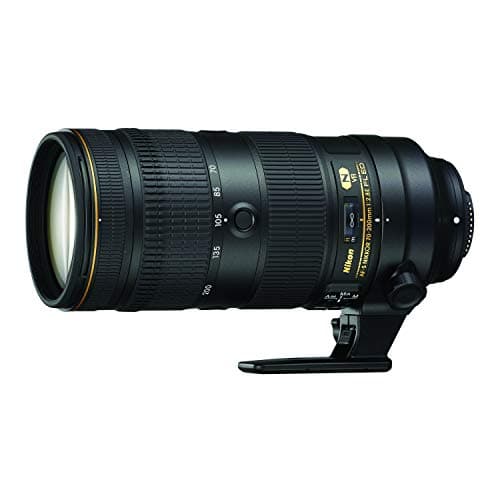
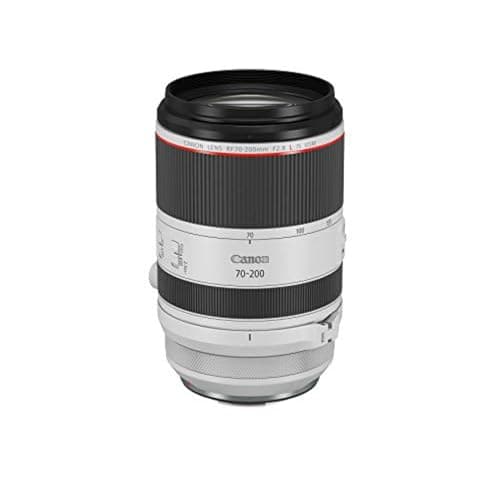
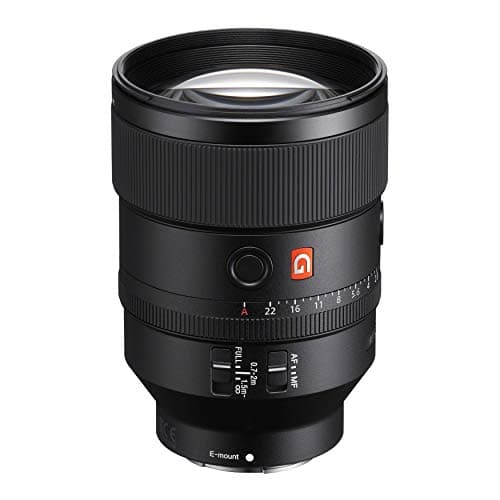
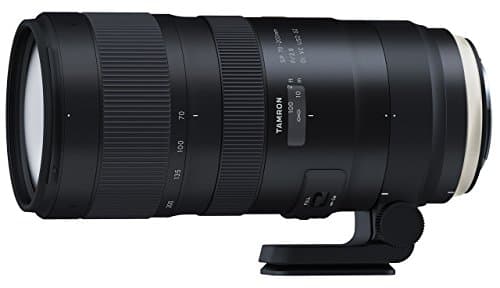
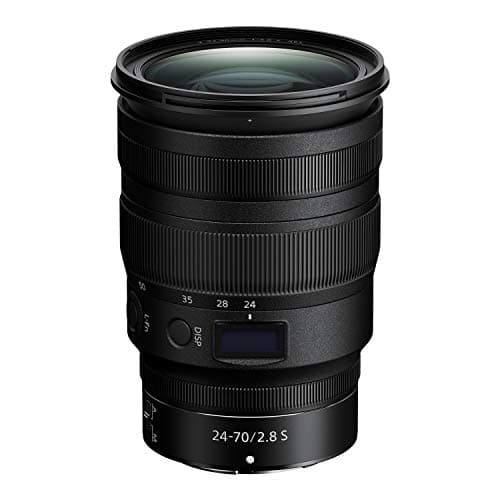
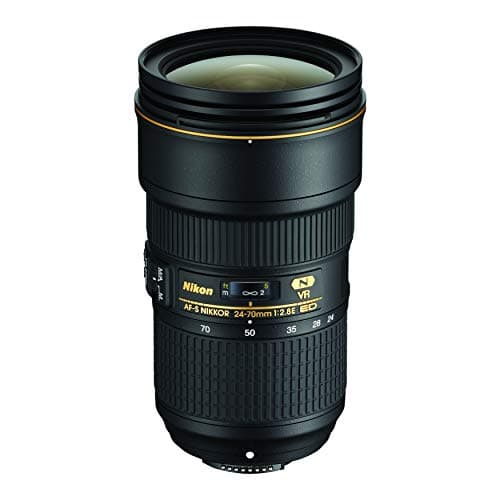
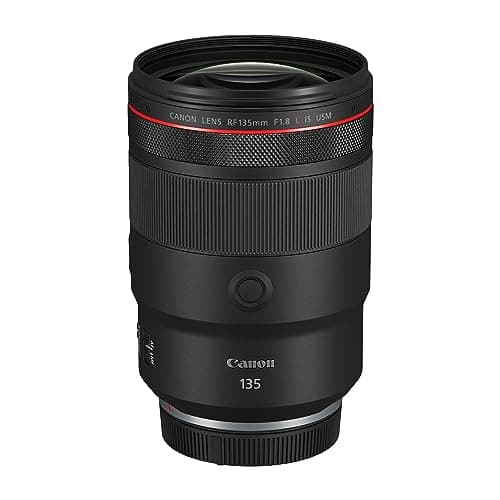
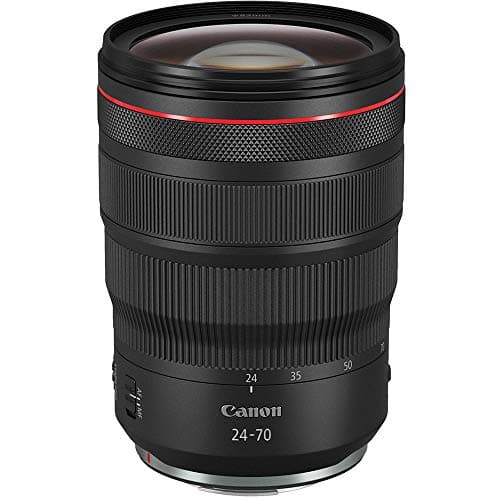
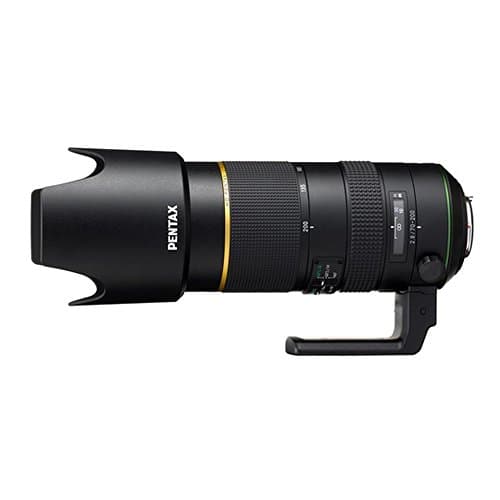
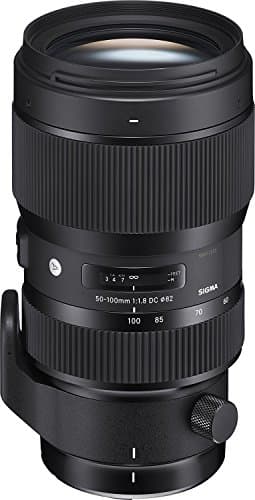
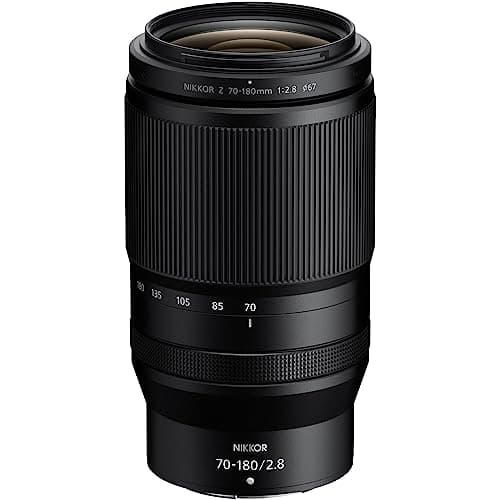
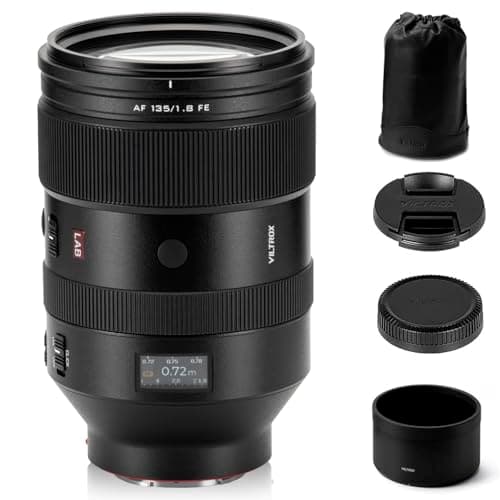
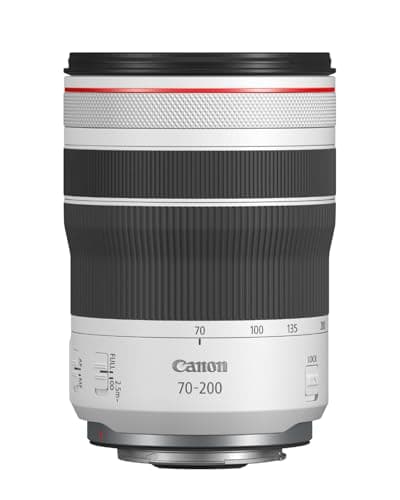
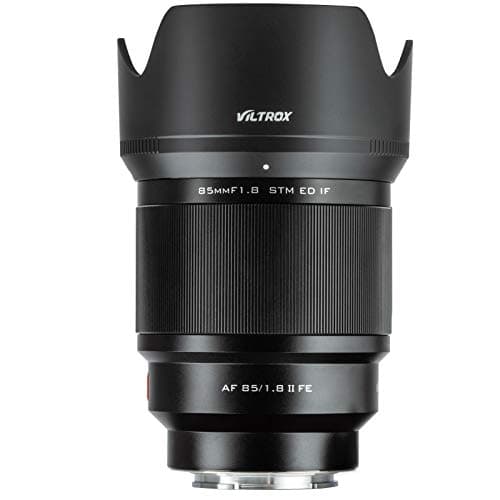
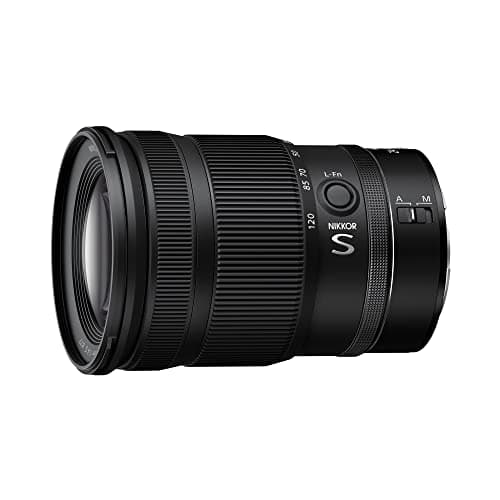
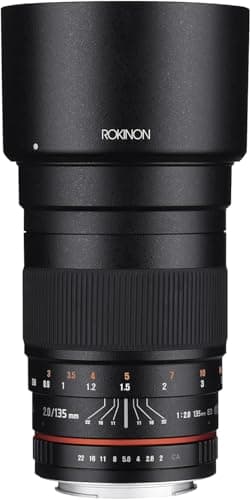
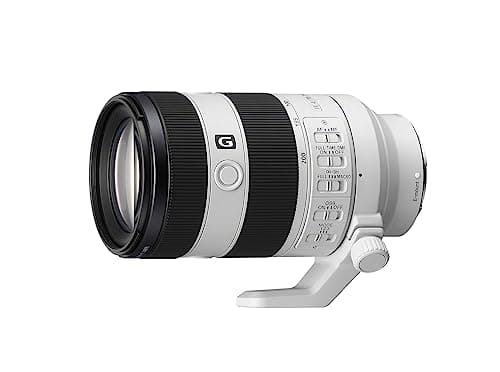
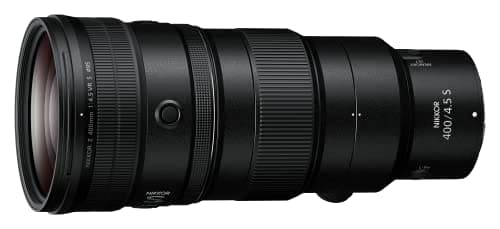
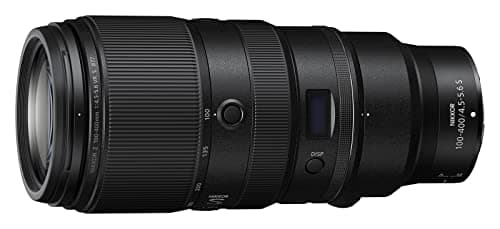
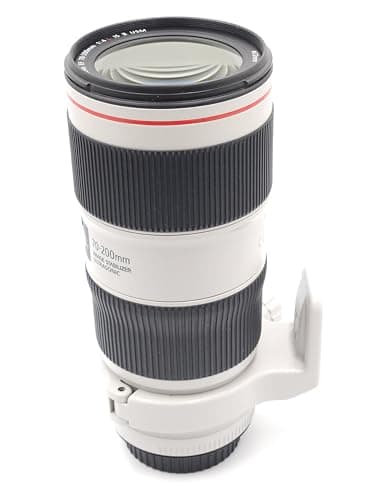
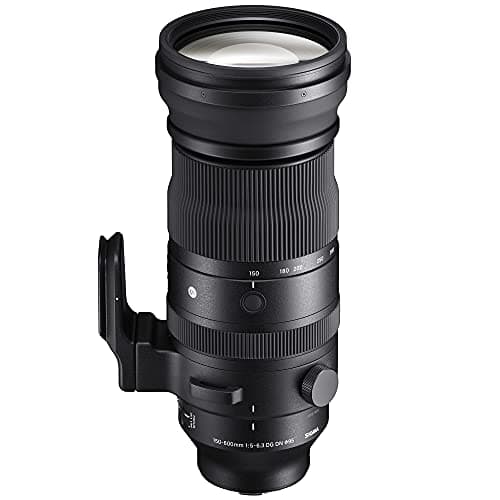
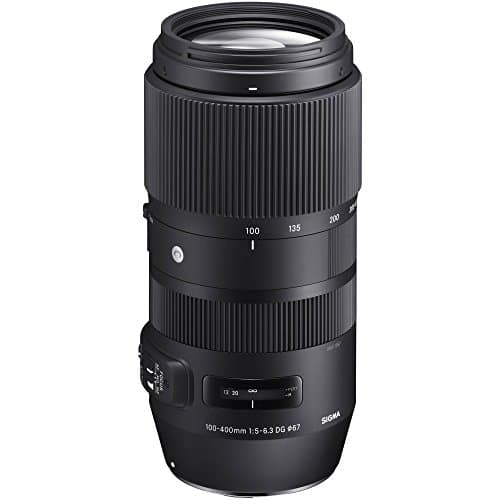
These are the best telephoto lenses for concert photography when you want fast, sticky autofocus, confident low-light performance, and creamy separation for headliners, guitar solos, drummers in the pocket, crowd reactions, and detail B-roll—without crushing ISO or missing fleeting moments—and here’s what to look for as you buy: prioritize speed (ƒ1.2–ƒ2 for primes; constant ƒ2.8 for zooms), reliable stabilization (IS/VR/OSS or strong IBIS pairing) for slower shutter safety between peaks, linear/stepper AF motors that lock under LED and haze, strong flare/ghost control for backlights and lasers, low longitudinal CA to keep magenta/green fringing off chrome mics and cymbals, and breathing compensation if you film; internal focusing and focus limiters cut hunting, weather sealing helps with sweat/confetti/haze, and close-focus lets you frame picks, hands, and pedalboards. Full-frame pit heroes: Sony FE 70–200mm ƒ2.8 GM II (light, blistering AF, gorgeous at 200), Sony FE 135mm ƒ1.8 GM and FE 85mm ƒ1.4 GM (prime speed for dim clubs), Sony FE 100–400mm GM (arena reach with fast AF), and Tamron 70–180mm ƒ2.8 (compact, sharp, budget-savvy); Canon RF 70–200mm ƒ2.8L IS (tiny for class, superb IS), RF 135mm ƒ1.8L IS (stabilized portrait monster for stage), RF 85mm ƒ1.2L (ultimate subject pop if light allows), RF 100–500mm ƒ4.5–7.1L IS (arena flexibility—raise ISO), and adapted EF 70–200mm ƒ2.8L IS II/III or EF 135mm ƒ2L (still concert legends); Nikon Z 70–200mm ƒ2.8 S (stellar optics/VR), Z 85mm ƒ1.2 S and Z 135mm ƒ1.8 S Plena (luxury blur with bite), Z 100–400mm ƒ4.5–5.6 S (big-room reach), and Z 70–180mm ƒ2.8 (compact workhorse); L-mount: Panasonic S 70–200mm ƒ2.8 OIS, Sigma 105mm ƒ1.4 Art and 135mm ƒ1.8 Art (creamy primes), and Sigma 100–400mm DG DN OS (light long end). APS-C and Micro Four Thirds standouts: Fujifilm XF 50–140mm ƒ2.8 OIS (pro pit zoom), XF 90mm ƒ2 (razor prime), XF 70–300mm ƒ4–5.6 OIS (light arena reach), Sigma 56mm ƒ1.4 DC DN (tiny low-light killer); Sony E 70–350mm ƒ4.5–6.3 G OSS (use at brighter shows or for back-of-house angles), plus Sigma 56/1.4 and 85/1.8 FE for portrait-style stage shots; Canon RF-S 55–210mm IS STM (budget tele for well-lit shows, pair with a fast RF 85/2 Macro IS for details); Micro Four Thirds: OM SYSTEM 40–150mm ƒ2.8 PRO (fast, weather-sealed), Panasonic 35–100mm ƒ2.8 II OIS (mini event lens), OM SYSTEM 75mm ƒ1.8 (iconic prime pop). Practical buyer tips: pick a 70–200mm ƒ2.8 if you shoot mixed venues—it covers pits, wings, and backline with speed; add an 85/1.4–135/1.8 for black-box clubs and moody portraits between songs; in arenas, a 100–400/500 extends to drum risers and balcony angles—plan for higher ISO; filter threads matter—carry a clear protector for confetti/crowd surf spray but remove it if it flares; used EF/F-mount 70–200/2.8 and 135/2 primes remain stellar values on adapters; confirm venue rules (first three songs, no flash, lens length limits) and pack quietly. Concert tele shooting tips: run AF-C with face/eye detect, set a focus limiter to avoid hunting past the pit, expose for faces and let highlight blades and LED walls clip gracefully, shoot near wide open then stop 1/3–2/3 stop for eyelash-sharp results, keep shutter speeds honest (≈1/250–1/500s for singers/guitarists; 1/800–1/1000s for drummers and jumps), time bursts to lighting peaks, brace on the pit rail or use a monopod when allowed, watch LED flicker—enable anti-flicker or nudge shutter to friendly multiples, and mind color casts (shoot RAW, set a neutral baseline and batch-sync); for video, follow the 180° rule, enable breathing compensation, use quiet linear AF and a good VND, and ride IBIS/IS for micro-jitter while you shoulder the heavier moments; respect artists/security, stay low and invisible, and plan your moves—when your telephoto combines fast glass, disciplined aberration control, and confident stabilization, your concert frames come back sharp, dramatic, and beautifully alive.
Lenses by brand:
Lenses by price:
Lenses by type:
Lenses by sensor:
Lenses by feature:
Lenses by use case:
- Best Telephoto Lenses for Aerial Photography
- Best Telephoto Lenses for Architectural Photography
- Best Telephoto Lenses for Astrophotography
- Best Telephoto Lenses for Automotive Photography
- Best Telephoto Lenses for Bird Photography
- Best Telephoto Lenses for Cityscape Photography
- Best Telephoto Lenses for Concert Photography
- Best Telephoto Lenses for Fashion Photography
- Best Telephoto Lenses for Food Photography
- Best Telephoto Lenses for Headshot Photography
- Best Telephoto Lenses for Landscape Photography
- Best Telephoto Lenses for Macro Photography
- Best Telephoto Lenses for Nature Photography
- Best Telephoto Lenses for Night Photography
- Best Telephoto Lenses for Portrait Photography
- Best Telephoto Lenses for Product Photography
- Best Telephoto Lenses for Sports Photography
- Best Telephoto Lenses for Street Photography
- Best Telephoto Lenses for Travel Photography
- Best Telephoto Lenses for Wedding Photography
- Best Telephoto Lenses for Wildlife Photography
- Best Telephoto Lenses for Video
Lenses by experience:
Cameras: