
10 Best Telephoto Lenses for Food Photography in 2026
Filters:
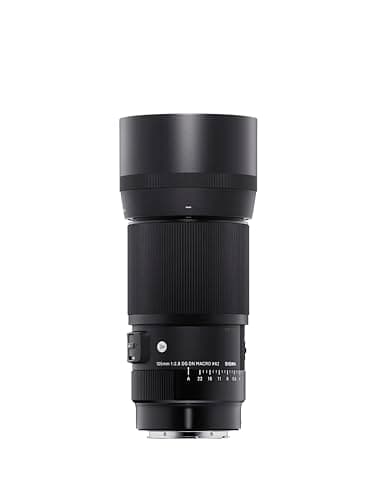
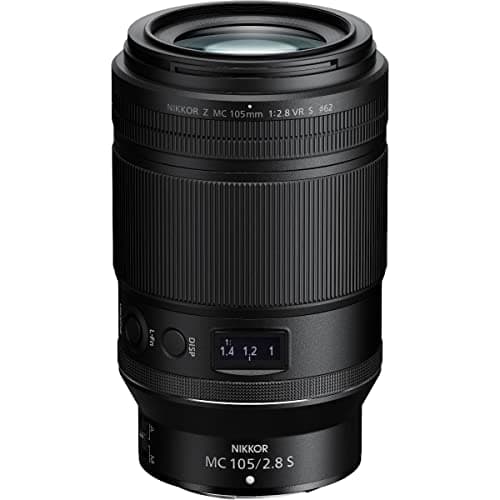
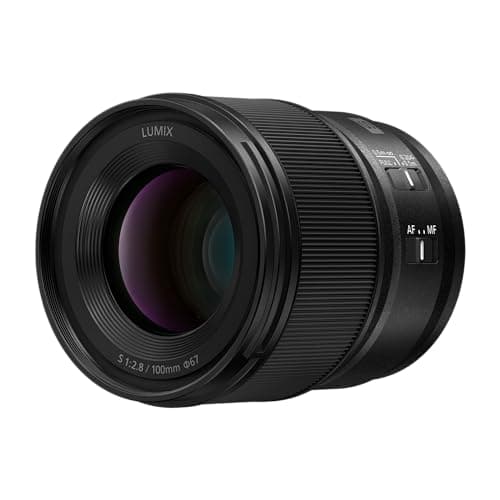
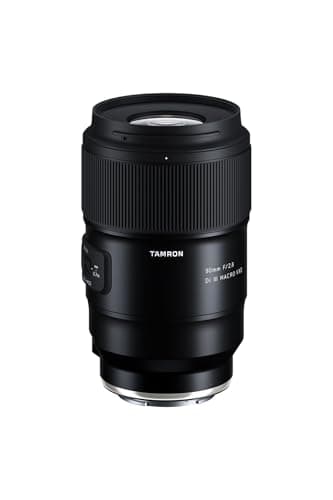
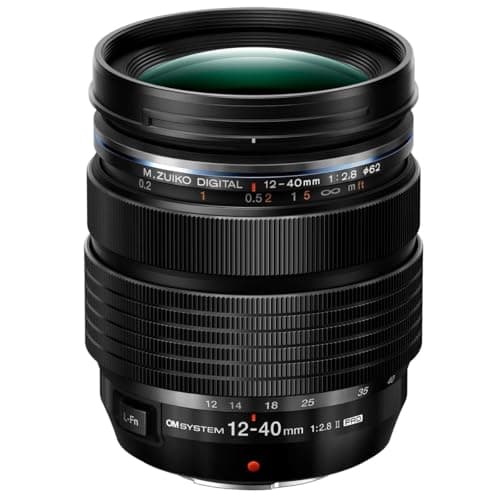
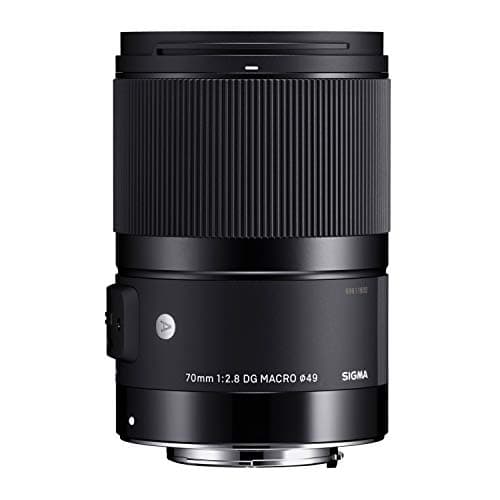
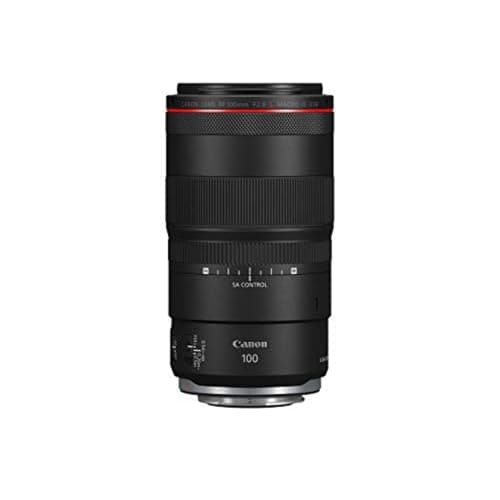
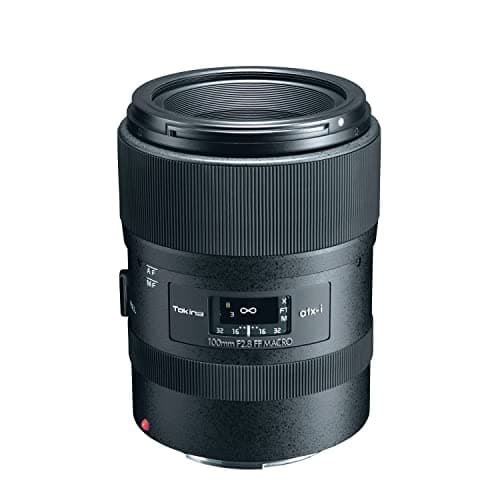
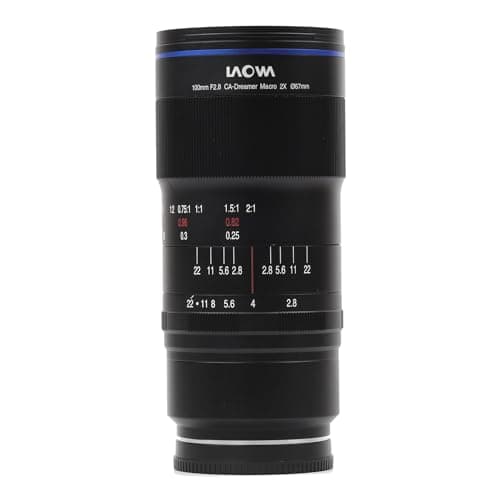
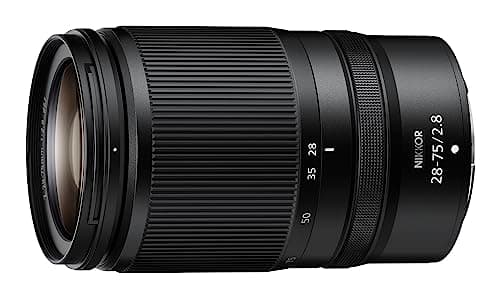
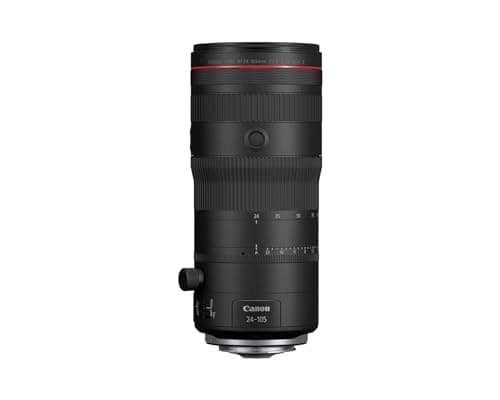
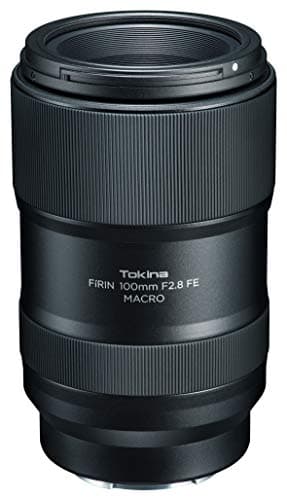
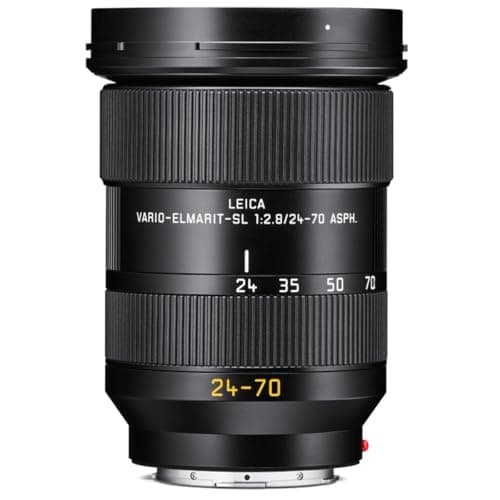
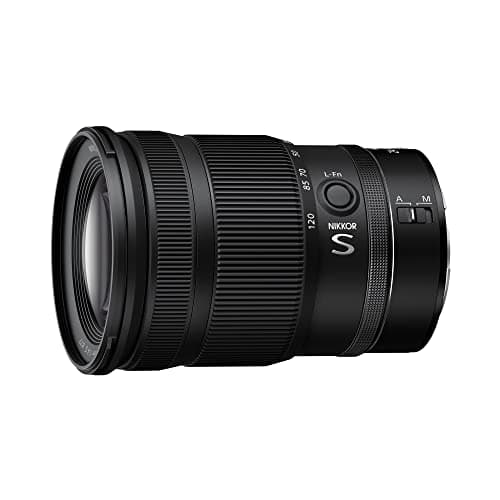
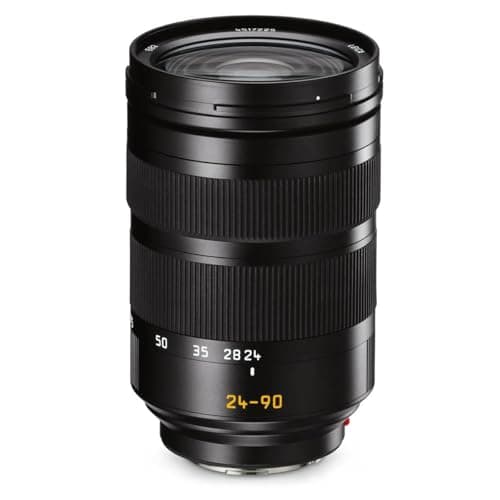
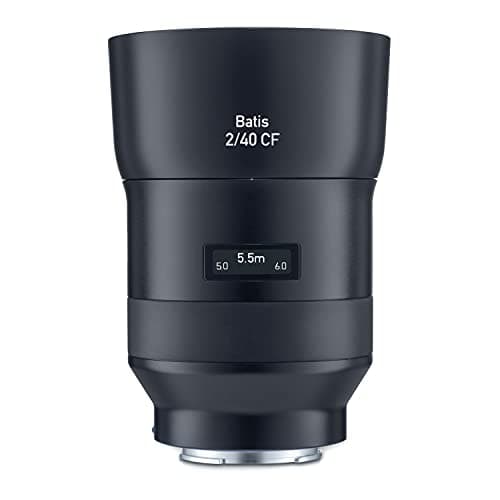
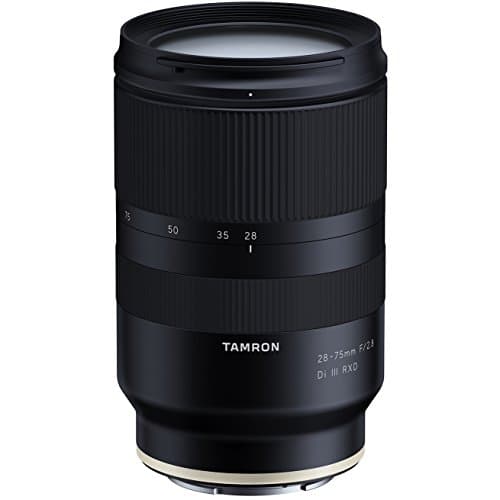
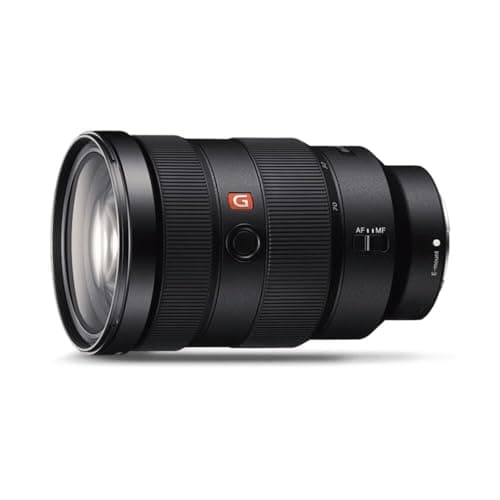
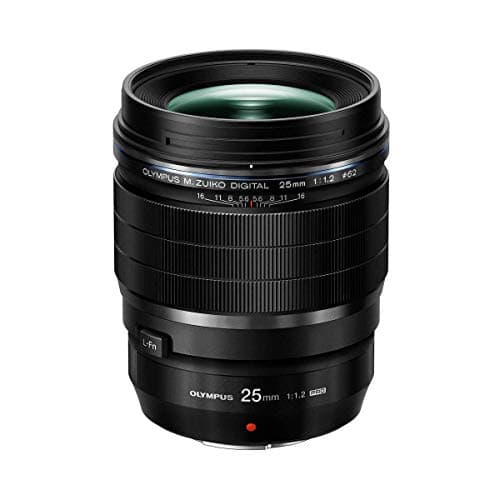
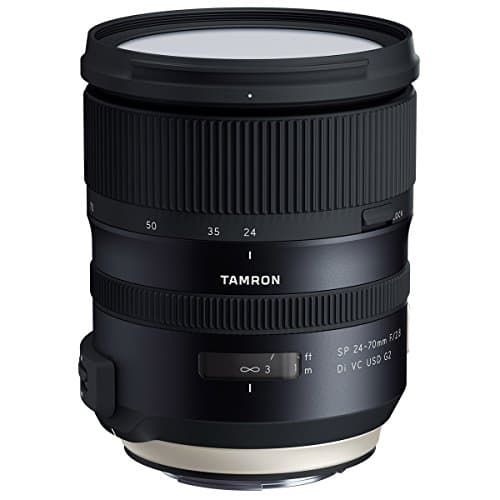
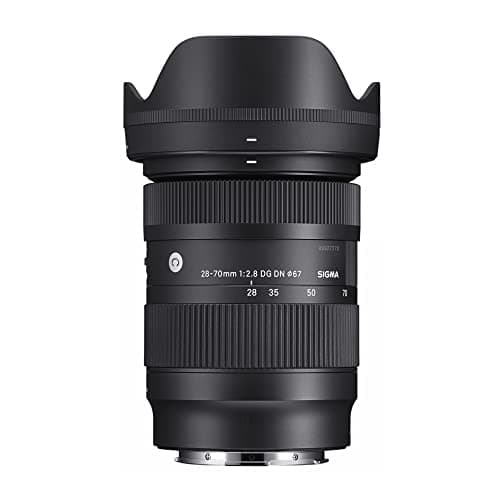
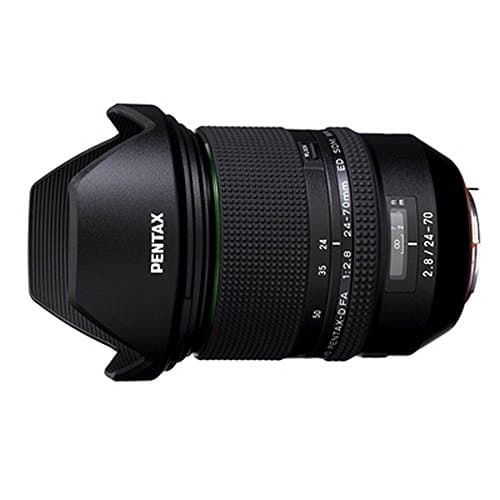
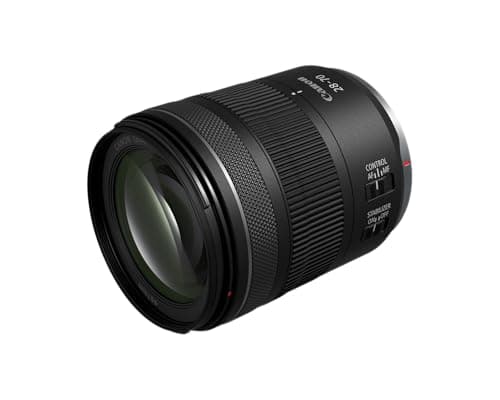
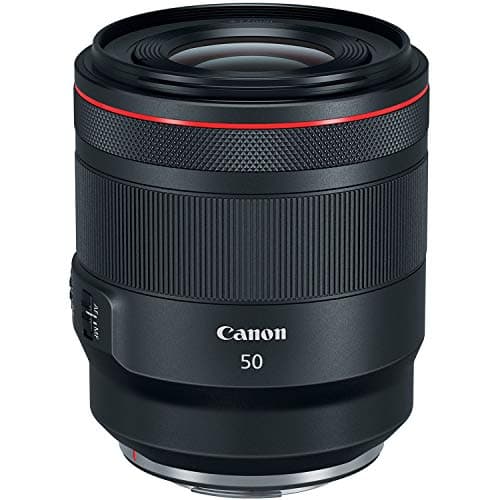
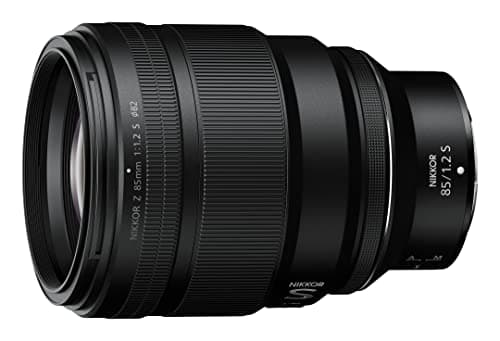
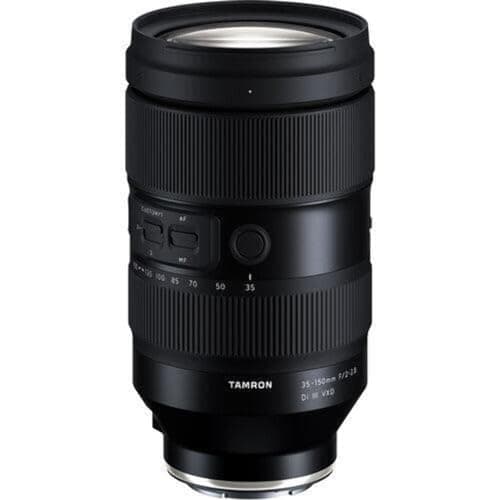
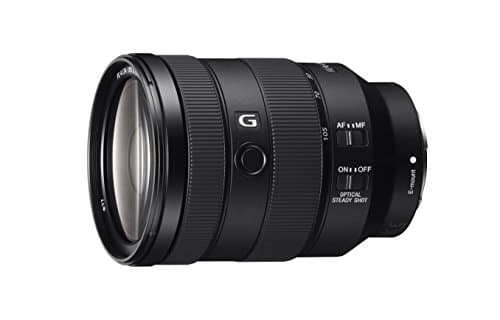
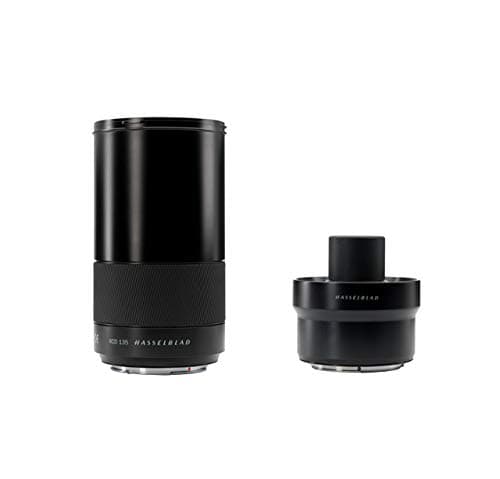
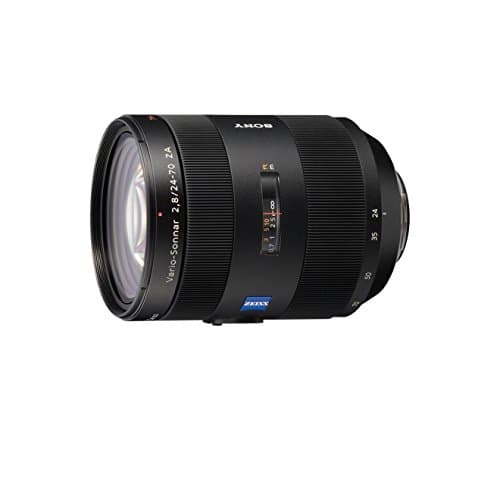
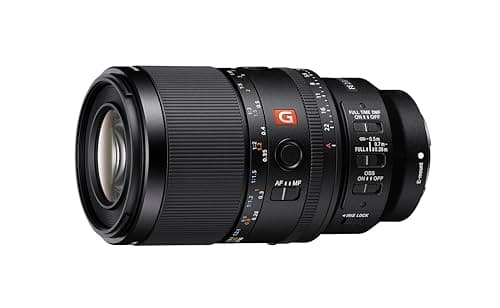
* Product prices and availability are accurate as of the date/time indicated and are subject to change. Any price and availability information displayed on Amazon.com at the time of purchase will apply to the purchase of this product.
* Imaginated.com may receive compensation for purchases made at participating retailers linked on this site. This compensation does not affect what products or prices are displayed, or the order of prices listed. Learn more here.
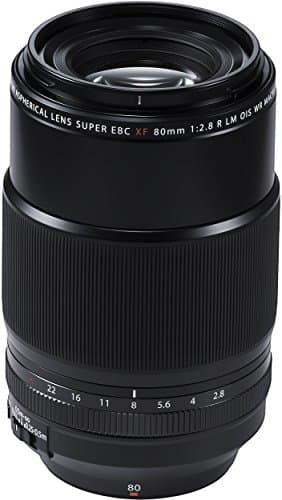
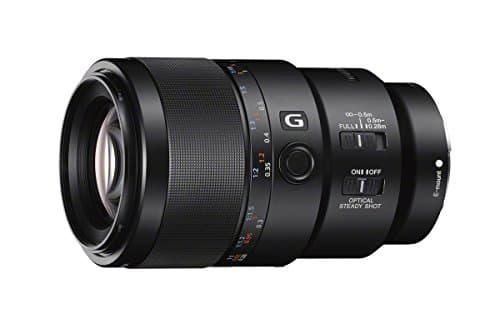
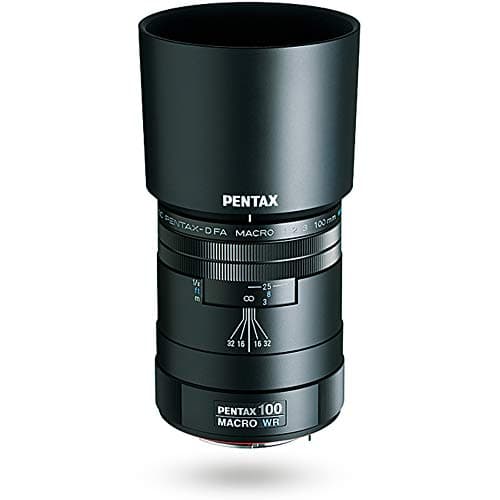
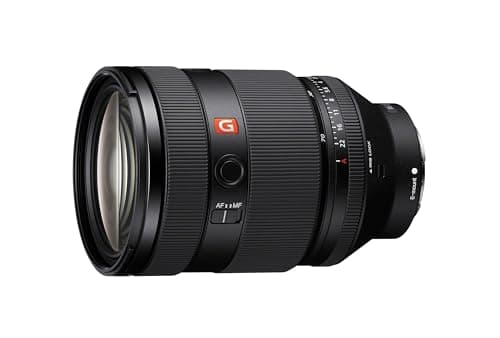
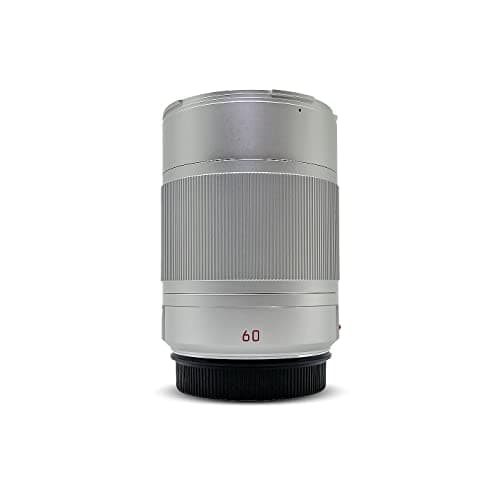
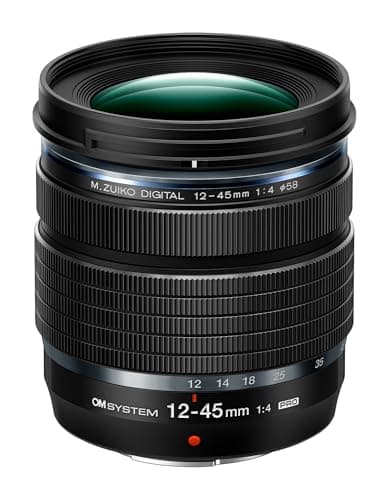
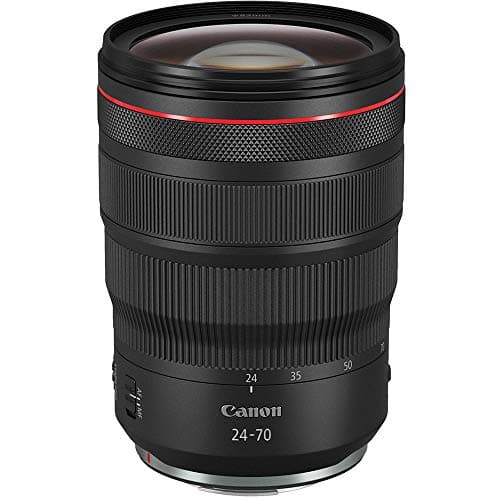
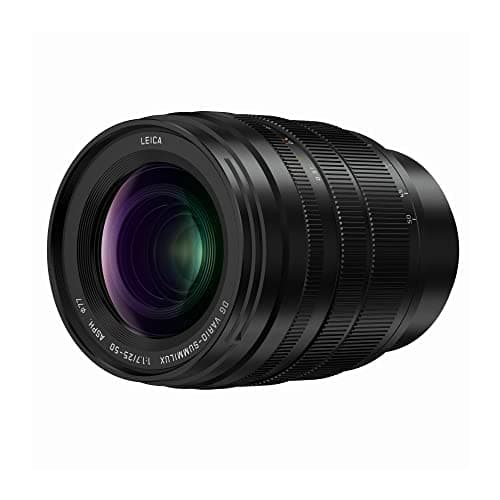
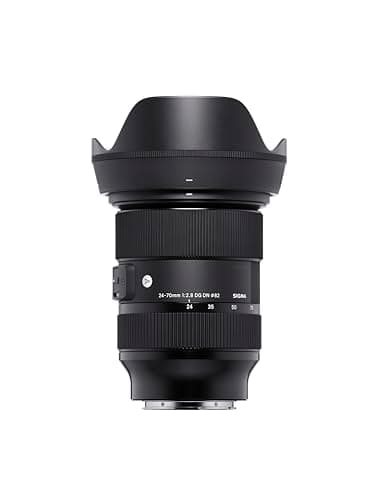
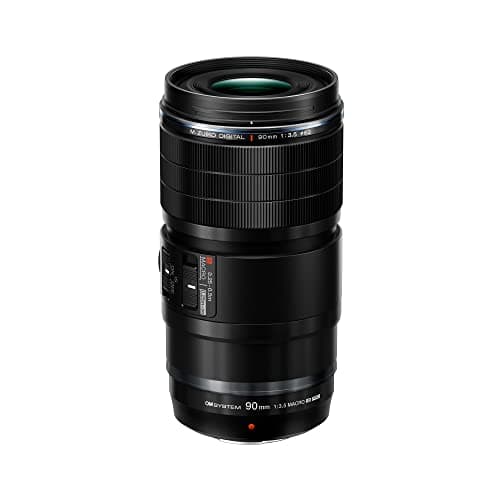
These are the best telephoto lenses for food photography when you want flattering compression, clean color, and creamy backgrounds for plated mains, cocktails, desserts, steam, and ingredient close-ups—without fighting glare or distortion—and here’s what to look for as you buy: prioritize sharp, low-CA optics that keep chrome cutlery and glossy sauces free of magenta/green fringing, strong flare/ghost control for backlights and practicals, rounded diaphragms for smooth bokeh, close-focus or true macro capability for garnish detail, quiet linear/STM AF (video-friendly), and stabilization (IS/VR/OSS or strong IBIS pairing) for hand-held tabletop scenes; 85–135mm primes deliver classic food compression and working room for flags/scrims, while 70–200mm ƒ2.8/ƒ4 zooms cover hero-to-detail without shifting your tripod, and 90/100/105mm macros give flat-field precision for labels, textures, and drips. Full-frame heroes: Sony FE 90mm ƒ2.8 Macro G OSS (benchmark flat-field, calm color, OSS), Sony FE 70–200mm ƒ2.8 GM II (fast, close-focus, gorgeous blur), Sony FE 135mm ƒ1.8 GM (luxury separation for hero dishes), Sigma 105mm ƒ2.8 DG DN Macro Art (mirrorless-optimized, disciplined edges), Sigma 85mm ƒ1.4 DG DN (creamy prime for moody sets); Canon RF 100mm ƒ2.8L Macro IS USM (1.4× reach, Hybrid IS, SA Control to tune highlight glow), RF 70–200mm ƒ2.8L IS / ƒ4L IS (tiny for class, fast AF), RF 135mm ƒ1.8L IS (stabilized pop for hero plates), and adapted EF 100mm ƒ2.8L IS Macro / EF 70–200mm ƒ4L IS II (budget-smart classics); Nikon Z MC 105mm ƒ2.8 VR S (low LoCA, exquisite micro-contrast), Z 70–200mm ƒ2.8 S (stellar optics/VR), Z 135mm ƒ1.8 S Plena (signature bokeh), plus F-mount 105mm Micro VR via FTZ as a value move; L-mount: Panasonic S 70–200mm ƒ2.8 OIS and S 70–300mm OIS (close-focus star), Sigma 105mm Macro DN Art and 85mm ƒ1.4 DN (gorgeous rendering). APS-C standouts: Fujifilm XF 80mm ƒ2.8 OIS WR Macro (pro sharp with OIS), XF 50–140mm ƒ2.8 OIS (run-and-gun sets), XF 90mm ƒ2 (razor prime), Sigma 56mm ƒ1.4 DC DN (short-tele with beautiful blur); Sony E 70–350mm ƒ4.5–6.3 G OSS (use mid-range for food), Sony FE 50mm ƒ2.8 Macro on A6xxx (short-tele FoV, precise), Canon RF-S 55–210mm IS STM (compact detail zoom) plus RF 85mm ƒ2 Macro IS (0.5× hybrid favorite on R bodies), Nikon Z DX 50–250mm VR (surprisingly crisp mid-tele for sets). Micro Four Thirds gems: OM SYSTEM 40–150mm ƒ2.8 PRO / ƒ4 PRO (weather-sealed, studio-friendly), Panasonic 35–100mm ƒ2.8 II OIS (mini tele workhorse), M.Zuiko 60mm ƒ2.8 Macro and 90mm ƒ3.5 Macro IS PRO (flat-field precision and Sync IS), Panasonic Leica 45mm ƒ2.8 Macro OIS (compact, elegant rendering). Practical buyer tips: pick a ~100mm macro for labels, crumbs, and garnish at 1:1, add an 85/135 prime for hero plates with plush blur, and keep a 70–200 for flexible framing without moving lights; prioritize lenses with close-focus and low LoCA to keep highlights on glassware and sauces clean; standardize filter diameters to run one high-quality CPL (use lightly to control reflections on glazes/plates) and a diffusion or mist filter for mood; used DSLR 100mm macros and 70–200 ƒ4 IS zooms remain exceptional value on mirrorless via adapters. Food tele shooting tips: build a large, soft key (scrim/umbrella) and add negative fill for shape, backlight liquids for sparkle and steam, rotate a CPL carefully to tame plate glare without killing appetizing sheen, shoot near wide open then stop 1/3–2/3 stop for micro-contrast on garnish, keep shutter speeds honest (≈1/125–1/250s handheld; slower with solid IS on static sets), lock white balance for color consistency across courses, use flags to control speculars on cutlery, and mind perspective—tele compression flattens nicely but keep plate angle believable; for video, follow the 180° shutter rule, enable breathing compensation, use quiet AF and a slim VND, and make slow, stable moves on a slider; clean the set constantly—crumbs, fingerprints, and streaks read huge at tele distances—so your dishes look luscious, crisp, and premium.
Lenses by brand:
Lenses by price:
Lenses by type:
Lenses by sensor:
Lenses by feature:
Lenses by use case:
- Best Telephoto Lenses for Aerial Photography
- Best Telephoto Lenses for Architectural Photography
- Best Telephoto Lenses for Astrophotography
- Best Telephoto Lenses for Automotive Photography
- Best Telephoto Lenses for Bird Photography
- Best Telephoto Lenses for Cityscape Photography
- Best Telephoto Lenses for Concert Photography
- Best Telephoto Lenses for Fashion Photography
- Best Telephoto Lenses for Food Photography
- Best Telephoto Lenses for Headshot Photography
- Best Telephoto Lenses for Landscape Photography
- Best Telephoto Lenses for Macro Photography
- Best Telephoto Lenses for Nature Photography
- Best Telephoto Lenses for Night Photography
- Best Telephoto Lenses for Portrait Photography
- Best Telephoto Lenses for Product Photography
- Best Telephoto Lenses for Sports Photography
- Best Telephoto Lenses for Street Photography
- Best Telephoto Lenses for Travel Photography
- Best Telephoto Lenses for Wedding Photography
- Best Telephoto Lenses for Wildlife Photography
- Best Telephoto Lenses for Video
Lenses by experience:
Cameras: