
10 Best Telephoto Lenses for Cityscape Photography in 2026
Filters:
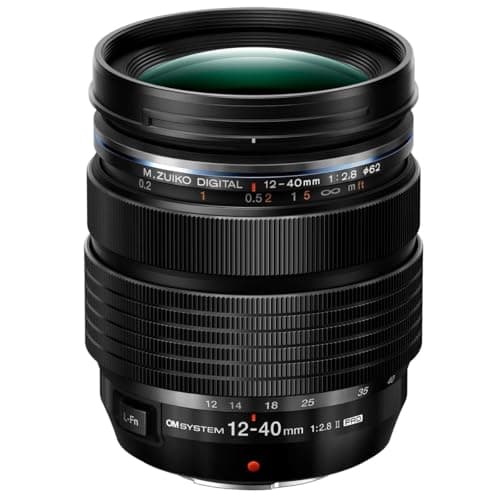
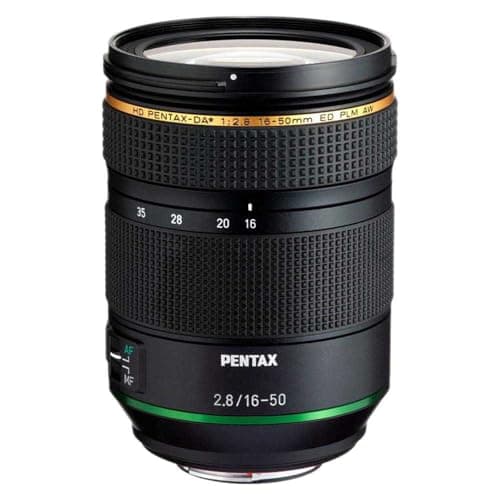
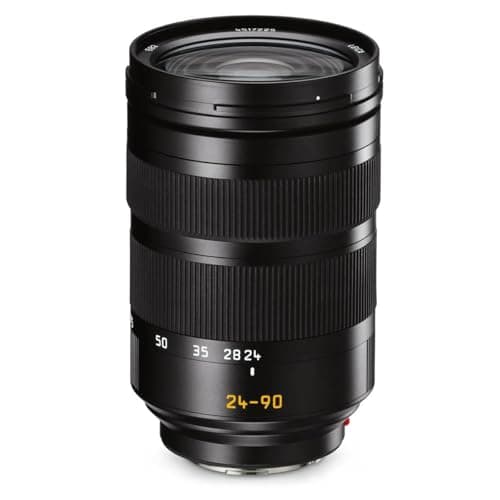
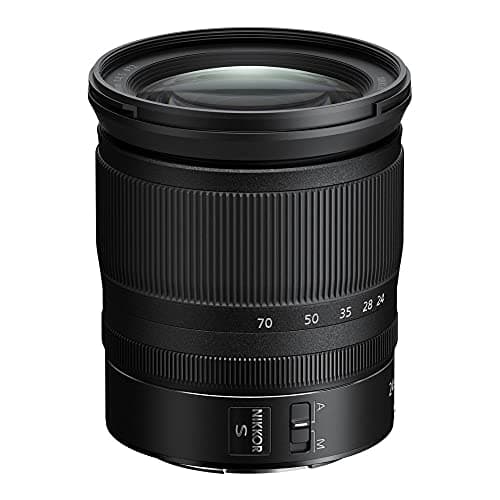
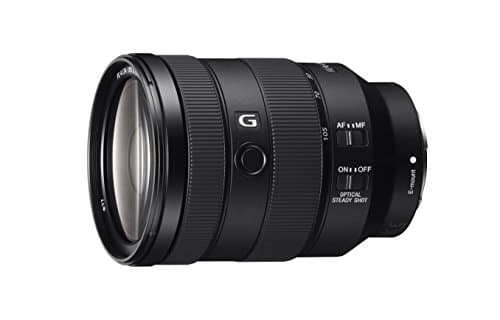
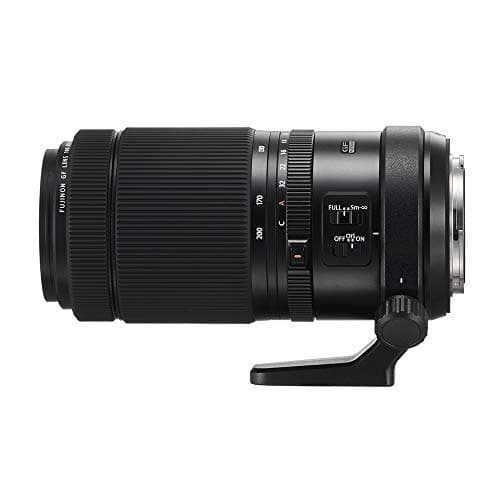
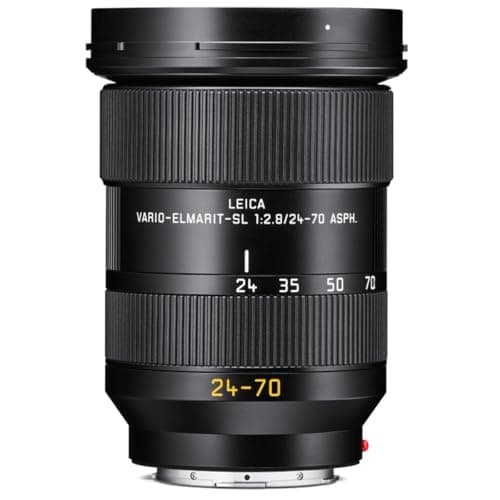
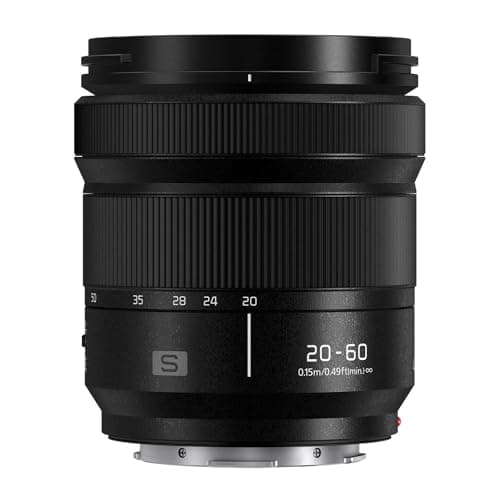
* Product prices and availability are accurate as of the date/time indicated and are subject to change. Any price and availability information displayed on Amazon.com at the time of purchase will apply to the purchase of this product.
* Imaginated.com may receive compensation for purchases made at participating retailers linked on this site. This compensation does not affect what products or prices are displayed, or the order of prices listed. Learn more here.
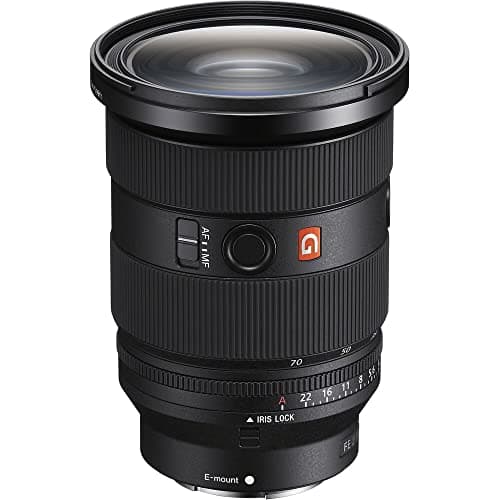
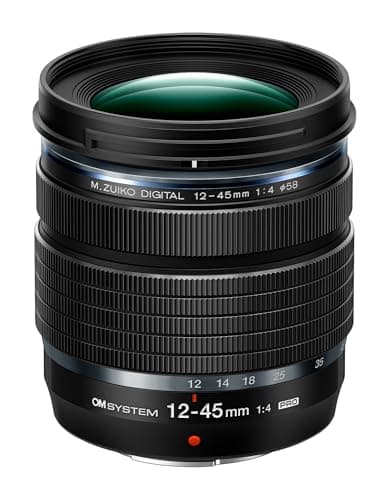
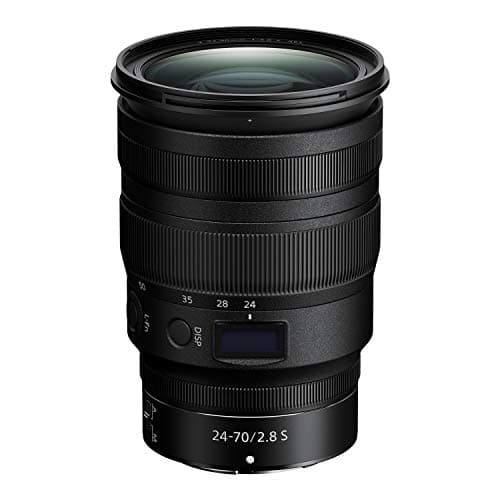
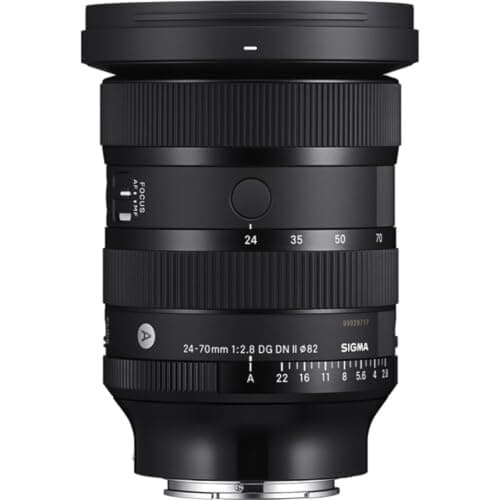
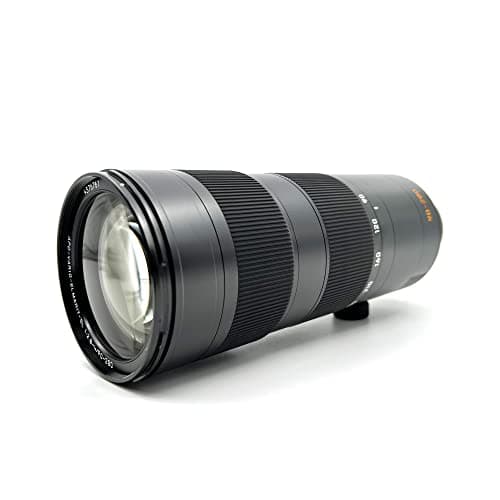
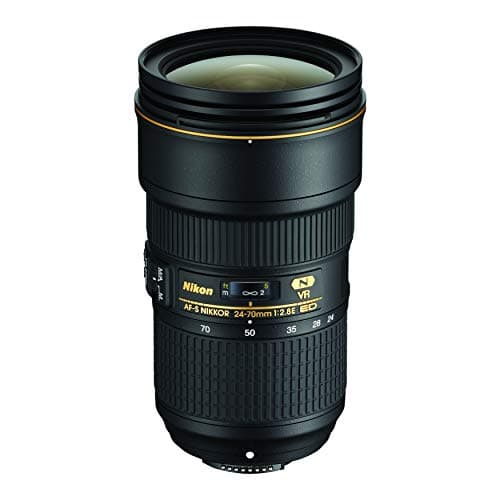
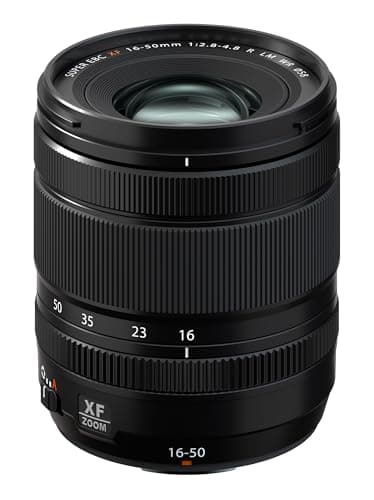
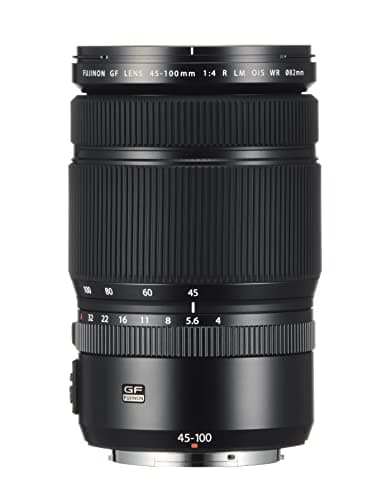
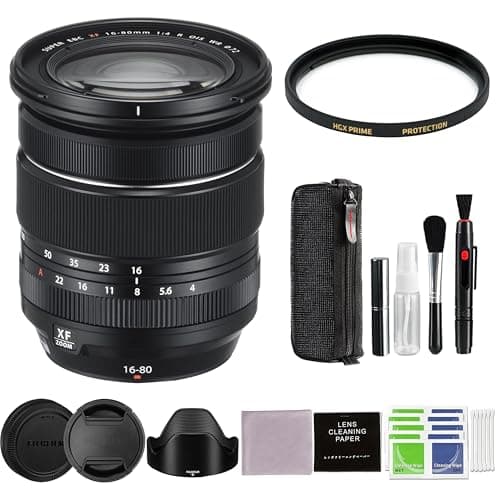
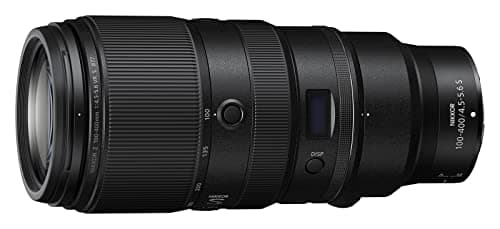
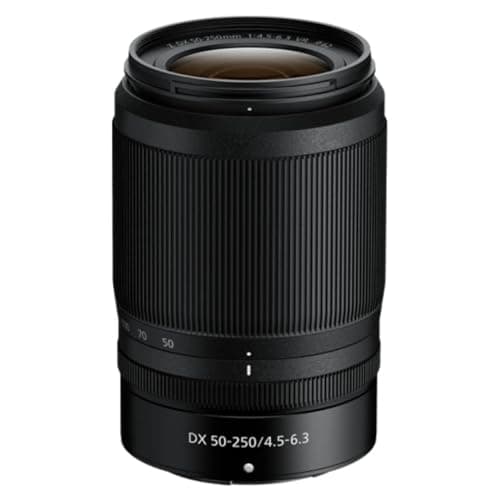
These are the best telephoto lenses for cityscape photography when you want compressed skylines, clean edges, disciplined flare control, and micro-contrast for bridges, towers, rooftops, waterfronts, and graphic details—without warped lines—and here’s what to look for as you buy: prioritize low distortion, strong corner sharpness at mid apertures, excellent flare/ghost resistance for point lights, fast and accurate AF at infinity, a tripod collar on longer glass for balance, and weather sealing for wind, mist, and rooftop grit; stabilization helps for scouting/handheld dusk frames, but a sturdy tripod and remote/2–5s timer beat IS for final images; pick focal length by distance—85–135mm for skyline layers from overlooks, 70–200mm for varied compression and bridge spans, 100–400mm for tight landmark crops from across rivers/harbors, and 300–600mm when you want window grids and architectural typography from miles away. Full-frame standouts: tilt/shift tele options for perspective control like Canon TS-E 90mm ƒ2.8L Macro and TS-E 135mm ƒ4L Macro, Nikon PC-E 85mm ƒ2.8D Micro, and Laowa shift lenses if you need plane alignment; zoom workhorses with tidy geometry and strong flare handling—Sony FE 70–200mm ƒ2.8 GM II or ƒ4 G II (great close-focus for signage), FE 100–400mm GM (disciplined long end), FE 200–600mm G (use mid-range for shimmer control), Canon RF 70–200mm ƒ2.8L/ƒ4L IS (tiny, sharp), RF 100–500mm ƒ4.5–7.1L IS (versatile waterfront killer), Nikon Z 70–200mm ƒ2.8 S (stellar corners), Z 100–400mm ƒ4.5–5.6 S (fast AF, low distortion), Panasonic S 70–200mm ƒ2.8 OIS and S 70–300mm ƒ4.5–5.6 OIS (balanced, close-focus), Sigma 100–400mm ƒ5–6.3 DG DN OS (light, precise); primes for minimal distortion and bite—Sony FE 135mm ƒ1.8 GM, Canon RF 135mm ƒ1.8L IS, Nikon Z 135mm ƒ1.8 S Plena, classic EF 200mm ƒ2.8L II and Nikon 180mm ƒ2.8 ED for budget-friendly compression. APS-C and Micro Four Thirds standouts: Fujifilm XF 50–140mm ƒ2.8 OIS (pro build, low distortion), XF 70–300mm ƒ4–5.6 OIS (TC-friendly reach), XF 55–200mm ƒ3.5–4.8 OIS (lovely rendering); Sony E 70–350mm ƒ4.5–6.3 G OSS (sharp long end for skyline layers), Canon RF-S 55–210mm IS STM (compact detail grabber), Nikon Z DX 50–250mm VR (surprisingly crisp, great value); Micro Four Thirds: OM SYSTEM 40–150mm ƒ2.8 PRO and 40–150mm ƒ4 PRO (weather-sealed, crisp geometry), Panasonic 35–100mm ƒ2.8 II OIS and Leica 50–200mm ƒ2.8–4 OIS (balanced, excellent flare control), plus Leica 100–400mm for ultra-long city compression in a backpackable package. Practical buyer tips: choose a 70–200mm if you want one-lens flexibility for overlooks and bridge lines, step to a 100–400/500 when you regularly shoot from across water or hills, and pack a 135/200mm prime when you crave minimal distortion and maximum bite; internal-zoom designs handle wind better on rooftops, and tripod collars on longer lenses improve balance and vibration control; standardize filter sizes for a high-quality CPL (use lightly to avoid blotchy skies) and a soft-edge ND or 3-stop grad for sunset balance; used EF/F-mount 70–200 ƒ4 IS, 100–400 II, and 135/2 primes remain geometry-honest bargains via adapters. Cityscape tele shooting tips: keep your sensor plane parallel to the skyline to avoid keystone, shoot at mid apertures (≈ƒ5.6–ƒ8 FF; ≈ƒ4–ƒ5.6 APS-C/MFT) for edge discipline, use a sturdy tripod with 2–5s timer/electronic first curtain to kill micro-shake, focus just shy of infinity or on a bright edge and lock, bracket exposures for highlight signage and blend later, watch heat shimmer on long shots (shoot earlier/later or shorten distance rather than cranking focal length), flag stray light with a tiny hood/hand to prevent veiling flare, and consider stitched panos with a 100–200mm for enormous detail and clean geometry; for night cityscapes, turn off lens IS on a locked tripod, shield the front element from wind, and use lower ISOs with multiple short stacks to keep star-like streetlights crisp. Whether you’re compressing a skyline across a bay, isolating copper spires and bridge cables, or carving graphic grids from a rooftop, the best telephoto lenses for cityscape photography combine low distortion, strong flare resistance, and corner discipline—so lines stay straight, lights sparkle clean, and your urban layers feel epic and meticulously resolved.
Lenses by brand:
Lenses by price:
Lenses by type:
Lenses by sensor:
Lenses by feature:
Lenses by use case:
- Best Telephoto Lenses for Aerial Photography
- Best Telephoto Lenses for Architectural Photography
- Best Telephoto Lenses for Astrophotography
- Best Telephoto Lenses for Automotive Photography
- Best Telephoto Lenses for Bird Photography
- Best Telephoto Lenses for Cityscape Photography
- Best Telephoto Lenses for Concert Photography
- Best Telephoto Lenses for Fashion Photography
- Best Telephoto Lenses for Food Photography
- Best Telephoto Lenses for Headshot Photography
- Best Telephoto Lenses for Landscape Photography
- Best Telephoto Lenses for Macro Photography
- Best Telephoto Lenses for Nature Photography
- Best Telephoto Lenses for Night Photography
- Best Telephoto Lenses for Portrait Photography
- Best Telephoto Lenses for Product Photography
- Best Telephoto Lenses for Sports Photography
- Best Telephoto Lenses for Street Photography
- Best Telephoto Lenses for Travel Photography
- Best Telephoto Lenses for Wedding Photography
- Best Telephoto Lenses for Wildlife Photography
- Best Telephoto Lenses for Video
Lenses by experience:
Cameras: