
10 Best Zoom Lenses for Portrait Photography in 2026
Name | Features | Price |
|---|---|---|
Tamron 35-150mm F2-2.8 Di III VXD⭐ 5.0 / 5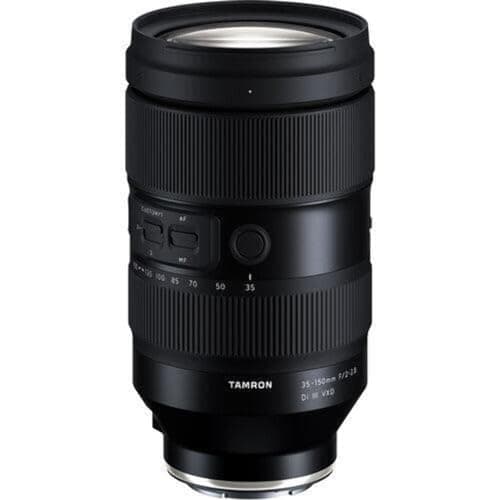 | ||
Name | Features | Price |
Tamron SP 70-200mm F2.8 Di VC USD G2⭐ 5.0 / 5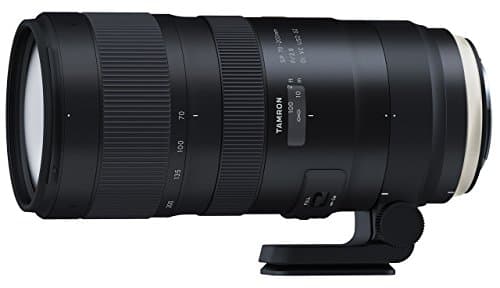 | ||
Name | Features | Price |
Sigma 50-100mm F1.8 DC HSM Art⭐ 4.9 / 5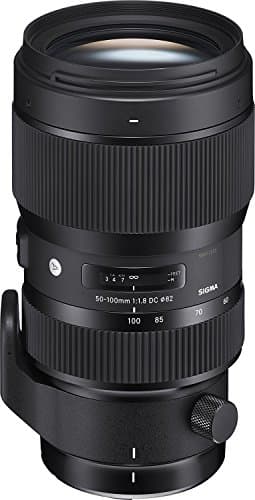 | ||
Name | Features | Price |
Nikon AF-S Nikkor 70-200mm F2.8E FL ED VR⭐ 4.9 / 5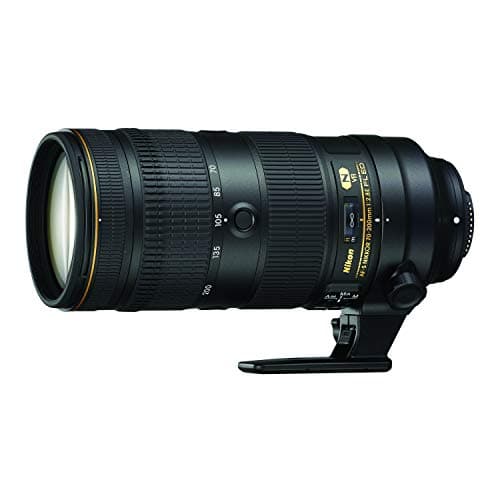 | ||
Name | Features | Price |
Canon RF 70-200mm F2.8L IS USM⭐ 4.9 / 5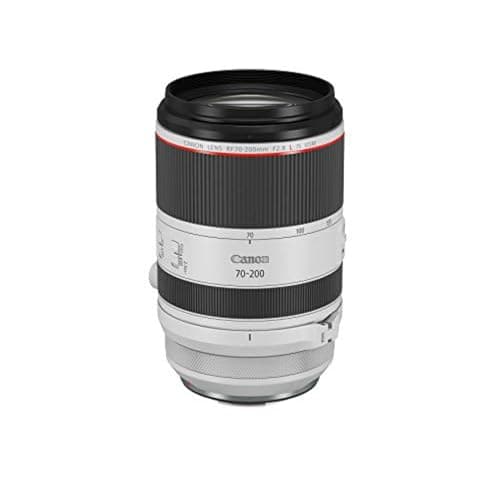 | ||
Name | Features | Price |
Sigma 70-200mm F2.8 DG DN OS Sports⭐ 4.9 / 5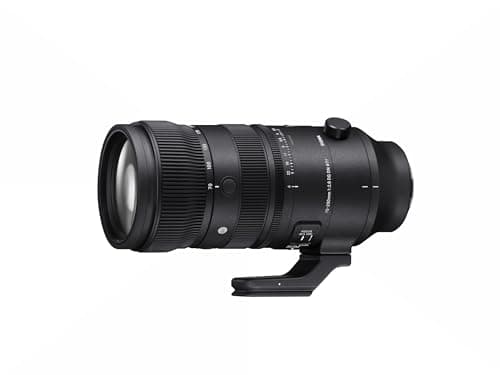 | ||
Name | Features | Price |
Canon RF 70-200mm F2.8 L IS USM Z⭐ 4.9 / 5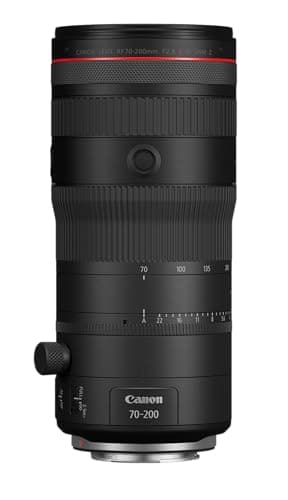 | ||
Name | Features | Price |
Panasonic Lumix S Pro 70-200 F2.8 O.I.S.⭐ 4.9 / 5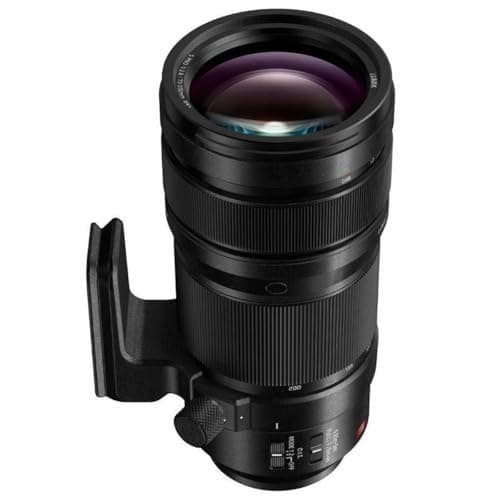 | ||
Name | Features | Price |
Sony FE 28-70mm F2 GM⭐ 4.9 / 5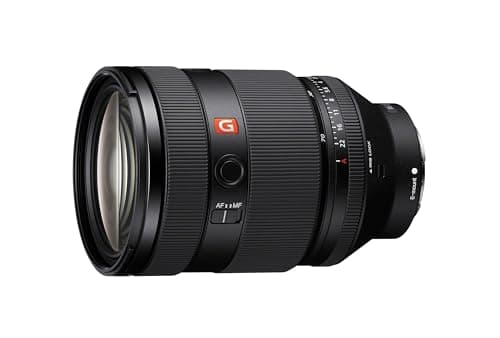 | ||
Name | Features | Price |
Canon RF 28-70mm F2L USM⭐ 4.9 / 5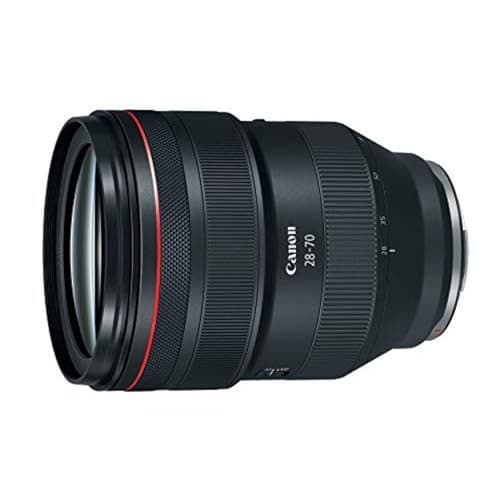 |
* Product prices and availability are accurate as of the date/time indicated and are subject to change. Any price and availability information displayed on Amazon.com at the time of purchase will apply to the purchase of this product.
* Imaginated.com may receive compensation for purchases made at participating retailers linked on this site. This compensation does not affect what products or prices are displayed, or the order of prices listed. Learn more here.
These are the best zoom lenses for portrait photography when you want flattering compression, razor-sharp eyes, creamy yet controlled bokeh, fast reliable Eye AF, and consistent color from studio to golden hour—whether you’re shooting headshots, couples, editorial fashion, lifestyle sets, or candid events—and here’s what to look for as you buy: prioritize telephoto ranges for compression (full-frame 70–200mm sweet spot; 100–300mm for tighter looks), constant ƒ2.8 (or brighter) for separation and confident AF, round diaphragms that stay circular a stop or two down, disciplined axial CA around hair highlights and jewelry, minimal focus breathing if you film, quiet linear/STM motors for smooth transitions, effective stabilization that plays nicely with IBIS, close-focus for bigger bokeh at the same framing, and matched lens families for consistent color; standardized 77/82mm fronts make one diffusion/VND cover the set. Full-frame portrait zoom heroes: Sony FE 70–200mm ƒ2.8 GM OSS II (silky rendering and tack AF), Sony FE 70–200mm ƒ4 G OSS II (lighter with astonishing close-focus), Canon RF 70–200mm ƒ2.8L IS and ƒ4L IS (compact, superb IS), Nikon Z 70–200mm ƒ2.8 VR S (razor micro-contrast), Sigma 70–200mm ƒ2.8 DG DN OS (modern optics, strong value), Tamron 70–180mm ƒ2.8 (featherweight tele look), plus creative reach like Canon RF 100–300mm ƒ2.8L IS for luxe compression and “airy” outdoor options such as Sony FE 100–400mm GM / Nikon Z 100–400mm S / Sigma 100–400mm DG DN used long for background melt; standard zooms for full-body/editorial—Sony FE 24–70mm ƒ2.8 GM II, Canon RF 24–70mm ƒ2.8L IS, Nikon Z 24–70mm ƒ2.8 S, Sigma 24–70mm ƒ2.8 DG DN (all prime-sharp with clean flare) and one-lens days like Sony FE 24–105mm ƒ4 G OSS, Canon RF 24–105mm ƒ4L IS, Nikon Z 24–120mm ƒ4 S (great color/IS for lifestyle); wildcard favorite—Tamron 35–150mm ƒ2–2.8 (portrait-to-tele without swapping). APS-C standouts: Fujifilm XF 50–140mm ƒ2.8 OIS WR (the 70–200-eq portrait staple), XF 55–200mm ƒ3.5–4.8 and XF 70–300mm ƒ4–5.6 OIS (elegant outdoor compression), Sony E 16–55mm ƒ2.8 G for environmental portraits and E 70–350mm ƒ4.5–6.3 G OSS for long-end blur, Sigma 18–50mm ƒ2.8 DC DN (tiny, sharp) and Tamron 17–70mm ƒ2.8 VC (fast + stabilized) for hybrid work, Canon RF-S 18–150mm ƒ3.5–6.3 IS as a light travel portrait option paired with a fast prime. Micro Four Thirds picks that punch above size: OM SYSTEM 40–150mm ƒ2.8 Pro (80–300-eq tele look), Panasonic 35–100mm ƒ2.8 (tiny, smooth OIS), OM 12–100mm ƒ4 IS Pro (Sync IS king for handheld corporate sets), plus Panasonic Leica 50–200mm ƒ2.8–4 (compact reach with pleasing rendering); 12–35mm/12–40mm ƒ2.8 cover full-body/editorial with prime-like crispness. Practical buyer tips: build a two-zoom spine—(24–70/2.8 for context + 70–200/2.8 for classic compression) or go lighter with the ƒ4 versions and carry one fast prime for ultra-blur; standardize 77/82mm fronts so one subtle diffusion (Black Mist/Glimmer 1/8–1/4) and a clear protector cover the set; favor lenses with strong LoCA control to prevent magenta/green fringing in hair highlights; if you film, pick low-breathing designs, declickable or well-damped apertures, and enable breathing compensation where supported. Field technique that keeps faces flattering and files clean: position the camera slightly above eye line, keep it roughly level to avoid nose/chin distortion, and work between ~100–200mm for head-and-shoulders—step to frame rather than dipping too wide; shoot near wide open for mood, then stop 1/3–2/3 stop for eyelash-sharp eyes and smoother skin texture; use Eye AF with single-point override, set a people-safe shutter floor (1/160–1/250s; 1/500s for kids), and stabilize your stance—IS/IBIS holds composition but won’t freeze motion; backlight hair for glow and flag the lens to prevent veiling flare, add negative fill to carve jawlines, lock WB for consistent color, and watch LoCA around jewelry; for teams, standardize distance/focal length for uniform perspective and shoot tethered for QC; for video headshots, keep a 180° shutter with quality VND, set slow AF transitions, record at the tele end for compression, and anchor the zoom on a monopod or gimbal with internal focus. Whether you’re crafting clean LinkedIn portraits, editorial beauty, couples at sunset, or cinematic talking heads, the best zoom lenses for portrait photography combine tele compression, disciplined aberrations, quiet, confident AF, and smart stabilization—so eyes sparkle, skin tones stay natural, and your subjects look like their best selves.
Lenses by brand:
Lenses by price:
Lenses by type:
Lenses by sensor:
Lenses by feature:
Lenses by use case:
- Best Zoom Lenses for Astrophotography
- Best Zoom Lenses for Bird Photography
- Best Zoom Lenses for Concert Photography
- Best Zoom Lenses for Documentary Photography
- Best Zoom Lenses for Event Photography
- Best Zoom Lenses for Fashion Photography
- Best Zoom Lenses for Food Photography
- Best Zoom Lenses for Headshot Photography
- Best Zoom Lenses for Jewelry Photography
- Best Zoom Lenses for Landscape Photography
- Best Zoom Lenses for Macro Photography
- Best Zoom Lenses for Nature Photography
- Best Zoom Lenses for Portrait Photography
- Best Zoom Lenses for Sports Photography
- Best Zoom Lenses for Street Photography
- Best Zoom Lenses for Travel Photography
- Best Zoom Lenses for Wedding Photography
- Best Zoom Lenses for Wildlife Photography
- Best Zoom Lenses for Video
Lenses by experience:
Cameras: