
10 Best Zoom Lenses for Food Photography in 2026
Name | Features | Price |
|---|---|---|
OM System 12-40mm F2.8 PRO II⭐ 4.8 / 5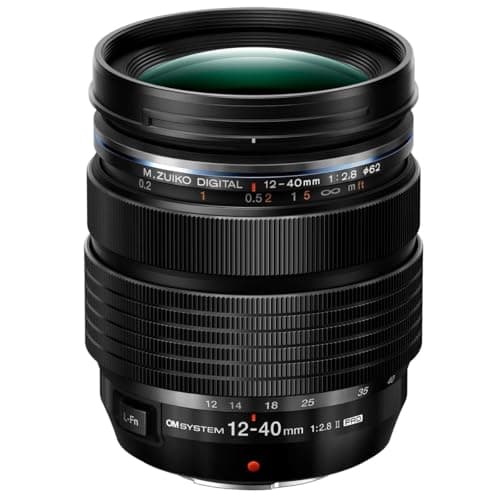 | ||
Name | Features | Price |
Sigma 28-45mm F1.8 DG DN Art⭐ 4.8 / 5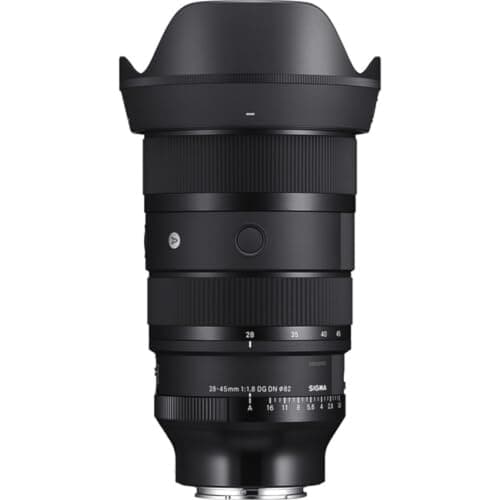 | ||
Name | Features | Price |
Sony FE 28-70mm F2 GM⭐ 4.7 / 5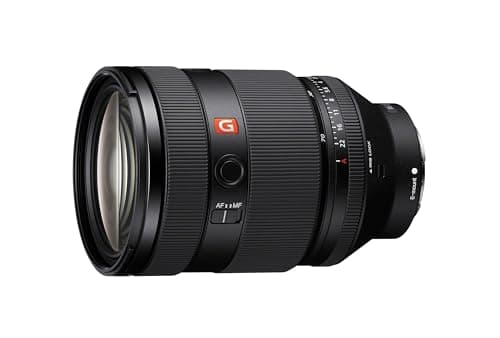 | ||
Name | Features | Price |
Olympus M.Zuiko Digital ED 12-45mm F4 Pro⭐ 4.7 / 5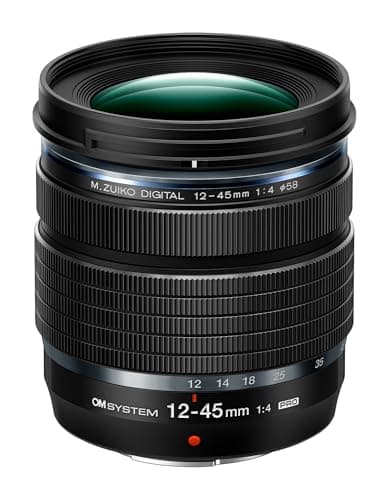 | ||
Name | Features | Price |
Nikon Nikkor Z 24-70mm F2.8 S⭐ 4.7 / 5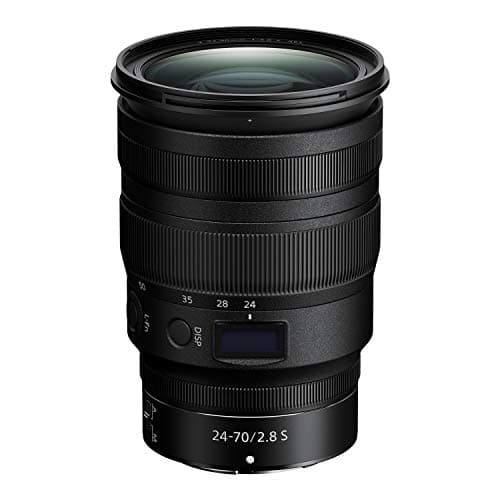 | ||
Name | Features | Price |
Sigma 24-70mm F2.8 DG DN II Art⭐ 4.7 / 5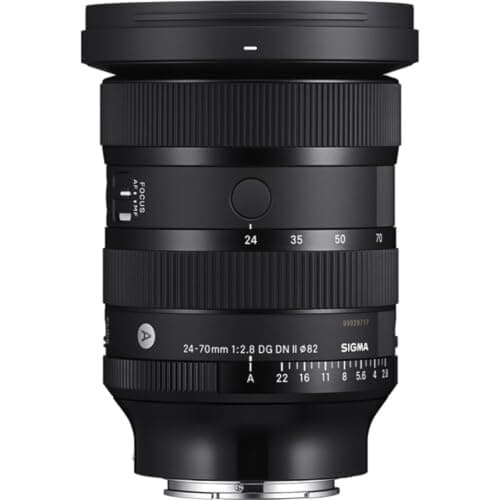 | ||
Name | Features | Price |
Nikon AF-S Nikkor 24-70mm F2.8E ED VR⭐ 4.7 / 5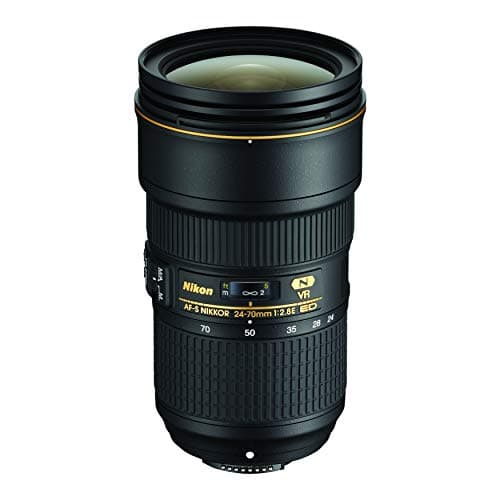 | ||
Name | Features | Price |
Canon RF 24-70mm F2.8L IS USM⭐ 4.7 / 5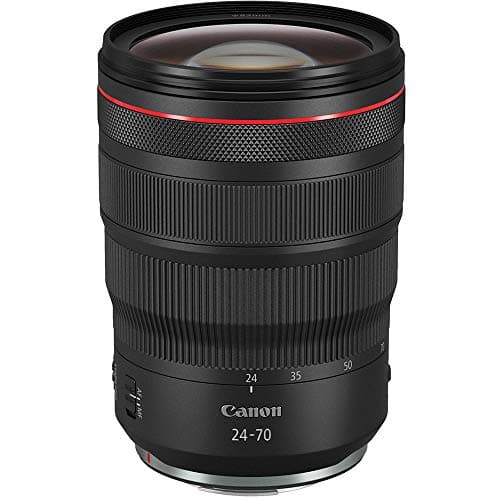 | ||
Name | Features | Price |
Panasonic Leica DG Vario-Summilux 25-50mm F1.7 ASPH⭐ 4.7 / 5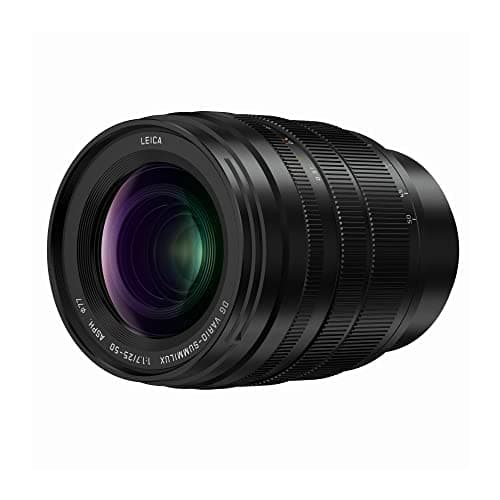 | ||
Name | Features | Price |
Sigma 24-70mm F2.8 DG DN Art⭐ 4.7 / 5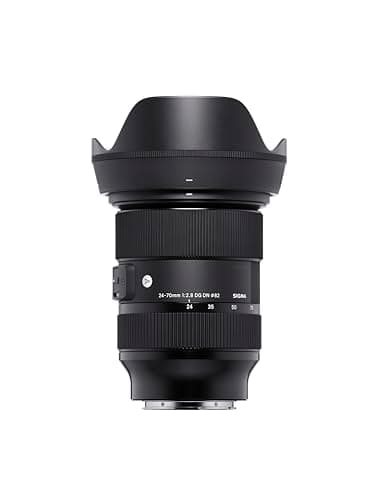 |
* Product prices and availability are accurate as of the date/time indicated and are subject to change. Any price and availability information displayed on Amazon.com at the time of purchase will apply to the purchase of this product.
* Imaginated.com may receive compensation for purchases made at participating retailers linked on this site. This compensation does not affect what products or prices are displayed, or the order of prices listed. Learn more here.
These are the best zoom lenses for food photography when you want appetizing color, close-focus for texture, disciplined flare around backlit glass, and smooth, quiet AF—whether you’re shooting overhead spreads, plated heroes, handheld restaurant ambience, chef-at-work stories, or cinematic pours—and here’s what to look for as you buy: prioritize strong close-focus/magnification for larger bokeh at the same framing (many modern 24–70s hit ~0.3–0.4×; some 70–200s and 17–70s get surprisingly close), even illumination with low wave/moustache distortion so plates stay round, coatings that crush veiling flare, quiet linear/STM motors with minimal breathing if you film, effective stabilization (IS/OSS/VR or IBIS) for ambient interiors, and front threads (67/77/82mm) for CPL/VND/diffusion; constant ƒ2.8 helps for mood and AF confidence, but high-quality ƒ4 zooms with great IS are brilliant on sticks; favor lenses with nice sunstars if you do backlit glass highlights and standardized diameters across your kit. Full-frame heroes: standard workhorses—Sony FE 24–70mm ƒ2.8 GM II (prime-sharp with excellent close-focus), Canon RF 24–70mm ƒ2.8L IS (clean contrast, stout IS), Nikon Z 24–70mm ƒ2.8 S (neutral color, tidy geometry), Sigma 24–70mm ƒ2.8 DG DN Art (value with macro-ish reach), Tamron 28–75mm ƒ2.8 G2 (light, close-focusing), plus lighter-weight range kings like Sony FE 24–105mm ƒ4 G OSS, Canon RF 24–105mm ƒ4L IS, and Nikon Z 24–120mm ƒ4 S (all with excellent close-focus and stabilization) for restaurant walkabouts; tele compression for glossy menus—Sony FE 70–200mm ƒ2.8 GM OSS II, Canon RF 70–200mm ƒ2.8L IS, Nikon Z 70–200mm ƒ2.8 VR S, Sigma 70–200mm ƒ2.8 DG DN OS, and Tamron 70–180mm ƒ2.8 (surprisingly close MFD) to isolate dishes and bottles; overhead/ambient wides—Sony FE 16–35mm ƒ2.8 GM II or FE PZ 16–35mm ƒ4 G, Canon RF 15–35mm ƒ2.8L IS / RF 14–35mm ƒ4L IS, Nikon Z 14–24mm ƒ2.8 S (rear filters) for tight interiors and tabletops without warping. APS-C standouts: Sigma 18–50mm ƒ2.8 DC DN (tiny, sharp, excellent close-focus), Tamron 17–70mm ƒ2.8 VC (fast + stabilized + close), Sony E 16–55mm ƒ2.8 G (prime-like bite), Sony E 18–135mm ƒ3.5–5.6 OSS (handy range with good MFD), Fujifilm XF 16–55mm ƒ2.8 and XF 18–55mm ƒ2.8–4 OIS (both great color and contrast), XF 16–80mm ƒ4 OIS for one-lens cafe days, and Canon RF-S 18–150mm ƒ3.5–6.3 IS (surprisingly close focusing) for bright, stabilized coverage. Micro Four Thirds picks that punch above size: OM SYSTEM 12–40mm ƒ2.8 Pro II (close-focus “macro-ish” hero), 12–45mm ƒ4 Pro (flat-field sharp with impressive close-ups), 12–100mm ƒ4 IS Pro (Sync IS legend for handheld ambience), Panasonic 12–35mm ƒ2.8 (tiny, sharp), 35–100mm ƒ2.8 (tele compression in a pocket), and Panasonic Leica 12–60mm ƒ2.8–4 (great rendering and range). Practical buyer tips: standardize front diameters for one quality CPL (tame glaze/bottle glare—use lightly to keep appetizing sheen), a gentle diffusion (Black Mist 1/8–1/4) to soften speculars, and a solid 3–6–10 stop ND for motion (steam, pours) at cine shutters; pick zooms with robust hoods and nano coatings for window backlight, and if your body lacks IBIS, stabilized zooms are clutch for ambient interiors; keep one macro prime in the bag (90–105mm) for true 1:1 labels and garnish when needed. Field technique that keeps dishes mouth-watering: level the camera for round plates and straight glassware, favor 24–70mm for most sets and 70–200mm for compressed heroes, and place key textures (char, crumb, herbs) near the central third to avoid edge stretch; shoot near wide open for mood, then stop 1/3–2/3 stop for tack garnish edges; back/side-light through a diffuser for dimensional shine, add negative fill to deepen shadows, and feather softboxes to avoid hot stripes; use a CPL lightly on bottles/glazes, or cross-polarize lights + CPL for glare-free labels, then reintroduce a controlled specular with a flagged stripbox; for overhead spreads, align the plane (tilt if you own it, or focus-stack instead of cranking to ƒ16–ƒ22 on high-MP sensors), lock white balance for consistent color, and tidy edges; for video, keep a 180° shutter with VND, set slow AF transitions, enable breathing compensation, and use internal-focus zooms for gimbal stability; for handheld ambience, lean on IS/IBIS, brace elbows, and fire short bursts to net a tack frame. Whether you’re crafting rustic brunch vignettes, glossy cocktail menus, moody chef’s-table stories, or silky slow-motion pours, the best zoom lenses for food photography combine close-focus agility, low distortion, flare-savvy coatings, and quiet, confident AF—so your dishes look true in shape, rich in color, and irresistibly delicious on screen and in print.
Lenses by brand:
Lenses by price:
Lenses by type:
Lenses by feature:
Lenses by use case:
- Best Zoom Lenses for Astrophotography
- Best Zoom Lenses for Bird Photography
- Best Zoom Lenses for Concert Photography
- Best Zoom Lenses for Documentary Photography
- Best Zoom Lenses for Event Photography
- Best Zoom Lenses for Fashion Photography
- Best Zoom Lenses for Food Photography
- Best Zoom Lenses for Headshot Photography
- Best Zoom Lenses for Jewelry Photography
- Best Zoom Lenses for Landscape Photography
- Best Zoom Lenses for Macro Photography
- Best Zoom Lenses for Nature Photography
- Best Zoom Lenses for Portrait Photography
- Best Zoom Lenses for Sports Photography
- Best Zoom Lenses for Street Photography
- Best Zoom Lenses for Travel Photography
- Best Zoom Lenses for Wedding Photography
- Best Zoom Lenses for Wildlife Photography
- Best Zoom Lenses for Video
Lenses by experience:
Cameras: