
10 Best Zoom Lenses for Bird Photography in 2026
Name | Features | Price |
|---|---|---|
Sony FE 200-600mm F5.6-6.3 G OSS⭐ 5.0 / 5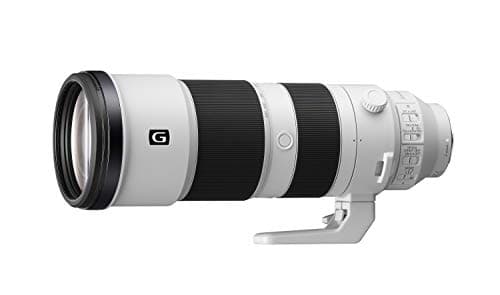 | ||
Name | Features | Price |
Canon RF 200-800mm F6.3-9 IS USM⭐ 5.0 / 5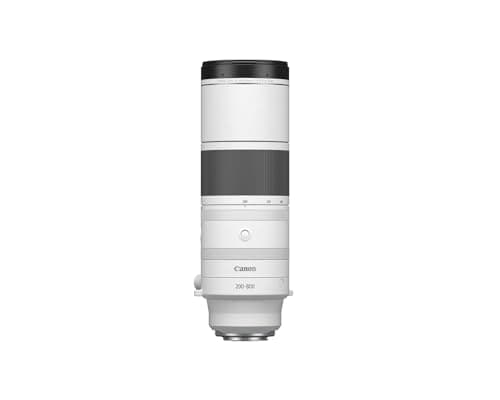 | ||
Name | Features | Price |
Nikon Nikkor Z 180-600mm F5.6-6.3 VR⭐ 5.0 / 5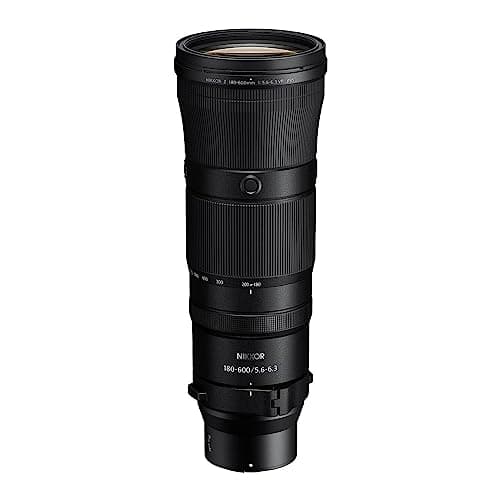 | ||
Name | Features | Price |
Olympus M.Zuiko Digital ED 150-400mm F4.5 TC 1.25x IS PRO⭐ 5.0 / 5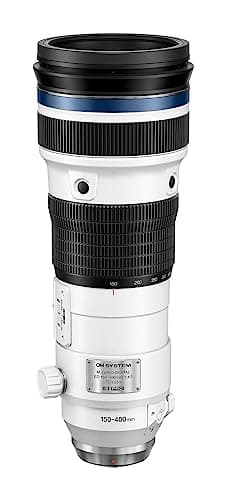 | ||
Name | Features | Price |
OM System 150-600mm F5.0-6.3⭐ 4.9 / 5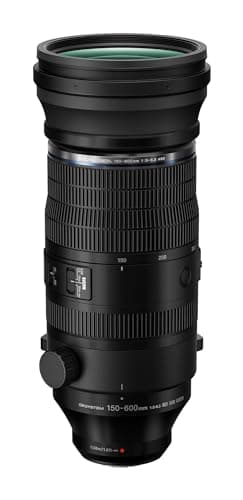 | ||
Name | Features | Price |
Sigma 60-600mm F4.5-6.3 DG OS HSM Sport⭐ 4.9 / 5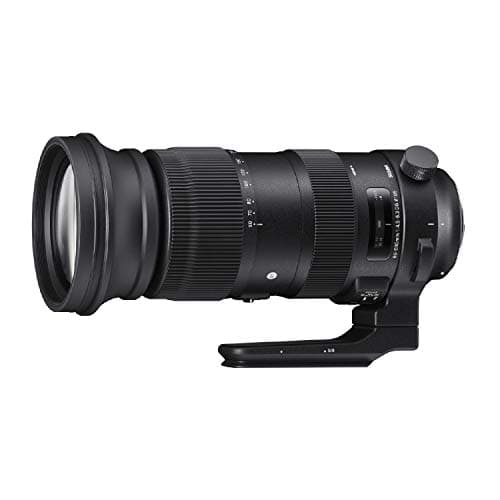 | ||
Name | Features | Price |
Sigma 150-600mm F5-6.3 DG DN OS⭐ 4.9 / 5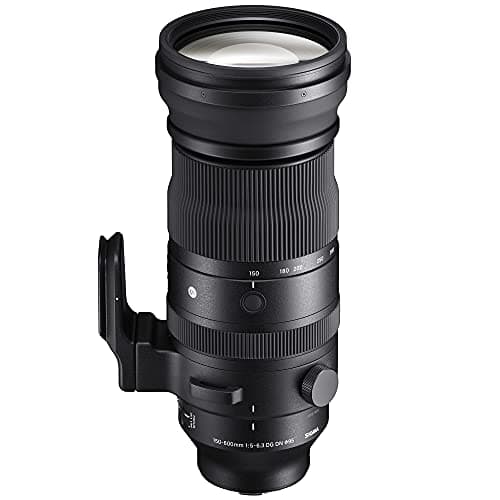 | ||
Name | Features | Price |
Panasonic Leica DG Vario-Elmar 100-400mm F4.0-6.3 II ASPH Power OIS⭐ 4.9 / 5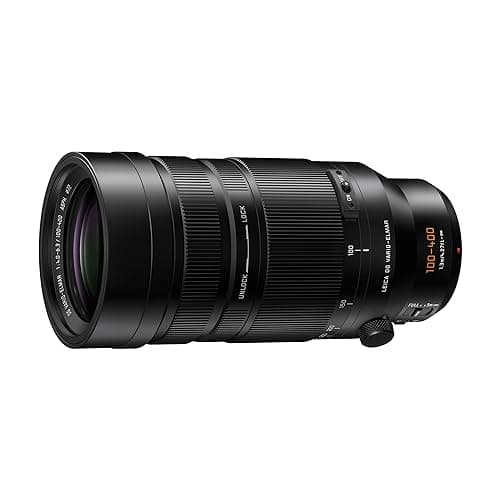 | ||
Name | Features | Price |
Nikon AF-S Nikkor 180-400mm F4E TC1.4 FL ED VR⭐ 4.9 / 5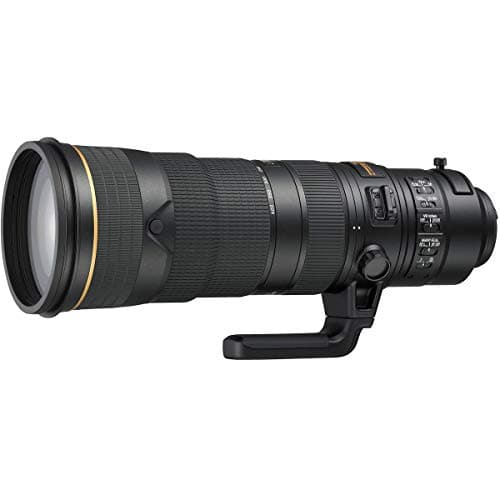 | ||
Name | Features | Price |
Sigma 60-600mm F4.5-6.3 DG DN OS⭐ 4.9 / 5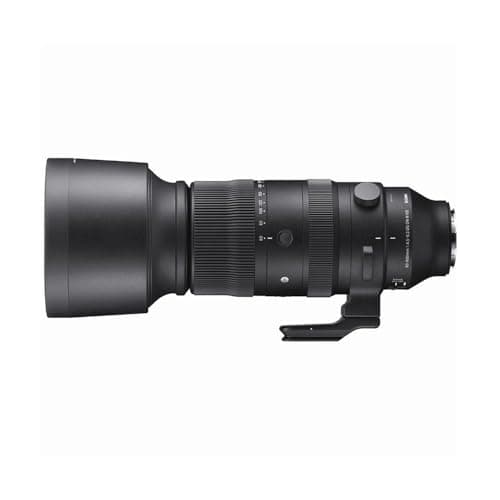 |
* Product prices and availability are accurate as of the date/time indicated and are subject to change. Any price and availability information displayed on Amazon.com at the time of purchase will apply to the purchase of this product.
* Imaginated.com may receive compensation for purchases made at participating retailers linked on this site. This compensation does not affect what products or prices are displayed, or the order of prices listed. Learn more here.
These are the best zoom lenses for bird photography when you want fast, sticky AF, reliable subject detection, weather-tough builds, and stabilization that cooperates with IBIS—whether you’re chasing backyard songbirds, raptors in flight, shorebirds at sunrise, or rainforest perches—and here’s what to look for as you buy: prioritize long reach (400–600mm native, 800–1000mm with TCs/crop), quick linear/SSM/STM motors with focus limiters and recall buttons, strong wide-open sharpness with disciplined axial CA on bright plumage, effective IS/VR/OSS with panning modes, balanced collars/feet for monopods, close-focus for frame-filling small birds, and teleconverter compatibility (1.4×/2×) with minimal AF slowdown; prefer sealed designs with tight hoods and standardized drop-in or 95–77mm fronts for clear filters. Full-frame birding zoom heroes: Sony FE 200–600mm ƒ5.6–6.3 G OSS (internal zoom, excellent AF and consistency across the range), Sony FE 100–400mm ƒ4.5–5.6 GM OSS (sharper than its size, TC-friendly), Nikon Z 180–600mm ƒ5.6–6.3 VR (great reach/price with solid VR), Nikon Z 100–400mm ƒ4.5–5.6 VR S (crisp, quick, takes TCs), Canon RF 100–500mm ƒ4.5–7.1 L IS (light, very sharp, superb IS, works with RF 1.4×/2× above 300mm), Canon RF 200–500mm ƒ4L (if you can, the arena-and-bird hybrid with big-light speed), Sigma 150–600mm ƒ5–6.3 DG DN Sports/Contemporary (modern coatings, strong value, L/E-mount), Tamron 150–500mm ƒ5–6.7 Di III VC (compact, fast AF on E/Fuji), and legacy DSLR greats adapted—Nikon 200–500mm ƒ5.6E VR, Sigma/Tamron 150–600 “G2/Sport,” Canon EF 100–400mm II—still deliver excellent bird files. APS-C standouts (extra reach via crop factor): Sony E 70–350mm ƒ4.5–6.3 G OSS (light BIF tool), Tamron 150–500mm ƒ5–6.7 (Fuji X version is stellar), Fujifilm XF 100–400mm ƒ4.5–5.6 OIS WR (sharp, TC-capable), Fuji XF 70–300mm ƒ4–5.6 OIS (surprisingly good with 1.4× TC), Canon RF-S users can pair RF 100–500L (on crop) or RF 100–400 IS for handholdable reach, and Nikon Z DX 50–250mm VR (budget start; add FX zooms later). Micro Four Thirds picks that punch above size: OM SYSTEM 100–400mm ƒ5–6.3 IS (200–800-eq with Sync IS), Panasonic Leica 100–400mm ƒ4–6.3 (dual IS, travel-ready), and OM 40–150mm ƒ2.8 Pro + MC-20 (80–300-eq to 160–600-eq with bright mid-range for forest canopies). Practical buyer tips: internal-zoom designs (Sony 200–600) keep balance stable on gimbals/monopods and cut dust; choose zooms with programmable buttons/limiters for near/far subjects; check TC pairing and AF behavior on your body before a trip; standardize drop-in or front filter sizes for clear/ND (skip CPLs—they reduce precious light and can blotch water/sky); grab an Arca-Swiss foot for quick support swaps and a low-vibration monopod for long days; balance price/weight—lighter zooms land more shots if you actually carry them. Field technique that lands keepers: run AF-C with subject tracking and bird/animal detect, start with wide/expand AF area for BIF and tighter zones for perched birds through branches, map recall buttons for “sky distance” vs “perch distance,” and keep a shutter floor—~1/2000–1/3200s for birds in flight (1/4000s for small, fast swallows), ~1/800–1/1600s for larger birds or takeoffs, ~1/250–1/500s for static portraits; shoot near wide open to keep ISO reasonable and backgrounds smooth, then stop 1/3–2/3 stop if you need feather DOF; pan from the hips with elbows loose, ride short controlled bursts to catch a tack frame, and anticipate wing peaks; expose to protect highlights on white plumage (egrets/terns), use back-button focus to pre-focus on expected flight paths, and watch heat shimmer at long focal lengths—shoot early/late or shorten distance; for hides and woodland perches, raise ISO unapologetically, keep the camera roughly level for natural proportions, and place eyes near the central third; for video, maintain a 180° shutter with quality VND, enable IS Mode 2/Active IS for pans, set slow AF transitions, and stabilize with a monopod or fluid head. Whether you’re tracking falcons against thermals, catching herons on the strike, or framing tiny warblers in dappled shade, the best zoom lenses for bird photography combine long, flexible reach, fast reliable AF, effective stabilization, and weather-tough ergonomics—so your images stay sharp, dynamic, and full of feather detail.
Lenses by brand:
Lenses by price:
Lenses by type:
Lenses by sensor:
Lenses by feature:
Lenses by use case:
- Best Zoom Lenses for Astrophotography
- Best Zoom Lenses for Bird Photography
- Best Zoom Lenses for Concert Photography
- Best Zoom Lenses for Documentary Photography
- Best Zoom Lenses for Event Photography
- Best Zoom Lenses for Fashion Photography
- Best Zoom Lenses for Food Photography
- Best Zoom Lenses for Headshot Photography
- Best Zoom Lenses for Jewelry Photography
- Best Zoom Lenses for Landscape Photography
- Best Zoom Lenses for Macro Photography
- Best Zoom Lenses for Nature Photography
- Best Zoom Lenses for Portrait Photography
- Best Zoom Lenses for Sports Photography
- Best Zoom Lenses for Street Photography
- Best Zoom Lenses for Travel Photography
- Best Zoom Lenses for Wedding Photography
- Best Zoom Lenses for Wildlife Photography
- Best Zoom Lenses for Video
Lenses by experience:
Cameras: