Best Telephoto Lenses for Sports Photography in 2026
Filters:
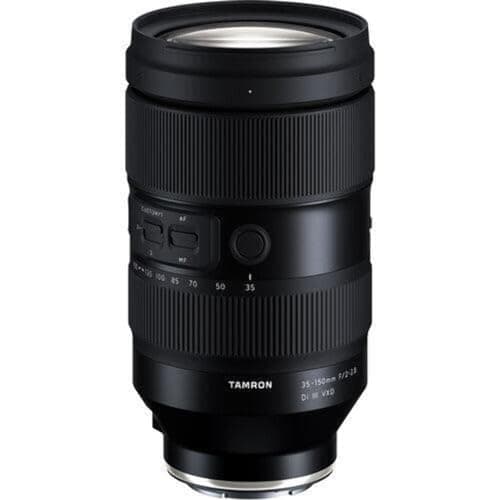
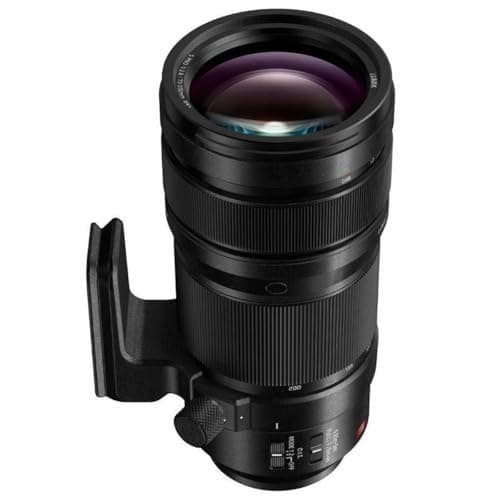
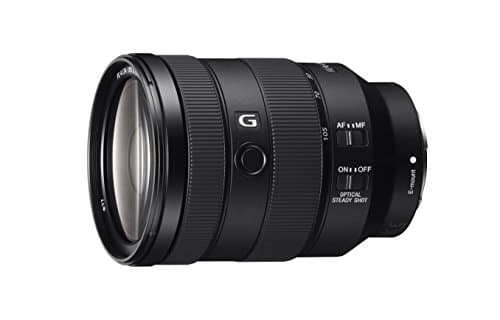
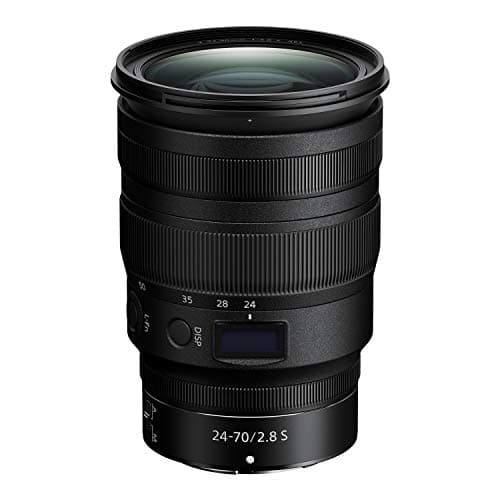
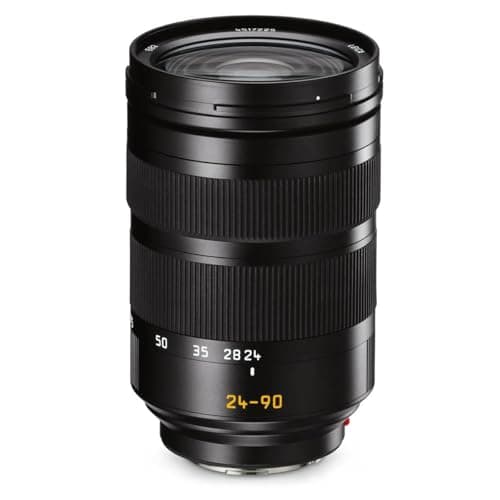
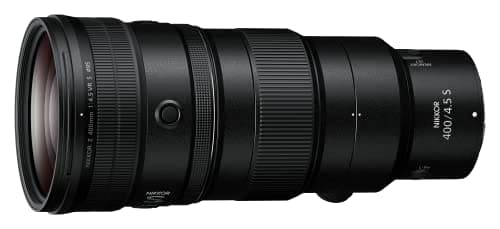
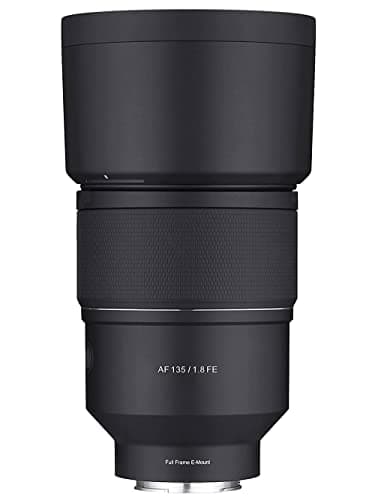
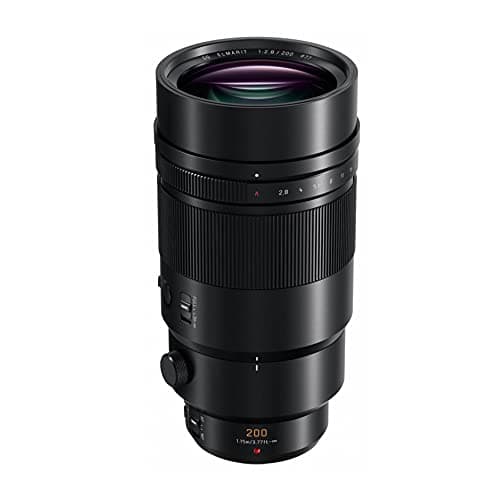
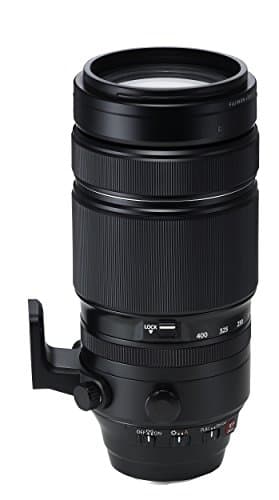
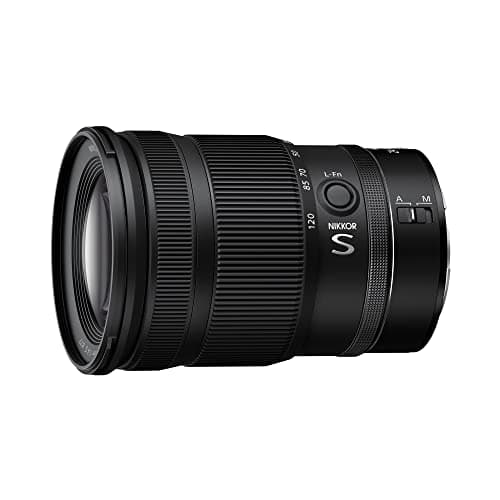
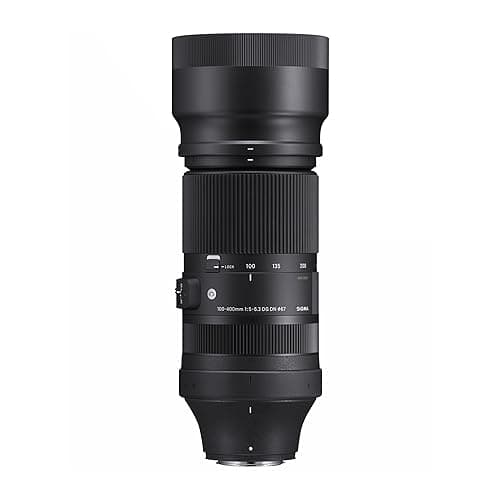
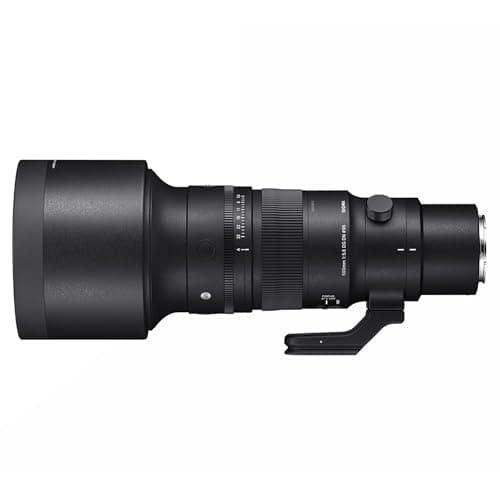
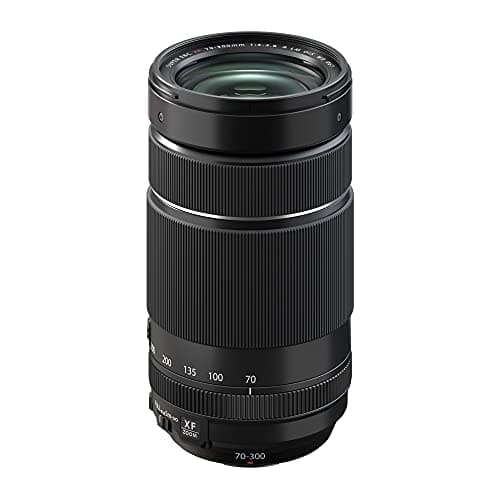
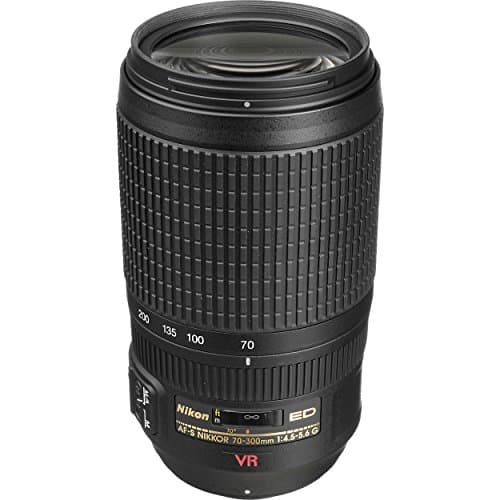
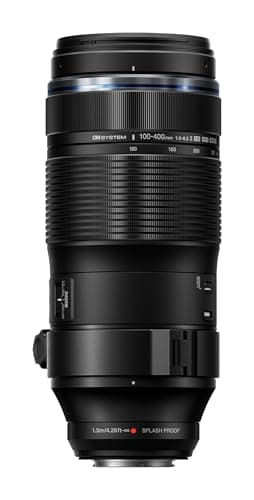
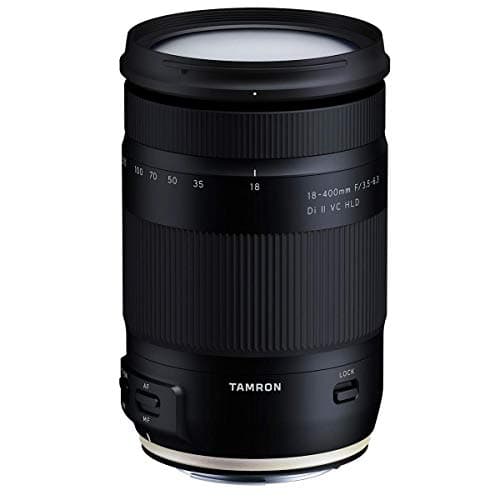
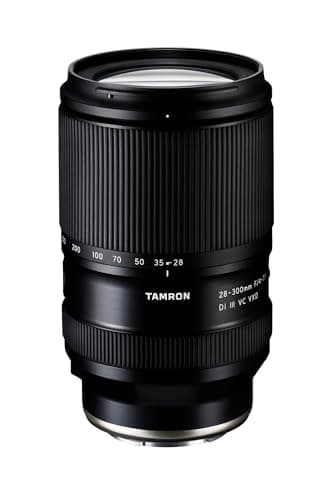
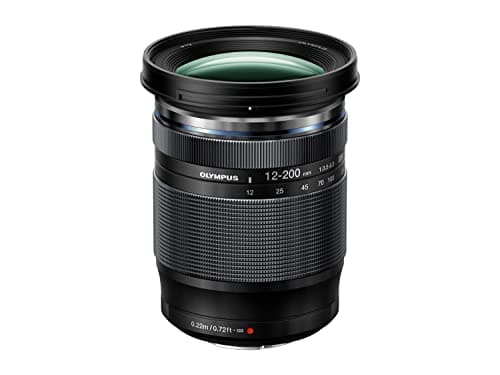
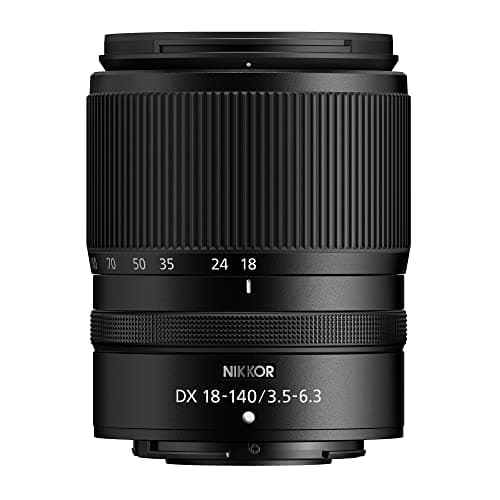
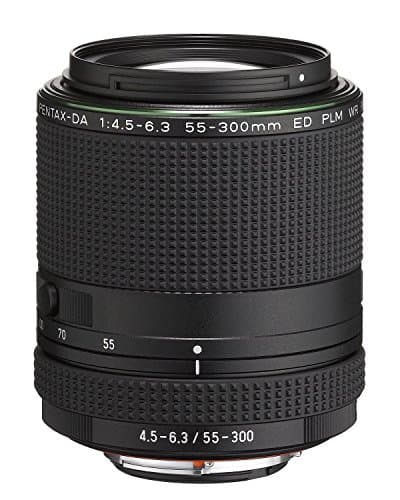
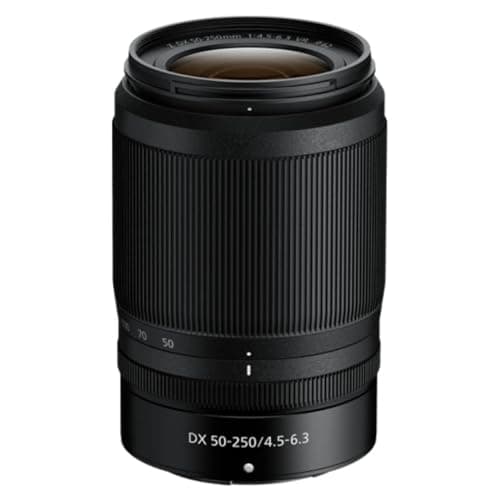

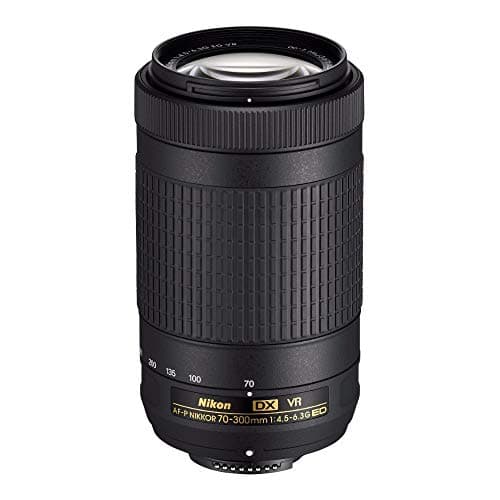
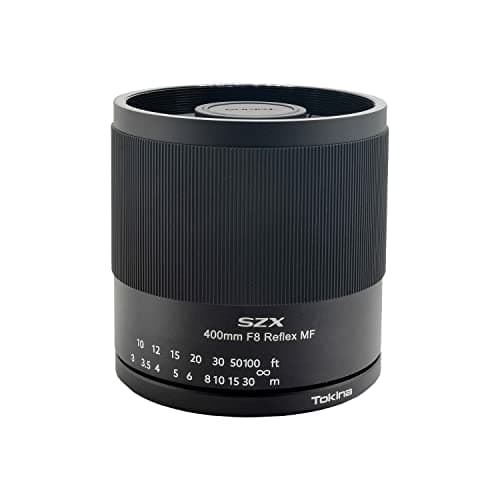
* Product prices and availability are accurate as of the date/time indicated and are subject to change. Any price and availability information displayed on Amazon.com at the time of purchase will apply to the purchase of this product.
* Imaginated.com may receive compensation for purchases made at participating retailers linked on this site. This compensation does not affect what products or prices are displayed, or the order of prices listed. Learn more here.
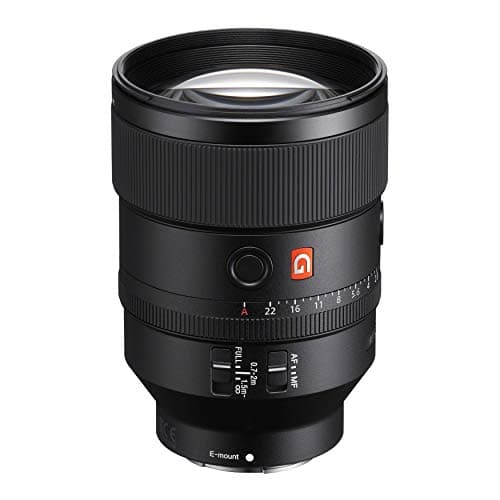
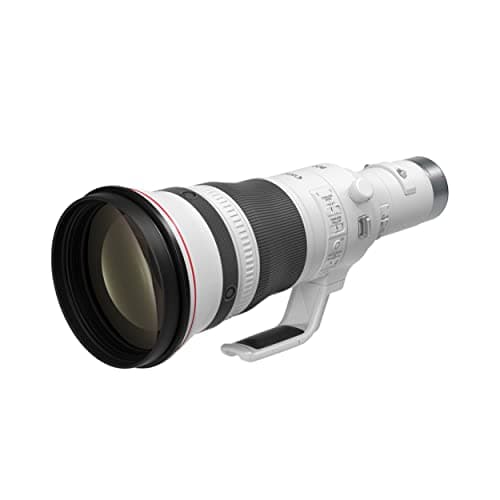
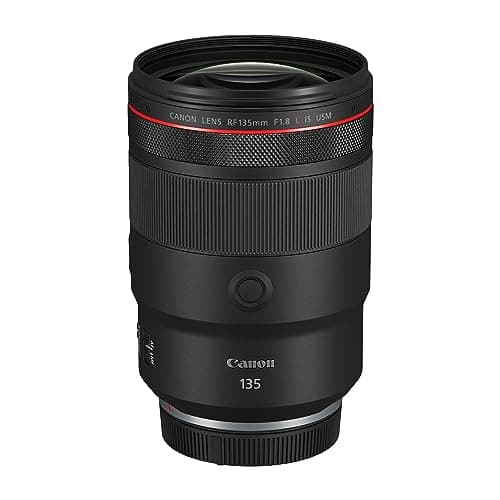
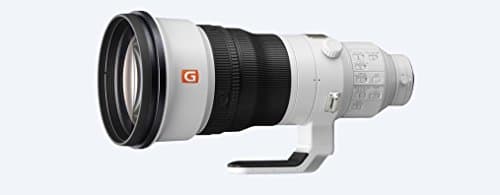
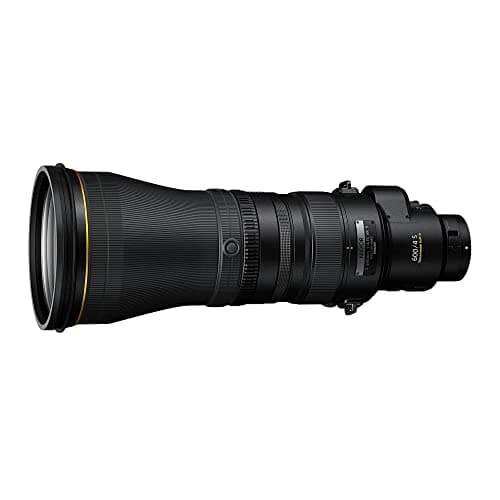
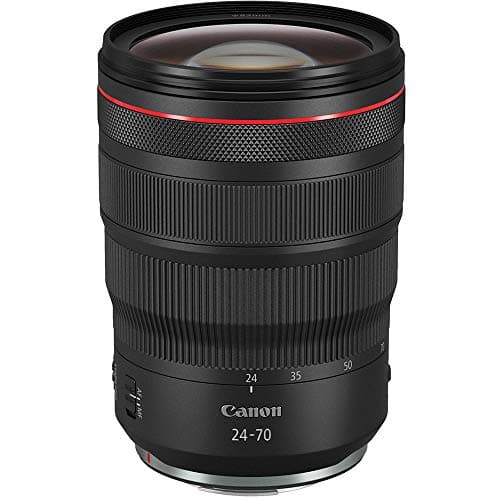
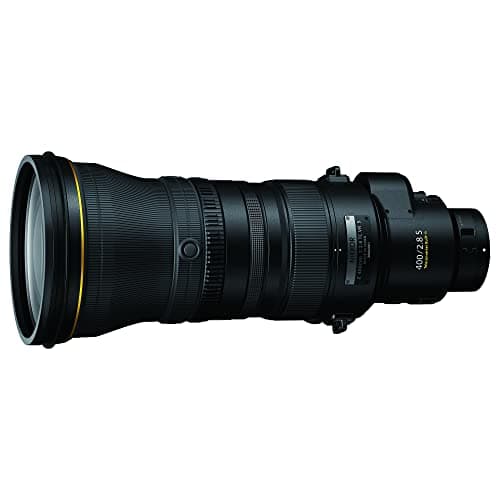
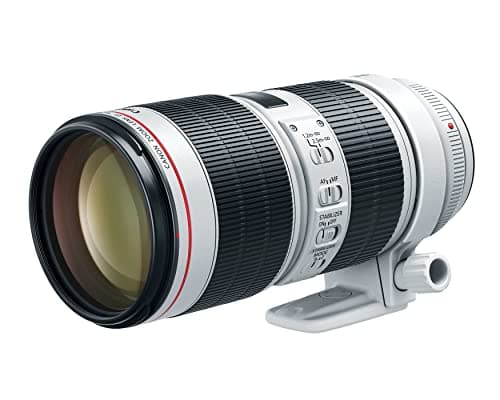
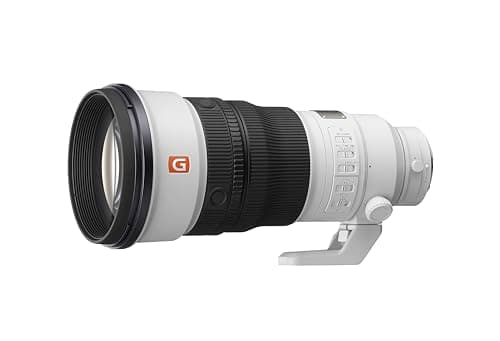
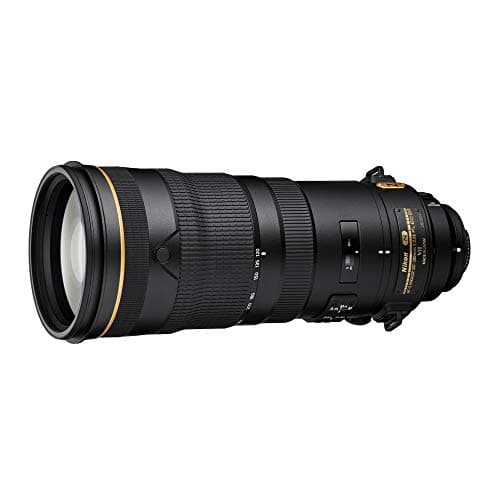
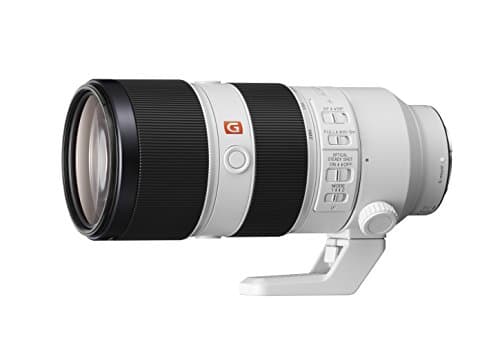
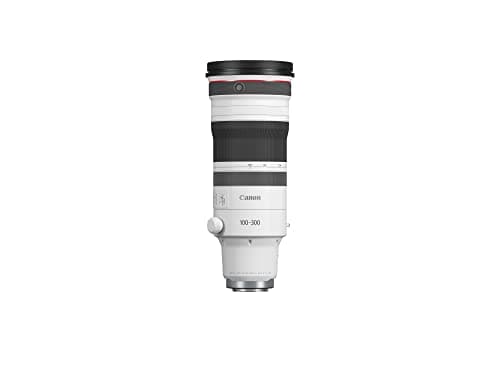
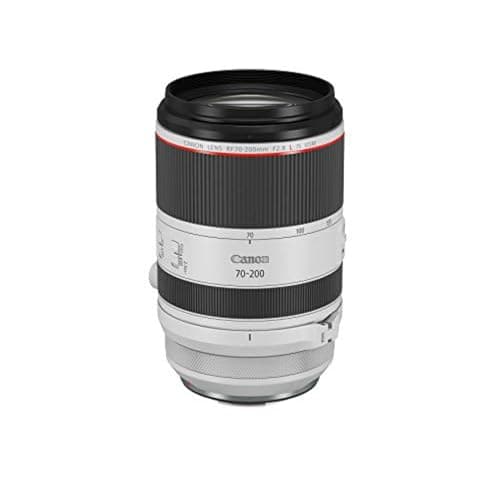
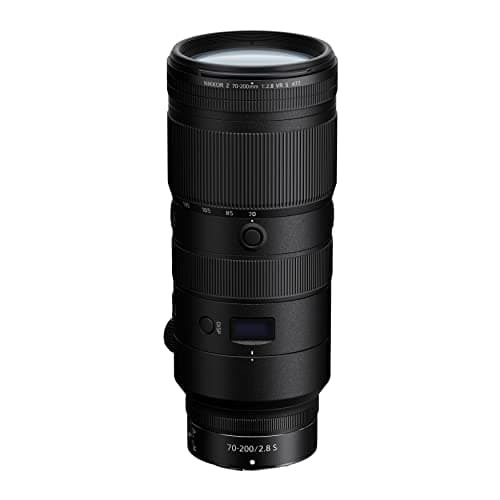
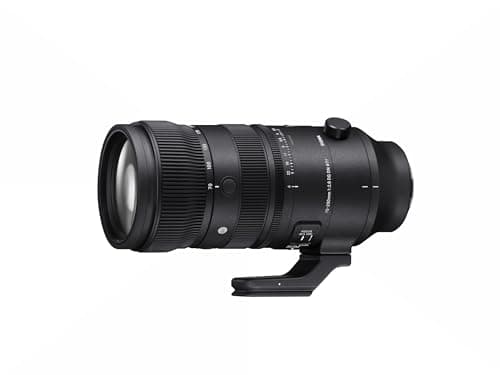
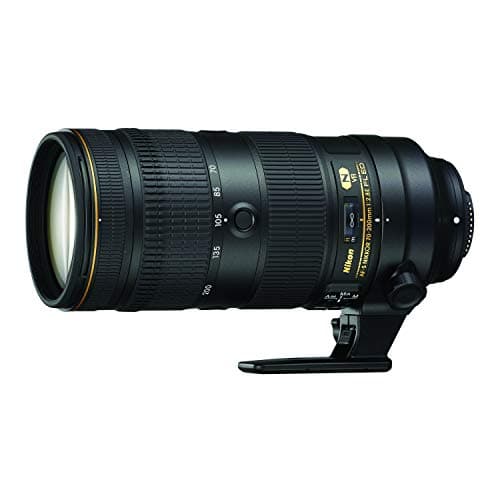
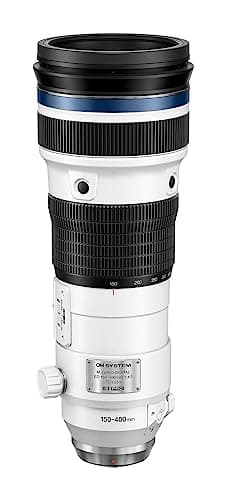
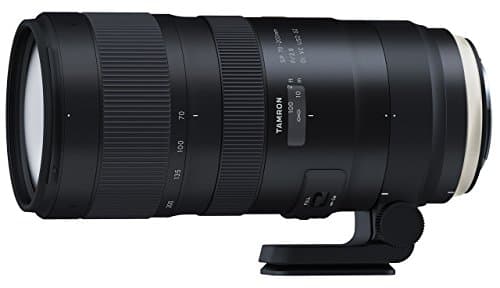
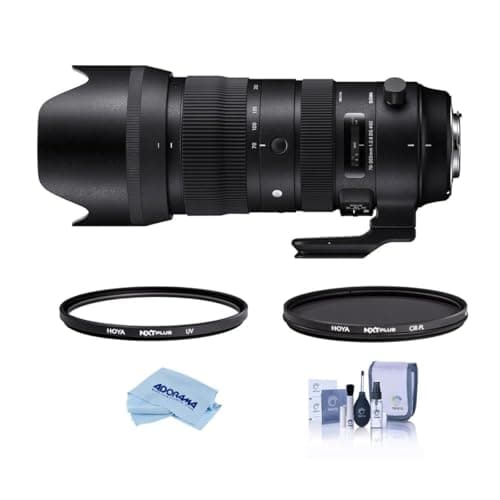
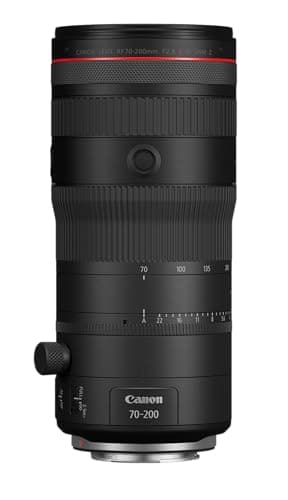
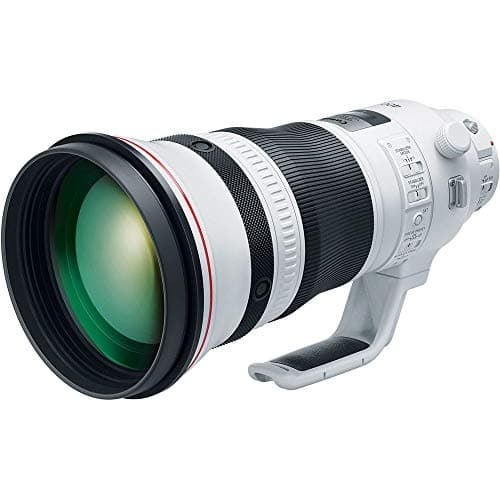
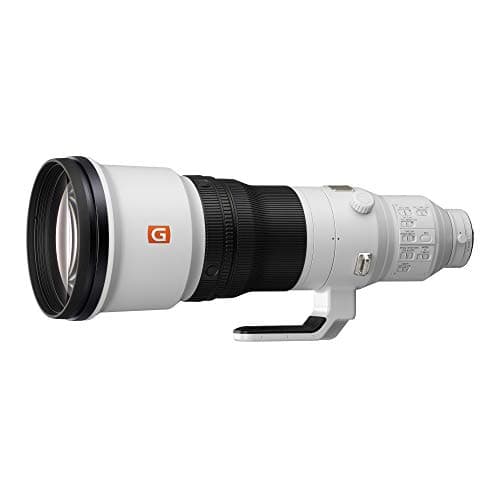
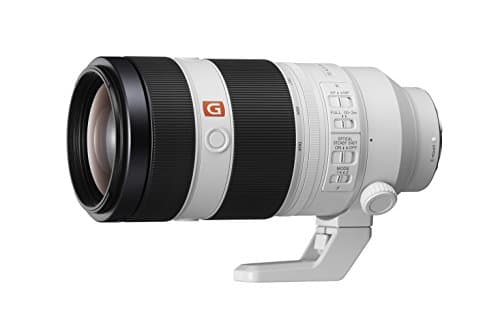
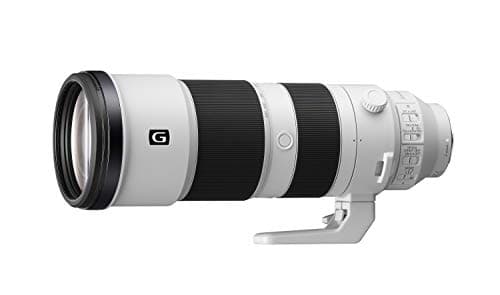
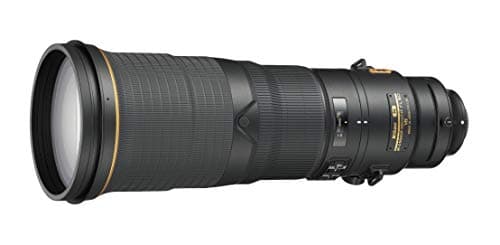
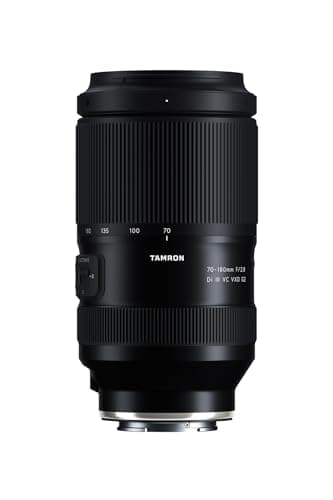
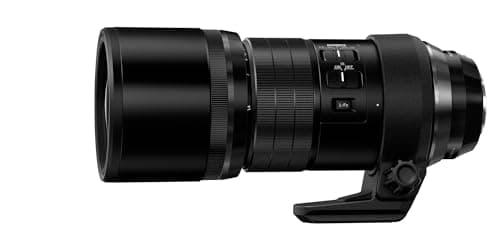
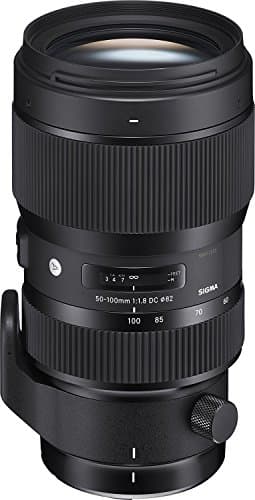
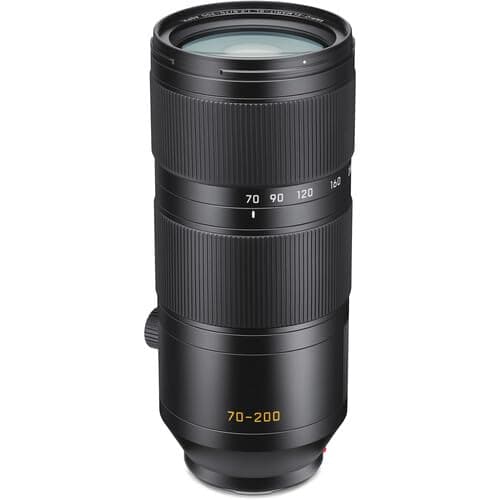
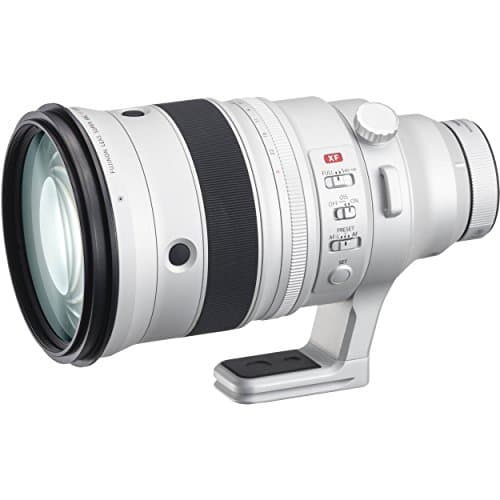
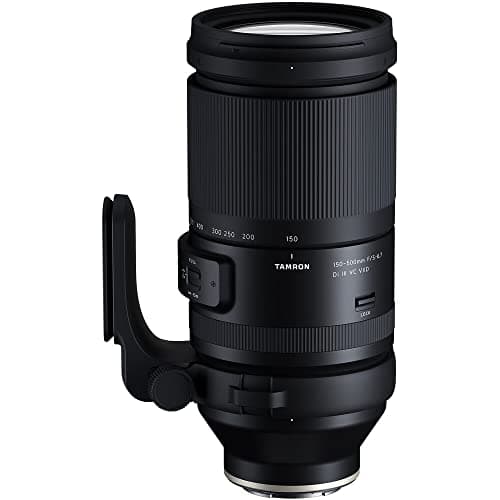
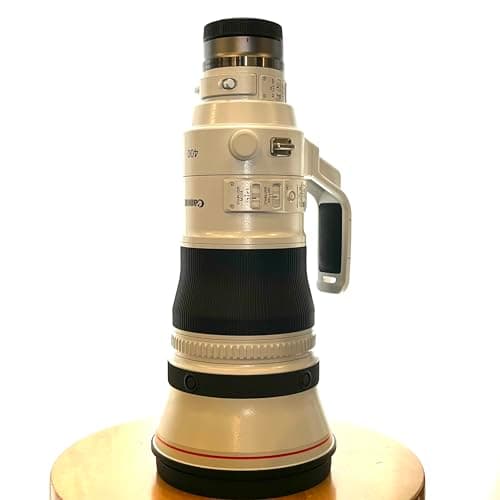
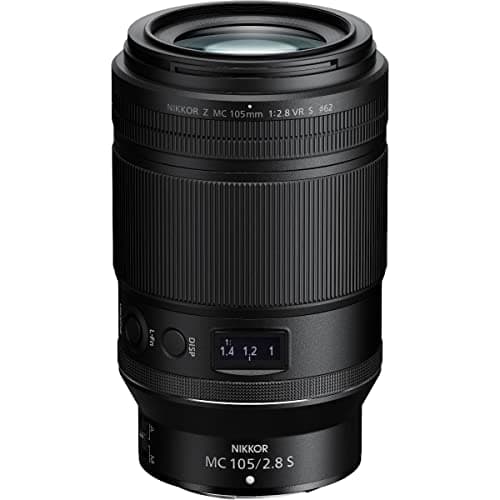
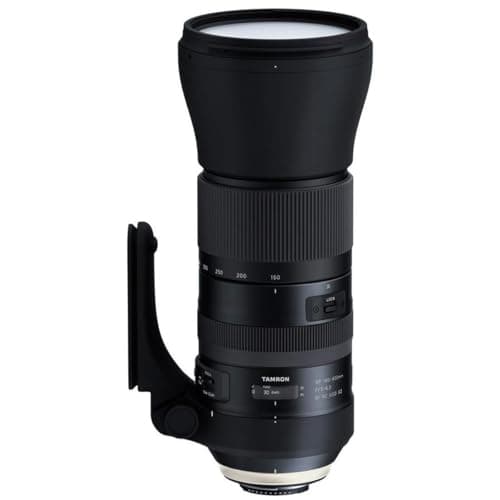
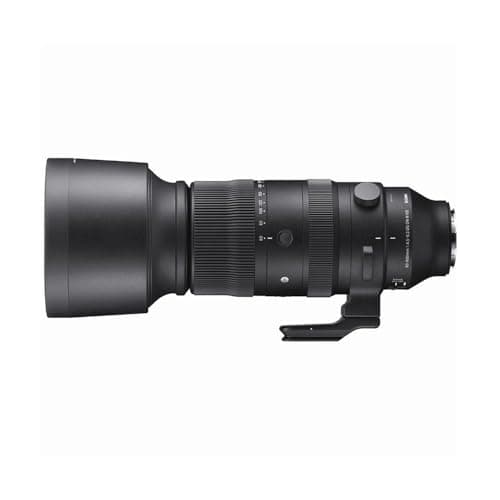
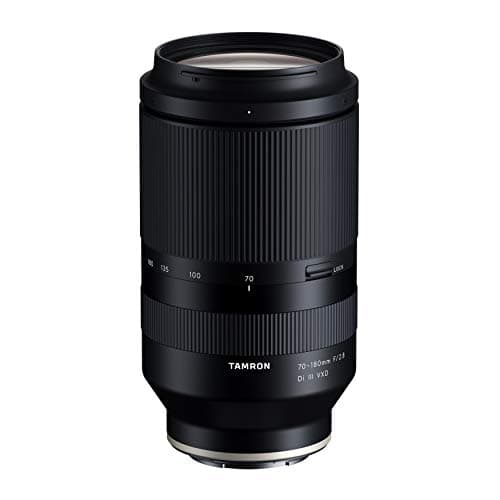
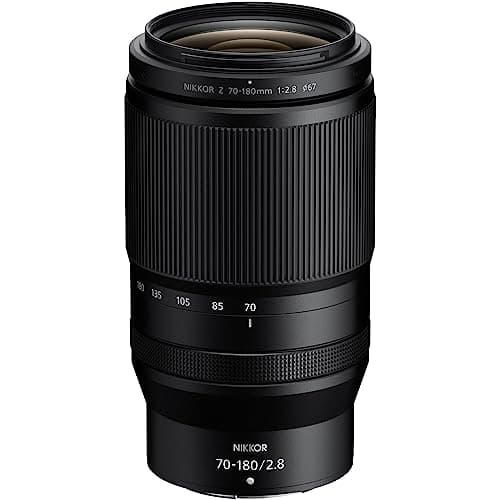
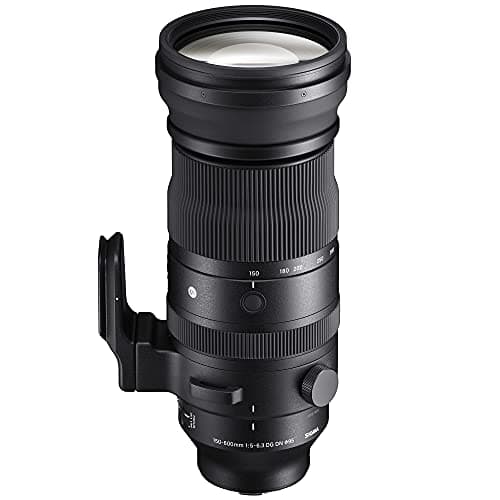
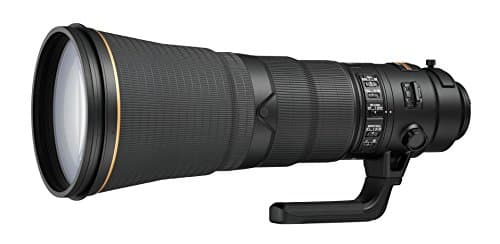
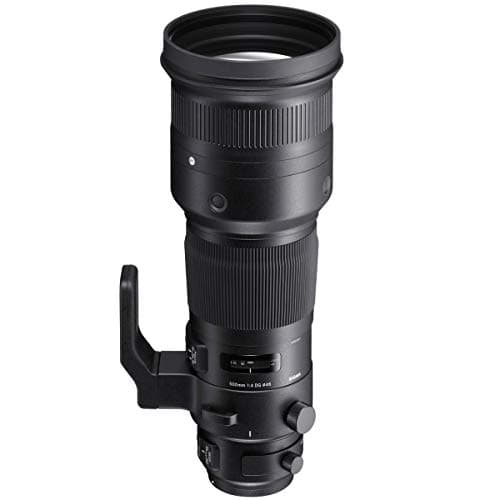
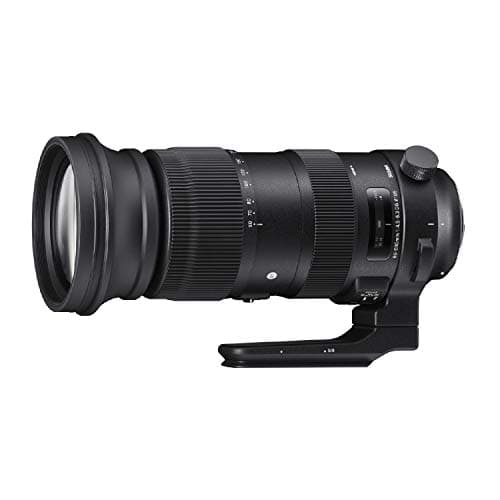
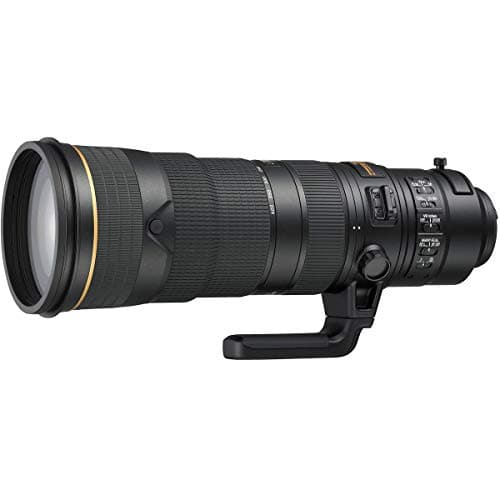
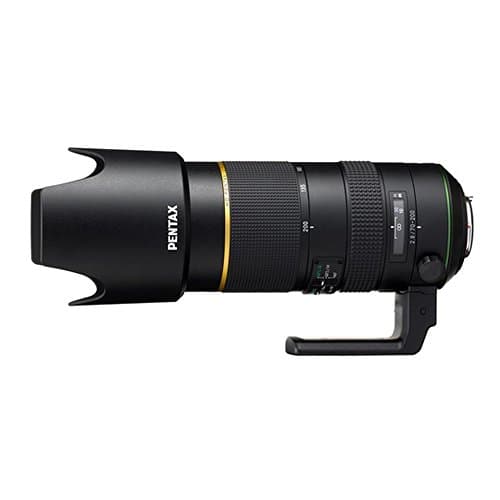
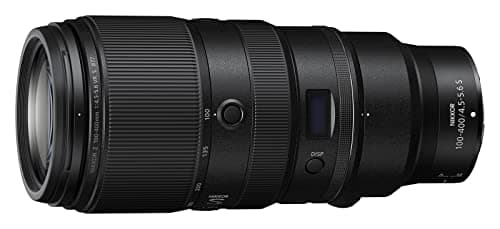
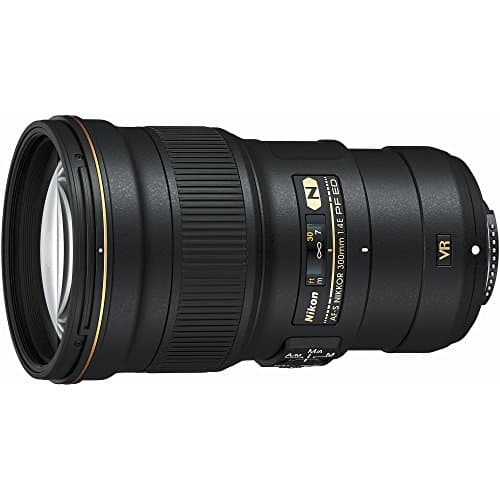
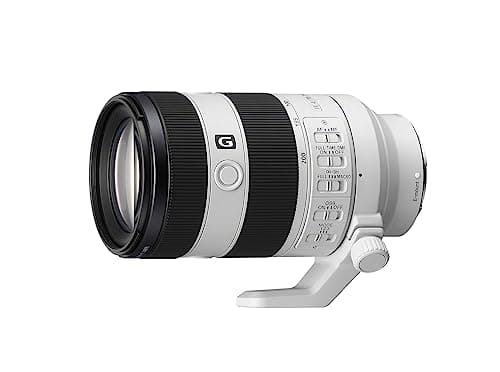
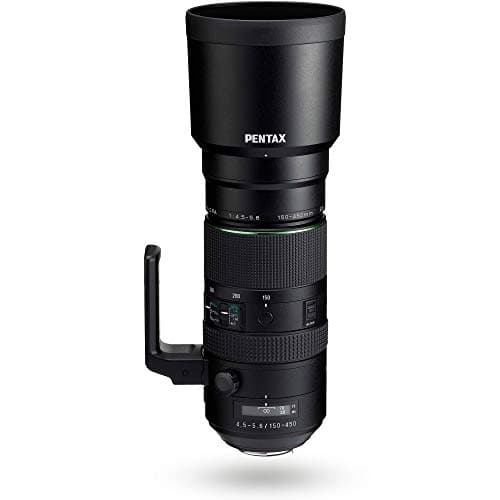
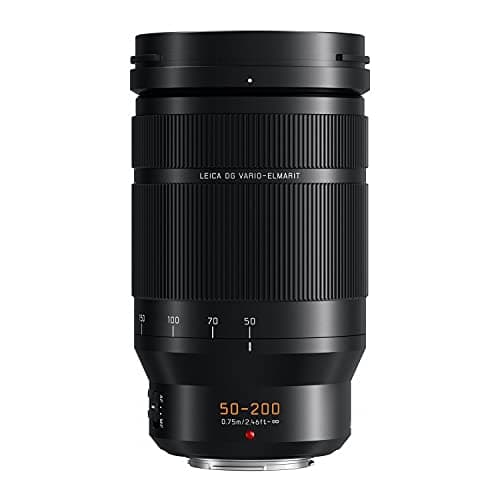
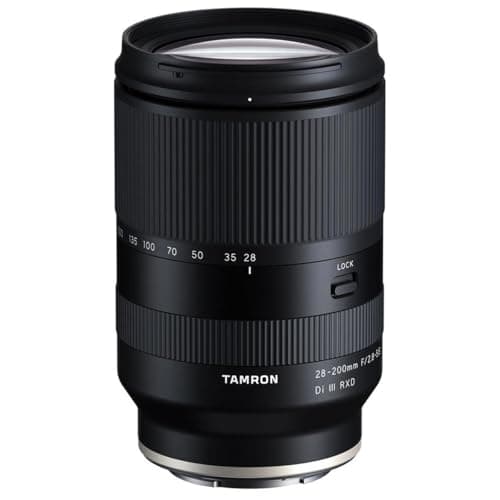
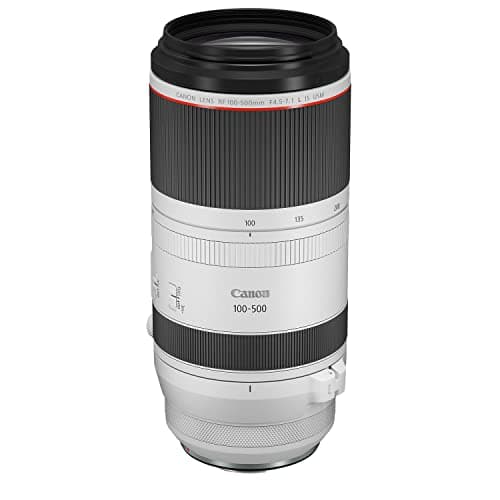
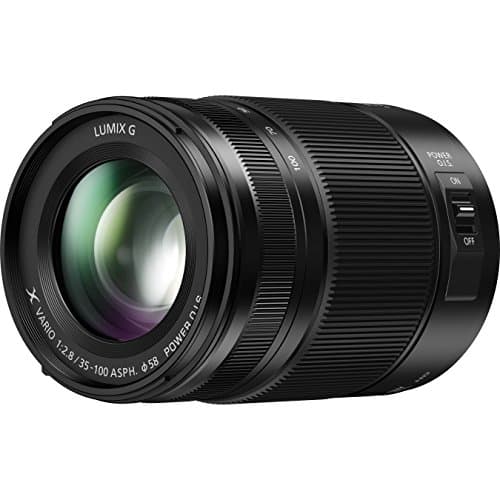
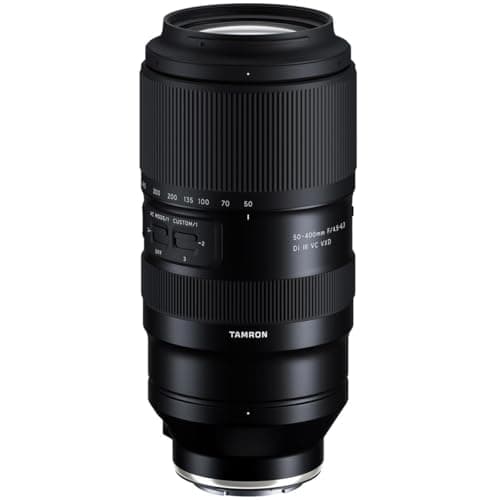
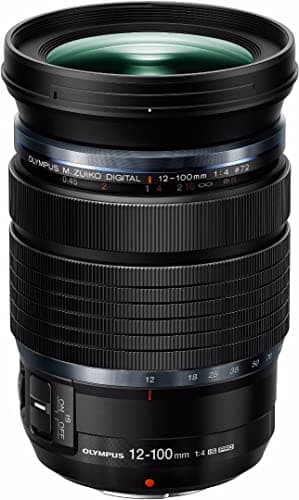
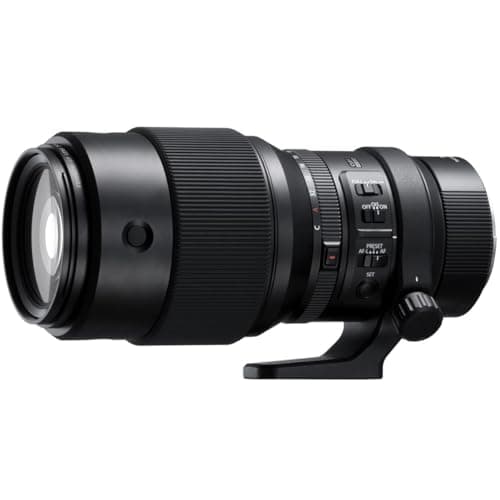
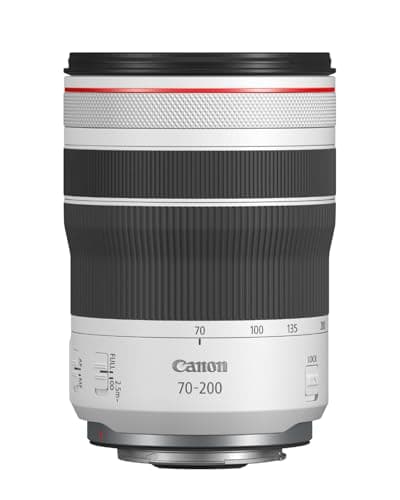
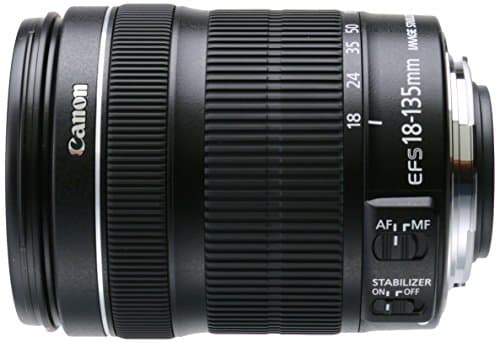
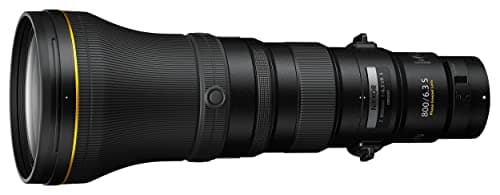
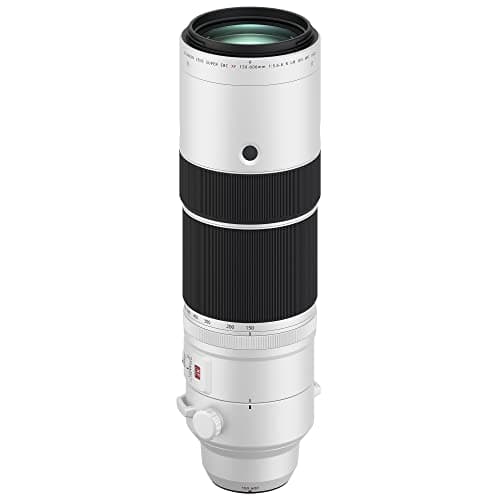
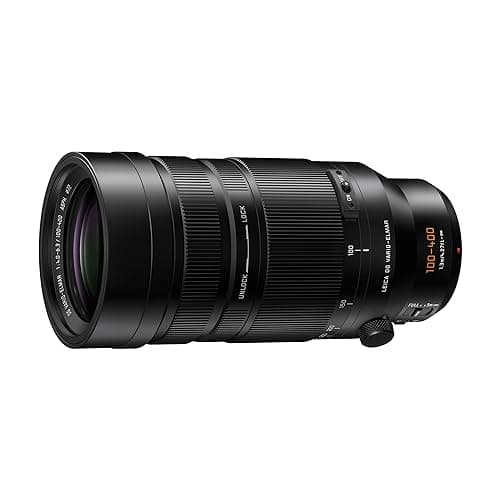
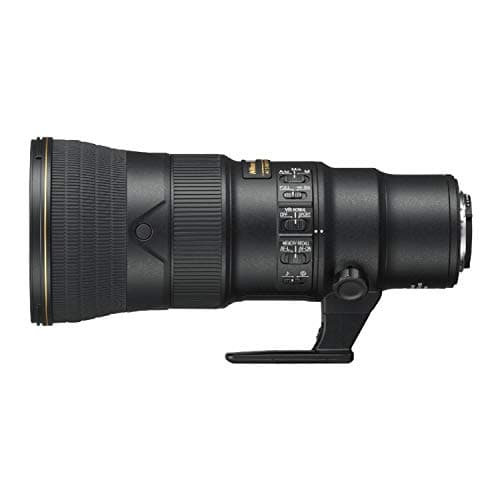
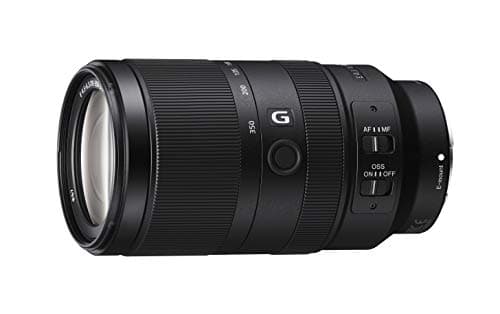
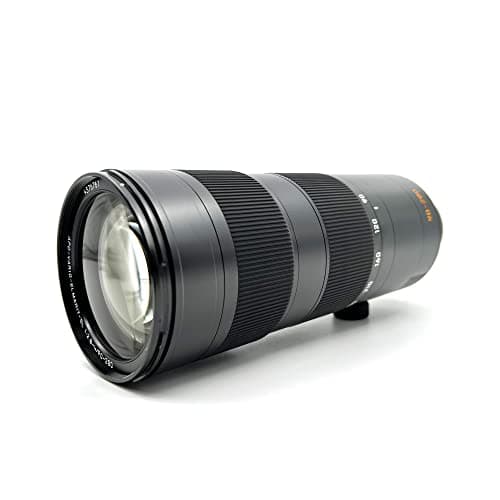
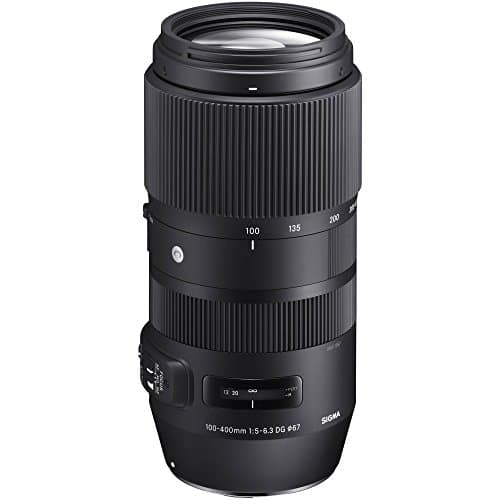
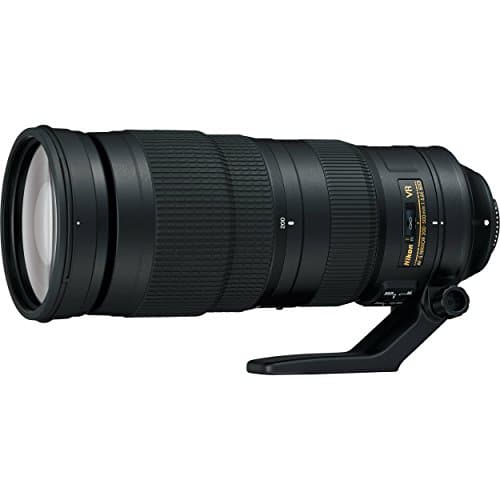
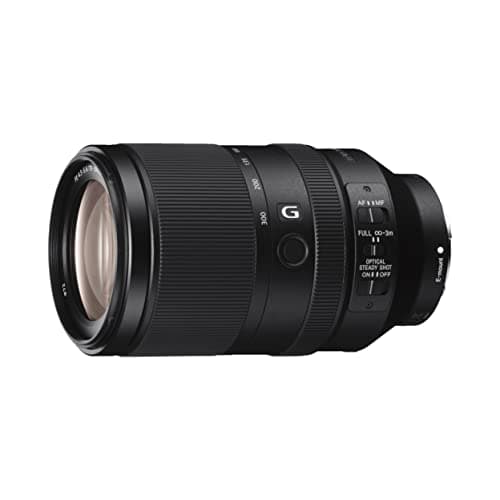
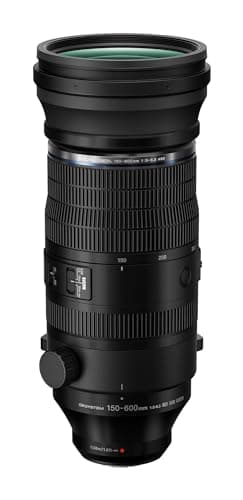
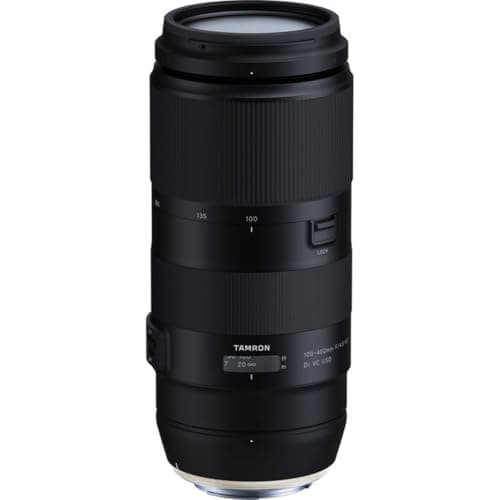
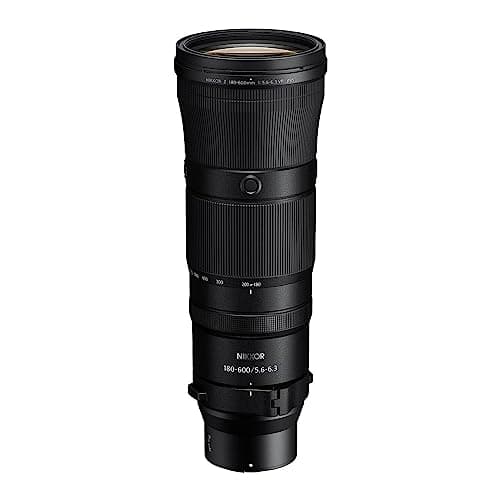
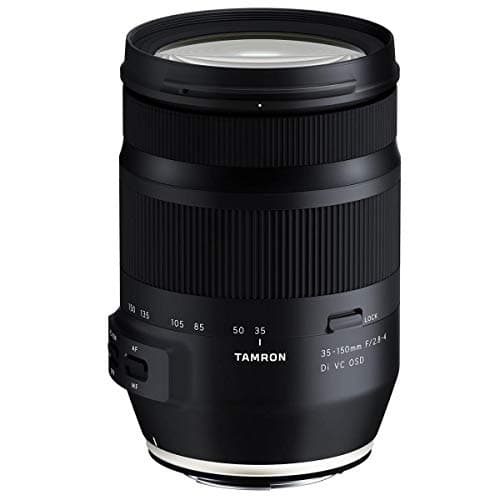
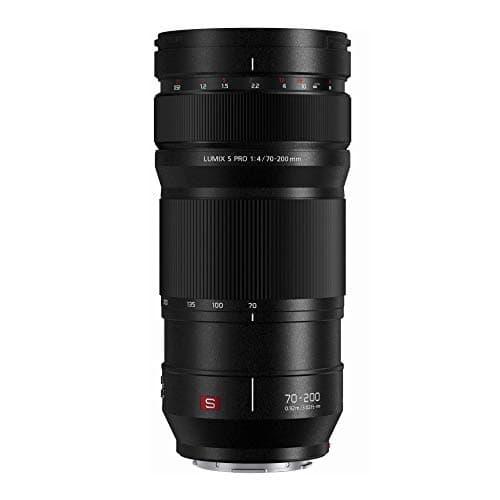
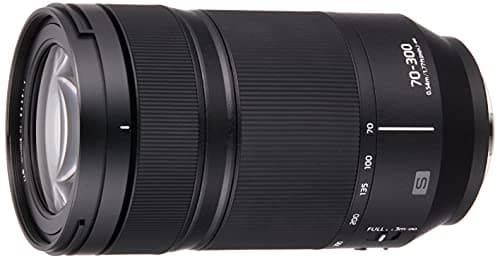
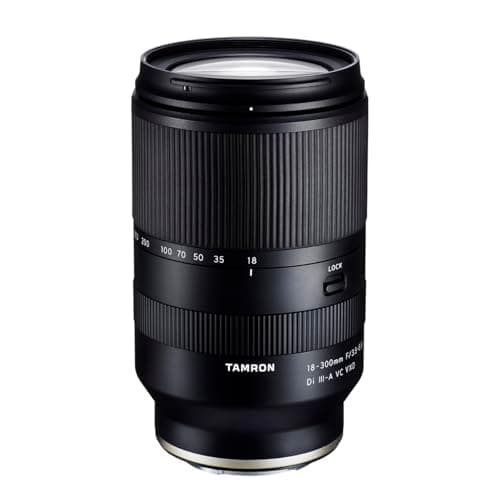
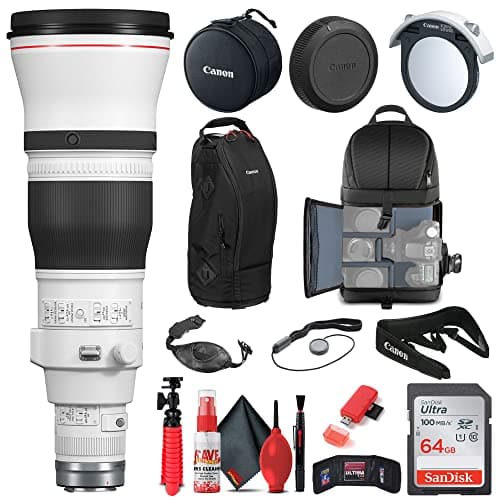
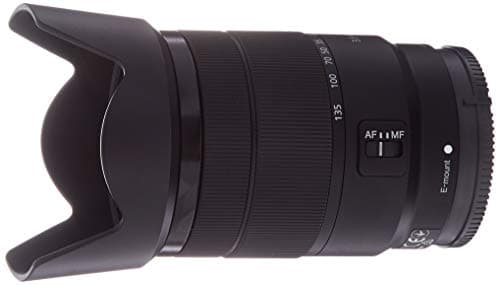
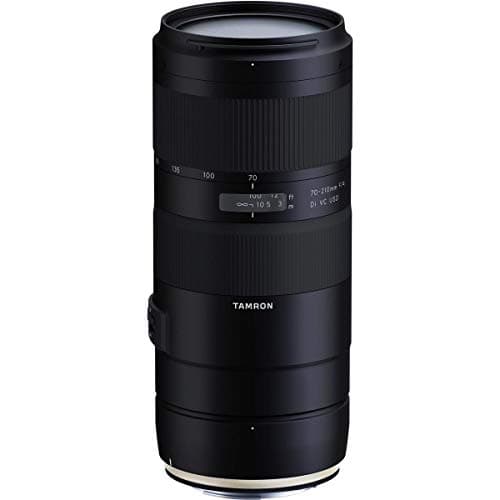
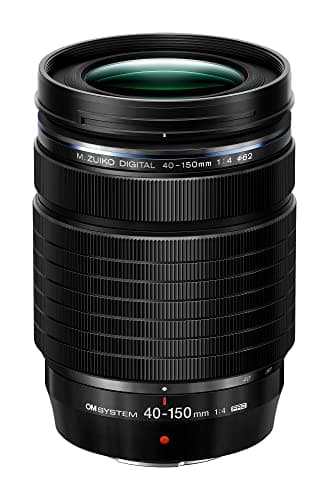
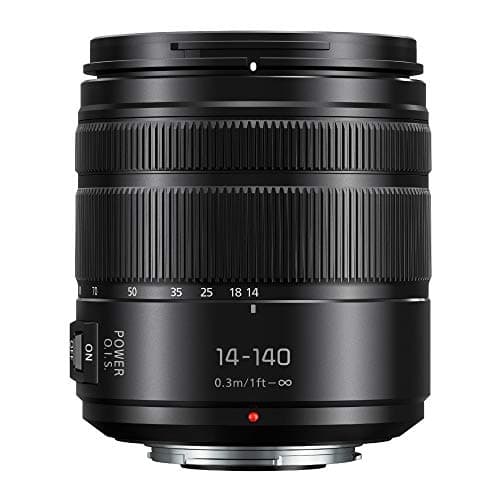
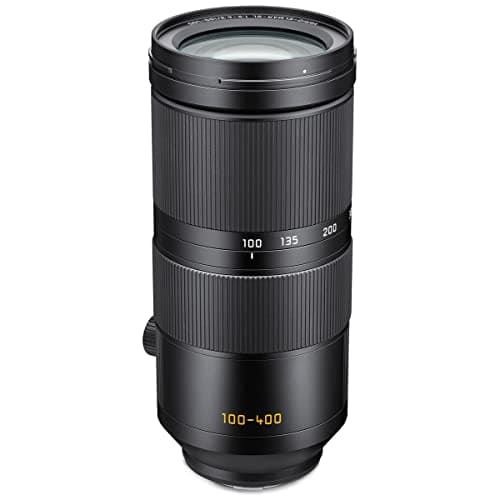
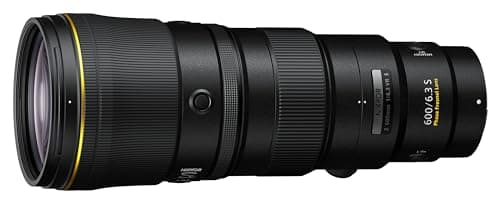
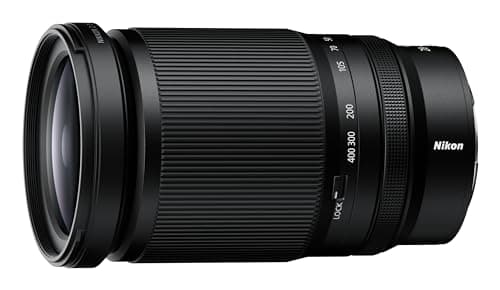
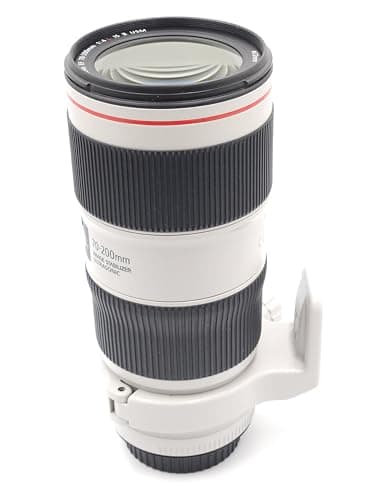
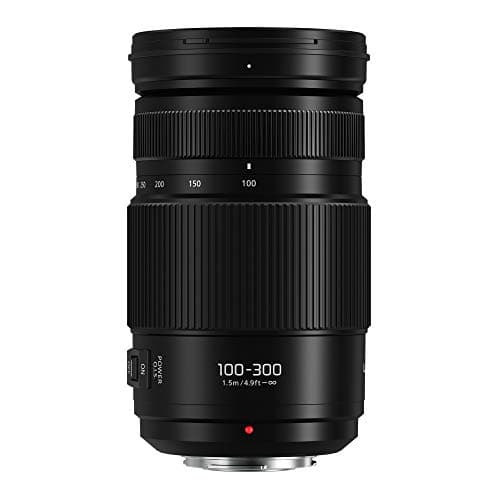
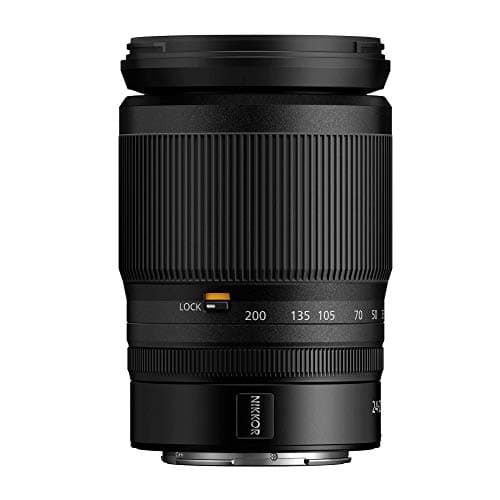
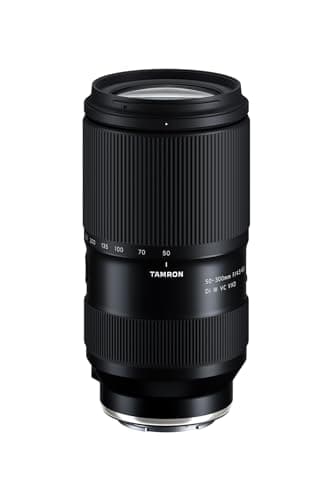
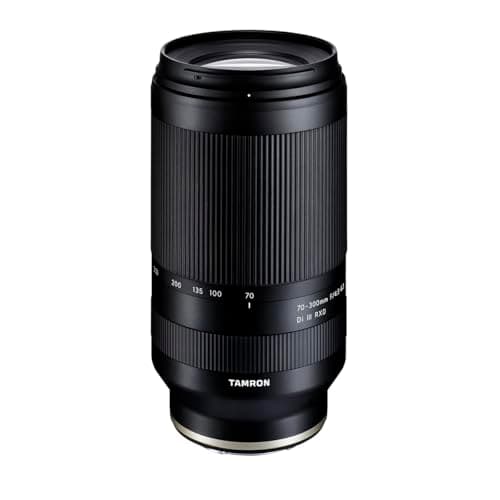
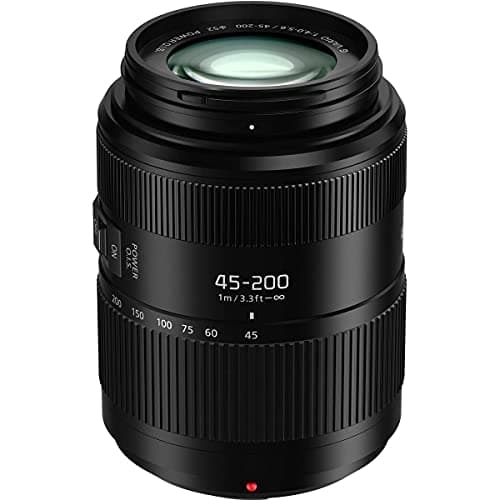
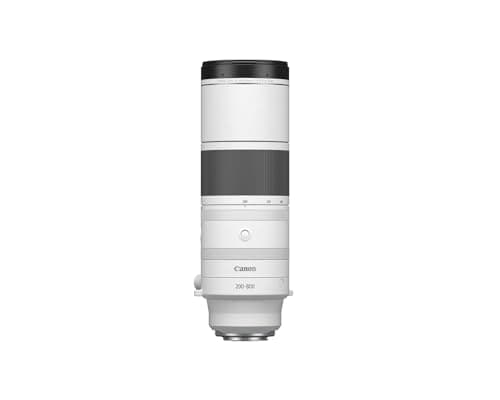
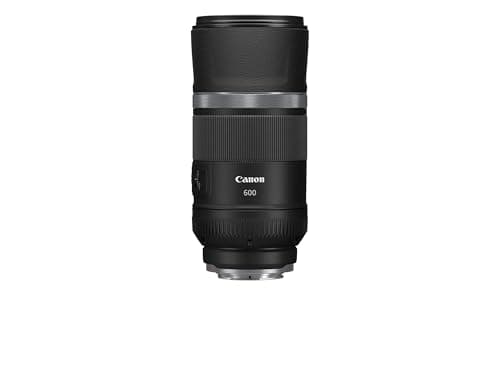
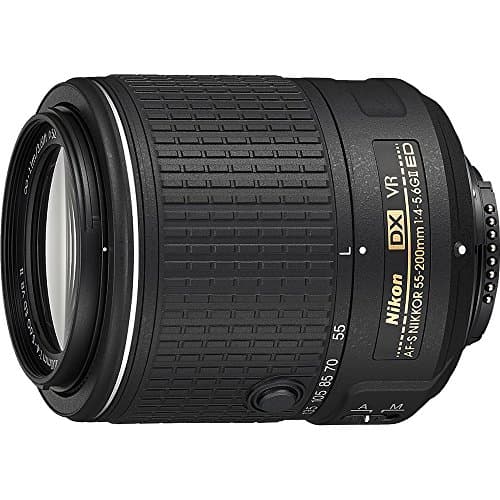
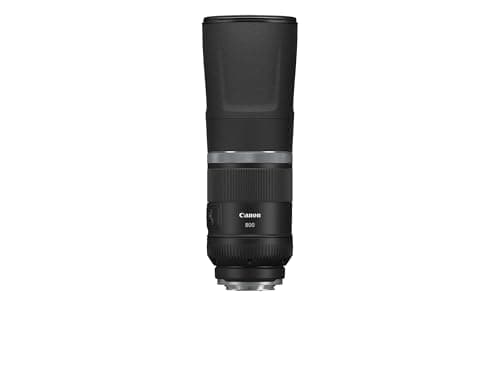
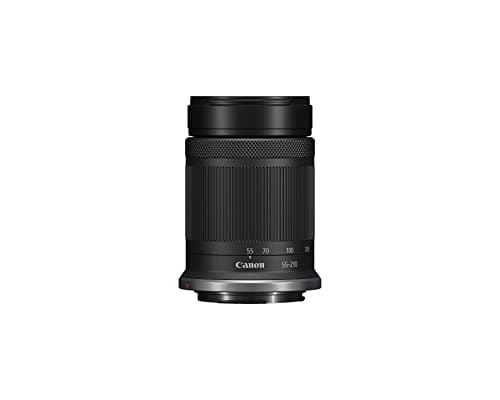
These are the best telephoto lenses for sports photography when you want sticky AF, decisive tracking, honest long-end sharpness, and strong stabilization for field sports, courts, arenas, pools, ice rinks, and track—without missing the peak moment—and here’s what to look for as you buy: prioritize linear/USM/LM/STM motors with a focus limiter for fast lock, robust optical stabilization (VR/IS/OSS/OIS) that pairs cleanly with IBIS, rugged weather sealing for rain/mud/spray, internal zoom or well-balanced handling for long days, low breathing if you film, and teleconverter compatibility for playoff reach; pick range by venue—70–200mm ƒ2.8 for indoor courts and pits, 100–400mm for daylight fields, and 150/180/200–600mm (or 150–600mm) when you need sideline-to-endzone or outfield coverage, while 300mm/400mm fast primes are the pro standard for night fields. Full-frame standouts: Sony FE 70–200mm ƒ2.8 GM II (class-leading AF, light), FE 70–200mm ƒ4 G II (travel-friendly, macro-ish close focus), FE 100–400mm GM (fast AF, disciplined long end), FE 200–600mm G (internal zoom, excellent tracking), Sigma 100–400mm ƒ5–6.3 DG DN OS (value “mini-wildlife”), Sigma 150–600mm DG DN Sports (serious long reach), Tamron 70–180mm ƒ2.8 (compact pit hero) and 70–300mm ƒ4.5–6.3 (light away-day lens); Canon RF 70–200mm ƒ2.8L IS and ƒ4L IS (tiny for class), RF 100–500mm ƒ4.5–7.1L IS (TC-capable 300–500mm, superb AF), RF 200–500mm ƒ4L IS (elite speed + reach), RF 100–400mm ƒ5.6–8 IS (budget-friendly reach), plus adapted EF 70–200mm ƒ2.8L IS II/III and EF 100–400mm II (still sports staples); Nikon Z 70–200mm ƒ2.8 S (stellar optics/VR), Z 70–180mm ƒ2.8 (compact), Z 100–400mm ƒ4.5–5.6 S (fast, TC-ready), Z 180–600mm ƒ5.6–6.3 (internal zoom, great value), and featherweight PF primes Z 400mm ƒ4.5 VR S and Z 600mm ƒ6.3 VR S (carry-all-day sideline glass). Prime speed demons for night/action: Sony FE 300mm ƒ2.8 GM, 400mm ƒ2.8 GM, 600mm ƒ4 GM; Canon RF 300mm ƒ2.8 L IS, RF 400mm ƒ2.8 L IS, RF 600mm ƒ4 L IS; Nikon Z 400mm ƒ2.8 TC VR S (built-in 1.4×), Z 600mm ƒ4 TC VR S; classic EF/F 300/2.8 and 400/2.8 remain superb used values for dedicated shooters. APS-C winners: Sony E 70–350mm ƒ4.5–6.3 G OSS (sharp, stabilized, great for daylight fields), Tamron 70–180mm ƒ2.8 on A6xxx for indoor courts, Sigma 50–100mm ƒ1.8 DC (where available) for gym speed, Fujifilm XF 50–140mm ƒ2.8 OIS (pro rink/court zoom), XF 70–300mm ƒ4–5.6 OIS (light reach), Canon RF-S 55–210mm IS STM (budget starter), Nikon Z DX 50–250mm VR (punchy long end) with FX tele options when needed. Micro Four Thirds champs: OM SYSTEM 40–150mm ƒ2.8 PRO (fast, weather-sealed), 40–150mm ƒ4 PRO (tiny travel kit), M.Zuiko 300mm ƒ4 IS PRO (legendary handholdable prime for field sports), and Panasonic/Leica 100–400mm (huge EFL reach in backpack size). Practical buyer tips: 70–200mm ƒ2.8 is the first sports lens for gyms, rinks, and pits; add a 100–400mm for daylight fields and track; step to 180/200–600 or 150–600 when you need end-to-end coverage at parks and airfields; internal-zoom designs (Sony 200–600, Nikon 180–600) balance better on monopods and in wind; confirm TC support and AF reliability with your body; standardize front diameters for one CPL (rarely used in sports) and protective clear filter in dust/mud—remove if it flares; don’t fear used EF/F-mount 70–200 ƒ2.8 IS and 100–400 II—they’re battle-tested bargains via adapters. Sports tele shooting tips: run AF-C with subject/eye/vehicle detect and a focus limiter, pre-focus to lanes or goalmouths, keep shutter speeds honest (≈1/1000–1/2000s for field sports; 1/500–1/1000s for courts), shoot near wide open then stop 1/3–2/3 stop for extra bite, pan smoothly and fire short bursts to beat micro-shake, brace with a monopod for long sets, watch heat shimmer on hot days (shorter distance beats more zoom), and manage backgrounds—move two steps for clean banners and color blocks; for night games, expose for faces and let stadium highlights clip gracefully, lean on faster glass or raise ISO rather than sacrificing shutter; for video, follow the 180° rule, enable breathing compensation, use lenses with quiet linear AF, and stabilize with monopod/gimbal; whether you’re freezing a striker, tracking a sprinter off the bend, catching a backhand winner, or isolating a quarterback through traffic, the best telephoto lenses for sports photography combine decisive AF, strong stabilization, and long-end discipline—so your action frames come back sharp, dramatic, and clutch.
Lenses by brand:
Lenses by price:
Lenses by type:
Lenses by sensor:
Lenses by feature:
Lenses by use case:
- Best Telephoto Lenses for Aerial Photography
- Best Telephoto Lenses for Architectural Photography
- Best Telephoto Lenses for Astrophotography
- Best Telephoto Lenses for Automotive Photography
- Best Telephoto Lenses for Bird Photography
- Best Telephoto Lenses for Cityscape Photography
- Best Telephoto Lenses for Concert Photography
- Best Telephoto Lenses for Fashion Photography
- Best Telephoto Lenses for Food Photography
- Best Telephoto Lenses for Headshot Photography
- Best Telephoto Lenses for Landscape Photography
- Best Telephoto Lenses for Macro Photography
- Best Telephoto Lenses for Nature Photography
- Best Telephoto Lenses for Night Photography
- Best Telephoto Lenses for Portrait Photography
- Best Telephoto Lenses for Product Photography
- Best Telephoto Lenses for Sports Photography
- Best Telephoto Lenses for Street Photography
- Best Telephoto Lenses for Travel Photography
- Best Telephoto Lenses for Wedding Photography
- Best Telephoto Lenses for Wildlife Photography
- Best Telephoto Lenses for Video
Lenses by experience:
Cameras: