
10 Best Telephoto Lenses for Macro Photography in 2026
Filters:
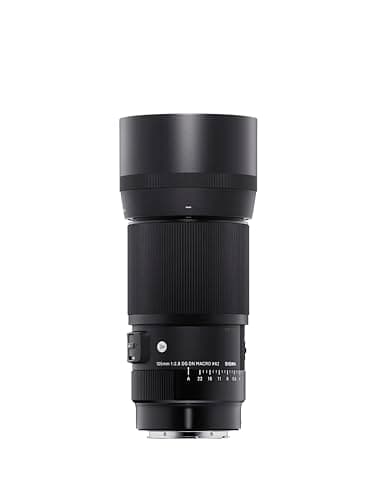
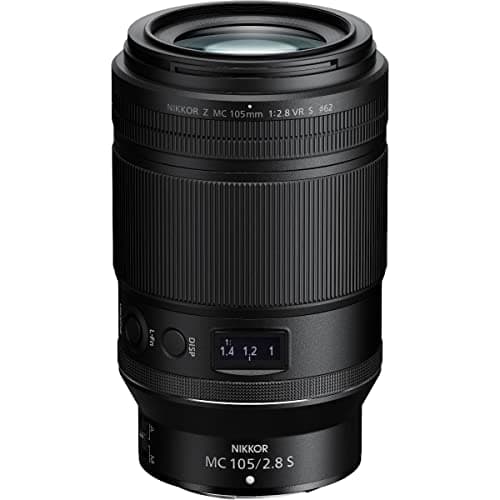
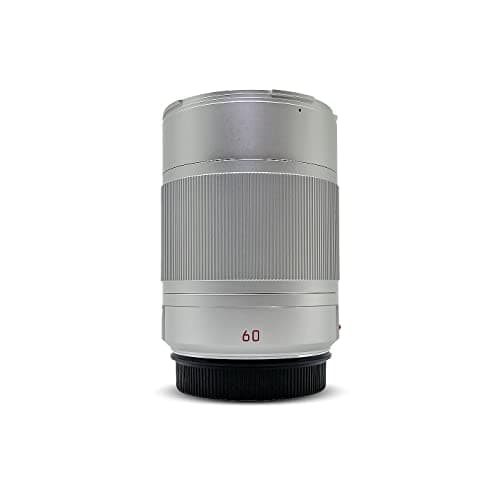
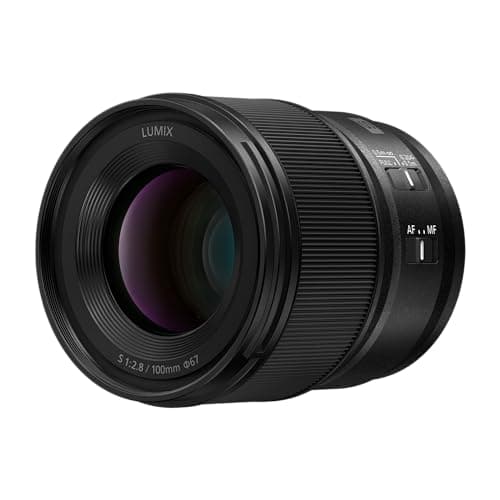
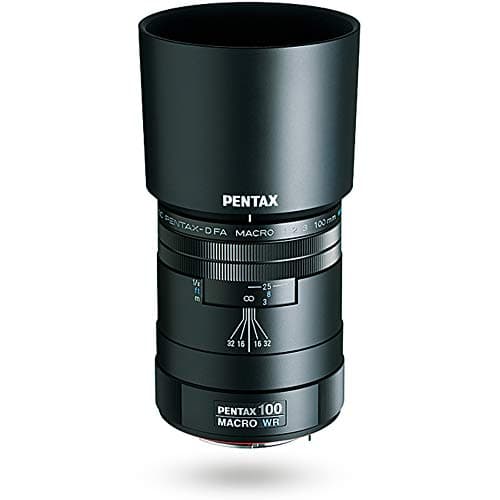
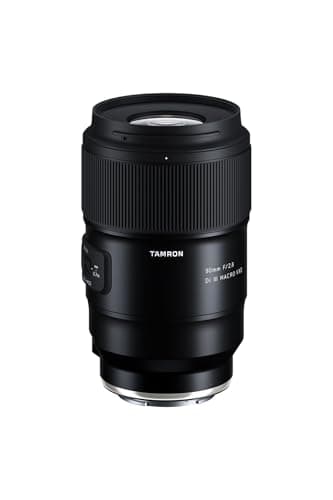
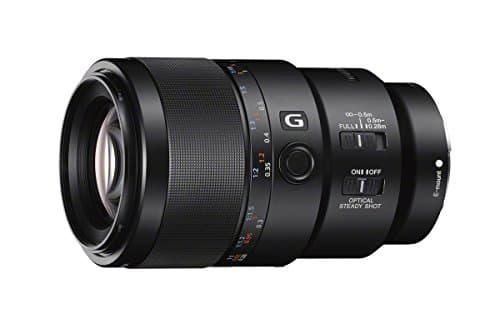
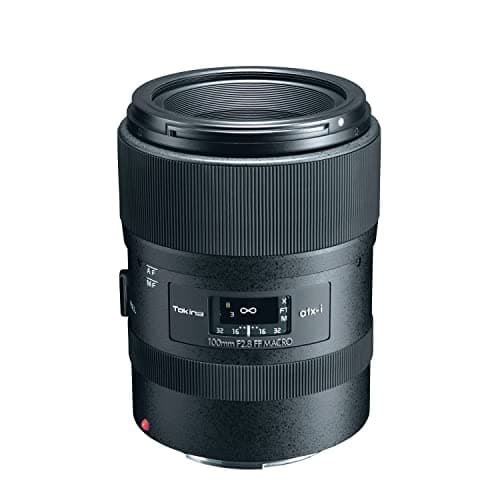
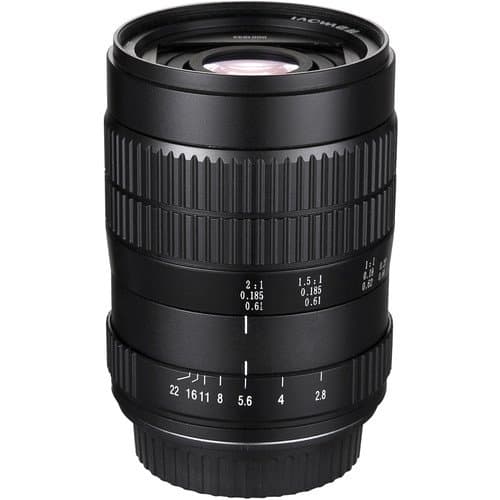
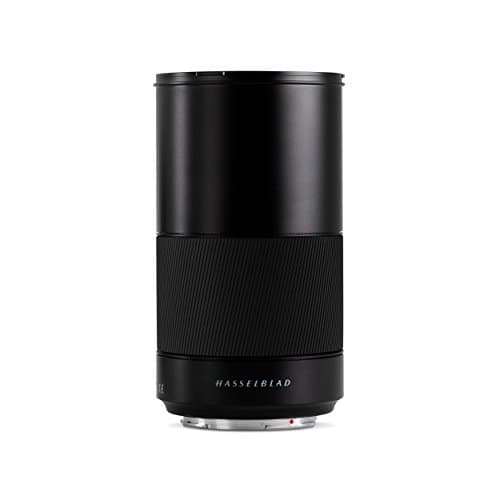
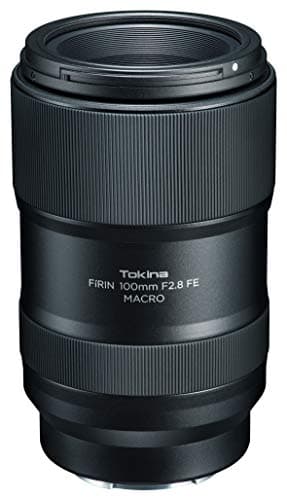
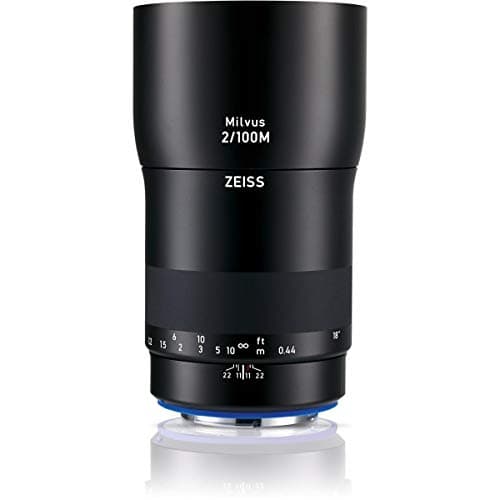
* Product prices and availability are accurate as of the date/time indicated and are subject to change. Any price and availability information displayed on Amazon.com at the time of purchase will apply to the purchase of this product.
* Imaginated.com may receive compensation for purchases made at participating retailers linked on this site. This compensation does not affect what products or prices are displayed, or the order of prices listed. Learn more here.
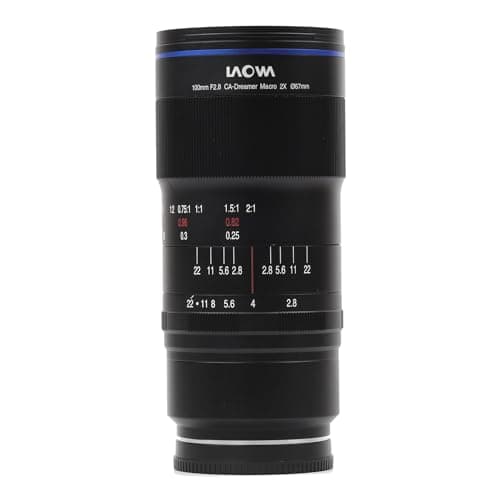
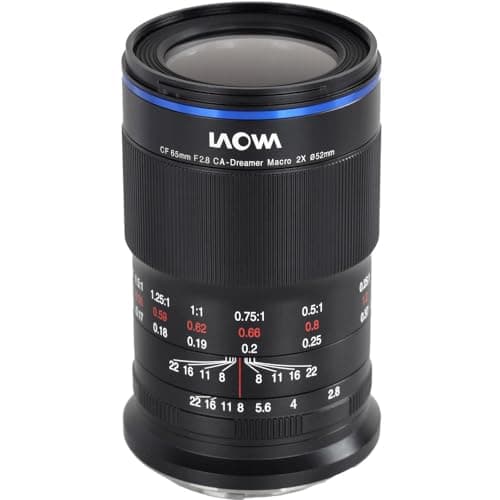
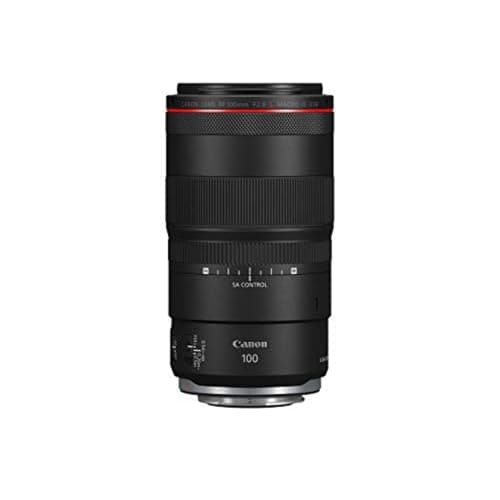
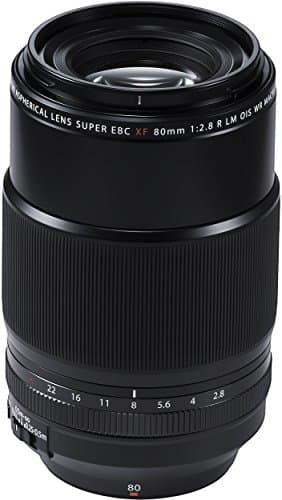
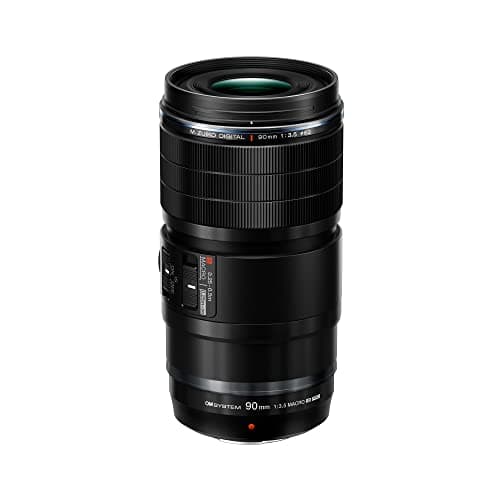
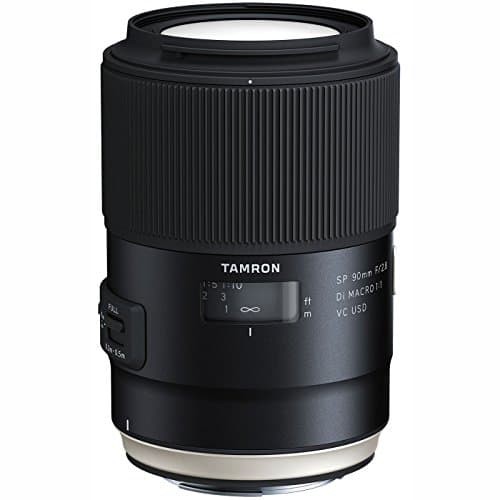
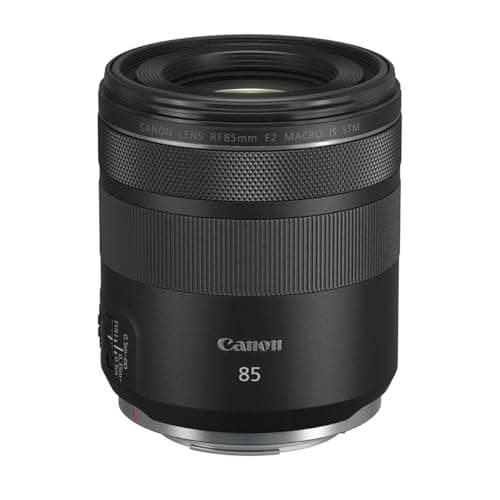
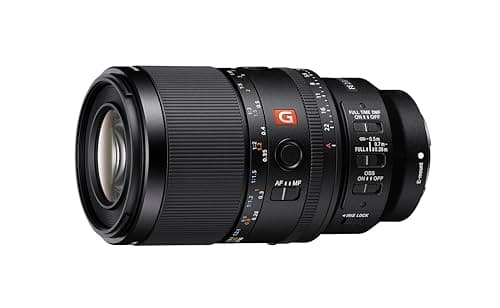
These are the best telephoto lenses for macro photography when you want generous working distance, calm backgrounds, and razor micro-contrast on insects, reptiles, jewelry, watch movements, and delicate flora—without spooking subjects or fighting reflections—and here’s what to look for as you buy: prioritize true 1:1 (or 2:1) magnification with long focal lengths (100–200mm) for stand-off room and cleaner bokeh, apochromatic/low-LoCA designs to keep purple/green fringing off iridescent wings and polished metal, a focus limiter for snappy AF, internal focusing for steady balance, optical stabilization (VR/IS/OSS/OIS or strong IBIS pairing) for hand-held fieldwork, smooth long-throw manual focus for stacking, weather sealing for dew/dust, and compatibility with teleconverters or high-quality diopters when you need more than 1:1. Full-frame tele-macro heroes: Sony FE 90mm ƒ2.8 Macro G OSS (benchmark sharpness, calm color, OSS), Sigma 105mm ƒ2.8 DG DN Macro Art (mirrorless-optimized, decisive AF), Canon RF 100mm ƒ2.8L Macro IS USM (1.4× native, Hybrid IS, SA Control to tune highlight glow), Canon EF 100mm ƒ2.8L IS USM (classic stabilized value via adapter), Nikon Z MC 105mm ƒ2.8 VR S (low LoCA, exquisite micro-contrast, VR), Tamron SP 90mm ƒ2.8 Di VC USD F017/F004 (VC with graceful rendering); longer working-distance specialists: Sigma 150mm ƒ2.8 EX DG OS HSM Macro and Sigma 180mm ƒ2.8 EX DG OS HSM Macro (stabilized reach with plush blur), Canon EF 180mm ƒ3.5L Macro USM (flat-field legend), Nikon Micro-NIKKOR 200mm ƒ4 (manual-friendly long macro), and Laowa 150mm ƒ2.8 2× APO Macro (manual, true APO, native 2×) plus Laowa 100mm ƒ2.8 2× APO (manual 2×, superb CA control). APS-C and Micro Four Thirds standouts: Fujifilm XF 80mm ƒ2.8 R LM OIS WR Macro (OIS, weather-sealed, gorgeous contrast), Fujifilm XF 60mm ƒ2.4 Macro (0.5× portrait/detail hybrid), Laowa 65mm ƒ2.8 2× APO (APS-C manual, zero-CA look at 2×), Sony FE 90/2.8 on A6xxx (short-tele FoV with IBIS bodies) or Sony FE 50/2.8 Macro for lighter rigs with diopters, Nikon Z MC 50mm ƒ2.8 (tiny, color-true), OM SYSTEM M.Zuiko 60mm ƒ2.8 Macro (beloved 1:1 with focus scale), OM SYSTEM 90mm ƒ3.5 Macro IS PRO (2:1 native with Sync IS—astonishing hand-held precision), and Panasonic Leica 45mm ƒ2.8 Macro-Elmarit OIS (compact, stabilized, elegant rendering). Practical buyer tips: pick ~150–200mm when subjects are skittish or perched over water and you want buttery backgrounds; ~100–105mm is the all-rounder for field and studio; if you crave extreme detail, 2×-capable APO designs (Laowa 100/2×, 150/2×, 65/2×) keep color halos off speculars and wings; stabilization steadies framing but diffusion matters more—budget for a soft flash or LED; extension tubes and achromat diopters (+5/+10) push a 100mm deeper without swapping lenses; standardize filter diameters so one premium CPL (sparingly on wet leaves/metal) and diffusion/ND covers the kit; used DSLR stabilized macros (EF 100L IS, Tamron 90 VC, Sigma 105 OS, Sigma 150/180 OS, Nikon 105 VR) remain rugged, budget-savvy performers on mirrorless via adapters. Tele-macro shooting tips: work early/cool for calm subjects, enable AF-C with a limiter (or manual on a rail for static scenes), shoot near wide open then stop 1/3–2/3 stop for eye-ring/shimmer-sharp detail with smooth falloff, keep shutter speeds honest (≈1/250–1/500s hand-held; add diffused flash at sync to freeze leaf/wing twitch), “rock” your torso to land the plane of focus and fire short bursts to beat micro-shake, angle light for texture and use negative fill to shape speculars on shells/metal, brace on knees/monopod for longer lenses, and reserve stacks for still subjects (5–50 frames) with electronic first curtain; ethics matter—don’t chill or handle wildlife, protect habitats, and leave no trace; whether you’re isolating a dragonfly’s compound eye, tracing watch gear teeth, or revealing velvet pollen on a stamen, the best telephoto lenses for macro photography combine long working distance, apochromatic discipline, and steady handling—so your tiny subjects look intentional, sharp, and beautifully separated.
Lenses by brand:
Lenses by price:
Lenses by type:
Lenses by sensor:
Lenses by feature:
Lenses by use case:
- Best Telephoto Lenses for Aerial Photography
- Best Telephoto Lenses for Architectural Photography
- Best Telephoto Lenses for Astrophotography
- Best Telephoto Lenses for Automotive Photography
- Best Telephoto Lenses for Bird Photography
- Best Telephoto Lenses for Cityscape Photography
- Best Telephoto Lenses for Concert Photography
- Best Telephoto Lenses for Fashion Photography
- Best Telephoto Lenses for Food Photography
- Best Telephoto Lenses for Headshot Photography
- Best Telephoto Lenses for Landscape Photography
- Best Telephoto Lenses for Macro Photography
- Best Telephoto Lenses for Nature Photography
- Best Telephoto Lenses for Night Photography
- Best Telephoto Lenses for Portrait Photography
- Best Telephoto Lenses for Product Photography
- Best Telephoto Lenses for Sports Photography
- Best Telephoto Lenses for Street Photography
- Best Telephoto Lenses for Travel Photography
- Best Telephoto Lenses for Wedding Photography
- Best Telephoto Lenses for Wildlife Photography
- Best Telephoto Lenses for Video
Lenses by experience:
Cameras: