
10 Best Telephoto Lenses with Image Stabilization in 2026
Filters:
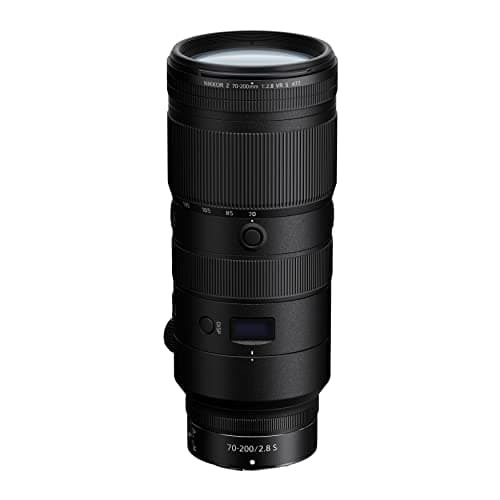
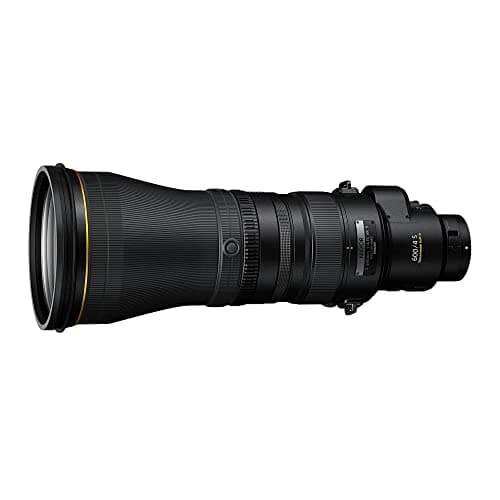
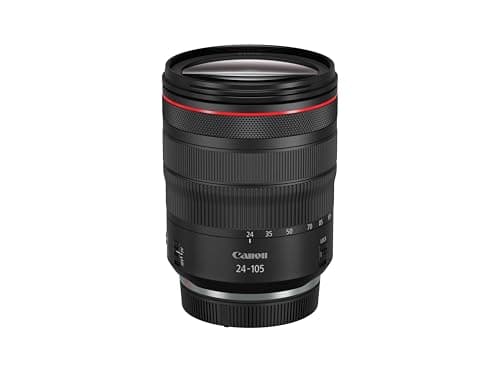
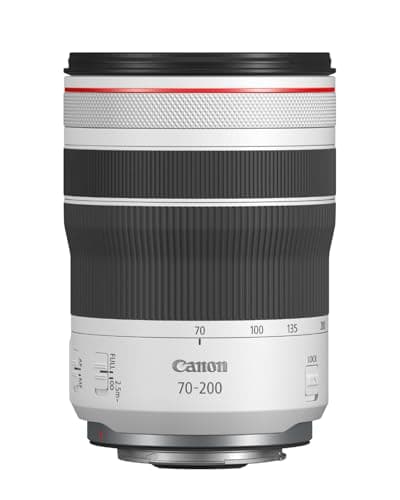
* Product prices and availability are accurate as of the date/time indicated and are subject to change. Any price and availability information displayed on Amazon.com at the time of purchase will apply to the purchase of this product.
* Imaginated.com may receive compensation for purchases made at participating retailers linked on this site. This compensation does not affect what products or prices are displayed, or the order of prices listed. Learn more here.
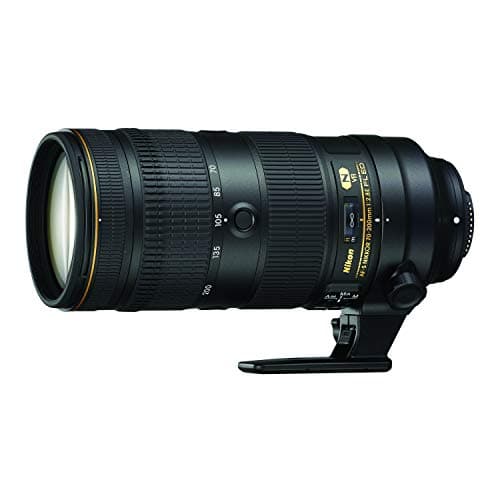
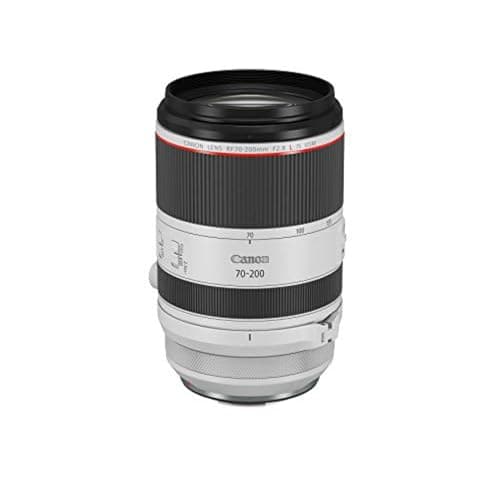
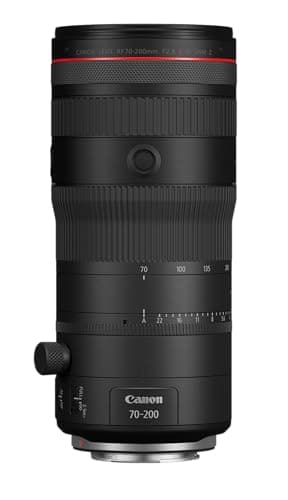
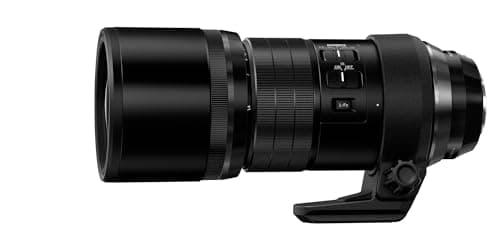
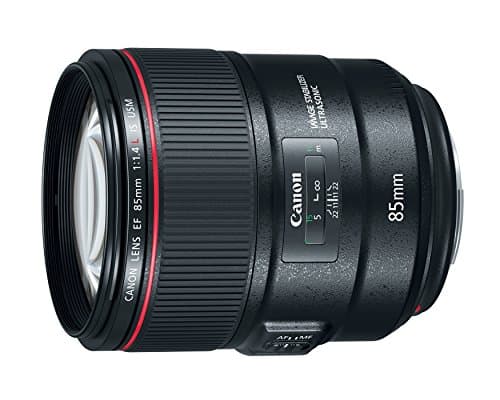
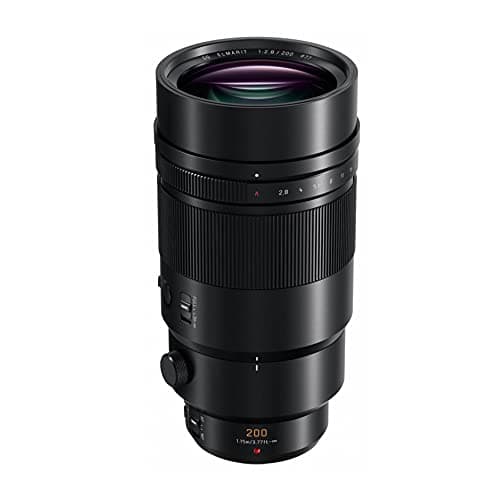
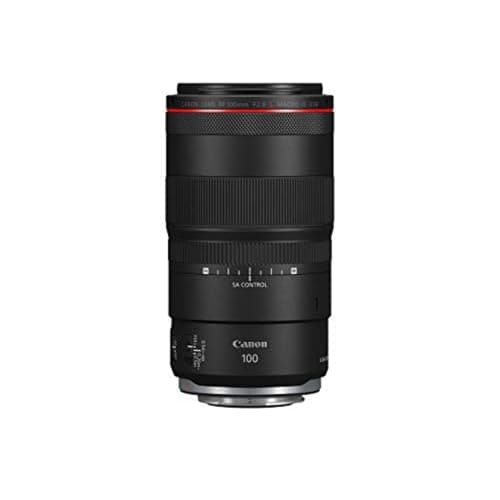
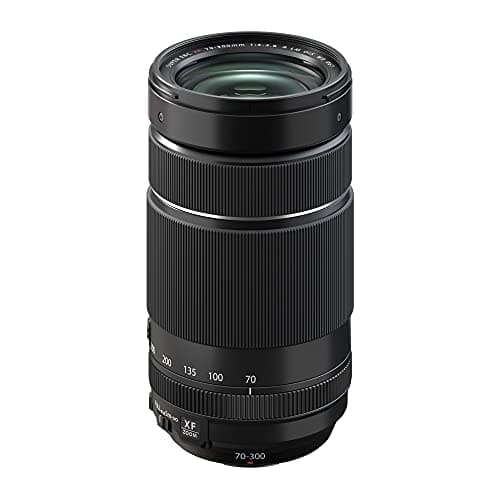
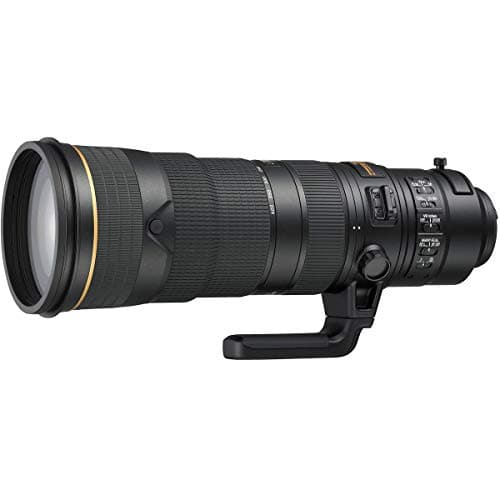
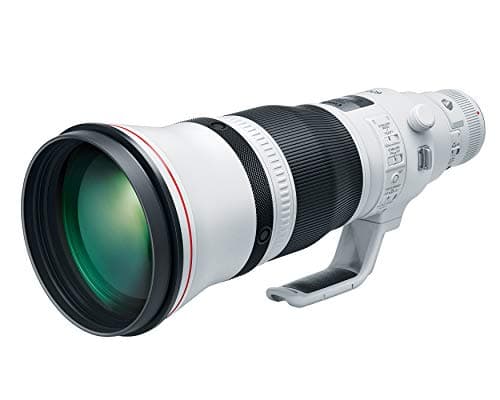
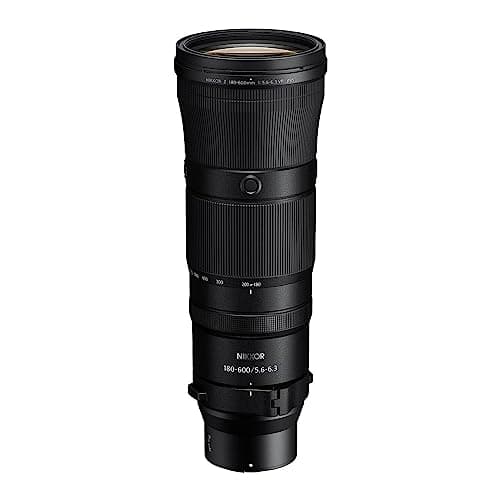
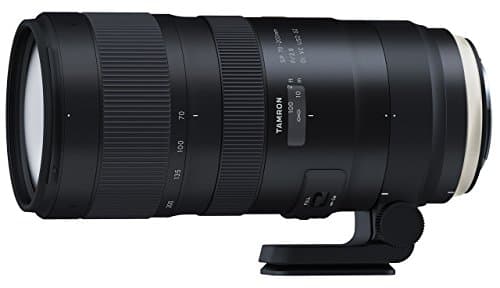
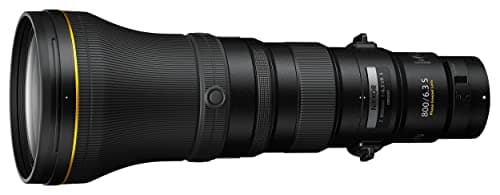
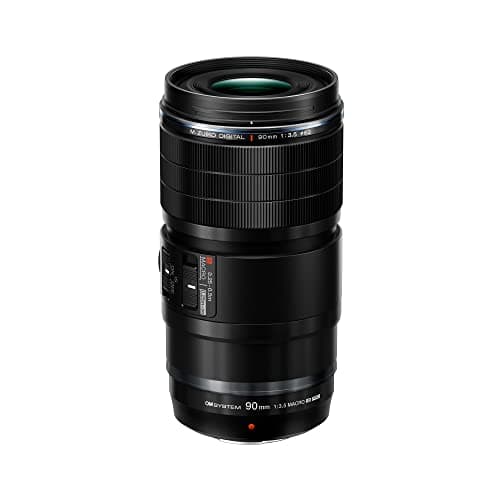
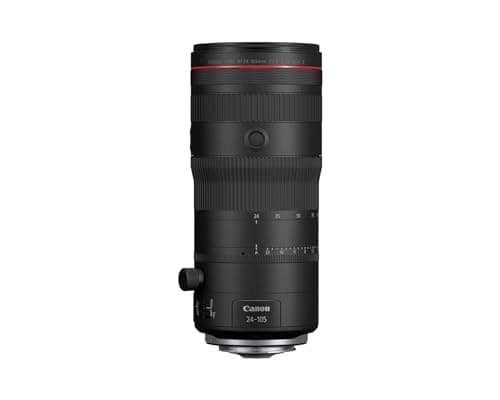
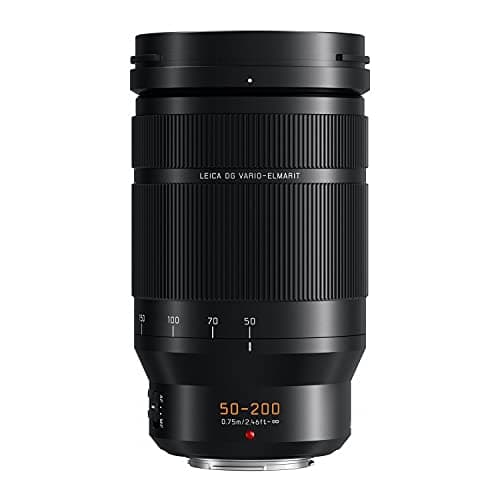
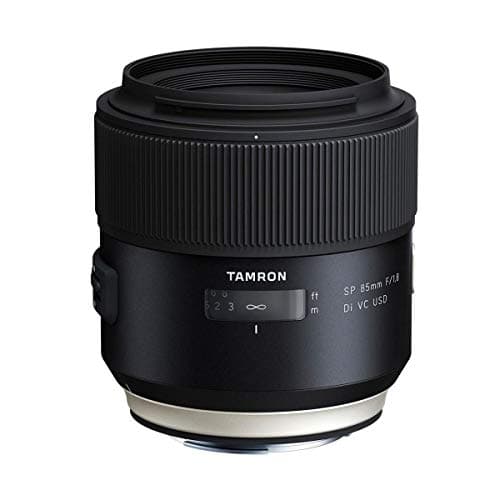
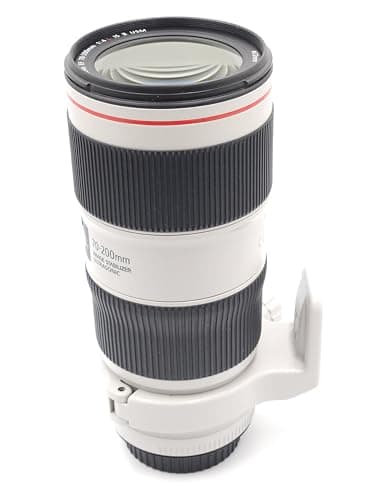
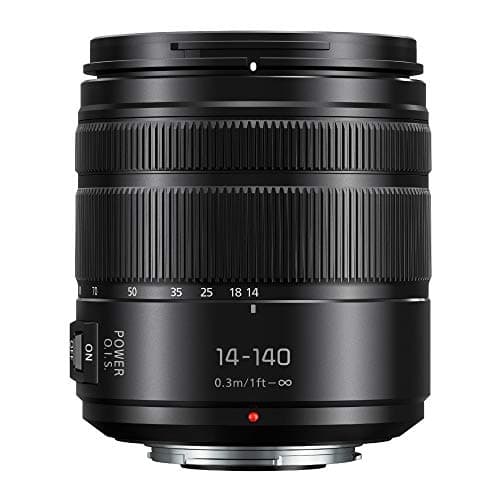
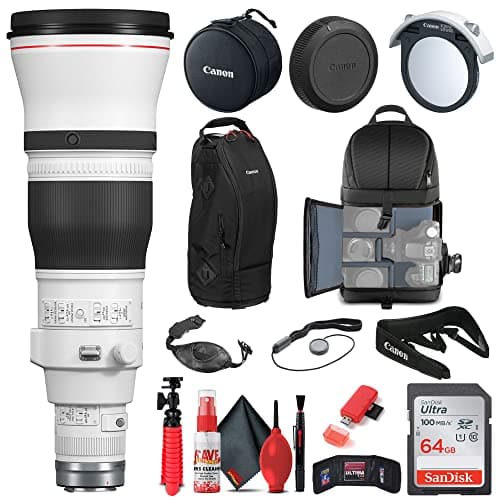
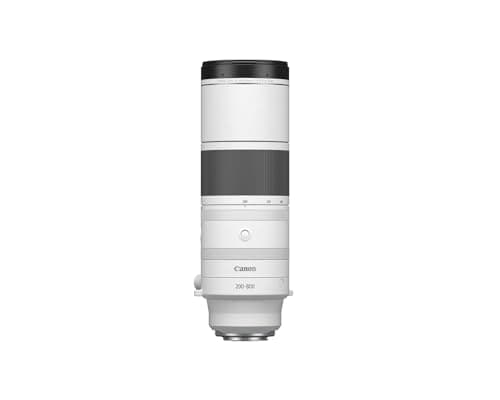
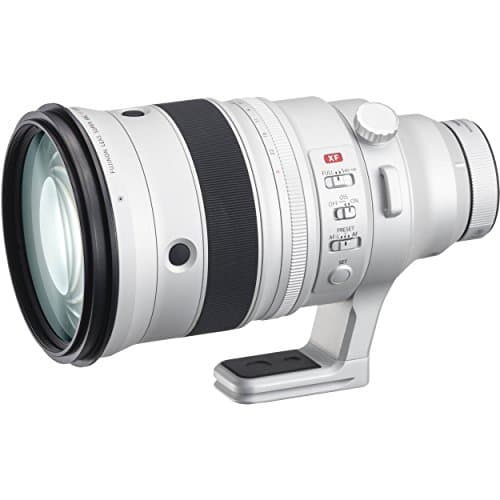
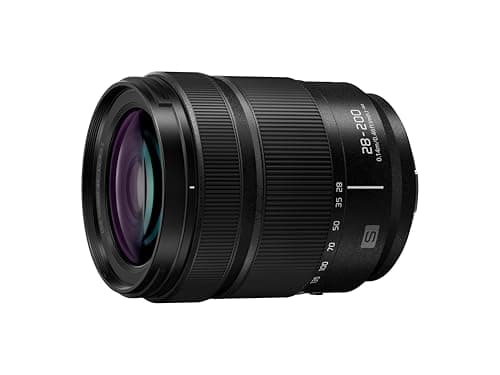
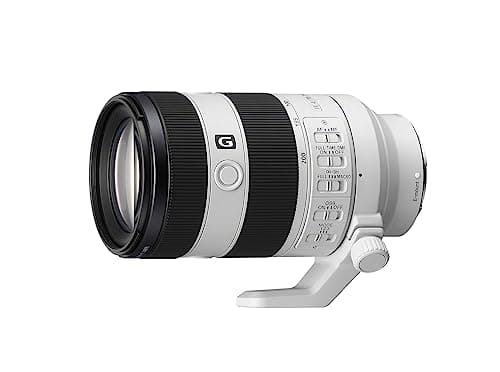
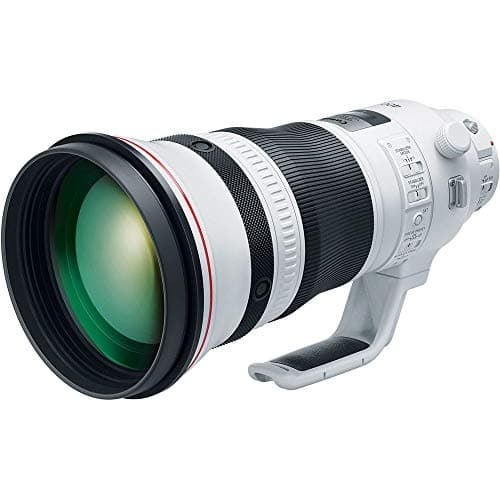
These are the best telephoto lenses with image stabilization when you want steady handheld reach, fast, sticky autofocus, and creamy separation for wildlife, sports, portraits, travel candids, and stage—without hauling a tripod—and here’s what to look for as you buy: prioritize robust optical stabilization (VR/IS/OSS/OIS) that pairs cleanly with your camera’s IBIS for “sync/dual” gains, linear/stepping AF motors for confident tracking, honest long-end sharpness (many teles soften past 300mm), a focus limiter to cut hunting, useful close-focus for detail B-roll, weather sealing for rain and dust, and balanced weight so you’ll actually carry it. Full-frame standouts with excellent stabilization: Sony FE 70–200mm ƒ2.8 GM II OSS (class-leading AF, strong OSS), Sony FE 70–200mm ƒ4 G II OSS (light, macro-ish close focus), Sony FE 100–400mm GM OSS (fast AF, stabilized long end), Sony FE 200–600mm G OSS (internal zoom, great OSS), Sony FE 135mm ƒ1.8 GM and 85mm ƒ1.4 GM (not zooms, but OSS bodies + IBIS deliver rock-steady portraits); Canon RF 70–200mm ƒ2.8L IS and RF 70–200mm ƒ4L IS (tiny for class, excellent IS), RF 100–400mm ƒ5.6–8 IS (shockingly effective IS in a travel package), RF 600mm ƒ11 and 800mm ƒ11 IS (ultra-light primes that rely on IS + modern AF), plus adapted EF 70–200mm ƒ4L IS II and EF 100–400mm II (proven IS); Nikon Z 70–200mm ƒ2.8 S VR (stellar OS + sharpness), Z 100–400mm ƒ4.5–5.6 S VR (fast AF, strong VR), Z 180–600mm ƒ5.6–6.3 VR (internal zoom, very steady), and PF primes like Z 400mm ƒ4.5 VR S and Z 600mm ƒ6.3 VR S (featherweight with potent VR). L-mount and third-party gems: Panasonic S 70–200mm ƒ2.8 OIS and S 70–300mm ƒ4.5–5.6 OIS (Dual I.S. champs), Sigma 100–400mm ƒ5–6.3 DG DN OS (light, stabilized reach) and Sigma 150–600mm DG DN Sports (serious OS at long focal lengths), Tamron 70–180mm ƒ2.8 V2 (adds VC) and Tamron 70–300mm ƒ4.5–6.3 (compact with surprisingly effective stabilization on IBIS bodies). APS-C and Micro Four Thirds stabilized winners: Sony E 70–350mm ƒ4.5–6.3 G OSS (sharp, long OSS), Canon RF-S 55–210mm IS STM (tiny, very steady), Nikon Z DX 50–250mm VR (kit sleeper with real bite), Fujifilm XF 50–140mm ƒ2.8 OIS (pro build, excellent OIS), XF 70–300mm ƒ4–5.6 OIS (light, TC-friendly), Panasonic 35–100mm ƒ2.8 II OIS and 100–300mm II OIS (compact, stabilized reach), OM SYSTEM 40–150mm ƒ4 PRO (weather-sealed, Sync IS on supported bodies) and 300mm ƒ4 IS PRO (legendary Sync IS). Practical buyer tips: choose a 70–200mm ƒ2.8 IS/VR/OSS for indoor sports, events, and portrait isolation; grab a 70–200mm ƒ4 if you value light weight; go 100–400mm for all-day field versatility, and 180/200–600mm (or 150–600mm) when birds/airshows dominate—internal zooms balance best on gimbals; primes with IS (or paired with strong IBIS) excel for portraits and low light; expect to stop down 2/3–1 stop at the extreme long end for extra bite; standardize front diameters for one CPL/ND set and confirm your body supports coordinated IS for maximum stops. Stabilized tele shooting tips: let IS/VR/OSS steady framing but keep shutter speeds honest (≈1/(focal length × crop) for static subjects; 1/1000s+ for field sports; 1/2000s for birds-in-flight), run AF-C with subject/eye detect and a focus limiter, pre-focus to likely lanes and pan smoothly, brace with elbows or a monopod, fire short bursts to beat micro-shake, watch heat shimmer at long distances, and curate backgrounds—one step left/right can turn clutter into creamy color fields; for portraits, shoot near wide open then close 1/3–2/3 stop for eyelash-sharp results; for video, pair lens IS with IBIS/electronic IS and use breathing compensation where available. Whether you’re isolating a dancer, tracking a striker, chasing backyard birds, or compressing mountains at sunset, the best telephoto lenses with image stabilization combine decisive AF, strong optical steadiness, and honest long-end performance—so your faraway moments come back sharp, steady, and beautifully separated.
Lenses by brand:
Lenses by price:
Lenses by type:
Lenses by sensor:
Lenses by feature:
Lenses by use case:
Lenses by experience:
Cameras: