
10 Best Macro Lenses with Image Stabilization in 2026
Filters:
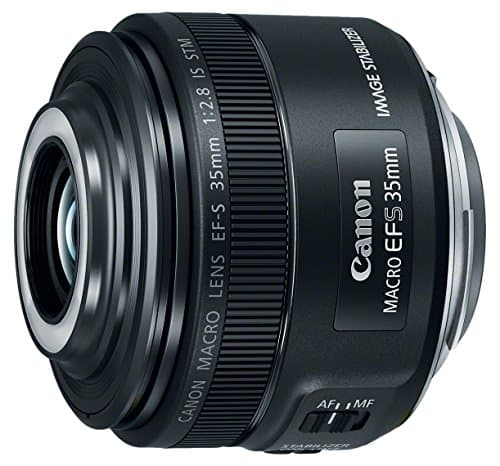
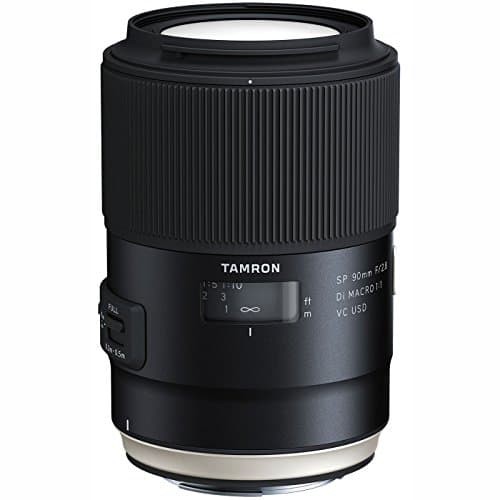
* Product prices and availability are accurate as of the date/time indicated and are subject to change. Any price and availability information displayed on Amazon.com at the time of purchase will apply to the purchase of this product.
* Imaginated.com may receive compensation for purchases made at participating retailers linked on this site. This compensation does not affect what products or prices are displayed, or the order of prices listed. Learn more here.
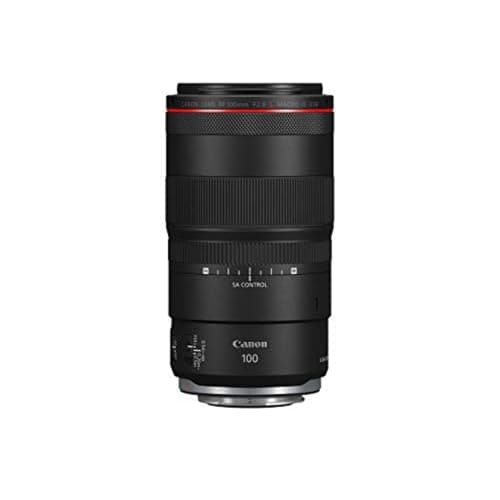
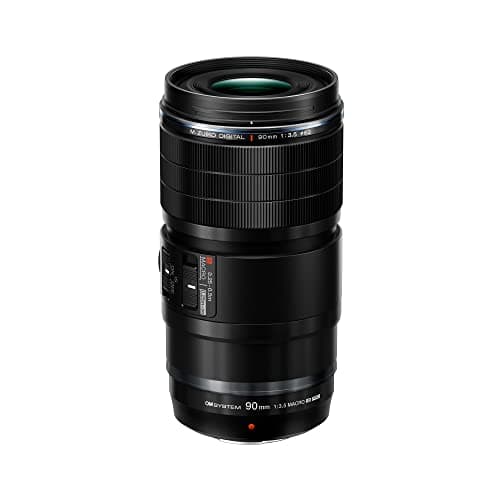
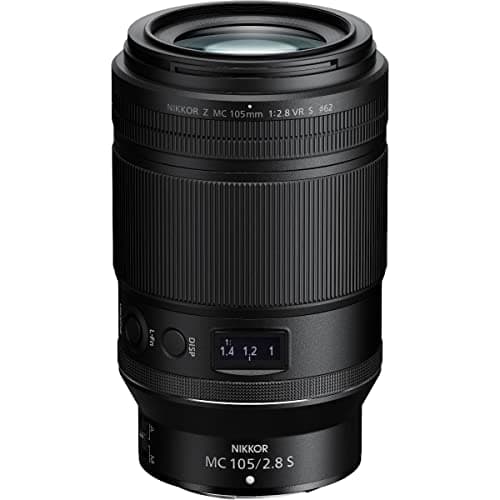
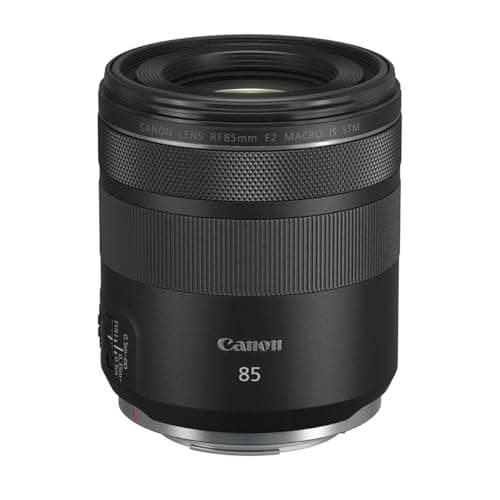
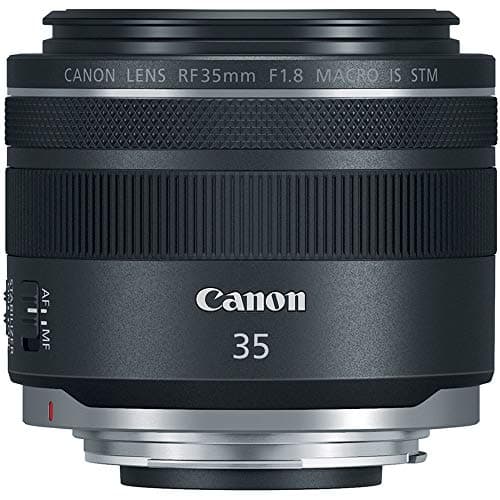
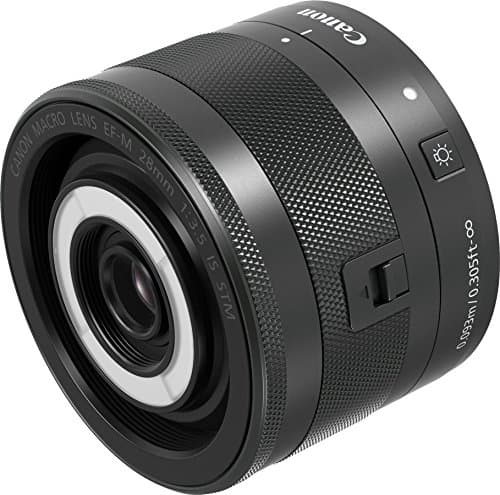
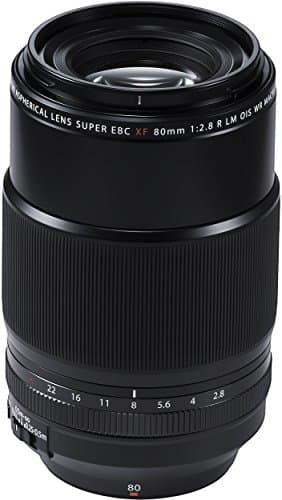
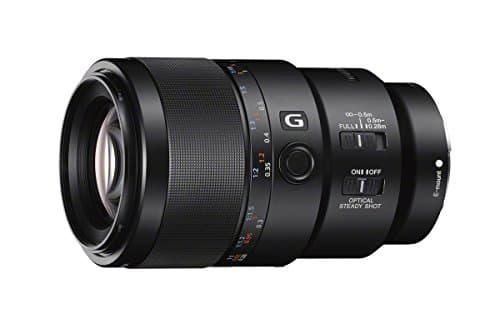
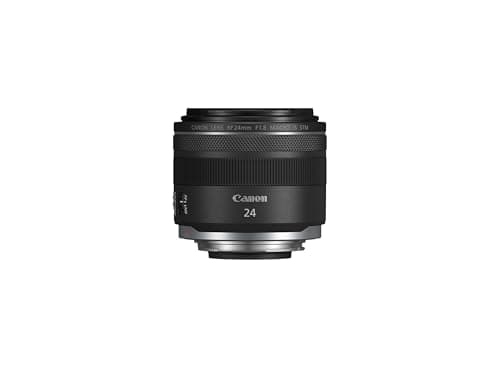
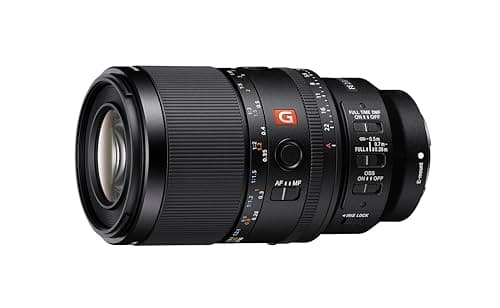
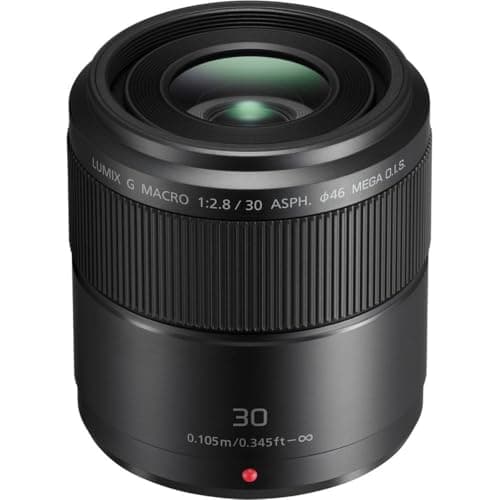
These are the best macro lenses with image stabilization when you want hand-held sharpness, smooth backgrounds, and confident framing for flowers, food, jewelry, textures, and skittish insects—and here’s what to look for as you buy: prefer lenses with optical stabilization tuned for close focus (Canon Hybrid IS, Nikon VR, Sony OSS, Panasonic OIS), internal focusing with a limiter (cuts hunting and keeps balance), low longitudinal CA for clean bokeh, and longer focal lengths (~90–105mm) for comfortable working distance; if your camera has IBIS, check for “Sync/Coordinated IS” support to stack lens + body stabilization for more stops, and remember stabilization helps you and framing—not the subject—so light and shutter speed still matter. Full-frame heroes with stabilization: Sony FE 90mm ƒ2.8 Macro G OSS (gold standard blend of sharpness, OSS, and AF), Canon RF 100mm ƒ2.8L Macro IS USM (1.4× with Hybrid IS and SA Control for bokeh tuning), Canon EF 100mm ƒ2.8L IS USM (classic stabilized 1:1), Nikon Z MC 105mm ƒ2.8 VR S (razor detail with VR and strong LoCA control), Nikon AF-S 105mm ƒ2.8G VR Micro (DSLR staple), Sigma 105mm ƒ2.8 EX DG OS HSM Macro (DSLR with OS, great value used), Tamron SP 90mm ƒ2.8 Di VC USD (F017/F004; VC plus excellent optics), and the Canon RF 85mm ƒ2 Macro IS STM and RF 35mm ƒ1.8 Macro IS STM (0.5×, Hybrid IS, great hybrid macro/walk-around options). APS-C and Micro Four Thirds standouts: Fujifilm XF 80mm ƒ2.8 R LM OIS WR Macro (OIS + weather sealing + beautiful rendering), Canon EF-S 35mm ƒ2.8 Macro IS STM (0.5× with Hybrid IS and built-in lights), Panasonic Leica 45mm ƒ2.8 Macro-Elmarit OIS (compact, stabilized gem), Panasonic Lumix G 30mm ƒ2.8 Macro OIS (tiny, sharp, and steady), and OM SYSTEM 90mm ƒ3.5 Macro IS PRO (2:1 with Sync IS for impressive hand-held reach). Practical buyer tips: if your body lacks IBIS (most DSLRs, some mirrorless), prioritize a stabilized macro prime in the ~90–105mm range; if your body has strong IBIS, pair it with stabilized lenses that support Sync/Coordinated IS for the steadiest view, or choose shorter stabilized macros for tabletop/product work; add a small diffuser or ring light—stabilization won’t freeze a moving beetle—and use the focus limiter to keep AF in the right zone; shop used for DSLR IS macros (EF 100L IS, Nikon 105 VR, Tamron 90 VC, Sigma 105 OS) to stretch your budget. Stabilized macro shooting tips: use IBIS/IS to compose at 1:1, then keep shutter speeds honest (≈1/125–1/250s for hand-held without flash; sync at 1/200–1/250s with flash), enable panning mode (IS Mode 2) if you track along leaves or stems, fire short bursts to beat micro-shake, brace with a monopod or clamp for longer focal lengths, and stop to ƒ5.6–ƒ11 for depth while watching diffraction on smaller sensors; for ultra-close work, combine stabilization with a macro rail and gentle flash diffusion. Whether you’re shooting petals in the breeze, plated dishes in dim restaurants, or jewelry in available light, the best macro lenses with image stabilization pair steady framing, disciplined optics, and comfortable working distance—so your tiny subjects stay crisp, clean, and beautifully separated even without a tripod.
Lenses by brand:
Lenses by price:
Lenses by type:
Lenses by sensor:
Lenses by feature:
Lenses by use case:
Lenses by experience:
Cameras: