
Name | Features | Price |
|---|---|---|
Canon RF 100-300mm F2.8L IS USM⭐ 5.0 / 5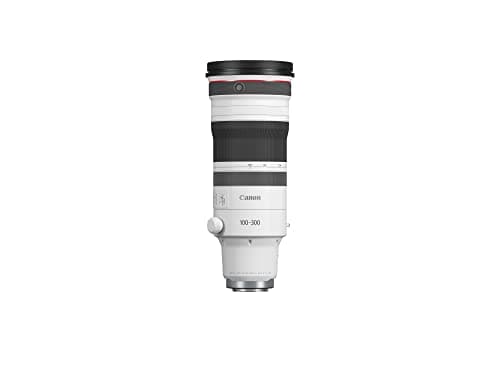 | ||
Name | Features | Price |
Canon RF 50mm F1.2L USM⭐ 5.0 / 5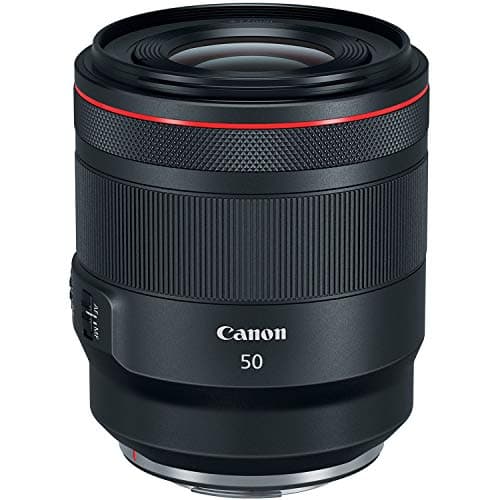 | ||
Name | Features | Price |
Fujifilm XF 200mm F2 R LM OIS WR⭐ 5.0 / 5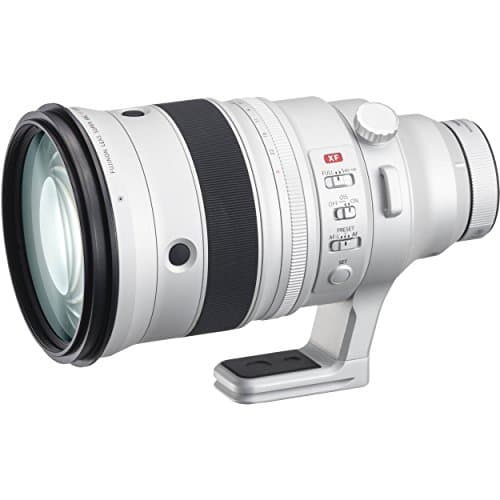 | ||
Name | Features | Price |
Sony FE 28-70mm F2 GM⭐ 5.0 / 5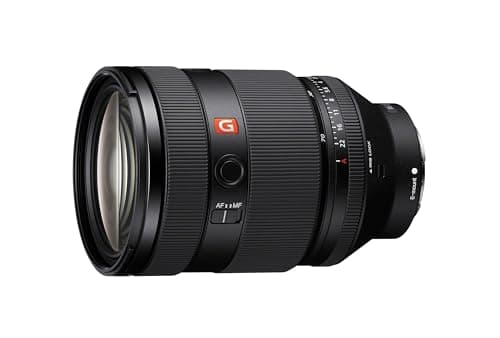 | ||
Name | Features | Price |
Canon RF 85mm F1.2L USM⭐ 5.0 / 5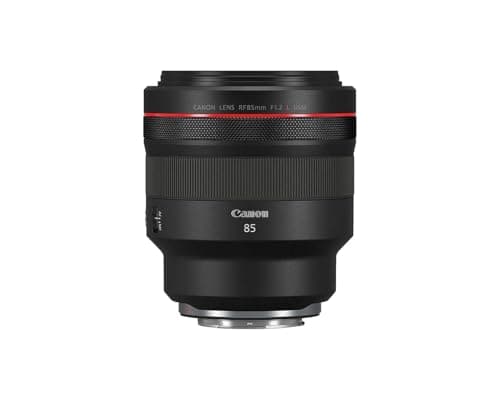 | ||
Name | Features | Price |
Canon RF 28-70mm F2L USM⭐ 5.0 / 5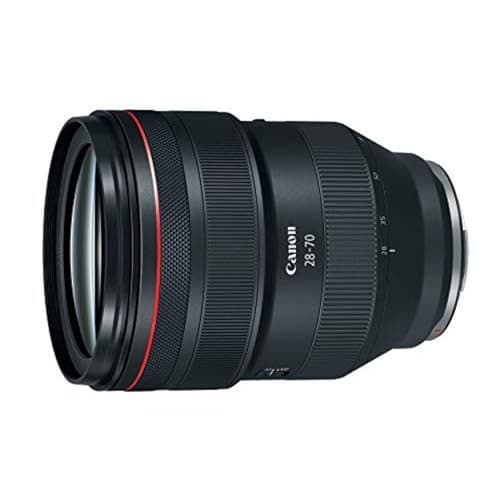 | ||
Name | Features | Price |
Nikon Nikkor Z 85mm F1.2 S⭐ 5.0 / 5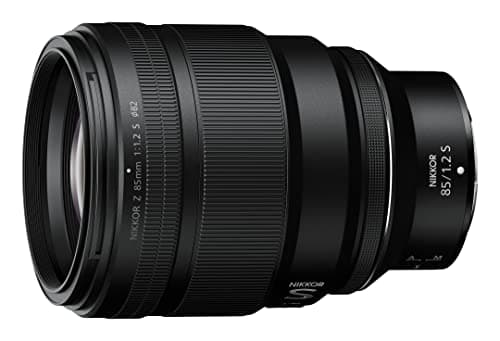 | ||
Name | Features | Price |
Canon RF 85mm F1.2L USM DS⭐ 5.0 / 5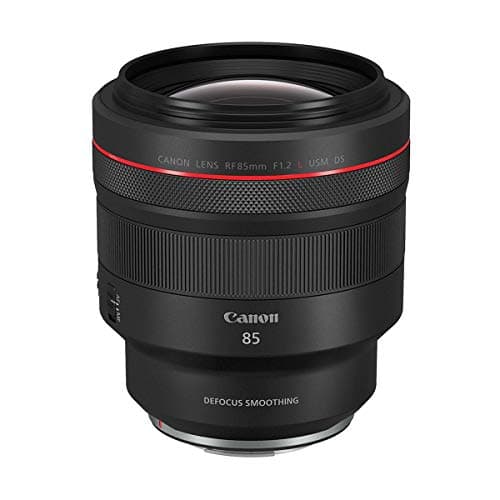 | ||
Name | Features | Price |
Tamron 35-150mm F2-2.8 Di III VXD⭐ 5.0 / 5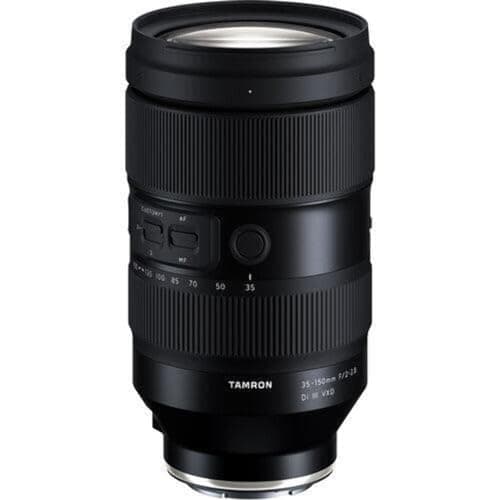 | ||
Name | Features | Price |
Canon EF 400mm F2.8L IS III USM⭐ 5.0 / 5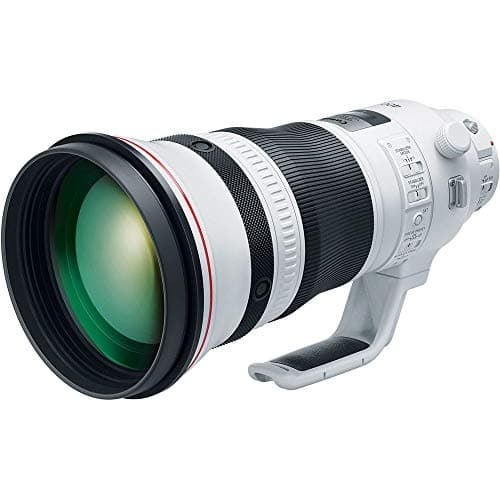 |
* Product prices and availability are accurate as of the date/time indicated and are subject to change. Any price and availability information displayed on Amazon.com at the time of purchase will apply to the purchase of this product.
* Imaginated.com may receive compensation for purchases made at participating retailers linked on this site. This compensation does not affect what products or prices are displayed, or the order of prices listed. Learn more here.
These are the best telephoto lenses for low light when you want fast, confident autofocus, clean contrast, and buttery separation for indoor sports, concerts, theater, weddings, night portraits, and dim gyms—without leaning only on ISO—and here’s what to look for as you buy: prioritize speed (ƒ1.2–ƒ2 for primes; constant ƒ2.8 for zooms), reliable stabilization (IS/VR/OSS or strong IBIS pairing) for slower shutter safety, linear/stepper AF motors that lock in the dark, low longitudinal CA to keep magenta/green fringing off highlights, and honest wide-open performance with rounded blades; internal focusing keeps balance steady, a focus limiter cuts hunting, and breathing compensation helps if you film. Full-frame low-light heroes (primes for maximum light): 85–105–135mm class like Sony FE 135mm ƒ1.8 GM, FE 85mm ƒ1.4 GM, Sigma 85mm ƒ1.4 DG DN, Sigma 105mm ƒ1.4 “bokeh master,” Canon RF 85mm ƒ1.2L (and DS), RF 135mm ƒ1.8L IS, Nikon Z 85mm ƒ1.2 S, Z 135mm ƒ1.8 S Plena, plus classic EF/F 135mm ƒ2 and 200mm ƒ2.8 for value via adapters; stabilized tele primes that shine handheld: Canon RF 135/1.8 IS, Nikon Z 105/1.4E (F-mount legacy with IBIS bodies), and Sony FE 100mm STF (apodization look—use where light allows). Zoom workhorses that own dim venues: 70–200mm ƒ2.8 flagships (Sony FE 70–200mm ƒ2.8 GM II, Canon RF 70–200mm ƒ2.8L IS, Nikon Z 70–200mm ƒ2.8 S, Panasonic S 70–200mm ƒ2.8 OIS) and lighter ƒ4 versions if you trust IBIS but need portability; for longer reach under lights, superb 100–300/120–300/200–600 class lenses exist, but remember their slower apertures demand higher ISO—pair with excellent stabilization. APS-C and Micro Four Thirds standouts (fast glass + stabilization leverage crop bodies): Fujifilm XF 90mm ƒ2 R LM WR (razor-sharp indoor tele), XF 50–140mm ƒ2.8 OIS (pro zoom for courts and stage), Sigma 56mm ƒ1.4 DC DN (tiny low-light killer on E/X/L), Sony E 70–350mm ƒ4.5–6.3 G OSS (use at the wide/bright end and lean on OSS), Canon RF-S 55–210mm IS STM (steady budget tele), Nikon Z DX 50–250mm VR (shockingly stable with IBIS bodies); Micro Four Thirds: OM SYSTEM 40–150mm ƒ2.8 PRO (fast, weather-sealed), Panasonic 35–100mm ƒ2.8 II OIS (mini event lens), and the OM SYSTEM 90mm ƒ3.5 Macro IS PRO’s Sync IS makes handheld detail in dim rooms surprisingly doable. Practical buyer tips: if shutter speed is king (indoor sports, dance), pick a fast prime (85/1.4–135/1.8) or a 70–200/2.8—speed beats pure reach; if you handhold at receptions/concerts, pair lens IS with strong IBIS for real-world 3–6-stop gains; APO/low-LoCA designs keep bright instruments and stage lights clean; standardize front diameters for one high-quality VND/CPL and diffusion filter; used EF/F 70–200/2.8 IS, 70–200/4 IS, and 135/2 primes are budget-smart on adapters. Low-light tele shooting tips: use AF-C with subject/eye detect and a focus limiter to avoid hunting, expose for faces and let speculars clip gracefully, shoot near wide open then stop 1/3–2/3 stop for eyelash-sharp results, keep shutter speeds honest (≈1/250–1/500s for people; 1/1000s+ for action) and let ISO float, stabilize your stance or use a monopod, fire short bursts to beat micro-shake, and watch LED flicker—nudge shutter to friendly syncs or enable anti-flicker; for video, follow the 180° rule, enable breathing compensation, and use lenses with quiet linear AF; add a small diffuser or bounce for lift—quality light trumps chasing one more third of a stop. Whether you’re freezing a layup in a dim gym, isolating a singer under spotlights, or capturing candlelit vows, the best telephoto lenses for low light combine fast apertures, disciplined aberration control, and rock-steady handling—so your distant subjects stay sharp, clean, and beautifully separated when the lights drop.
Lenses by brand:
Lenses by price:
Lenses by type:
Lenses by sensor:
Lenses by feature:
Lenses by use case:
Lenses by experience:
Cameras: