
10 Best Wide-Angle Lenses with Image Stabilization in 2026
Filters:
* Product prices and availability are accurate as of the date/time indicated and are subject to change. Any price and availability information displayed on Amazon.com at the time of purchase will apply to the purchase of this product.
* Imaginated.com may receive compensation for purchases made at participating retailers linked on this site. This compensation does not affect what products or prices are displayed, or the order of prices listed. Learn more here.
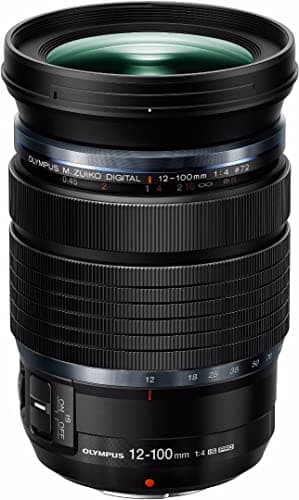
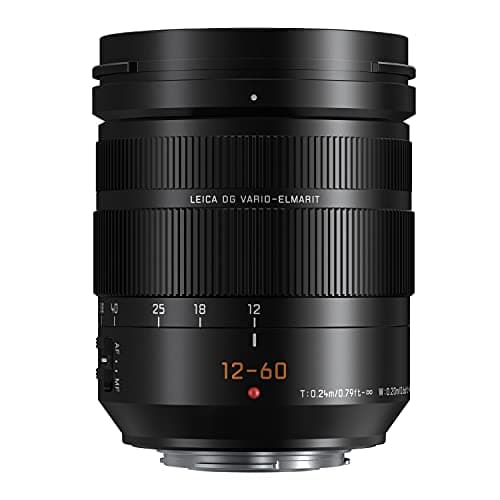
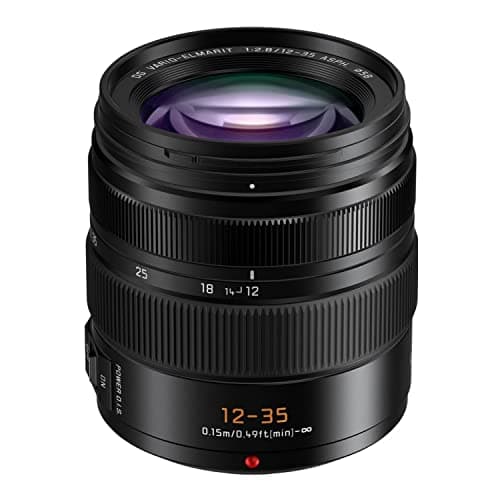
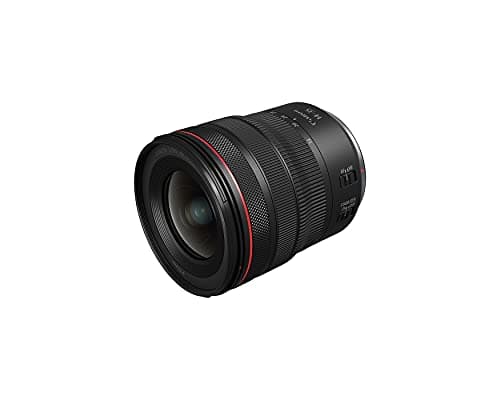
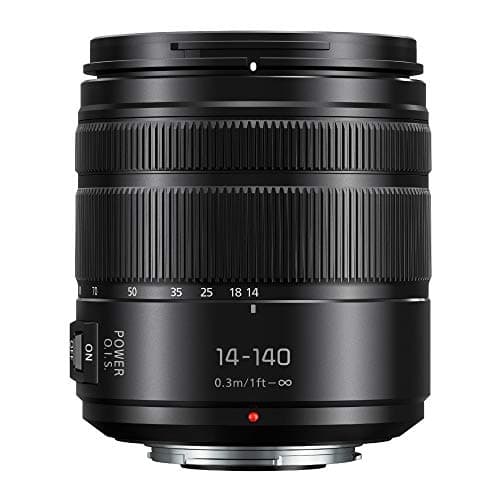
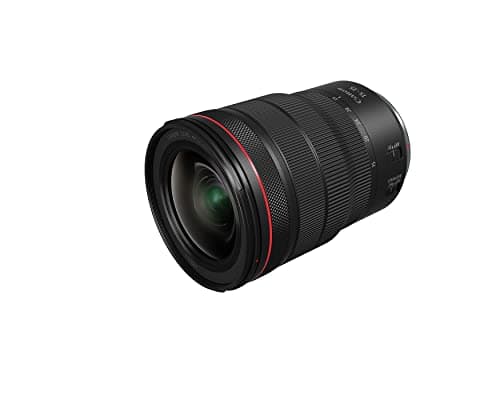
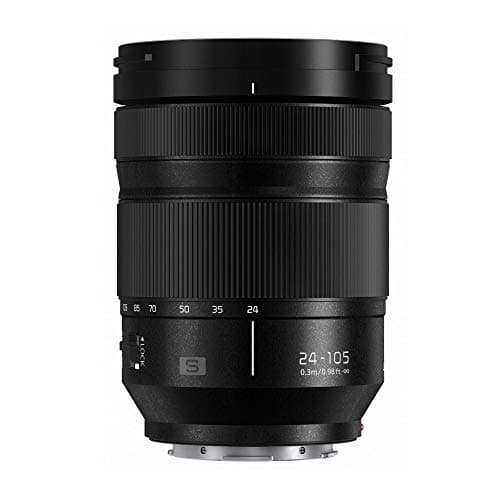
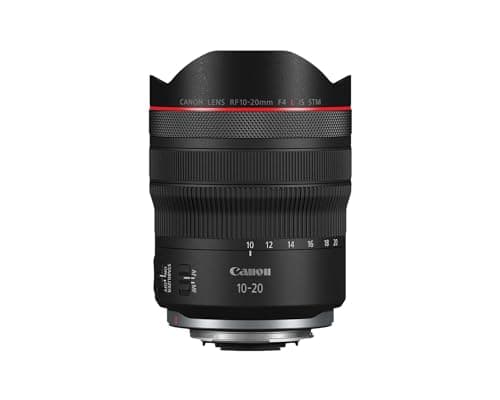
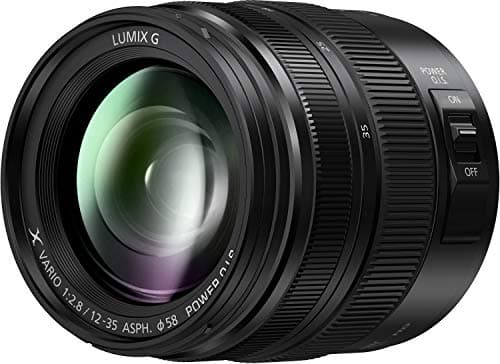
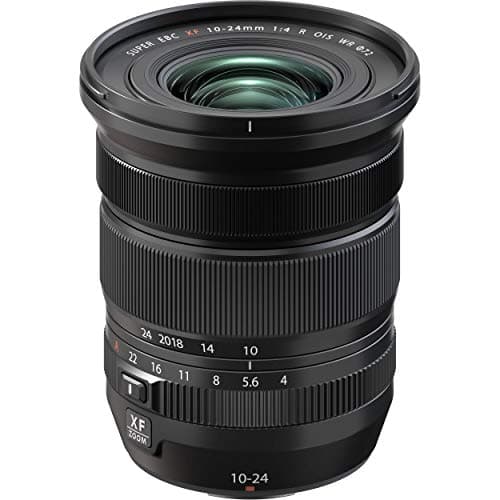
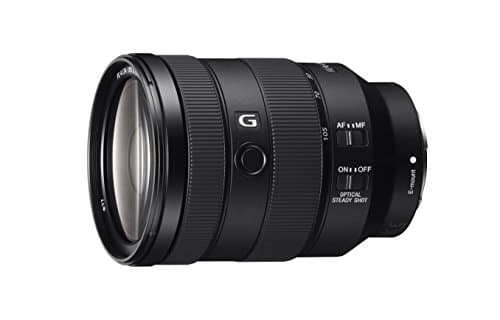
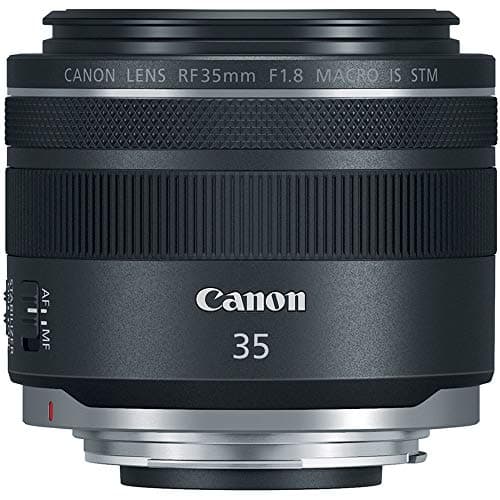
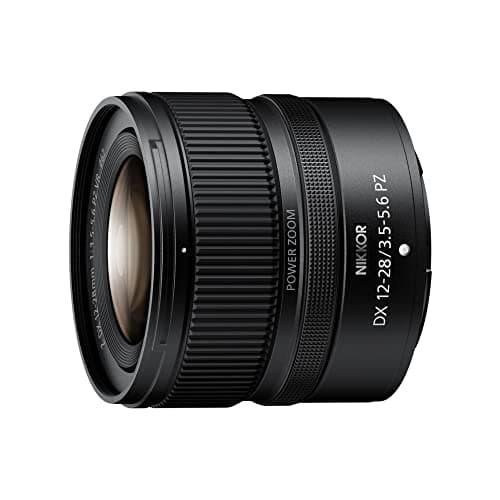
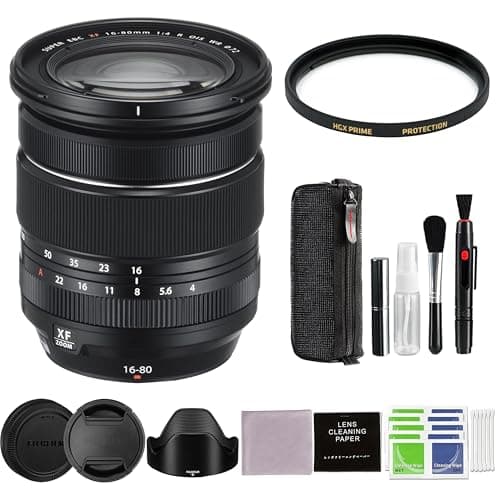
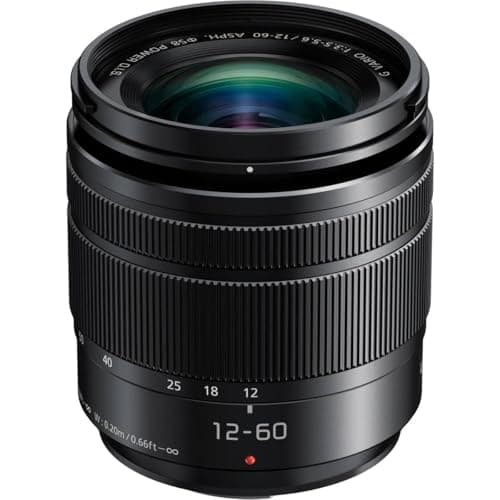
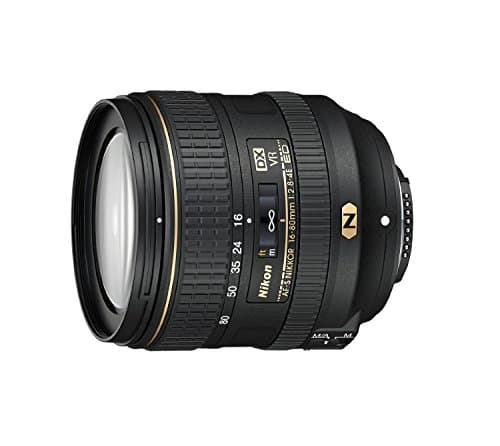
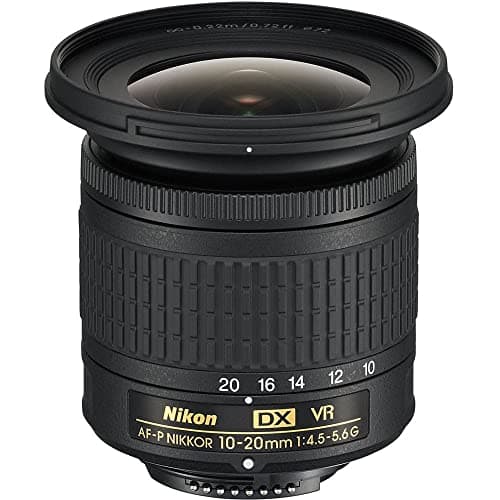
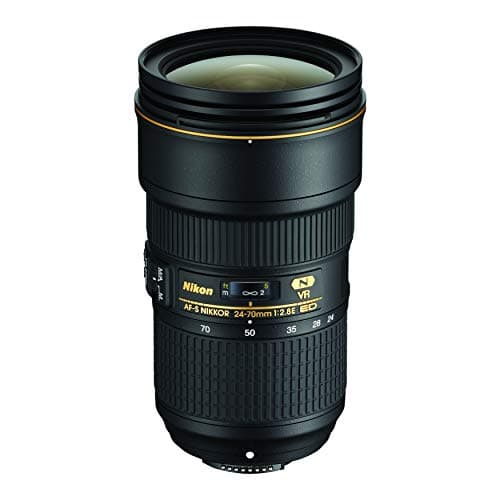
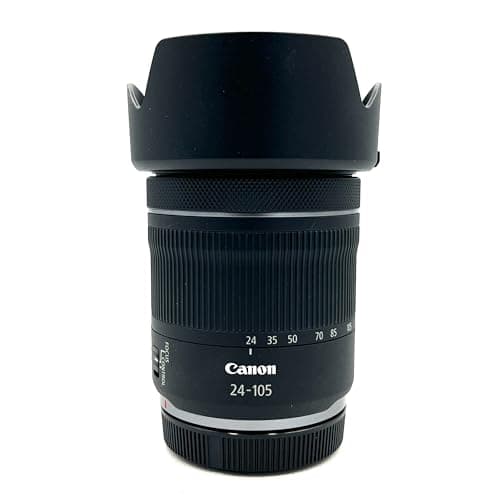
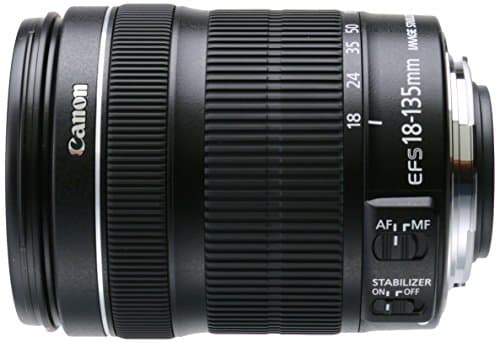
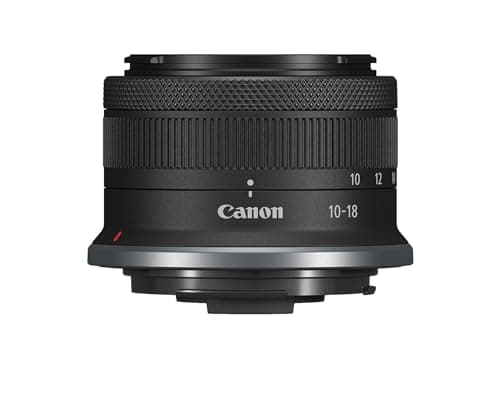
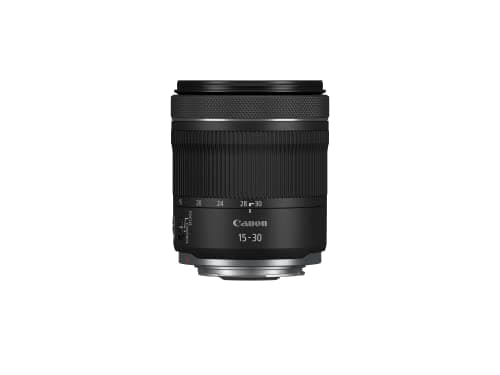
These are the best wide-angle lenses with image stabilization when you want expansive views, steady handhelds, and disciplined flare for landscapes, cityscapes, interiors/real estate, travel, vlogging, and astro foregrounds—without hauling a tripod—and here’s what to look for as you buy: prioritize effective optical stabilization (IS/VR/OSS/OIS) that plays cleanly with your camera’s IBIS, strong edge performance by working apertures (≈ƒ5.6–ƒ8), low distortion and reliable correction profiles, quiet AF with minimal breathing if you film, front-filter support (67/72/77/82mm) unless you accept rear/holders, and useful close-focus for foreground drama; remember IBIS shines at short focal lengths, but lens IS helps most for video and slow shutter stills, especially on bodies without IBIS. Full-frame stabilized standouts—Canon RF: RF 15–35mm ƒ2.8L IS (fast + IS, event/real-estate workhorse), RF 14–35mm ƒ4L IS (filterable ultra-wide, travel-friendly), RF 15–30mm ƒ4.5–6.3 IS (budget/lightweight), RF 24mm ƒ1.8 Macro IS (bright prime for handheld night and video), RF 35mm ƒ1.8 Macro IS (street/food hybrid); Sony FE: FE 16–35mm ƒ4 ZA OSS (classic stabilized wide zoom), FE 24–105mm ƒ4 G OSS (not ultra-wide but covers 24mm with excellent OSS for travel/interiors); Nikon F (adapt to Z for IBIS+VR): AF-S 16–35mm ƒ4G VR (legendary stabilized ultra-wide), AF-S 18–35mm ƒ3.5–4.5G (no VR—pair with IBIS), and consider the F 24–120mm ƒ4 VR as a stabilized 24mm starter; L-mount: Panasonic Lumix S 24–105mm ƒ4 Macro OIS (Dual I.S. with Panasonic bodies, great close-focus), Sigma 24–105mm ƒ4 OS Art (adapted value on some mounts). APS-C winners with stabilization: Sony E 10–18mm ƒ4 OSS (tiny, stabilized ultra-wide—great for travel and gimbals), Sony E 18–105mm ƒ4 PZ OSS (not ultra-wide but a stabilized 27mm-eq start for video rigs), Canon RF-S 10–18mm ƒ4.5–6.3 IS STM (compact, stabilized, perfect for vlogging and interiors), Fujifilm XF 10–24mm ƒ4 OIS (WR version adds better OIS, superb for city/landscape), Fujifilm XF 16–80mm ƒ4 OIS WR (wide-to-normal with strong stabilization), Nikon Z DX 12–28mm ƒ3.5–5.6 PZ VR (power-zoom + VR for video/travel). Micro Four Thirds gems (OIS + Sync IS champs): OM SYSTEM M.Zuiko 12–100mm ƒ4 IS PRO (iconic—syncs with body for crazy handheld speeds), Panasonic Leica 12–35mm ƒ2.8 OIS (v2/III—stabilized, video favorite), Panasonic 12–60mm ƒ2.8–4 OIS and 12–60mm ƒ3.5–5.6 OIS (light, flexible, weather-sealed options), Panasonic Leica 8–18mm ƒ2.8–4 (no OIS—pair with IBIS bodies) and Lumix 7–14mm ƒ4 (IBIS reliance) if you accept body-only stabilization. Practical buyer tips: on Canon RF, pick 14–35/4 IS for filterable ultra-wide travel, 15–35/2.8 IS for events/night; Sony shooters who need optical IS specifically should favor the 16–35/4 OSS or the 24–105/4 OSS as a one-lens travel solution; Fujifilm’s 10–24/4 OIS and 16–80/4 OIS are stabilized go-tos for crop; for Micro Four Thirds, the 12–100/4 IS PRO is the handheld king—pair with bodies that support Sync IS; if your body has strong IBIS (many Nikon Z/Sony/Canon R/OM), lens IS still helps for video micro-jitter and slow shutters—test combos; used DSLR 16–35/4 VR (Nikon) and EF 16–35/4L IS (adapted to RF/Z/L/Sony) remain stabilized bargains. Stabilized wide-angle shooting tips: level the camera and compose with foreground anchors, then let stabilization handle 1/5–1/2s “drag the shutter” city glow—brace your stance and roll the shutter smoothly; stop to ƒ5.6–ƒ8 (≈ƒ4–ƒ5.6 on smaller sensors) for edge discipline, shade the front element to avoid veiling flare, and use a CPL lightly (ultra-wides can blotch skies); for video, combine lens IS with IBIS/electronic IS for micro-jitter control, prefer lenses with quiet AF and low breathing, and add a quality VND for consistent shutter; for astro foregrounds on stabilized bodies, shoot multiple short exposures and stack—IS won’t freeze stars; whether you’re squeezing hotel rooms, handholding blue-hour streets, vlogging alleys, or sliding through museum halls, the best stabilized wide-angles balance credible corners, reliable IS, and portability—so your big scenes look clean, steady, and beautifully composed.
Lenses by brand:
Lenses by price:
Lenses by type:
Lenses by sensor:
Lenses by feature:
Lenses by use case:
Lenses by experience:
Cameras: