
* Product prices and availability are accurate as of the date/time indicated and are subject to change. Any price and availability information displayed on Amazon.com at the time of purchase will apply to the purchase of this product.
* Imaginated.com may receive compensation for purchases made at participating retailers linked on this site. This compensation does not affect what products or prices are displayed, or the order of prices listed. Learn more here.
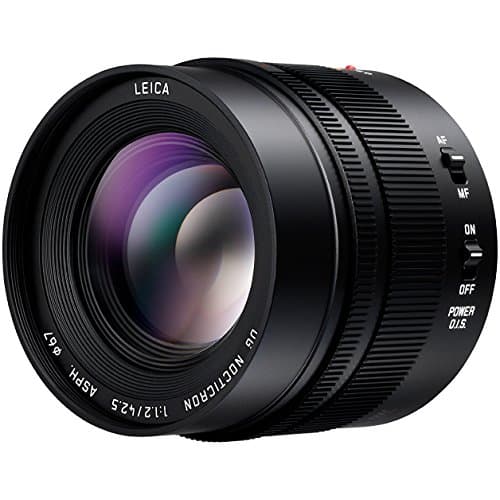
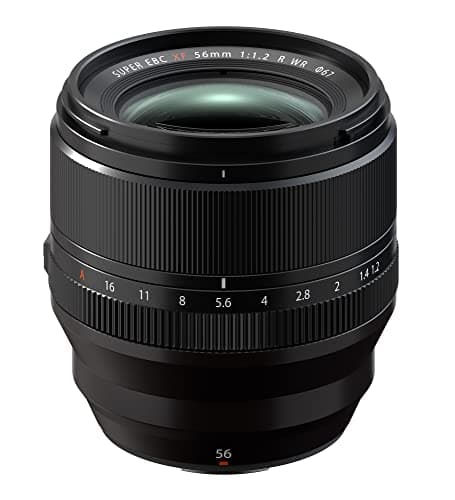
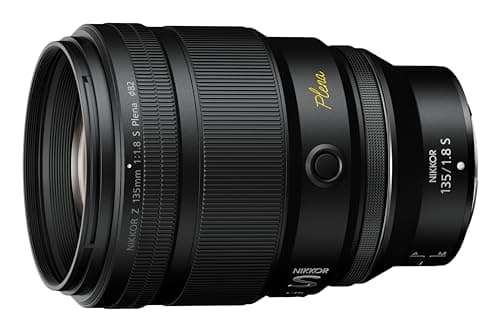
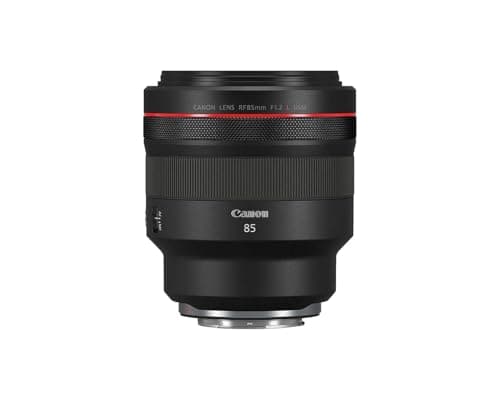
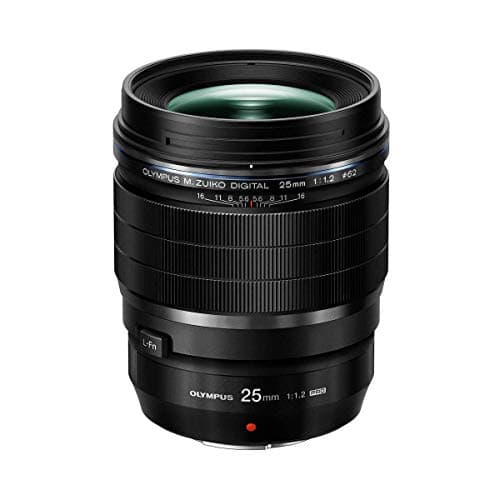
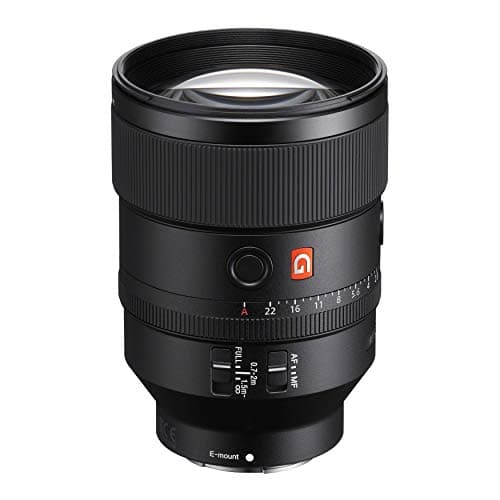
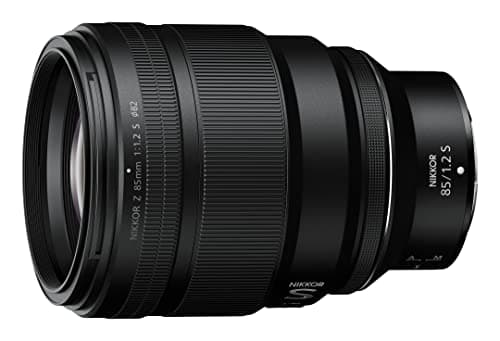
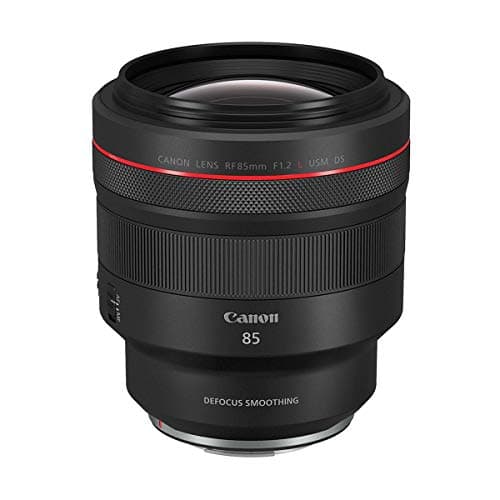
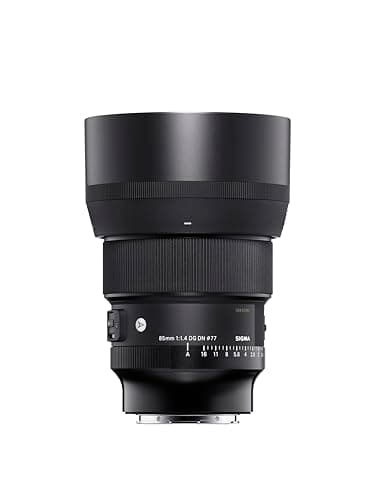
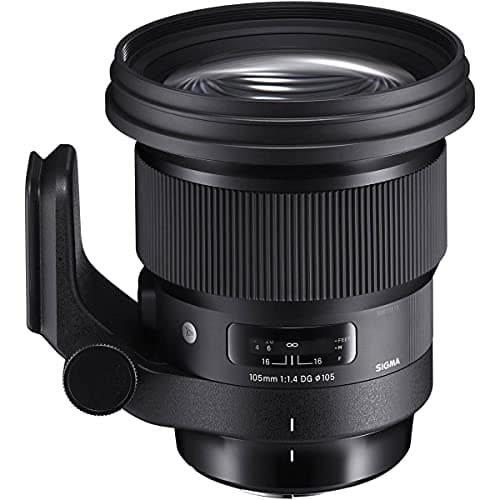
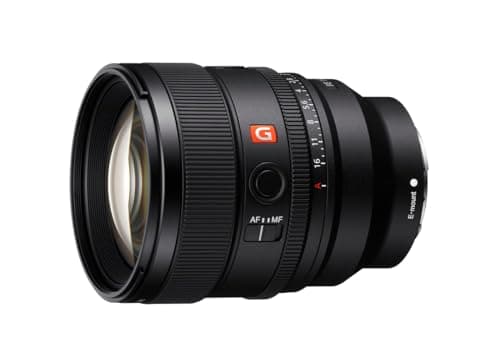
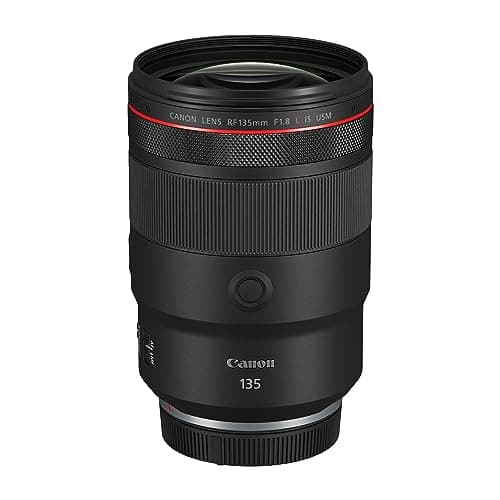
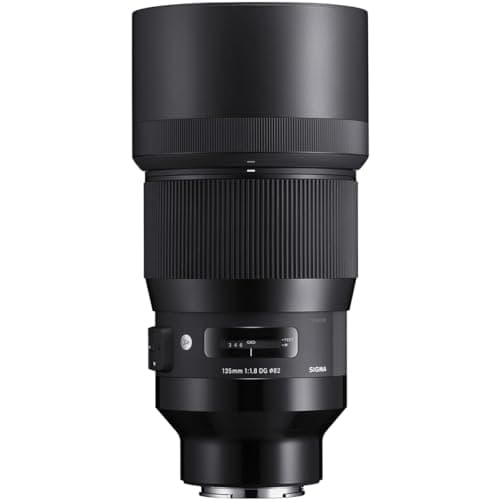
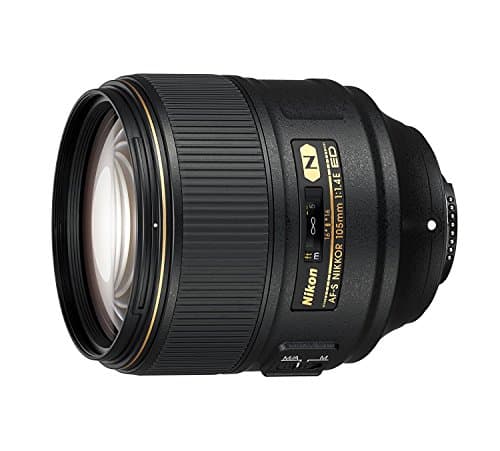
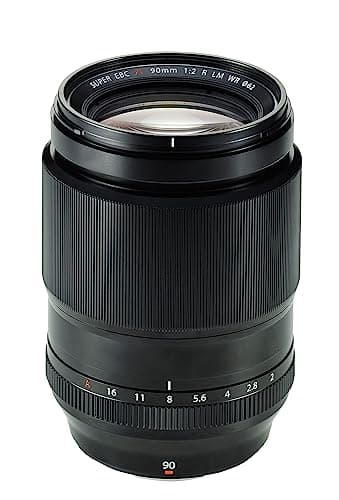
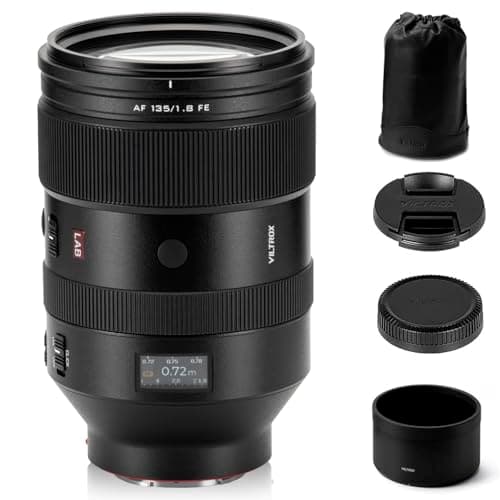
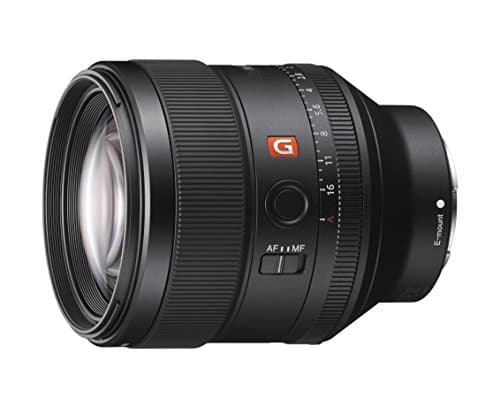
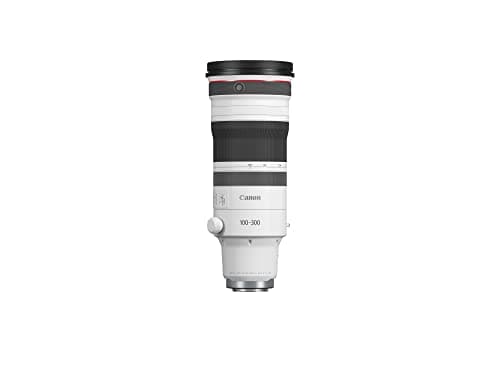
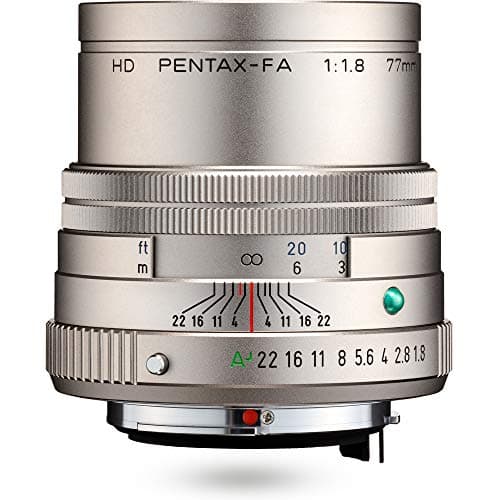
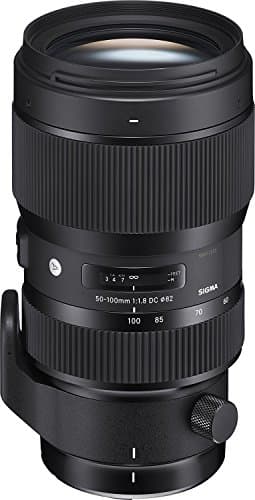
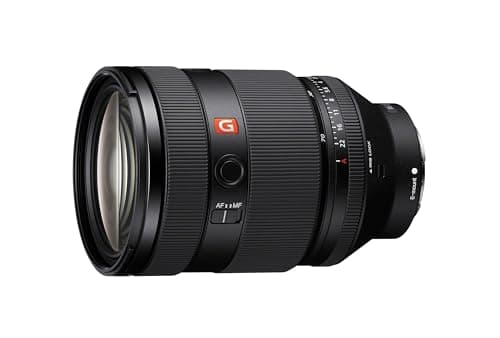
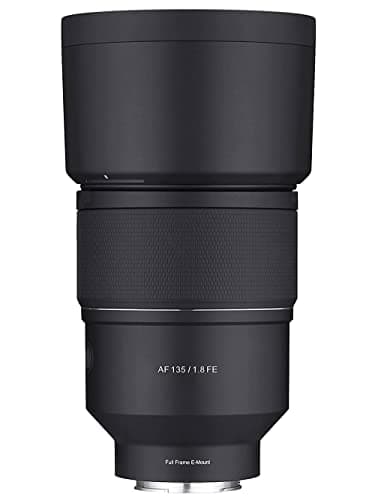
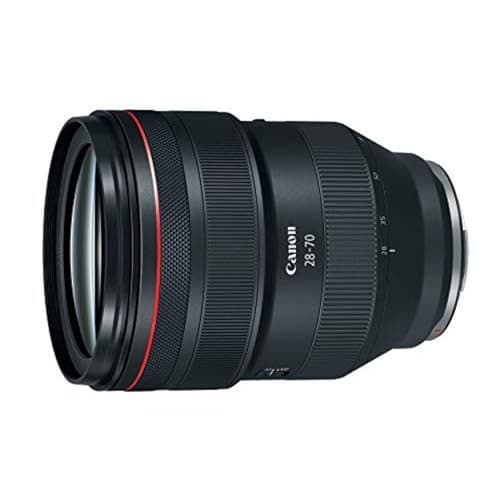
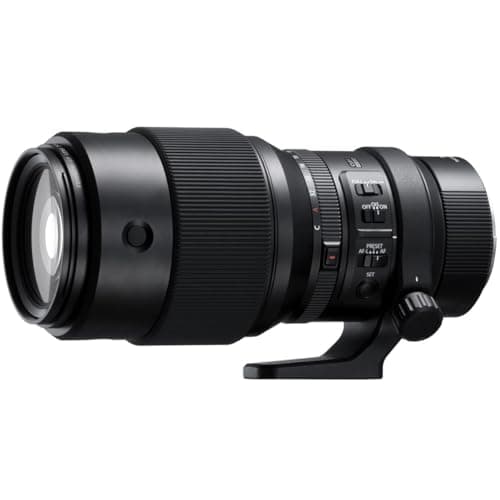
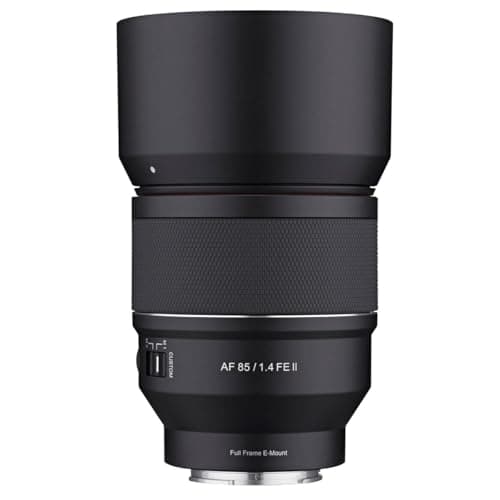
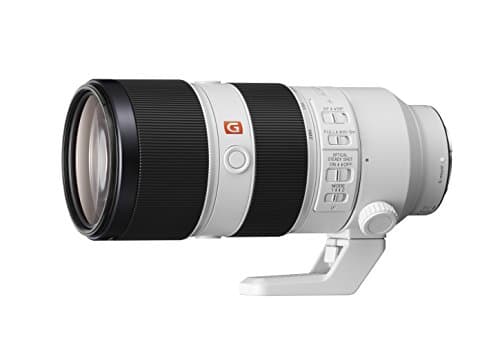
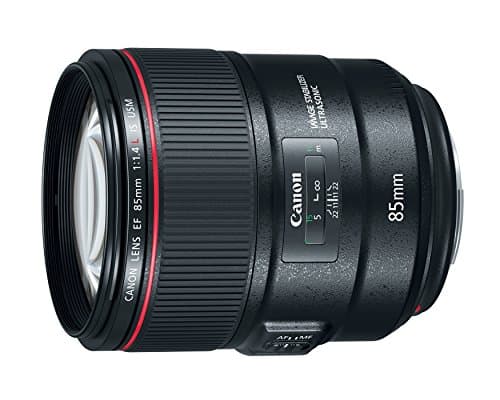
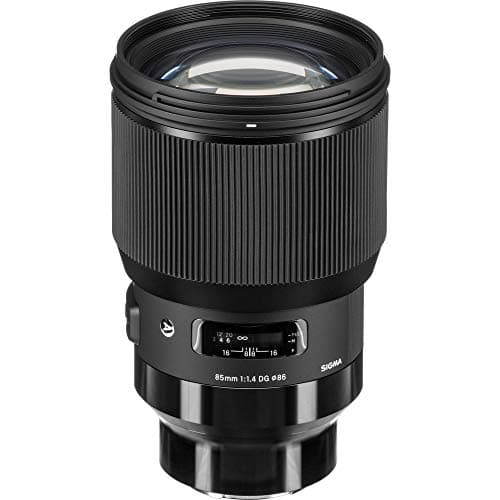
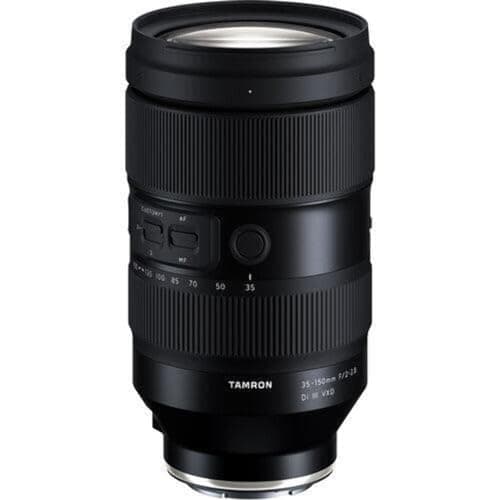
These are the best telephoto lenses for bokeh when you want dreamy separation, round specular highlights, and silky falloff for portraits, weddings, fashion, stage, and compressed landscapes—and here’s what to look for as you buy: fast apertures (ƒ1.2–ƒ2 for primes; constant ƒ2.8 for zooms), long focal lengths (85–200mm) for compression, well-corrected spherical aberration with rounded diaphragms (stays circular when stopped down), low longitudinal CA (avoids magenta/green fringing in blur), quiet linear AF, and reliable stabilization for hand-held shooting; apodization/defocus-control designs produce especially smooth backgrounds, and close-focus capability lets you enlarge bokeh balls at the same framing. Full-frame bokeh heroes: Sony FE 135mm ƒ1.8 GM (astonishing subject pop), Sony FE 85mm ƒ1.4 GM (classic cream), Sony FE 100mm ƒ2.8 STF GM OSS (apodization “velvet” bokeh, ~T5.6), and FE 70–200mm ƒ2.8 GM II (zoom with plush blur and close-focus); Canon RF 135mm ƒ1.8L IS USM (stabilized, luxurious blur), RF 85mm ƒ1.2L (both versions: prime bokeh royalty), RF 70–200mm ƒ2.8L IS (buttery backgrounds with fast AF), and EF 135mm ƒ2L / EF 200mm ƒ2.8L II (timeless EF bargains via adapter); Nikon Z 135mm ƒ1.8 S Plena (signature bokeh rendering), Z 85mm ƒ1.2 S (creamy yet bitey), Z 70–200mm ƒ2.8 S (smooth zoom), and F-mount gems like 105mm ƒ1.4E and 200mm ƒ2 VR II (legendary melt if you can handle size); Sigma primes that punch above price: 105mm ƒ1.4 Art (“bokeh master”), 135mm ƒ1.8 Art, and 85mm ƒ1.4 DG DN (modern, light, and smooth); Tamron 70–180mm ƒ2.8 (both versions) delivers flattering compression and graceful blur in a compact zoom. APS-C and Micro Four Thirds standouts: Fujifilm XF 90mm ƒ2 R LM WR (razor sharp, gorgeous bokeh), XF 50–140mm ƒ2.8 OIS (pro zoom cream), and XF 56mm ƒ1.2 (short-tele glow); Sony/Canon/Nikon APS-C: Sigma 56mm ƒ1.4 DC DN (tiny bokeh beast), Sony E 70–350mm ƒ4.5–6.3 G OSS (long-end compression for outdoor portraits), Canon RF-S 55–210mm IS STM (budget blur outdoors), Nikon Z DX 50–250mm VR (surprisingly smooth); Micro Four Thirds: Olympus/OM SYSTEM 75mm ƒ1.8 (iconic portrait melt), Panasonic Leica 42.5mm ƒ1.2 Nocticron (sumptuous blur with OIS), OM SYSTEM 40–150mm ƒ2.8 PRO (zoom with pleasing backgrounds), OM SYSTEM 90mm ƒ3.5 Macro IS PRO (not fast, but apochromatic and beautifully smooth up close). Practical buyer tips: pick 135mm ƒ1.8 for maximum separation in tight backgrounds, 85mm ƒ1.4/ƒ1.2 for classic portraits and indoor space, 70–200mm ƒ2.8 when versatility matters, and specialty STF/apodization if you prioritize the smoothest possible blur over light transmission; APO/low-LoCA designs (Plena, STF, many Sigma Arts) keep color halos off highlights; standardize front diameters for one premium diffusion/VND, and don’t overlook used EF/F-mount 135/2 and 200/2.8 primes for budget bokeh glory on adapters. Bokeh-first shooting tips: maximize subject–background distance and fill the frame to enlarge blur circles, shoot near wide open then stop 1/3–2/3 stop for eyelash-sharp results, place small backlit points (fairy lights, foliage gaps) well behind your subject for round, clean highlights, avoid busy backgrounds with hard lines, use longer focal lengths for compression, get close (or use lenses with great close-focus) to magnify bokeh structure, keep shutter speeds honest (1/125–1/250s for people; faster for motion), and add a touch of diffusion or backlight to smooth skin without losing pop; if your camera supports it, enable breathing compensation for video and choose lenses with rounded blades that stay circular as you stop down. Whether you’re crafting cinematic portraits, romantic detail shots, or painterly tele landscapes, the best telephoto lenses for bokeh combine fast glass, disciplined aberration control, and thoughtful rendering—so your subjects leap forward, backgrounds melt gracefully, and every highlight turns into art.
Lenses by brand:
Lenses by price:
Lenses by type:
Lenses by sensor:
Lenses by feature:
Lenses by use case:
Lenses by experience:
Cameras: