
10 Best Telephoto Lenses for Headshot Photography in 2026
Filters:
Name | Features | Price |
|---|---|---|
Nikon Nikkor Z 85mm F1.8 S⭐ 5.0 / 5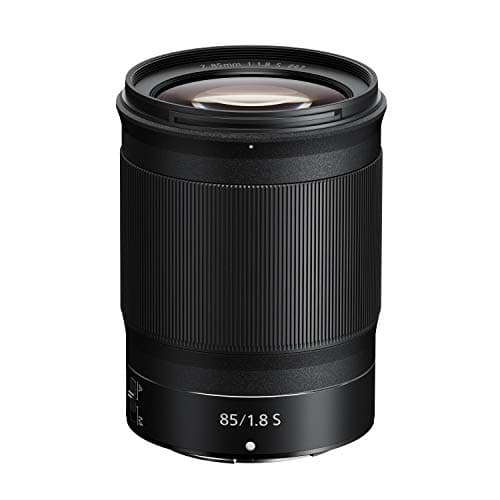 | ||
Name | Features | Price |
Canon RF 50mm F1.2L USM⭐ 5.0 / 5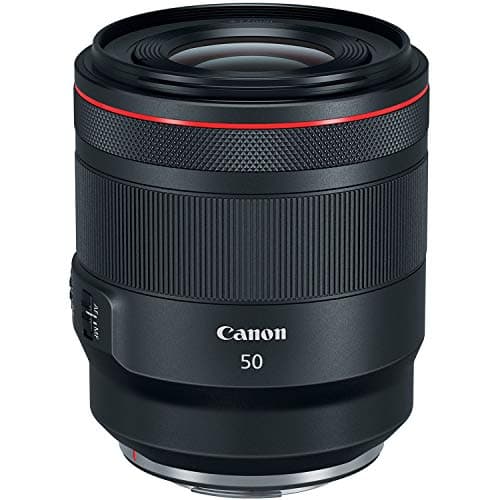 | ||
Name | Features | Price |
Fujifilm GF 110mm F2 R LM WR⭐ 5.0 / 5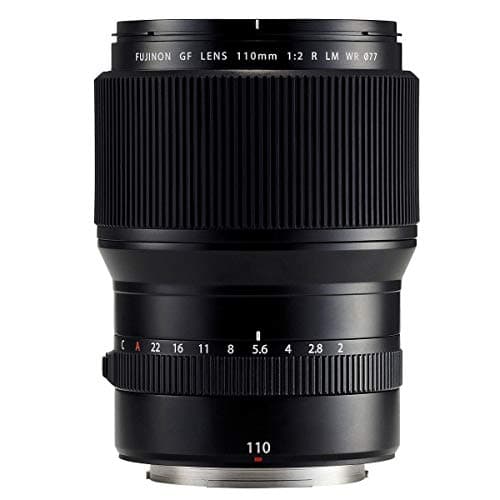 | ||
Name | Features | Price |
Nikon Nikkor Z 135mm F1.8 S Plena⭐ 5.0 / 5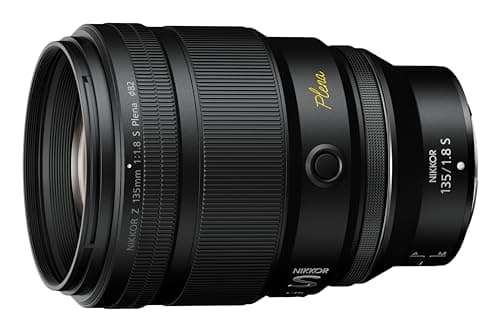 | ||
Name | Features | Price |
Canon RF 85mm F1.2L USM⭐ 5.0 / 5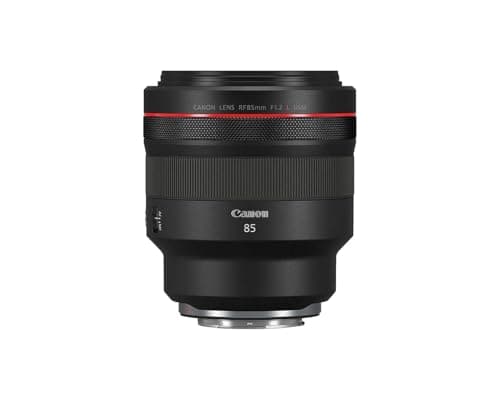 | ||
Name | Features | Price |
Canon EF 85mm F1.4L IS USM⭐ 5.0 / 5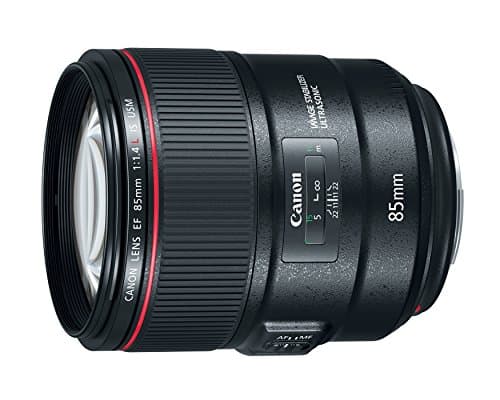 | ||
Name | Features | Price |
Nikon Nikkor Z 85mm F1.2 S⭐ 5.0 / 5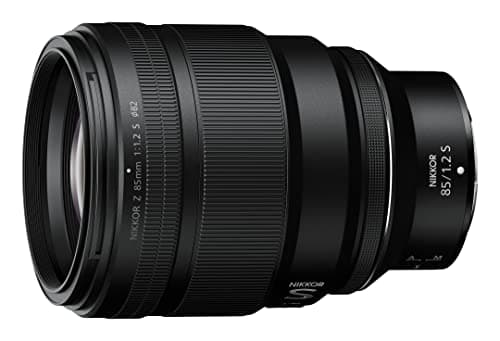 | ||
Name | Features | Price |
Sigma 85mm F1.4 DG DN Art⭐ 5.0 / 5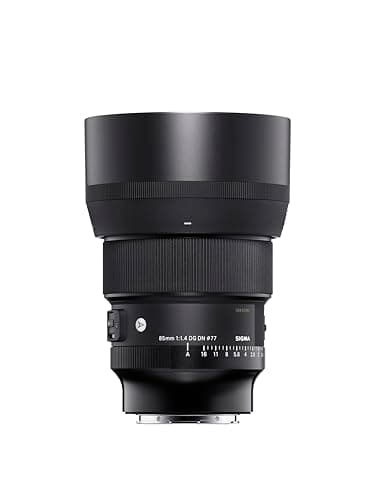 | ||
Name | Features | Price |
Hasselblad XCD 135mm F2.8⭐ 5.0 / 5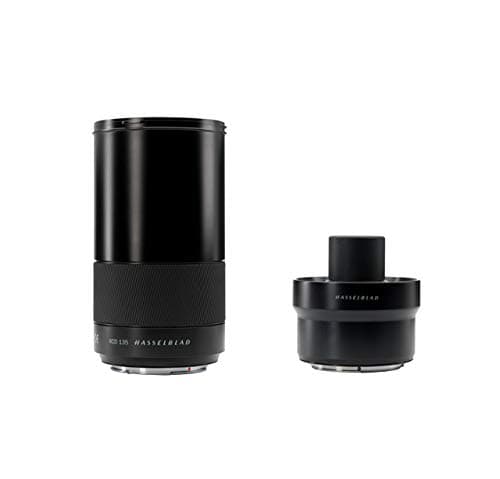 | ||
Name | Features | Price |
Leica APO-Summicron-SL 75mm F2 ASPH⭐ 4.9 / 5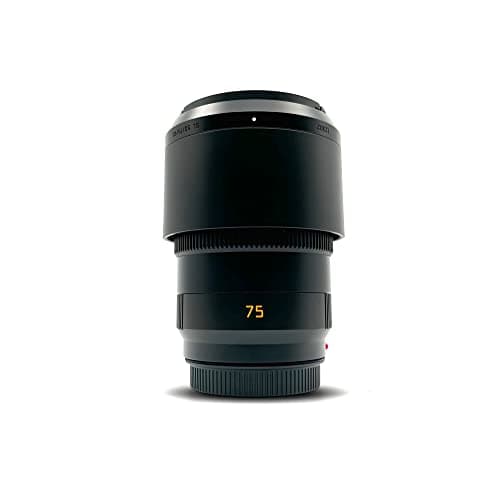 |
* Product prices and availability are accurate as of the date/time indicated and are subject to change. Any price and availability information displayed on Amazon.com at the time of purchase will apply to the purchase of this product.
* Imaginated.com may receive compensation for purchases made at participating retailers linked on this site. This compensation does not affect what products or prices are displayed, or the order of prices listed. Learn more here.
These are the best telephoto lenses for headshot photography when you want flattering compression, fast and reliable autofocus, and creamy, clean bokeh that keeps eyes razor-sharp and skin tones luxurious—without fringing or focus misses—and here’s what to look for as you buy: favor 85–135mm for classic perspective (200mm for extra flattening outdoors), fast apertures (ƒ1.2–ƒ2 for primes; constant ƒ2.8 for zooms), low longitudinal CA so hair highlights and jewelry don’t fringe magenta/green, rounded diaphragms that stay circular a stop down, consistent color and micro-contrast, minimal focus breathing if you film, and stabilization (IS/VR/OSS or strong IBIS) for handheld window light; close-focus helps for beauty crops, and a focus limiter reduces hunting. Full-frame headshot heroes—primes for the cleanest look: Sony FE 85mm ƒ1.4 GM and FE 135mm ƒ1.8 GM (blazing AF, velvety yet incisive), Sony FE 90mm ƒ2.8 Macro G OSS (beauty/detail crossover), Sigma 85mm ƒ1.4 DG DN and 105mm ƒ1.4 Art (gorgeous separation), Canon RF 85mm ƒ1.2L (and DS) and RF 135mm ƒ1.8L IS (stabilized, elegant rendering), Canon EF 135mm ƒ2L (timeless via adapter), Nikon Z 85mm ƒ1.2 S and Z 85mm ƒ1.8 S (neutral, tack-sharp), Nikon Z 135mm ƒ1.8 S Plena (luxury bokeh with bite); zoom workhorses for flexibility: 70–200mm ƒ2.8 flagships (Sony FE 70–200mm ƒ2.8 GM II, Canon RF 70–200mm ƒ2.8L IS, Nikon Z 70–200mm ƒ2.8 S, Panasonic S 70–200mm ƒ2.8 OIS) and lighter 70–200mm ƒ4 versions (Sony FE 70–200 ƒ4 G II, Canon RF 70–200 ƒ4L, Panasonic S 70–200 ƒ4) that travel well and nail head-and-shoulders at 135–200mm. APS-C and Micro Four Thirds standouts: Fujifilm XF 90mm ƒ2 R LM WR (razor portrait tele), XF 56mm ƒ1.2 (classic headshot pop), XF 50–140mm ƒ2.8 OIS (studio/event flexibility); Sony E: Sigma 56mm ƒ1.4 DC DN (tiny bokeh beast), Sony FE 85mm ƒ1.8 (great value on APS-C and FF), Sony E 70–350mm ƒ4.5–6.3 G OSS for outdoor compression; Canon RF-S users can pair RF 85mm ƒ2 Macro IS STM on R bodies for stabilized, close-focusing portraits; Nikon Z DX shooters can leverage Z 85/1.8 S on crop for 128-eq headshots; Micro Four Thirds: Olympus/OM SYSTEM 75mm ƒ1.8 (iconic headshot lens), Panasonic Leica 42.5mm ƒ1.2 Nocticron (sumptuous blur with OIS), and OM SYSTEM 40–150mm ƒ2.8 PRO (zoom convenience with polished rendering). Practical buyer tips: 85mm is the indoors staple for tight spaces, 105–135mm adds compression and background cleanliness, and 70–200mm ƒ2.8 covers everything from environmental to tight beauty with consistent AF; APO/low-LoCA designs keep catchlights and silver hair clean, while macro-capable 90–105mm lenses excel for lashes and skin texture when you need precision; standardize filter diameters for one diffusion/VND set (use diffusion lightly to keep pores kind), and don’t overlook used EF/F 85/1.8, 135/2, and 70–200/4 IS for budget-savvy excellence on adapters. Headshot shooting tips: use Eye AF in AF-C, expose for faces and let highlights clip gracefully, shoot near wide open, then stop 1/3–2/3 stop for eyelash-sharp results with gentle rolloff, keep shutter speeds honest (≈1/125–1/250s handheld), shape light with a big soft key and negative fill for jawline definition, place catchlights high and broad, mind background distance (more distance = smoother blur), watch color—set custom Kelvin or gray card for consistent skin, and for video enable breathing compensation and choose lenses with quiet linear AF; whether you’re crafting corporate headshots, editorial beauty, or actor portfolios, the best telephoto lenses for headshot photography combine fast glass, controlled aberrations, and confident stabilization—so eyes pop, skin glows, and backgrounds melt exactly the way you intend.
Lenses by brand:
Lenses by price:
Lenses by type:
Lenses by sensor:
Lenses by feature:
Lenses by use case:
- Best Telephoto Lenses for Aerial Photography
- Best Telephoto Lenses for Architectural Photography
- Best Telephoto Lenses for Astrophotography
- Best Telephoto Lenses for Automotive Photography
- Best Telephoto Lenses for Bird Photography
- Best Telephoto Lenses for Cityscape Photography
- Best Telephoto Lenses for Concert Photography
- Best Telephoto Lenses for Fashion Photography
- Best Telephoto Lenses for Food Photography
- Best Telephoto Lenses for Headshot Photography
- Best Telephoto Lenses for Landscape Photography
- Best Telephoto Lenses for Macro Photography
- Best Telephoto Lenses for Nature Photography
- Best Telephoto Lenses for Night Photography
- Best Telephoto Lenses for Portrait Photography
- Best Telephoto Lenses for Product Photography
- Best Telephoto Lenses for Sports Photography
- Best Telephoto Lenses for Street Photography
- Best Telephoto Lenses for Travel Photography
- Best Telephoto Lenses for Wedding Photography
- Best Telephoto Lenses for Wildlife Photography
- Best Telephoto Lenses for Video
Lenses by experience:
Cameras: