
Best Prime Lenses for Real Estate Photography in 2026
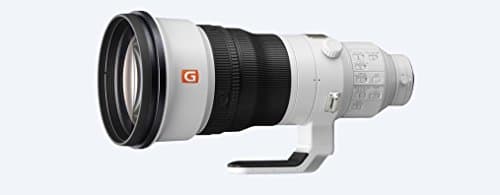
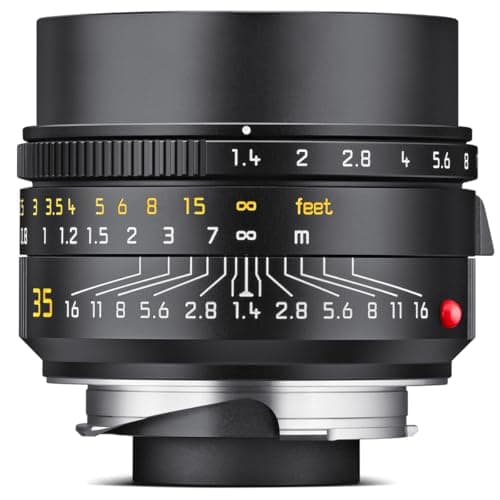
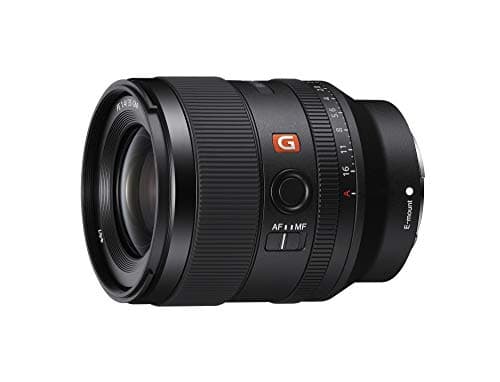
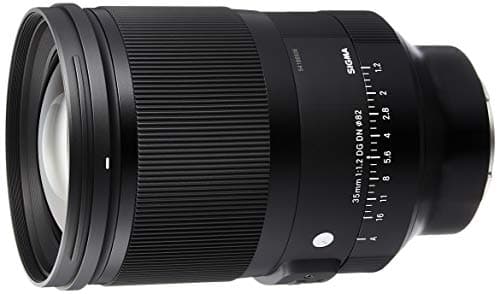
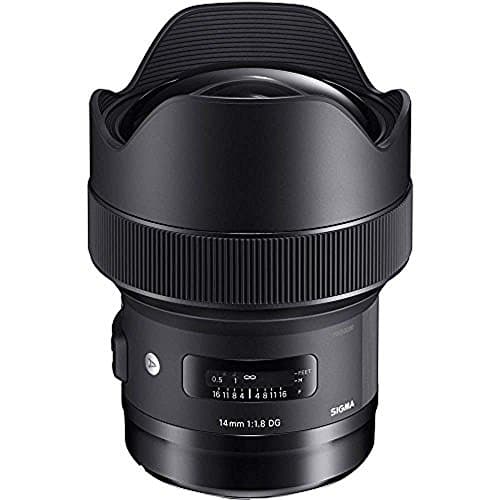
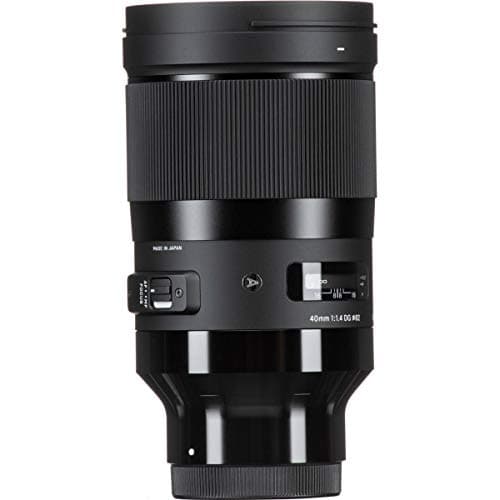
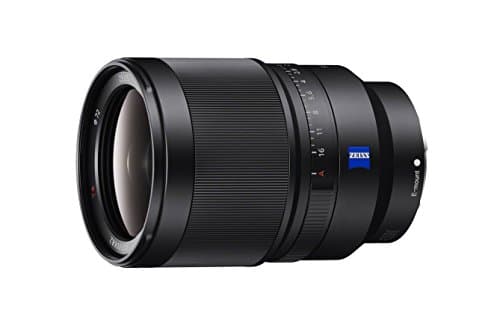
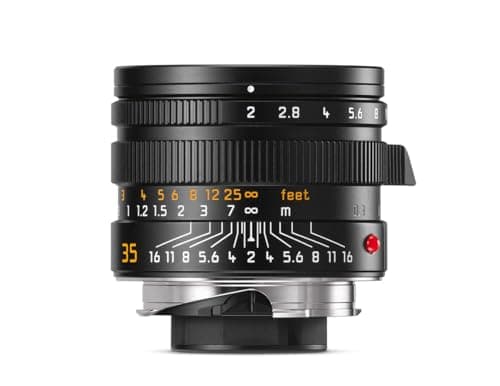
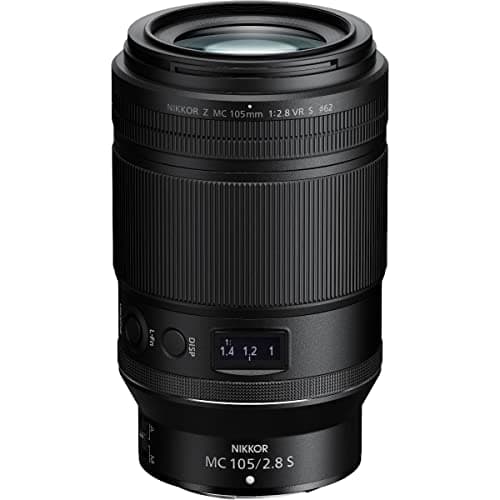
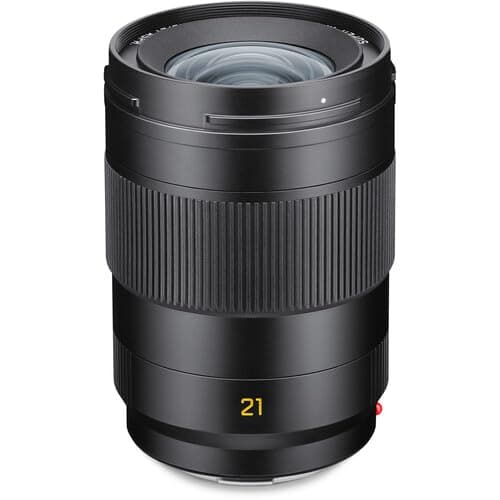
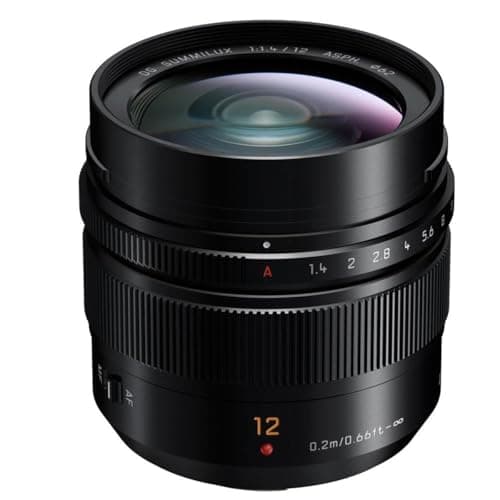
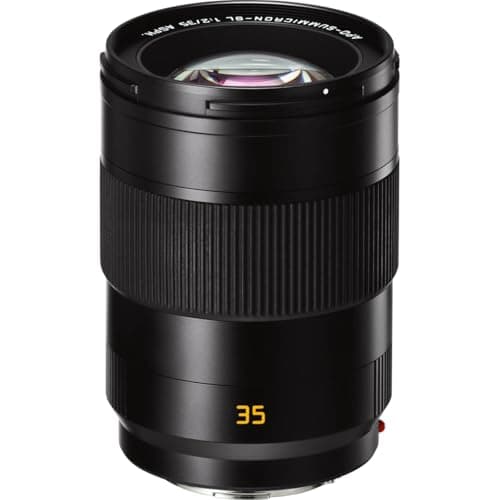
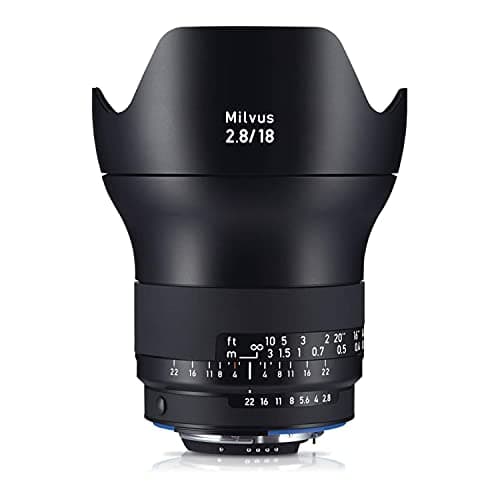
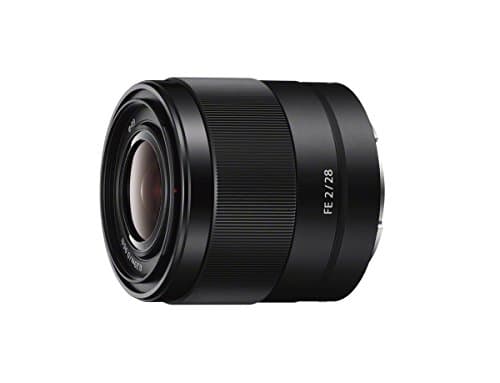
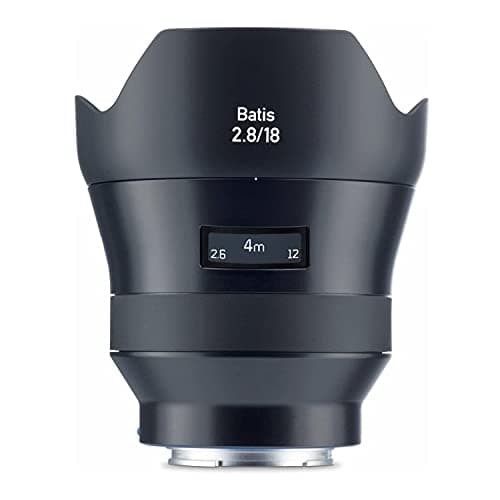
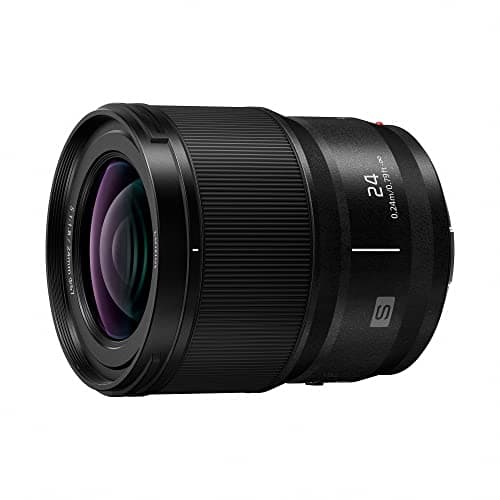
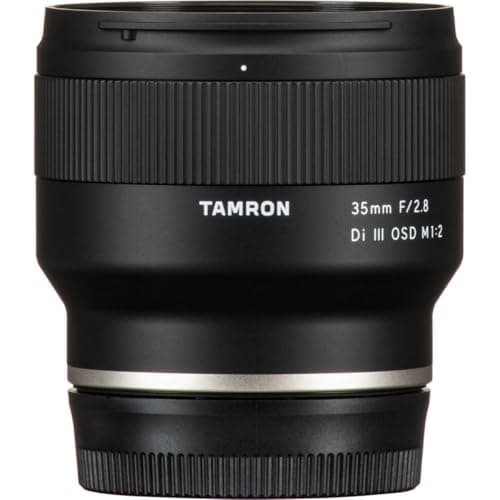
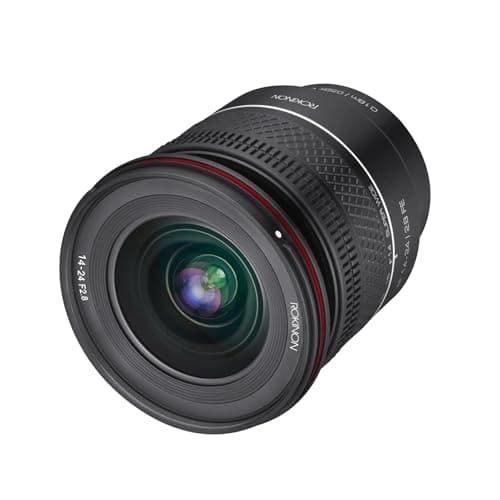
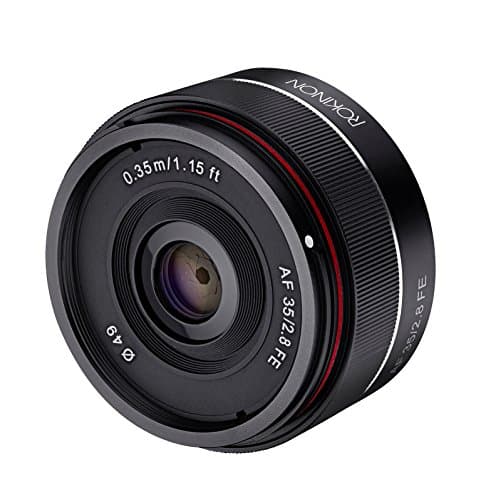
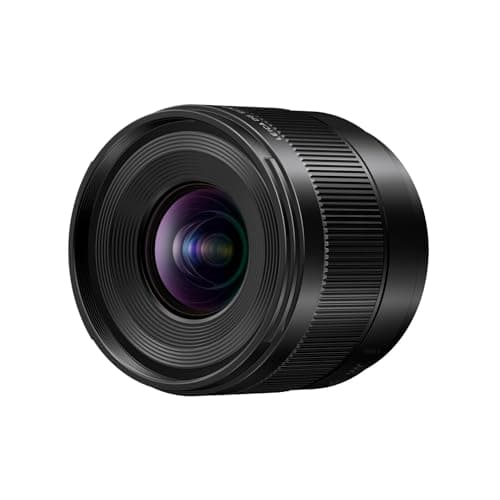
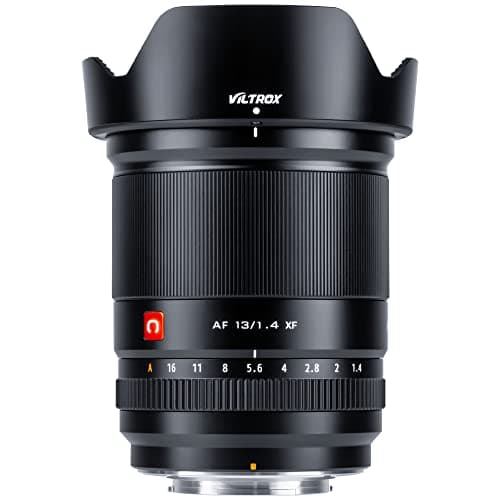
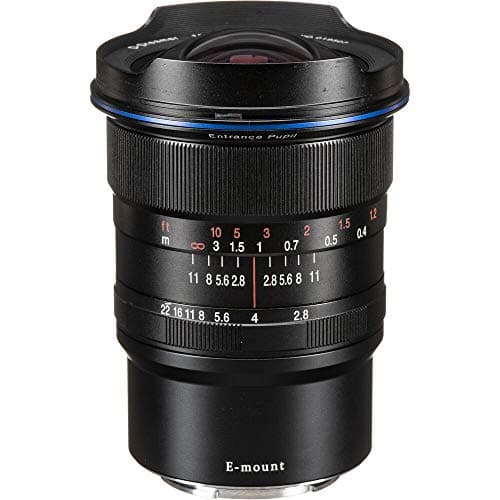
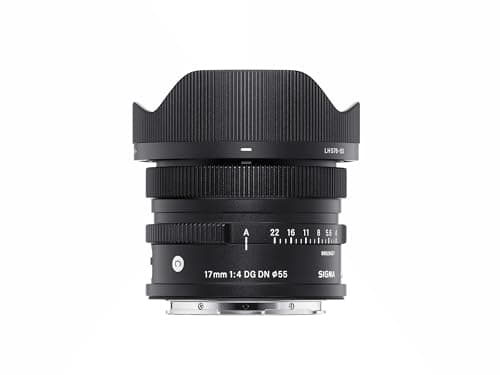
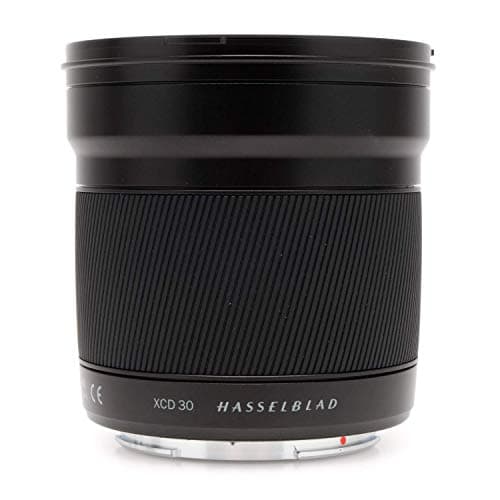
* Product prices and availability are accurate as of the date/time indicated and are subject to change. Any price and availability information displayed on Amazon.com at the time of purchase will apply to the purchase of this product.
* Imaginated.com may receive compensation for purchases made at participating retailers linked on this site. This compensation does not affect what products or prices are displayed, or the order of prices listed. Learn more here.
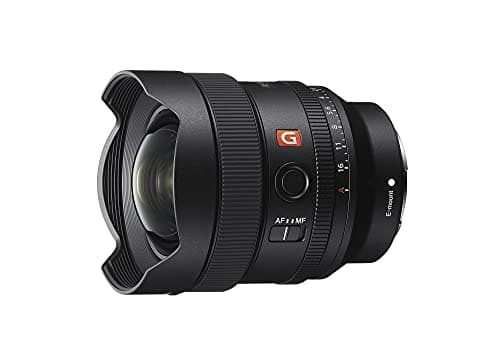
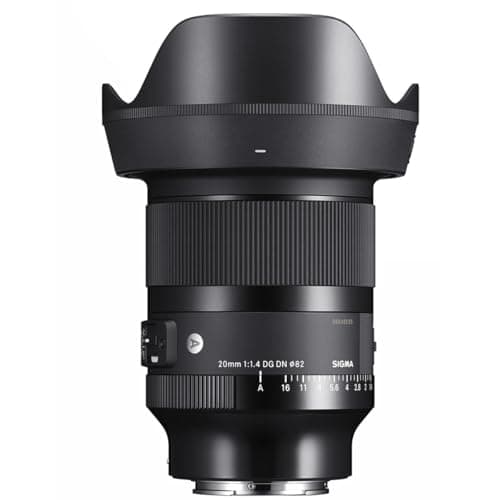
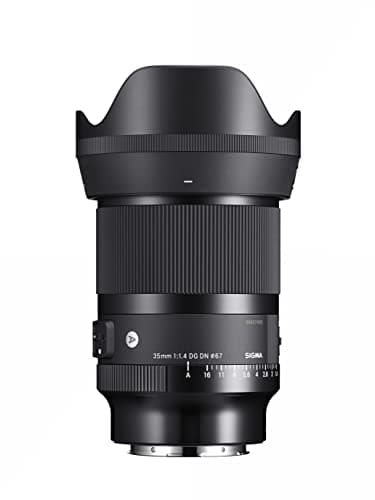
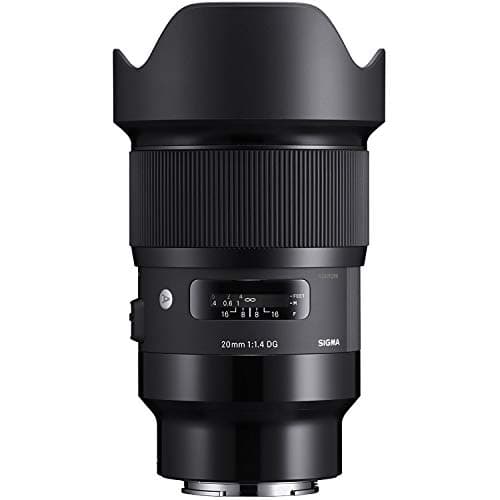
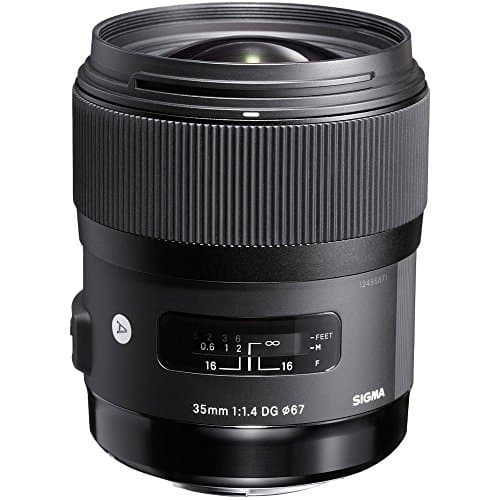
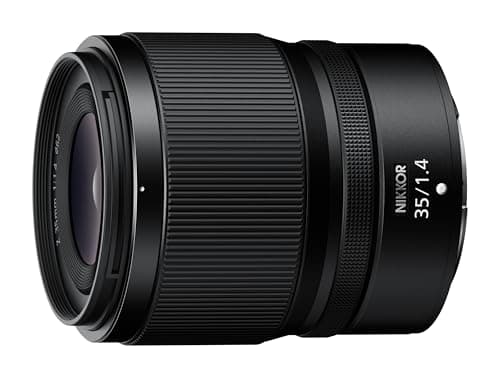
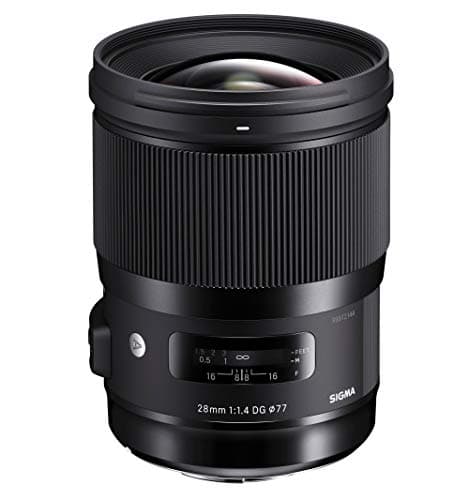
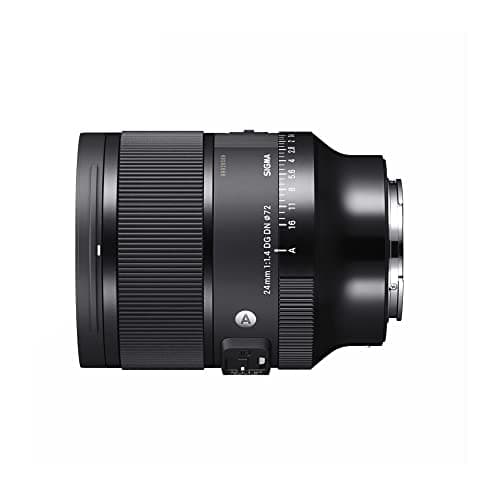
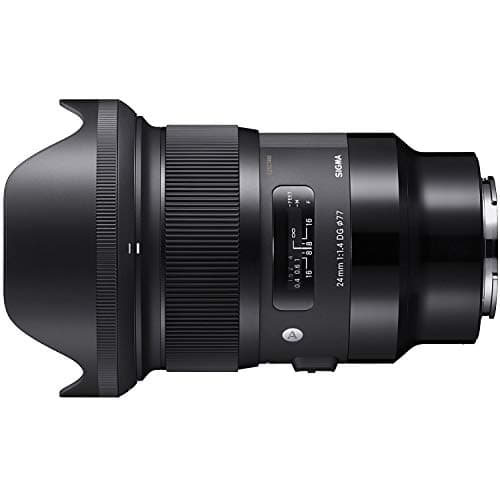
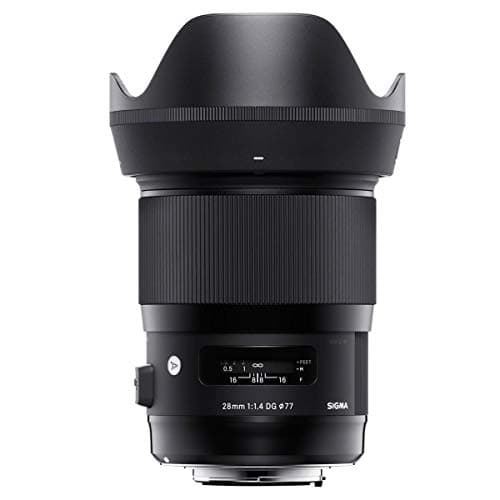
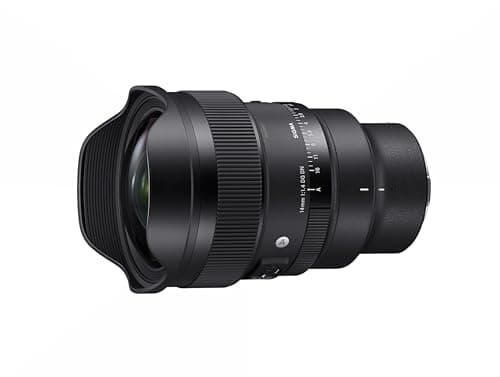
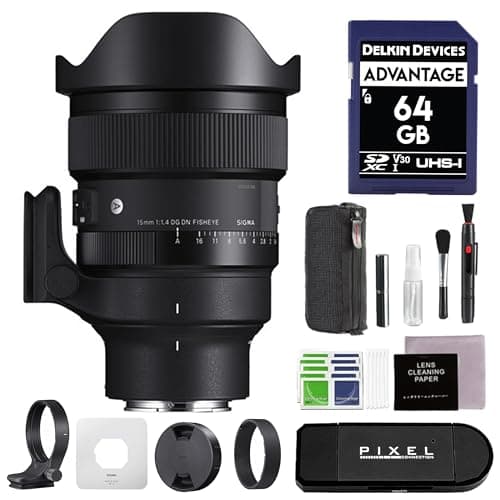
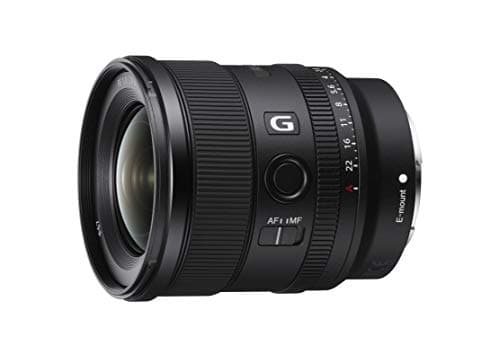
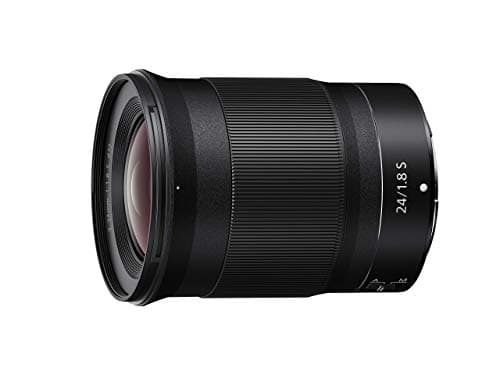
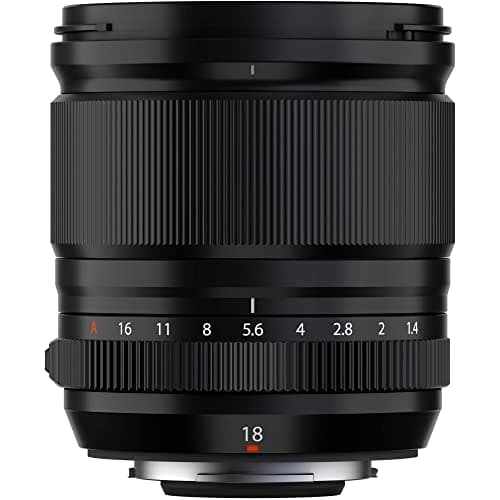
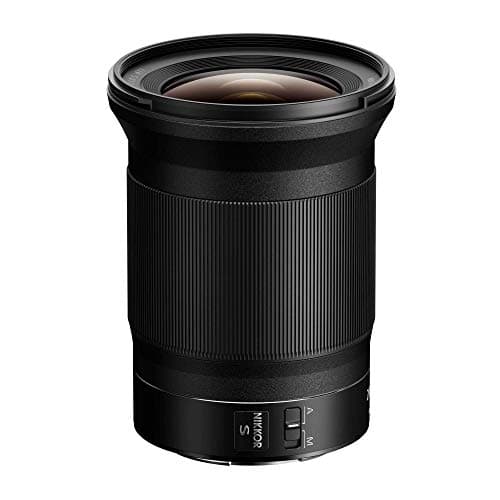
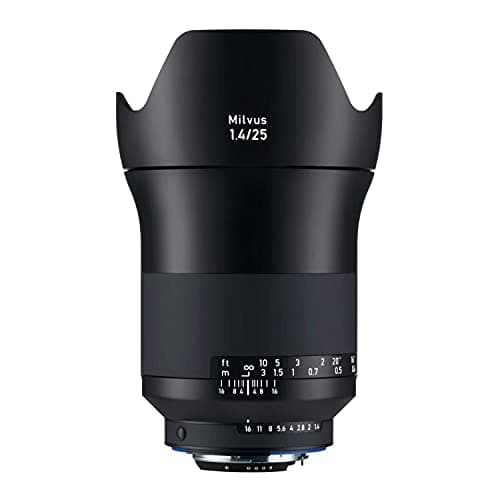
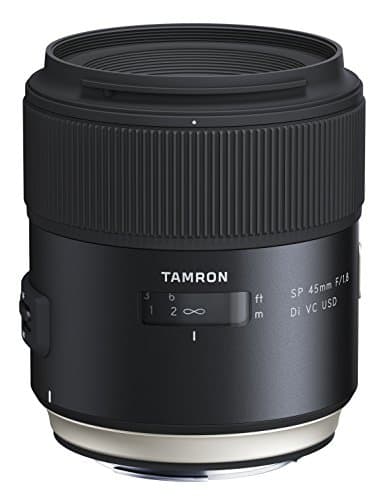
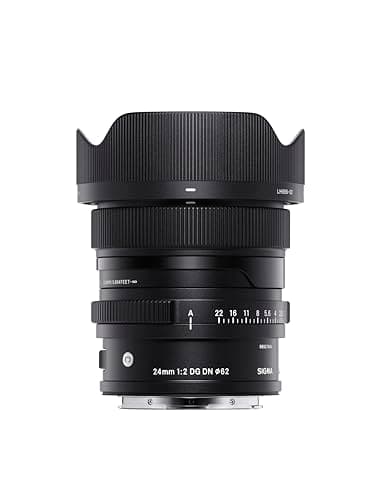
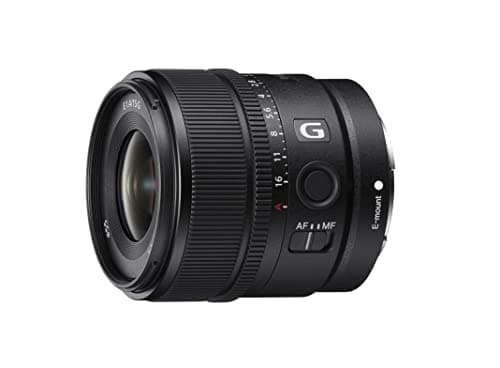
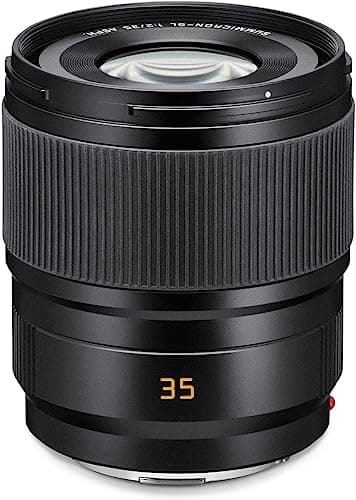
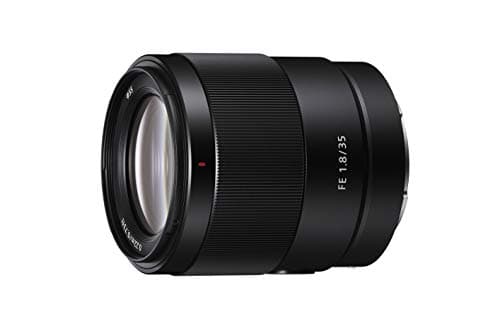
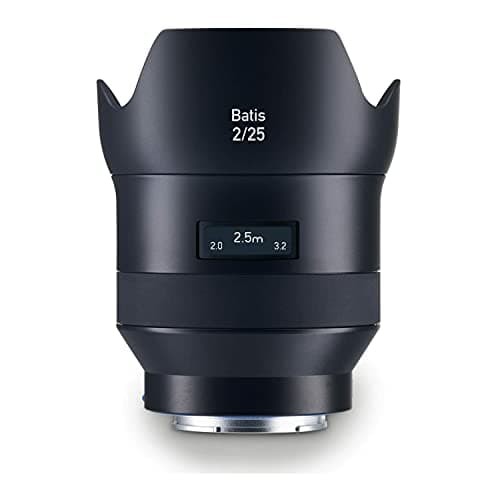
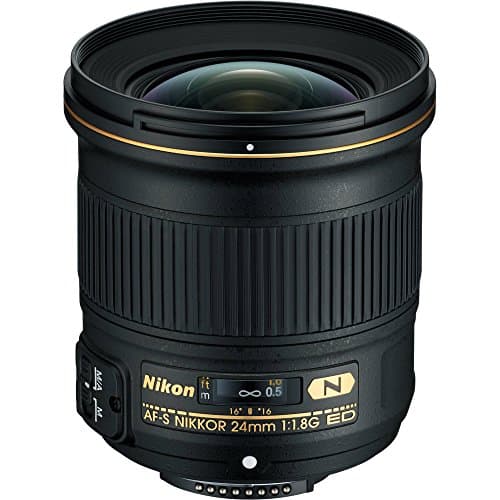
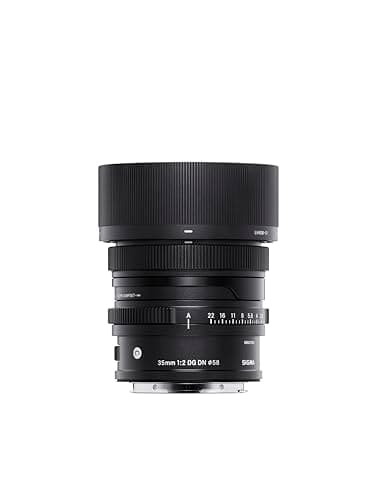
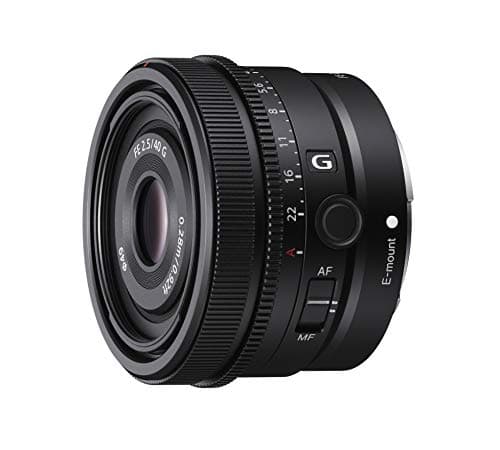
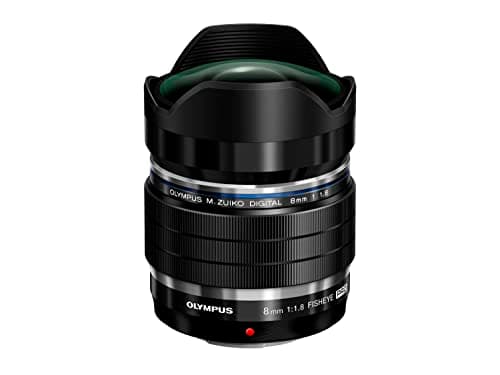
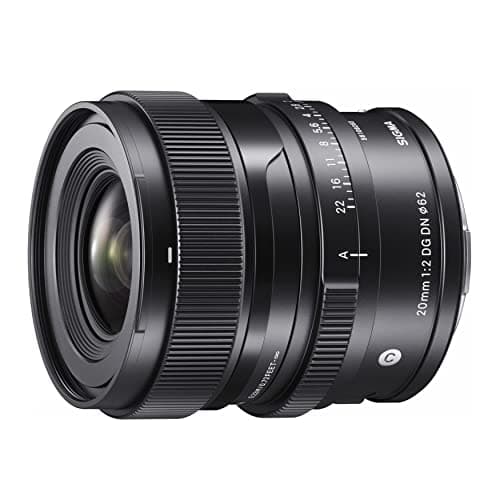
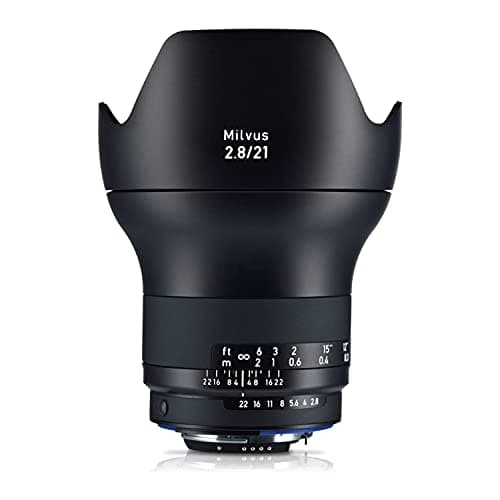
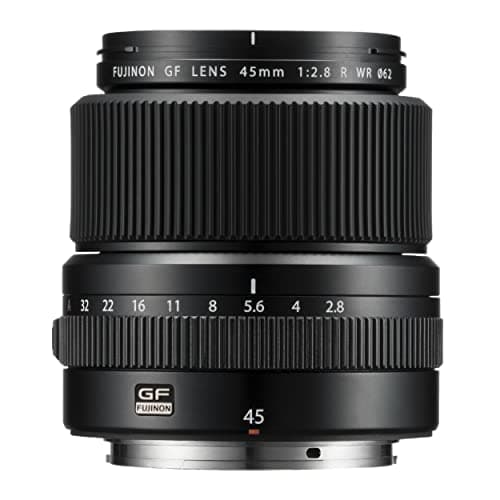
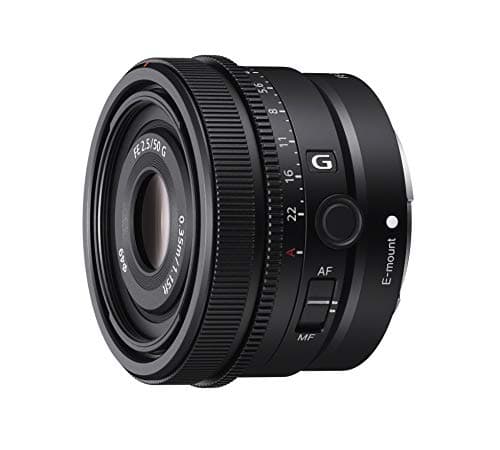
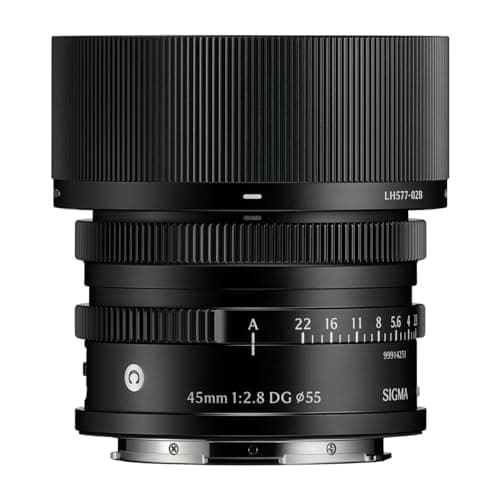
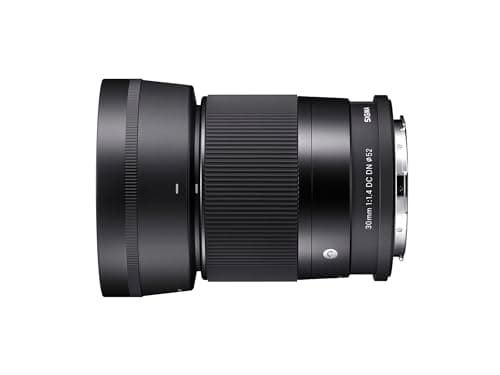
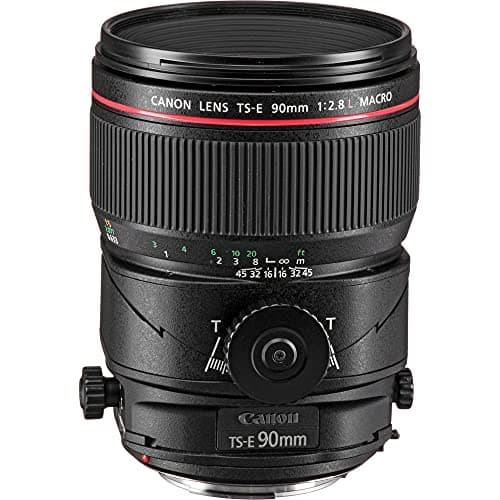
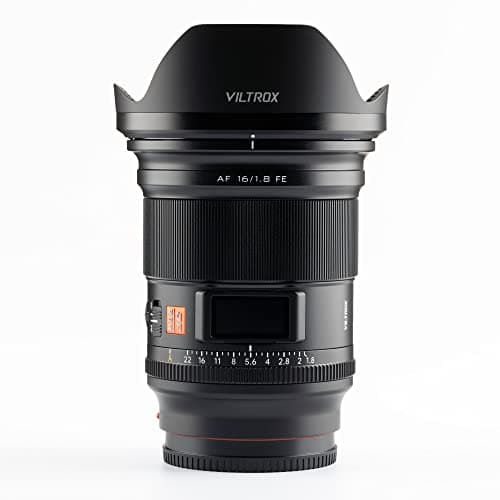
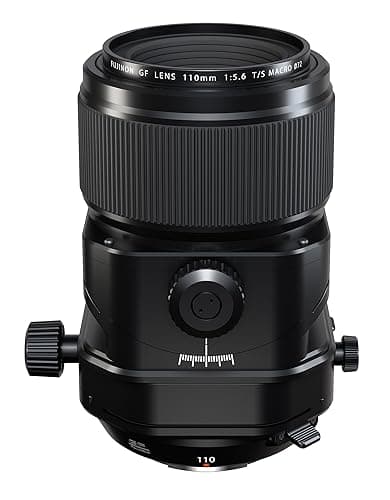
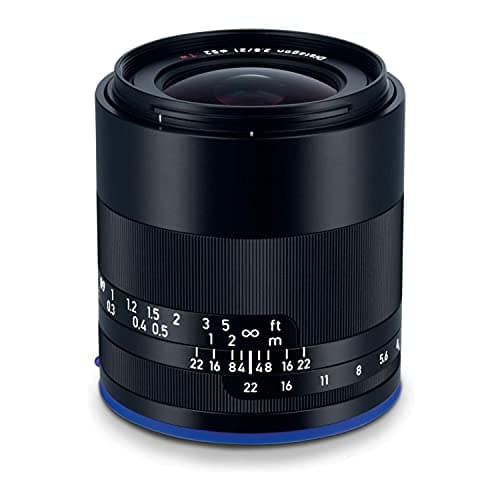
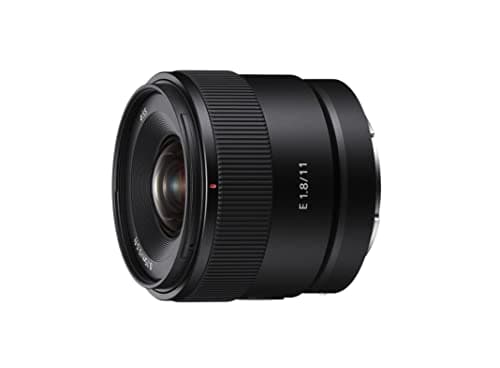
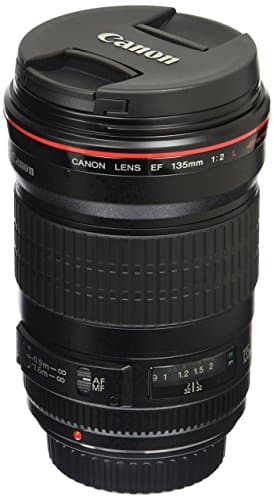
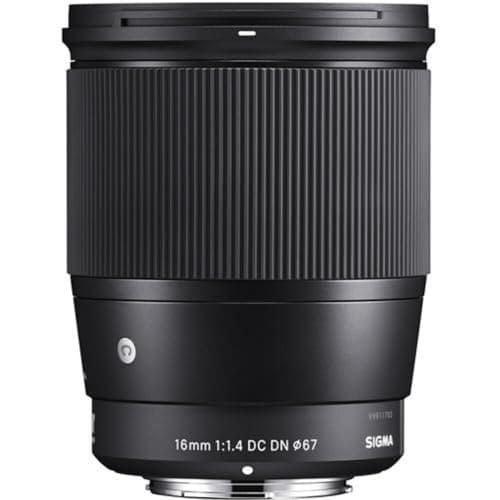
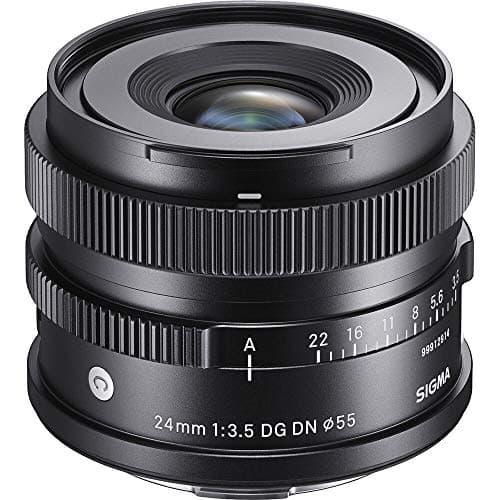
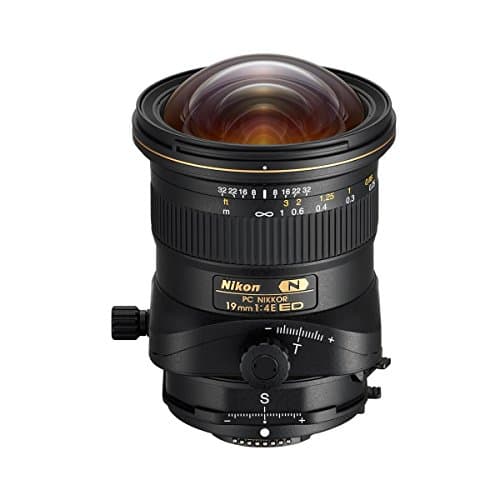
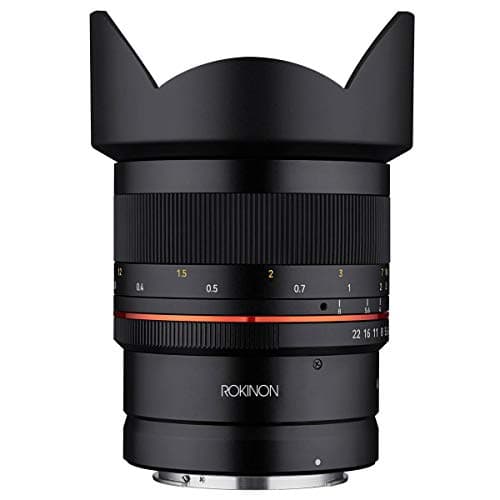
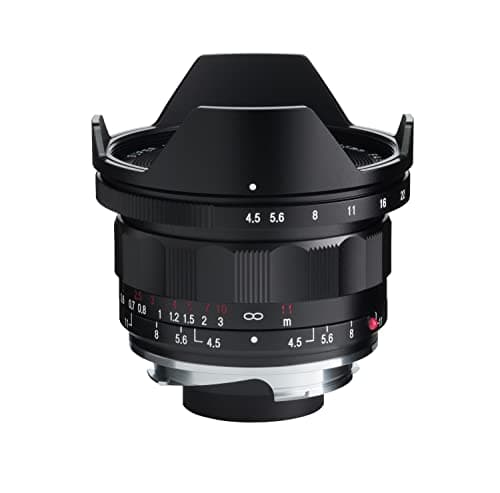
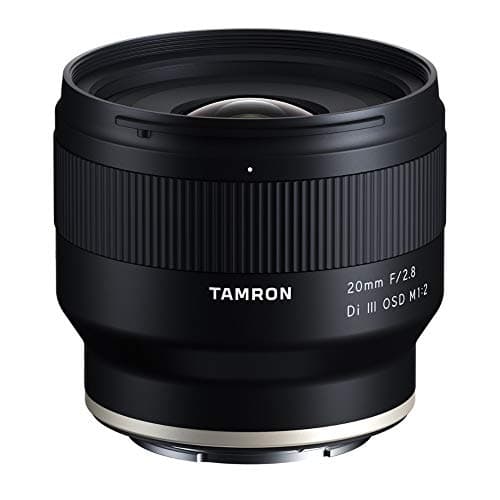
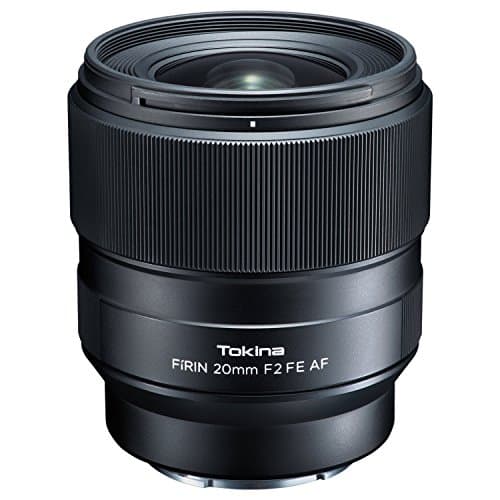
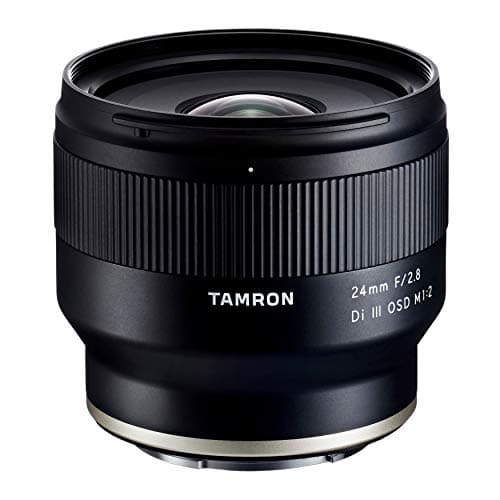
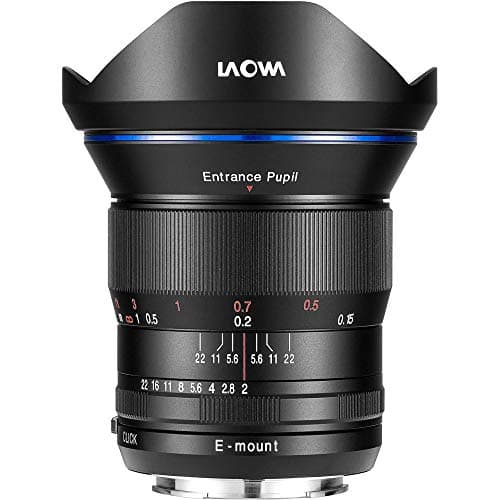
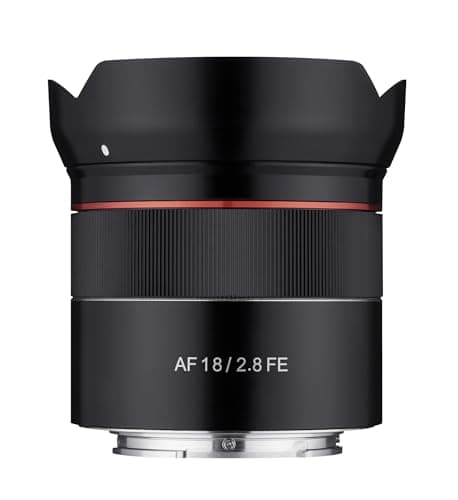
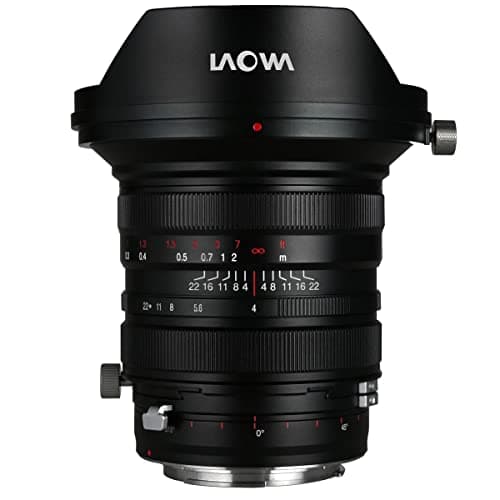
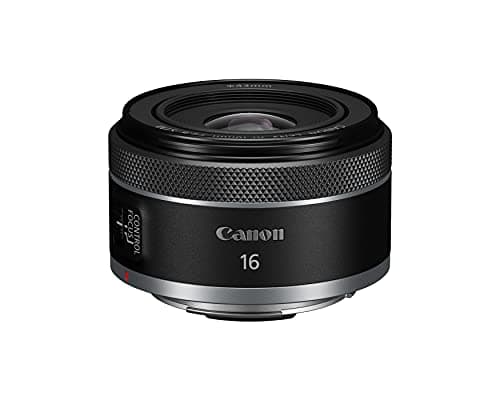
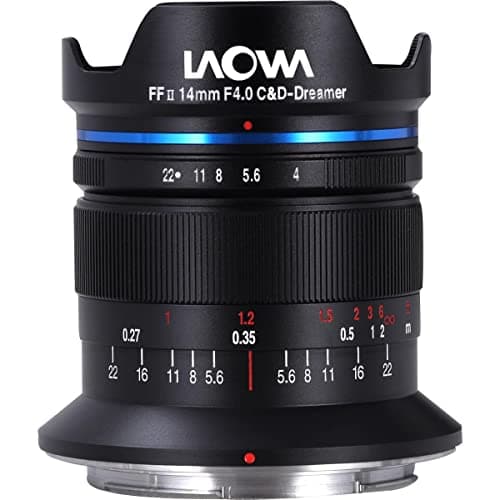
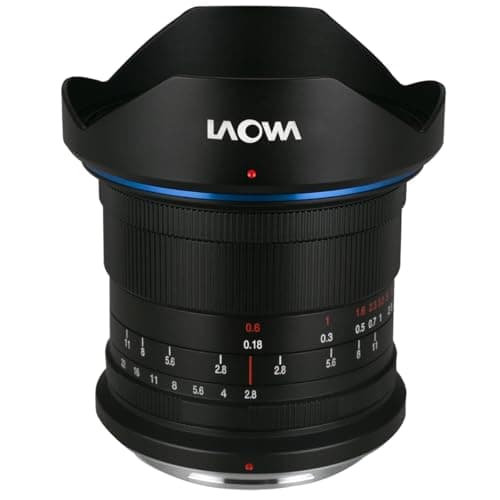
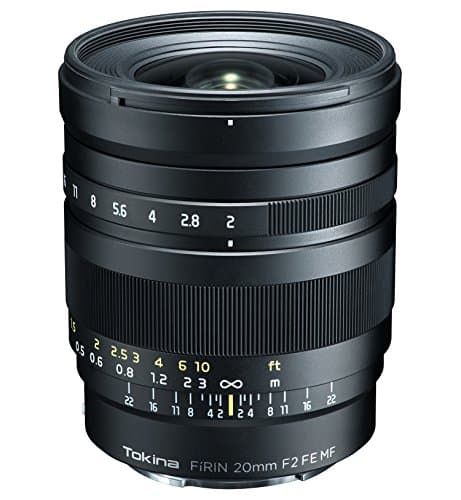
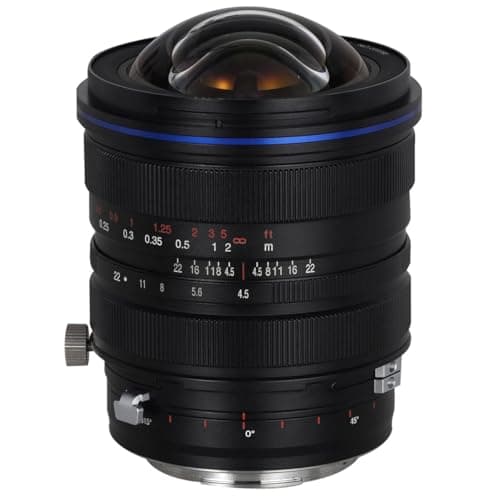
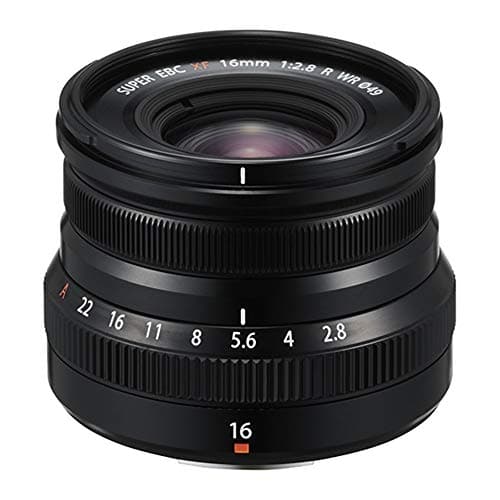
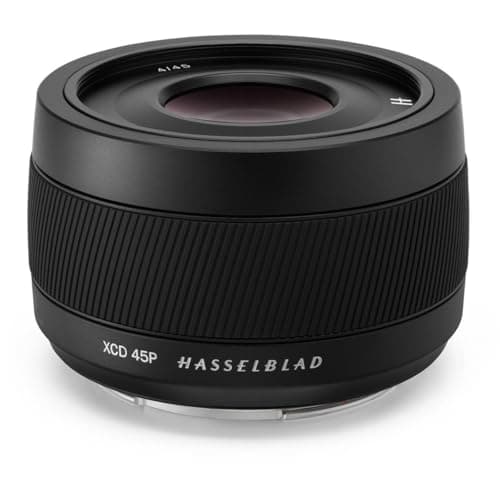
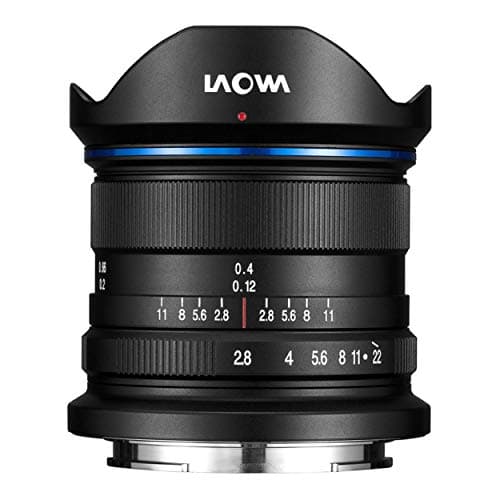
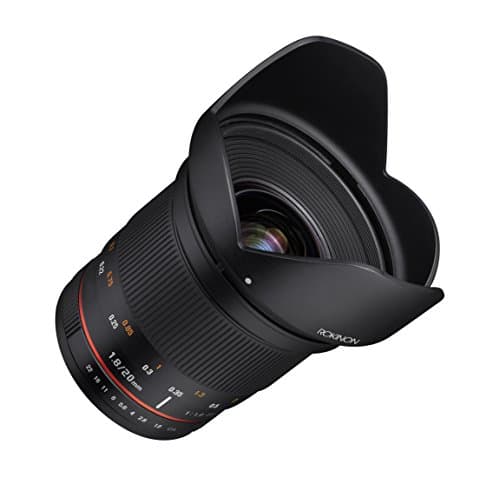
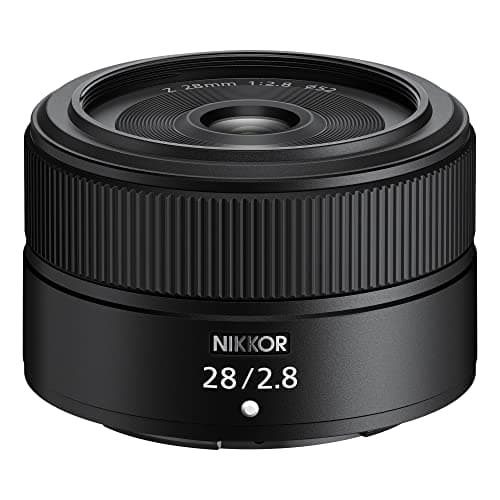
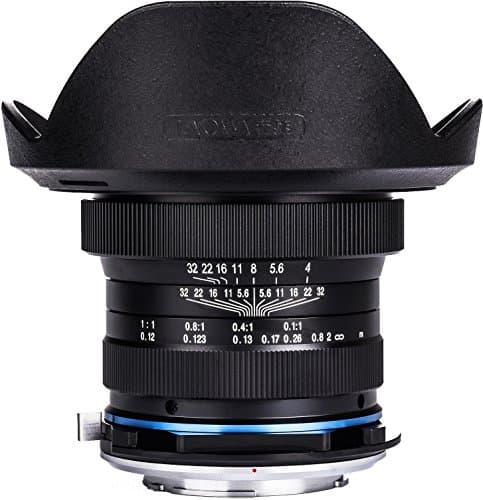
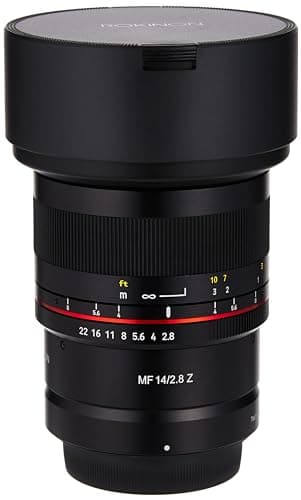
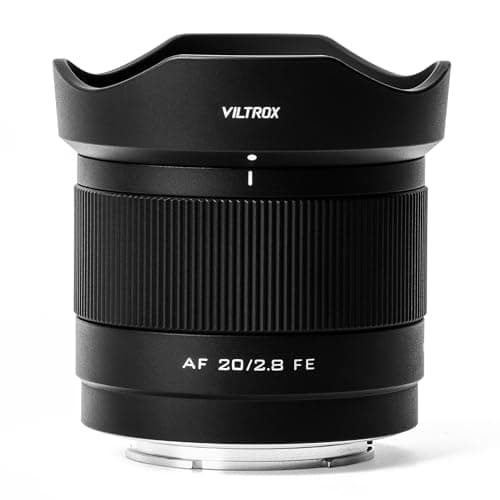
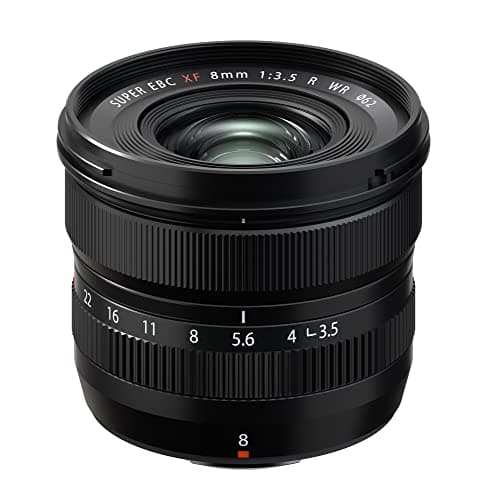
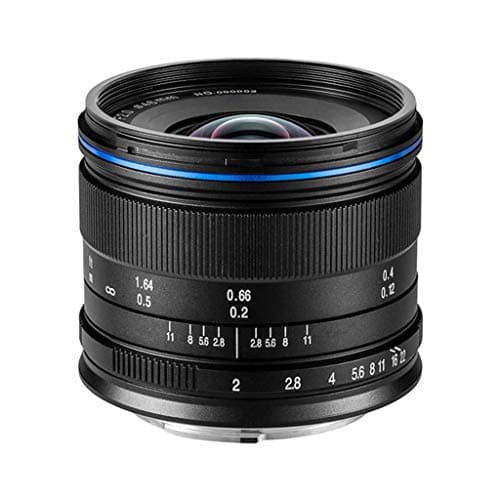
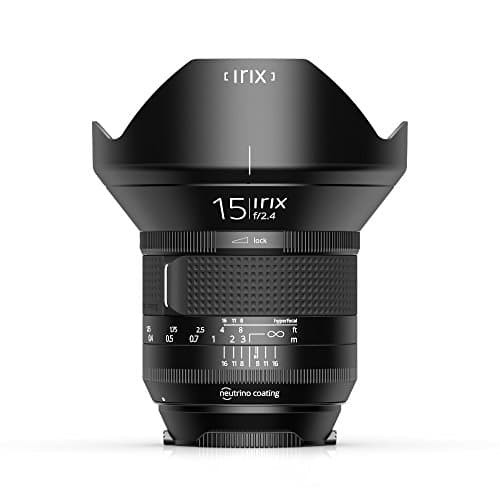
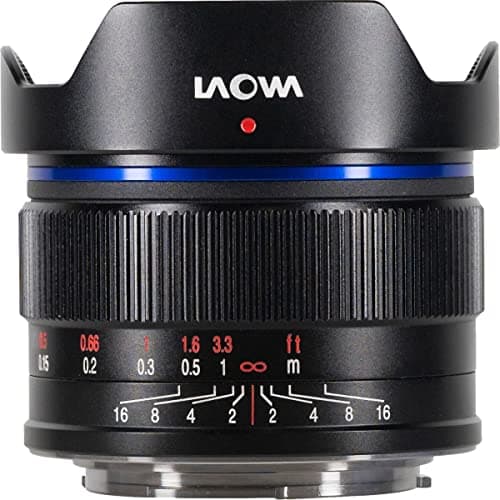
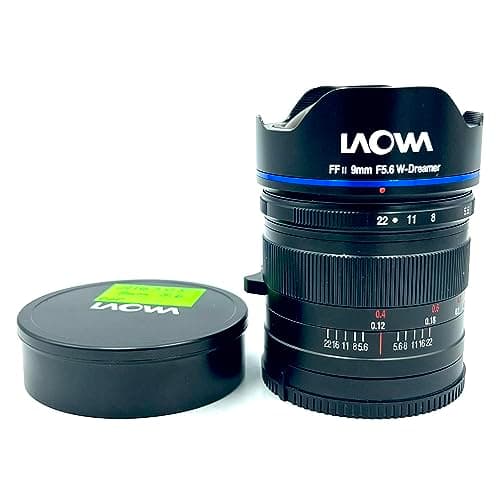
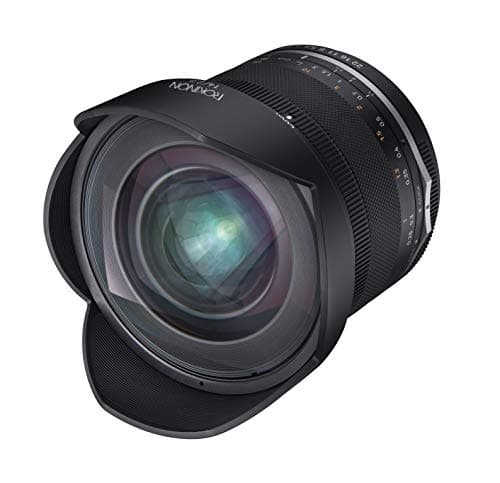
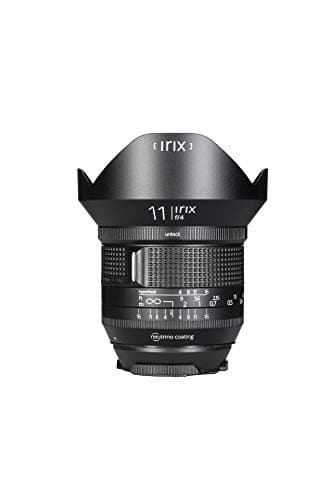
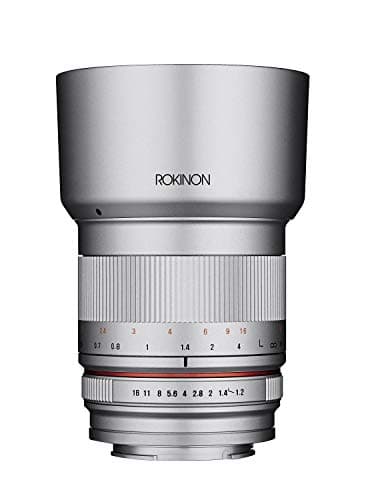
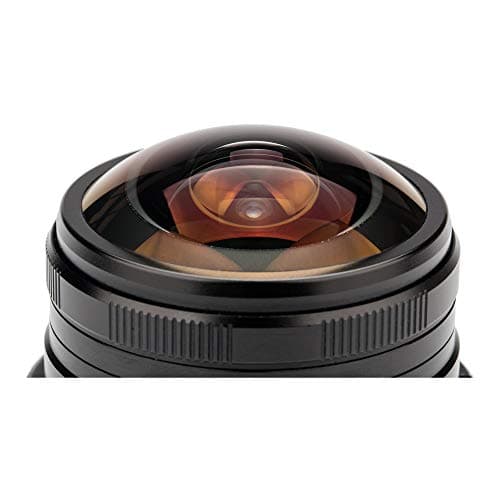
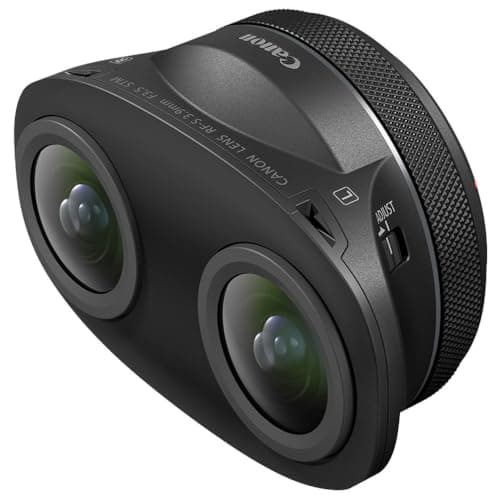
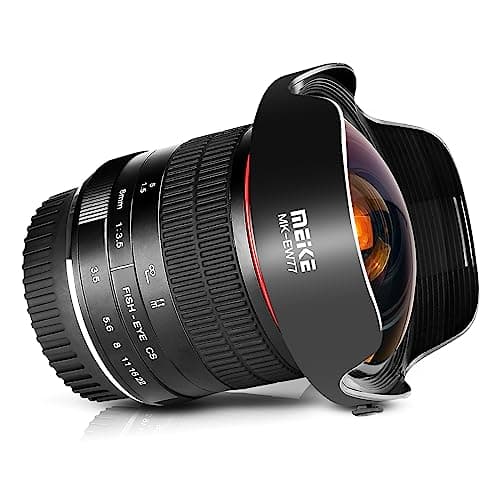
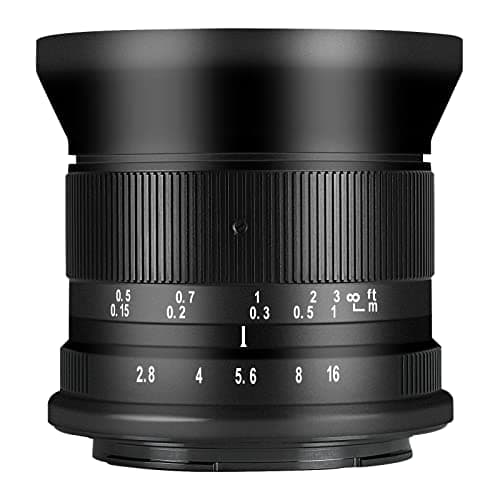
These are the best prime lenses for real estate photography when you want straight verticals, clean corners, honest color, and disciplined flare around bright windows—whether you’re shooting tight condos, luxury interiors, twilight exteriors, or architectural details—and here’s what to look for as you buy: prioritize rectilinear designs with very low wave/moustache distortion, strong performance at working apertures (ƒ5.6–ƒ8), even field illumination for ceilings and walls, coatings that resist veiling flare from sunlit windows, quiet accurate AF, and a filter strategy that fits your workflow (front 77/82mm threads for CPL/ND or proven square/rear holders for bulbous fronts); if you want perfect geometry in-camera, tilt/shift or shift-only primes are gold for keeping verticals parallel and for stitched panos without parallax. Full-frame prime heroes for interiors and exteriors: Sony FE 14mm ƒ1.8 GM (disciplined corners for dramatic spaces), FE 20mm ƒ1.8 G and FE 24mm ƒ1.4 GM (threaded, punchy micro-contrast), Nikon Z 20mm ƒ1.8 S and Z 24mm ƒ1.8 S (neutral color, tidy edges), Canon RF 16mm ƒ2.8 (pocket ultrawide), RF 24mm ƒ1.8 Macro IS (close-focus for fixtures and detail vignettes), Sigma DG DN Art 14/20/24mm (modern flare control, consistent look), and Laowa 12mm ƒ2.8 / 15mm ƒ2 Zero-D (manual “straight-line” specialists for tiny rooms). Movement masters for line-perfect rooms: Canon TS-E 17mm ƒ4L and TS-E 24mm ƒ3.5L II, Nikon PC 19mm ƒ4E and PC-E 24mm ƒ3.5D, plus Laowa 15mm ƒ4.5 Shift and 20mm ƒ4 Shift—use rise/fall to preserve verticals, lateral shift for wide panos without heavy crop, and a touch of tilt for plane alignment on long kitchens and corridors without resorting to diffraction-heavy ƒ16–ƒ22. APS-C standouts for nimble kits: Sony E 11mm ƒ1.8 (16.5-eq for tight rooms), E 15mm ƒ1.4 G (22.5-eq with threads), Sigma 16mm ƒ1.4 DC DN (value wide with clean geometry), Fujifilm XF 14mm ƒ2.8 (low-distortion legend), XF 16mm ƒ1.4 (close-focus foreground anchors), and Canon RF-S users can lean on RF 16mm ƒ2.8 via crop or compact RF-S 10–18mm used at set focal lengths; budget manual ultrawides like Samyang 12mm ƒ2 on APS-C also deliver once you learn their sweet spots. Micro Four Thirds picks that punch above their size: OM SYSTEM 8–25mm ƒ4 Pro used at prime-like stops, 12mm ƒ2 and 8mm ƒ1.8 Fisheye (defish intentionally), Laowa 7.5mm ƒ2 for featherweight interiors, and Olympus 17/25mm ƒ1.8 for detail vignettes; for shift behavior, consider Laowa 7.5/10/12mm with post corrections. Practical buyer tips: standardize front diameters (77/82mm) so one high-quality CPL and solid NDs cover the set—use CPL lightly to tame countertop/floor glare without blotching wide skies through windows; favor lenses with robust hoods and nano coatings for head-on windows and downlights; if you stitch, choose optics with minimal wave distortion and learn the entrance pupil for parallax-free seams; bring a small macro-capable prime (e.g., 24/1.8 Macro or 85/2 IS Macro) for hardware/fixture details; if your body lacks IBIS, a compact tripod is still king for twilight and layered bracket sets. Field technique that keeps spaces honest and spacious: level the camera (2-axis level) and compose with shift where possible rather than tilting up, favor ~18–24mm full-frame equivalent for natural proportions (go wider only when absolutely necessary), stop to the sweet spot (ƒ5.6–ƒ8) for crisp corners, meter for windows and bracket ±2 EV for gentle HDR/Enfuse blends, and lock white balance across a set for consistent color; place a subtle foreground anchor (island, chair arm) near the central third for depth, hide yourself and lights in mirrors with careful angle/height, and flag stray reflections from fixtures; for exteriors at blue hour, blend ambient with minimal supplemental light for glow and clean color, and watch mixed sources—gel or relight as needed; for video walk-throughs, pair primes with IBIS/IS or a gimbal, keep the camera roughly level for honest lines, set a 180° shutter with ND, and move slowly; always deliver square, true frames—prime perspectives should enhance the space, not exaggerate it. Whether you’re showcasing compact rentals, high-end estates, boutique lobbies, or styled details, the best prime lenses for real estate photography combine low distortion, confident corners, flare-savvy coatings, and (when needed) shift movements—so your rooms feel accurate, bright, and inviting.
Lenses by brand:
Lenses by price:
Lenses by type:
Lenses by sensor:
Lenses by feature:
Lenses by use case:
- Best Prime Lenses for Aerial Photography
- Best Prime Lenses for Architectural Photography
- Best Prime Lenses for Astrophotography
- Best Prime Lenses for Automotive Photography
- Best Prime Lenses for Concert Photography
- Best Prime Lenses for Event Photography
- Best Prime Lenses for Food Photography
- Best Prime Lenses for Headshot Photography
- Best Prime Lenses for Landscape Photography
- Best Prime Lenses for Lifestyle Photography
- Best Prime Lenses for Macro Photography
- Best Prime Lenses for Nature Photography
- Best Prime Lenses for Night Photography
- Best Prime Lenses for Pet Photography
- Best Prime Lenses for Photojournalism
- Best Prime Lenses for Portrait Photography
- Best Prime Lenses for Product Photography
- Best Prime Lenses for Real Estate Photography
- Best Prime Lenses for Sports Photography
- Best Prime Lenses for Street Photography
- Best Prime Lenses for Studio Photography
- Best Prime Lenses for Travel Photography
- Best Prime Lenses for Wedding Photography
- Best Prime Lenses for Wildlife Photography
- Best Prime Lenses for Video
Lenses by experience:
Cameras: