
10 Best Prime Lenses for Product Photography in 2026
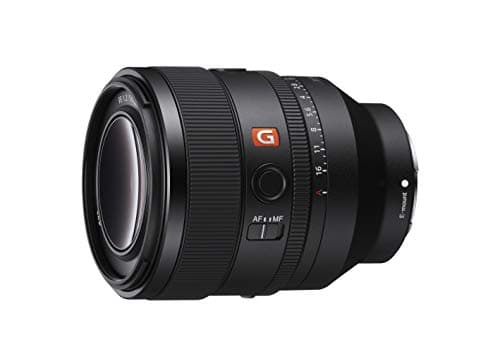
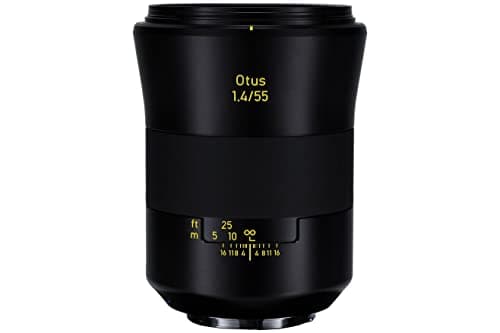
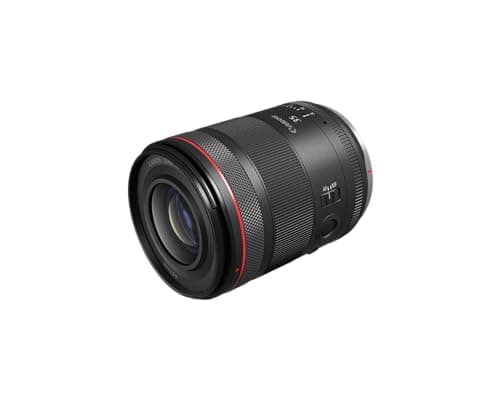
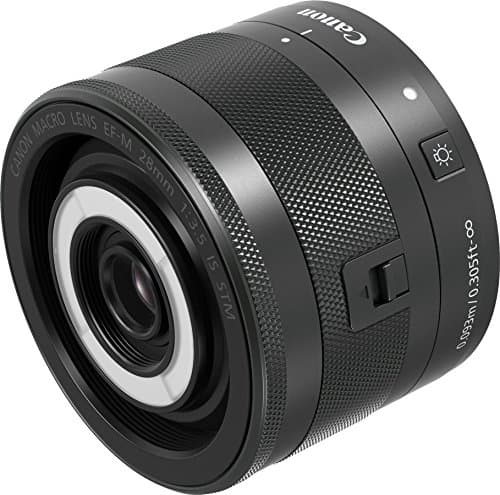
* Product prices and availability are accurate as of the date/time indicated and are subject to change. Any price and availability information displayed on Amazon.com at the time of purchase will apply to the purchase of this product.
* Imaginated.com may receive compensation for purchases made at participating retailers linked on this site. This compensation does not affect what products or prices are displayed, or the order of prices listed. Learn more here.
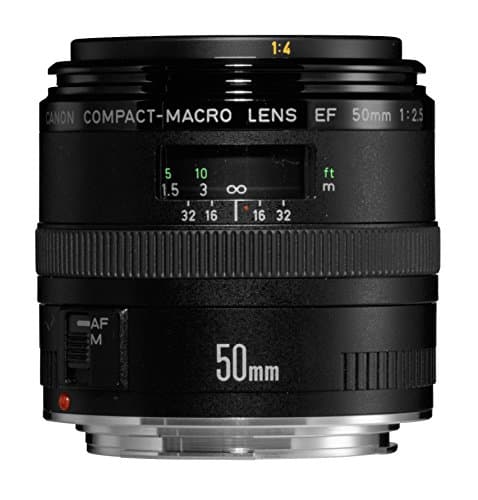
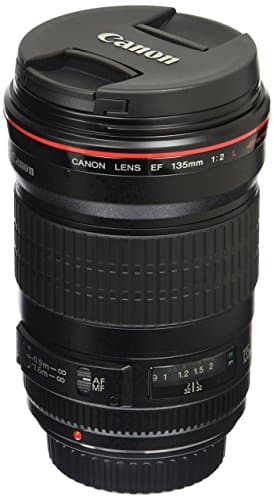
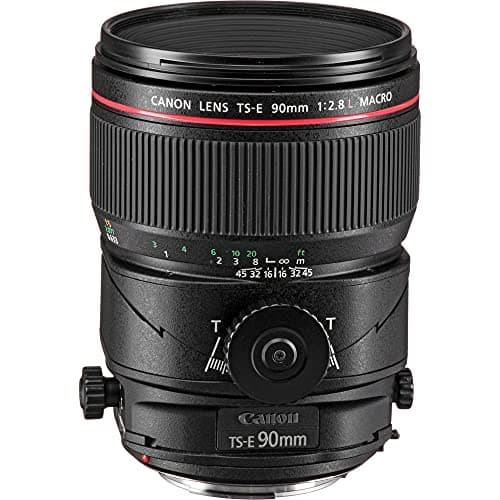
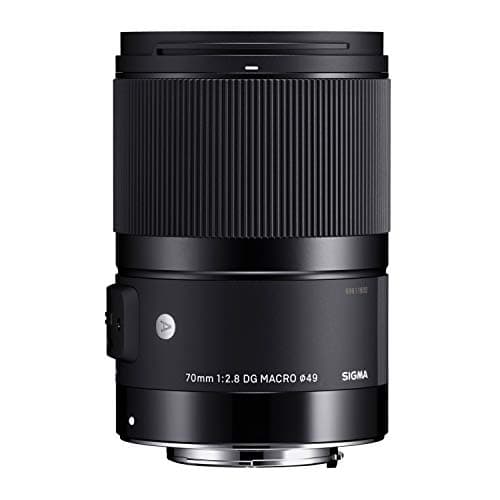
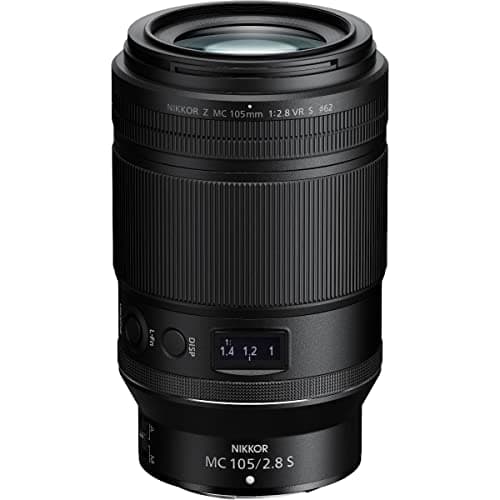
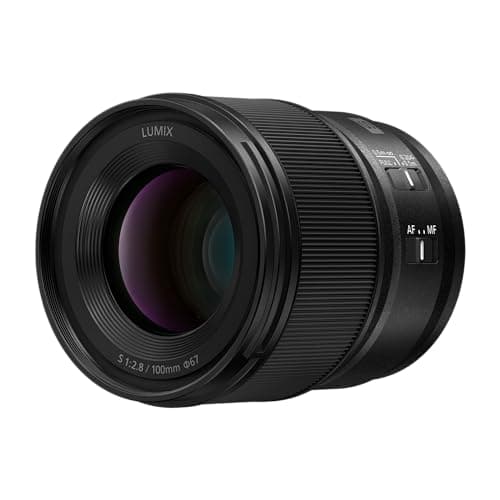
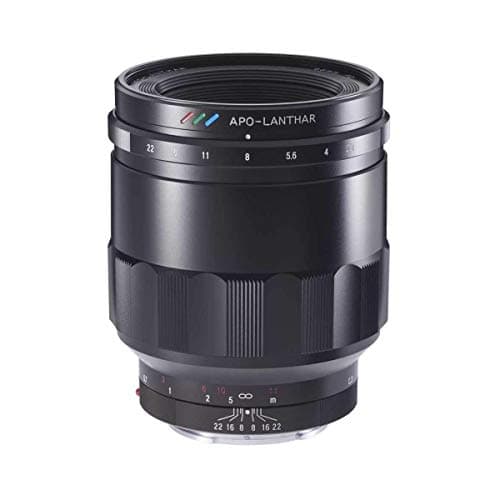
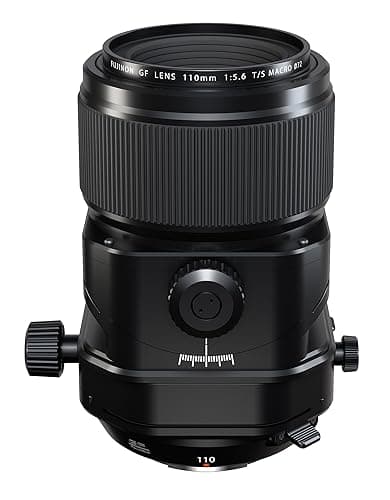
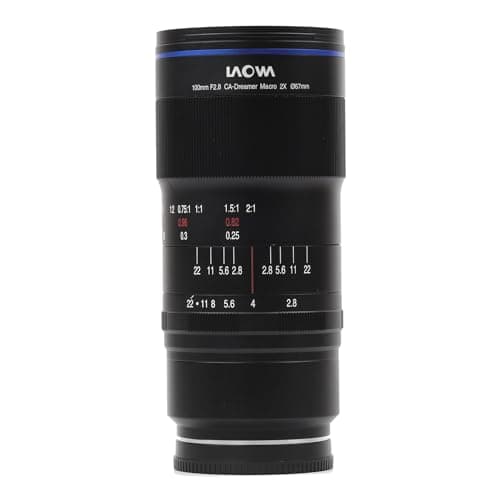
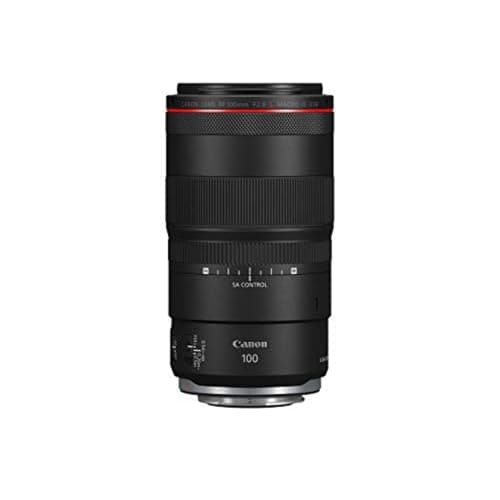
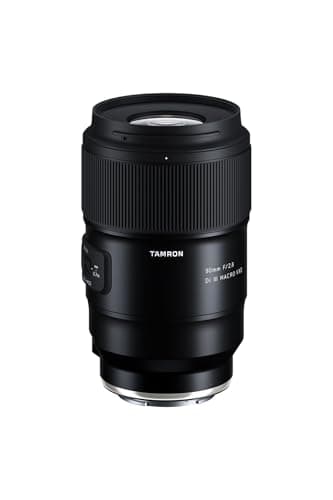
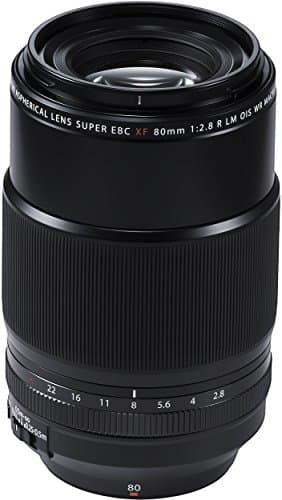
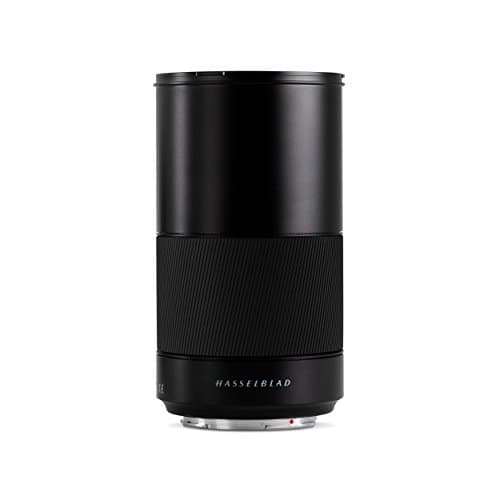
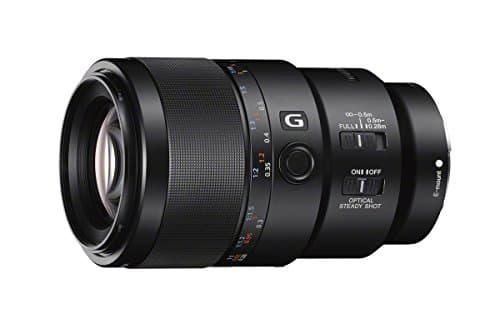
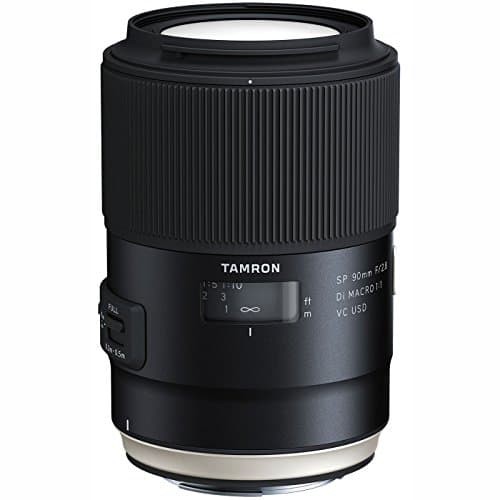
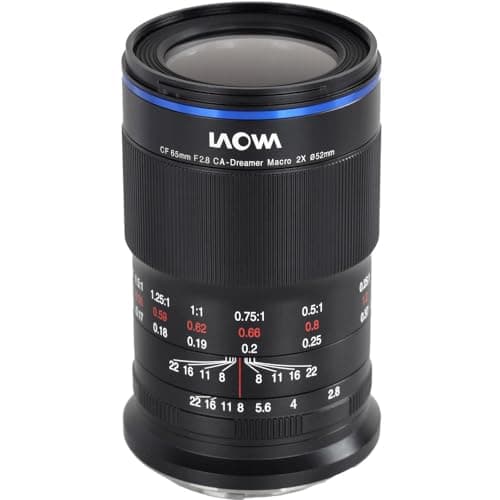
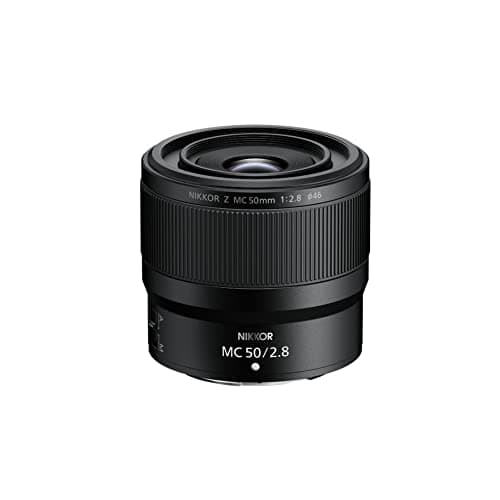
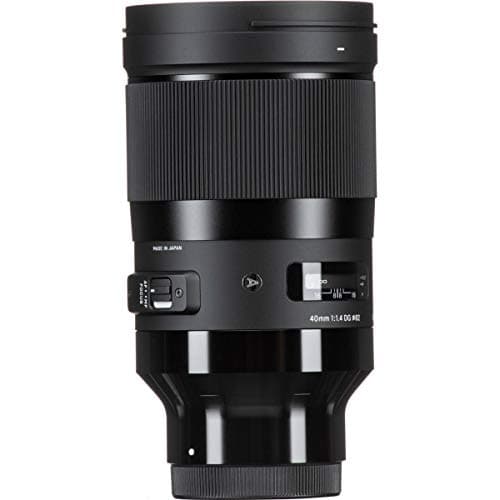
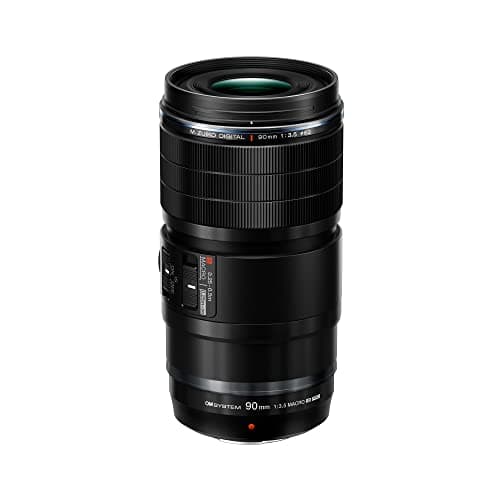
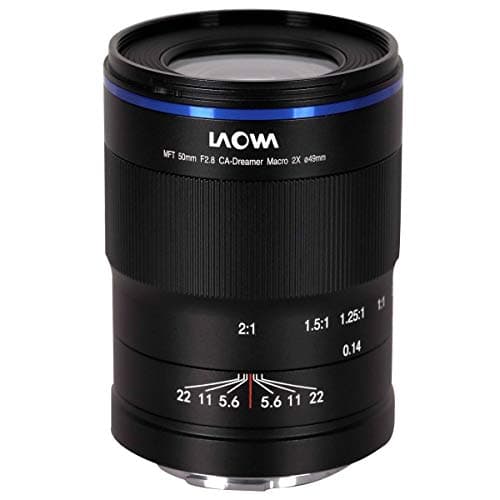
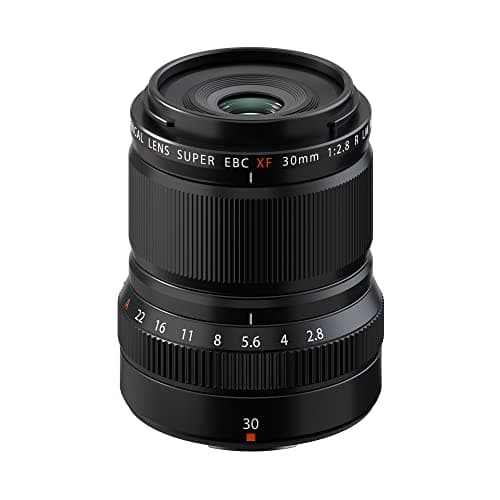
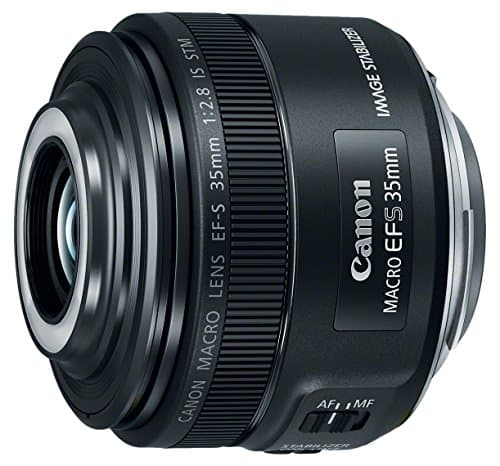
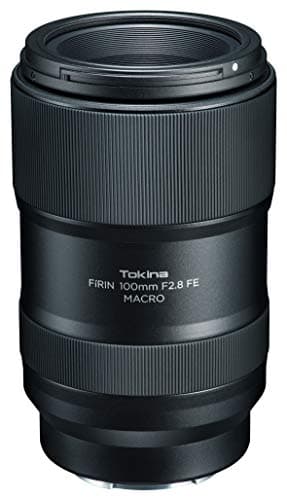
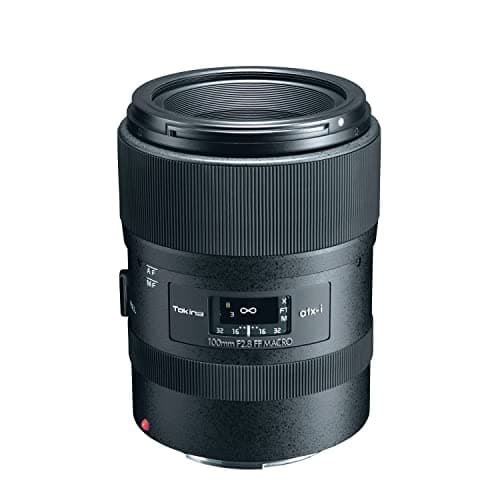
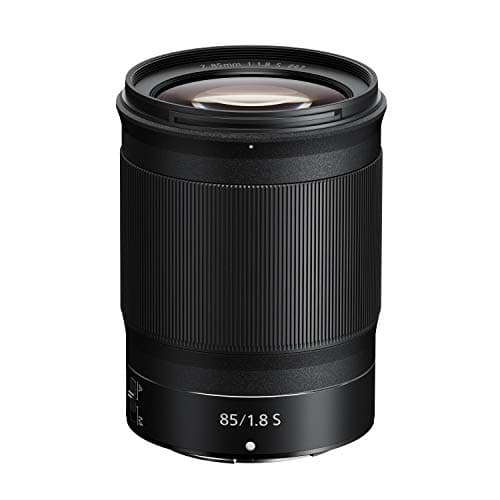
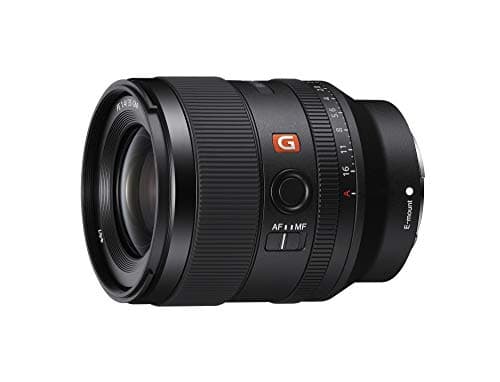
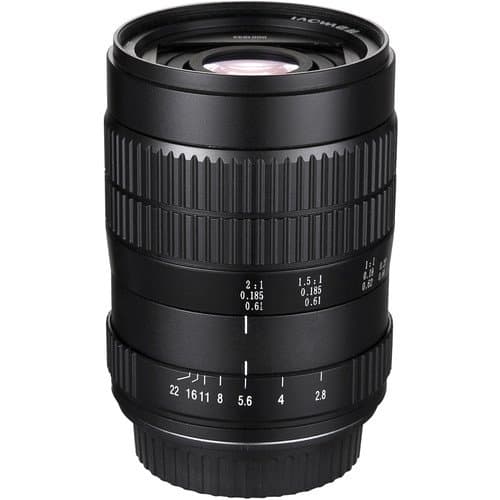
These are the best prime lenses for product photography when you want flat-field sharpness, accurate color, disciplined CA on chrome and glass, and flare control under softboxes and practicals—whether you’re shooting e-commerce white seamless, glossy cosmetics, tech hardware, food & beverage, or crafted lifestyle sets—and here’s what to look for as you buy: prioritize true macro or near-macro ability (1:1 ideal; 1:2 workable), rectilinear rendering with low wave/moustache distortion so boxes stay square, even illumination for clean edges, long and repeatable manual-focus throw for stacking, quiet linear/STM AF with minimal breathing if you film, and front threads (58–82mm) for CPL/ND/diffusion; tilt-shift adds plane control and perfect geometry for packaging, and apochromatic designs keep speculars free of color fringe. Full-frame prime heroes: Sony FE 90mm ƒ2.8 Macro G OSS (reference sharpness, OSS, beautiful contrast), Sony FE 50mm ƒ2.8 Macro (compact 1:1), Sony FE 100mm ƒ2.8 STF GM OSS (apodized smoothness for lifestyle hero shots), Canon RF 100mm ƒ2.8L Macro IS (Hybrid IS + SA Control for tunable blur), RF 85mm ƒ2 IS Macro (0.5× detail + portrait duty), Nikon Z MC 105mm ƒ2.8 VR S (tack-sharp, neutral color), Z MC 50mm ƒ2.8 (light 1:1), Sigma 105mm ƒ2.8 DG DN Macro Art and Sigma 70mm ƒ2.8 DG Macro Art (flat-field specialists with great MF feel), Tamron 90mm ƒ2.8 Di macro lineage (value classic), and creative probes like Laowa 24mm ƒ14 2× Probe plus Laowa 100mm ƒ2.8 2× APO (huge mag with apochromatic control). Tilt/shift for packaging lines and label orthos: Canon TS-E 90mm ƒ2.8L Macro and TS-E 50mm ƒ2.8L Macro (movements + close-up), Nikon PC-E 85mm ƒ2.8D Micro, and Laowa 100mm Shift Converter options—use rise/fall to keep verticals parallel and a touch of tilt to align planes without stopping to diffraction-heavy ƒ16–ƒ22. APS-C standouts: Fujifilm XF 80mm ƒ2.8 R LM OIS WR Macro (stabilized 1:1 beast), XF 60mm ƒ2.4 Macro (0.5× with lovely rendering), Sigma 70mm ƒ2.8 DG Macro (adapted or native where available), Sigma 56mm/30mm/16mm ƒ1.4 DC DN for lifestyle product with close focus, Sony E 30mm ƒ3.5 Macro and E 50mm ƒ2.8 Macro (tiny 1:1 tools), and Canon RF-S users can lean on RF 85mm ƒ2 IS Macro (via crop) for stabilized detail. Micro Four Thirds picks that punch above size: OM SYSTEM 60mm ƒ2.8 Macro (1:1, weather-sealed), OM 90mm ƒ3.5 Macro IS PRO (2× on sensor, Sync IS), Panasonic 45mm ƒ2.8 Macro OIS (tiny, stabilized), and Laowa 50mm ƒ2.8 2× for extreme magnification. Practical buyer tips: choose focal length by working distance—longer macros (90–105–150mm) keep lights and reflections out of the shot; standardize front diameters so one high-quality CPL (tame bottle/pack glare), a 3–6–10-stop ND (pour/splash motion at cine shutters), and a subtle diffusion/Black Mist cover the set; apochromatic (APO) designs reduce color fringing on stainless and gemstones; if you composite or stitch, favor lenses with even illumination and minimal wave distortion and learn the entrance pupil for clean seams; consider a focusing rail and tethered live view for precision, and keep firmware current for smooth AF stepping in video. Field technique that makes products look premium: level the camera to keep lines true, place labels and key features near the central third to avoid edge stretch, and work around ƒ5.6–ƒ8 for crisp bite before diffraction; for tiny objects, use tilt or stack instead of cranking to ƒ16+ on high-MP sensors; polarize smartly—CPL on glass and glossy packaging, or cross-polarize (gelled lights + CPL) for glare-free labels—then reintroduce a controlled specular with a flagged stripbox; feather softboxes to avoid hot stripes, use negative fill to sculpt curves, and flag the lens to prevent veiling; for liquids and pours, add ND for motion blur at 1/30–1/60s and shoot multiple passes for composite perfection; for video, lock a 180° shutter with VND, enable breathing compensation, set slow AF transitions, and use internal-focus primes for stable gimbals. Whether you’re crafting clean catalog images, glossy cosmetics, luxurious beverages, intricate tech details, or cinematic product films, the best prime lenses for product photography combine true macro capability, flat-field sharpness, flare-savvy coatings, and quiet, confident AF—so your items look square, crisp, and irresistibly premium on screen and in print.
Lenses by brand:
Lenses by price:
Lenses by type:
Lenses by sensor:
Lenses by feature:
Lenses by use case:
- Best Prime Lenses for Aerial Photography
- Best Prime Lenses for Architectural Photography
- Best Prime Lenses for Astrophotography
- Best Prime Lenses for Automotive Photography
- Best Prime Lenses for Concert Photography
- Best Prime Lenses for Event Photography
- Best Prime Lenses for Food Photography
- Best Prime Lenses for Headshot Photography
- Best Prime Lenses for Landscape Photography
- Best Prime Lenses for Lifestyle Photography
- Best Prime Lenses for Macro Photography
- Best Prime Lenses for Nature Photography
- Best Prime Lenses for Night Photography
- Best Prime Lenses for Pet Photography
- Best Prime Lenses for Photojournalism
- Best Prime Lenses for Portrait Photography
- Best Prime Lenses for Product Photography
- Best Prime Lenses for Real Estate Photography
- Best Prime Lenses for Sports Photography
- Best Prime Lenses for Street Photography
- Best Prime Lenses for Studio Photography
- Best Prime Lenses for Travel Photography
- Best Prime Lenses for Wedding Photography
- Best Prime Lenses for Wildlife Photography
- Best Prime Lenses for Video
Lenses by experience:
Cameras: