
10 Best Prime Lenses for Event Photography in 2026
Name | Features | Price |
|---|---|---|
Canon EF 35mm F1.4L II USM⭐ 4.9 / 5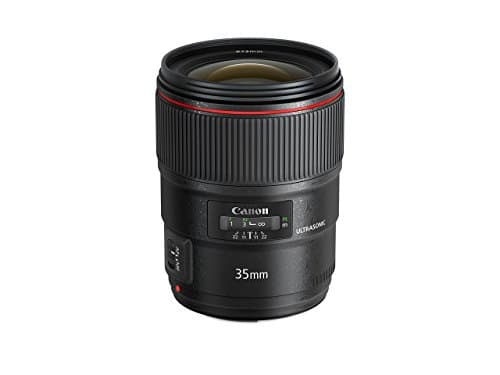 | ||
Name | Features | Price |
Sony FE 35mm F1.4 GM⭐ 4.9 / 5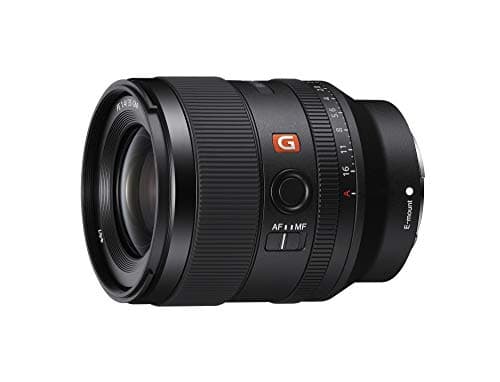 | ||
Name | Features | Price |
Canon RF 35mm F1.4 L VCM⭐ 4.9 / 5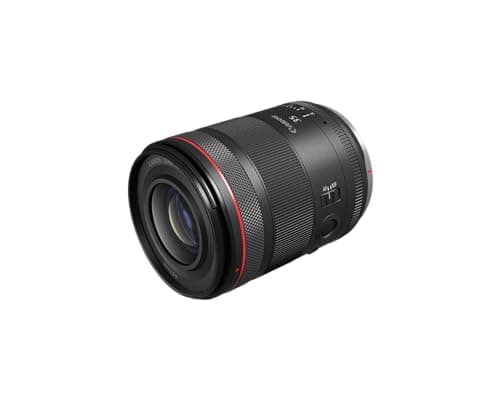 | ||
Name | Features | Price |
Fujifilm XF 33mm F1.4 R LM WR⭐ 4.9 / 5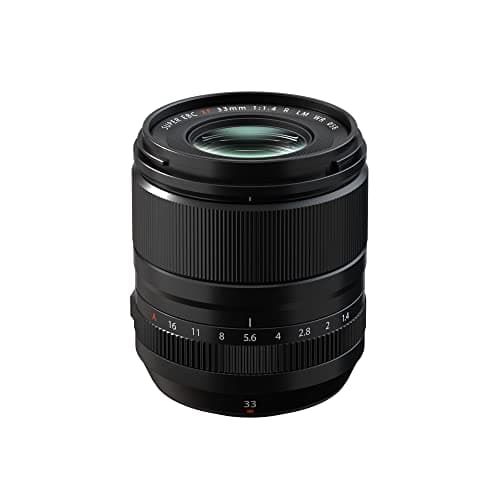 | ||
Name | Features | Price |
Sony FE 50mm F1.4 GM⭐ 4.9 / 5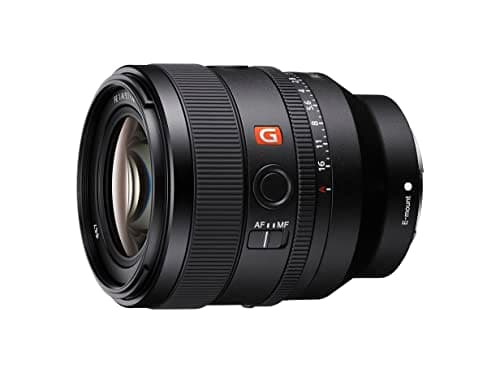 | ||
Name | Features | Price |
Nikon Nikkor Z 35mm F1.8 S⭐ 4.9 / 5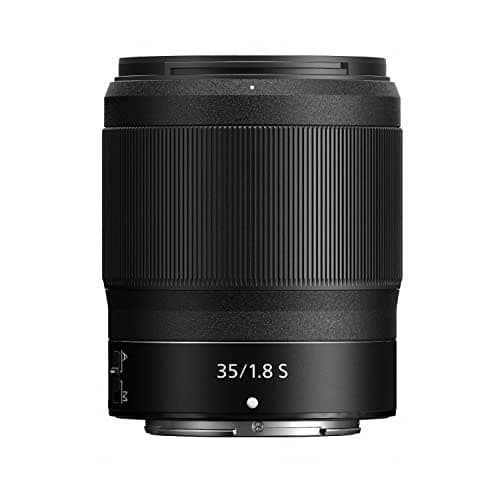 | ||
Name | Features | Price |
Olympus M.Zuiko Digital ED 17mm F1.2 Pro⭐ 4.9 / 5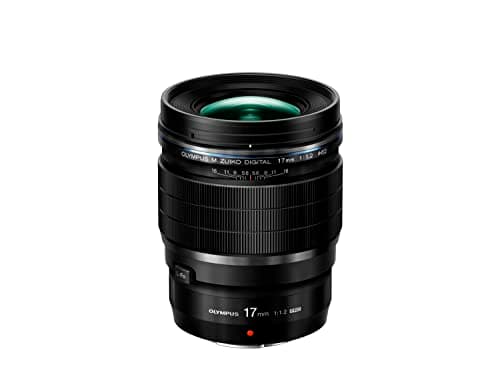 | ||
Name | Features | Price |
Leica Summilux-SL 50mm F1.4 ASPH⭐ 4.8 / 5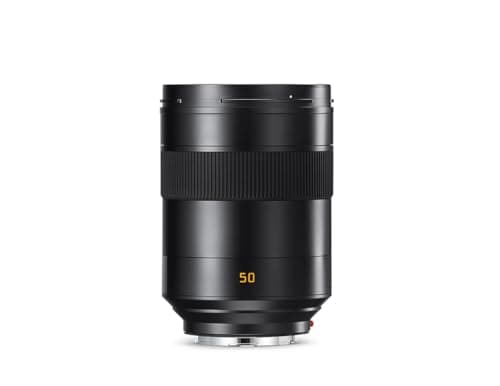 | ||
Name | Features | Price |
Canon RF 50mm F1.4 L VCM⭐ 4.8 / 5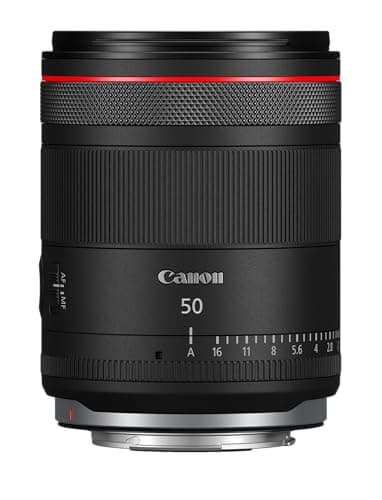 | ||
Name | Features | Price |
Leica Summilux-M 35mm F1.4⭐ 4.8 / 5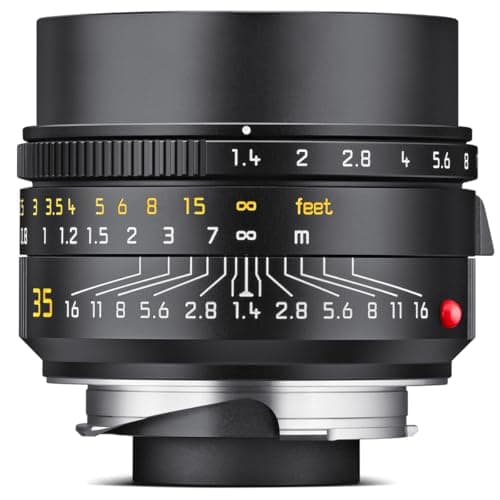 |
* Product prices and availability are accurate as of the date/time indicated and are subject to change. Any price and availability information displayed on Amazon.com at the time of purchase will apply to the purchase of this product.
* Imaginated.com may receive compensation for purchases made at participating retailers linked on this site. This compensation does not affect what products or prices are displayed, or the order of prices listed. Learn more here.
These are the best prime lenses for event photography when you want fast, silent AF, clean rendering in mixed light, disciplined aberrations on speculars, and dependable handling for long days—whether you’re covering weddings, galas, conferences, clubs, or festivals—and here’s what to look for as you buy: prioritize speed (ƒ1.2–ƒ1.8 for people; ƒ2 for longer teles), strong wide-open contrast with controlled LoCA, quiet linear/STM motors for sticky Eye AF, minimal focus breathing if you film, stabilization strategy that fits your body (IS/OSS or IBIS), weather sealing and robust hoods, front threads (67–82mm) for one VND/clear protector, and close-focus for detail cutaways; build a two- or three-prime spine (24/35/85 or 35/50/85), and keep firmware current to improve tracking in dim venues. Full-frame pit-to-ballroom heroes: 24mm ƒ1.4 class (Sony FE 24/1.4 GM, Sigma 24/1.4 DG DN Art, Nikon Z 24/1.8 S, Canon RF 24/1.8 IS) for establishing scenes, 35mm ƒ1.4–ƒ1.8 (Sony FE 35/1.4 GM, Sigma 35/1.4 DN, Nikon Z 35/1.8 S, Canon RF 35/1.8 IS) as the storytelling workhorse, 50mm ƒ1.2–ƒ1.4 (Sony FE 50/1.4 or 1.2 GM, Sigma 50/1.4 DN, Nikon Z 50/1.8 S, Canon RF 50/1.2L/1.8) for candids and speeches, 85mm ƒ1.4–ƒ2 (Sony FE 85/1.4 GM, Sigma 85/1.4 DN, Nikon Z 85/1.8 S, Canon RF 85/2 IS) for flattering portraits, and 135mm ƒ1.8 (Sony FE 135/1.8 GM, Sigma 135/1.8 Art, Canon RF 135/1.8L IS) for stage compression; macro-capable primes like Sony FE 90/2.8 Macro OSS, Nikon Z MC 105/2.8 VR, and Canon RF 85/2 IS or 100/2.8L IS cover rings, menus, and small decor without swapping systems. APS-C standouts for nimble kits and second bodies: Sony E 11/1.8 (room drama), E 15/1.4 G (22.5-eq crowd favorite), Sigma 16/30/56mm ƒ1.4 DC DN trio (legendary value), Sony E 35/1.8 OSS and 50/1.8 OSS (stabilized classics), Fujifilm XF 16/1.4, XF 18/1.4, XF 23/1.4 LM WR, XF 33/1.4 LM WR, XF 56/1.2 WR (buttery people lenses), and Canon RF-S users can lean on RF 24/1.8 IS, RF 35/1.8 IS, RF 50/1.8, RF 85/2 IS on crop for bright, stabilized coverage. Micro Four Thirds picks that punch above their size: OM SYSTEM 17/25/45mm ƒ1.2 Pro (rounded blades, weather-sealed), Olympus 45/1.8 and 75/1.8 (tiny tele portraits), Panasonic Leica 15/1.7 and 25/1.4 (character + sharpness), and 42.5/1.2 Nocticron OIS for lux blur with stabilization. Practical buyer tips: standardize front diameters for one VND/clear protector (skip CPL—polarization can wreck screens and stage gels), favor lenses with strong flare resistance and de-clickable or well-damped apertures if you film, verify breathing and AF smoothness on your body (many modern 24/1.4, 35/1.4, 50/1.4 behave nicely), and pair primes across two bodies (e.g., 35 + 85) for instant perspective swaps; keep a compact macro or close-focusing 24/35 for detail interludes. Field technique that lands keepers: keep the camera roughly level to protect proportions, favor 24–35mm for environments and 50–85mm for flattering people, use Eye AF with single-point override for backlit moments, and run Manual or T/Av with Auto-ISO and a sensible ceiling (ISO 12,800–25,600); lock motion around 1/160–1/250s for people (1/500s+ for dancing), work near wide open and stop 1/3–2/3 stop for eyelash-sharp results, brace elbows or use IBIS/IS for slow ambient scenes, and fire short bursts to catch a tack frame; bounce or feather flash for natural fill without nuking ambience, ride exposure comp to protect white dresses and LED highlights, and watch edges at wider focal lengths; for video, keep a 180° shutter with ND, enable breathing compensation, set slow AF transitions, and balance primes on a gimbal (internal focus helps). Whether you’re covering ceremonies, keynotes, award nights, or after-parties, the best prime lenses for event photography combine big apertures, flare-savvy optics, quiet, confident AF, and dependable ergonomics—so your coverage stays sharp, flattering, and immersive from the aisle to the dance floor.
Lenses by brand:
Lenses by price:
Lenses by type:
Lenses by feature:
Lenses by use case:
- Best Prime Lenses for Aerial Photography
- Best Prime Lenses for Architectural Photography
- Best Prime Lenses for Astrophotography
- Best Prime Lenses for Automotive Photography
- Best Prime Lenses for Concert Photography
- Best Prime Lenses for Event Photography
- Best Prime Lenses for Food Photography
- Best Prime Lenses for Headshot Photography
- Best Prime Lenses for Landscape Photography
- Best Prime Lenses for Lifestyle Photography
- Best Prime Lenses for Macro Photography
- Best Prime Lenses for Nature Photography
- Best Prime Lenses for Night Photography
- Best Prime Lenses for Pet Photography
- Best Prime Lenses for Photojournalism
- Best Prime Lenses for Portrait Photography
- Best Prime Lenses for Product Photography
- Best Prime Lenses for Real Estate Photography
- Best Prime Lenses for Sports Photography
- Best Prime Lenses for Street Photography
- Best Prime Lenses for Studio Photography
- Best Prime Lenses for Travel Photography
- Best Prime Lenses for Wedding Photography
- Best Prime Lenses for Wildlife Photography
- Best Prime Lenses for Video
Lenses by experience:
Cameras: