
10 Best Prime Lenses for Architectural Photography in 2026
Name | Features | Price |
|---|---|---|
Nikon PC Nikkor 19mm F4E ED⭐ 5.0 / 5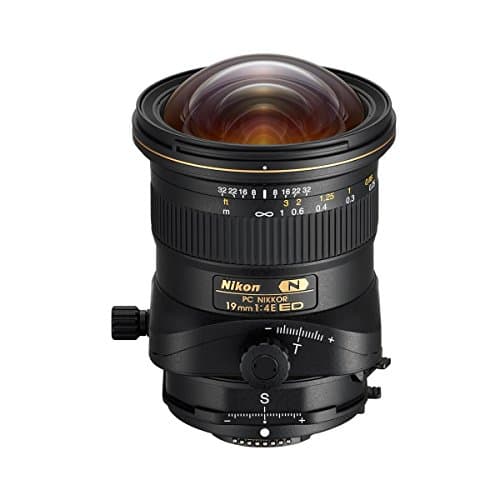 | ||
Name | Features | Price |
Zeiss Otus 28mm F1.4⭐ 5.0 / 5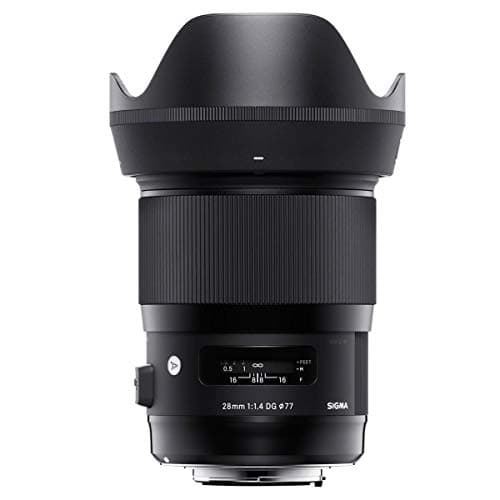 | ||
Name | Features | Price |
Fujifilm GF 23mm F4 R LM WR⭐ 5.0 / 5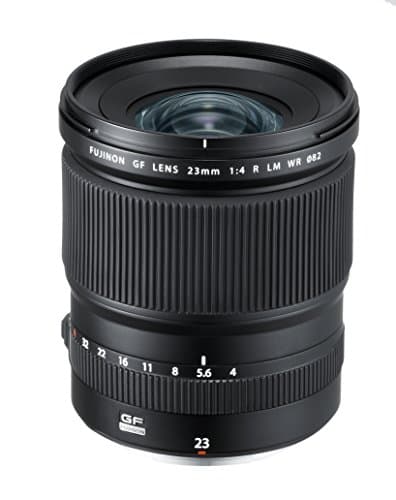 | ||
Name | Features | Price |
Venus Laowa 20mm F4 Zero-D Shift⭐ 4.9 / 5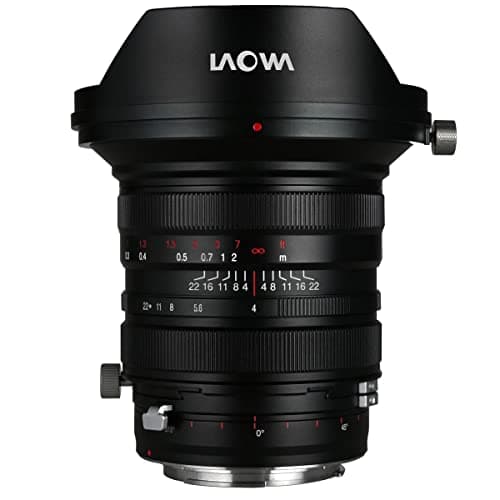 | ||
Name | Features | Price |
Venus Laowa 12mm F2.8 Zero-D⭐ 4.9 / 5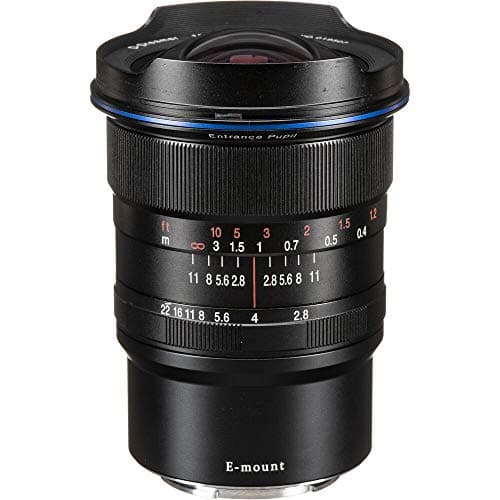 | ||
Name | Features | Price |
Venus Laowa 19mm F2.8 Zero-D GFX⭐ 4.9 / 5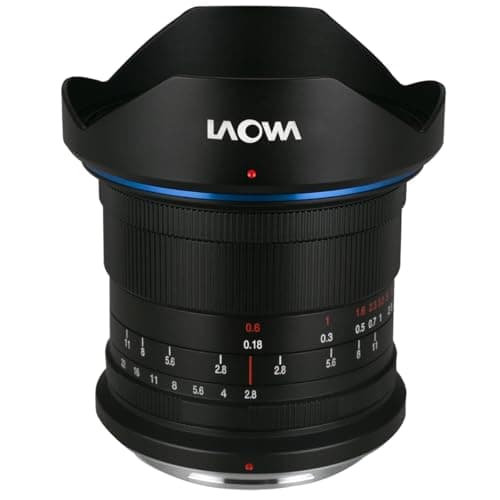 | ||
Name | Features | Price |
Fujifilm GF 30mm F3.5 R WR⭐ 4.9 / 5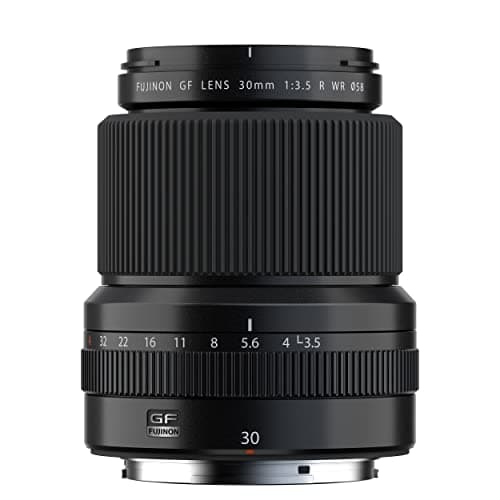 | ||
Name | Features | Price |
Leica APO-Summicron-SL 28mm F2 ASPH⭐ 4.9 / 5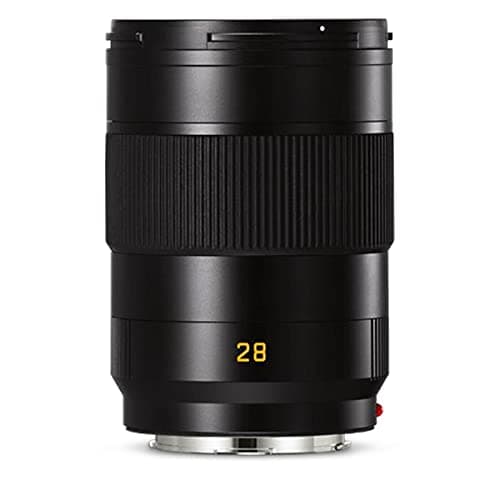 | ||
Name | Features | Price |
Venus Laowa 9mm F5.6 FF RL⭐ 4.9 / 5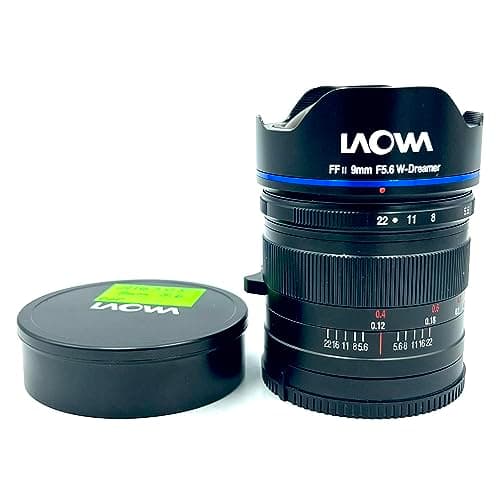 | ||
Name | Features | Price |
Leica Super-APO-Summicron-SL 21mm F2 ASPH⭐ 4.9 / 5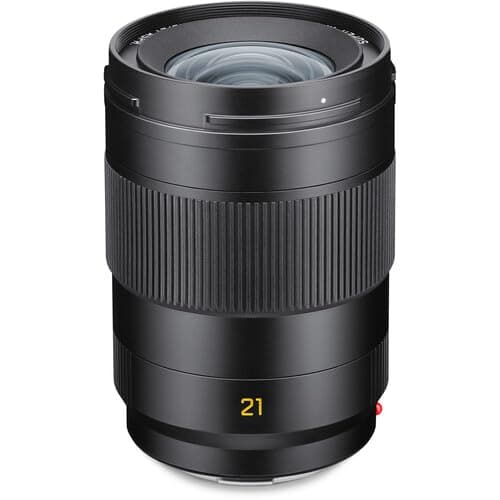 |
* Product prices and availability are accurate as of the date/time indicated and are subject to change. Any price and availability information displayed on Amazon.com at the time of purchase will apply to the purchase of this product.
* Imaginated.com may receive compensation for purchases made at participating retailers linked on this site. This compensation does not affect what products or prices are displayed, or the order of prices listed. Learn more here.
These are the best prime lenses for architectural photography when you want rectilinear rendering that keeps verticals straight, crisp corners, disciplined lateral/axial CA, and flare control around bright windows and sunstars—whether you’re shooting exteriors at blue hour, tight interiors, museums, or historic facades—and here’s what to look for as you buy: prioritize low wave/moustache distortion with honest geometry, strong performance at working apertures (ƒ5.6–ƒ11), even field illumination for clean ceilings and skies, coatings that crush veiling flare/ghosts, gentle field curvature, a practical filter strategy (front 77/82mm threads or proven holders for bulbous fronts), and, if you want perfection in-camera, tilt/shift or shift-only movements to maintain parallel lines with less post-crop. Full-frame rectilinear prime heroes: Sony FE 14mm ƒ1.8 GM (disciplined corners for dramatic spaces), FE 20mm ƒ1.8 G (threaded, punchy contrast), FE 24mm ƒ1.4 GM (environmental lines with speed), FE 35mm ƒ1.4 GM (edge of “wide” for detail sets), Nikon Z 20mm ƒ1.8 S and Z 24mm ƒ1.8 S (neutral color, tidy edges), Canon RF 24mm ƒ1.8 Macro IS (close-focus trim, stabilized), RF 16mm ƒ2.8 (compact ultrawide), Sigma DG DN Art 14/20/24/35mm (modern flare control, consistent look), and Laowa 12mm ƒ2.8 / 15mm ƒ2 Zero-D (manual “straight-line” specialists). Movement masters (precision control): Canon TS-E 17mm ƒ4L and TS-E 24mm ƒ3.5L II, Nikon PC 19mm ƒ4E ED and PC-E 24mm ƒ3.5D, plus Laowa 15mm ƒ4.5 Shift and 20mm ƒ4 Shift—use rise/fall to keep towers upright, lateral shift for panoramas without parallax, and tilt sparingly to align planes without resorting to deep diffraction. APS-C standouts for nimble rigs: Sony E 11mm ƒ1.8 and E 15mm ƒ1.4 G (fast, threaded), E 24mm ƒ1.8 ZA (crisp “normal” for details), Sigma 16mm ƒ1.4 DC DN and 23/30mm ƒ1.4 (value, strong micro-contrast), Fujifilm XF 14mm ƒ2.8 (low distortion classic), XF 16mm ƒ1.4 (close-focus for foreground geometry), XF 18mm ƒ1.4 (street-to-facade), and Samyang 12mm ƒ2 (budget ultrawide). Micro Four Thirds picks that punch above their size: OM SYSTEM 8mm ƒ1.8 Fisheye Pro (defish for creative lines), 12mm ƒ2 and 17/25/45mm ƒ1.8 (tiny, sharp), 17/25mm ƒ1.2 Pro (rounded sunstars, rich contrast), Panasonic 20mm ƒ1.7 and Leica 15mm ƒ1.7 (compact, clean). Practical buyer tips: if you rely on filters (ND/soft grads), prefer threaded fronts or proven square/holder systems; standardize diameters (77/82mm) to share one CPL/ND set—use CPL lightly to avoid blotchy skies across wide fields; for stitched panos, choose lenses with even illumination and low wave distortion and learn the entrance pupil for parallax-free seams; when adapting TS-E/PC lenses, invest in high-tolerance adapters and a sturdy head with precise leveling; keep firmware current for better AF precision on mirrorless bodies. Field technique that keeps lines honest: level the camera (virtual horizon) and compose with shift rather than tilting up, stop to the lens’s sweet spot (often ƒ5.6–ƒ8; ƒ11 for stronger sunstars—watch diffraction on high-MP sensors), focus slightly past one-third into the scene or use magnified live view on mullions/edge trim, bracket ±2 EV for window pulls and blend for natural tonality, and place leading lines (handrails, tiles) near the central third to anchor perspective; for exteriors, shoot blue hour for balanced sky/interior luminance and shield the front element to prevent ghosts; for interiors, minimize clutter, square the frame to major axes, and consider tilt for plane alignment on long corridors; when corrections are needed in post, apply lens profile first, then vertical/horizontal transforms, then crop for clean edges. Whether you’re capturing glass-and-steel skylines, vaulted cathedrals, boutique lobbies, or heritage streets, the best prime lenses for architectural photography combine low distortion, confident corners, flare-savvy coatings, and—when needed—precise shift/tilt movements, so your structures stay straight, textured, and beautifully resolved.
Lenses by brand:
Lenses by price:
Lenses by type:
Lenses by sensor:
Lenses by feature:
Lenses by use case:
- Best Prime Lenses for Aerial Photography
- Best Prime Lenses for Architectural Photography
- Best Prime Lenses for Astrophotography
- Best Prime Lenses for Automotive Photography
- Best Prime Lenses for Concert Photography
- Best Prime Lenses for Event Photography
- Best Prime Lenses for Food Photography
- Best Prime Lenses for Headshot Photography
- Best Prime Lenses for Landscape Photography
- Best Prime Lenses for Lifestyle Photography
- Best Prime Lenses for Macro Photography
- Best Prime Lenses for Nature Photography
- Best Prime Lenses for Night Photography
- Best Prime Lenses for Pet Photography
- Best Prime Lenses for Photojournalism
- Best Prime Lenses for Portrait Photography
- Best Prime Lenses for Product Photography
- Best Prime Lenses for Real Estate Photography
- Best Prime Lenses for Sports Photography
- Best Prime Lenses for Street Photography
- Best Prime Lenses for Studio Photography
- Best Prime Lenses for Travel Photography
- Best Prime Lenses for Wedding Photography
- Best Prime Lenses for Wildlife Photography
- Best Prime Lenses for Video
Lenses by experience:
Cameras: