
-primary-image.jpg&w=3840&q=75)
-primary-image.jpg&w=3840&q=75)
* Product prices and availability are accurate as of the date/time indicated and are subject to change. Any price and availability information displayed on Amazon.com at the time of purchase will apply to the purchase of this product.
* Imaginated.com may receive compensation for purchases made at participating retailers linked on this site. This compensation does not affect what products or prices are displayed, or the order of prices listed. Learn more here.
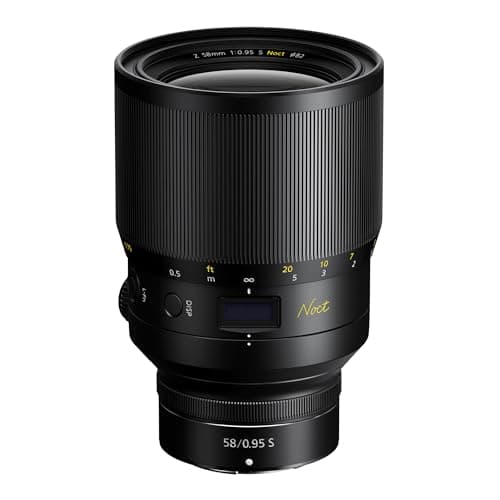
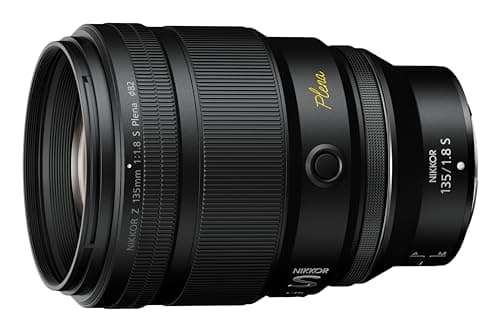
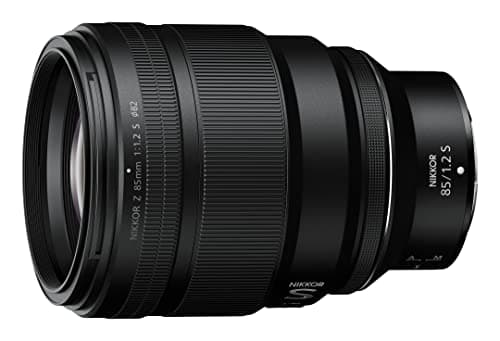
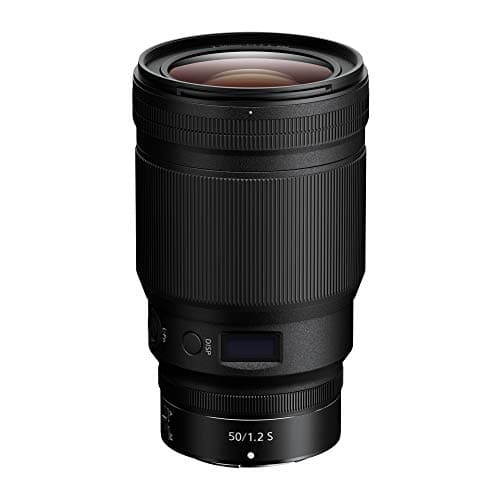
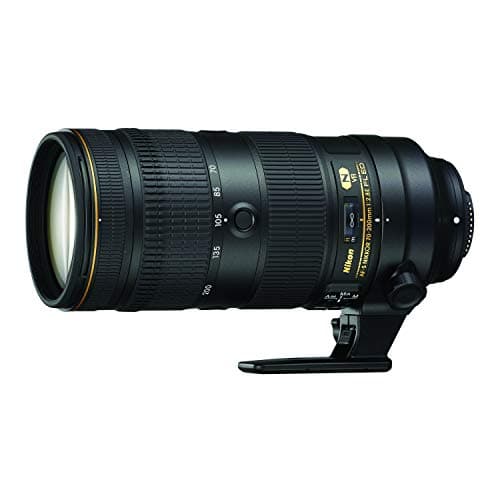
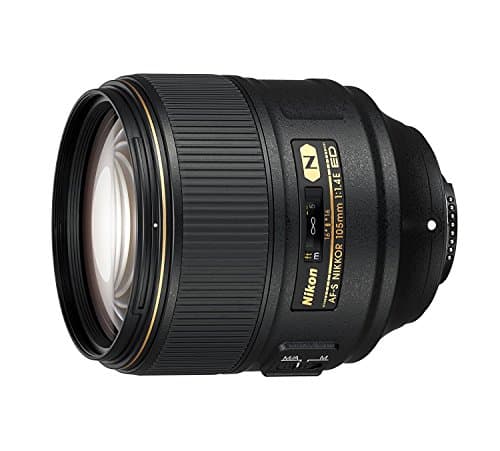
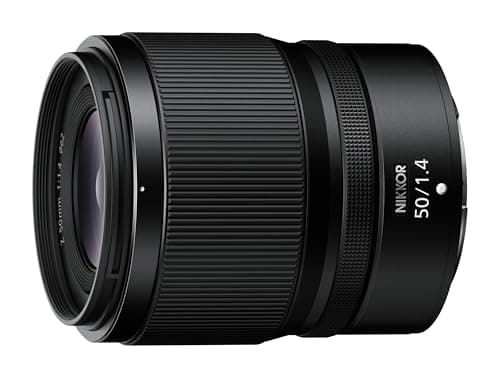
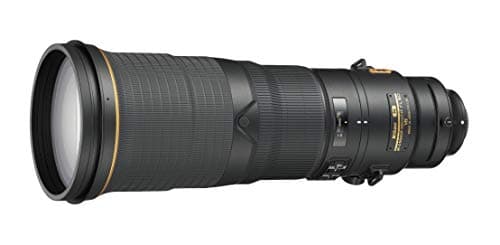
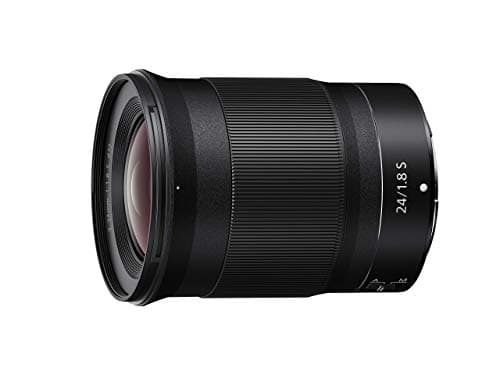
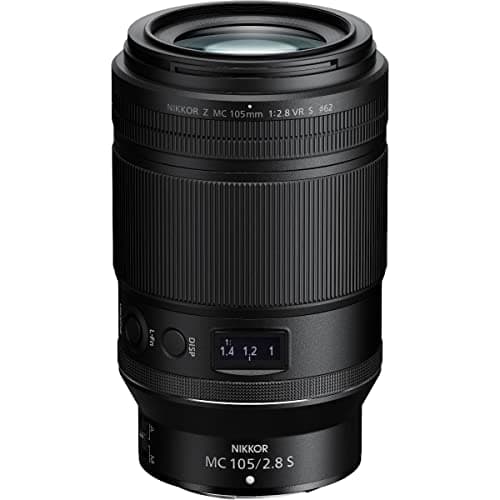
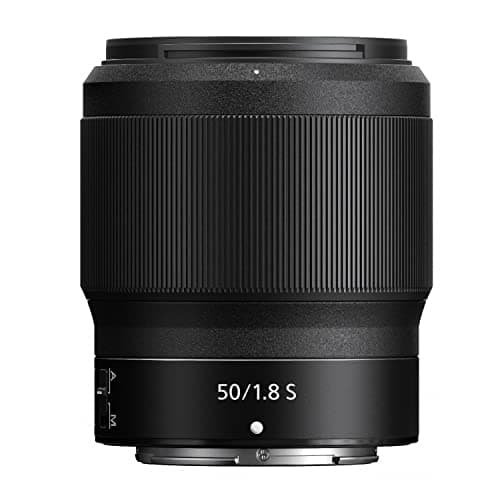
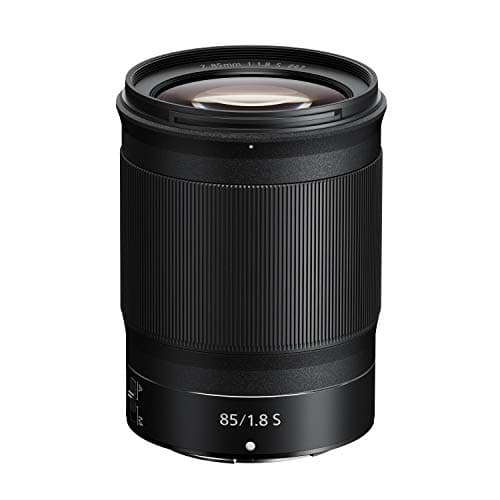
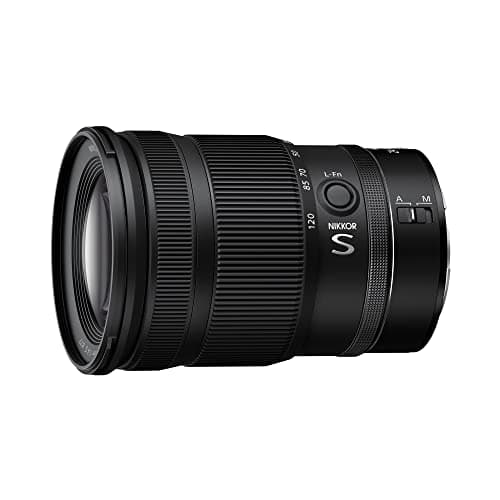
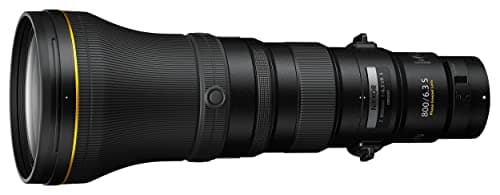
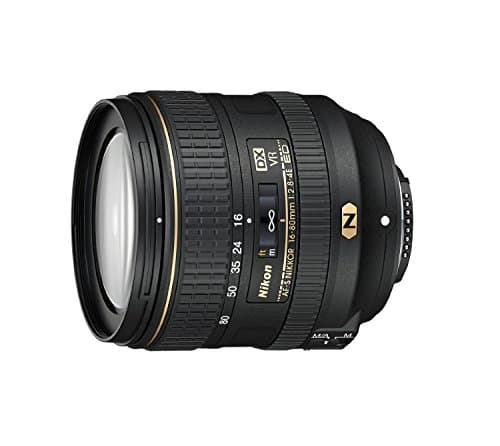
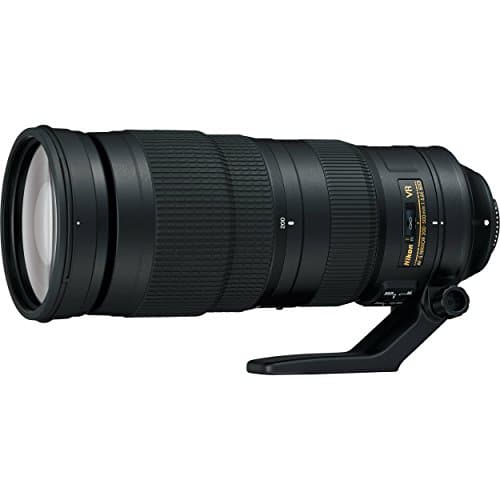
These are the best Nikon lenses for bokeh, chosen for how they render smooth, three-dimensional separation, round specular highlights, gentle transition zones, and controlled longitudinal CA across modern Z bodies and adaptable F-mount classics. Bokeh is about entrance pupil and optical character: fast apertures for shallow depth, well-tuned spherical aberration for creamy edges (not double lines), aperture shapes that stay round as you stop down, and coatings that keep backlit speculars elegant. On Z, the NIKKOR Z 135mm f/1.8 S Plena is the cinematic cream machine—cat’s-eye-free highlights, exquisite mid-tele compression, and neutral color that flatters skin; the Z 85mm f/1.2 S delivers flagship portrait blur with precise eye-AF and controlled LoCA, while the Z 50mm f/1.2 S gives modern, neutral bokeh with crisp micro-contrast for environmental portraits; for lighter kits, the Z 85mm f/1.8 S is the value bokeh hero—clean edges, quiet AF, and smooth background melt—and the Z MC 105mm f/2.8 VR S doubles as a beauty lens with polished, non-distracting blur at close range. Character seekers can reach for the manual NIKKOR Z 58mm f/0.95 S Noct—maximal separation, luminous speculars, and a painterly falloff—best for deliberate focusing and cinematic night scenes. Adapted via FTZ, F-mount legends still shine: the AF-S 105mm f/1.4E is renowned for velvety backgrounds and flattering compression; the AF-S 85mm f/1.4G brings creamy, classic blur, while the AF-S 85mm f/1.8G offers near-pro smoothness on a budget; the AF-S 58mm f/1.4G provides dreamy, glow-prone transitions for romantic rendering, and the AF-S 50mm f/1.4G remains a soft-edged favorite for low-light portraits. Specialty picks include the AF DC-NIKKOR 105mm f/2 and 135mm f/2 with Defocus Control to tune foreground/background blur character in-camera, the AF-S 200mm f/2G VR for enormous, buttery isolation at distance, and the AF-S 70–200mm f/2.8E FL VR which delivers surprisingly refined zoom bokeh for events and weddings. Image priorities that make these the “best” for bokeh are consistent: round aperture shapes at working stops, restrained mechanical vignetting to avoid harsh cat’s eyes, controlled spherical aberration for smooth transitions, and disciplined LoCA so backlit hair and jewelry don’t fringe; modern Z coatings keep micro-contrast gentle without haze, while IBIS/VR steadies wide-aperture framing. Technique multiplies the blur—work close to your subject and far from the background, place backlit speculars for pleasing highlight discs, shoot headshots around f/1.2–f/2.8 (or f/2–f/4 for three-quarter views), and use mild diffusion/black mist when you want softer sparkles; rely on eye-detect AF for keepers, mind shutter speeds (1/250 for people, higher for motion), and compose with simple, distant backgrounds to let bokeh breathe. A practical kit recipe is simple: for Z portraits, anchor with 85/1.2 S or 85/1.8 S and add 135/1.8 S Plena for long, elegant separation (plus 50/1.2 S when you want a faster normal); for adapted F value, pair 105/1.4E with 85/1.8G (sprinkle in 58/1.4G for character) and keep 200/2G for outdoor compression magic; for beauty/product, the Z MC 105/2.8 S renders clean, polished blur at working distances. Whether you’re crafting luminous headshots, cinematic night streets with floating highlights, editorial fashion with layered backgrounds, or creamy close-up reels, the best Nikon bokeh lenses deliver depth, highlight discipline, and tonal grace that make subjects look expensive and intentionally separated straight out of camera.
Lenses by brand:
Lenses by price:
Lenses by type:
Lenses by sensor:
Lenses by feature:
Lenses by use case:
Lenses by experience:
Cameras: