
* Product prices and availability are accurate as of the date/time indicated and are subject to change. Any price and availability information displayed on Amazon.com at the time of purchase will apply to the purchase of this product.
* Imaginated.com may receive compensation for purchases made at participating retailers linked on this site. This compensation does not affect what products or prices are displayed, or the order of prices listed. Learn more here.
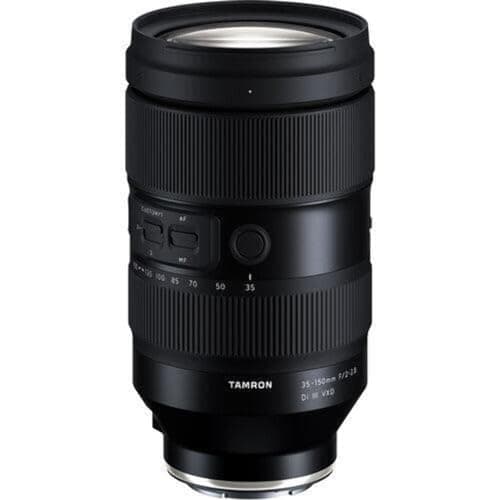
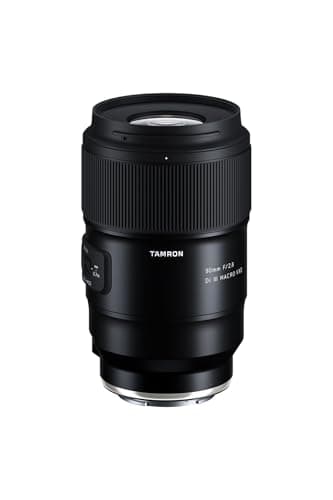
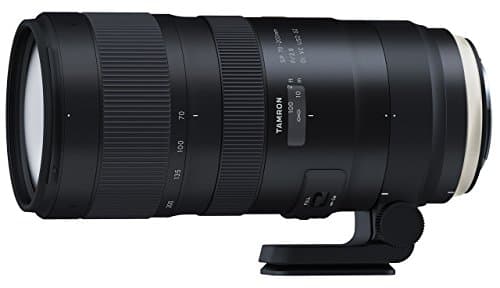
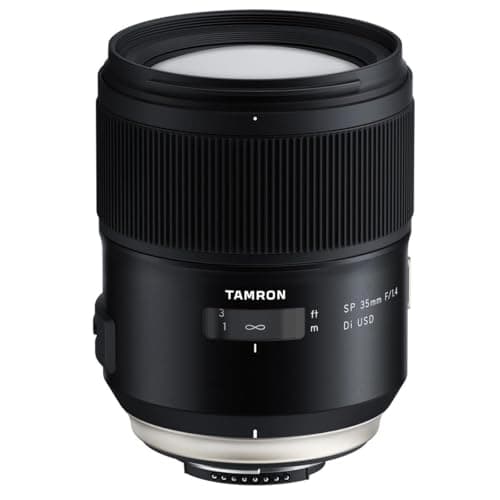
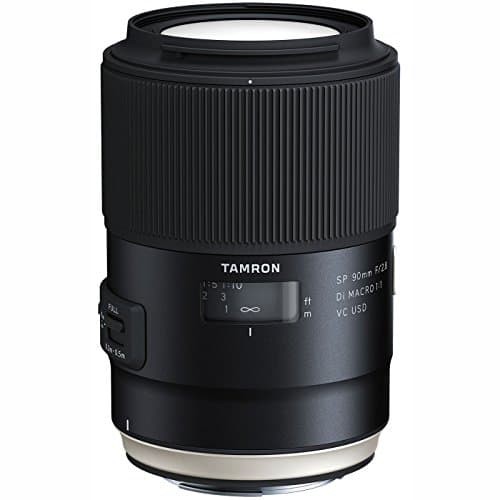
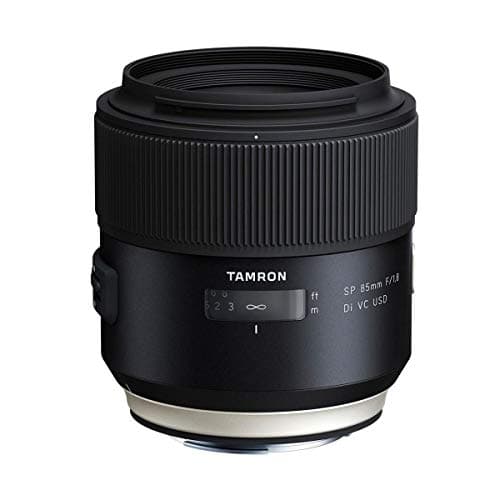
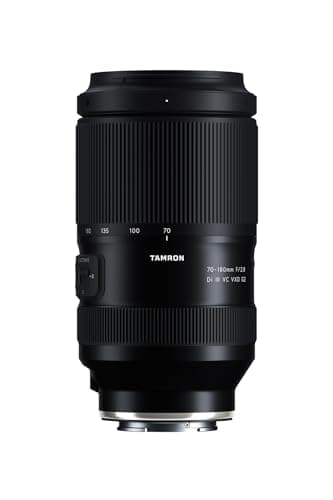
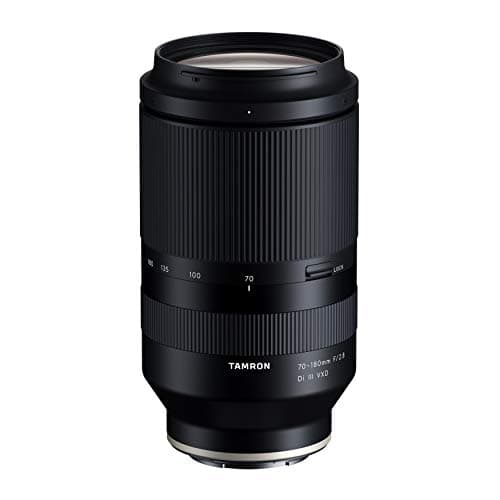
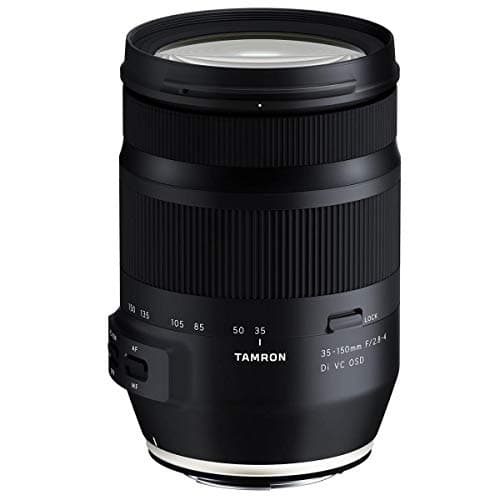
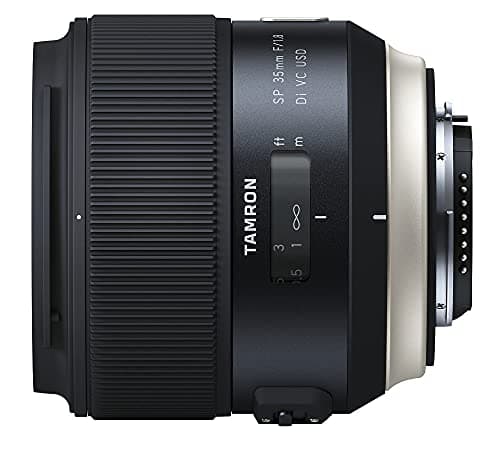
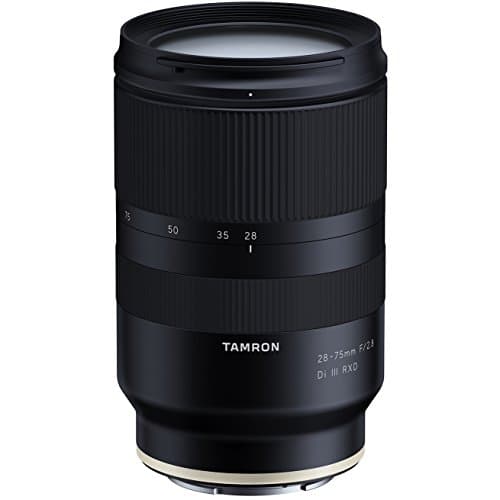
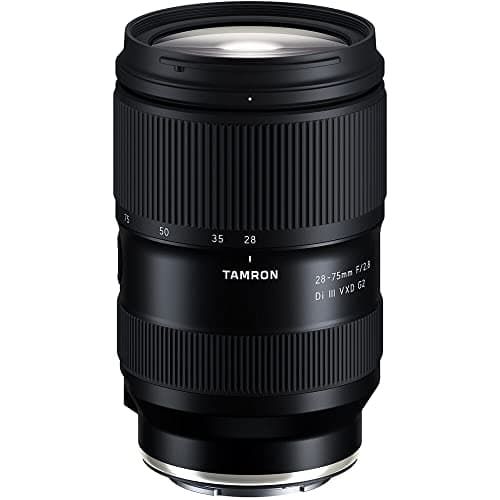
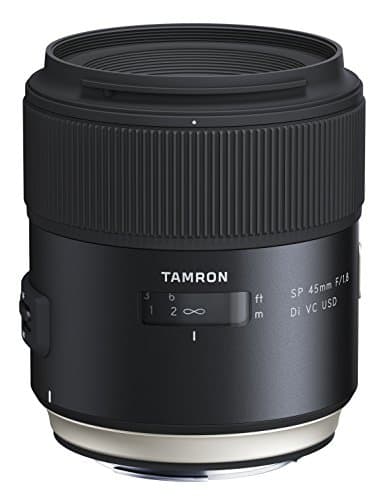
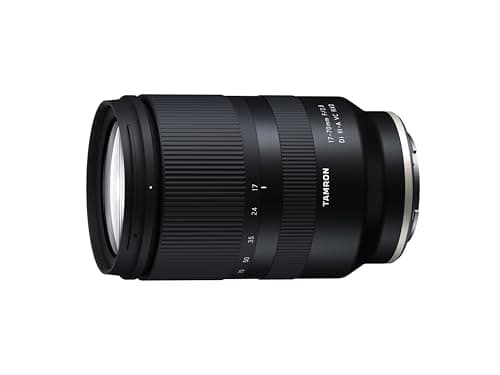
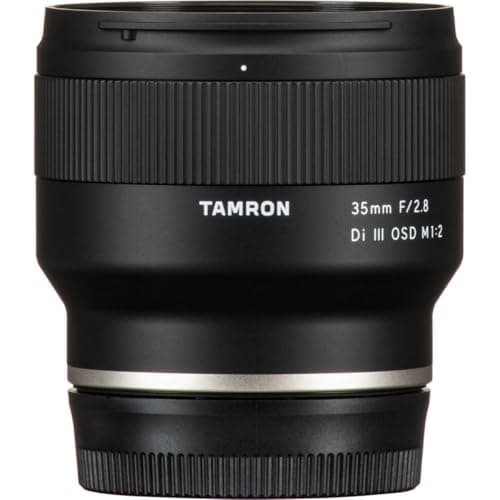
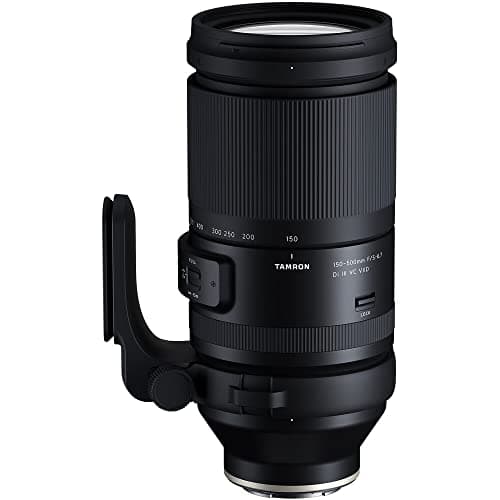
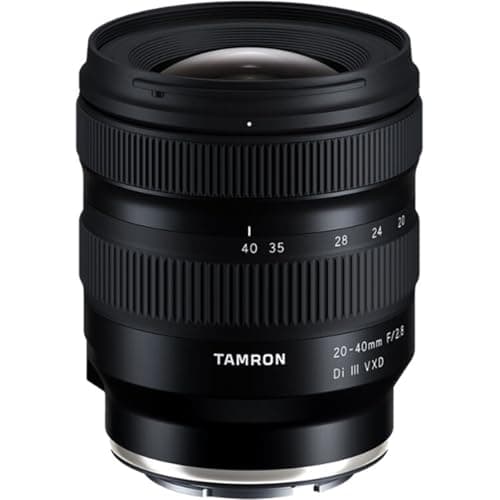
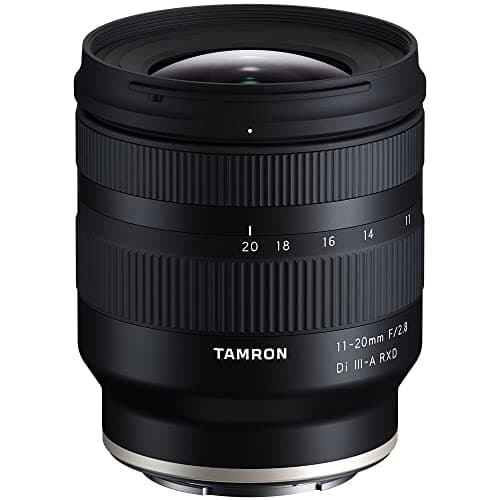
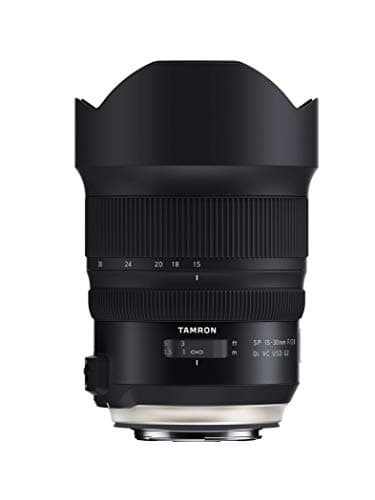
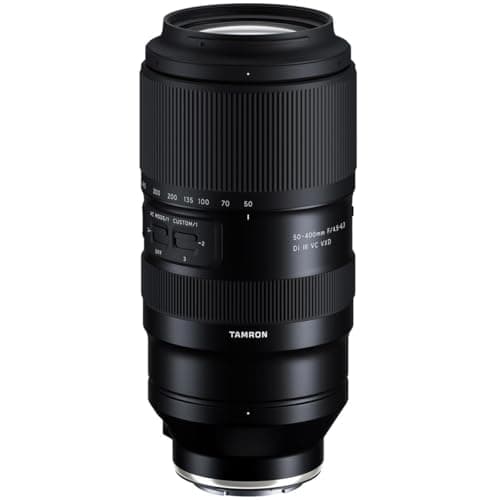
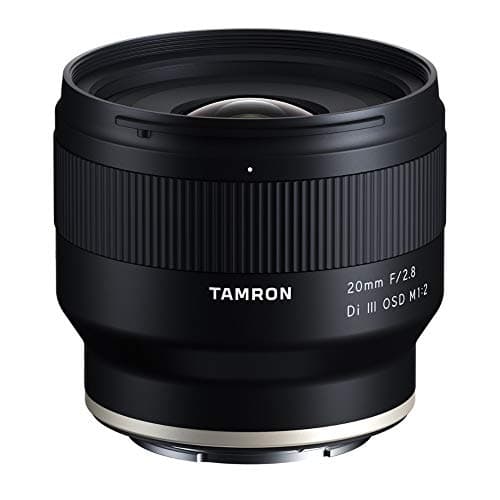
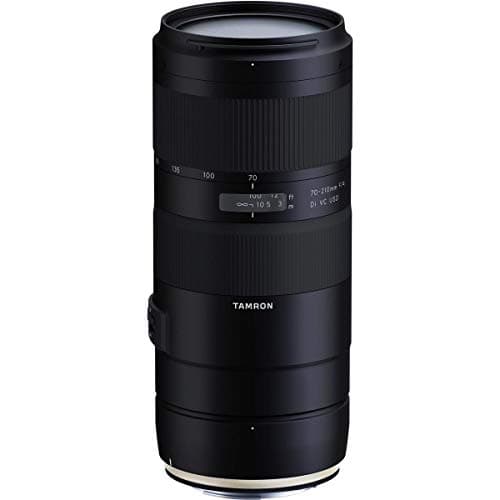
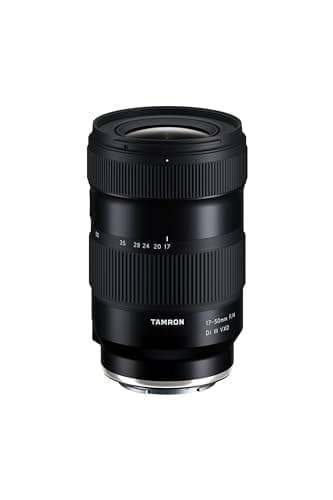
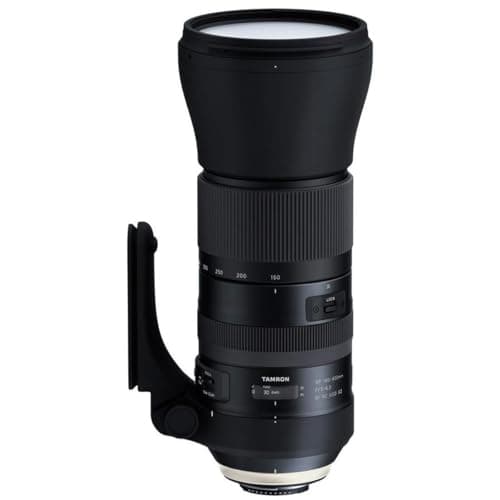
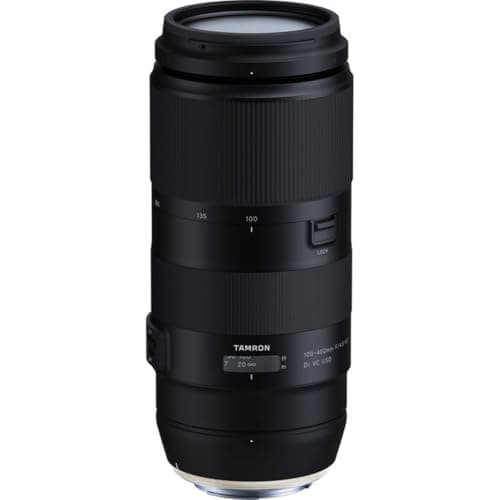
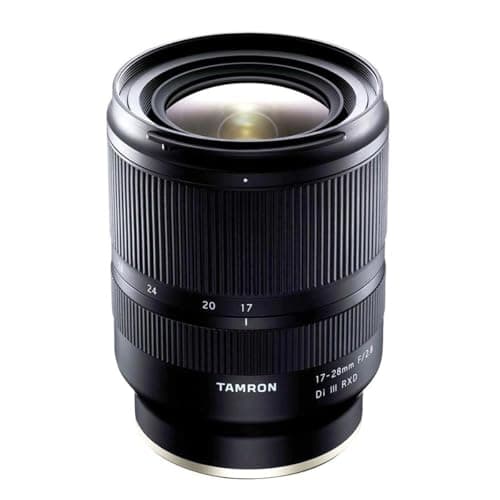
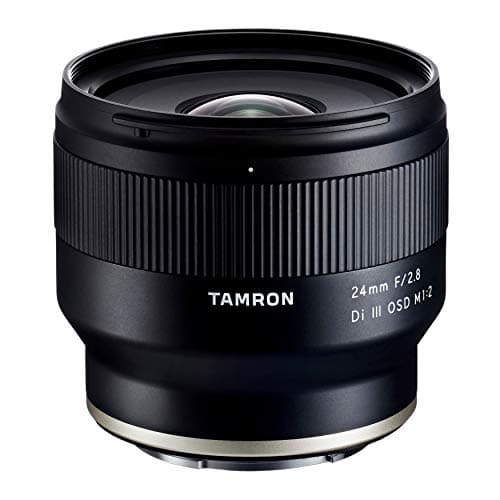
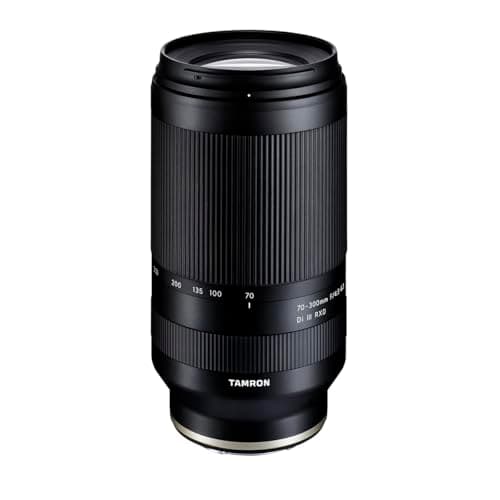
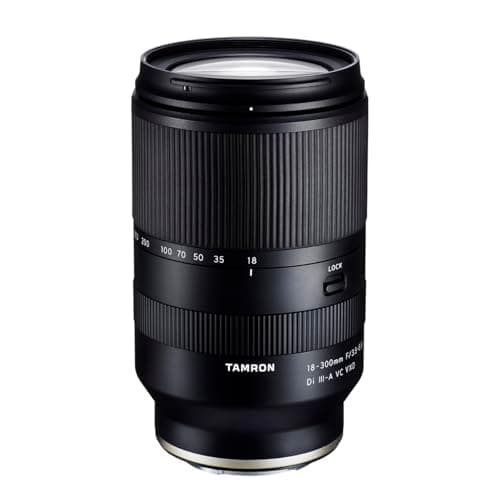
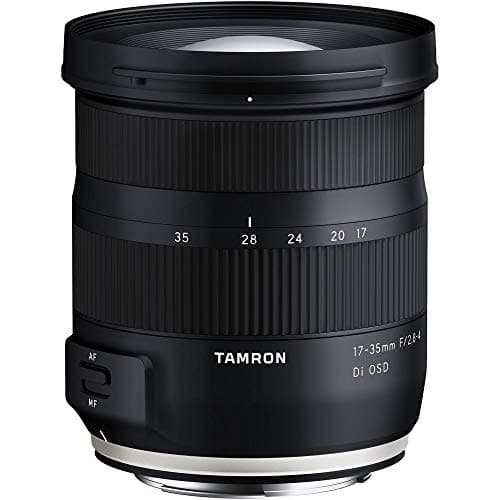
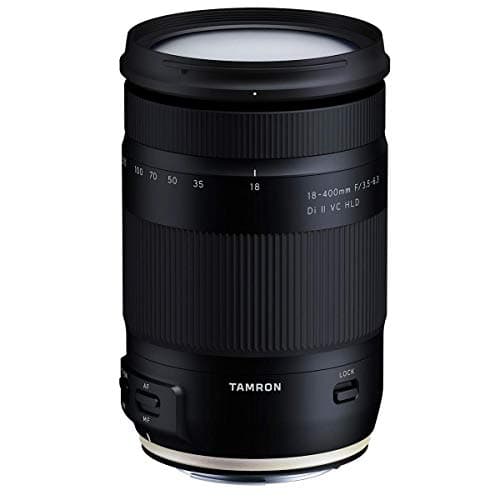
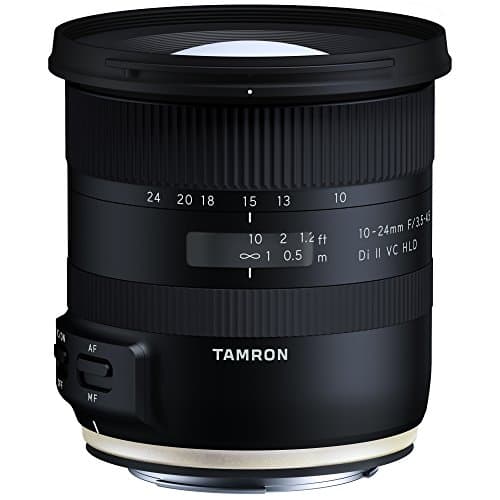
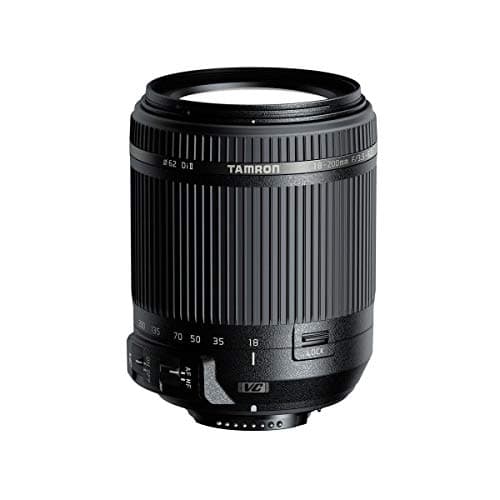
These are the best Tamron lenses for bokeh when you want creamy backgrounds, gentle edge transitions, confident AF, and flattering skin or subject separation for portraits, weddings, lifestyle, products, and nature—and here’s what to look for as you buy: prioritize fast apertures (ƒ2–ƒ2.8 for Tamron zooms; ƒ1.4–ƒ1.8 on adapted SP primes), longer focal lengths for compression (85–150–500mm), short minimum-focus distances for bigger blur at the same framing, quiet VXD/RXD/OSD motors for smooth-focus pulls in video, low longitudinal CA so highlight edges don’t color-fringe, and shared filter threads (often 67 mm) so one quality diffusion filter (⅛–¼) and a slim VND cover the kit; stabilization (VC) on select lenses pairs well with IBIS for handheld ambient, and internal focus keeps balance on gimbals for cinematic bokeh moves. Full-frame prime heroes (adaptable DSLR gems): SP 35mm ƒ1.4 Di USD (flagship “melt” with crisp micro-contrast and smooth speculars), SP 85mm ƒ1.8 Di VC USD (classic portrait blur with VC and gentle skin rendering), SP 45mm ƒ1.8 Di VC USD (close-focus normal with pleasing round highlights), and the SP 90mm ƒ2.8 Di Macro 1:1 VC USD (not just macro—beautiful background cream and cat’s-eye control at portrait distances). Full-frame zoom workhorses that deliver premium bokeh: 35–150mm ƒ2–2.8 VXD (range king—glossy separation from environmental 35/2 looks to 150/2.8 compression without swaps), 70–180mm ƒ2.8 Di III VC VXD G2 (fast, stabilized, lovely subject pop; the earlier 70–180/2.8 VXD is a value pick), 28–75mm ƒ2.8 Di III VXD G2 (close-focus at 75 mm = big blur for detail B-roll and portraits), 20–40mm ƒ2.8 VXD (cinematic wide-open foreground/background layering), 50–400mm ƒ4.5–6.3 VC VXD (surprisingly smooth at 200–400 mm with great compression; 0.5× at 50 mm for dreamy close-ups), and 150–500mm ƒ5–6.7 VC VXD (tele “butter” on wildlife and outdoor portraits—distance + focal length does the work). Lightweight tele budget: 70–300mm ƒ4.5–6.3 RXD (pleasant blur and clean transitions, tiny for travel). APS-C creators get tasteful bokeh with 17–70mm ƒ2.8 VC RXD (stabilized, close-focus cream at 70 mm), 11–20mm ƒ2.8 RXD (use close-focus for wide-angle separation), and full-frame telezooms like 70–180/2.8 G2 or 50–400 on crop for extra compression. Practical buyer tips: build a two-lens spine for blur-centric work (35–150/2–2.8 + 70–180/2.8 G2 for events/portraits, or 28–75/2.8 G2 + 150–500 for travel/tele-portrait compression) and add one fast SP prime (85/1.8 VC or 35/1.4) if you crave shallower DOF; standardize to 67 mm with step-up rings so one diffusion filter and VND fit everything; consider an achromatic +2/+5 diopter on 70–180/2.8 G2 or 50–400 to push magnification and bokeh swirl without swapping lenses; test LoCA on bright edges and highlight shape near the frame edges before committing. Bokeh-shooting tips: maximize subject-to-background distance and minimize camera-to-subject distance, shoot near wide open and stop 1/3–2/3 stop for eyelash-sharp faces with smooth falloff, place speculars (fairy lights, foliage) behind your subject for round highlights, keep backgrounds simple to avoid “nervous” textures, and mind shutter speeds (1/200–1/500s for people; faster for action); for video, set a 180° shutter with a quality VND, enable breathing compensation where supported, and use slow AF transition speeds for elegant focus pulls; whether you’re crafting dreamy portraits, intimate lifestyle frames, close-up product beauty, or tele-compressed scenes at golden hour, the best Tamron lenses for bokeh combine fast glass, close-focus ability, and thoughtful compression—so your subjects glow, your transitions feel silky, and your images look luxuriously soft where it counts.
Lenses by brand:
Lenses by price:
Lenses by type:
Lenses by sensor:
Lenses by feature:
Lenses by use case:
Lenses by experience:
Cameras: