
* Product prices and availability are accurate as of the date/time indicated and are subject to change. Any price and availability information displayed on Amazon.com at the time of purchase will apply to the purchase of this product.
* Imaginated.com may receive compensation for purchases made at participating retailers linked on this site. This compensation does not affect what products or prices are displayed, or the order of prices listed. Learn more here.
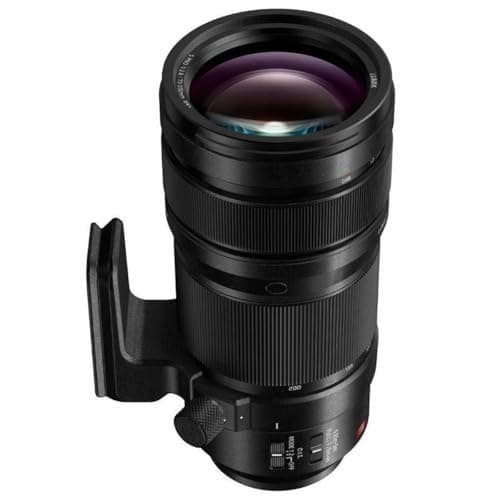
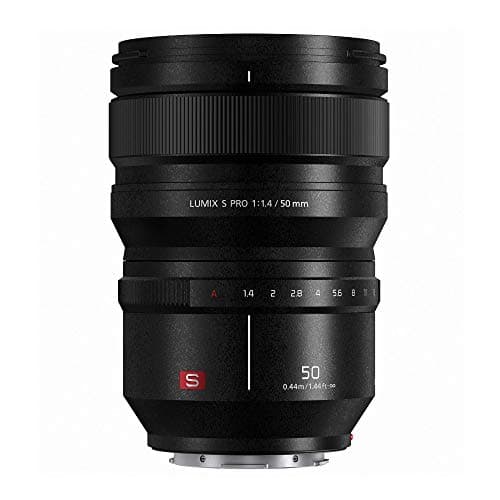
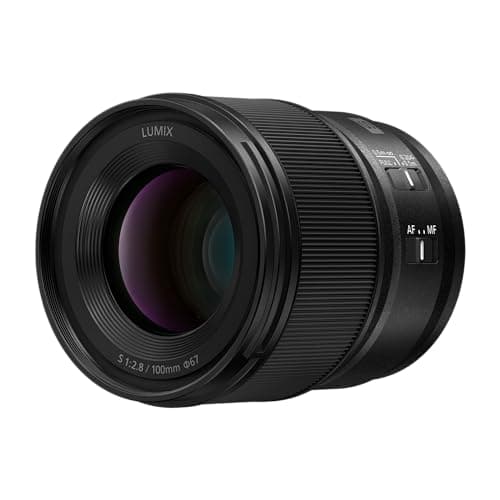
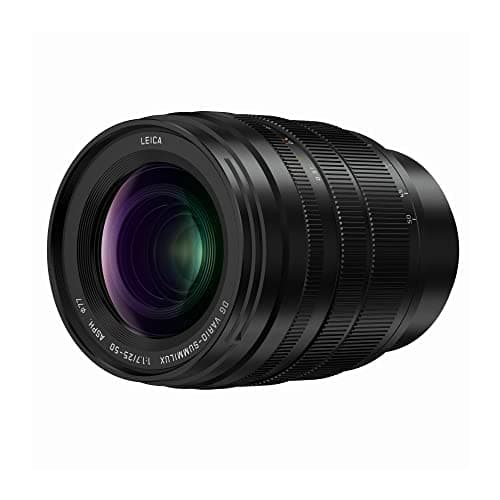
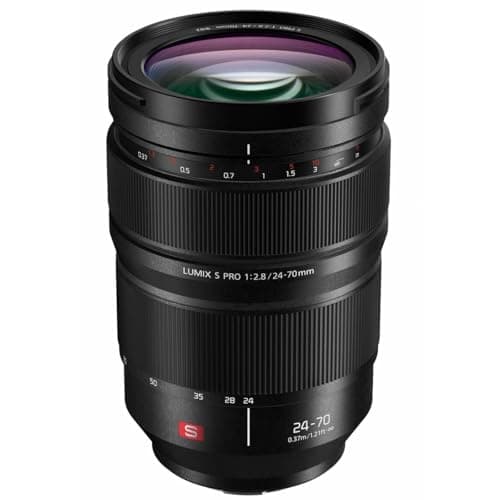
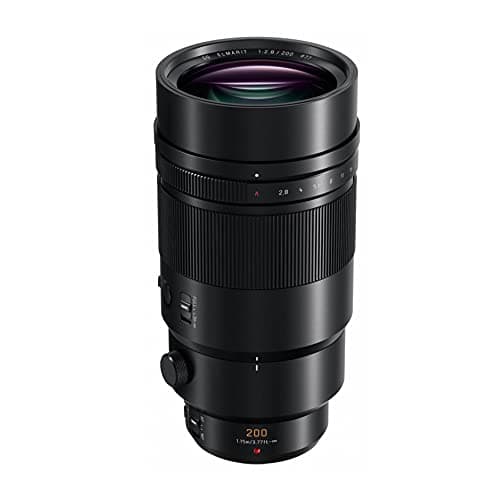
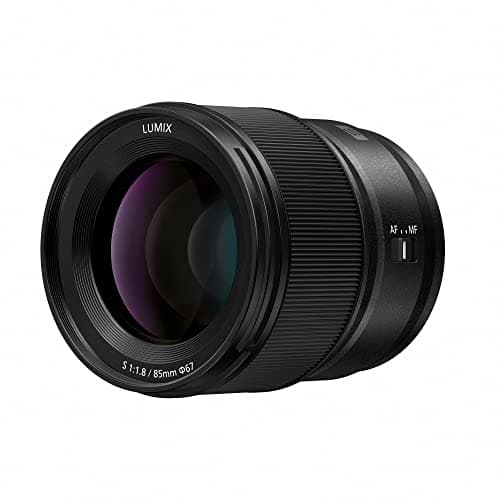
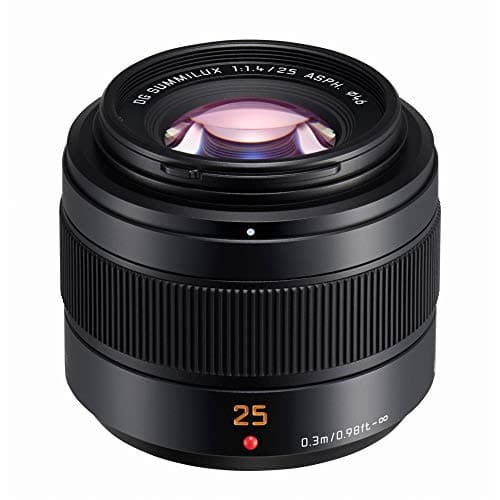
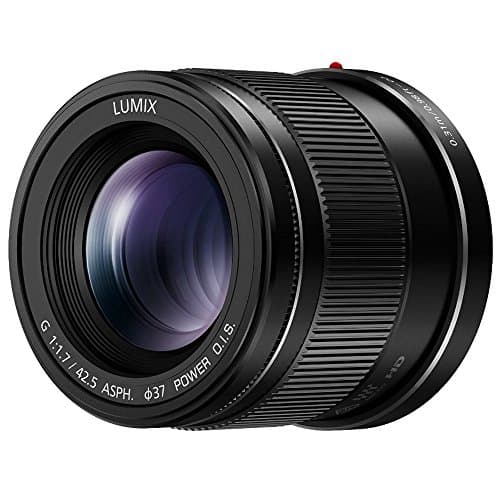
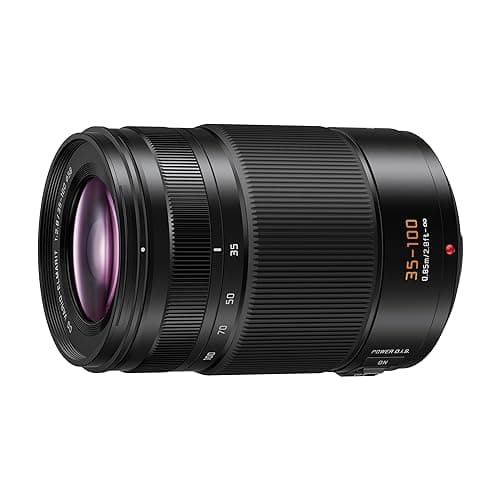
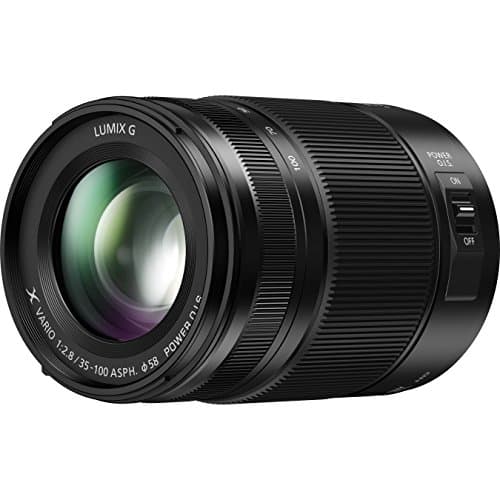
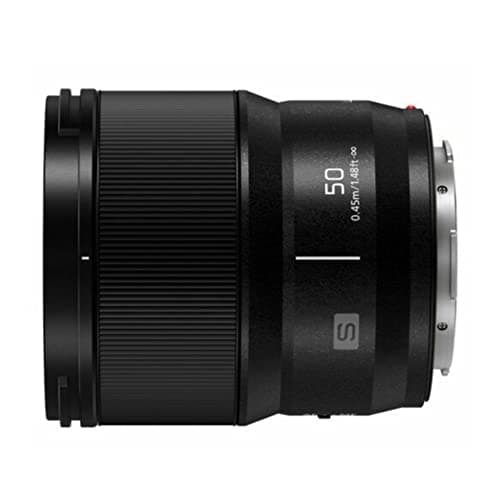
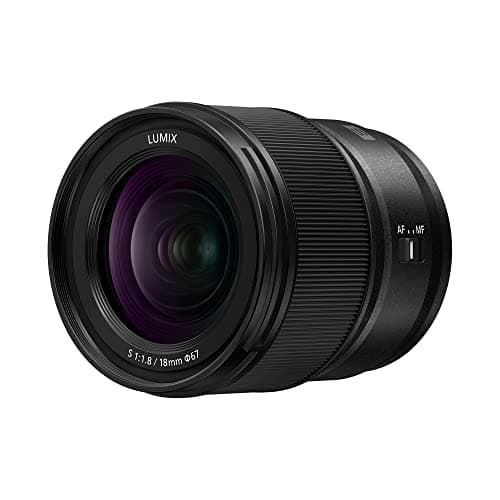
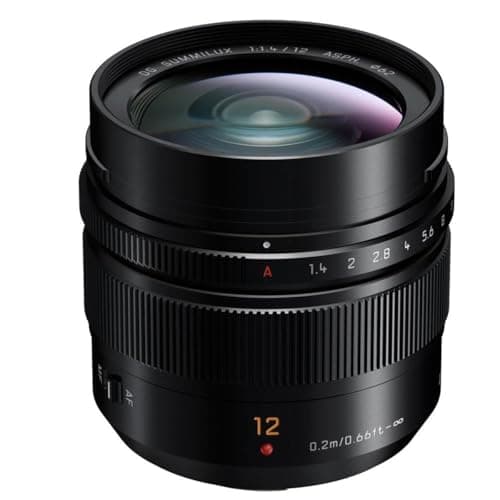
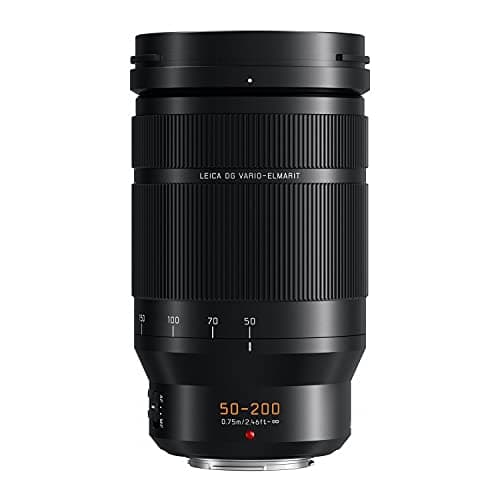
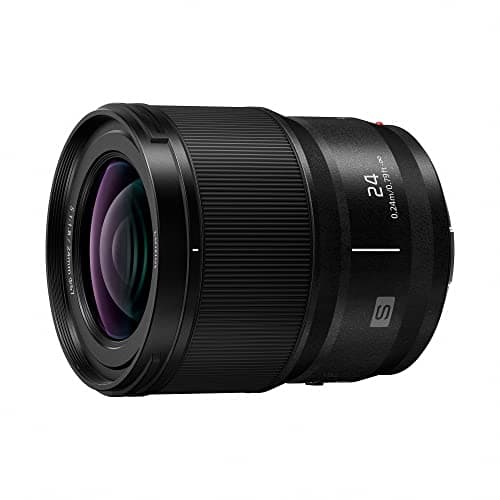
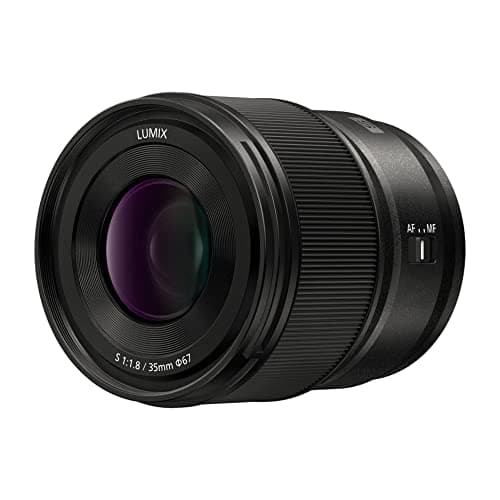
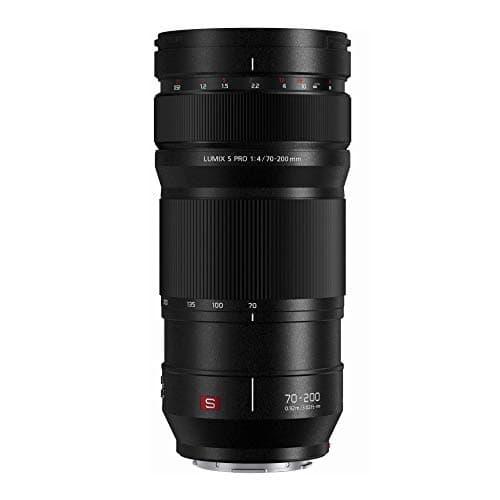
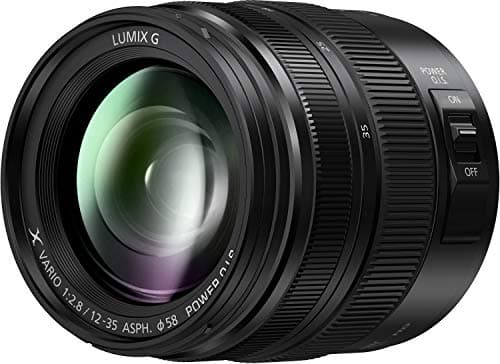
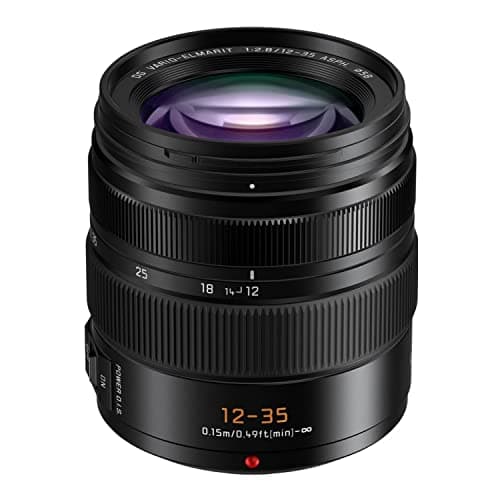
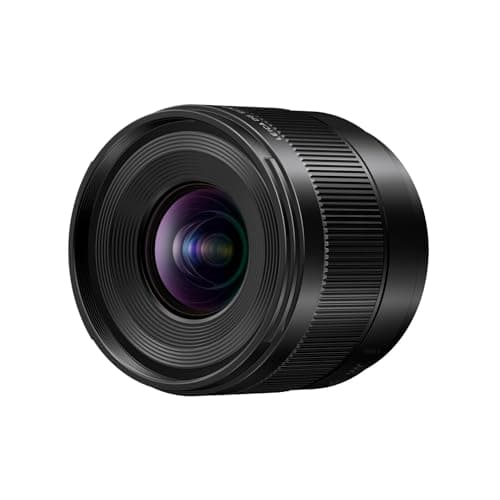
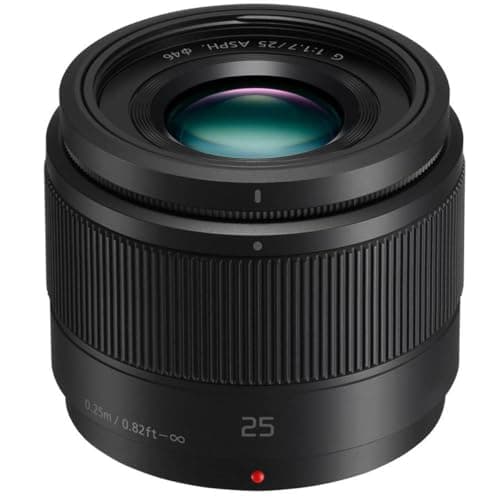
These are the best Panasonic lenses for bokeh when you want creamy backgrounds, smooth highlight roll-off, and fast, quiet autofocus in compact builds for portraits, lifestyle, product, and cinematic video—across Micro Four Thirds (Lumix G) and full-frame L-Mount (Lumix S). On MFT, the Leica DG Nocticron 42.5mm f/1.2 is the portrait icon: bright aperture, stabilized optics that play nicely with Dual I.S., and velvety blur with crisp micro-contrast for eyes-to-background separation; the Leica DG 75mm f/1.7 adds longer, elegant compression and razor detail for headshots and stage looks, while the budget-friendly Lumix G 42.5mm f/1.7 delivers light, snappy AF and pleasing, rounded highlight disks in a pocket kit. For human-scale storytelling, the Leica DG Summilux 25mm f/1.4 II (50mm equiv.) renders glossy transitions and color-rich files, and the cult-favorite Lumix G 20mm f/1.7 II (40mm equiv.) produces characterful blur in a near-pancake form that’s perfect for cafés and night streets; the Leica DG Summilux 15mm f/1.7 (30mm equiv.) gives wider, cinematic context with gentle falloff for environmental portraits. Zoom shooters can still get painterly backgrounds: the Lumix G X 35–100mm f/2.8 II/III (70–200mm equiv.) produces compressed, buttery separation with Power O.I.S., and the Leica DG 50–200mm f/2.8–4 (100–400mm equiv.) adds richer subject isolation as you zoom, with quick AF and color that grades beautifully. On full frame, the Lumix S 50mm f/1.4 PRO is the flagship bokeh lens—modern sharpness, smooth, cat’s-eye-controlled highlights, and robust sealing—while the Lumix S 85mm f/1.8 brings flattering compression and neutral, clean blur in a lightweight barrel that balances perfectly on gimbals; the matched S 35mm f/1.8 and S 24mm f/1.8 keep rendering consistent for sets where you want shallow-depth ambience with wider context. Close-up creators should add the Lumix S 100mm f/2.8 Macro: even stopped a touch for detail, it yields polished background melt with APO-clean edges, and Body I.S. makes handheld beauty shots and product reels feasible at low ISO. For long-lens glow and stadium-grade background wash, the Lumix S PRO 70–200mm f/2.8 O.I.S. is a tele bokeh machine with controlled breathing for video and quick, confident AF for portraits and events. Across the lineup, Panasonic strengths matter for blur quality: quiet linear motors keep audio clean, selectable linear MF response makes pulls repeatable, micro-stepped apertures avoid flicker in exposure ramps, Dual I.S. on G and Body I.S. + O.I.S. on S let you shoot wide open at slower shutters for purer color and smoother tonal transitions, and rounded multi-blade diaphragms help keep specular highlights circular as you stop down slightly. Practical picks: choose Nocticron 42.5/1.2 or S 50/1.4 when premium bokeh and skin tones decide the image; grab Leica 75/1.7 or S 85/1.8 for flattering compression in compact builds; run 25/1.4 II or 20/1.7 for everyday shallow-DOF storytelling; use G X 35–100/2.8 or S PRO 70–200/2.8 when you need zoom flexibility with creamy backgrounds; and reach for S 100/2.8 Macro when you want immaculate detail with luxurious blur. Whether you’re crafting window-light portraits, moody product scenes, or cinematic night walk-and-talks, the best Panasonic lenses for bokeh combine fast glass, stabilized, video-friendly mechanics, and consistent color—delivering subject-first images with backgrounds that melt away.
Lenses by brand:
Lenses by price:
Lenses by type:
Lenses by sensor:
Lenses by feature:
Lenses by use case:
Lenses by experience:
Cameras: