
10 Best Wide-Angle Lenses for Astrophotography in 2026
Filters:
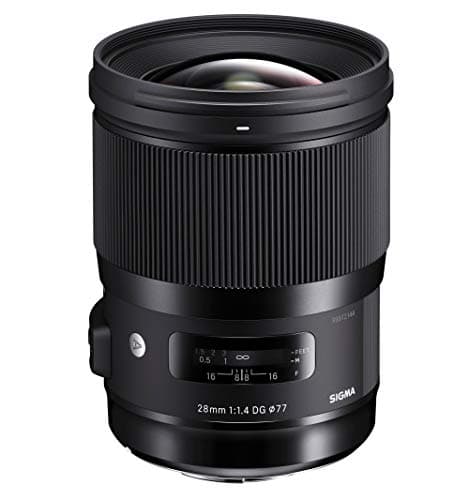
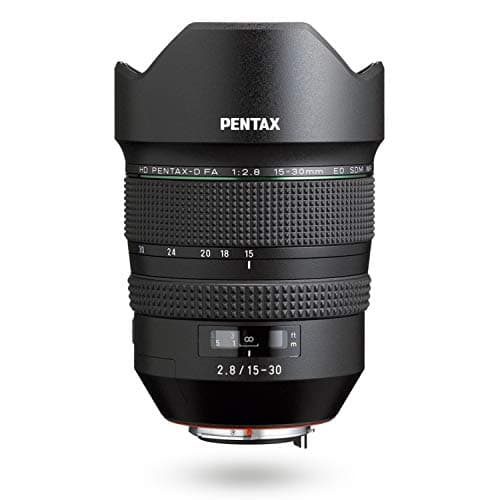
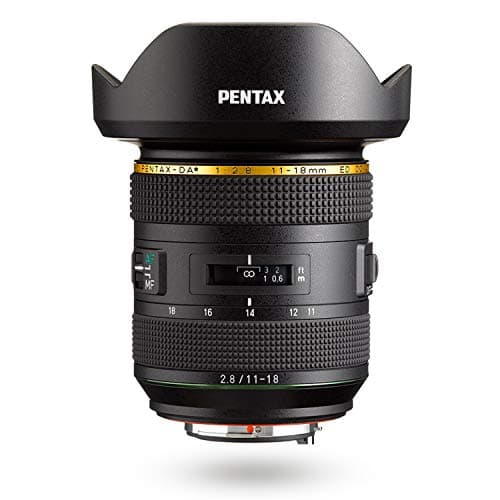
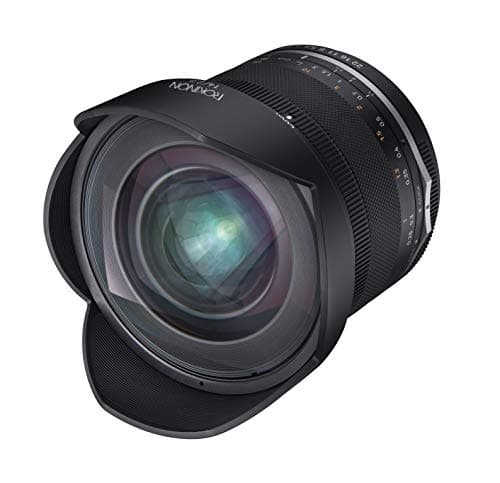
* Product prices and availability are accurate as of the date/time indicated and are subject to change. Any price and availability information displayed on Amazon.com at the time of purchase will apply to the purchase of this product.
* Imaginated.com may receive compensation for purchases made at participating retailers linked on this site. This compensation does not affect what products or prices are displayed, or the order of prices listed. Learn more here.
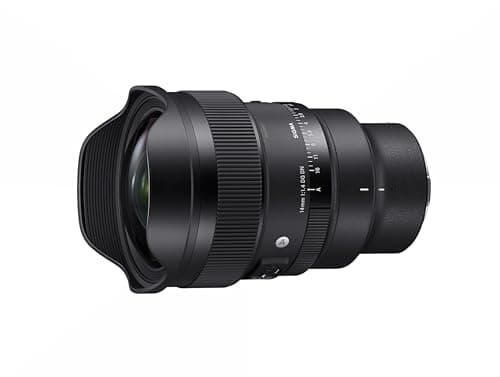
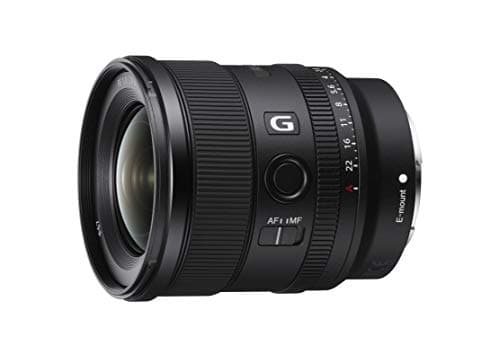
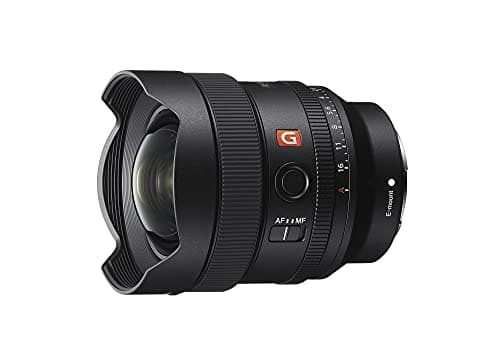
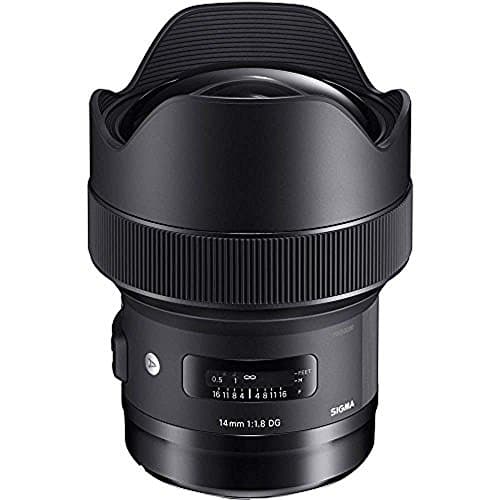
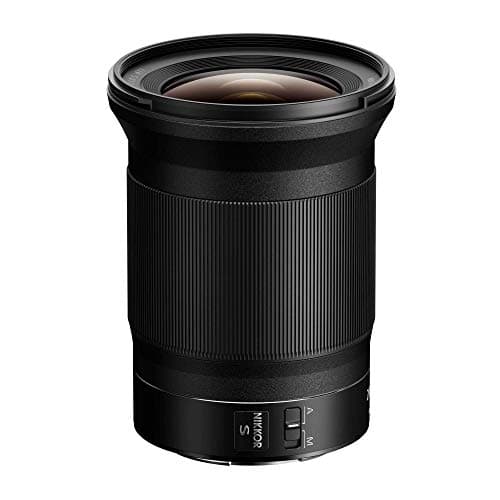
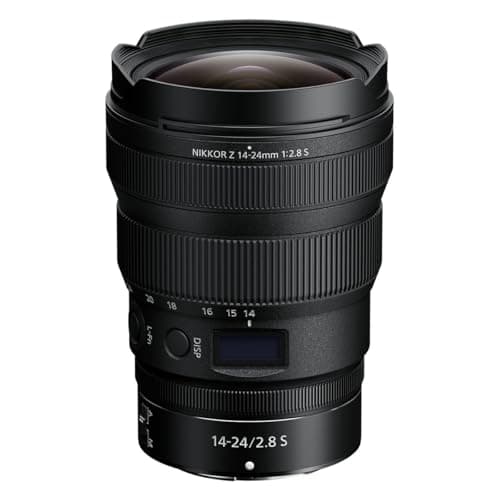
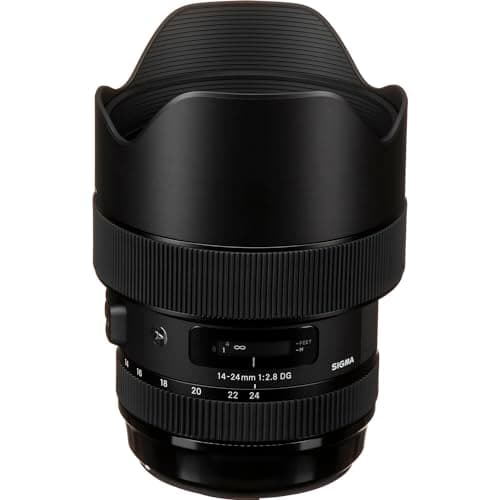
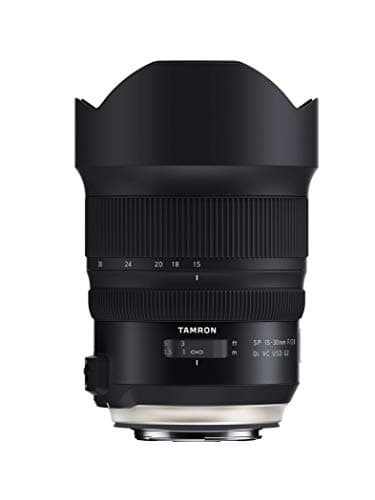
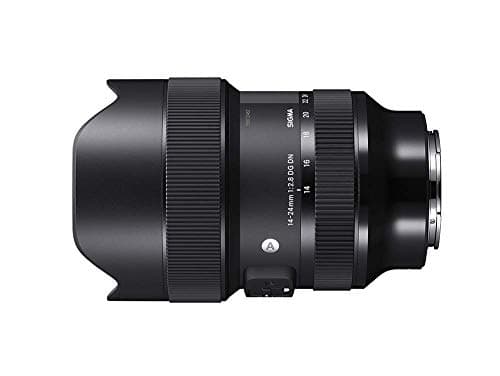
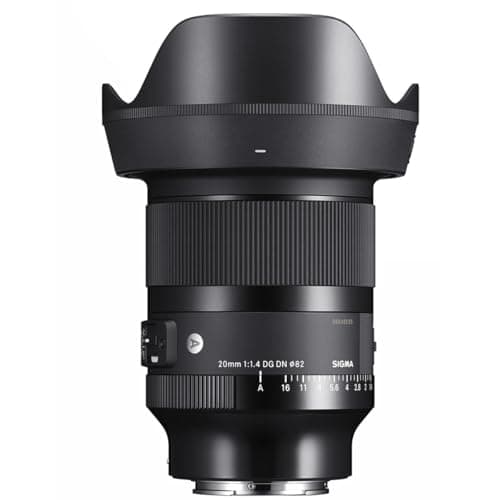
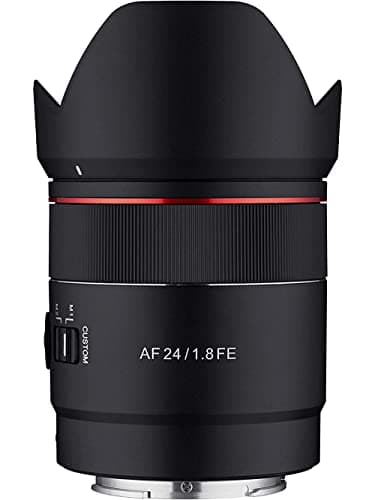
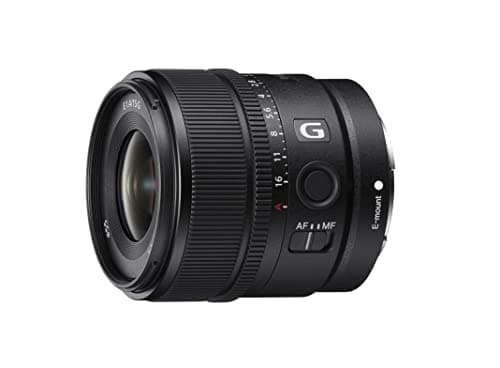
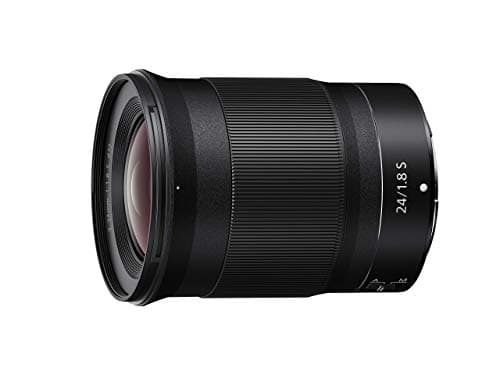
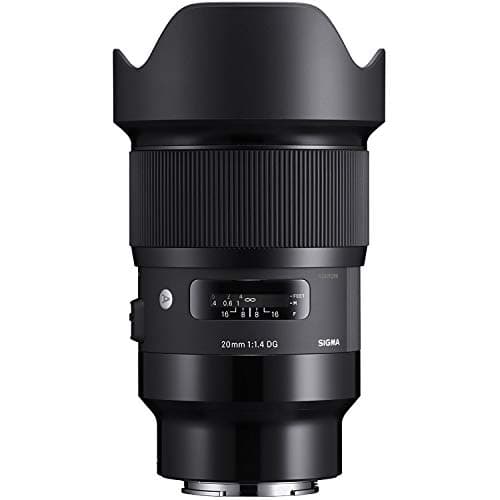
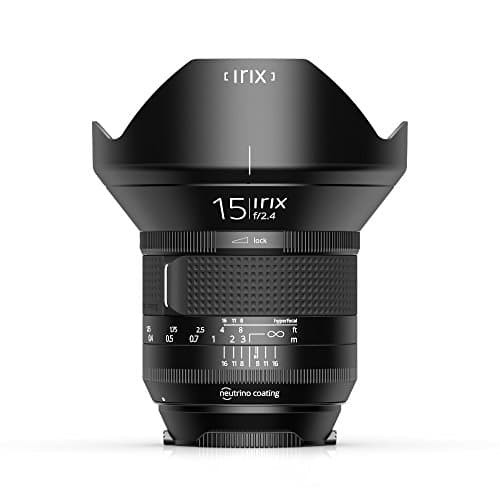
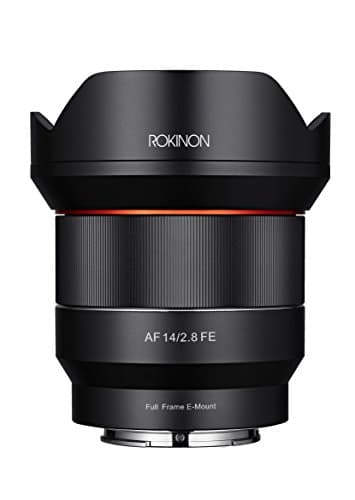
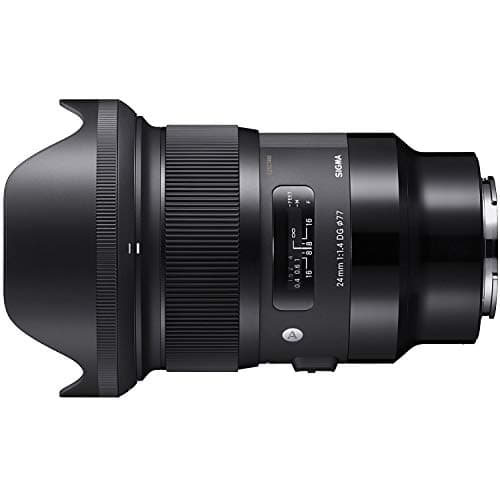
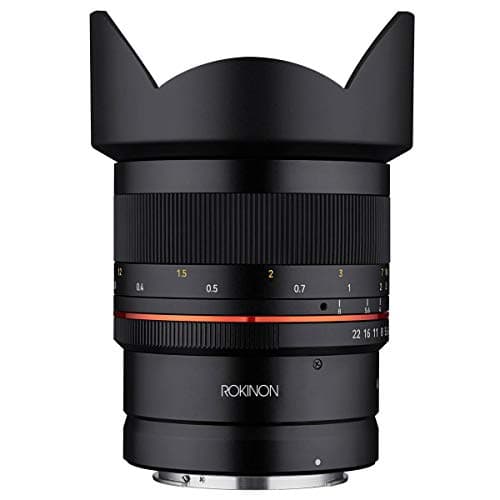
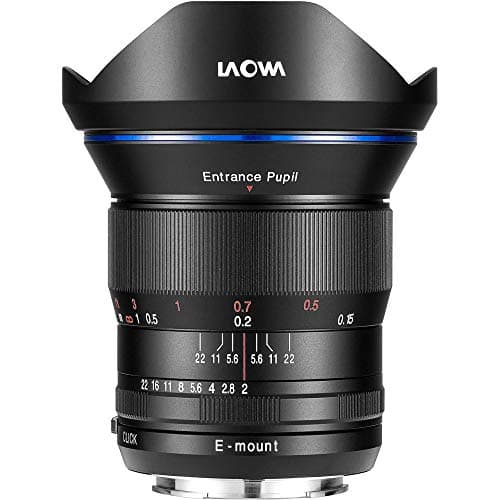
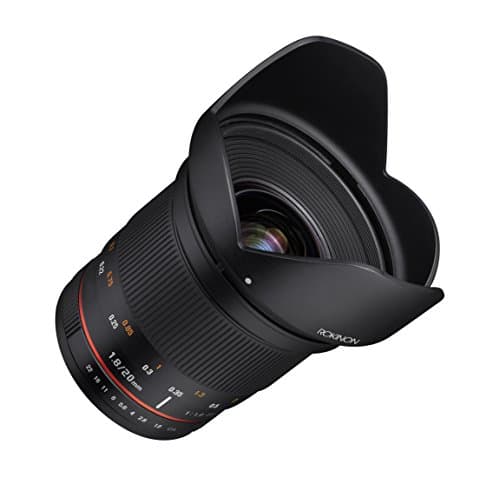
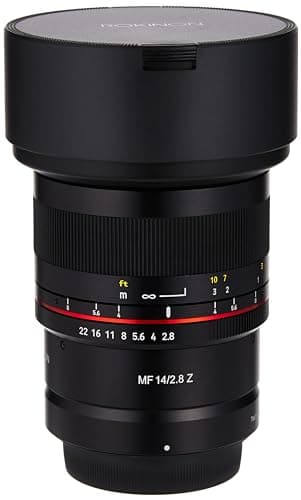
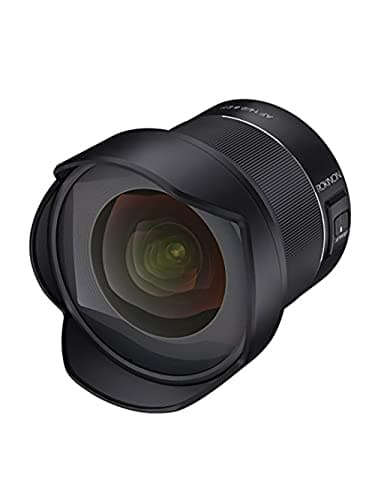
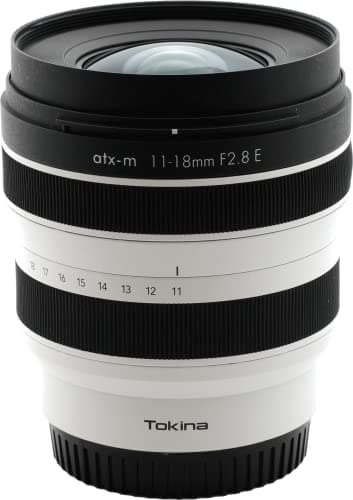
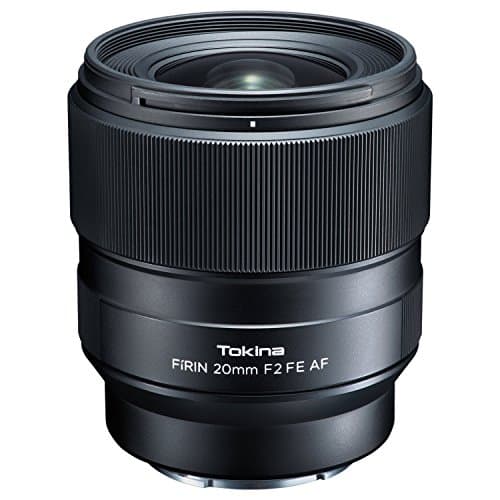
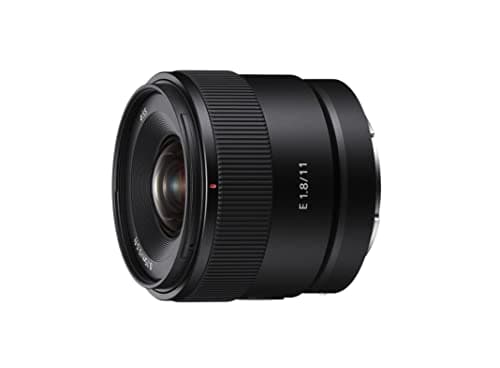
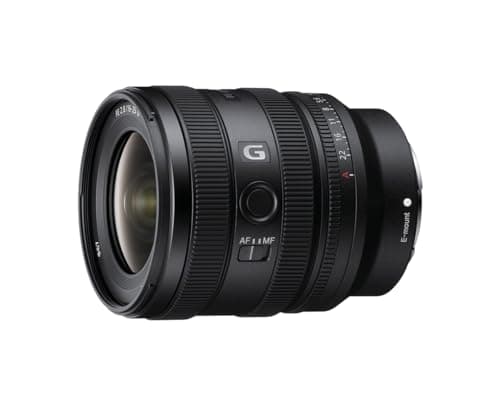
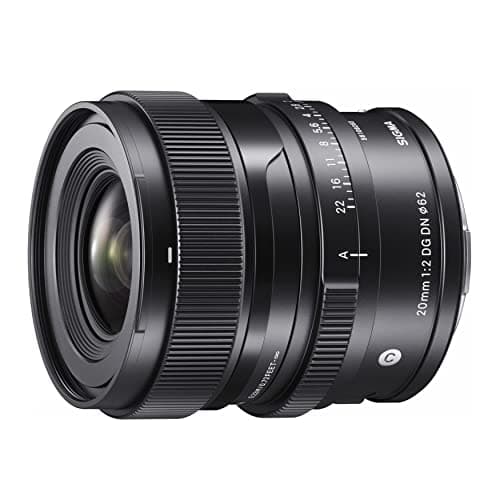
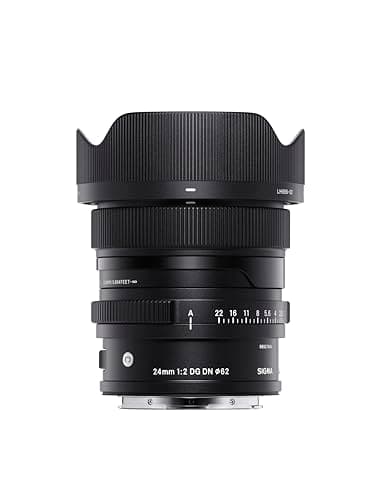
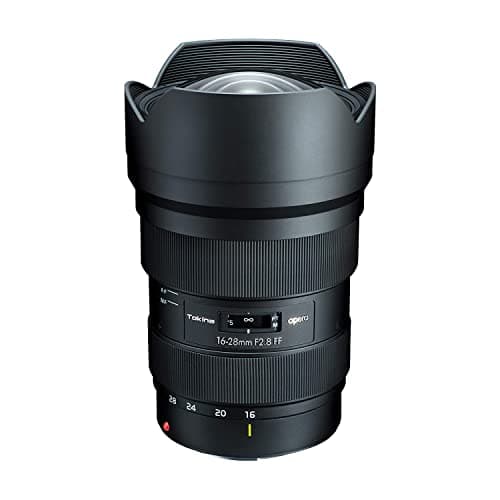
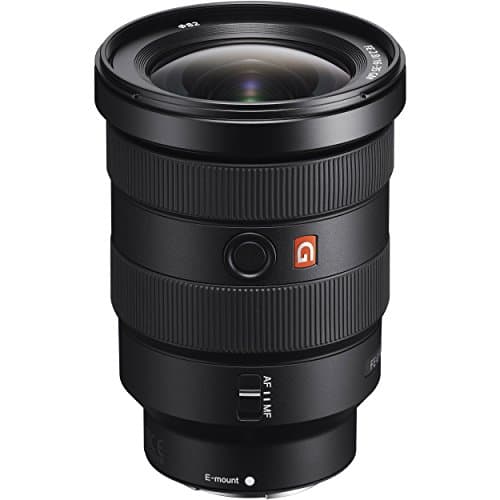
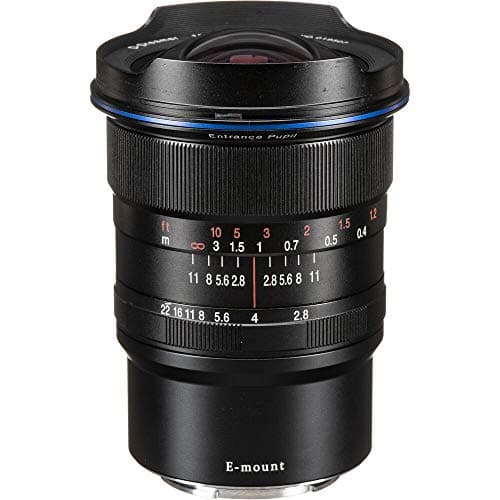
These are the best wide-angle lenses for astrophotography when you want pin-point stars, disciplined coma, low sagittal astigmatism, and clean contrast across the frame—whether you’re chasing the Milky Way core, wide nightscapes, or tracked mosaics—and here’s what to look for as you buy: prioritize fast apertures for sky brightness (ƒ1.4–ƒ2 prime; constant ƒ2.8 for zooms), tight coma control in the extreme corners at working apertures (often best at ƒ1.8–ƒ2.8), low sagittal flare around bright stars, even field illumination (manageable vignetting), neutral coatings that keep micro-contrast under light pollution, accurate infinity travel with repeatable manual focus, and a practical filter plan (front 77/82mm threads or proven rear gel/holder for bulbous fronts); if you plan to track, favor lenses that stay sharp stopped down one click and exhibit minimal field curvature for easier panos and stacks. Full-frame prime heroes: Sigma 14mm ƒ1.4 DG DN Art (astro specialist with outstanding corner stars), Sony FE 14mm ƒ1.8 GM (tiny, sharp, disciplined coma), Sony FE 20mm ƒ1.8 G (versatile nightscape staple with threads), Nikon Z 20mm ƒ1.8 S (clean corners, strong contrast), Nikon Z 24mm ƒ1.8 S (for sky-plus-foreground balance), Canon RF 24mm ƒ1.8 Macro IS (budget nightscape with handy IS for foreground blends), Laowa 15mm ƒ2 Zero-D and Laowa 12mm ƒ2.8 (ultra-wide, low-distortion manual-focus classics), and Samyang/Rokinon 14mm ƒ2.8, 24mm ƒ1.4, and 20mm ƒ1.8 (high value once you learn their best apertures); Sigma 20mm ƒ1.4 and 24mm ƒ1.4 DG DN Art are modern all-stars with crisp stars and excellent flare resistance. Low-light zoom workhorses that hold up under the stars: Nikon Z 14–24mm ƒ2.8 S (class-leading sharpness and flare control), Sony FE 12–24mm ƒ2.8 GM (ultra-wide sweep with disciplined edges), Sigma 14–24mm ƒ2.8 DG DN Art (great value, strong corners), Canon RF 15–35mm ƒ2.8L IS (flexible range, good astro at the wide end), and Sony FE 16–35mm ƒ2.8 GM II (lighter, sharper, pano-friendly); if you need filters on bulbous designs, budget for a proven 150mm holder or use lenses with standard threads. APS-C shooters get fast sky-grabbers in Sony E 11mm ƒ1.8 (compact ultra-wide), Sony E 15mm ƒ1.4 G (crisp 22.5-eq with threads), Fujifilm XF 16mm ƒ1.4 and XF 18mm ƒ1.4 (stellar primes with great MF feel), XF 14mm ƒ2.8 (low distortion classic), XF 8–16mm ƒ2.8 (pro zoom for sweeping arches), Canon RF-S 15–30mm ƒ4.5–6.3 and 10–18mm are more for scouting; value legends include Samyang 12mm ƒ2 and Laowa 9mm ƒ2.8 for clean, wide nightscapes. Micro Four Thirds standouts: Olympus/OM SYSTEM 8mm ƒ1.8 Fisheye Pro (fast sky vacuum—defish if needed), Laowa 7.5mm ƒ2 (tiny astro beast with good corners stopped slightly), and Olympus 7–14mm ƒ2.8 Pro (sharp, flare-resistant). Practical buyer tips: if corner stars matter most, read coma/astigmatism tests before MTF charts; prefer lenses with long, smooth MF throw or a reliable infinity hard-stop; standardized front diameters (77/82mm) simplify NDs for twilight blends; pick coatings that resist veiling flare from stray lights and rising moon; for tracked work, choose primes that maintain fine star shapes at ƒ2–ƒ2.8; if you stitch Milky Way panoramas, favor even illumination and minimal wave distortion, and learn the entrance pupil to avoid parallax. Night-field technique that keeps stars crisp: use the NPF rule (more accurate than the 500-rule) to set shutter based on focal length and pixel pitch, shoot RAW, disable IBIS/OSS on a tripod, use magnified live view on a bright star and “rock” focus for the sharpest micro-contrast, start with a high-ISO test frame to nail composition, then drop ISO and expose to the right without clipping foreground highlights; for best corners, stop down 1/3–1 stop from wide open, employ a dew heater or lens hood to prevent fogging, bracket a low-ISO foreground blend at dusk/blue hour, and stack multiple sky frames (Sequator/DeepSkyStacker) to suppress noise while preserving star color; plan around new moon and galactic core rise with a photo-planner, keep white balance ~3800–4200K for natural skies, and use a light pollution filter sparingly to avoid color cast. Whether you’re framing a lone tree under the arch, reflecting the Milky Way off alpine water, or building tracked mosaics over desert mesas, the best wide-angle lenses for astrophotography combine big apertures, coma-taming optics, and reliable manual focus—so your night images stay bright, sharp, and beautifully star-strewn.
Lenses by brand:
Lenses by price:
Lenses by type:
Lenses by sensor:
Lenses by feature:
Lenses by use case:
- Best Wide-Angle Lenses for Architectural Photography
- Best Wide-Angle Lenses for Astrophotography
- Best Wide-Angle Lenses for Automotive Photography
- Best Wide-Angle Lenses for Cityscape Photography
- Best Wide-Angle Lenses for Concert Photography
- Best Wide-Angle Lenses for Event Photography
- Best Wide-Angle Lenses for Fashion Photography
- Best Wide-Angle Lenses for Food Photography
- Best Wide-Angle Lenses for Landscape Photography
- Best Wide-Angle Lenses for Macro Photography
- Best Wide-Angle Lenses for Nature Photography
- Best Wide-Angle Lenses for Night Photography
- Best Wide-Angle Lenses for Pet Photography
- Best Wide-Angle Lenses for Photojournalism
- Best Wide-Angle Lenses for Portrait Photography
- Best Wide-Angle Lenses for Product Photography
- Best Wide-Angle Lenses for Real Estate Photography
- Best Wide-Angle Lenses for Sports Photography
- Best Wide-Angle Lenses for Street Photography
- Best Wide-Angle Lenses for Travel Photography
- Best Wide-Angle Lenses for Underwater Photography
- Best Wide-Angle Lenses for Wedding Photography
- Best Wide-Angle Lenses for Wildlife Photography
- Best Wide-Angle Lenses for Video
Lenses by experience:
Cameras: