
10 Best Prime Lenses with Low Light in 2026
Filters:
Name | Features | Price |
|---|---|---|
Nikon Nikkor Z 58mm F0.95 S Noct⭐ 5.0 / 5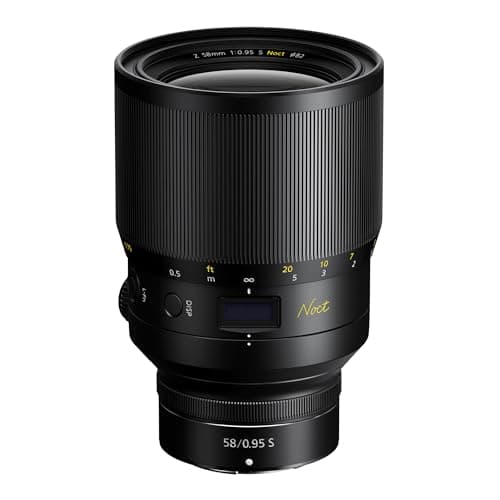 | ||
Name | Features | Price |
Leica Summilux-SL 50mm F1.4 ASPH⭐ 5.0 / 5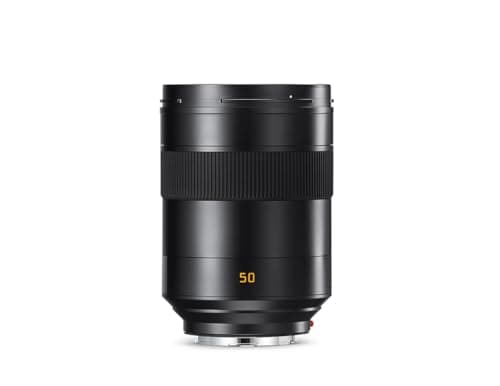 | ||
Name | Features | Price |
Sigma 14mm F1.4 DG DN⭐ 5.0 / 5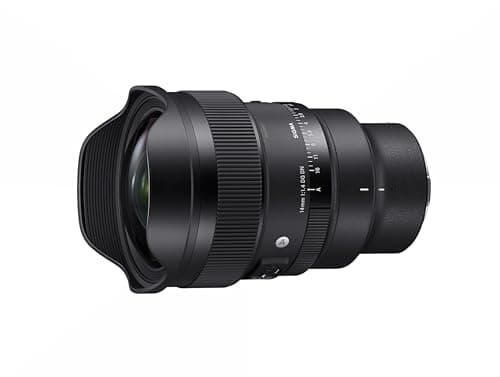 | ||
Name | Features | Price |
Canon RF 50mm F1.2L USM⭐ 5.0 / 5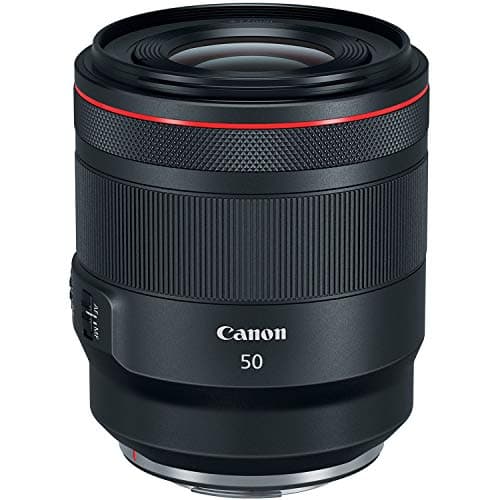 | ||
Name | Features | Price |
Sony FE 35mm F1.4 GM⭐ 5.0 / 5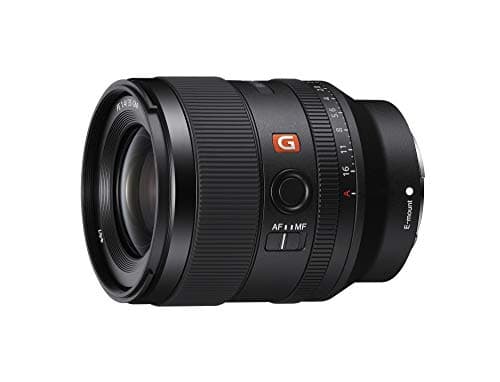 | ||
Name | Features | Price |
Sigma 35mm F1.2 DG DN Art⭐ 5.0 / 5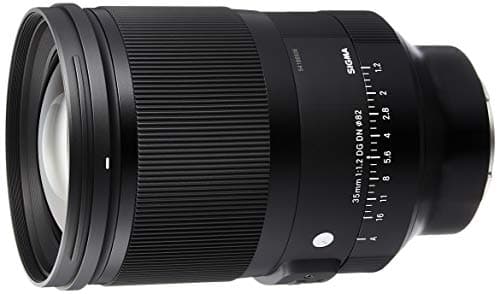 | ||
Name | Features | Price |
Fujifilm XF 200mm F2 R LM OIS WR⭐ 5.0 / 5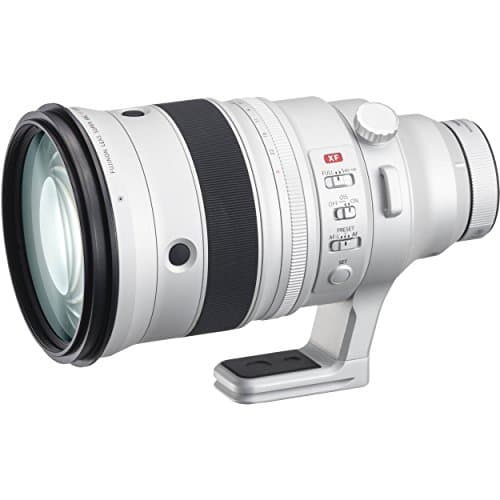 | ||
Name | Features | Price |
Viltrox AF 27mm F1.2 Pro⭐ 5.0 / 5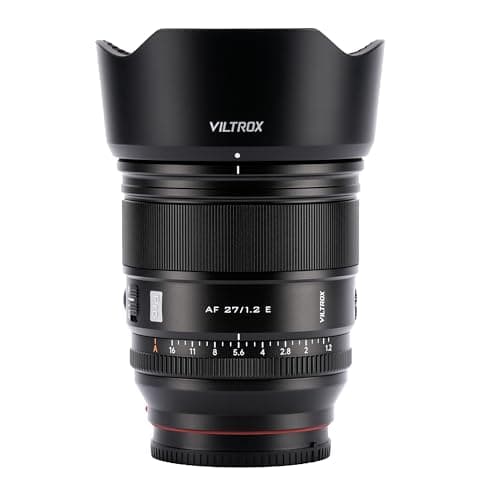 | ||
Name | Features | Price |
Sony FE 14mm F1.8 GM⭐ 5.0 / 5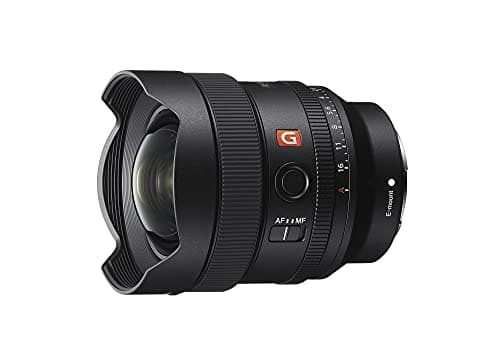 | ||
Name | Features | Price |
Sony FE 50mm F1.2 GM⭐ 5.0 / 5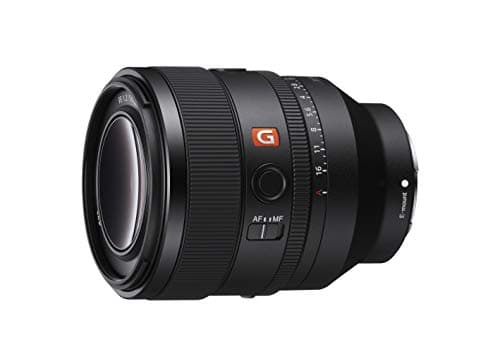 |
* Product prices and availability are accurate as of the date/time indicated and are subject to change. Any price and availability information displayed on Amazon.com at the time of purchase will apply to the purchase of this product.
* Imaginated.com may receive compensation for purchases made at participating retailers linked on this site. This compensation does not affect what products or prices are displayed, or the order of prices listed. Learn more here.
These are the best prime lenses for low light when you want fast apertures, clean high-ISO performance, sticky Eye AF, and disciplined aberrations—whether you’re shooting concerts, events, indoor portraits, street at night, or casual astro—and here’s what to look for as you buy: prioritize speed (ƒ1.2–ƒ1.8 for portraits and people; ƒ1.4 sweet spot for hybrid), strong wide-open contrast with controlled LoCA and sagittal coma, quiet linear/STM motors that lock focus in low contrast, reliable manual focus throw for fine tuning, minimal focus breathing if you film, and a stabilization strategy (IBIS in body or IS/OSS in lens) that matches how you shoot; favor lenses with robust coatings for neon/LED flare, weather sealing for rainy nights, and front threads for one VND/diffusion filter. Full-frame low-light heroes (Sony FE): FE 24mm ƒ1.4 GM (luminous street and environmental portraits), FE 20mm ƒ1.8 G (wide context with clean corners), FE 35mm ƒ1.4 GM (storyteller that still melts backgrounds), FE 50mm ƒ1.2 GM (flagship bokeh and bite), FE 50mm ƒ1.4 GM (lighter, equally confident), FE 85mm ƒ1.4 GM (portrait plushness), FE 135mm ƒ1.8 GM (tele separation in dim venues), FE 90mm ƒ2.8 Macro OSS (sharp close-ups and steady in low ambient). Nikon Z standouts: Z 20mm ƒ1.8 S (neutral, disciplined corners), Z 24mm ƒ1.8 S and Z 35mm ƒ1.8 S (clean, reliable AF), Z 50mm ƒ1.2 S (lux wide-open look), Z 50mm ƒ1.8 S (shockingly good value), Z 85mm ƒ1.8 S (portrait staple), Z 135mm ƒ1.8 Plena (edge-to-edge round bokeh, great at night). Canon RF stars: RF 16mm ƒ2.8 (budget ultrawide nights), RF 24mm ƒ1.8 Macro IS (close-focus + IS for handheld blue hour), RF 35mm ƒ1.8 IS (street/events with stabilization), RF 50mm ƒ1.2L (iconic night portrait look), RF 50mm ƒ1.8 (tiny, bright value), RF 85mm ƒ1.2L / ƒ2 IS (lux cream or stabilized versatility), RF 135mm ƒ1.8L IS (tele glow with IS). Sigma/Tamron/Viltrox value that thrives after dark: Sigma DG DN Art 20mm/24mm/35mm/50mm/85mm ƒ1.4 (modern coatings, crisp at ƒ1.8–ƒ2), Sigma 105mm ƒ1.4 “bokeh master” (venue tele with huge light gulp), Tamron 35mm ƒ1.4 (EF/F mount legend adapted), Tamron 20/24/35mm ƒ2.8 1:2 (slower but close-focus for detail in dim restaurants), Viltrox Pro 27mm ƒ1.2 (Fuji X) and 75mm ƒ1.2 (Fuji X) for fast, clean rendering at friendly prices. Fujifilm X low-light gems: XF 16mm ƒ1.4 (beloved wide with close focus), XF 18mm ƒ1.4 (modern street speed), XF 23mm ƒ1.4 LM WR and XF 33mm ƒ1.4 LM WR (quiet linear AF, crisp wide open), XF 35mm ƒ1.4 (classic character), XF 56mm ƒ1.2 R WR and XF 50mm ƒ1.0 (dreamy portraits), Sigma 16/30/56mm ƒ1.4 DC DN trio (killer value, great at night). Sony E APS-C: 11mm ƒ1.8 (tiny night ultrawide), 15mm ƒ1.4 G (hit-rate champ), 24mm ƒ1.8 ZA (clean rendering), 35mm ƒ1.8 OSS and 50mm ƒ1.8 OSS (stabilized classics), Sigma 16/30/56mm ƒ1.4 DC DN (street/portrait trifecta). Canon RF-S users can run RF 24/1.8 IS, RF 35/1.8 IS, RF 50/1.8, RF 85/2 IS on crop for bright, stabilized kits. Micro Four Thirds night favorites: OM SYSTEM 17/25/45mm ƒ1.2 Pro (rounded blades, weather-sealed), Panasonic Leica 15mm ƒ1.7 and 25mm ƒ1.4 (compact glow), Panasonic Leica 42.5mm ƒ1.2 Nocticron OIS (lux blur + stabilization), Olympus 75mm ƒ1.8 (tele night portraits in a pocket). Specialty/character for creative nights: Sony FE 100mm ƒ2.8 STF GM OSS (apodized velvet bokeh—needs more light), classic Noktons (Voigtländer 40/50mm ƒ1.2) for gentle glow-to-bite transitions, and Laowa 15mm ƒ2 Zero-D for manual ultra-wide nightscapes with straight lines. Practical buyer tips: pick two fast anchors you love (35/1.4 + 85/1.4 or 24/1.4 + 50/1.4) and learn them in the dark; if your body lacks IBIS, stabilized primes (Canon IS, Sony OSS, Nikon VR, Panasonic OIS) help for static scenes, though action still needs shutter speed; standardize front diameters for one VND/diffusion; chase lenses with proven flare suppression around LEDs and neon; keep firmware current—Eye AF and breathing compensation improve notably on modern bodies. Low-light technique that lands keepers: shoot Manual or T/Av with Auto-ISO and a smart ceiling (e.g., ISO 12,800–25,600), lock motion near 1/160–1/320s for people (1/500s+ for action) and ride aperture near wide open, then stop 1/3–2/3 stop for eyelash-sharp faces; use Eye AF with single-point override for backlit subjects, expose for faces and let speculars clip gracefully, and chimp histograms—not just the preview—to avoid color-shifted LED surprises; brace elbows, lean on IBIS/IS for static scenes down to 1/5–1/20s with practice, and fire short bursts to catch a tack frame; mind flare—use the hood and flag stray light with a hand; for street/venues under flicker, enable anti-flicker or pick shutter speeds that sync with local mains; for casual astro, follow NPF/500 guides, focus via magnification on a bright star, and add a slight stop-down for corner discipline; for video, keep a 180° shutter and use ND for daytime-to-night transitions, set slow AF transitions, enable breathing compensation, and favor linear MF for controlled racks. Whether you’re crafting neon-soaked portraits, candlelit receptions, midnight streets, or sky-lit landscapes, the best prime lenses for low light combine big apertures, quiet, confident AF, flare-savvy optics, and dependable handling—so your night images stay sharp, clean, and beautifully luminous.
Lenses by brand:
Lenses by price:
Lenses by type:
Lenses by sensor:
Lenses by feature:
Lenses by use case:
Lenses by experience:
Cameras: