
10 Best Zoom Lenses with Low Light in 2026
Filters:
Name | Features | Price |
|---|---|---|
Canon RF 100-300mm F2.8L IS USM⭐ 5.0 / 5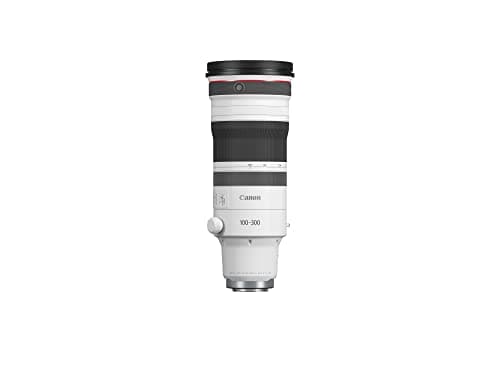 | ||
Name | Features | Price |
Sony FE 28-70mm F2 GM⭐ 5.0 / 5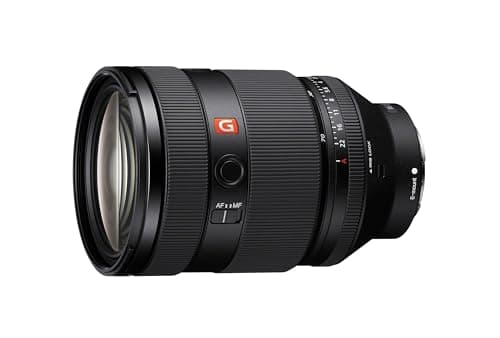 | ||
Name | Features | Price |
Canon RF 28-70mm F2L USM⭐ 5.0 / 5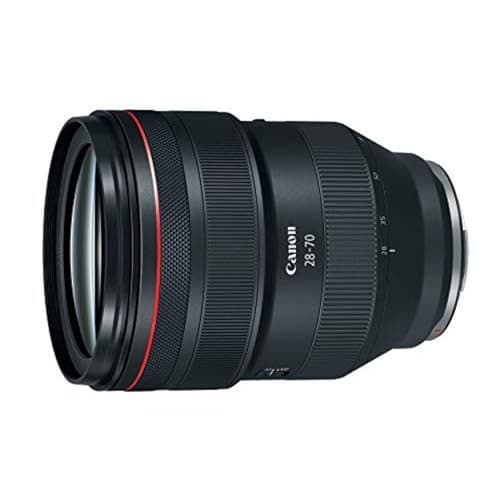 | ||
Name | Features | Price |
Tamron 35-150mm F2-2.8 Di III VXD⭐ 5.0 / 5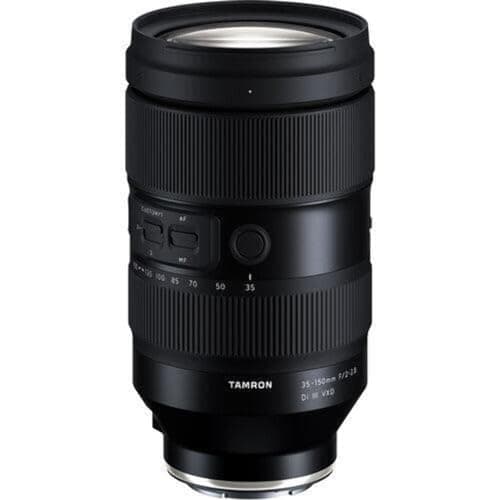 | ||
Name | Features | Price |
Sigma 50-100mm F1.8 DC HSM Art⭐ 4.9 / 5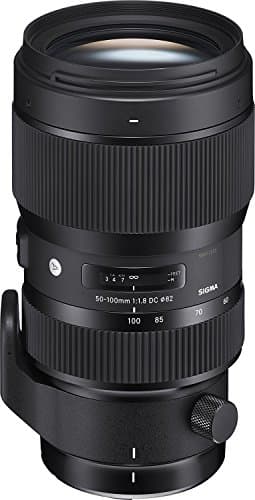 | ||
Name | Features | Price |
Sigma 28-45mm F1.8 DG DN Art⭐ 4.9 / 5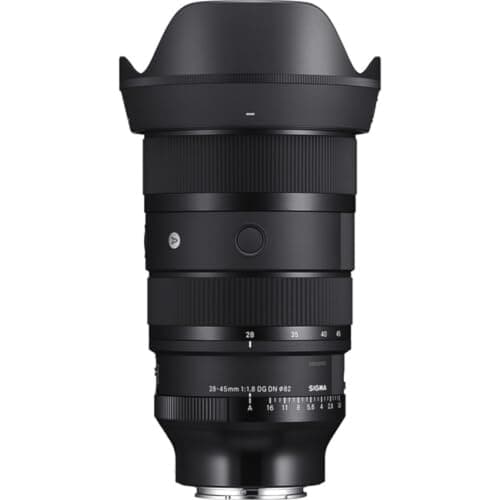 | ||
Name | Features | Price |
Nikon AF-S Nikkor 70-200mm F2.8E FL ED VR⭐ 4.9 / 5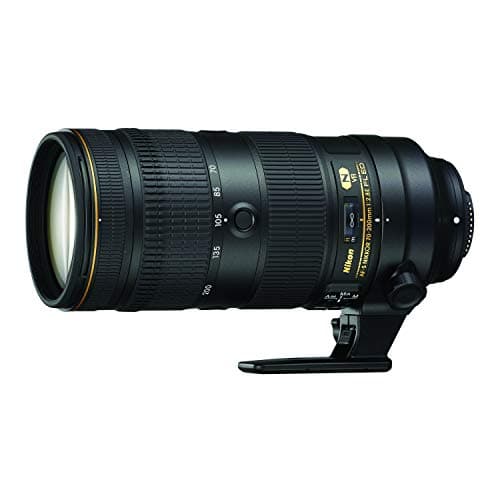 | ||
Name | Features | Price |
Canon RF 70-200mm F2.8L IS USM⭐ 4.9 / 5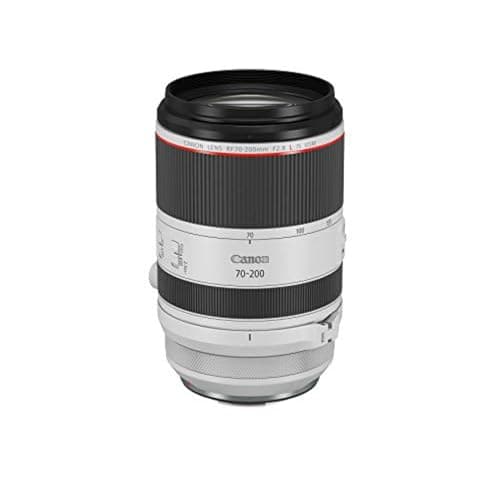 | ||
Name | Features | Price |
Sigma 70-200mm F2.8 DG DN OS Sports⭐ 4.9 / 5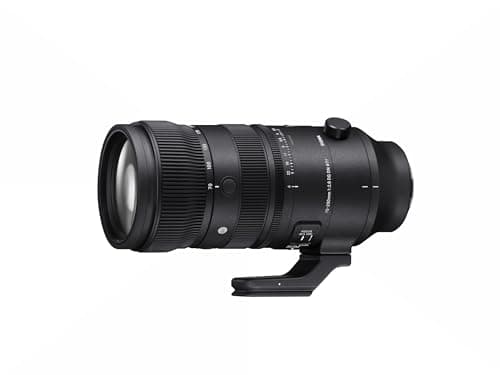 | ||
Name | Features | Price |
Canon RF 70-200mm F2.8 L IS USM Z⭐ 4.9 / 5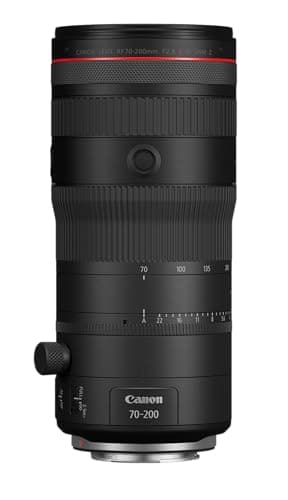 |
* Product prices and availability are accurate as of the date/time indicated and are subject to change. Any price and availability information displayed on Amazon.com at the time of purchase will apply to the purchase of this product.
* Imaginated.com may receive compensation for purchases made at participating retailers linked on this site. This compensation does not affect what products or prices are displayed, or the order of prices listed. Learn more here.
These are the best zoom lenses for low light when you want fast apertures, clean high-ISO files, sticky AF in dim scenes, and smooth, quiet focus for video—whether you’re covering weddings and events, night streets, indoor sports, concerts, or blue-hour travel—and here’s what to look for as you buy: prioritize fast constants (ƒ2.8 across the range—ƒ2 where available), strong wide-open contrast with disciplined axial CA, reliable linear/STM motors that lock in low contrast, minimal focus breathing if you film, effective stabilization (IS/OSS/VR that plays nicely with IBIS), practical close-focus for bigger bokeh at the same framing, and front threads (77/82mm) so one VND/diffusion covers the set; favor internal focus (and internal zoom if you gimbal), weather sealing for rain, and standardized diameters across your kit. Full-frame low-light heroes: Canon RF 28–70mm ƒ2L (the “prime zoom” for night), RF 24–70mm ƒ2.8L IS and RF 70–200mm ƒ2.8L IS (flagship AF + IS under LEDs), Sony FE 16–35mm ƒ2.8 GM II, FE 24–70mm ƒ2.8 GM II, and FE 70–200mm ƒ2.8 GM OSS II (fast, sharp, breathing-controlled); Nikon Z 17–28mm ƒ2.8, Z 28–75mm ƒ2.8, Z 24–70mm ƒ2.8 S, and Z 70–200mm ƒ2.8 VR S (clean wide-open with strong VR); Sigma DG DN Art 24–70mm ƒ2.8 and 70–200mm ƒ2.8 (modern coatings, consistent rendering), Tamron 28–75mm ƒ2.8 G2 and 17–28mm ƒ2.8 (light, fast), and the Tamron 35–150mm ƒ2–2.8 (portrait/event monster) on supported mounts; L-mount shooters also score with Panasonic S Pro 24–70mm ƒ2.8/70–200mm ƒ2.8 and Sigma 24–70/70–200 DN pairs. APS-C standouts that punch after dark: Sony E 16–55mm ƒ2.8 G (razor mid-range), Tamron 17–70mm ƒ2.8 VC (fast + stabilized), Sigma 18–50mm ƒ2.8 DC DN (tiny night workhorse), Sony E 70–350mm ƒ4.5–6.3 OSS (not fast but long-end compression in night fields), Fujifilm XF 16–55mm ƒ2.8 and XF 50–140mm ƒ2.8 (quiet linear AF, great at ƒ2.8), and Canon RF-S bodies can run RF 24–70mm ƒ2.8L on crop or adapt the EF-S 17–55mm ƒ2.8 IS for stabilized low-light coverage. Micro Four Thirds low-light champs: Panasonic Leica 10–25mm ƒ1.7 and 25–50mm ƒ1.7 (unique constant-fast pair with prime-like rendering), Olympus/OM SYSTEM 12–40mm ƒ2.8 Pro II and 40–150mm ƒ2.8 Pro (sharp at ƒ2.8 with excellent AF), paired with Sync IS/Dual I.S. bodies for slow, steady shutters. Practical buyer tips: build a two-zoom spine you love—(16/17–28 + 24–70/2.8) covers almost everything; add a 70–200/2.8 for indoor courts/stage; if you shoot hybrid, favor lenses with low breathing and declickable/well-damped apertures and enable breathing compensation in-body; standardize 77/82mm so one high-quality VND and subtle diffusion (Black Mist 1/8–1/4) handle mixed light; keep firmware current for AF and IS sync improvements. Low-light technique that lands keepers: shoot Manual or T/Av with Auto-ISO and a sensible ceiling (ISO 12,800–25,600), lock motion ~1/160–1/320s for people (1/500s+ for action), work near wide open then stop 1/3–2/3 stop for eyelash-sharp results and cleaner corners; use Eye AF with a movable point to survive backlight, expose for faces and let speculars clip gracefully, and trust the histogram over the rear preview under LEDs; brace elbows, give IS/IBIS a half-second to “spin up,” and fire short bursts to nab a tack frame; for video, keep a 180° shutter and ride a quality VND, set slow AF transitions and medium sensitivity for natural racks, and prefer internal-focus/zoom designs for stable gimbals; in venues with flicker, enable anti-flicker or pick shutter speeds that sync with local mains. Whether you’re filming receptions, roaming neon streets, shooting arena sports, or crafting blue-hour cityscapes, the best zoom lenses for low light combine fast apertures, disciplined wide-open optics, quiet, confident AF, and smart stabilization—so your night images stay sharp, clean, and beautifully luminous.
Lenses by brand:
Lenses by price:
Lenses by type:
Lenses by sensor:
Lenses by feature:
Lenses by use case:
Lenses by experience:
Cameras: