
10 Best Prime Lenses with Image Stabilization in 2026
* Product prices and availability are accurate as of the date/time indicated and are subject to change. Any price and availability information displayed on Amazon.com at the time of purchase will apply to the purchase of this product.
* Imaginated.com may receive compensation for purchases made at participating retailers linked on this site. This compensation does not affect what products or prices are displayed, or the order of prices listed. Learn more here.
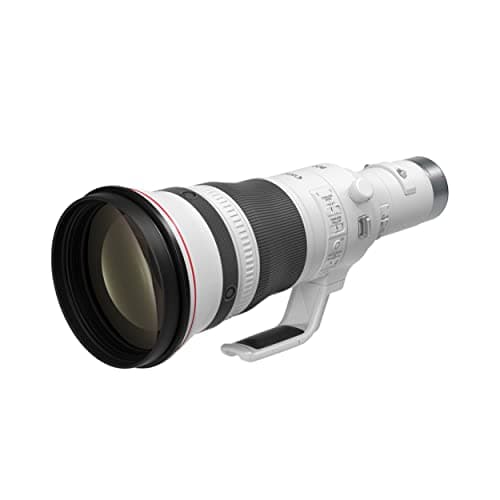
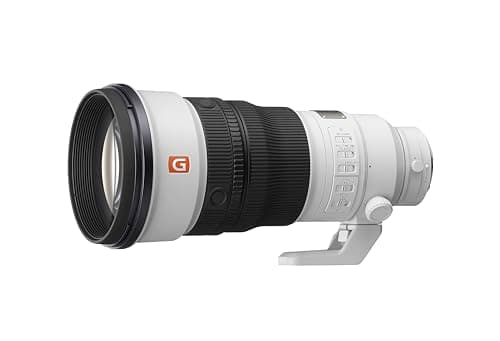
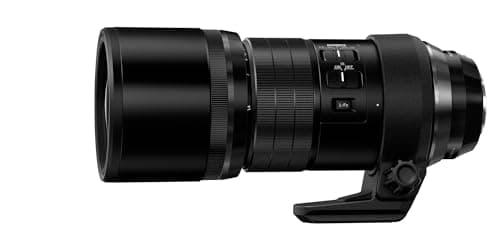
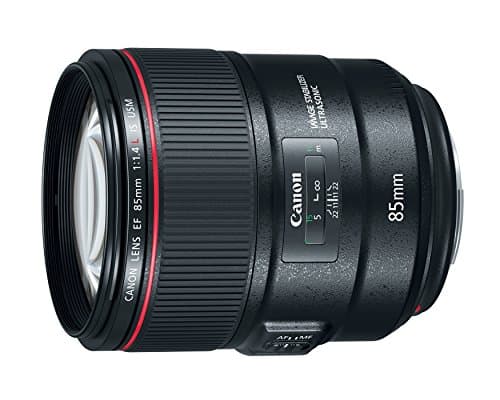
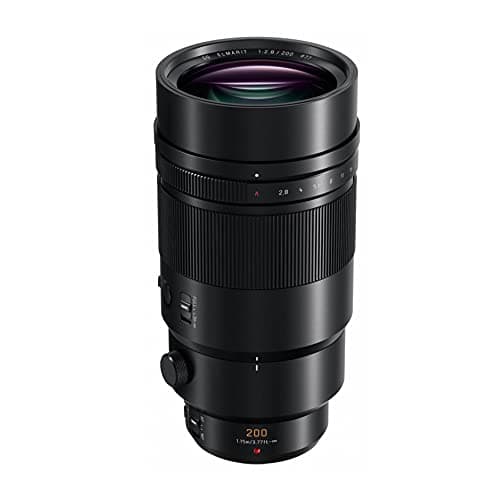
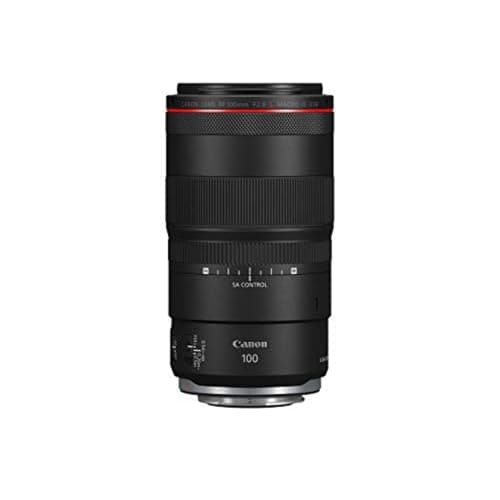
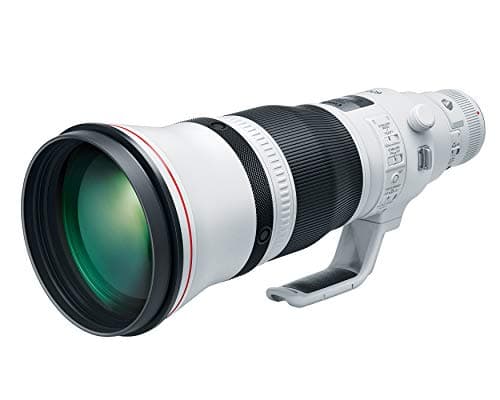
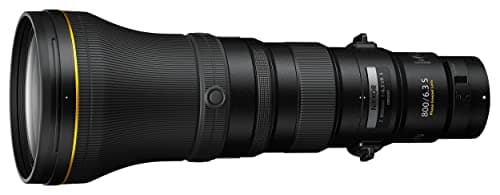
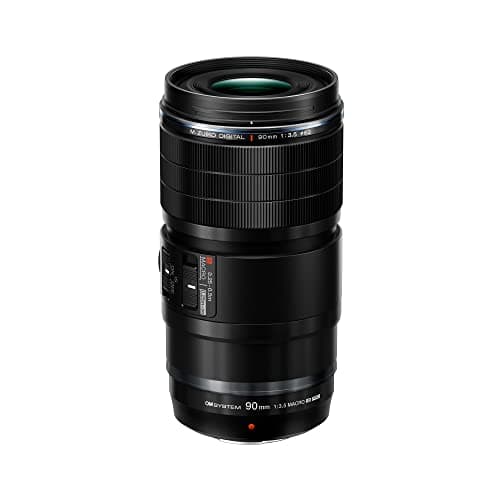
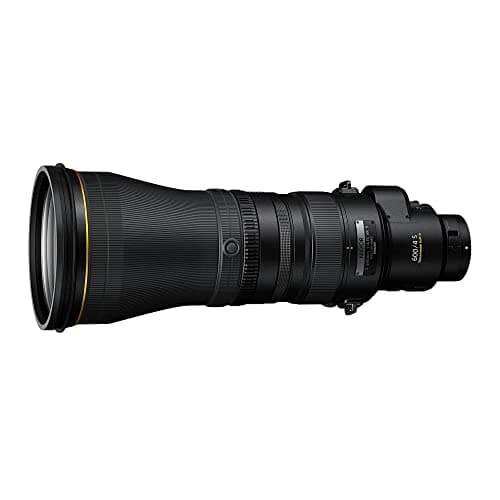
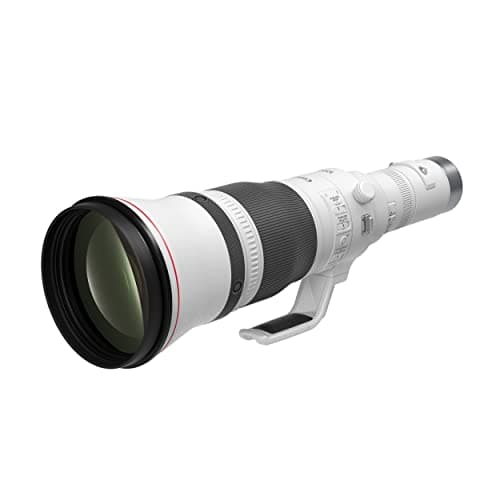
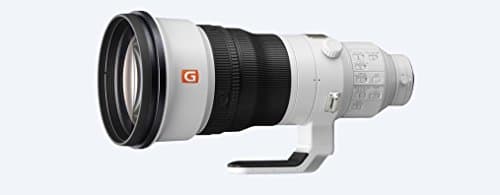
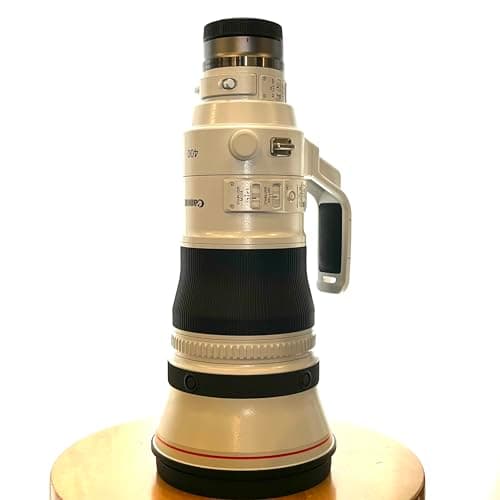
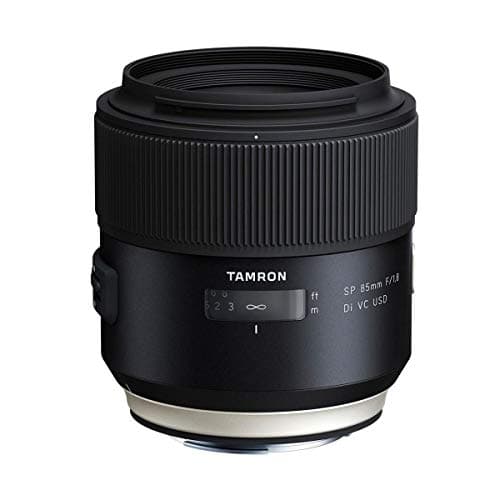
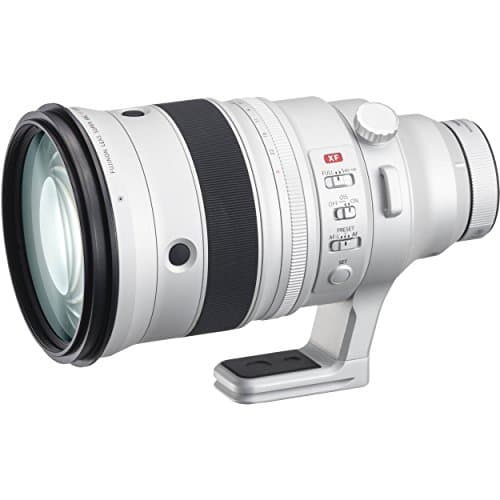
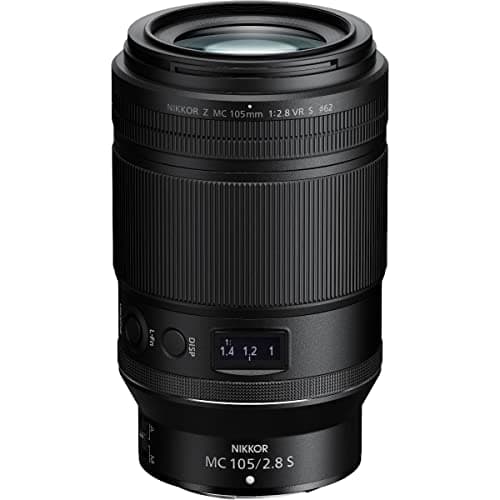
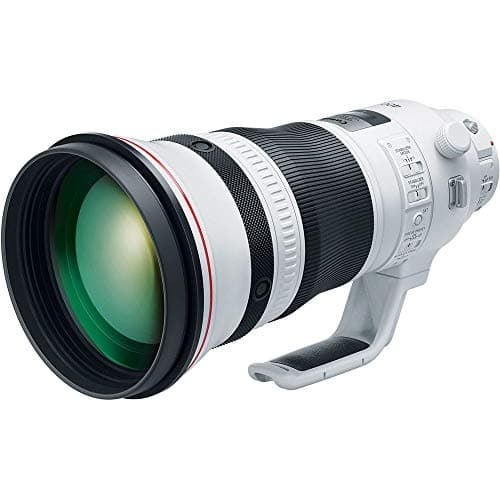
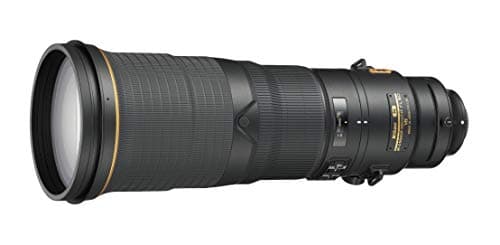
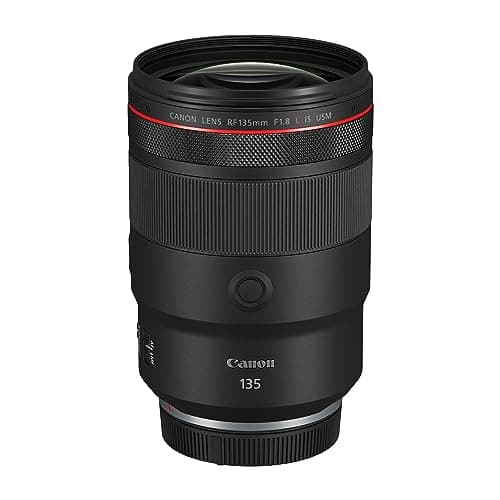
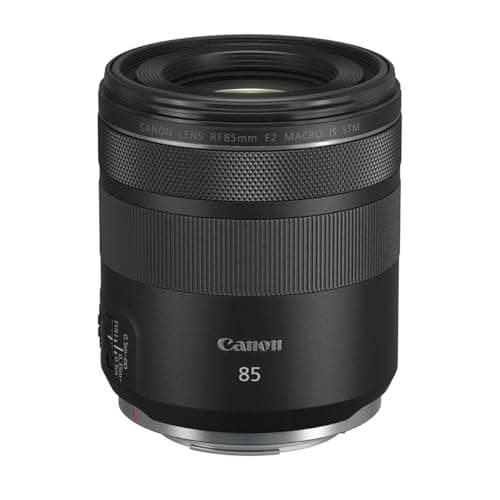
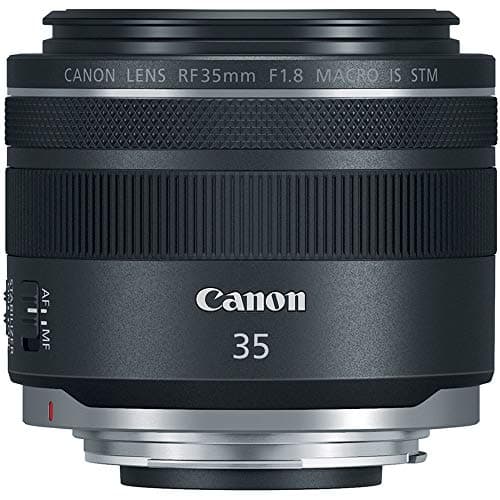
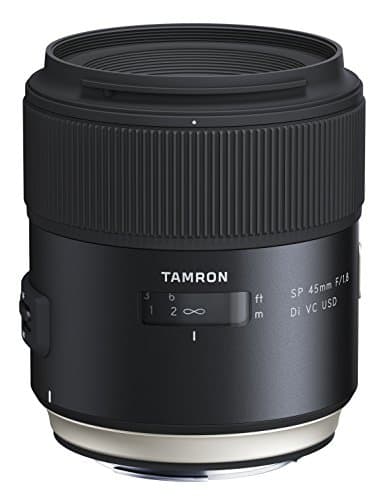
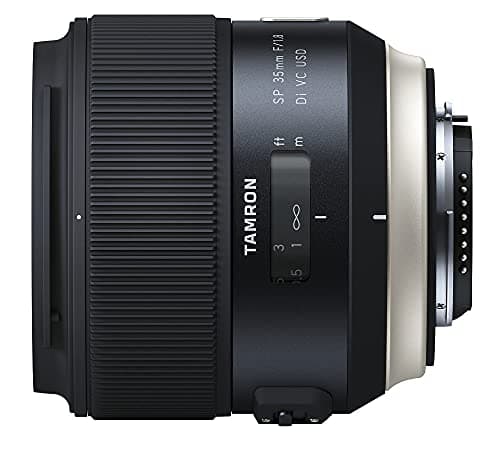
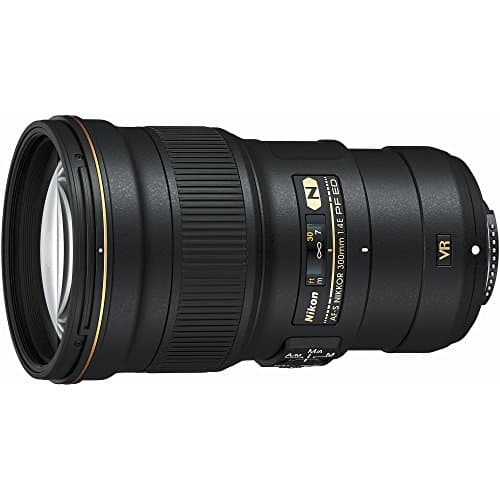
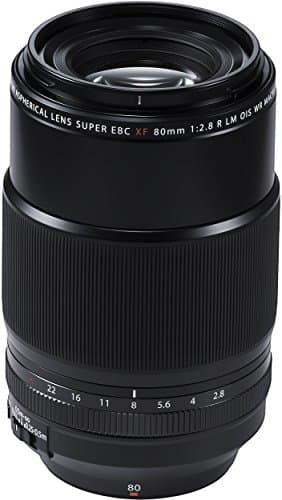
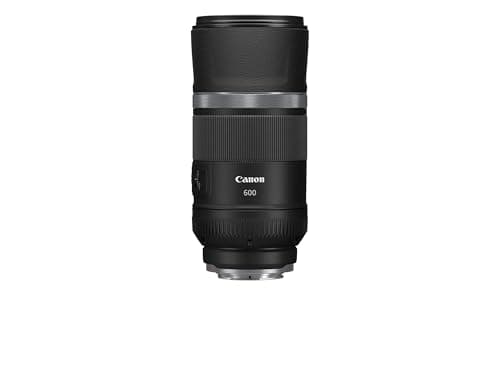
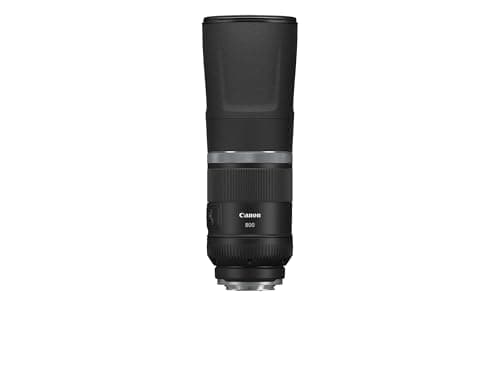
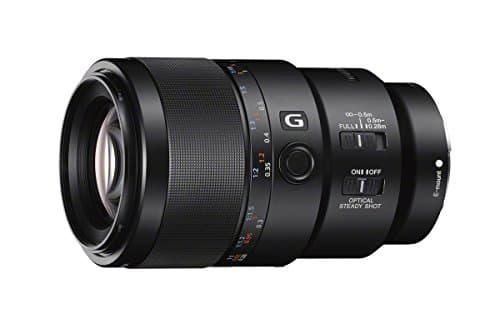
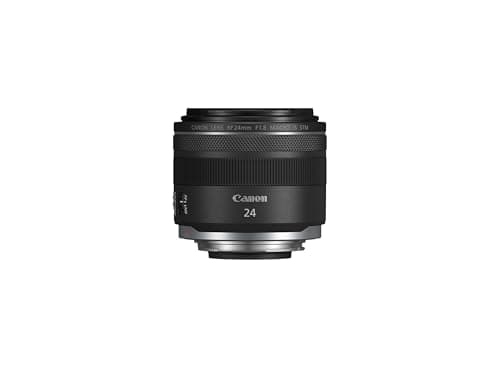
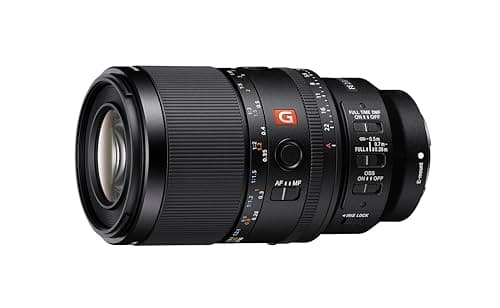
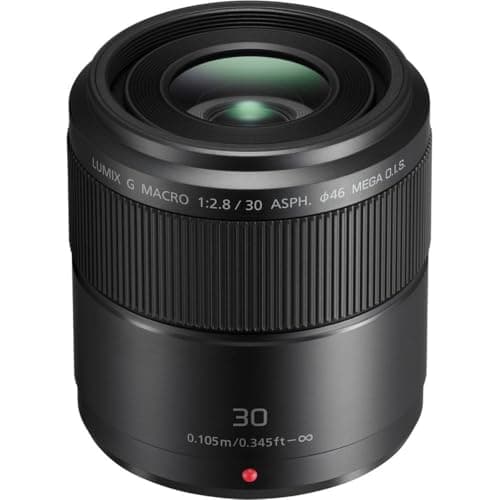
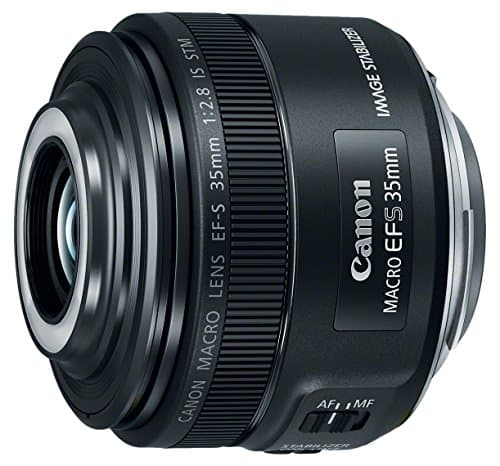
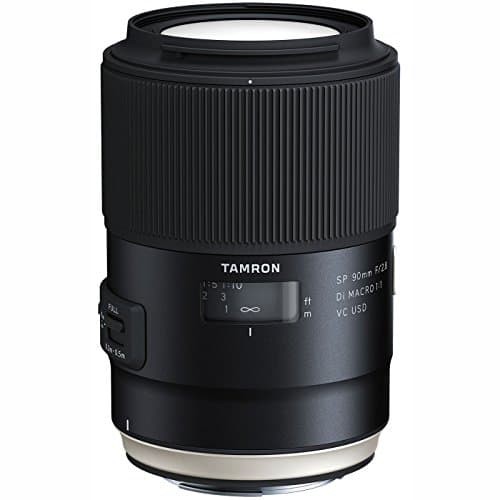
These are the best prime lenses with image stabilization when you want steadier handheld shots, smoother video, cleaner low light, and sharp results without a tripod—whether you’re shooting portraits, products, food, travel, macro, or telephoto wildlife—and here’s what to look for as you buy: prioritize optical stabilization (IS/OSS/VR/OIS) that plays nicely with your camera’s IBIS (Dual IS/Synchro VR when available), quiet linear/STM motors for sticky AF, minimal focus breathing if you film, strong wide-open performance with disciplined axial CA, and filter-friendly fronts so one VND/clear protector covers the set; macros and short teles often bring the most effective stabilization, while wide/fast primes rely more on IBIS—choose accordingly. Full-frame stabilized prime heroes (Canon RF / EF, Sony FE OSS, Nikon VR, third-party): Canon RF 24mm ƒ1.8 Macro IS (handy 0.5× close-up + IS), RF 35mm ƒ1.8 IS Macro (tiny, great everyday), RF 85mm ƒ2 IS Macro (portrait/detail dual-role), RF 100mm ƒ2.8L Macro IS (hybrid IS with shift compensation), RF 135mm ƒ1.8L IS (portrait/indoor sports with silky IS), RF 600mm ƒ11 IS and RF 800mm ƒ11 IS (travel-light superteles); legacy EF primes with IS adapt beautifully: EF 35mm ƒ2 IS USM (street/video gem), EF 24mm ƒ2.8 IS and EF 28mm ƒ2.8 IS (compact stabilized wides), EF 85mm ƒ1.4L IS (action-stopping portrait beast), EF 100mm ƒ2.8L Macro IS (workhorse macro). Sony FE standouts: FE 90mm ƒ2.8 Macro G OSS (reference macro), FE 100mm ƒ2.8 STF GM OSS (apodization with stabilizer for velvety bokeh). Nikon Z/F options: NIKKOR Z MC 105mm ƒ2.8 VR S (excellent VR + macro sharpness), F-mount AF-S 105mm ƒ2.8G VR Micro (adapt to Z with IBIS sync), AF-S 300mm ƒ4E PF VR (featherweight tele prime), AF-S 200mm ƒ2G VR II and 300/2.8/400/500/600 VR series for action (via FTZ). Sigma/Tamron stabilized primes for multiple mounts: Tamron SP 35mm ƒ1.8 Di VC USD, SP 45mm ƒ1.8 VC, SP 85mm ƒ1.8 VC, and SP 90mm ƒ2.8 VC Macro (all superb value on Canon/Nikon; adapt where supported); Sigma 105mm ƒ2.8 DG OS Macro and 150mm ƒ2.8 DG OS Macro (beautiful stabilization for close work). APS-C stabilized primes: Canon RF-S users can leverage RF 24/1.8 IS, RF 35/1.8 IS, RF 85/2 IS via crop with excellent results; Sony E 50mm ƒ1.8 OSS (budget portrait), E 35mm ƒ1.8 OSS (classic normal), and E 30mm ƒ3.5 Macro (sharp with OSS) keep kits light; Fujifilm’s OIS lives mostly in tele/macro—look to XF 80mm ƒ2.8 Macro OIS and XF 200mm ƒ2 OIS for specialty work. Micro Four Thirds stabilized primes: Panasonic/Leica 42.5mm ƒ1.2 Nocticron OIS (lux portrait with Dual I.S. on Panasonic bodies), Panasonic 45mm ƒ2.8 Macro OIS and 30mm ƒ2.8 Macro OIS (tiny, stabilized close-up), plus long tele primes like Leica DG 200mm ƒ2.8 OIS for wildlife; remember Olympus primes rely on IBIS, but Dual I.S. requires Panasonic bodies + Panasonic OIS lenses. Practical buyer tips: if your body has strong IBIS, prioritize stabilized primes for macro/tele (where IBIS alone struggles) and don’t sweat OIS on 20–35mm unless you shoot lots of handheld video; confirm Dual IS/Synchro VR compatibility (brand-to-brand mixing may fall back to single system), standardize front diameters for one VND/clear protector, and favor lenses with robust hoods and modern coatings for backlight; for adapted EF/AI-S glass, make sure your adapter passes stabilization metadata and update firmware for the best sync. Field technique that maximizes stabilization: use proper stance and breath control, let the stabilizer “spin up” a half-second before pressing the shutter, and shoot short 3–5 frame bursts to land the sharpest frame; for stills, you can drop to 3–5 stops under the old 1/focal-length rule with modern IS—test your personal limit and log it; for video, lock a 180° shutter and use IS/IBIS to smooth micro-jitter, but avoid fast walking pans that can trigger warpy corrections; for macro, combine IS with a focusing rail or gentle fore–aft “rock,” and use flash at lower powers (1/32–1/128) to freeze motion while IS keeps framing stable; for long tele primes, pair IS with a monopod and set the correct IS mode (panning vs standard) for moving subjects. Whether you’re filming handheld interviews, shooting ring shots at dim receptions, crafting street stories at night, or working 1:1 macros in the field, the best prime lenses with image stabilization combine sharp optics, quiet AF, and smart, body-aware stabilization—so your frames stay steady, bright, and beautifully detailed without a tripod.
Lenses by brand:
Lenses by price:
Lenses by type:
Lenses by sensor:
Lenses by feature:
Lenses by use case:
Lenses by experience:
Cameras: