
10 Best Prime Lenses with Bokeh in 2026
Filters:
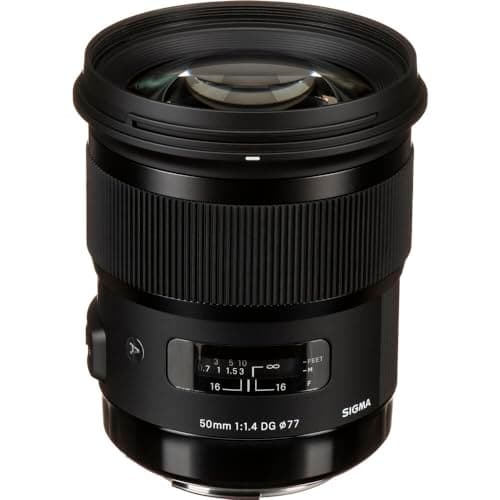
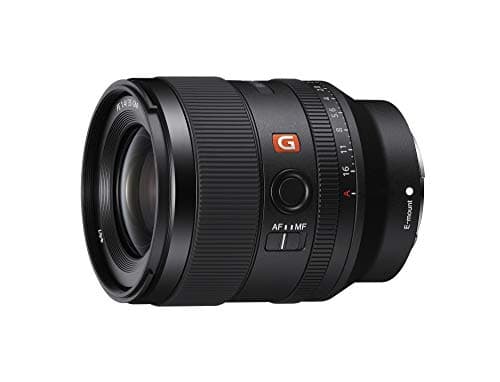
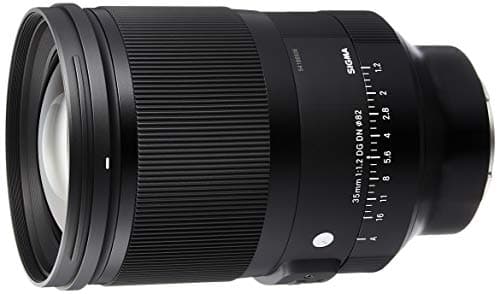
* Product prices and availability are accurate as of the date/time indicated and are subject to change. Any price and availability information displayed on Amazon.com at the time of purchase will apply to the purchase of this product.
* Imaginated.com may receive compensation for purchases made at participating retailers linked on this site. This compensation does not affect what products or prices are displayed, or the order of prices listed. Learn more here.
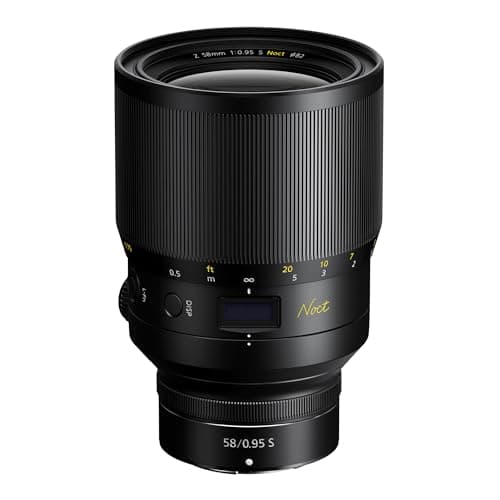
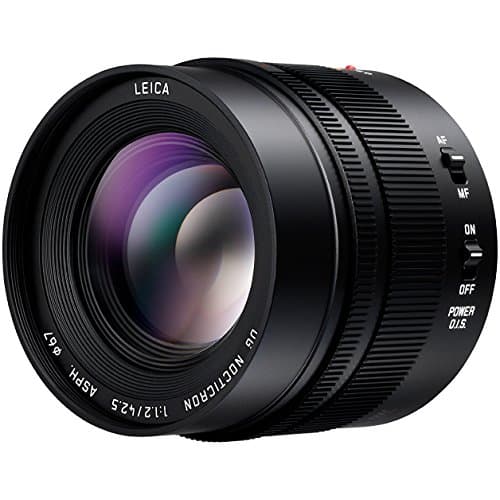
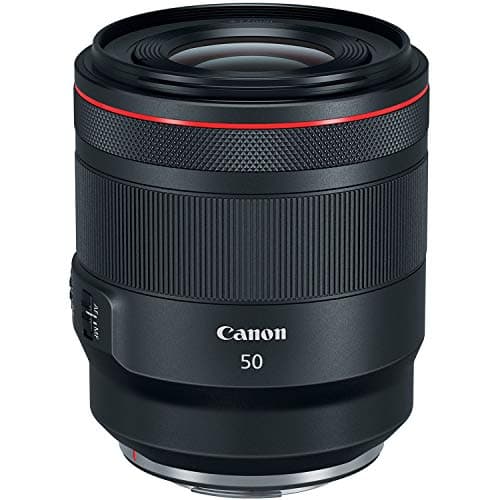
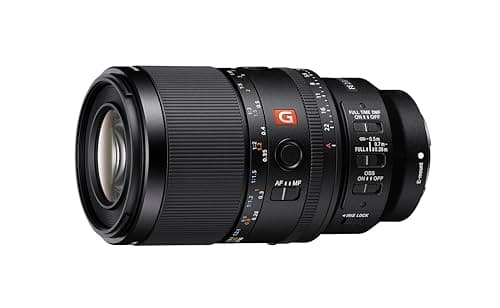
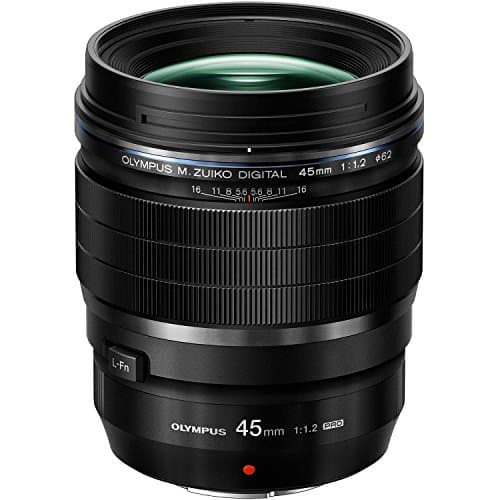
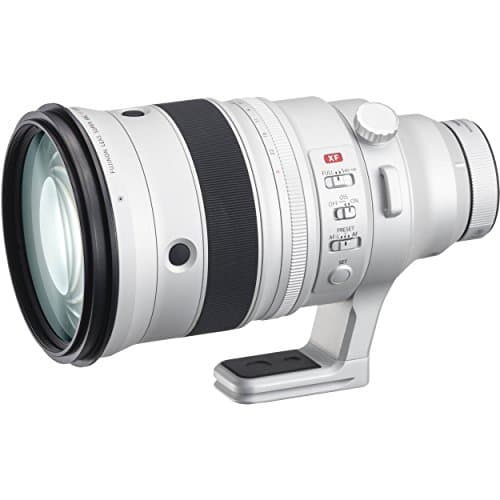
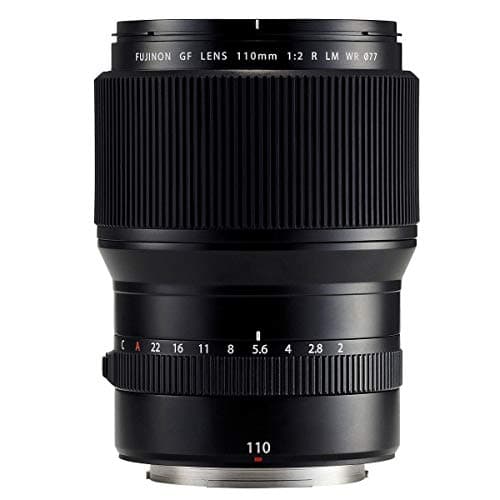
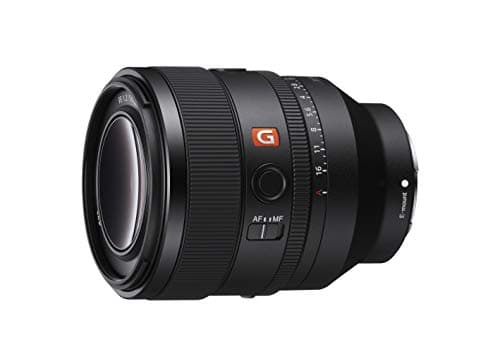
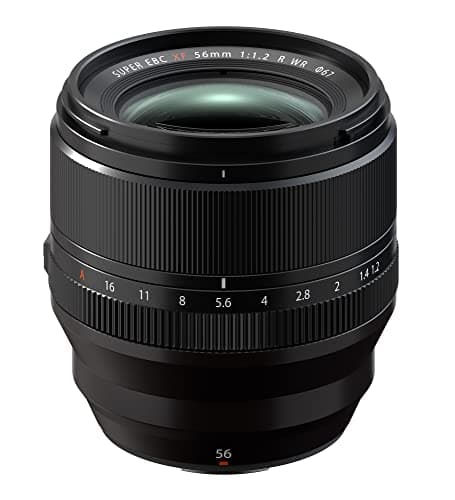
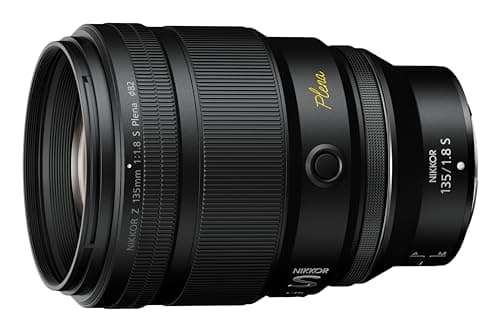
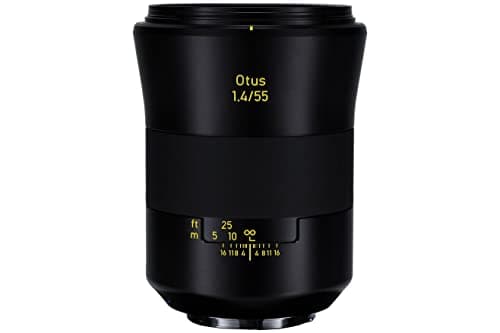
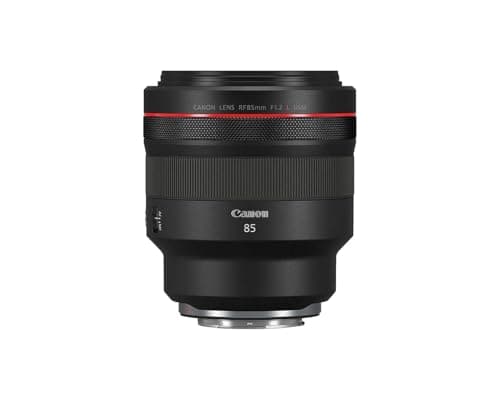
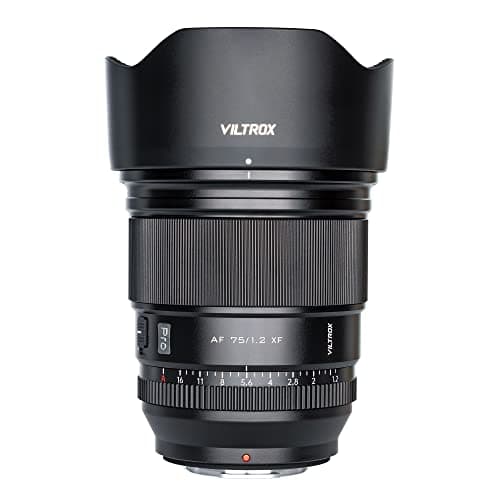
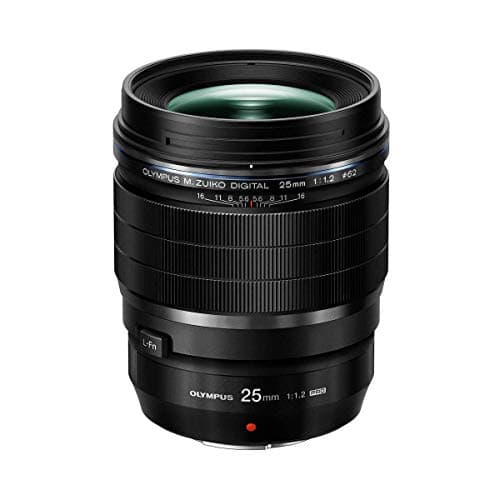
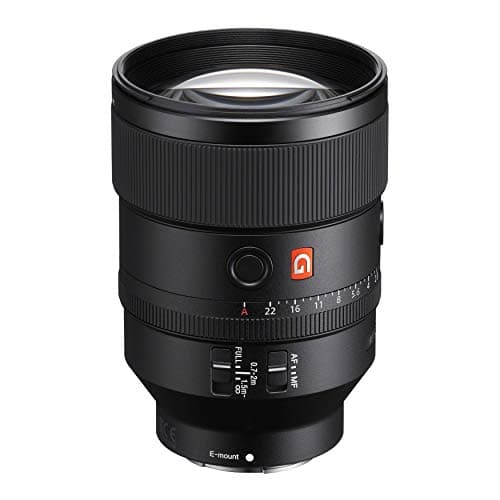
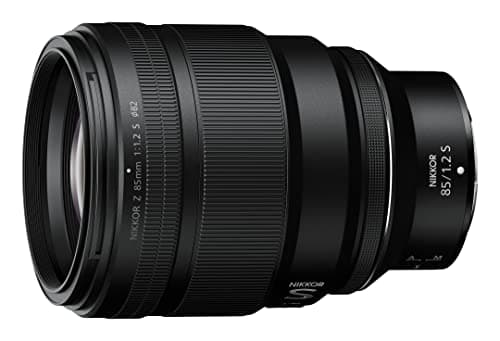
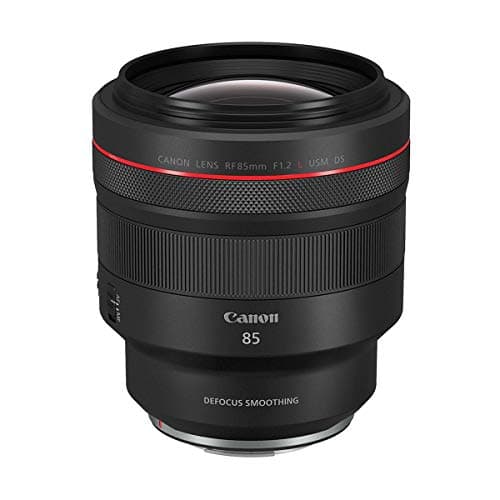
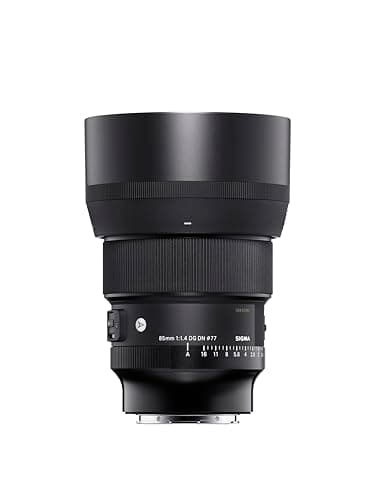
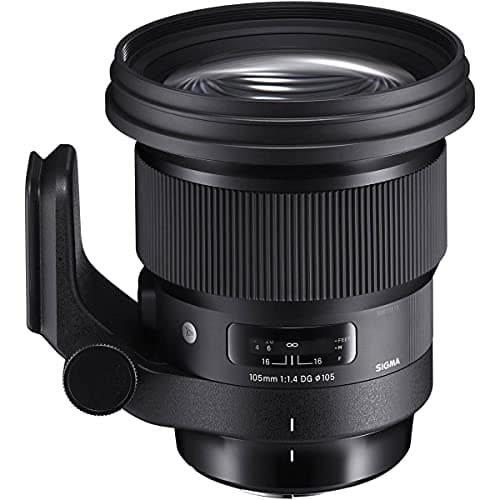
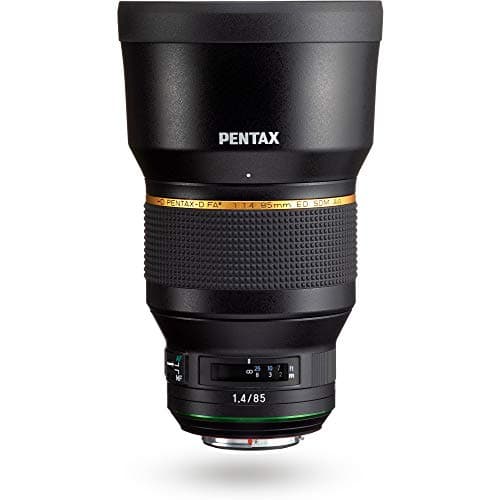
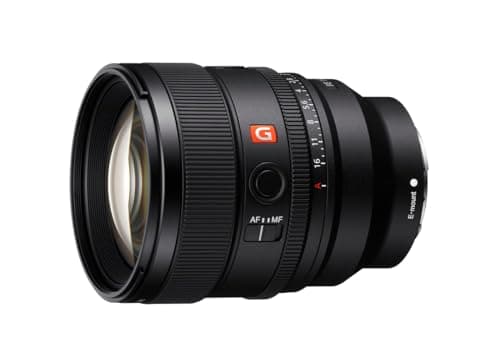
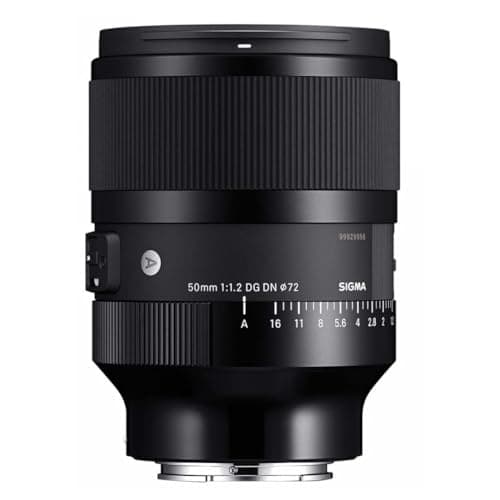
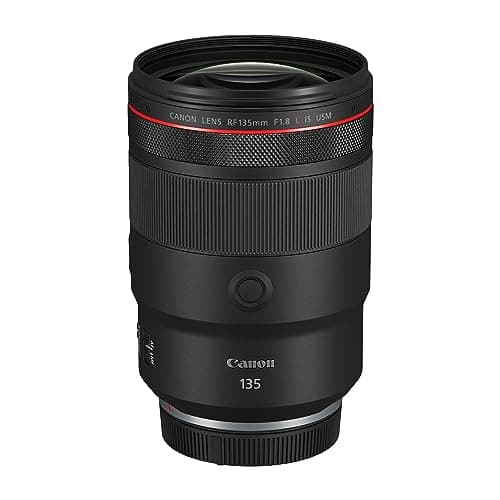
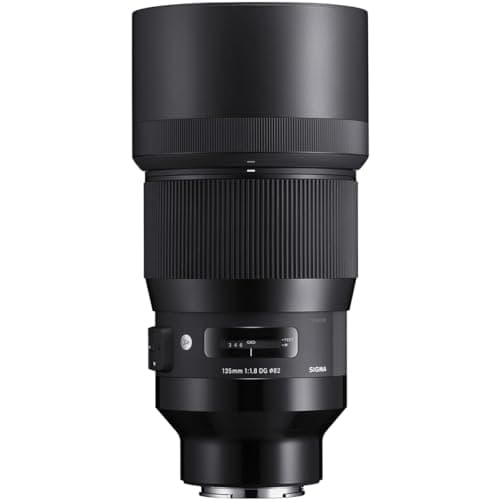
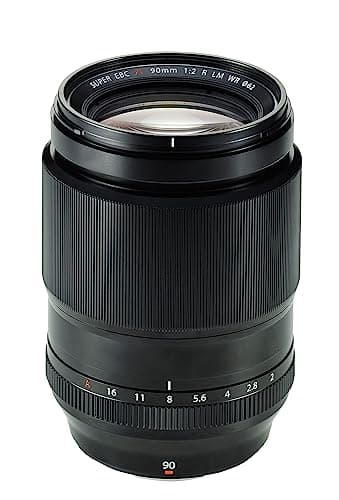
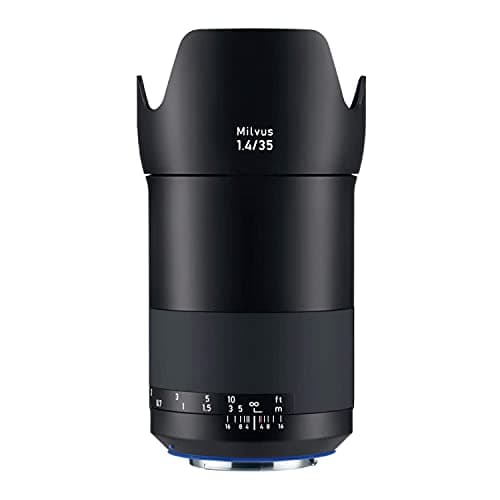
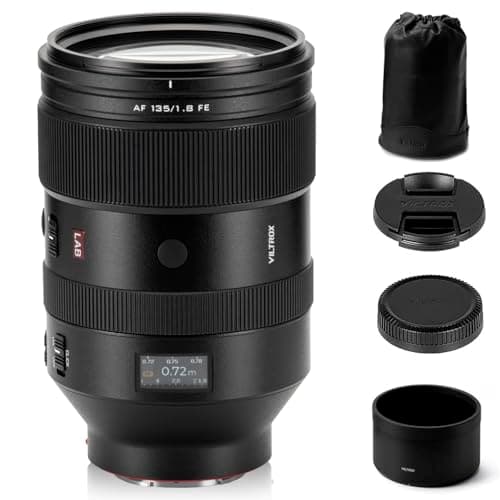
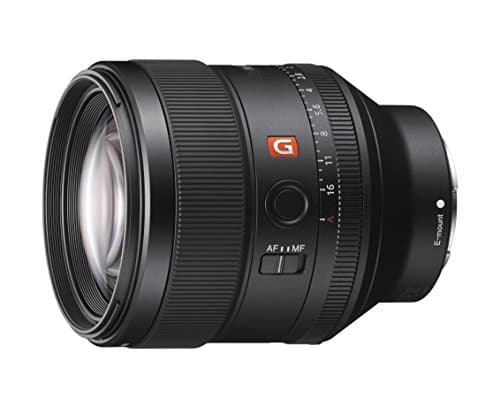
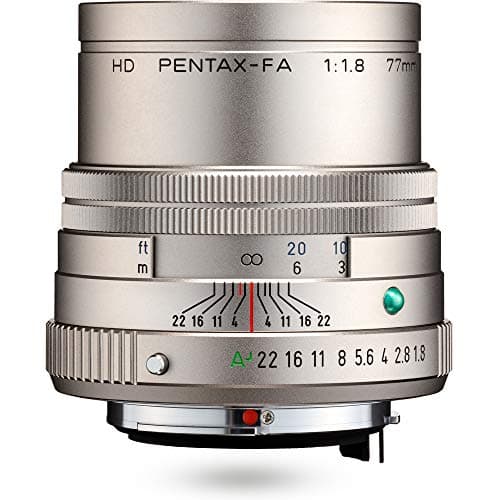
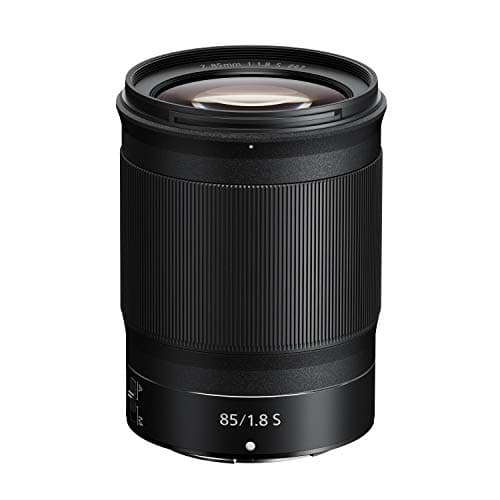
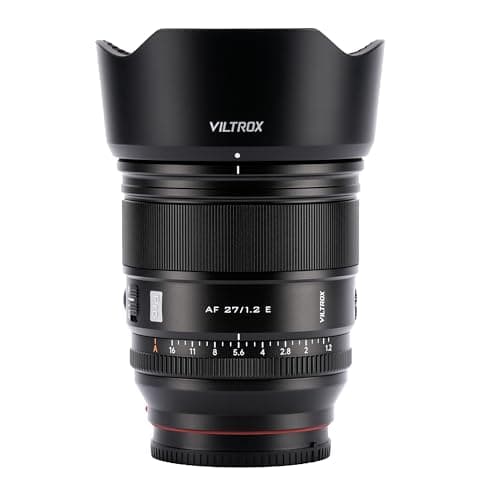
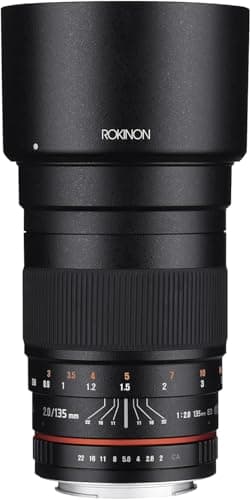
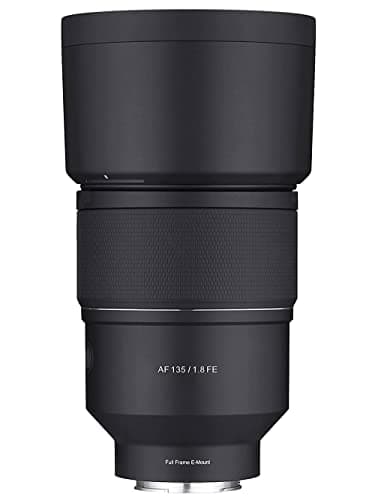
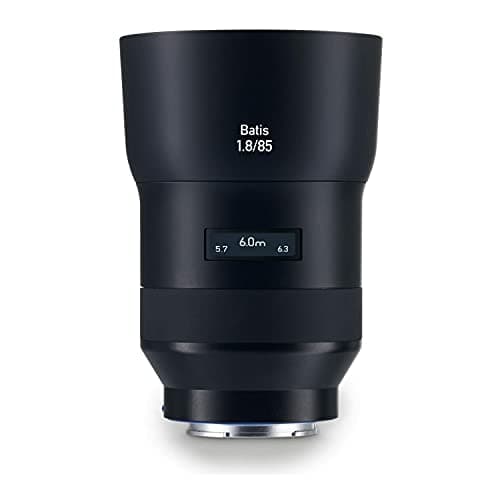
These are the best prime lenses for bokeh when you want creamy subject separation, smooth specular highlights, minimal onion-ring texture, and rendering that flatters skin—whether you’re shooting portraits, details, night streets, or cinematic product frames—and here’s what to look for as you buy: prioritize fast apertures (ƒ1.2–ƒ1.8 for portraits; ƒ2–ƒ2.8 for longer focal lengths), circular aperture blades that stay round stopped down, well-controlled longitudinal CA (to avoid green/magenta fringing in blur), gentle spherical aberration for “melt,” and reliable AF with quiet linear motors; character vs clinical matters—some lenses chase perfect “creamy” blur while others give swirl, bubble, or cat’s-eye vignetting—so pick your look. Full-frame bokeh heroes (clinical to luxurious): Sony FE 50mm ƒ1.2 GM (buttery, high-contrast pop), FE 85mm ƒ1.4 GM (plush portrait staple), FE 135mm ƒ1.8 GM (razor-sharp subject with velvet falloff), Sony FE 100mm ƒ2.8 STF GM OSS (apodization filter for velvety discs, transmission ~T5.6; unrivaled smoothness), Sigma DG DN Art: 85mm ƒ1.4, 105mm ƒ1.4 (“bokeh master” look), and 135mm ƒ1.8 (creamy compression), Nikon Z 85mm ƒ1.2 S (lux blur with tight cat’s-eye control), Z 135mm ƒ1.8 Plena (exceptional edge-to-edge roundness), Z 58mm ƒ0.95 Noct (manual, ethereal rendering), Canon RF 85mm ƒ1.2L (iconic cream with bite), RF 135mm ƒ1.8L IS (silky backgrounds, useful IS), RF 50mm ƒ1.2L (classic look), plus character specials like Voigtländer Nokton 40mm ƒ1.2/50mm ƒ1.2 and Zeiss Milvus/Otus 85mm ƒ1.4 for painterly transitions. APS-C primes that punch above their size: Sigma 56mm ƒ1.4 DC DN (legendary smoothness), Sigma 30mm/16mm ƒ1.4 DC DN (street and environmental blur), Sony E 35mm ƒ1.8 OSS and E 50mm ƒ1.8 OSS (clean, affordable), Sony E 15mm ƒ1.4 G for close-up bokeh at near-MFD, Fujifilm XF 56mm ƒ1.2 R WR (creamy portrait king), XF 50mm ƒ1.0 (gorgeous glow-to-bite), XF 90mm ƒ2 (tele compression with silk-smooth discs), and Viltrox 75mm ƒ1.2 Pro (modern, smooth transitions). Micro Four Thirds stunners: OM SYSTEM 45mm ƒ1.2 Pro and 25mm ƒ1.2 Pro (round discs, gentle falloff), Panasonic Leica 42.5mm ƒ1.2 Nocticron (luxury bokeh with stabilization), Olympus 75mm ƒ1.8 (tele blur in a tiny body). Macro and specialty for dreamy blur: Canon RF 100mm ƒ2.8L Macro IS with SA Control (dialable foreground/background softness), Sony FE 90mm ƒ2.8 Macro G OSS (creamy macro backgrounds), and Nikon 105mm ƒ2 DC / 135mm ƒ2 DC (classic Defocus Control for tunable blur). Vintage/character options when you want swirl or bubbles: Helios 44-2 58mm ƒ2 (swirly bokeh), Meyer-Optik Trioplan 100mm ƒ2.8 (soap-bubble highlights), and Pentax 50mm ƒ1.4 (gentle glow). Practical buyer tips: focal length changes the feel—85–135mm compresses and smooths backgrounds, 35–50mm gives context with more edge shape (keep faces central to avoid stretch); look for lenses with 9–11 rounded blades to keep discs round at ƒ2–ƒ2.8; apodization (STF/Apod) yields the smoothest discs but costs light—treat them like slower T-stops; aspherical elements can create onion rings in highlights—if that bugs you, pick designs with fewer molded aspherics in the bokeh path; cat’s-eye shapes at the frame edge come from mechanical vignetting—longer lenses and larger image circles keep discs rounder. Field technique for maximum cream: increase subject-to-background distance (2–4× the subject distance is a quick rule), get close—most “bokeh” is distance management, not just aperture—shoot near wide open and stop 1/3–2/3 stop for eyelash-sharp faces, place highlights behind the subject and avoid busy midground, and angle backgrounds so speculars stack pleasingly; for portraits, use 85–135mm and keep faces near the central third; for environmental blur at 35–50mm, back up slightly and keep edges clean; manage color fringing by exposing a touch lower in hard backlight and correcting LoCA in post; diffusion filters (Black Mist 1/8–1/4) can smooth transitions without wrecking detail; for video, set slow AF transition speeds and breathing compensation if your body supports it. Whether you’re crafting dreamy portraits, detail studies with creamy falloff, or cinematic night scenes, the best prime lenses for bokeh combine fast apertures, round diaphragms, controlled aberrations, and a rendering style you love—so subjects pop, highlights glow, and backgrounds melt exactly the way you imagined.
Lenses by brand:
Lenses by price:
Lenses by type:
Lenses by sensor:
Lenses by feature:
Lenses by use case:
Lenses by experience:
Cameras: