
10 Best Wide-Angle Lenses for Professionals in 2026
Filters:
* Product prices and availability are accurate as of the date/time indicated and are subject to change. Any price and availability information displayed on Amazon.com at the time of purchase will apply to the purchase of this product.
* Imaginated.com may receive compensation for purchases made at participating retailers linked on this site. This compensation does not affect what products or prices are displayed, or the order of prices listed. Learn more here.
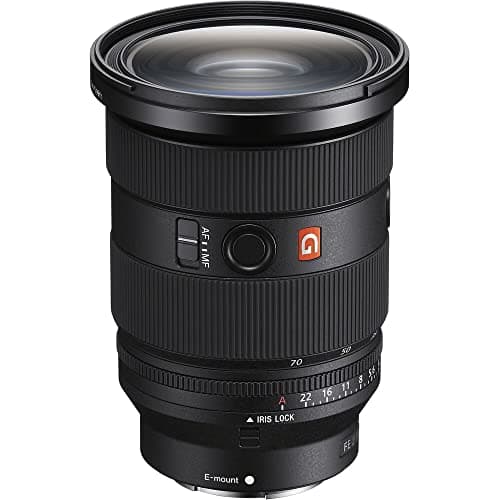
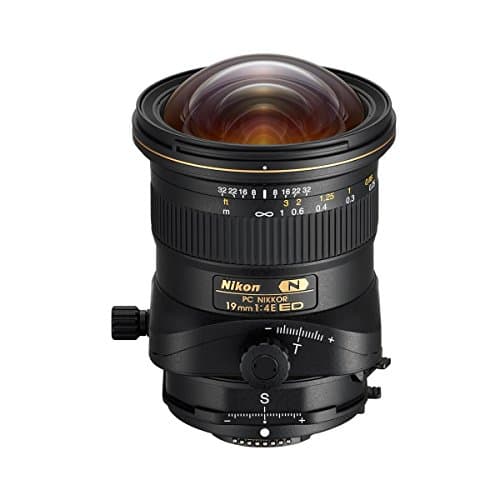
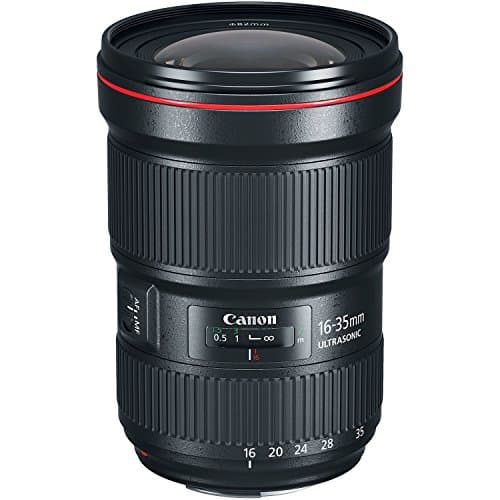
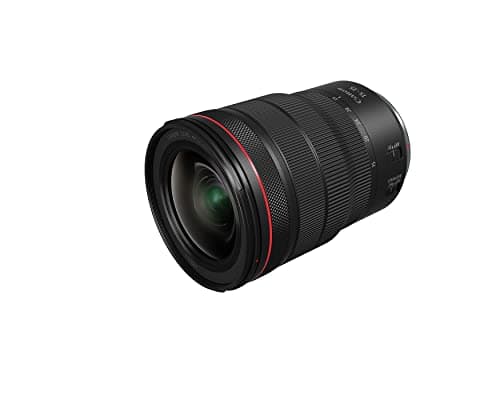
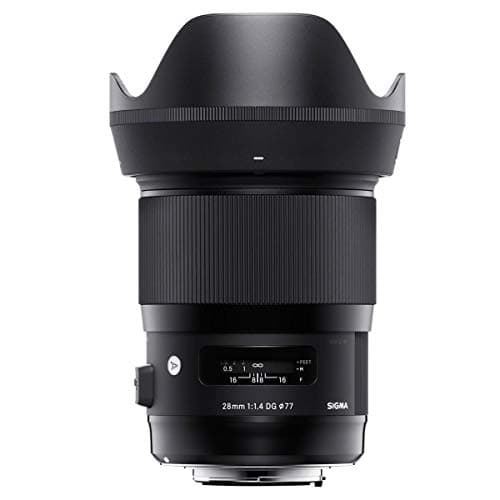
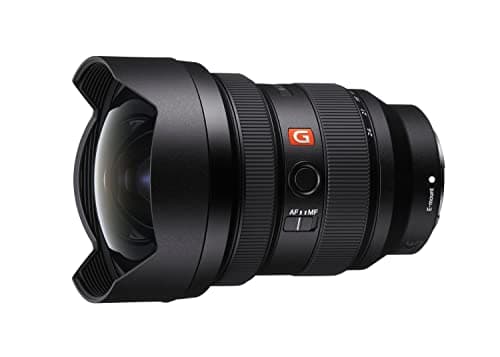
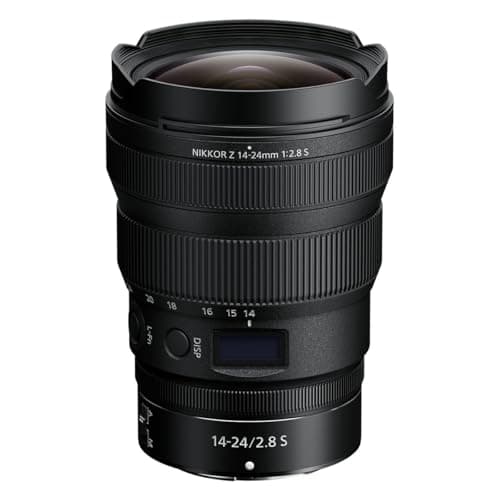
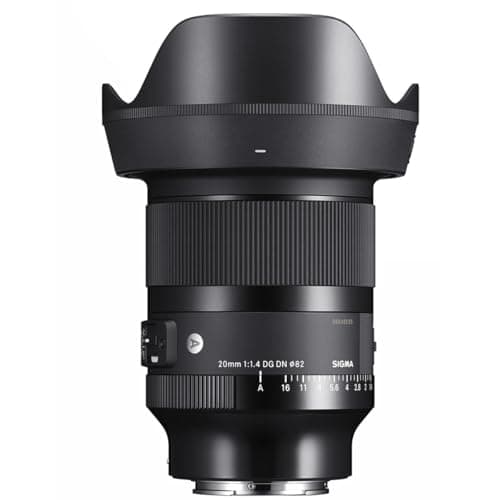
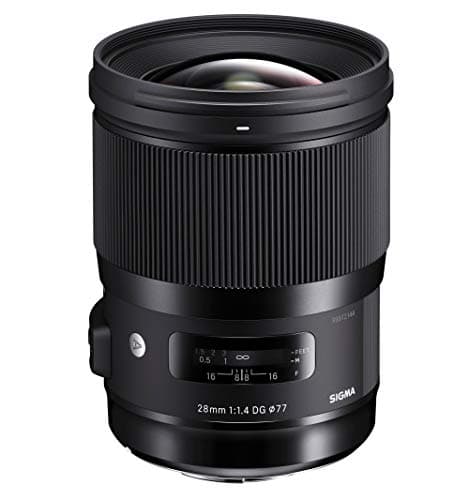
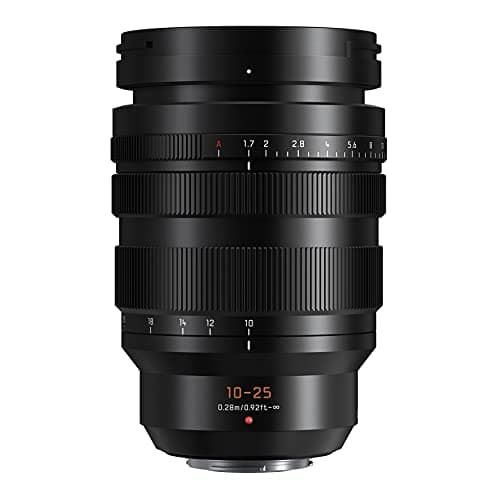
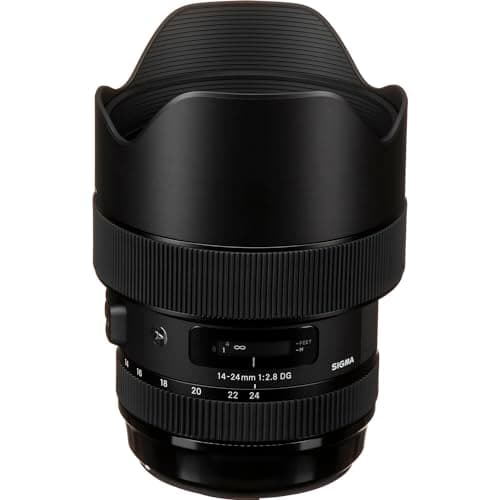
These are the best wide-angle lenses for professionals when you want uncompromising optical performance, fast and reliable AF, bulletproof weather sealing, disciplined distortion, and pro-ready handling—whether you’re shooting architecture and interiors, high-end editorial, sports sidelines, blue-hour city work, or cinema on gimbals and rigs—and here’s what to look for as you buy: prioritize rectilinear rendering with low wave/moustache distortion, high MTF in the corners at working apertures (ƒ4–ƒ11), coatings that crush veiling flare/ghosts around streetlights and sunstars, minimal focus breathing with camera-side compensation, internal focus (ideally internal zoom for gimbals), de-clickable or well-damped aperture rings, robust gaskets/hoods, reliable firmware support, and serviceability (rental network, turnaround, color-matching across copies); for line-perfect work add tilt/shift, for cine prefer consistent front diameters/gear positions, and standardize threads (82/77mm) or outer fronts (95/114mm) to share matte boxes and NDs. Full-frame zoom heroes that live on pro bodies: Sony FE 16–35mm ƒ2.8 GM II (class-leading sharpness, fast linear AF, breathing control, filter-friendly), Sony FE 12–24mm ƒ2.8 GM (ultra-wide sweep with disciplined edges; use rear gels/holders), Sony FE 16–35mm ƒ4 G PZ (internal power zoom, compact gimbal rig), Nikon Z 14–24mm ƒ2.8 S (benchmark sharpness/flare control with smart filter options), Nikon Z 17–28mm ƒ2.8 (lightweight event/editorial workhorse), Canon RF 15–35mm ƒ2.8L IS USM (sticky AF, robust sealing, excellent IS), Canon RF 14–35mm ƒ4L IS (compact, front threads for travel jobs), Sigma 14–24mm ƒ2.8 DG DN Art (pro value, consistent corners, great coatings), and Tamron 17–28mm ƒ2.8 / 20–40mm ƒ2.8 (featherweight pairs for long days). Prime heroes when you need speed, character, and corner confidence: Sony FE 14mm ƒ1.8 GM, FE 20mm ƒ1.8 G, and FE 24mm ƒ1.4 GM (all with superb micro-contrast and linear MF), Nikon Z 20mm ƒ1.8 S and Z 24mm ƒ1.8 S (neutral color, tidy edges), Canon RF 24mm ƒ1.8 Macro IS (0.5× for detail cutaways) and RF 16mm ƒ2.8 (pocket ultrawide backup), Sigma 20mm ƒ1.4 and 24mm ƒ1.4 DG DN Art (modern flare resistance, crisp wide open), and Laowa 15mm ƒ2 Zero-D / 12mm ƒ2.8 / 9mm ƒ5.6 for manual “straight-line” specialties and unique perspectives. Tilt/shift for precision and plane control: Canon TS-E 17mm ƒ4L and TS-E 24mm ƒ3.5L II, Nikon PC 19mm ƒ4E ED and PC-E 24mm ƒ3.5D, plus Laowa 15mm ƒ4.5 Shift and 20mm ƒ4 Shift—rise/fall to keep verticals parallel with less post-crop, tilt to align planes without deep diffraction. Cine-ready options when the job needs gears and T-stops: Sony FE C 16–35mm T3.1 G (cine housing, smooth iris/zoom/focus), Canon CN-E 14mm T3.1 and CN-E 24mm T1.5 (consistent color, geared barrels), Sigma Cine 14mm T2 / 20mm T1.5 / 24mm T1.5 (PL/EF/L with matched mechanics), Zeiss CP.3 15mm T2.9 / 21mm T2.9 (lightweight, consistent fronts), and high-end sets like ARRI Signature Prime 18mm T1.8 or Zeiss Supreme 18/21 T1.5 when budget and rental support allow. APS-C and Micro Four Thirds for pro B-cams and travel units: Sony E PZ 10–20mm ƒ4 (internal PZ, perfect gimbal glass), Sigma 10–18mm ƒ2.8 DC DN (tiny, fast, sharp), Fujifilm XF 10–24mm ƒ4 R OIS WR and XF 8–16mm ƒ2.8 (stabilized, weather-sealed), OM SYSTEM 8–25mm ƒ4 Pro / 7–14mm ƒ2.8 Pro and Panasonic 8–18mm ƒ2.8–4 (filter-friendly, robust), plus Panasonic Leica 10–25mm ƒ1.7 (cine-like controls, matched color with Leica zooms). Practical buyer tips: standardize front diameters to one high-quality VND and diffusion; for bulbous ultrawides, invest in proven square systems or rear gels; match lens sets for color and contrast (Sigma Art or Zeiss sets keep grading simple); confirm breathing compensation support on body; favor lenses with strong service networks and rental availability for backups; for EF/PL workflows, drop-in ND adapters (e.g., EF-to-RF with variable ND) speed day-to-night transitions; keep firmware current and carry identical spares to minimize copy variation. Field technique that keeps pro deliverables clean and on time: keep the camera roughly level to avoid unintentional stretch; favor 20–28mm for natural proportions and drop to 14–18mm only for deliberate drama or tiny spaces; stop 1/3–2/3 stop down from wide open for “edges snap” without losing speed; for long exposures, use solid 3–10 stop NDs, disable IBIS/IS on tripods, close viewfinders to prevent leaks, and shield the front element; for panos, lock exposure/WB, rotate around the entrance pupil, and leave ample overlap; for video, run a 180° shutter and control exposure with ND, set slow AF transition speeds for documentary pulls, and balance gimbals with internal-focus glass; maintain a rain kit, silica packs, and sensor/lens cleaning protocol, and log lens metadata for repeatability across multi-day shoots. Whether you’re delivering ad campaigns, architectural sets, broadcast packages, or cinematic docs, the best wide-angle lenses for professionals combine low distortion, corner-to-corner confidence, cine-friendly behavior, and a rock-solid support ecosystem—so your images stay sharp, truthful, and consistent under real-world pressure.
Lenses by brand:
Lenses by price:
Lenses by type:
Lenses by sensor:
Lenses by feature:
Lenses by use case:
Lenses by experience:
Cameras: