
10 Best Wide-Angle Lenses for Beginners in 2026
Filters:
-primary-image.jpg&w=3840&q=75)
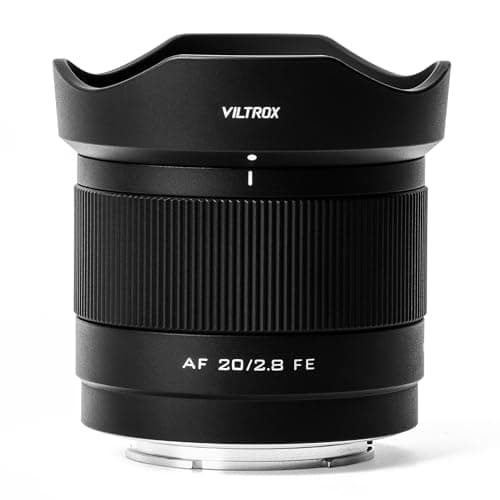
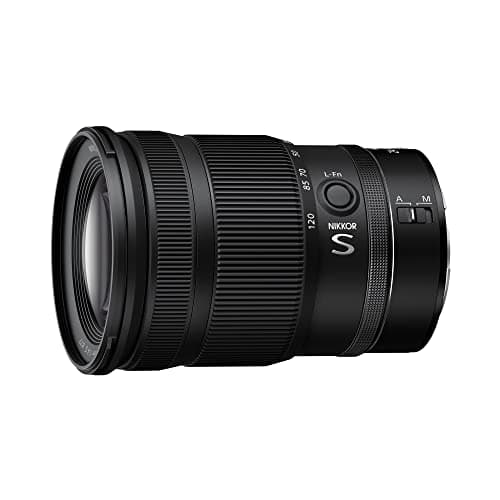
* Product prices and availability are accurate as of the date/time indicated and are subject to change. Any price and availability information displayed on Amazon.com at the time of purchase will apply to the purchase of this product.
* Imaginated.com may receive compensation for purchases made at participating retailers linked on this site. This compensation does not affect what products or prices are displayed, or the order of prices listed. Learn more here.
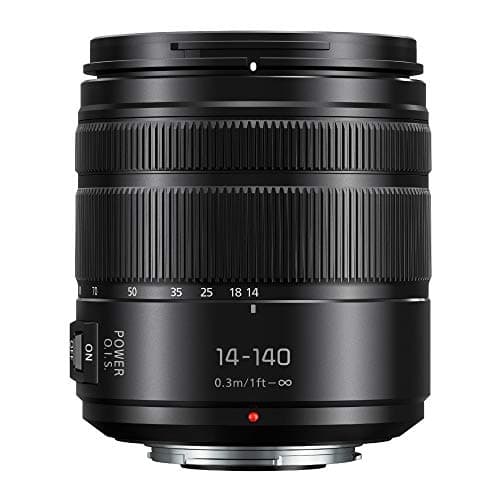
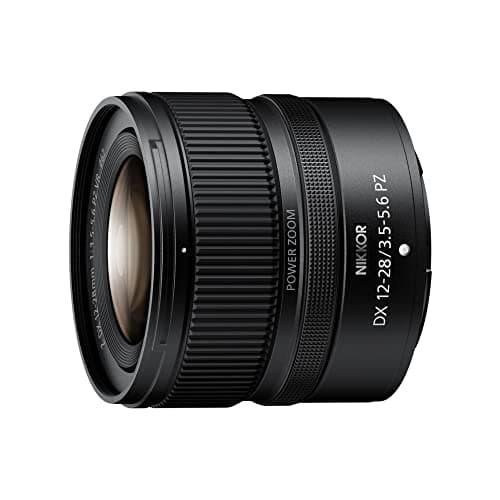
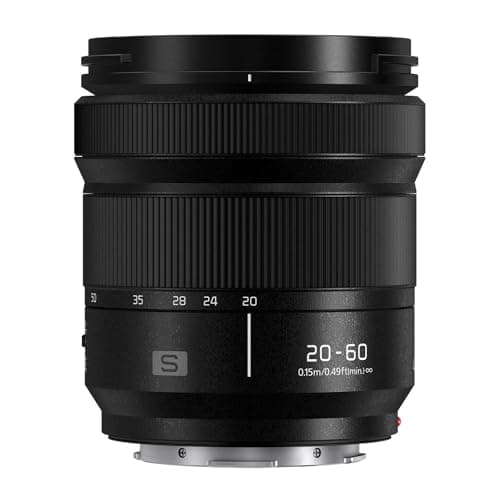
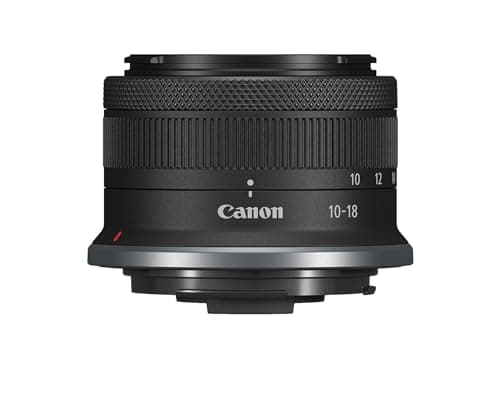
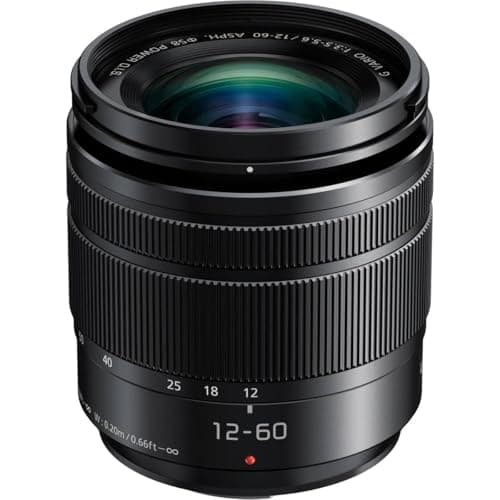
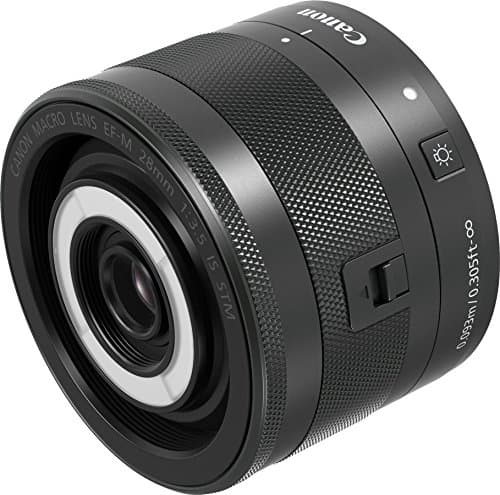
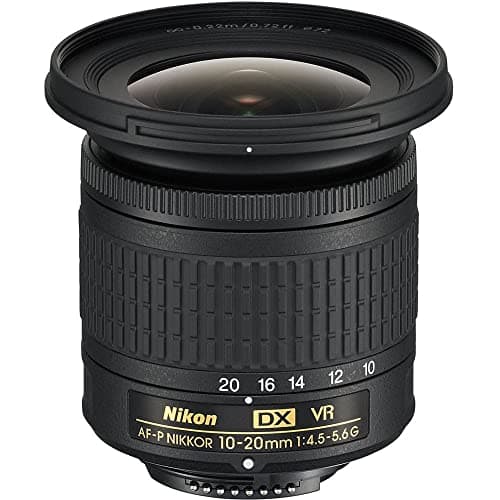
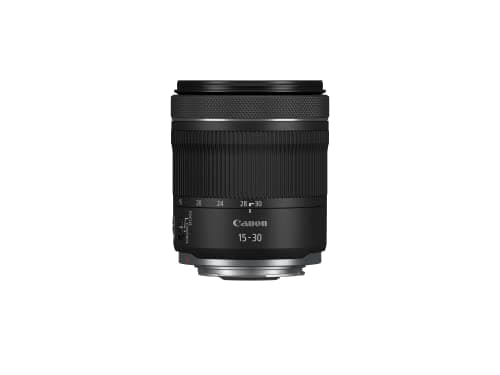
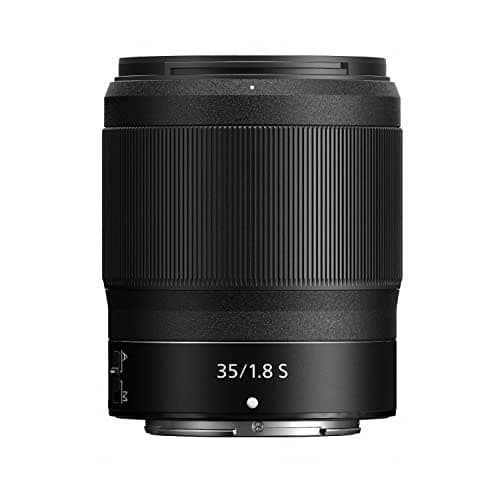
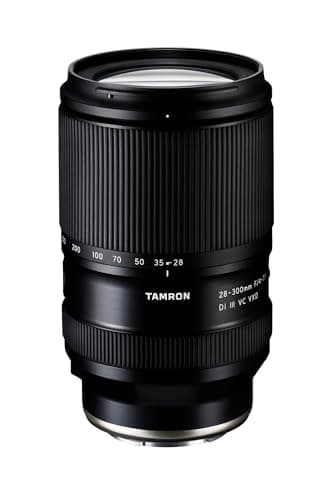
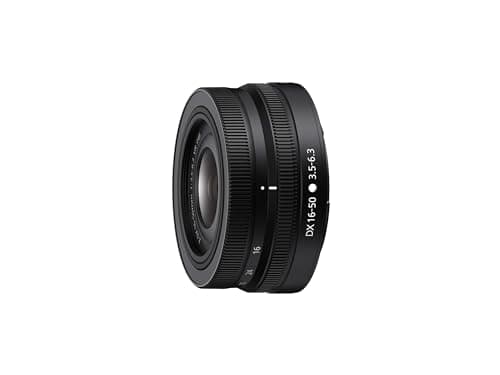
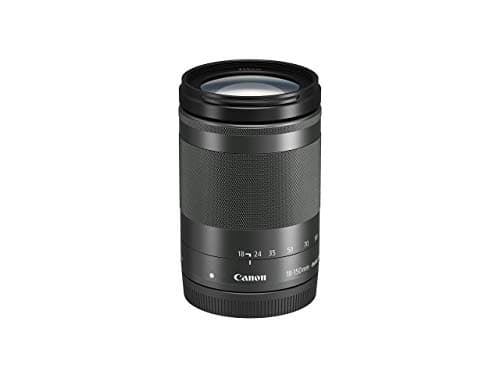
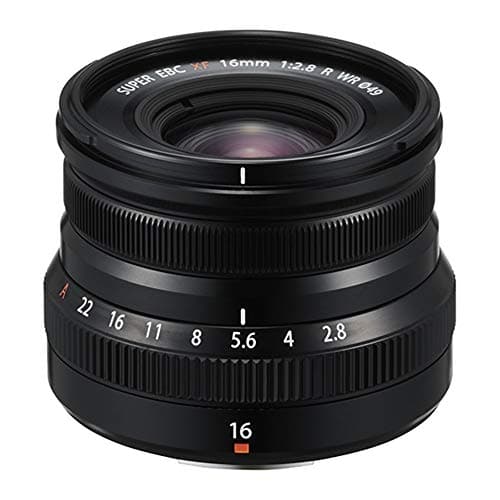
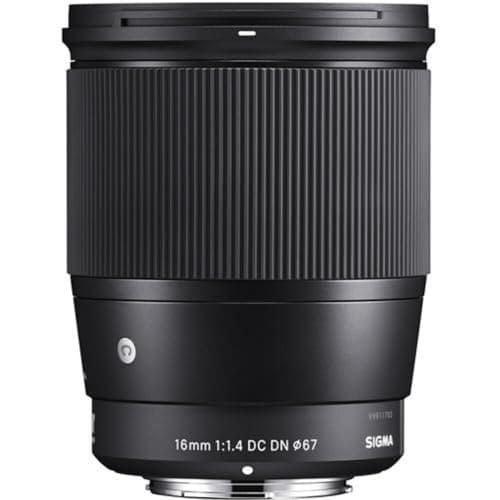
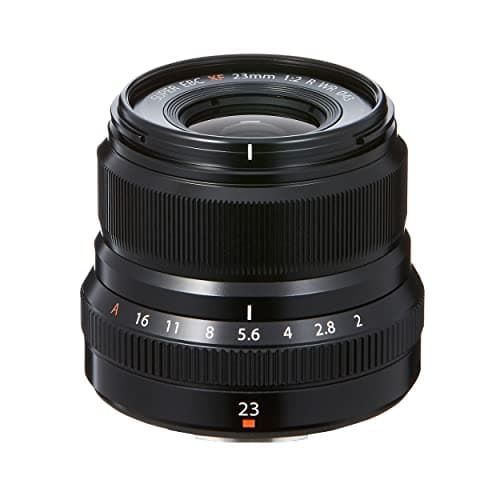
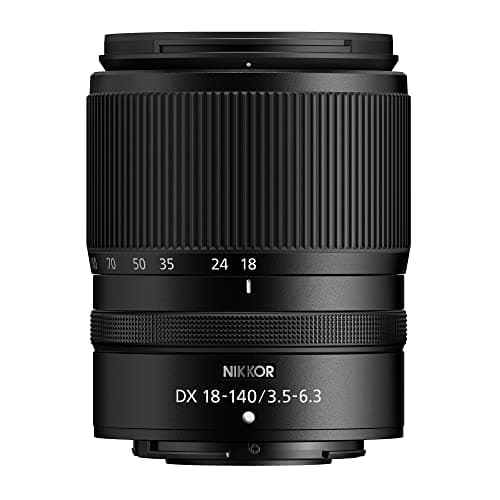
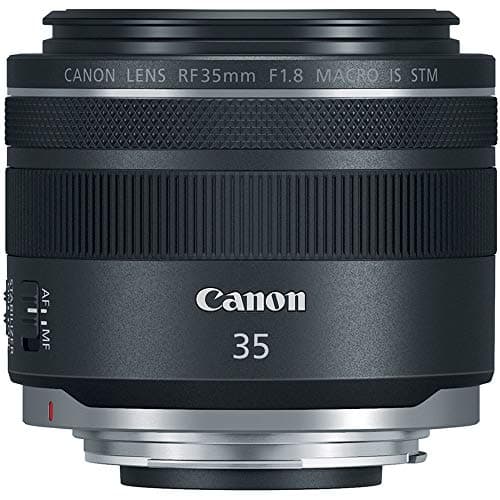
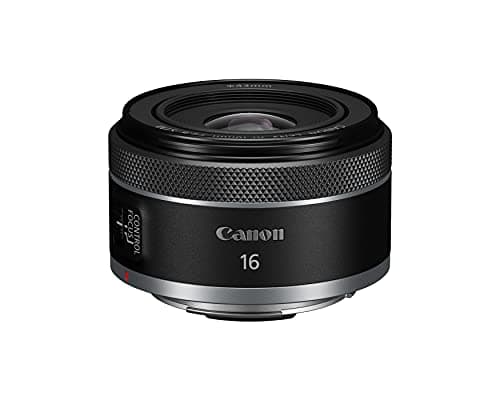
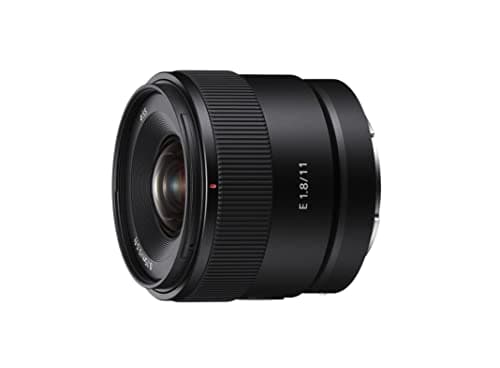
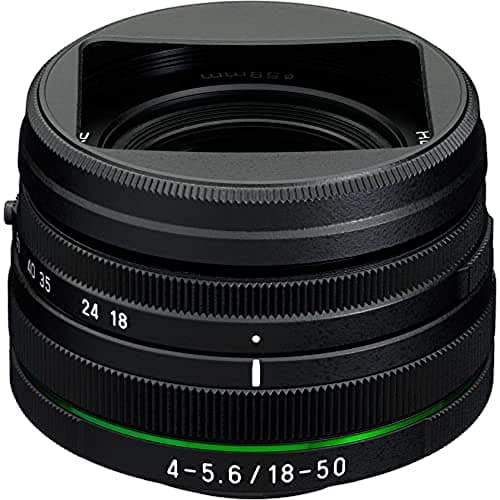
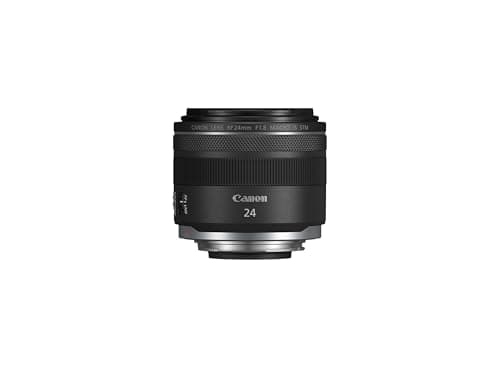
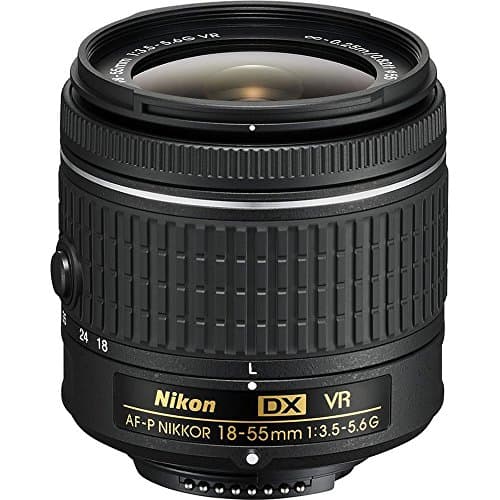
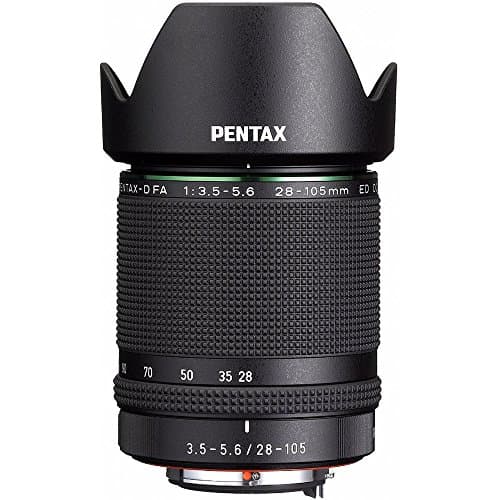
These are the best wide-angle lenses for beginners when you want straightforward handling, reliable autofocus, honest geometry, and great value—whether you’re shooting travel scenes, small rooms, street moments, landscapes, or night city— and here’s what to look for as you buy: prioritize compact size and weight (you’ll carry it more), rectilinear rendering with low distortion, stabilization strategy (lens IS/OSS or IBIS in body), strong performance at practical apertures (ƒ4–ƒ8), simple filter use (49–82mm front threads for one VND/CPL), close-focus for details, and quiet AF if you film; for your first wide, a light zoom that starts at ~10–16mm (APS-C) or ~14–20mm (full-frame) is the easiest to learn on, and a small prime (20–24–35mm) adds low-light and subject separation. Full-frame beginner-friendly zooms and primes: Sony FE 20–70mm ƒ4 G (do-it-all travel starter that begins truly wide), Sony FE 16–35mm ƒ4 G PZ (light, filter-friendly, smooth AF), Tamron 20–40mm ƒ2.8 (compact with useful speed), Sigma 16–28mm ƒ2.8 DG DN (tiny, sharp, great value), Sony FE 28mm ƒ2 or FE 20mm ƒ1.8 G (simple primes with threads), Nikon Z 14–30mm ƒ4 S (filter-capable, travel-tough), Nikon Z 17–28mm ƒ2.8 (light with extra speed), Z 20mm ƒ1.8 S (clean, confidence-building prime), Canon RF 14–35mm ƒ4L IS (compact, stabilized), Canon RF 15–30mm ƒ4.5–6.3 IS (budget travel zoom), RF 16mm ƒ2.8 (pocket ultrawide) and RF 24mm ƒ1.8 Macro IS (close-focus, versatile). APS-C beginner standouts (small, affordable, easy): Sony E PZ 10–20mm ƒ4 (internal power zoom—perfect first wide), Sigma 10–18mm ƒ2.8 DC DN (tiny fast zoom for Sony/Fuji/Canon), Sony E 11mm ƒ1.8 and E 15mm ƒ1.4 G (bright primes with threads), Sony E 16–50mm kit zoom (learn composition; add a prime later), Fujifilm XF 10–24mm ƒ4 R OIS WR (stabilized, weather-sealed starter), XF 16mm ƒ2.8 WR (budget pancake vibe), Canon RF-S 10–18mm (compact, travel-friendly), Sigma 16mm ƒ1.4 DC DN (legendary value for low light) and Samyang 12mm ƒ2 (ultrawide on a budget). Micro Four Thirds picks that disappear in a bag: OM SYSTEM 9–18mm ƒ4–5.6 (light, affordable ultrawide), 8–25mm ƒ4 Pro (one-lens wide-to-normal), Panasonic 8–18mm ƒ2.8–4 (filter-friendly, crisp), and Laowa 7.5mm ƒ2 (tiny prime for night/travel). Practical buyer tips: choose one lens that fits most of your shooting—travel/city = light ƒ4 zoom; small interiors = ultrawide that takes front filters; night scenes = a bright 20–24mm prime; standardize front diameters if you can (one VND/CPL saves money); skip heavy pro glass at first—lighter lenses boost your keeper rate; if your camera lacks IBIS, stabilized lenses help for dusk/dawn. Field technique that builds skill fast: keep the camera roughly level to avoid stretched edges, favor 20–28mm for natural people and 14–18mm only for tight spaces or dramatic lines; get close to add foreground interest (tiles, rails, flowers) and place it near the central third; start in Aperture Priority at ƒ5.6–ƒ8 with Auto-ISO and a sensible minimum shutter (1/125s for people, 1/30–1/60s for static scenes with stabilization), then review at 100% to see corner sharpness; learn your lens’s “sweet spot” (often 1/3–2/3 stop down from wide open) and how far you can handhold; use a small VND for blur (water/traffic), a CPL sparingly to tame window glare, and bracket exposure ±2 EV in high-contrast scenes; for video, lock a 180° shutter and use ND—practice slow, level moves and let stabilization do the rest. Whether you’re discovering new cities, photographing your home, chasing sunsets, or filming day-in-the-life clips, the best wide-angle lenses for beginners combine low distortion, compact builds, simple filtering, and reliable AF—so learning feels easy, your lines stay clean, and your pictures look great right away.
Lenses by brand:
Lenses by price:
Lenses by type:
Lenses by sensor:
Lenses by feature:
Lenses by use case:
Lenses by experience:
Cameras: