
10 Best Telephoto Lenses for Professionals in 2026
Filters:
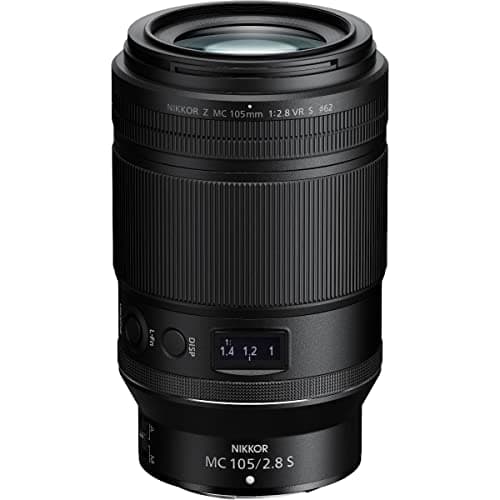
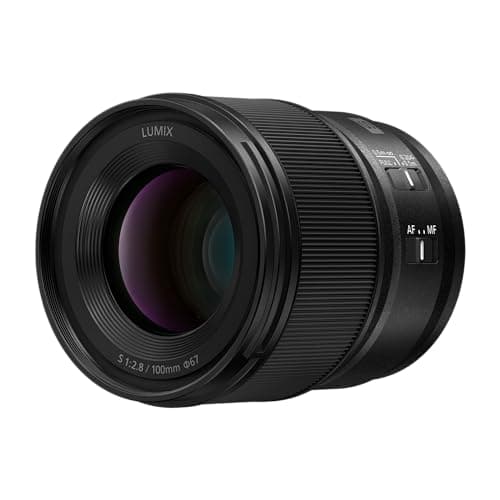
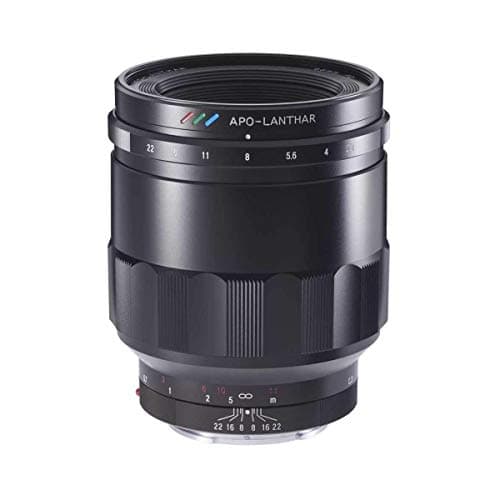
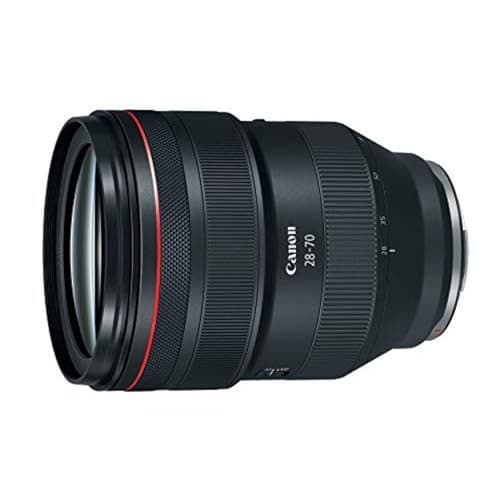
* Product prices and availability are accurate as of the date/time indicated and are subject to change. Any price and availability information displayed on Amazon.com at the time of purchase will apply to the purchase of this product.
* Imaginated.com may receive compensation for purchases made at participating retailers linked on this site. This compensation does not affect what products or prices are displayed, or the order of prices listed. Learn more here.
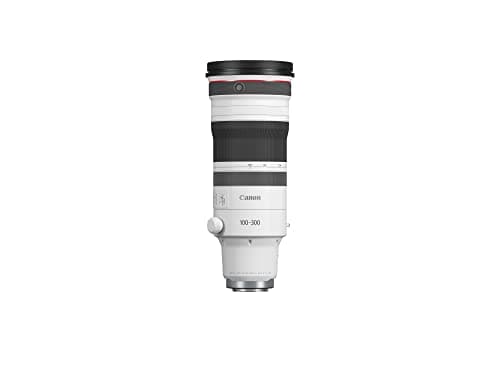
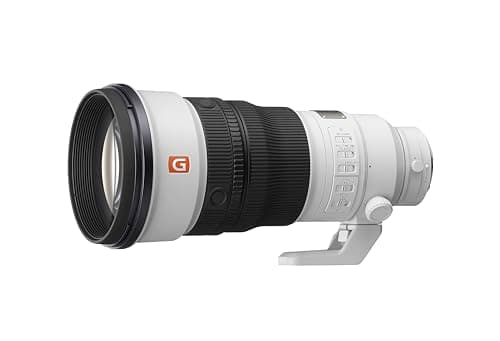
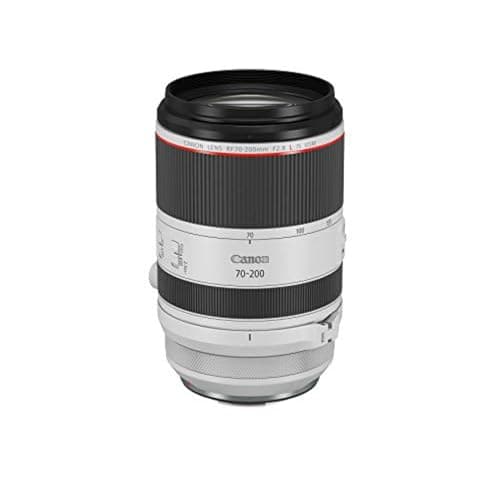
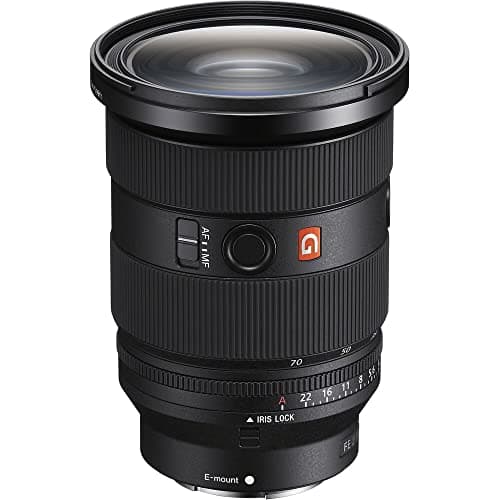
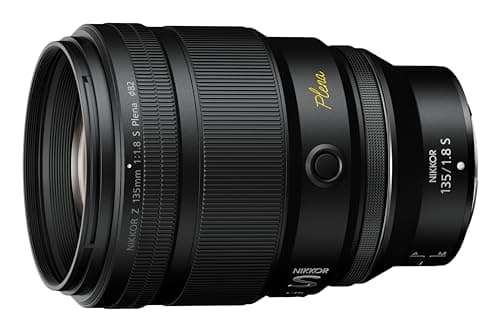
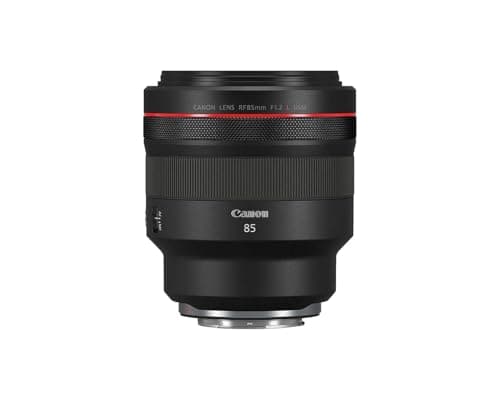
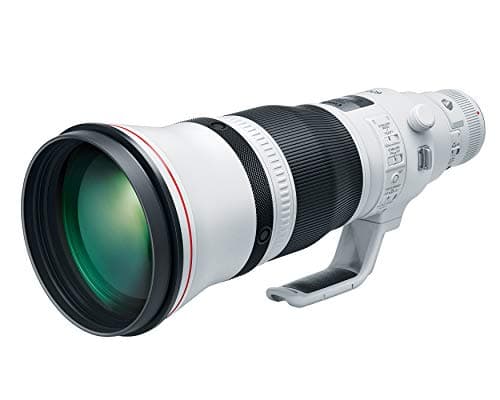
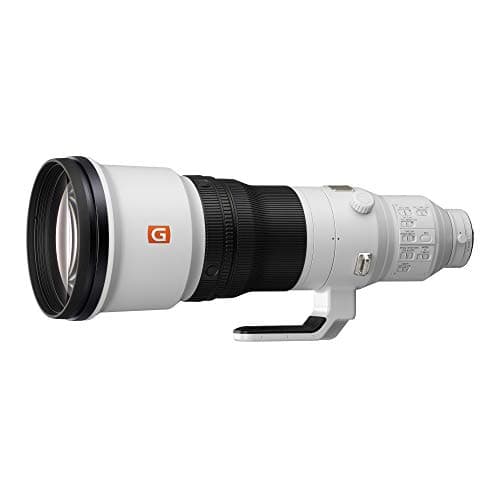
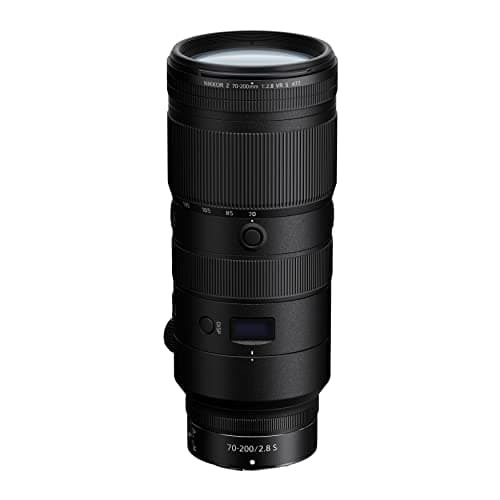
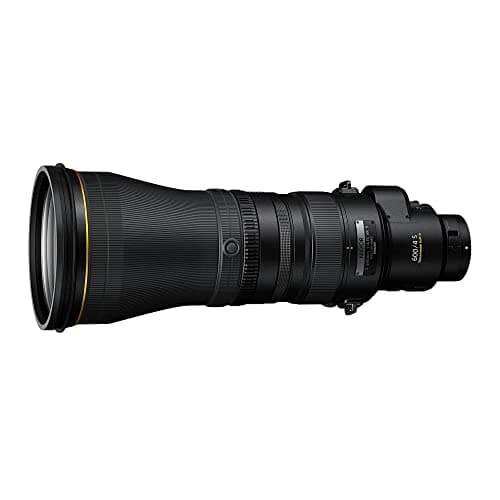
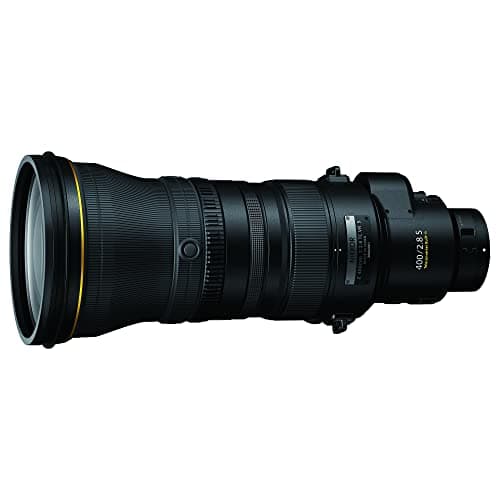
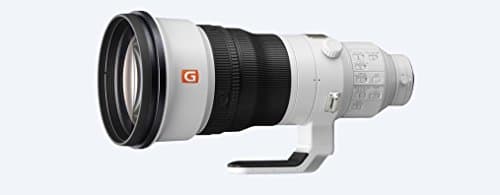
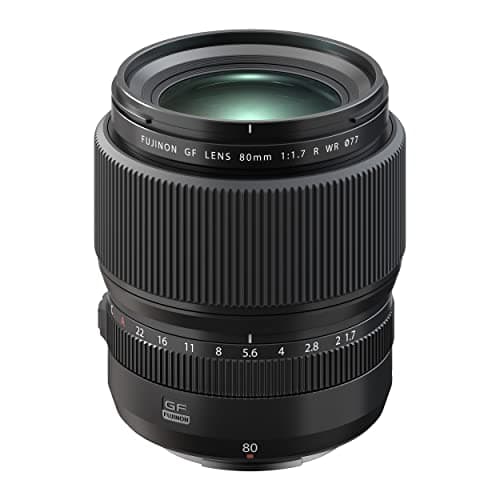
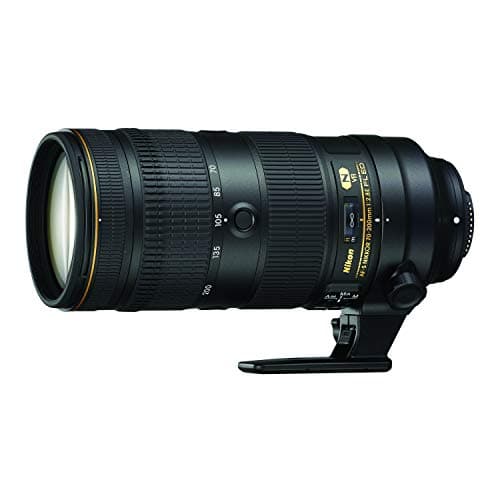
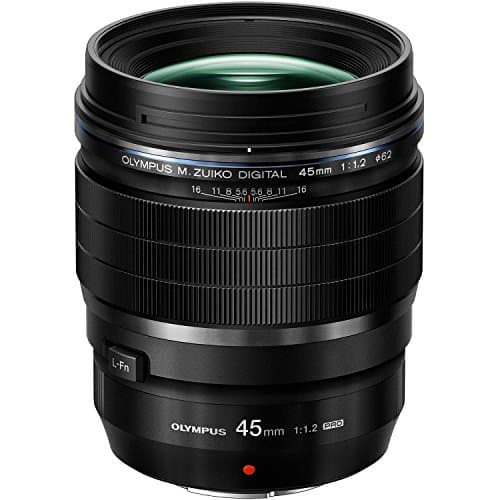
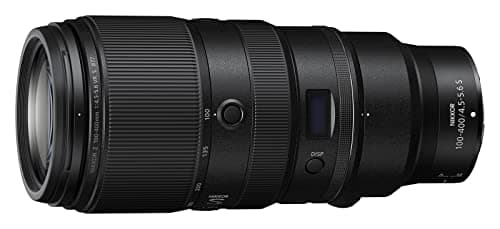
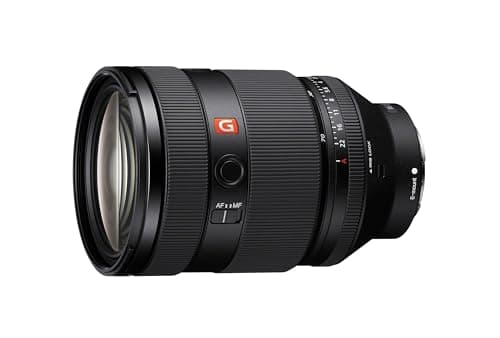
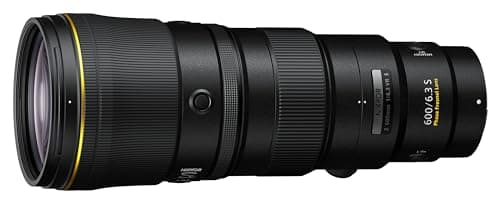
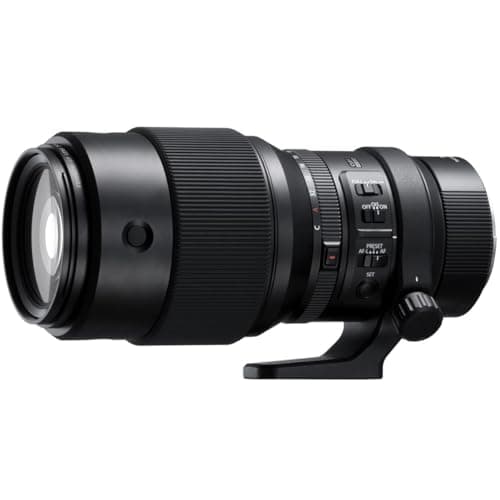
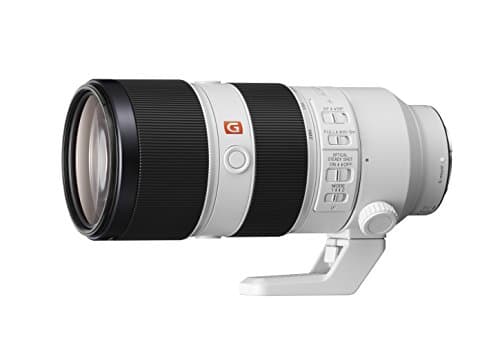
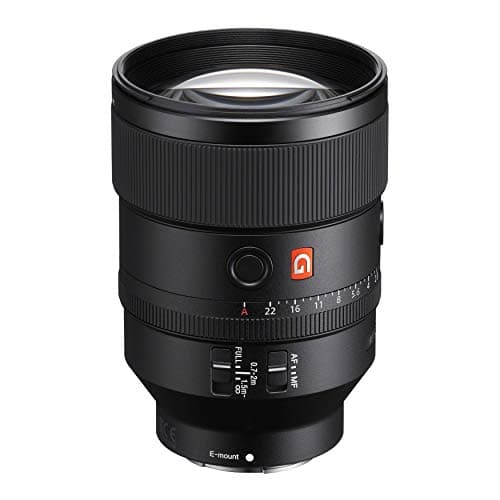
These are the best telephoto lenses for professionals when you want ruthless AF consistency, uncompromising long-end sharpness, robust sealing, and predictable color/contrast for sports, wildlife, editorial, fashion, concerts, and cinematic work—without excuses—and here’s what to look for as you buy: flagship linear/USM/LM motors with smart focus limiters, stabilization that plays cleanly with IBIS (sync/dual modes), internal zoom or rock-solid collars for balance, teleconverter compatibility with minimal AF/MTF penalties, disciplined LoCA/coma control for point lights and chrome, minimal breathing for video, matched color across your set, and serviceable pro construction (fluorine front, gasketed controls, magnesium/carbon barrels). Full-frame pro zoom staples: Sony FE 70–200mm ƒ2.8 GM II (class-leading AF, light, macro-ish close focus), FE 100–400mm GM (fast AF, TC-friendly, disciplined long end), FE 200–600mm G (internal zoom, tracking monster); Canon RF 70–200mm ƒ2.8L IS (tiny for class, superb IS), RF 100–500mm ƒ4.5–7.1L IS (versatile with 1.4×/2× at the long end), RF 200–500mm ƒ4L IS (elite speed + reach for night fields/sidelines); Nikon Z 70–200mm ƒ2.8 S (razor optics/VR), Z 100–400mm ƒ4.5–5.6 S (fast, TC-ready), Z 180–600mm ƒ5.6–6.3 (internal zoom, weather-tough), and Panasonic S 70–200mm ƒ2.8 OIS / S 70–300mm OIS (Dual I.S. precision) plus Sigma 100–400mm DG DN OS and 150–600mm DG DN Sports for L-mount crews needing long, reliable reach. Prime speed and reach for decisive work: Sony FE 300mm ƒ2.8 GM, 400mm ƒ2.8 GM, 600mm ƒ4 GM (sideline and BIF standards), FE 135mm ƒ1.8 GM (fashion/editorial hero); Canon RF 300mm ƒ2.8 L IS, RF 400mm ƒ2.8 L IS, RF 600mm ƒ4 L IS (flagship AF + IS), RF 135mm ƒ1.8L IS (stabilized portrait beast); Nikon Z 400mm ƒ2.8 TC VR S and 600mm ƒ4 TC VR S (built-in 1.4×, stunning AF/MTF), Z 400mm ƒ4.5 VR S and 600mm ƒ6.3 VR S (featherweight PF-style primes for long hikes); Sigma 500mm ƒ5.6 DG DN (remarkably light prime with pro bite). APS-C/Micro Four Thirds pro picks (when weight/size dictate): Fujifilm XF 50–140mm ƒ2.8 OIS (workhorse), XF 100–400mm ƒ4.5–5.6 OIS and XF 150–600mm ƒ5.6–8 OIS (TC-ready reach), Sony E 70–350mm ƒ4.5–6.3 G OSS (trackable long end for small rigs), Nikon Z DX 50–250mm VR for second bodies with FX glass on the main, OM SYSTEM 40–150mm ƒ2.8 PRO / ƒ4 PRO (weather-sealed, crisp), M.Zuiko 300mm ƒ4 IS PRO and 150–400mm ƒ4.5 PRO IS (integrated TC, Sync IS, elite portability). Practical buyer tips: build a two-lens backbone—70–200mm ƒ2.8 + 100–400/180–600 for events, sports, and wildlife—and add a fast prime (135/1.8 or 300/2.8) for signature looks; favor internal-zoom designs (Sony 200–600, Nikon 180–600) for wind/dust and vehicle/gimbal balance; standardize front diameters across teams for one VND/CPL/diffusion set and faster rig swaps; confirm TC pairings (1.4×/2×) and AF performance on your bodies; keep firmware fresh for AF/breathing-comp updates; used EF/F 300/2.8, 400/2.8, and 100–400 II remain budget-savvy pro tools on adapters with minimal compromise. Pro tele shooting tips: run AF-C with subject/eye/vehicle/bird detect and a limiter, pre-focus to lanes or perches, keep shutters honest (≈1/1000–1/2000s for field sports/BIF; 1/250–1/500s for people), shoot near wide open then close 1/3–2/3 stop for eyelash-sharp bite, brace with a monopod/beanbag and fire controlled bursts to beat micro-shake, watch heat shimmer at long distances (closer vantage > more zoom), use deep hoods and slight angles for flare discipline, and maintain consistent color (custom Kelvin/LUT) across multi-cam sets; for video, follow the 180° rule, enable breathing compensation, prefer lenses that hold focus through zoom, and balance rigs with collars/rails; whether you’re chasing championship plays, tracking raptors at dawn, carving skyline layers, or crafting luxury campaigns, the best professional telephoto lenses combine surgical AF, weather-tough build, and long-end integrity—so your images stay sharp, steady, and unmistakably premium under any pressure.
Lenses by brand:
Lenses by price:
Lenses by type:
Lenses by sensor:
Lenses by feature:
Lenses by use case:
Lenses by experience:
Cameras: