
Best Wide-Angle Lenses with Low Light in 2026
Filters:
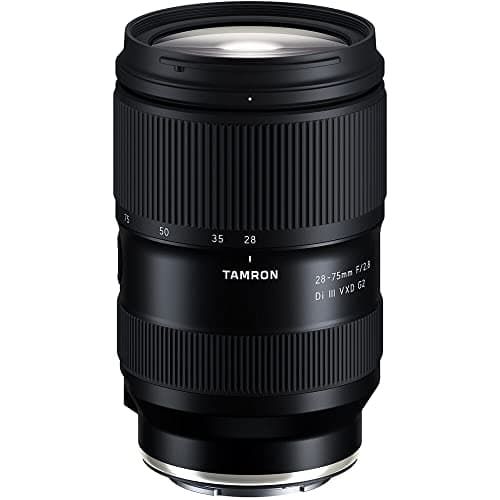
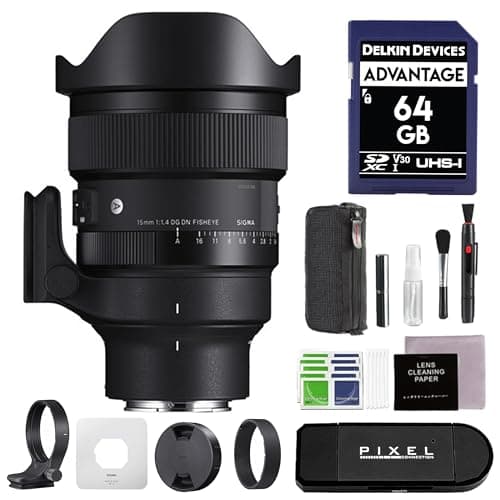
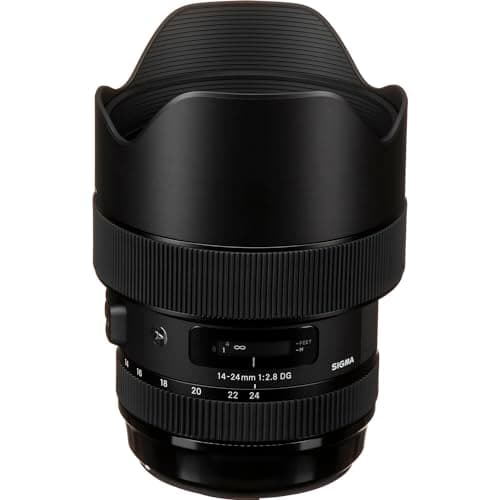
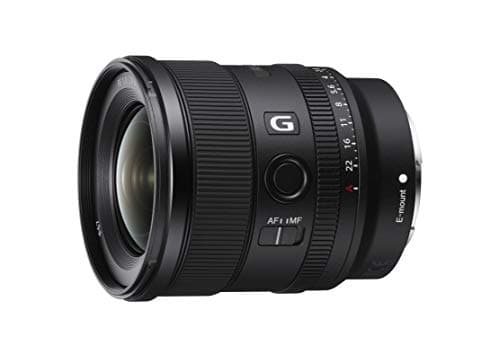
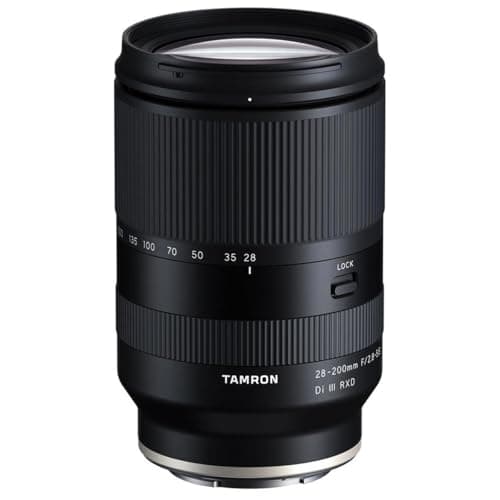
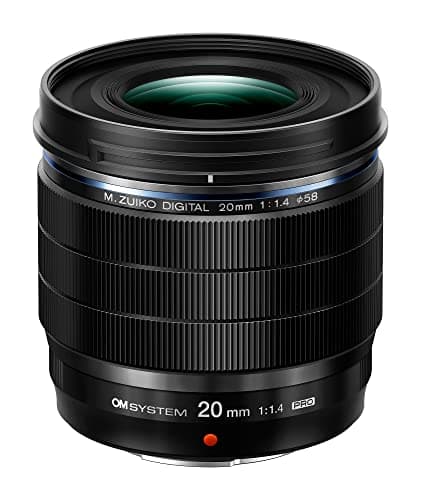
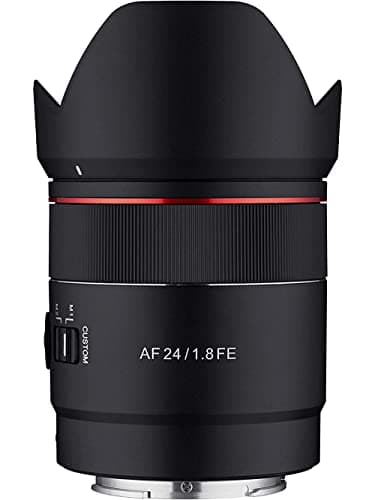
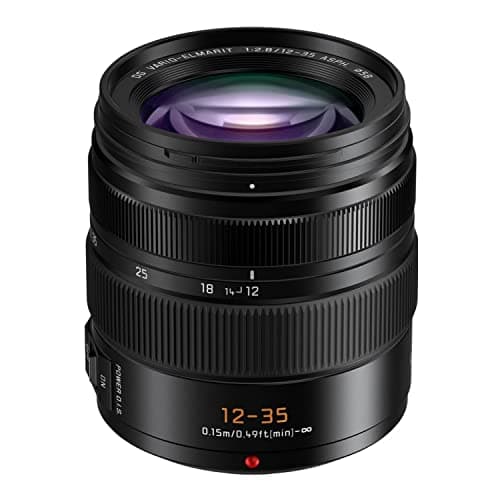
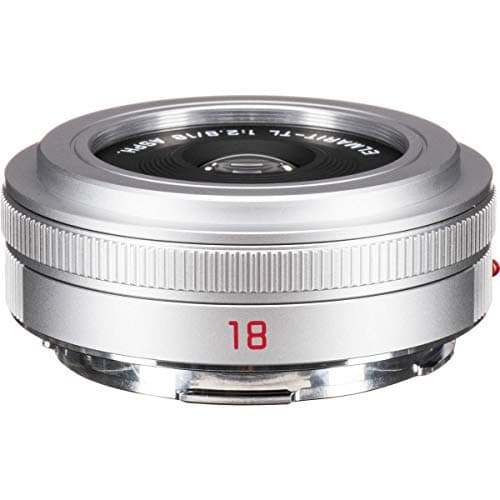
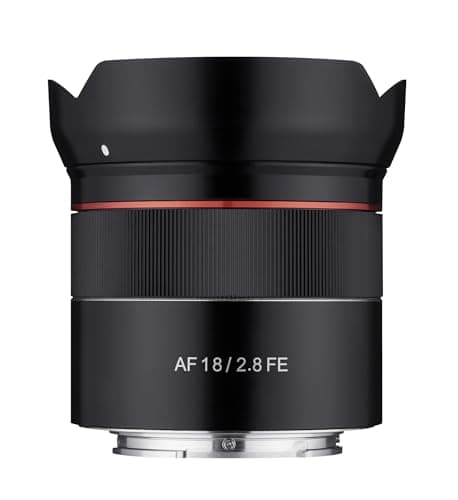
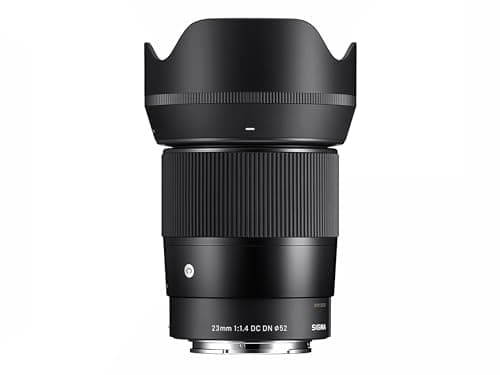
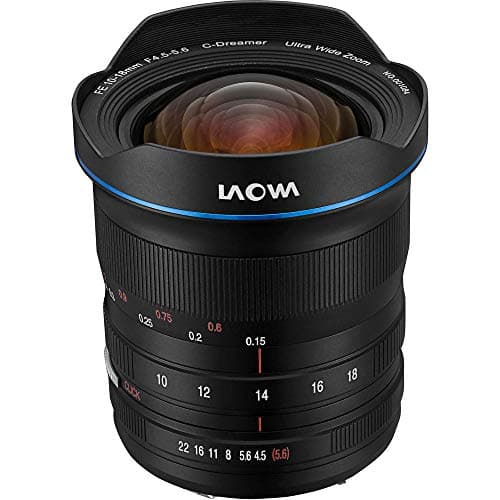
-primary-image.jpg&w=3840&q=75)
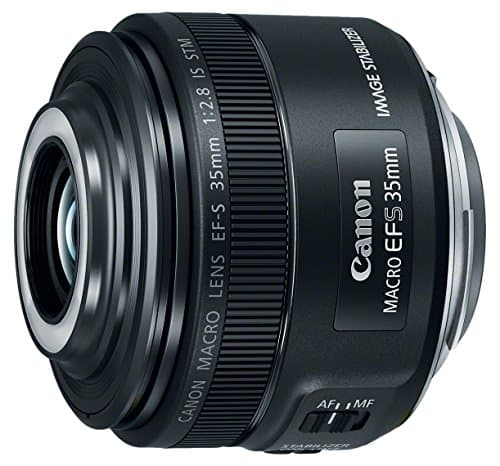
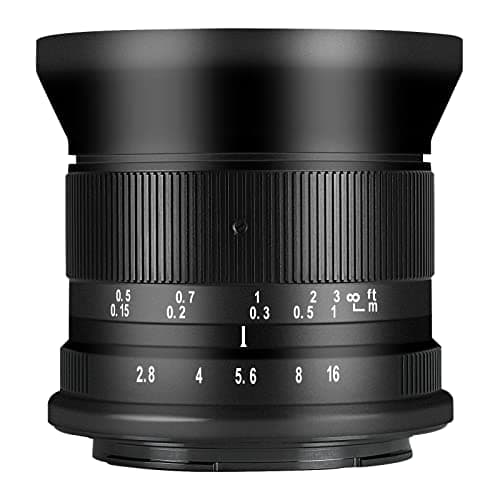
* Product prices and availability are accurate as of the date/time indicated and are subject to change. Any price and availability information displayed on Amazon.com at the time of purchase will apply to the purchase of this product.
* Imaginated.com may receive compensation for purchases made at participating retailers linked on this site. This compensation does not affect what products or prices are displayed, or the order of prices listed. Learn more here.
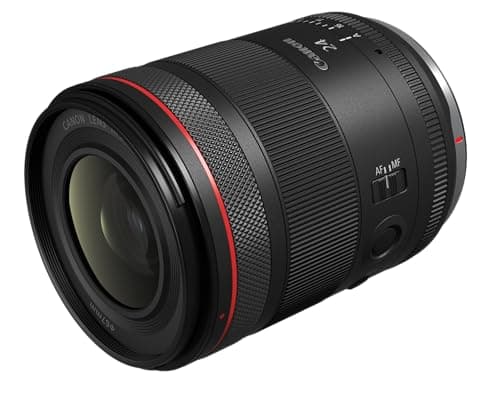
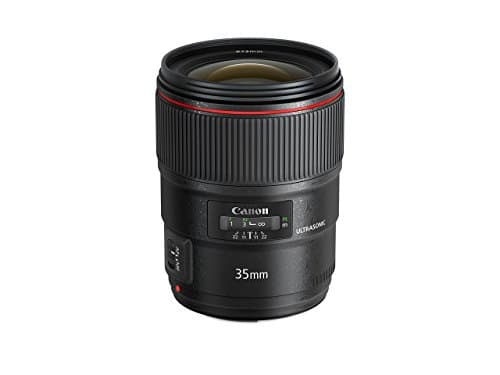
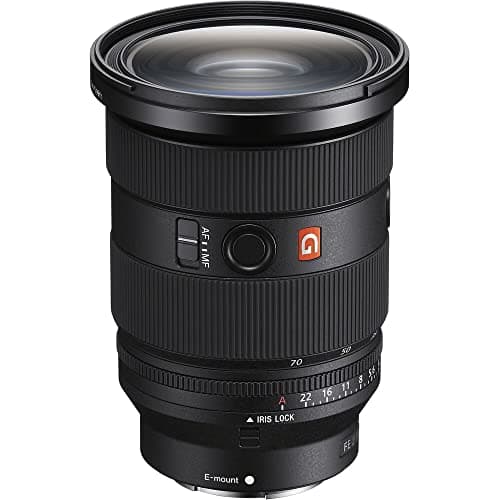
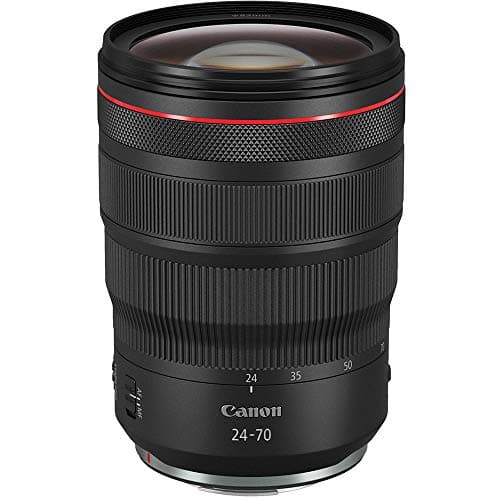
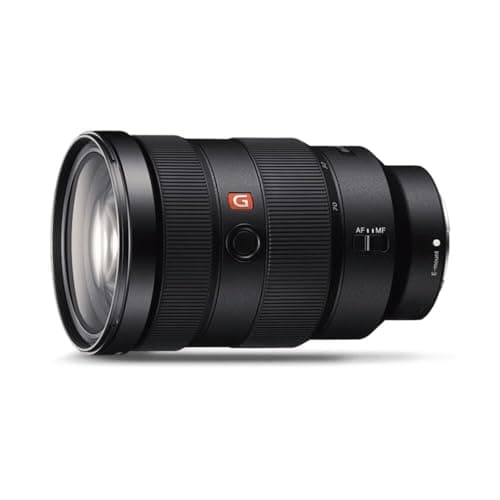
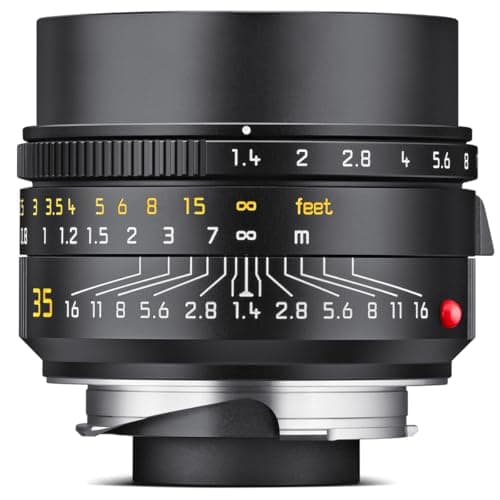
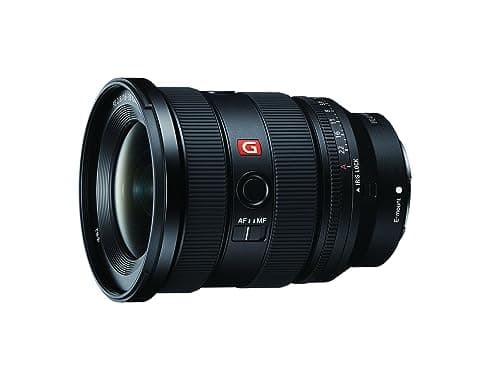
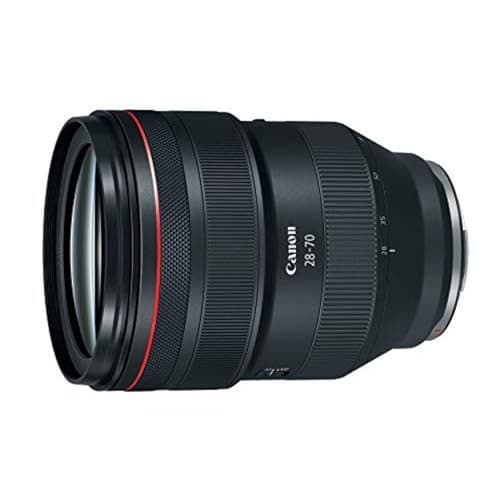
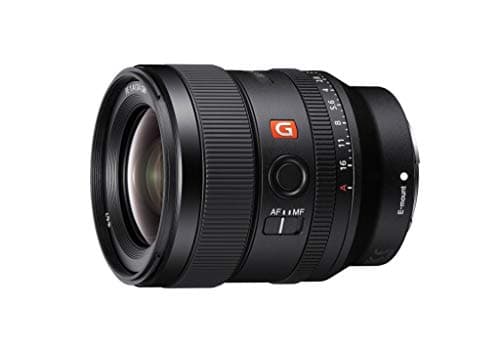
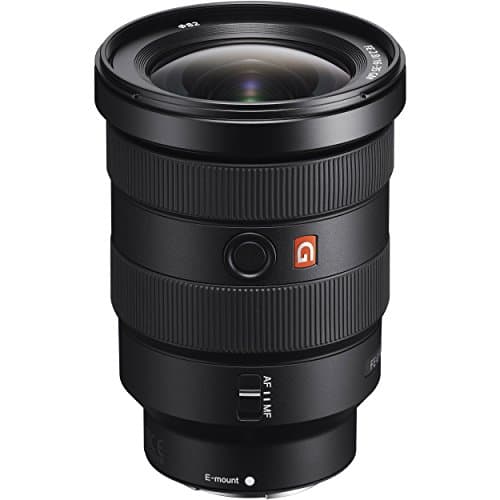
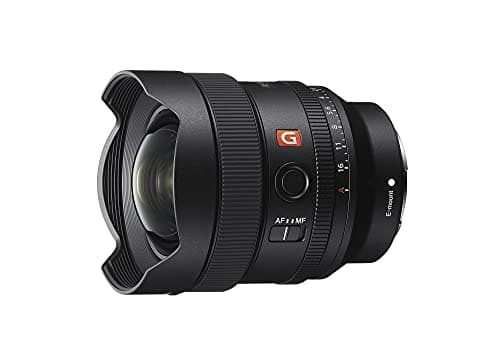
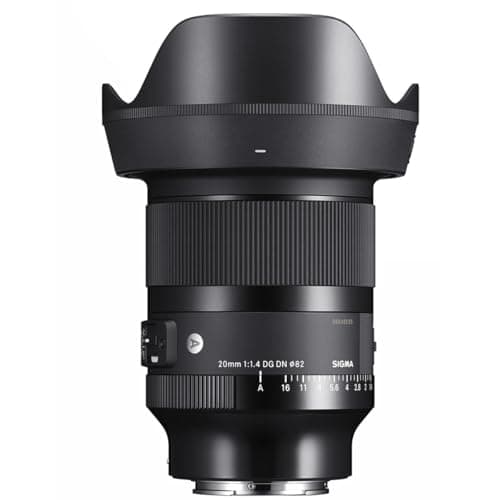
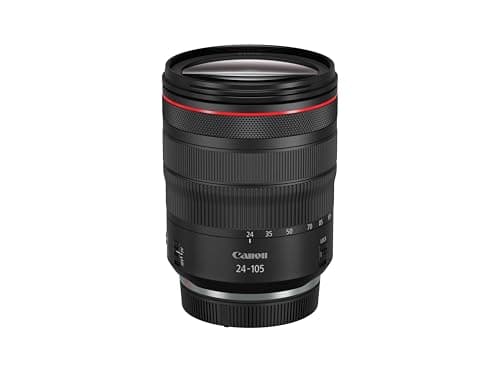
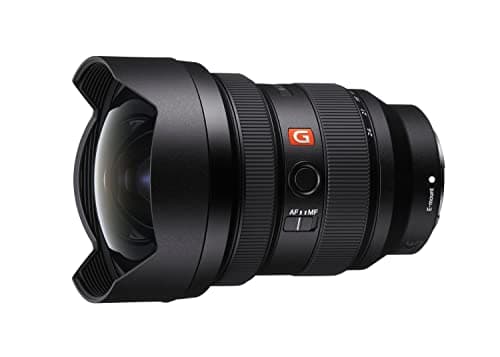
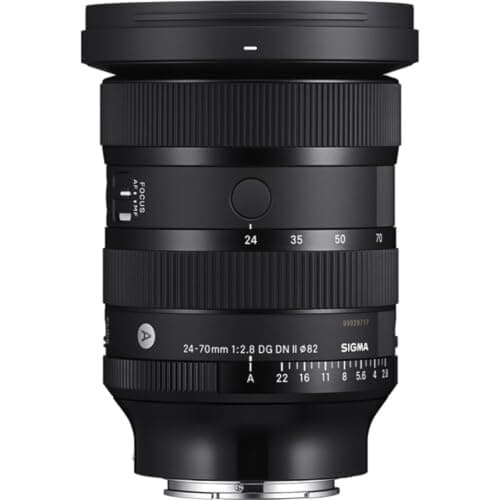
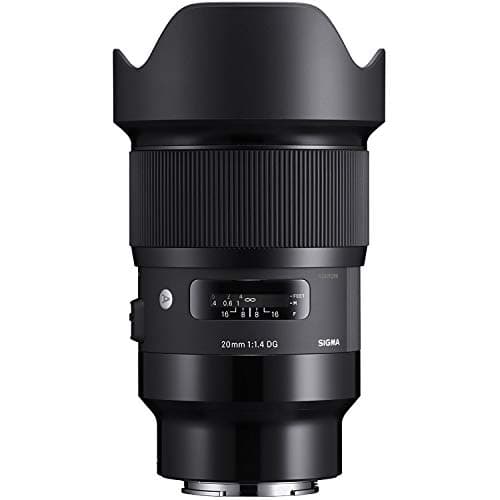
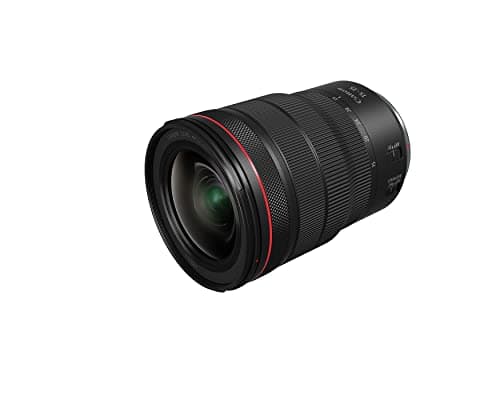
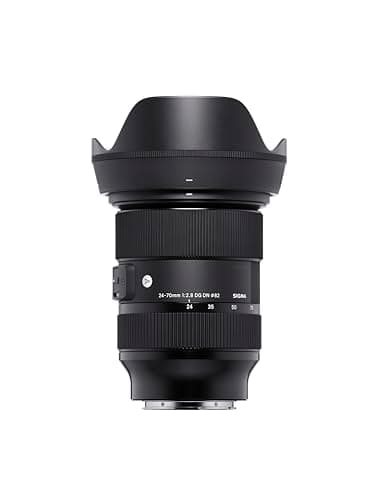
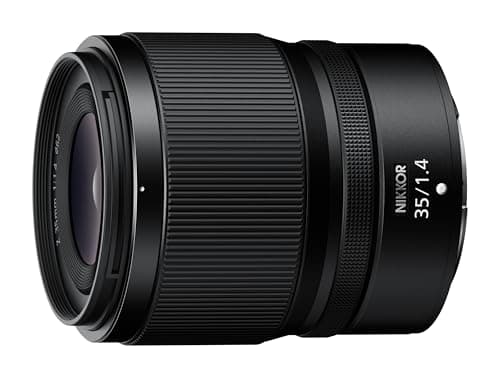
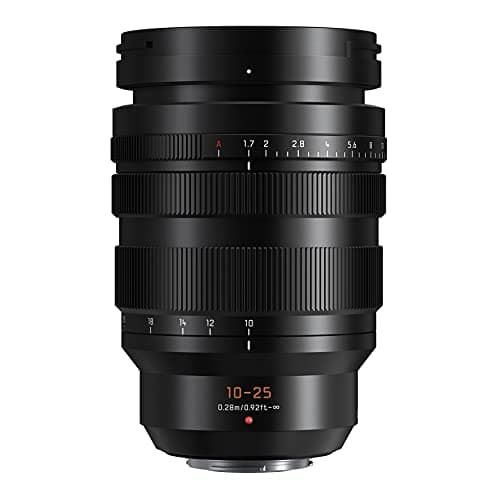
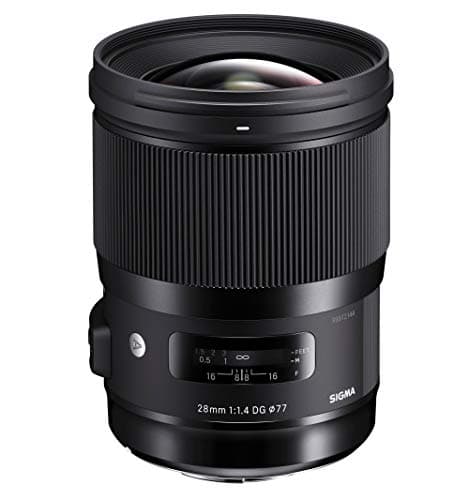
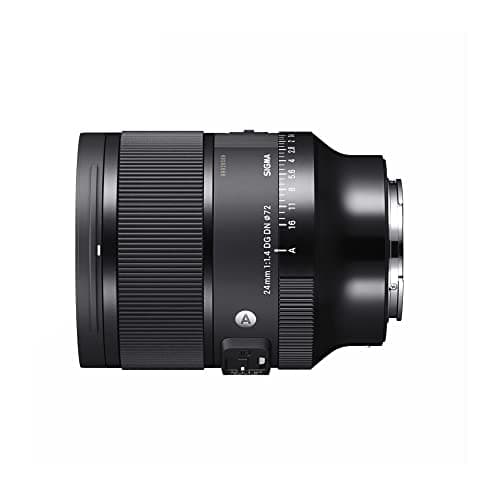
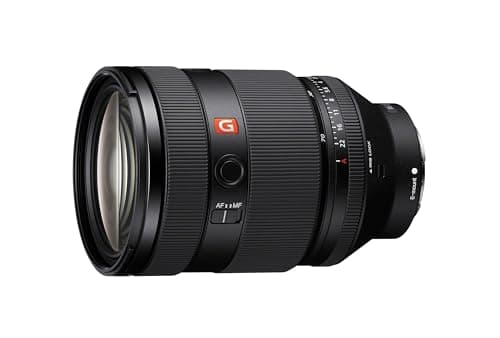
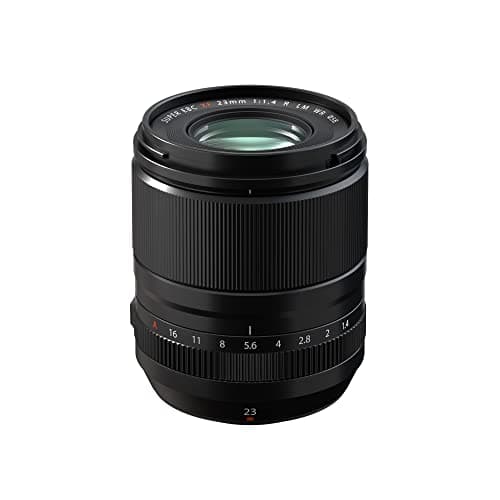
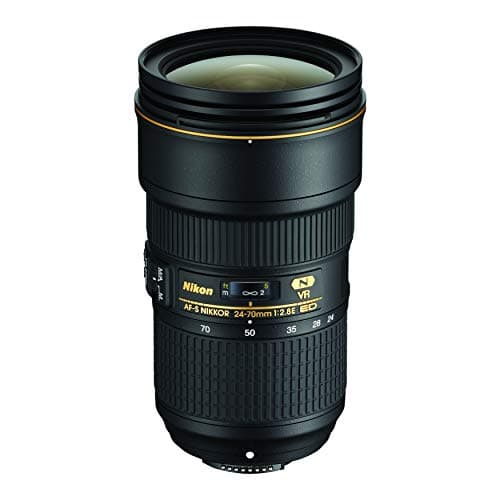
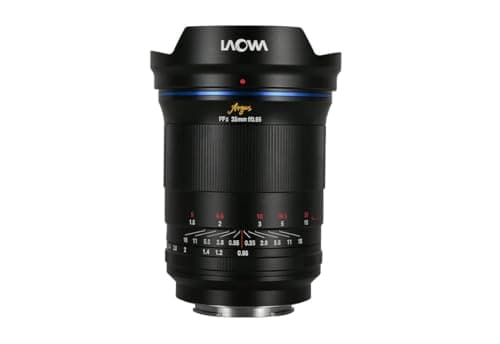
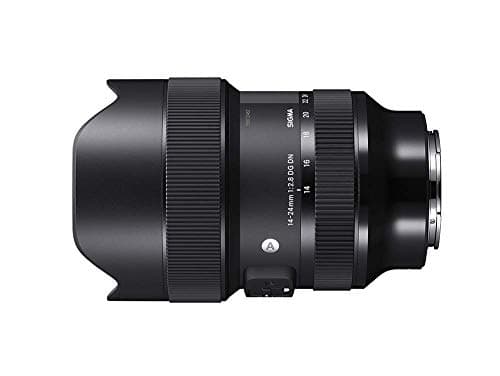
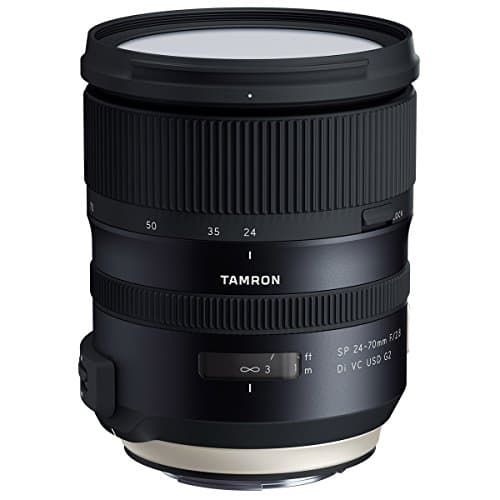
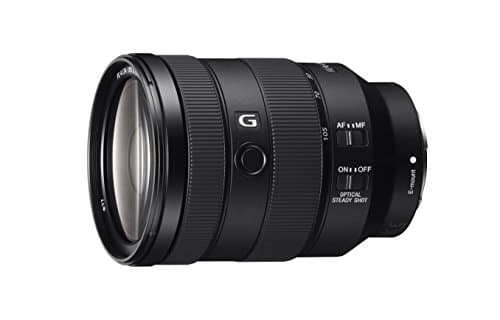
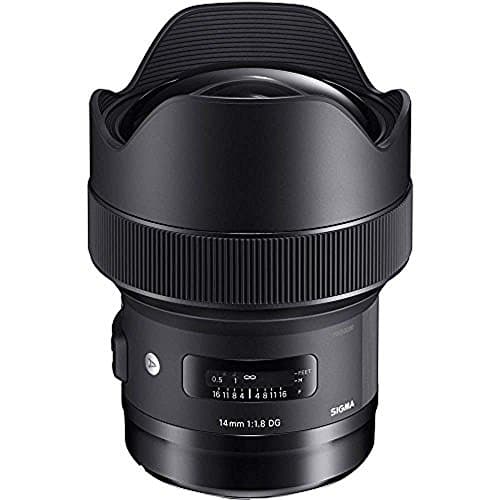
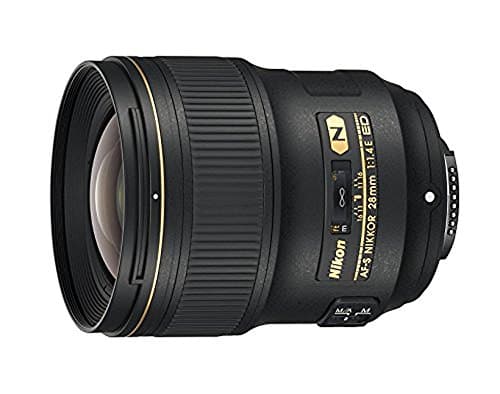
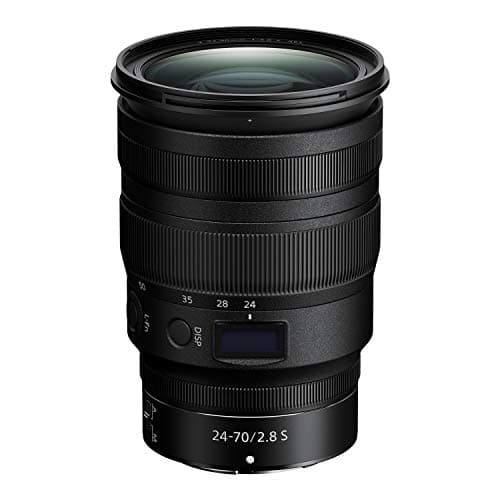
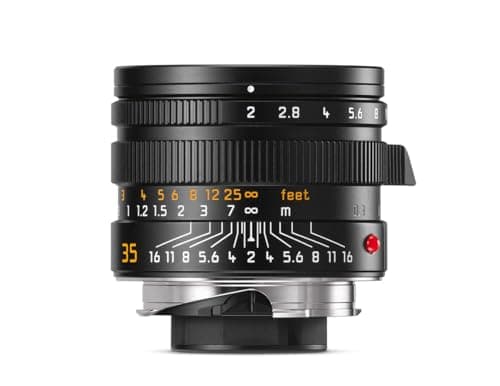
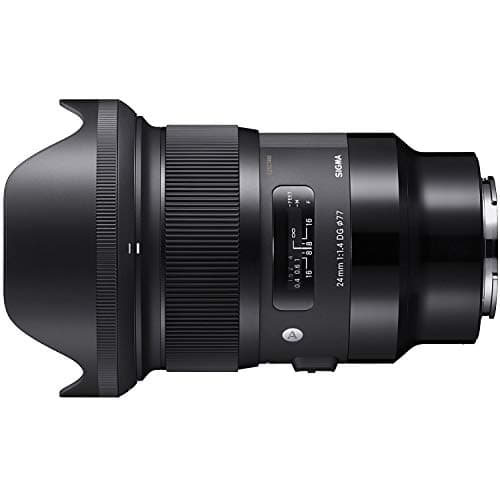
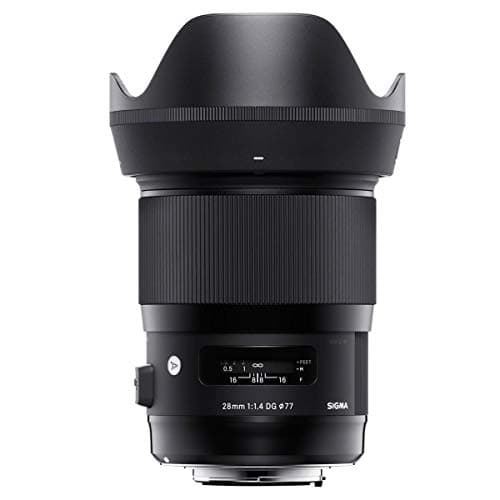
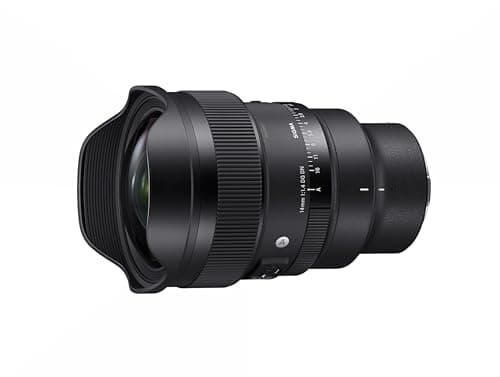
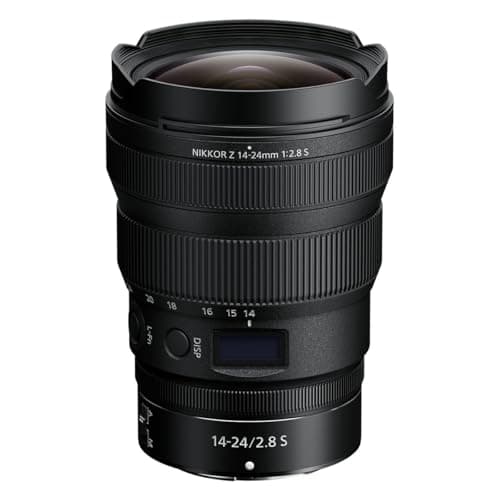
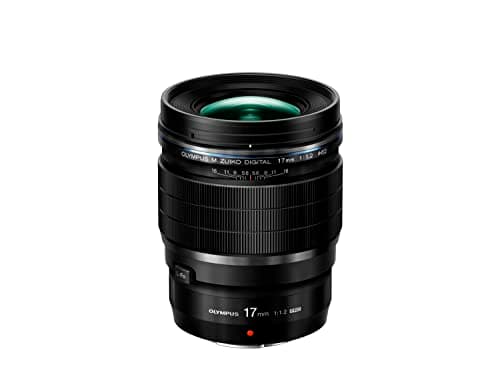
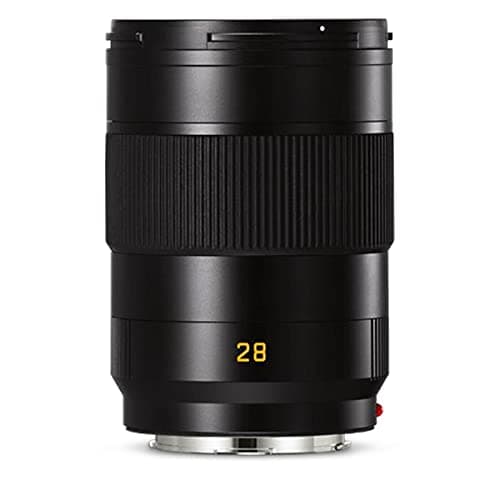
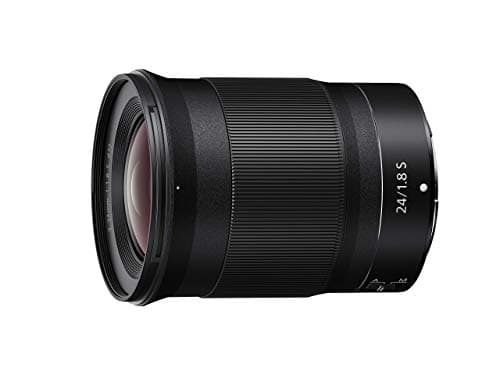
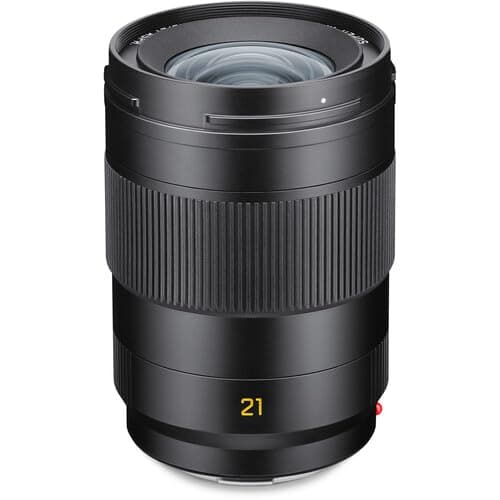
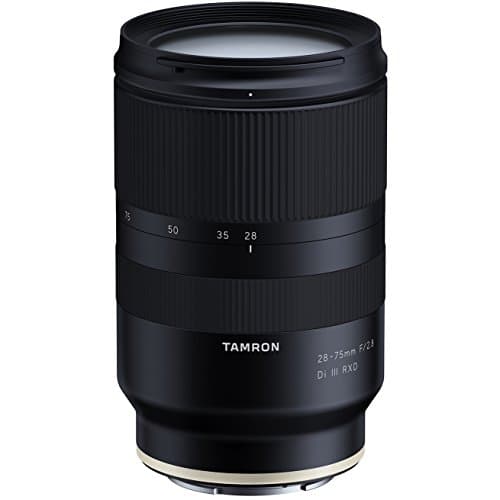
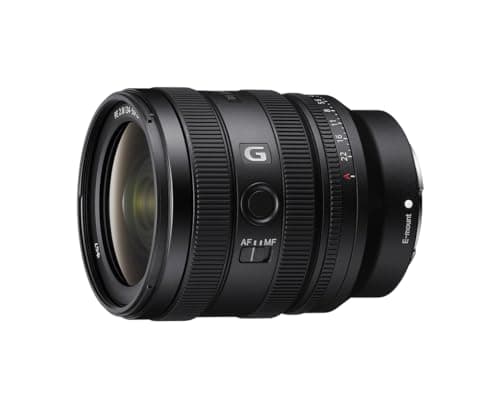
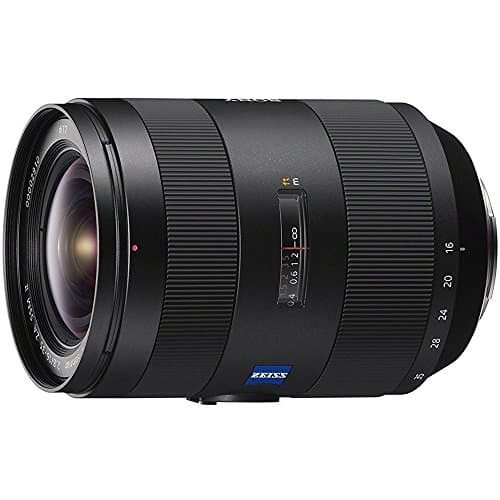
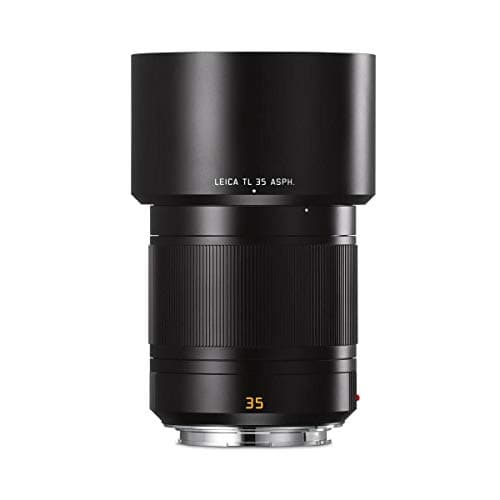
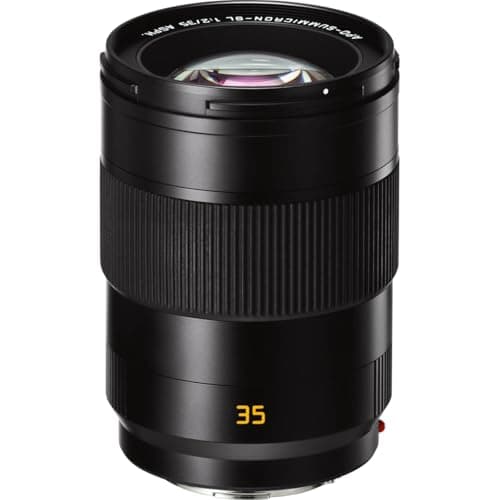
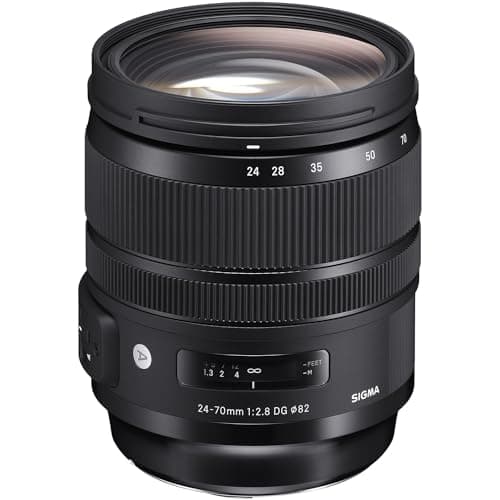
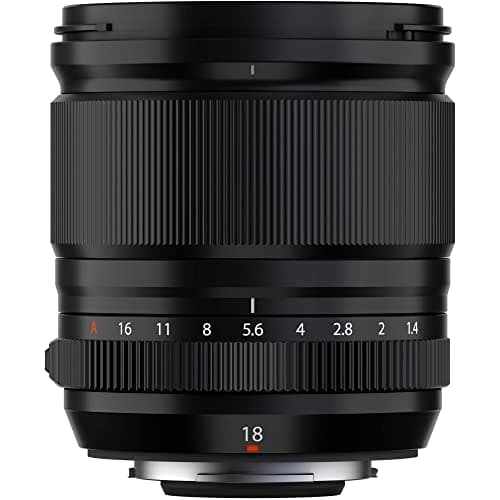
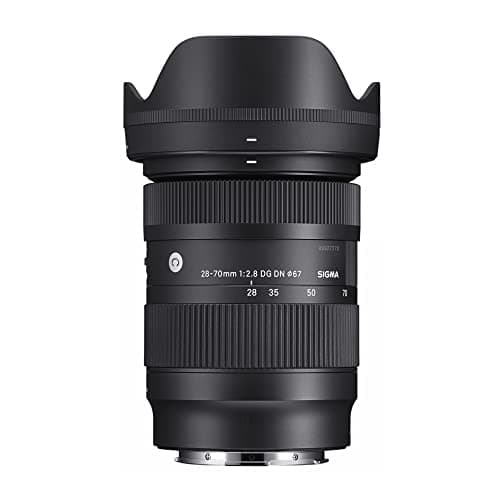
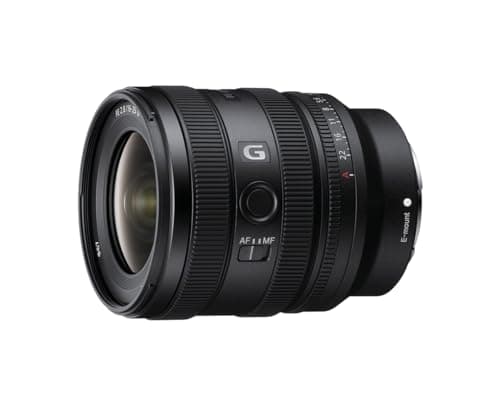
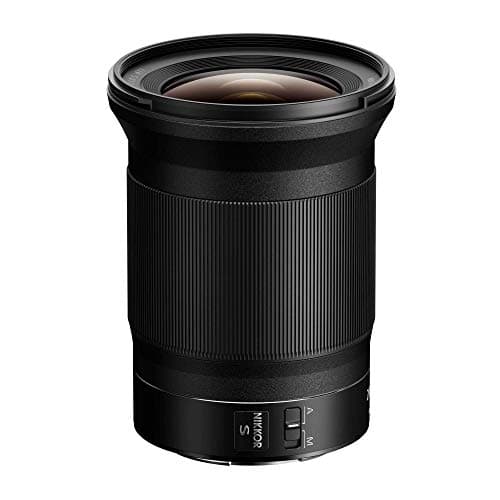
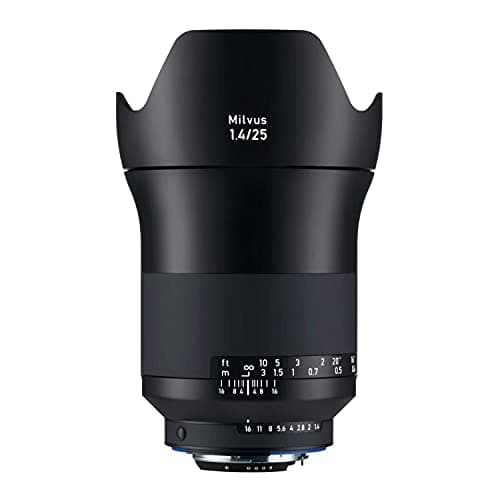
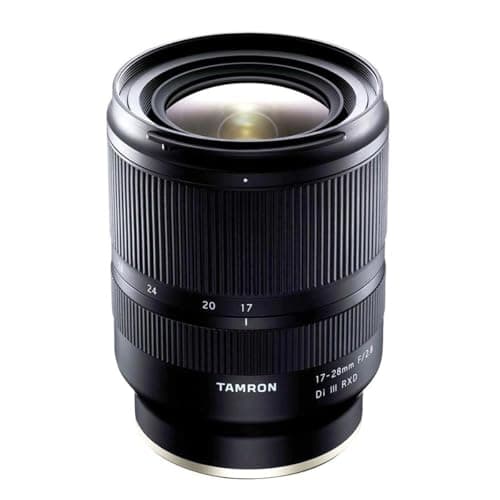
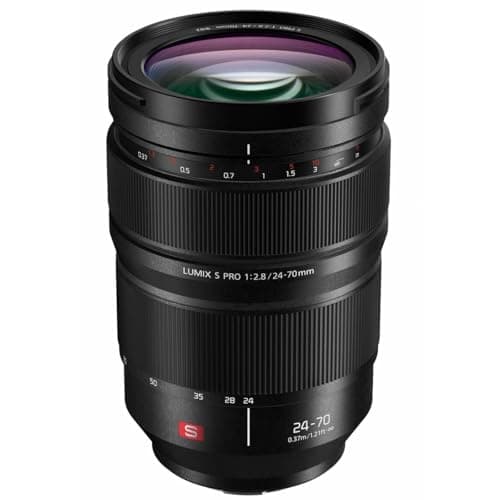
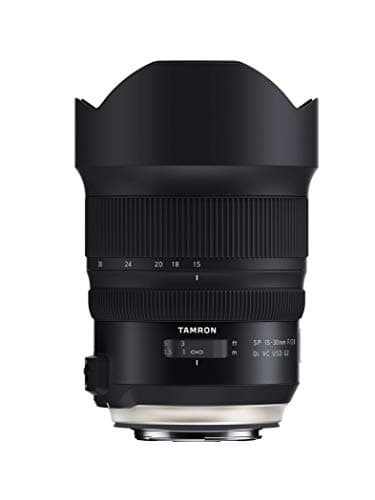
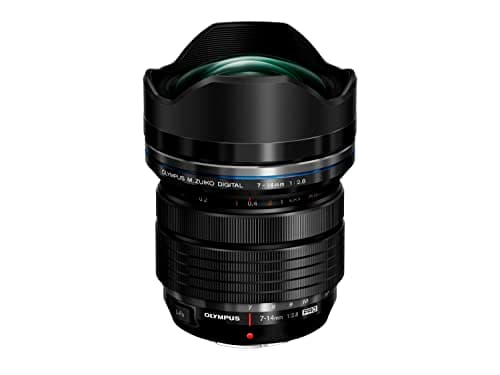
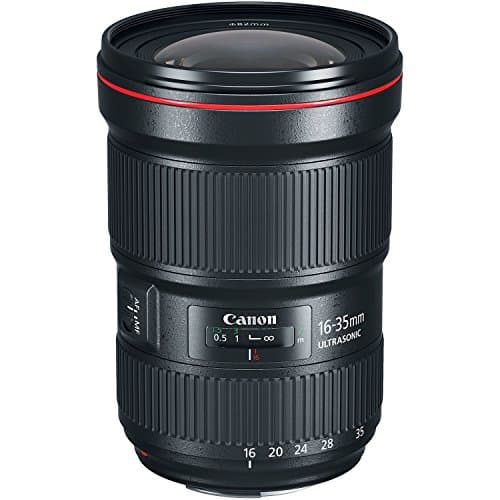
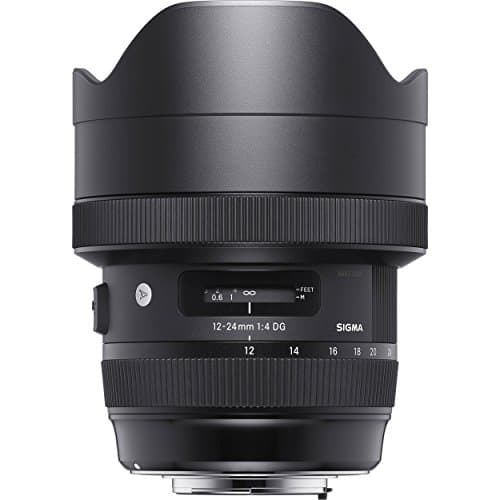
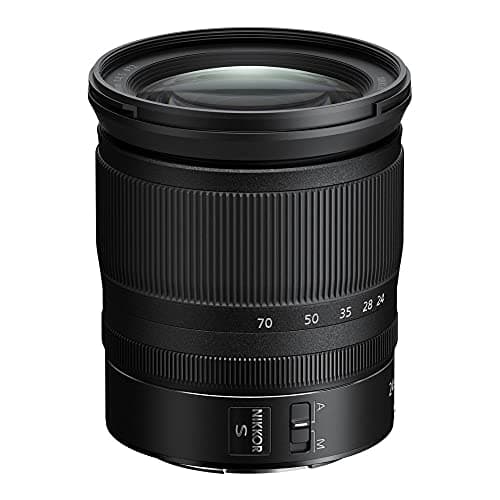
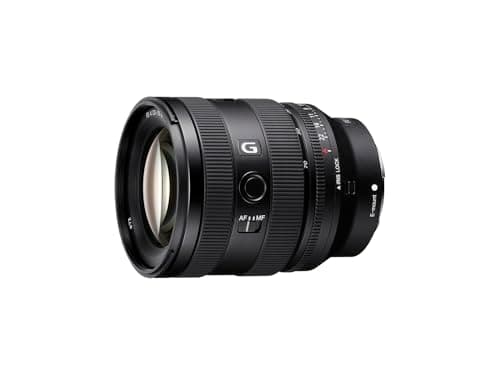
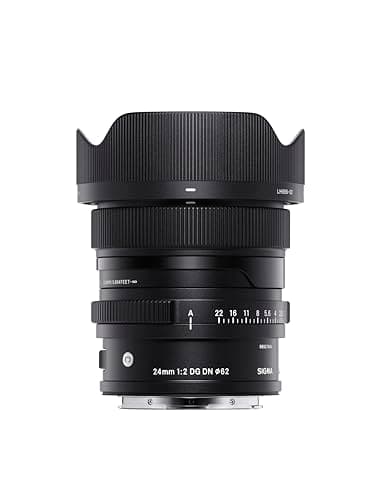
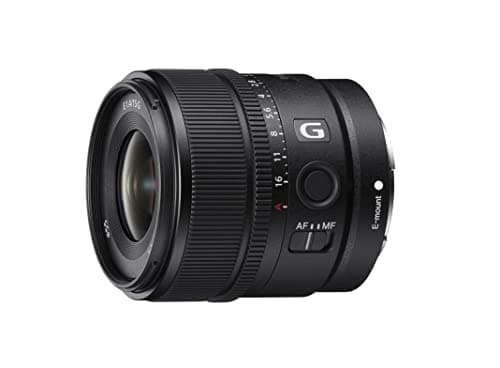
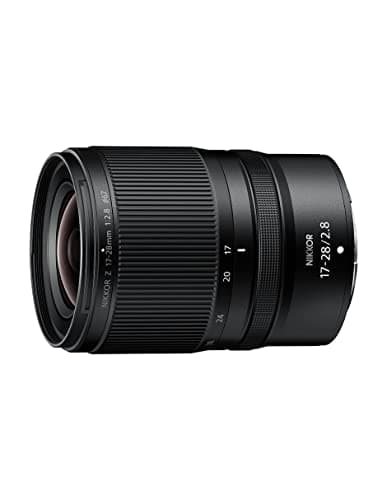
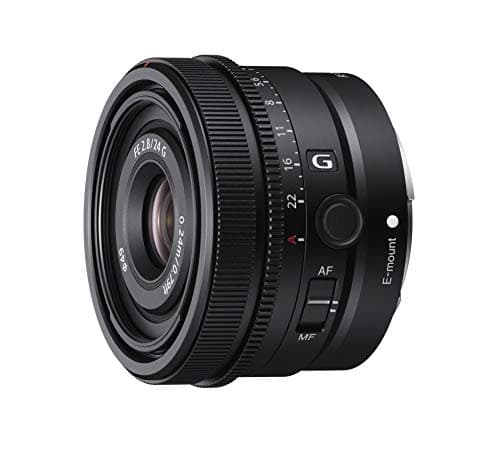
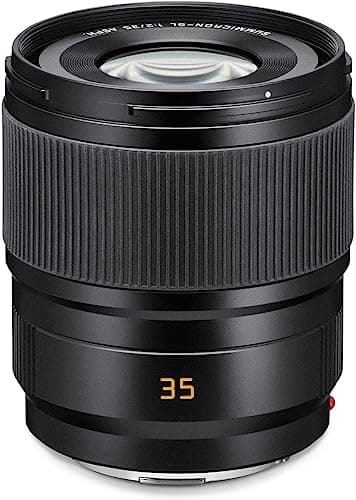
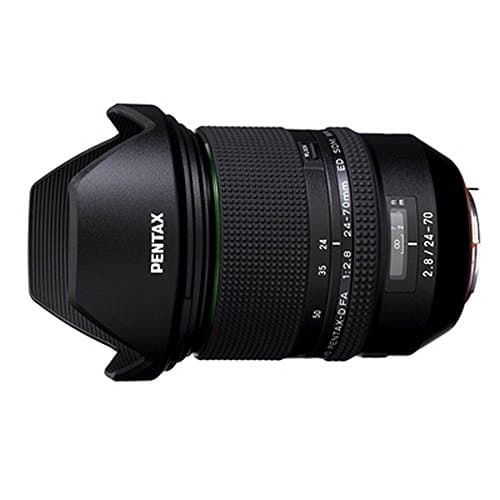
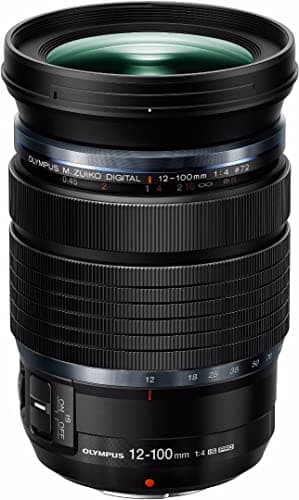
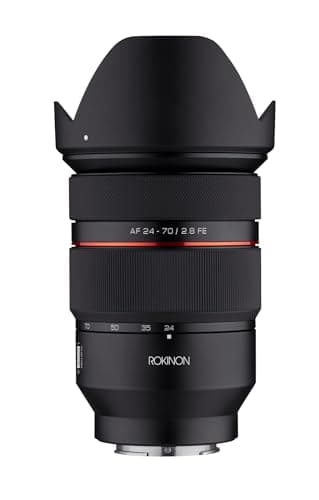
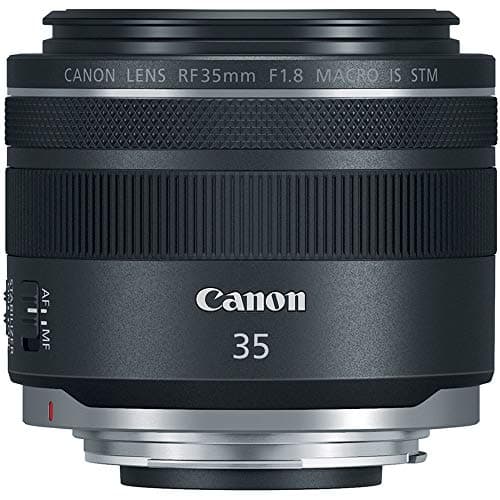
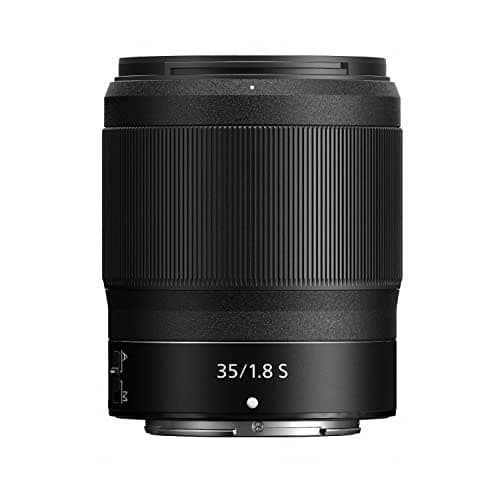
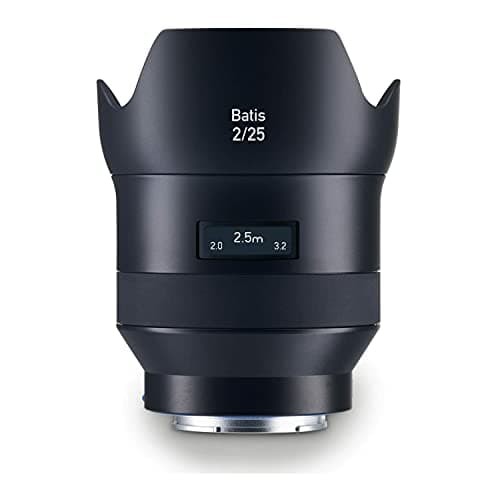
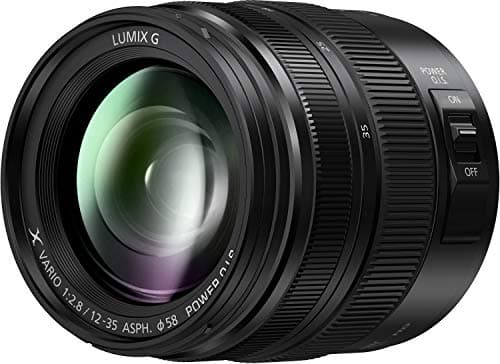
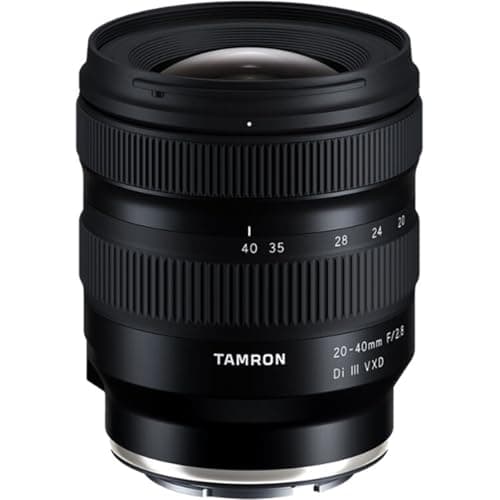
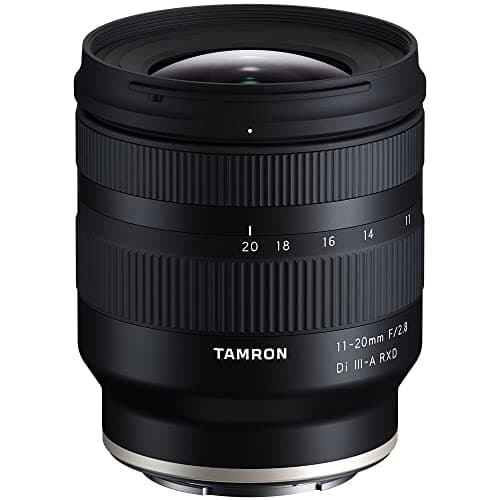
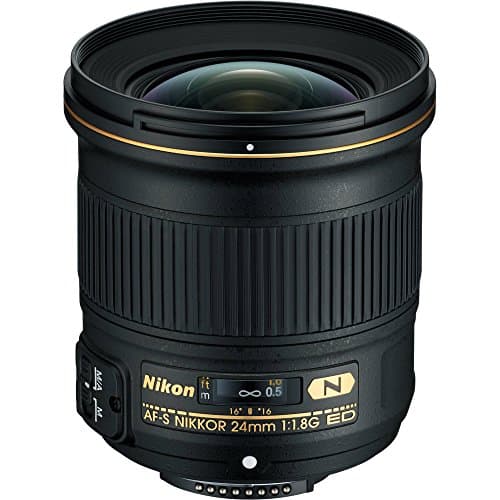
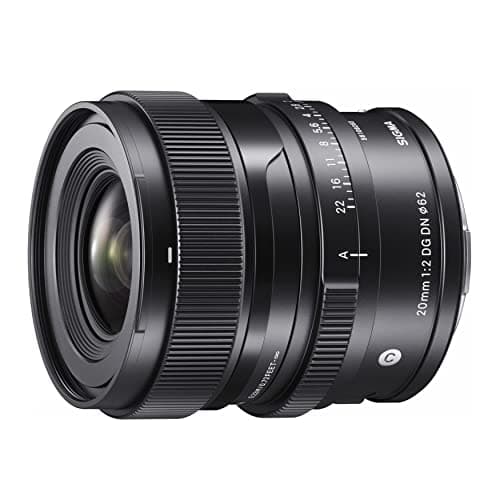
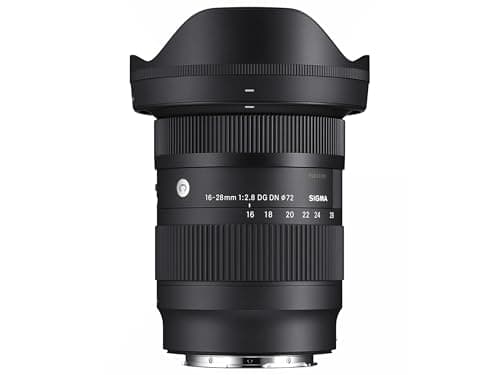
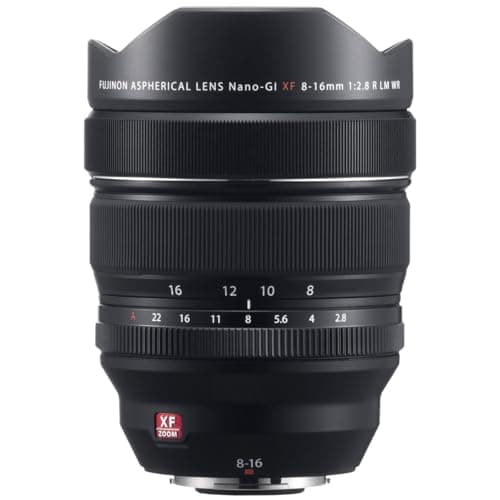
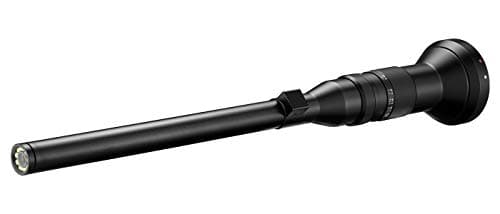
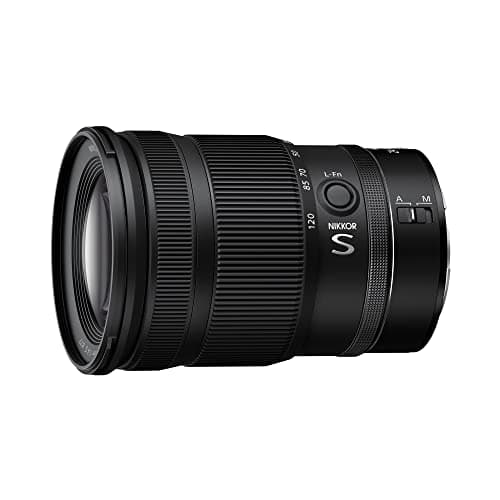
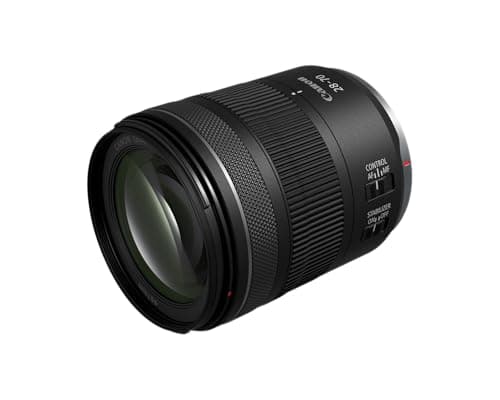
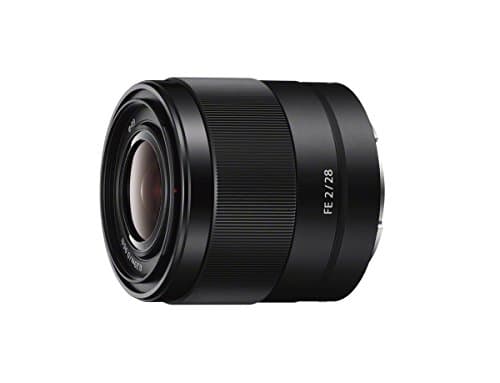
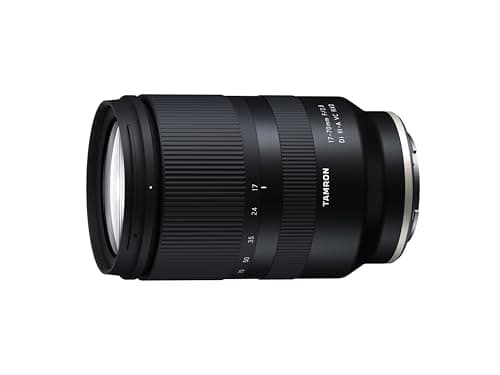
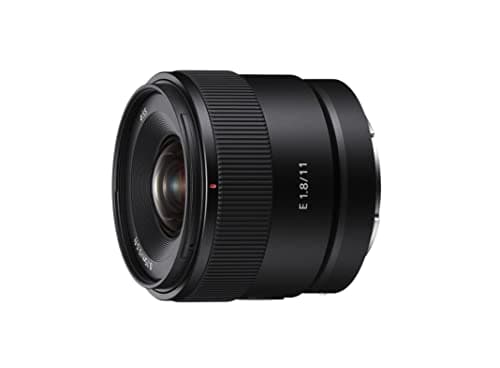
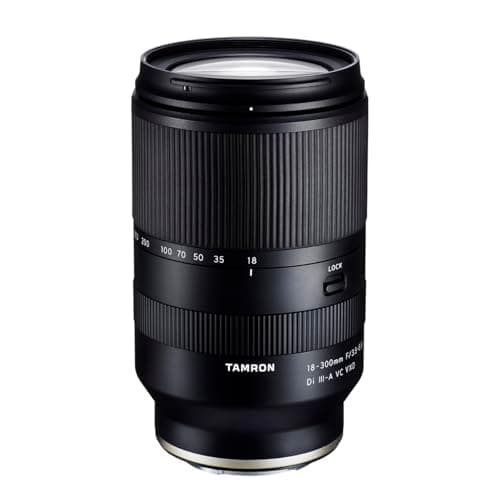
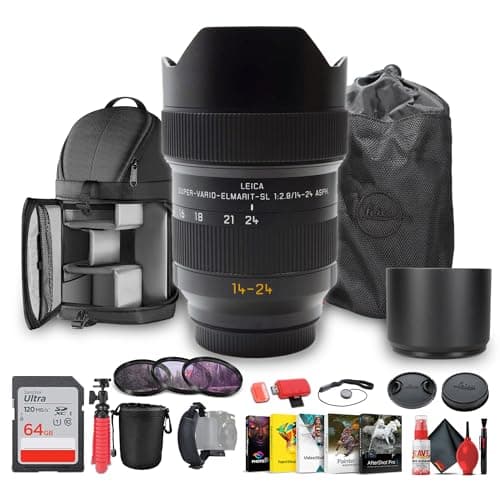
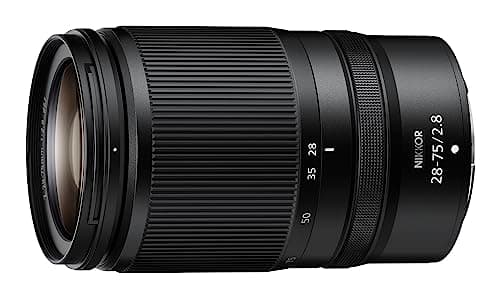
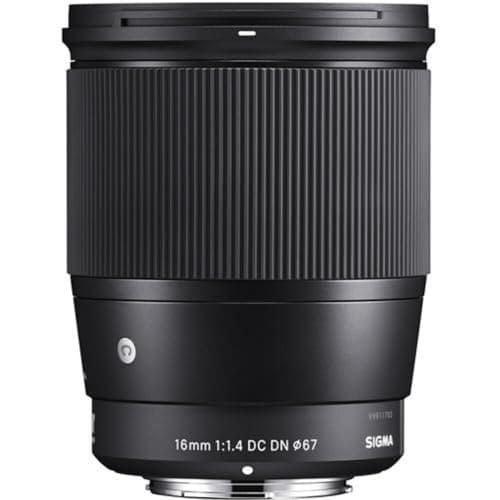
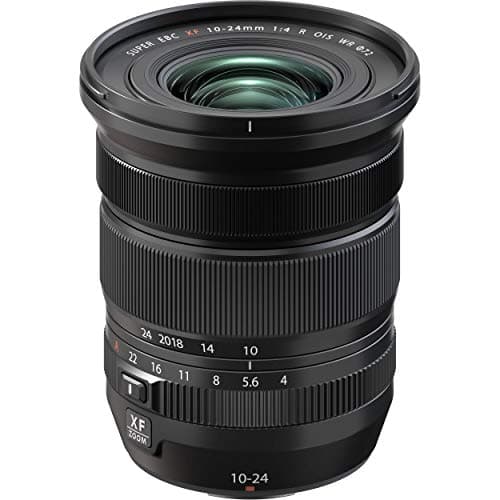
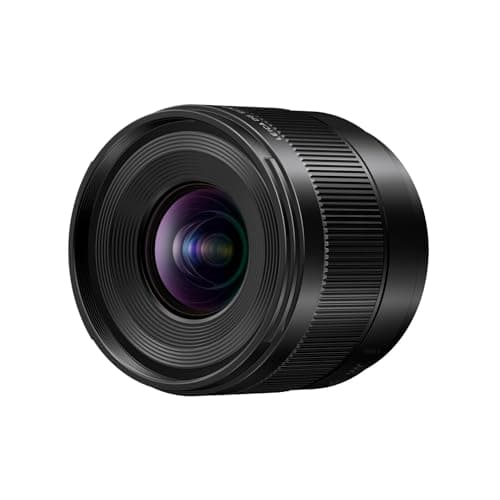
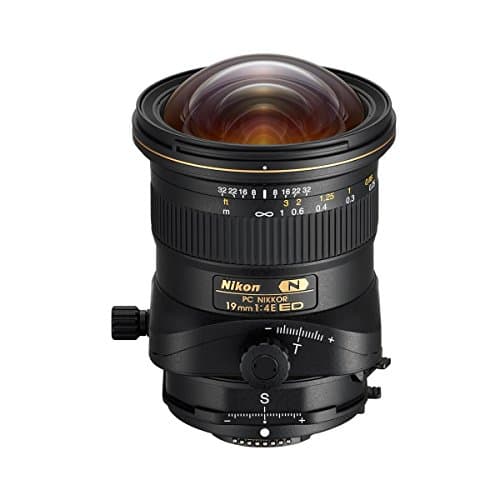
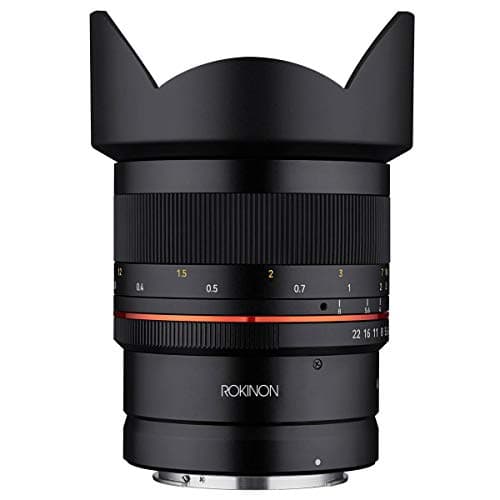
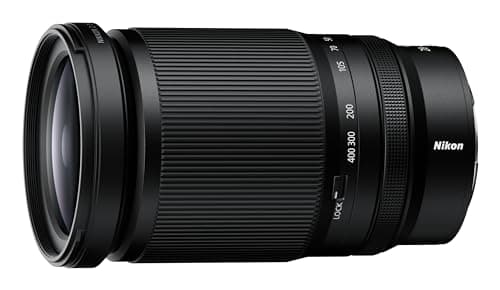
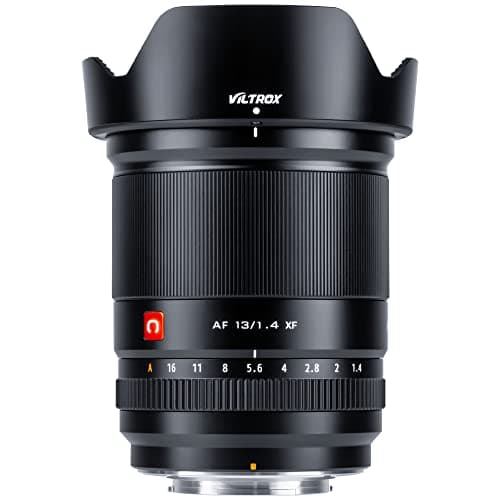
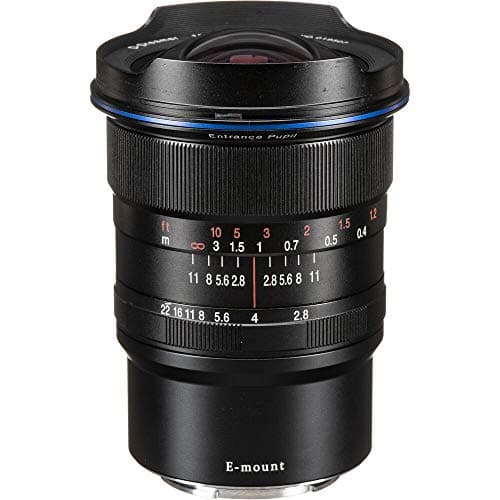
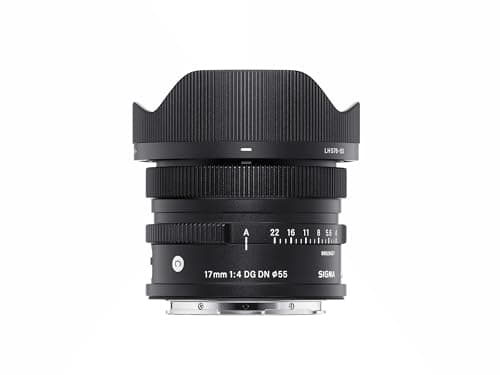
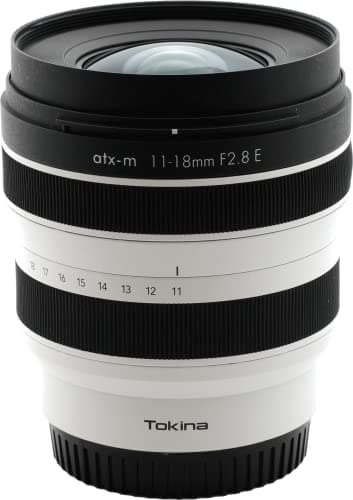
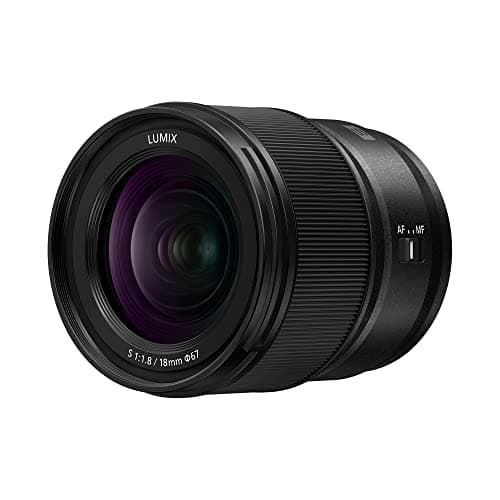
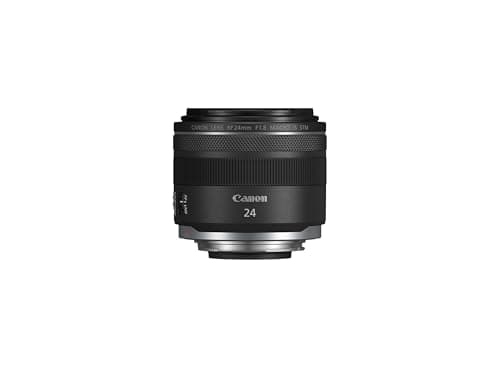
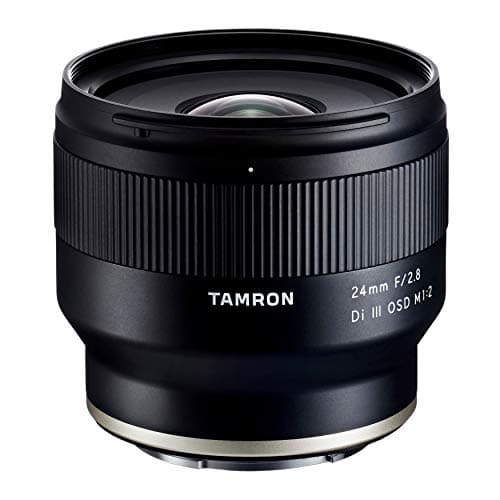
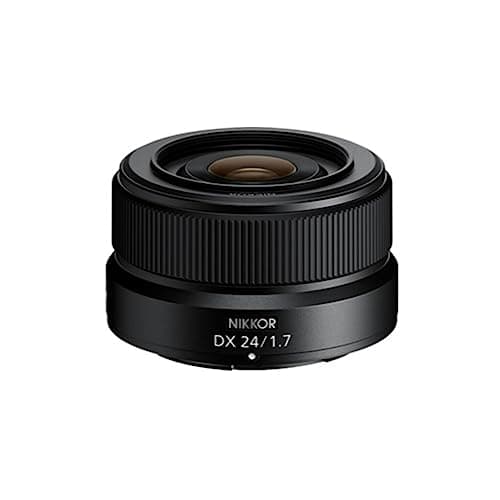
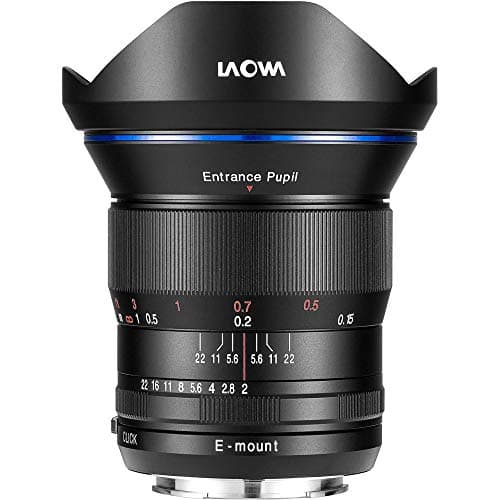
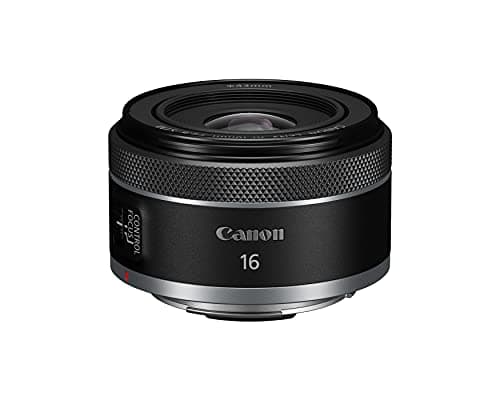
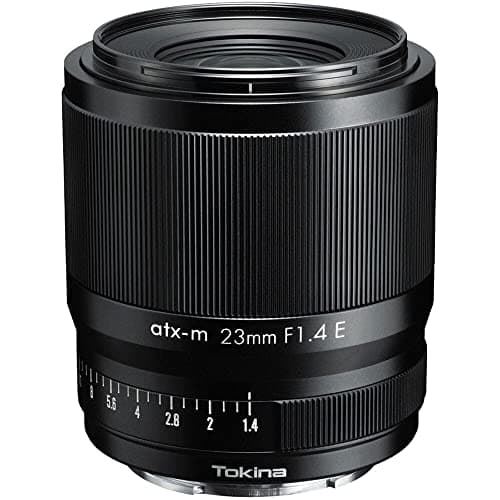
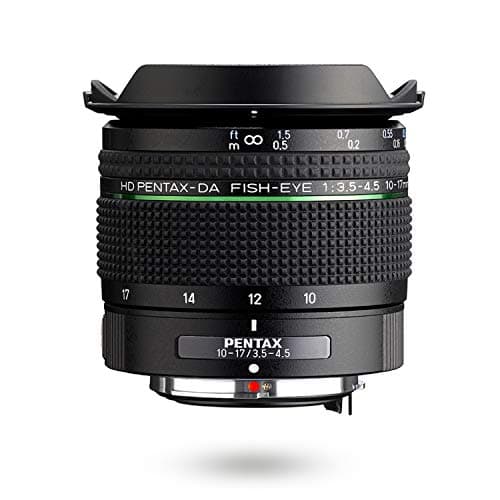
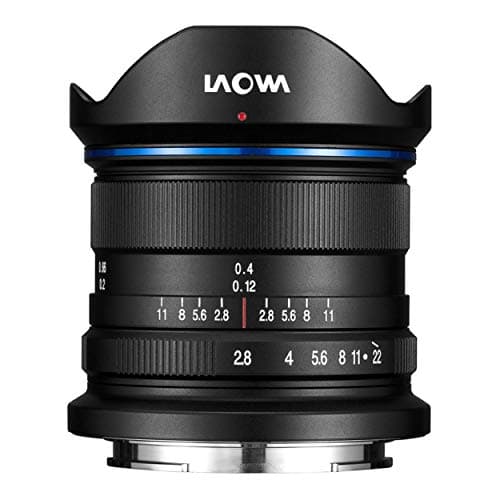
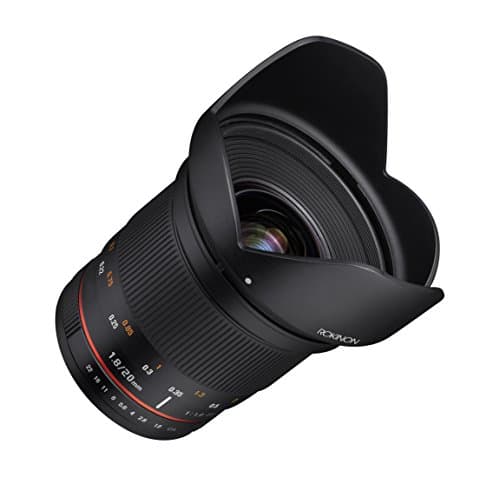
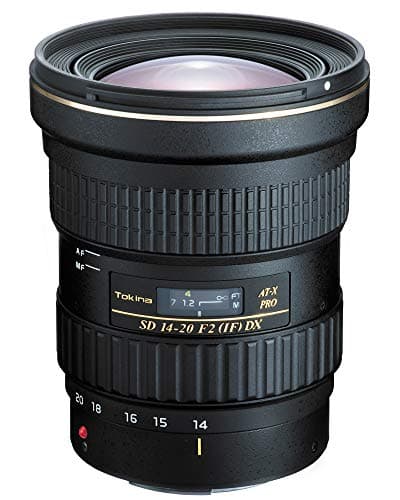
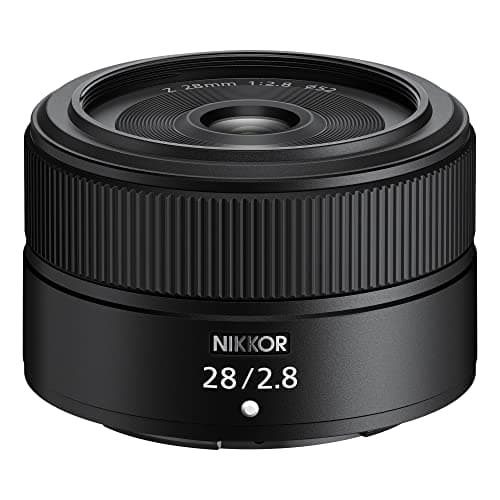
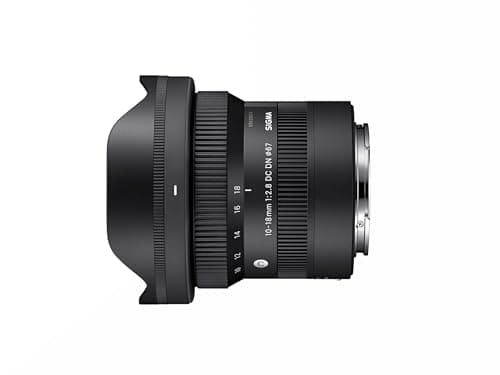
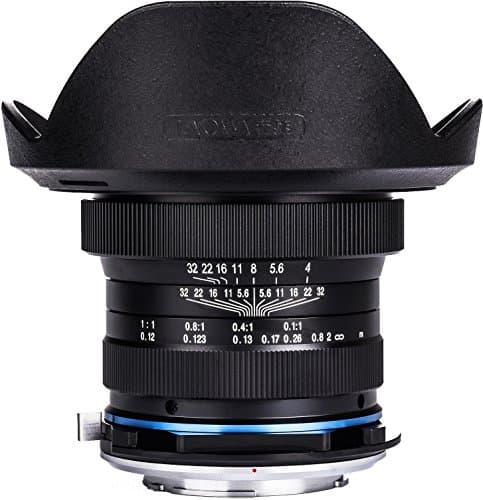
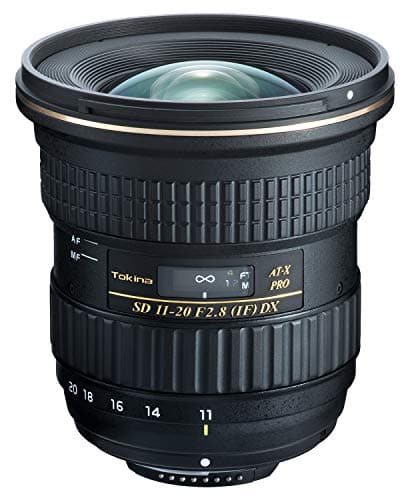
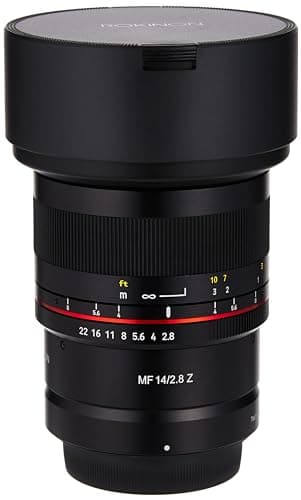
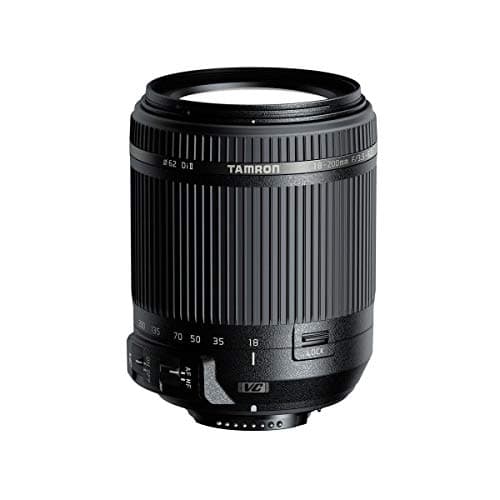
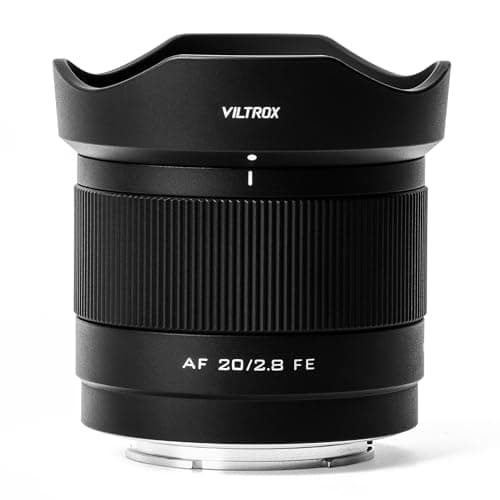
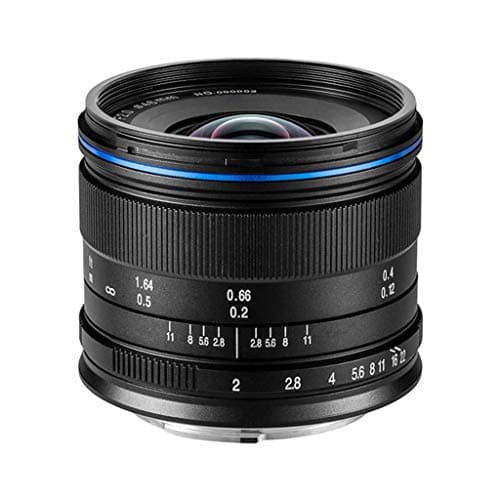
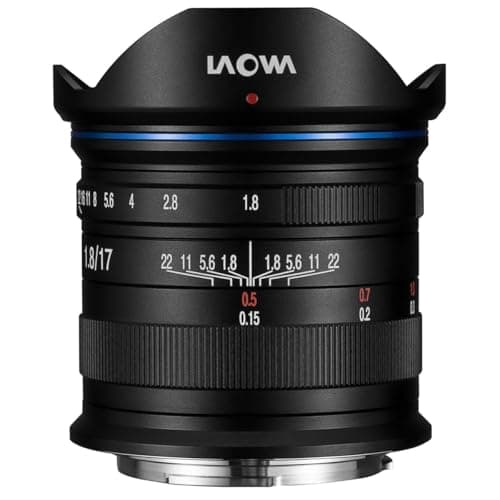
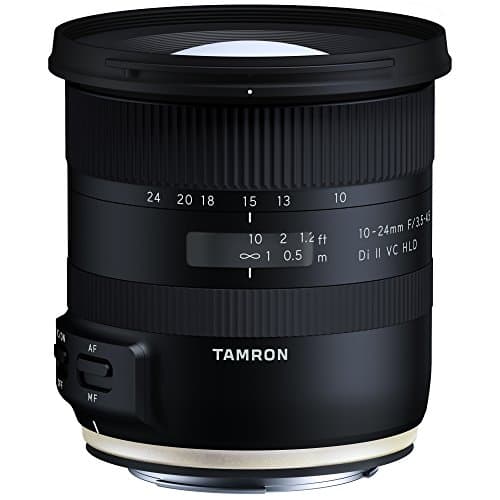
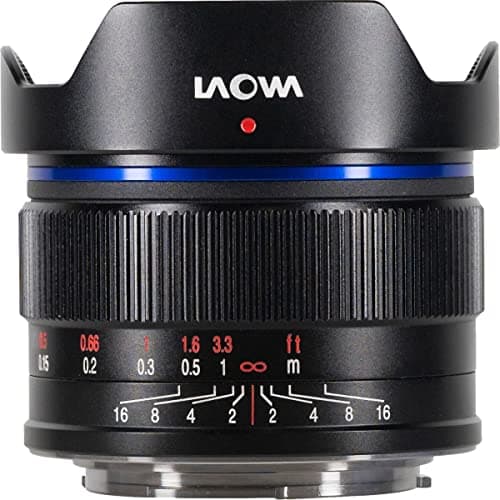
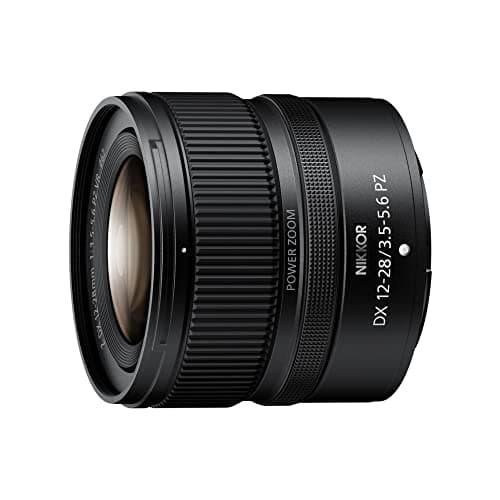
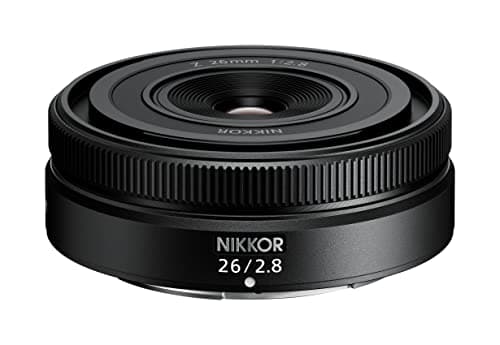
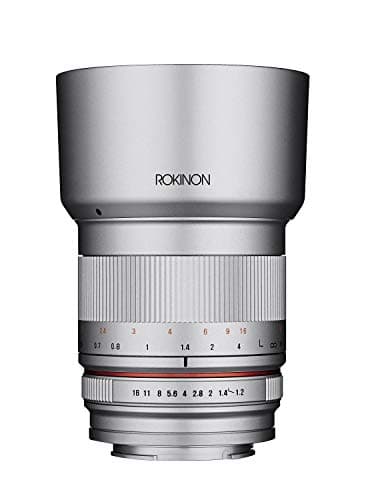
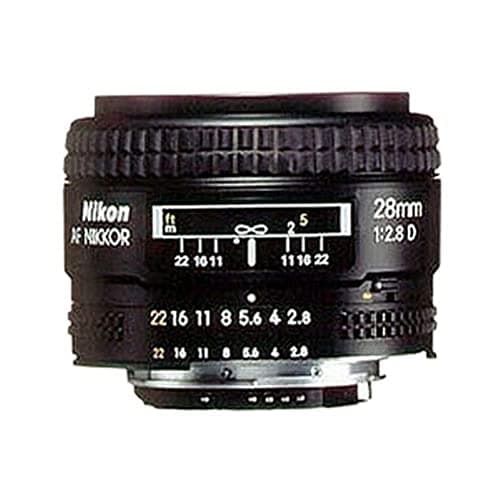
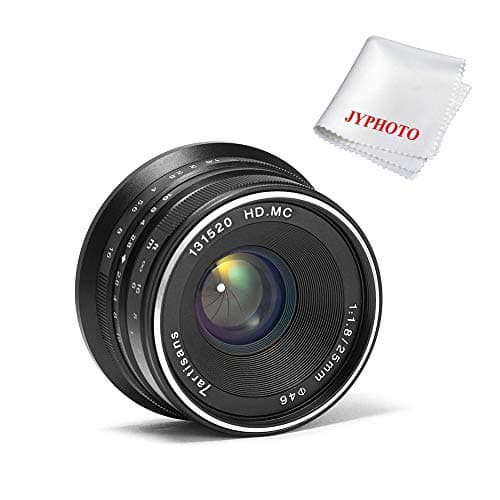
These are the best wide-angle lenses for low light when you want fast apertures, tight star points, disciplined flare, and reliable autofocus for night streets, concerts, blue-hour cityscapes, interiors, and astro foregrounds—without drowning in noise—and here’s what to look for as you buy: prioritize speed (ƒ1.2–ƒ1.8 primes; ƒ2–ƒ2.8 zooms), low sagittal coma/astigmatism so point lights stay round, strong coatings/internal blacking for neon and oncoming headlights, quiet linear/STM AF that locks in dim scenes, stabilized bodies or lens IS for slower handhelds, minimal focus breathing if you film, front-filter support for diffusion/VND, and close-focus to amplify background blur at wide fields; 14–20mm excels for dramatic context and astro, 20–24mm for night streets and interiors, 28–35mm for environmental portraits at blue hour. Full-frame standouts—Sony: FE 14mm ƒ1.8 GM (tiny astro/night rocket), FE 20mm ƒ1.8 G (filterable, razor contrast), FE 24mm ƒ1.4 GM (creamy bokeh with tight speculars), Sigma 20mm/24mm ƒ1.4 DG DN Art (fast, filterable), Sigma 35mm ƒ1.2 DG DN (maximum blur for night people), Tamron 17–28mm ƒ2.8 (compact event zoom) and Sony FE 16–35mm ƒ2.8 GM II (flagship low-light zoom); Canon RF: RF 16mm ƒ2.8 STM (budget night street), RF 24mm ƒ1.8 Macro IS and RF 35mm ƒ1.8 Macro IS (stabilized, close-focus glow control), RF 15–35mm ƒ2.8L IS (fast + IS) and RF 14–35mm ƒ4L IS for stabilized blue-hour work; Nikon Z: Z 20mm ƒ1.8 S and Z 24mm ƒ1.8 S (neutral, clean corners), Z 28mm ƒ1.4 or ƒ2.8 (street-friendly), Z 17–28mm ƒ2.8 and Z 14–24mm ƒ2.8 S (strong flare control), plus used F 24mm ƒ1.4G/20mm ƒ1.8G adapted; L-mount: Panasonic S 18mm/24mm/35mm ƒ1.8 (matched color/size), Sigma 14mm ƒ1.4 DG DN (elite astro), Sigma 20/24/35mm ƒ1.4 DG DN (fast and filterable), and Panasonic Leica 8–18mm ƒ2.8–4 for stabilized bodies. APS-C heroes: Sony E 11mm ƒ1.8 and 15mm ƒ1.4 G (tiny, great at dusk), Sigma 16mm ƒ1.4 DC DN (night staple), Tamron 11–20mm ƒ2.8 (fast handheld zoom); Fujifilm XF 16mm ƒ1.4 (iconic rendering), XF 18mm ƒ1.4 (crisp night street), XF 23mm ƒ1.4 (wide-normal at blue hour), XF 10–24mm ƒ4 OIS for stabilized interiors; Canon RF-S 10–18mm ƒ4.5–6.3 IS (use IBIS/IS for static scenes) plus Viltrox 13mm ƒ1.4 RF for speed; Nikon Z DX 12–28mm PZ VR (video night walks) and Viltrox 13mm ƒ1.4 Z. Micro Four Thirds gems: Panasonic Leica 9mm ƒ1.7 (near-macro close focus for big blur), OM SYSTEM 17mm ƒ1.2 PRO (feathered bokeh with low LoCA), Panasonic Leica 15mm ƒ1.7 (tiny night street), Laowa 7.5mm ƒ2 (manual astro darling), and Olympus 7–14mm ƒ2.8 PRO for fast ultrawide zoom work. Practical buyer tips: for handheld nights, pair a fast prime (20/1.8–35/1.4) with a stabilized body; for mixed events, a 16–35/2.8 or 17–28/2.8 covers interiors to streets; if astro matters, favor 14–24mm fast primes with good coma control and front filters where possible; standardize step-up rings for one diffusion/VND, pack a deep hood, and mind bulbous-front designs that need rear/holder filters. Low-light wide shooting tips: use Eye AF for people and expose for faces, let highlights clip gracefully, shoot near wide open then stop 1/3–2/3 stop for eyelash-sharp results and cleaner corners, keep shutter speeds honest (≈1/60–1/125s handheld with IBIS/IS; slower for static scenes), brace on walls/rails and fire short bursts to beat micro-shake, shade the front element to avoid veiling flare, and watch polarized skies under neon (go easy on CPL); for astro, focus with magnification on a bright star, follow the NPF/500-rule, stack multiple short exposures, and add a slight stop-down if corners need discipline; for video, enable breathing compensation, pair IBIS with lens IS for micro-jitter, and use a high-quality VND to hold 180° shutter under street lights; whether you’re threading neon alleys, capturing candlelit interiors, or pulling the Milky Way over foreground texture, the best low-light wide-angles combine fast glass, coma discipline, and confident AF—so your night images stay sharp, clean, and beautifully luminous.
Lenses by brand:
Lenses by price:
Lenses by type:
Lenses by sensor:
Lenses by feature:
Lenses by use case:
Lenses by experience:
Cameras: