
10 Best Wide-Angle Lenses for Car Photography in 2026
Filters:
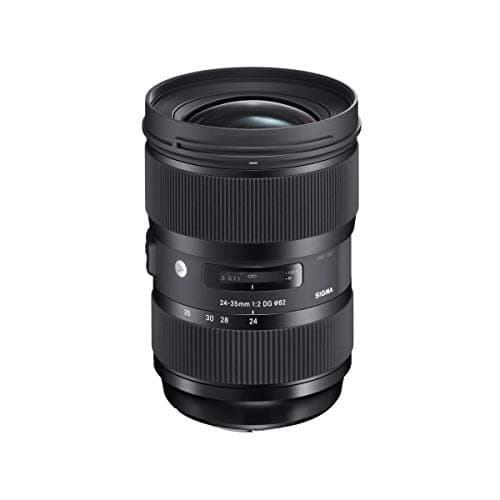
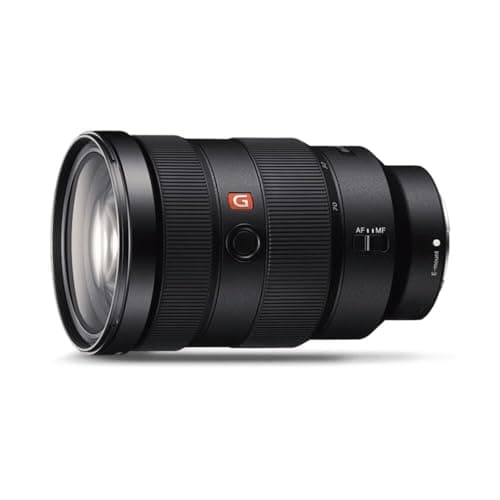
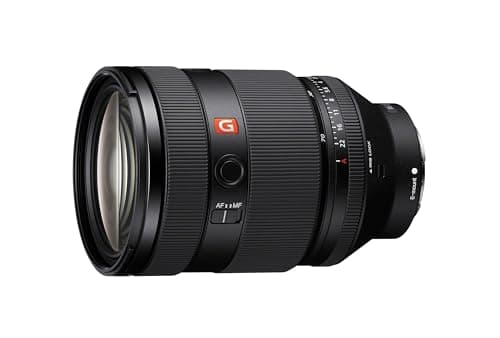
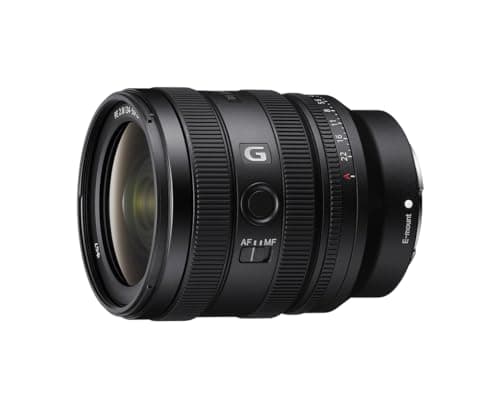
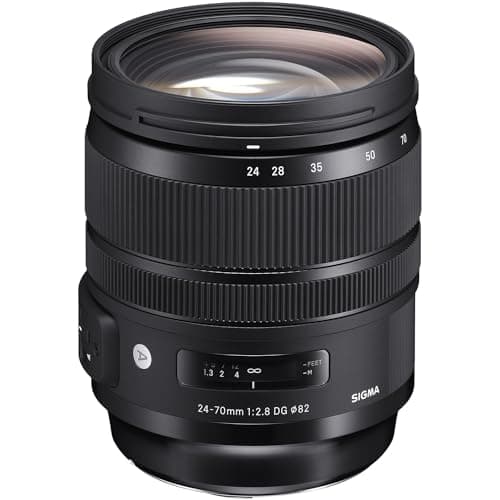
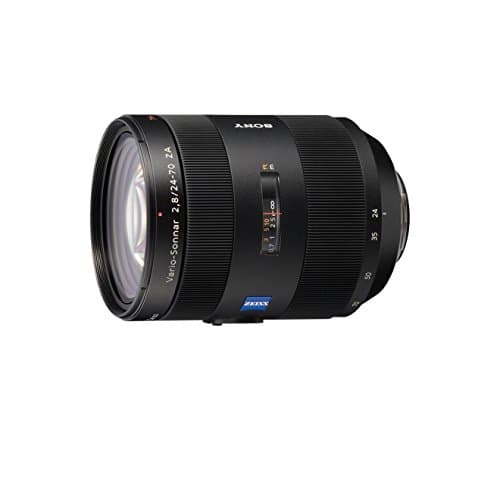
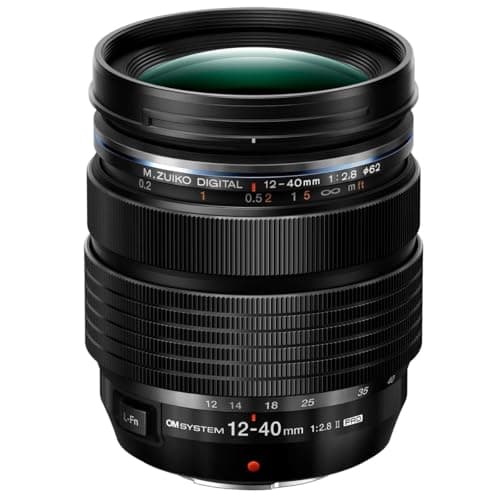
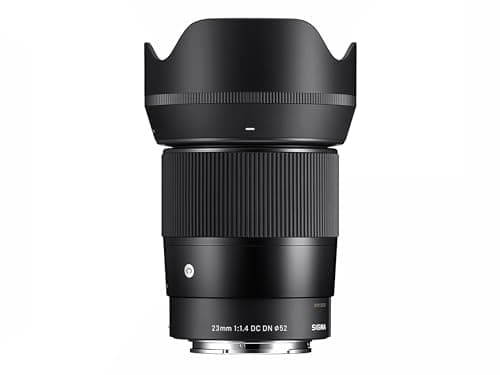
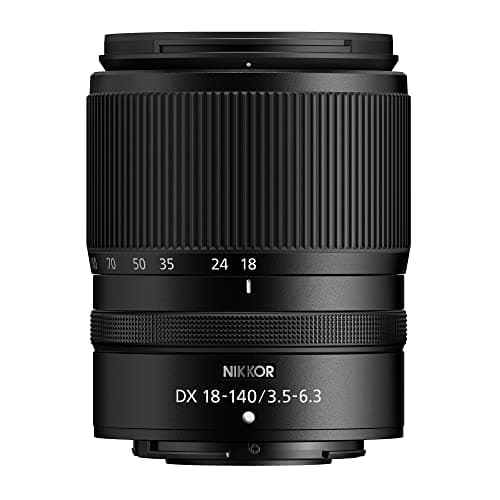
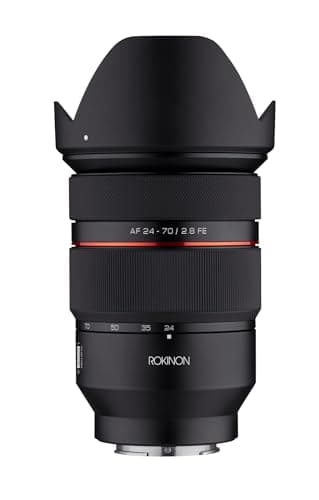
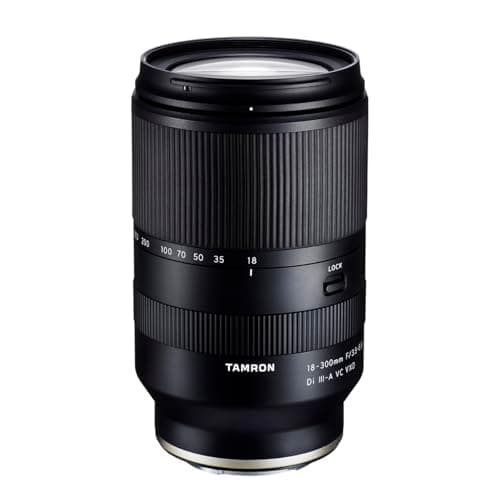
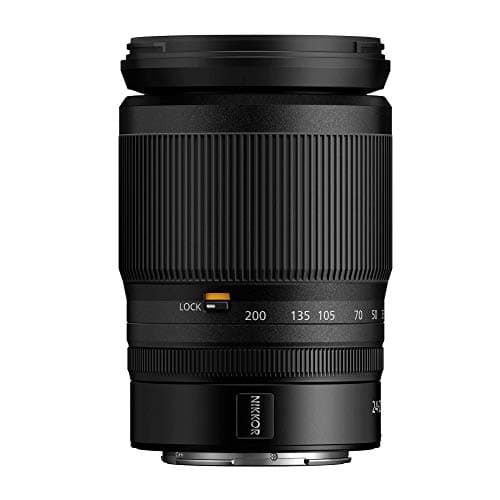
* Product prices and availability are accurate as of the date/time indicated and are subject to change. Any price and availability information displayed on Amazon.com at the time of purchase will apply to the purchase of this product.
* Imaginated.com may receive compensation for purchases made at participating retailers linked on this site. This compensation does not affect what products or prices are displayed, or the order of prices listed. Learn more here.
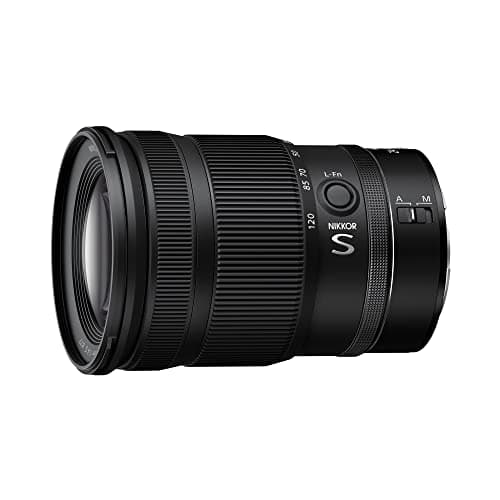
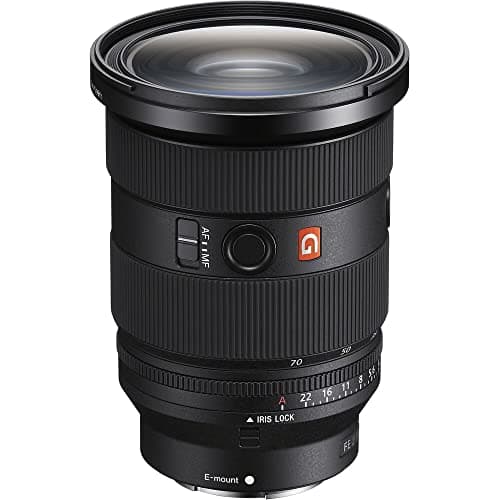
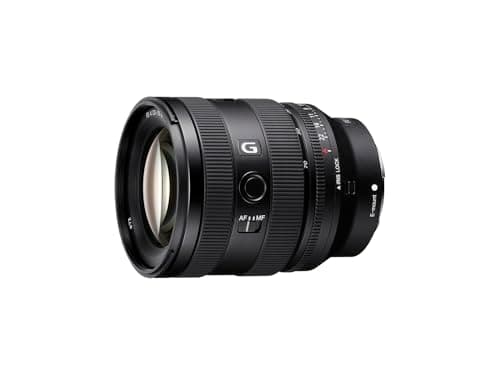
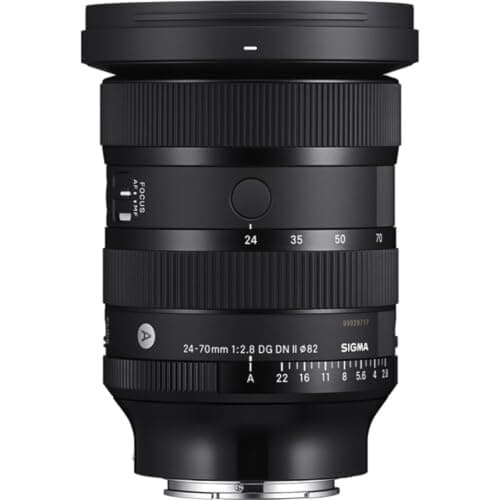
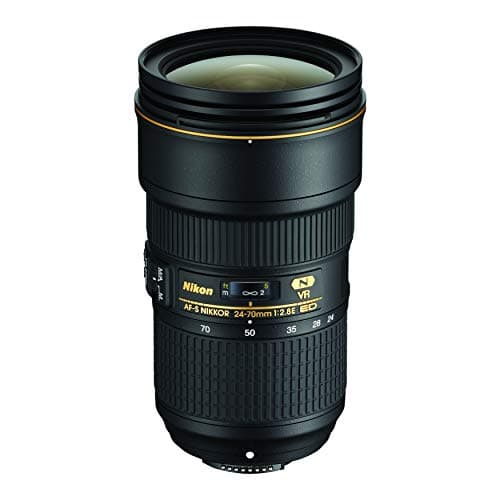
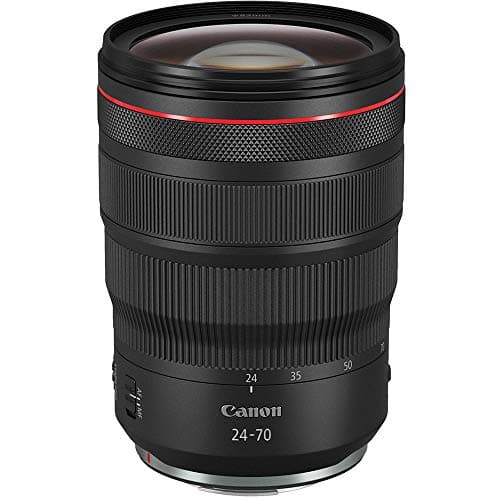
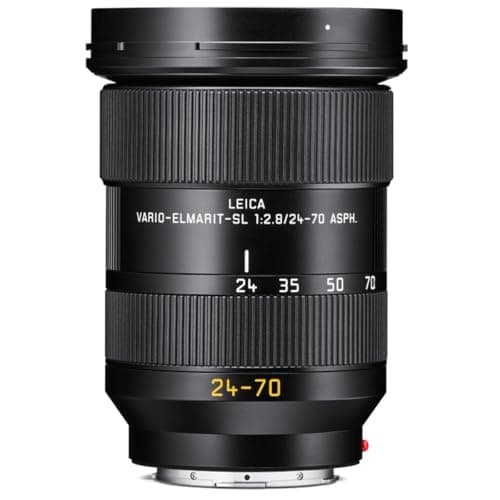
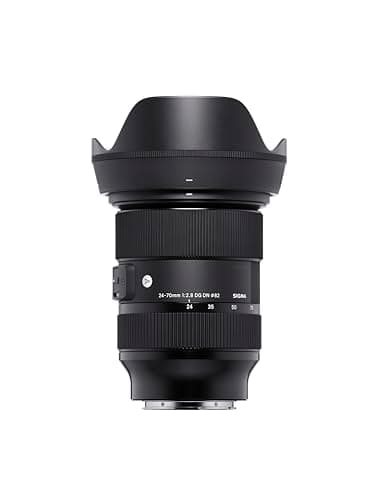
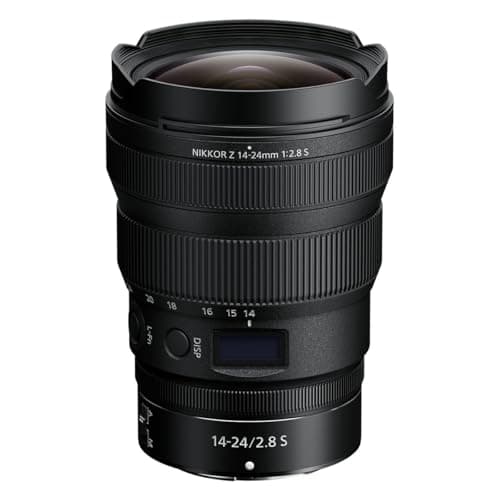
These are the best wide-angle lenses for automotive photography when you want clean body lines, controlled reflections, punchy color, and sharp edges from bumper to tail—whether you’re shooting 3/4 hero exteriors, tight interiors, rolling rigs, or dramatic low-angle perspectives—and here’s what to look for as you buy: prioritize low geometric distortion (rectilinear designs with tame wave/moustache behavior), strong corner performance at working apertures (often ƒ4–ƒ8), coatings that crush flare/ghosts from headlights and street lamps, minimal focus breathing if you film, close-focus ability for exaggerated perspective details (badges, grills), and a practical filter plan (front 82/77mm threads for CPL/ND—wide bulbs need a holder); if you keep verticals straight on architecture backdrops, consider shift/tilt-shift solutions. Full-frame zoom workhorses for exterior hero shots and interior breadth: Sony FE 16–35mm ƒ2.8 GM II (razor-sharp, filter-friendly, great sunstars), Sony FE 12–24mm ƒ2.8 GM (ultra-wide drama, disciplined corners), Nikon Z 14–24mm ƒ2.8 S (class-leading sharpness, excellent flare control with filter options), Canon RF 15–35mm ƒ2.8L IS USM (fast AF, useful IS for handheld rollers), Canon RF 14–35mm ƒ4L IS (compact, accepts front filters), Sigma 14–24mm ƒ2.8 DG DN Art (pro value and consistent edges), Tamron 17–28mm ƒ2.8 (lightweight, clean rendering for agile shoots), and Panasonic/L-Mount 16–35mm ƒ4 (travel-friendly with crisp micro-contrast). Prime heroes when you want speed, character, and clean geometry: Sony FE 20mm ƒ1.8 G (threaded travel beast for night streets), Sony FE 24mm ƒ1.4 GM (classic hero angle with gorgeous micro-contrast), Sony FE 14mm ƒ1.8 GM (interiors and low angles with disciplined distortion), Nikon Z 20mm ƒ1.8 S and Z 24mm ƒ1.8 S (neutral color, tight corners), Canon RF 24mm ƒ1.8 Macro IS (close-focus for big foreground fenders), Sigma 20mm ƒ1.4 and 24mm ƒ1.4 DG DN Art (fast, flare-resistant), Laowa 15mm ƒ2 Zero-D and 12mm ƒ2.8 Zero-D (manual-focus “straight-line” specialists), and Samyang 18mm ƒ2.8 FE (budget-friendly, featherweight). Shift and tilt-shift for architectural perfection behind the car: Canon TS-E 24mm ƒ3.5L II and TS-E 17mm ƒ4L (still standards via adapters), Nikon PC 19mm ƒ4E and PC-E 24mm ƒ3.5D (precise movements), plus Laowa 15mm ƒ4.5 Shift and 20mm ƒ4 Shift for generous rise/fall to keep buildings upright while showcasing the vehicle. APS-C standouts for nimble rigs and interiors: Sony E 10–20mm ƒ4 PZ (tiny, sharp, filter threads), Sony E 11mm ƒ1.8 (night work with speed), Fujifilm XF 10–24mm ƒ4 R OIS WR (stabilized, rectilinear), XF 8–16mm ƒ2.8 (pro ultra-wide), and Canon RF-S 10–18mm (compact range for travel sets); value primes like Samyang 12mm ƒ2 and Laowa 9mm ƒ2.8 shine for interiors and tight spaces. Micro Four Thirds picks: Olympus/OM SYSTEM 7–14mm ƒ2.8 Pro, Panasonic 8–18mm ƒ2.8–4, and Laowa 7.5mm ƒ2 for tiny rigs and low-light city scenes. Practical buyer tips: a high-quality circular polarizer is essential to manage reflections on paint and glass—rotate to taste but beware uneven polarization across the sky at ultra-wide focal lengths; standardize on 77/82mm when possible, and keep a solid ND (3–6 stops) for daylight motion blur on rollers; look for lenses with strong hood designs and coatings to tame headlight flare; for stitched backplates and environment plates, pick lenses with even illumination and low wave distortion and learn the entrance pupil for clean parallax. Field technique that makes cars look elite: keep the camera roughly level to avoid keystoning and stretch, step back and go a touch longer (24–28mm) when you need cleaner proportions, but drop to 14–20mm for interior breadth and dramatic low front 3/4s; turn the front wheel ~10–15° toward camera, shoot low for stance, and mind panel reflections—use a large scrim/flag or negative fill to shape specular highlights; for blue-hour exteriors, work around ƒ5.6–ƒ8 for crisp lines and starbursts, bracket exposures for head/tail lights, and blend subtly; for rolling shots, start around 1/30–1/60s at 16–24mm with ND, keep IBIS/IS on and stabilize your body/rig, and pan smoothly for razor-sharp badges with streaked roads; inside cabins, kill clutter, back-seat low angle at 14–20mm, and balance ambient with small off-camera fills; for video, test breathing (the Sony 16–35 GM II and Sigma 14–24 DN behave nicely) and set linear MF if your body supports it. Whether you’re crafting dealership hero images, editorial features, moody garage portraits, or high-speed rollers, the best wide-angle lenses for automotive photography combine low distortion, flare discipline, and fast, confident AF—so your lines stay straight, your paint pops, and your cars look fast even when standing still.
Lenses by brand:
Lenses by price:
Lenses by type:
Lenses by sensor:
Lenses by feature:
Lenses by use case:
- Best Wide-Angle Lenses for Architectural Photography
- Best Wide-Angle Lenses for Astrophotography
- Best Wide-Angle Lenses for Automotive Photography
- Best Wide-Angle Lenses for Cityscape Photography
- Best Wide-Angle Lenses for Concert Photography
- Best Wide-Angle Lenses for Event Photography
- Best Wide-Angle Lenses for Fashion Photography
- Best Wide-Angle Lenses for Food Photography
- Best Wide-Angle Lenses for Landscape Photography
- Best Wide-Angle Lenses for Macro Photography
- Best Wide-Angle Lenses for Nature Photography
- Best Wide-Angle Lenses for Night Photography
- Best Wide-Angle Lenses for Pet Photography
- Best Wide-Angle Lenses for Photojournalism
- Best Wide-Angle Lenses for Portrait Photography
- Best Wide-Angle Lenses for Product Photography
- Best Wide-Angle Lenses for Real Estate Photography
- Best Wide-Angle Lenses for Sports Photography
- Best Wide-Angle Lenses for Street Photography
- Best Wide-Angle Lenses for Travel Photography
- Best Wide-Angle Lenses for Underwater Photography
- Best Wide-Angle Lenses for Wedding Photography
- Best Wide-Angle Lenses for Wildlife Photography
- Best Wide-Angle Lenses for Video
Lenses by experience:
Cameras: