
Best Wide-Angle Lenses for Architectural Photography in 2026
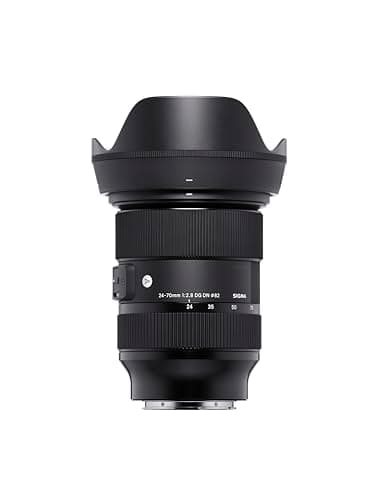
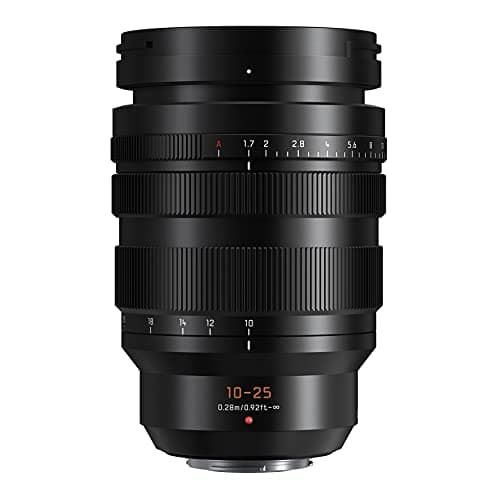
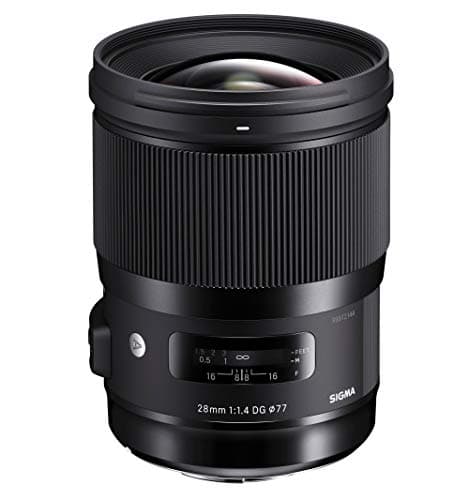
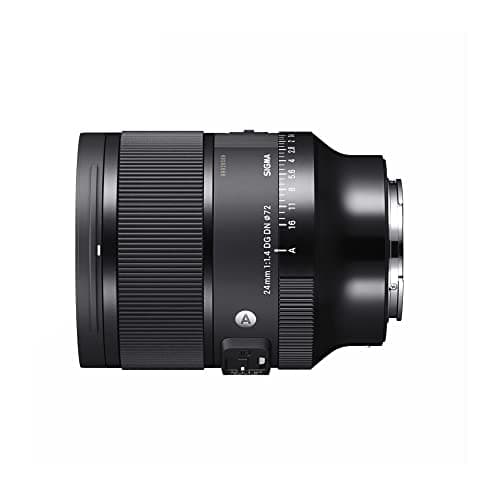
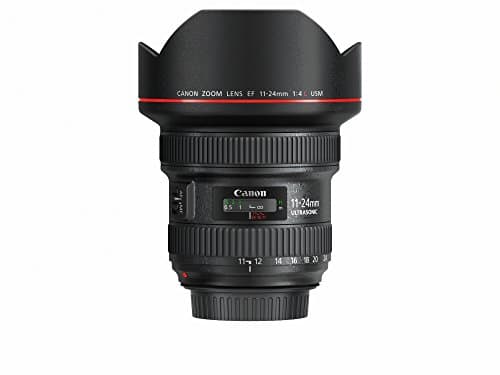
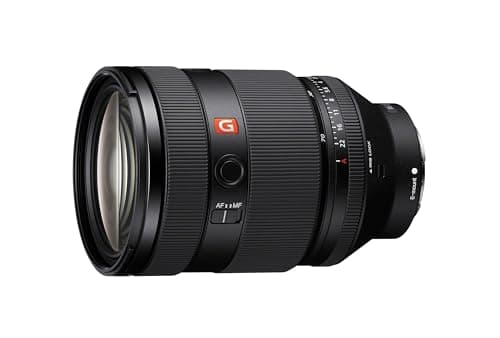
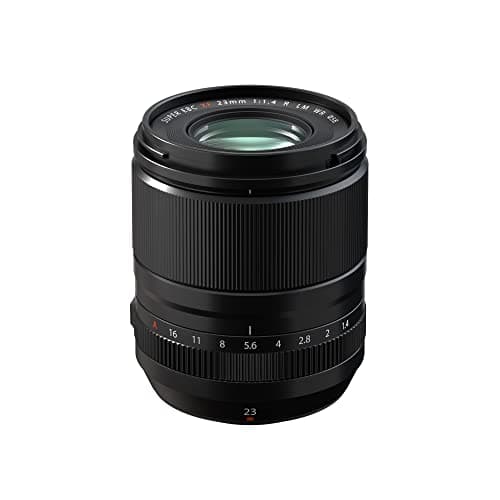
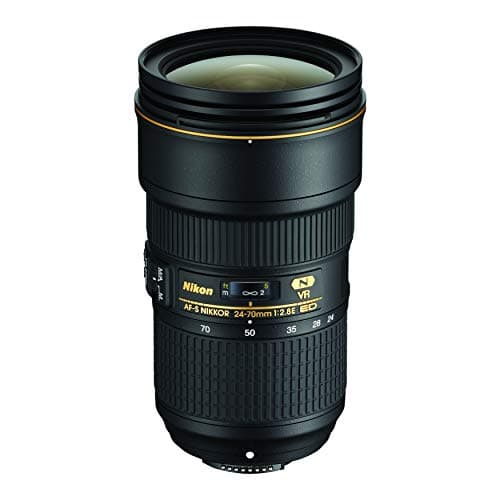
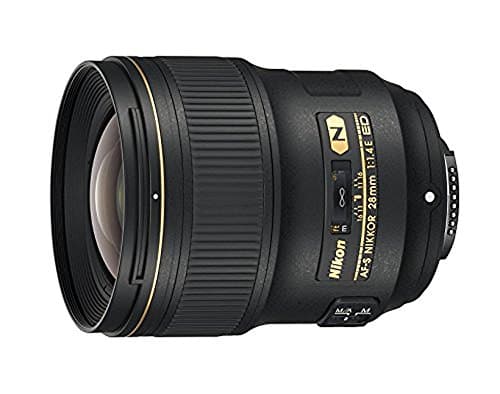
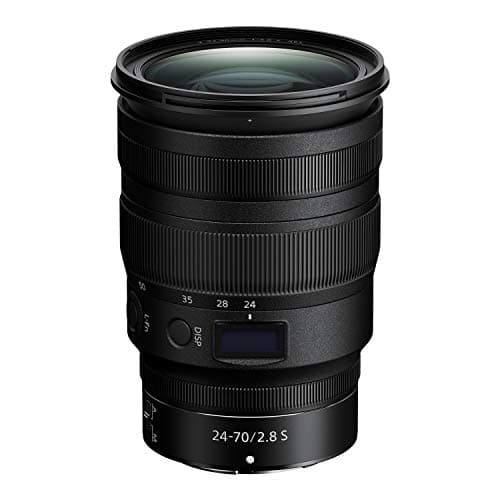
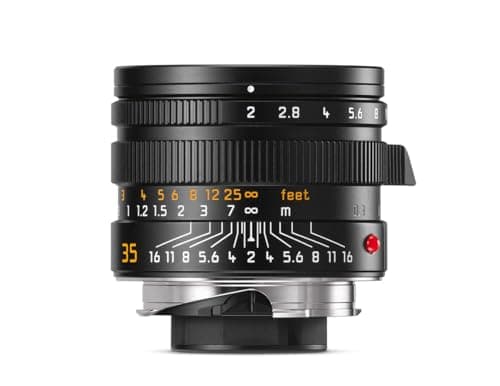
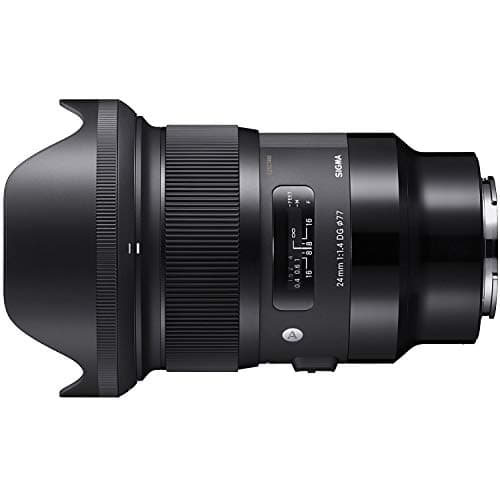
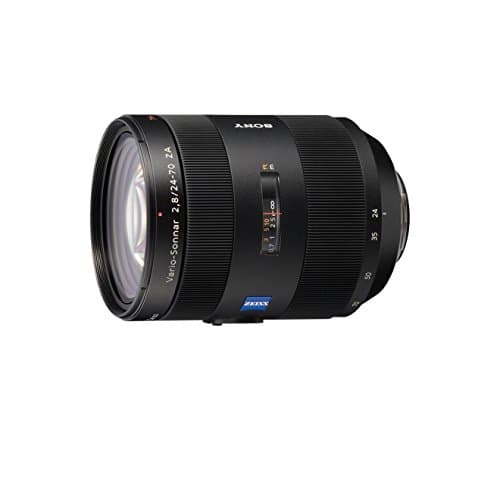
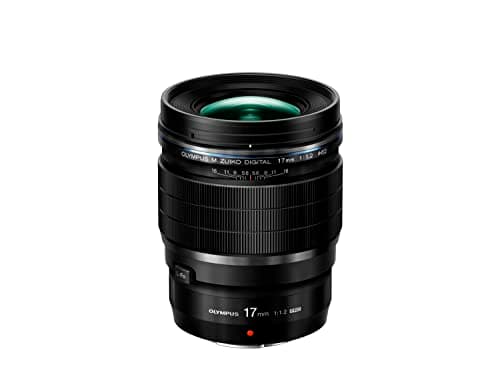
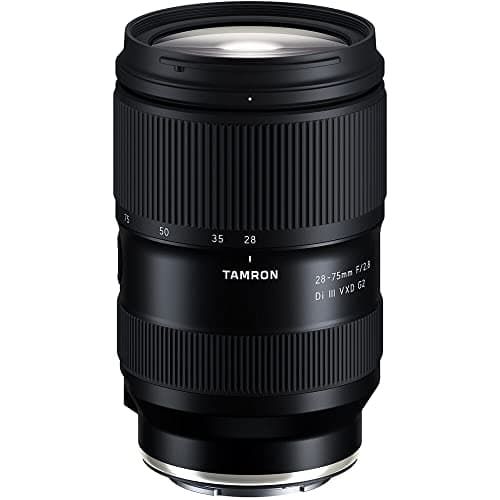
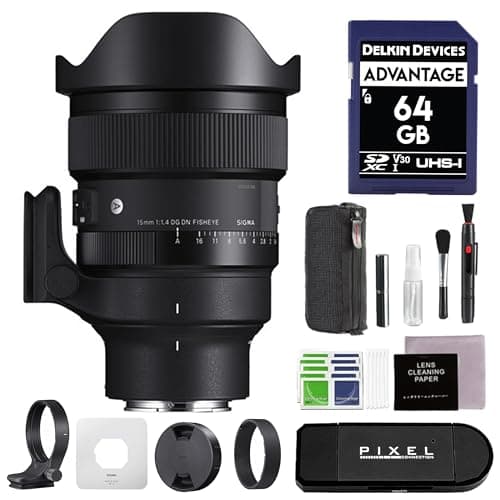
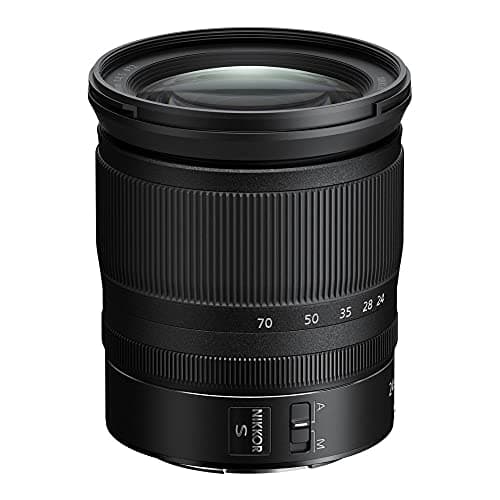
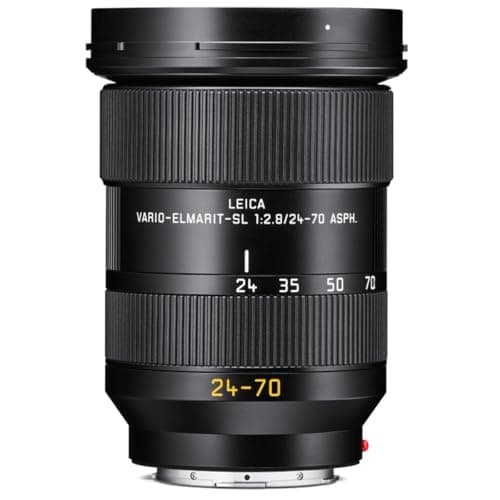
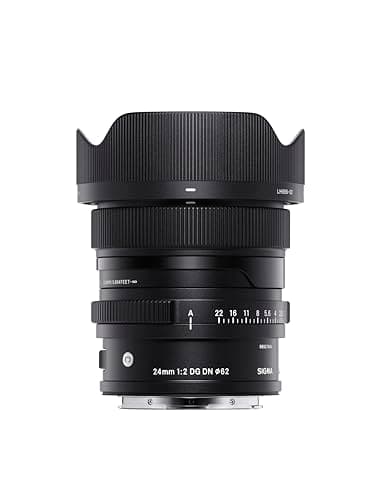
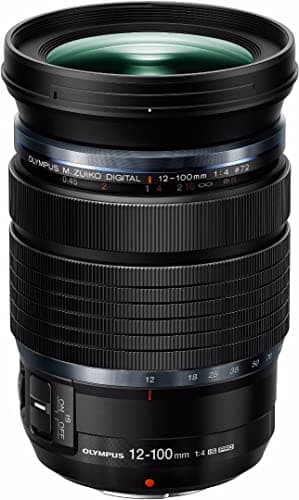
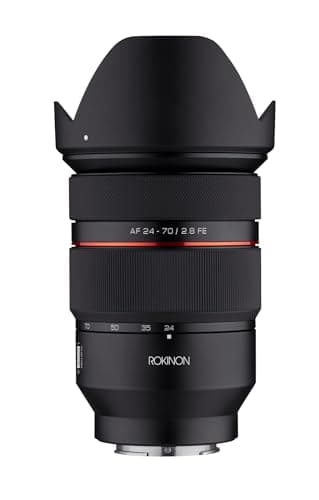
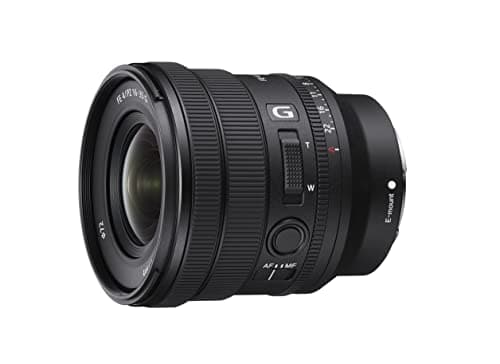
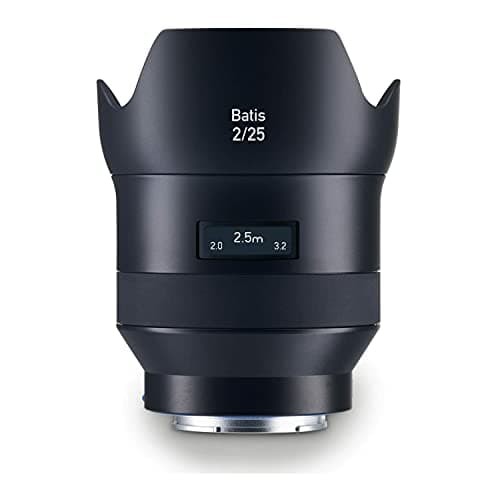
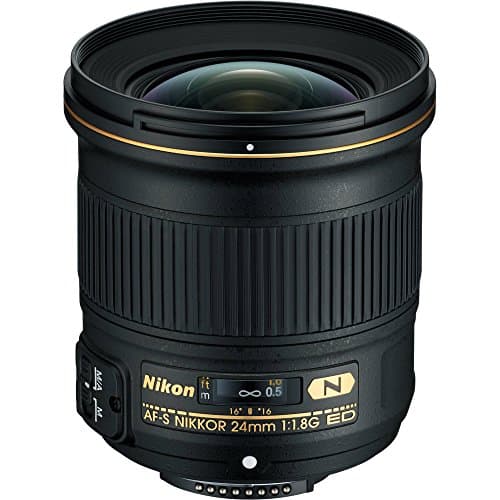
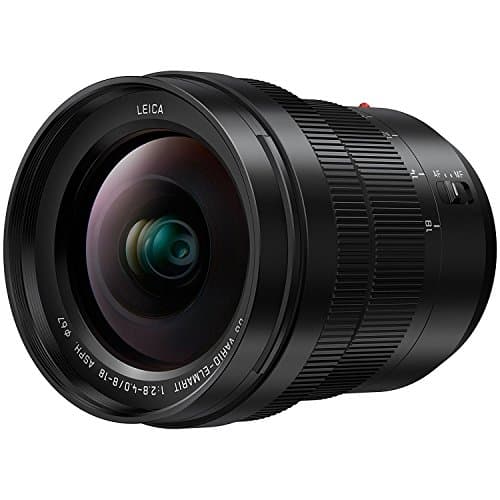
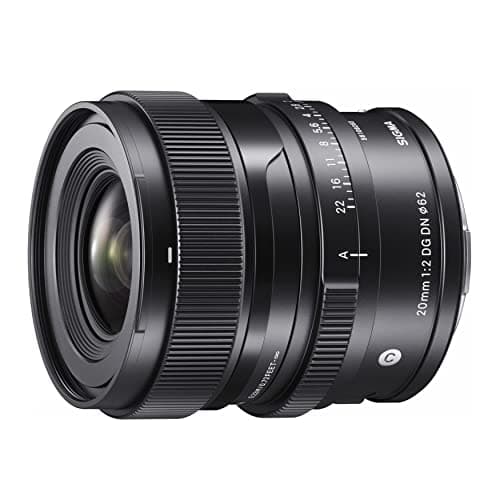
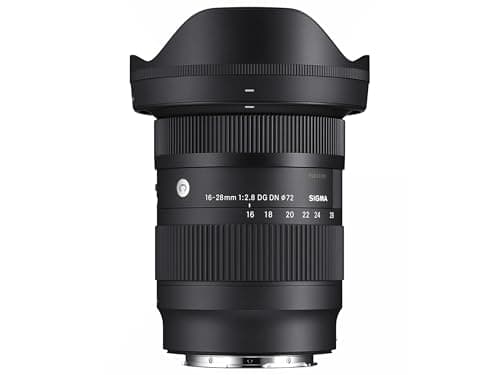
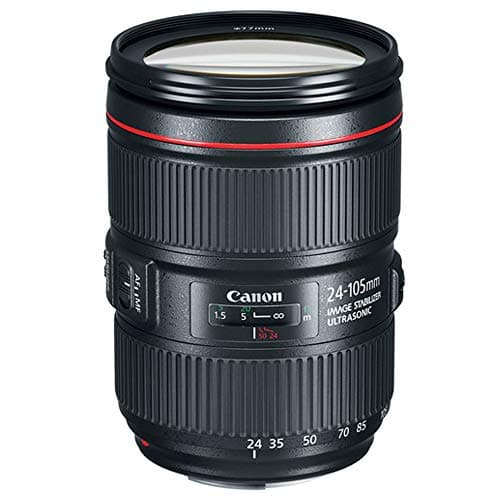
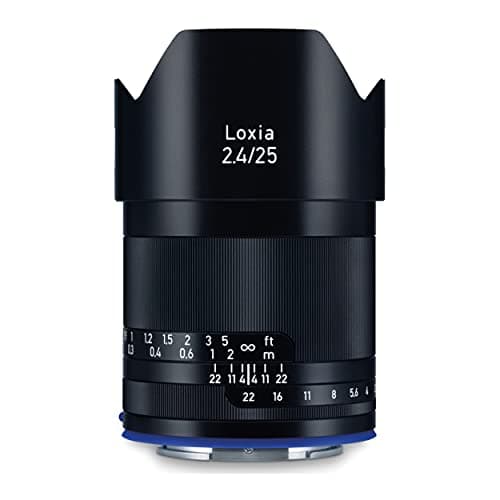
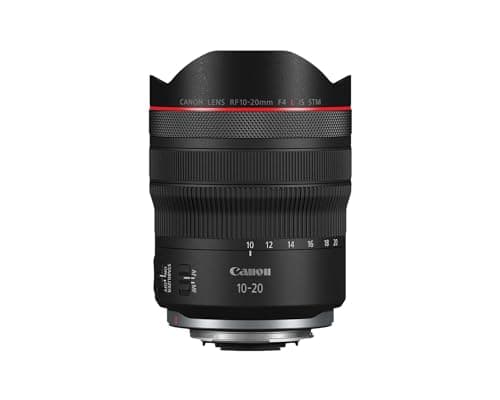
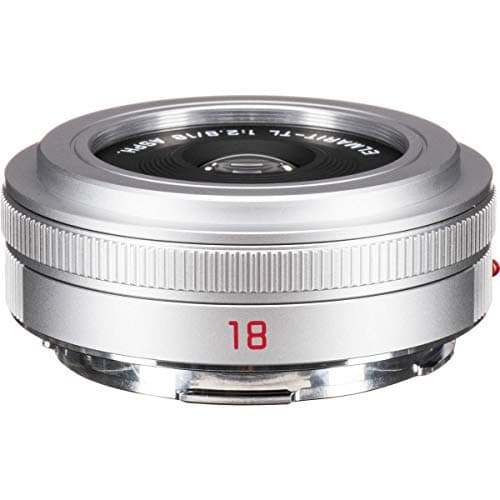
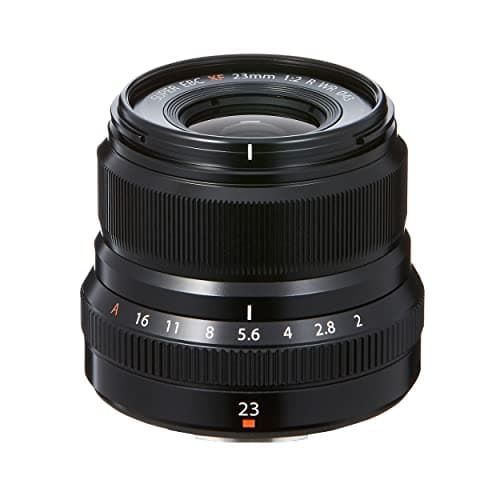
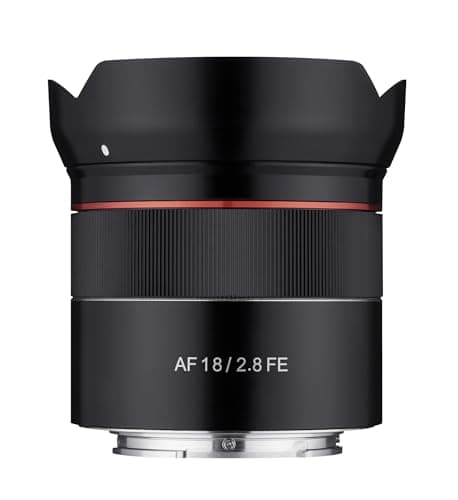
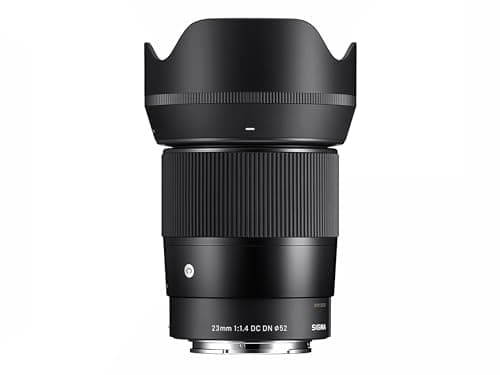
-primary-image.jpg&w=3840&q=75)
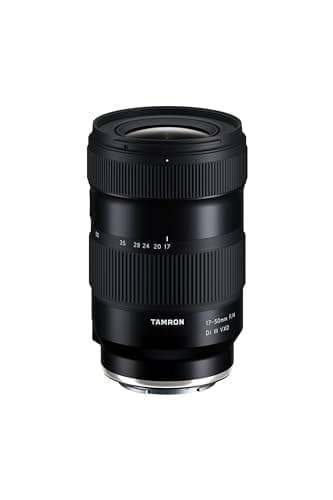
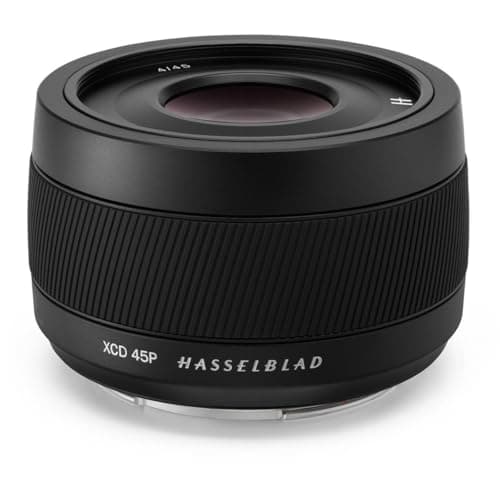
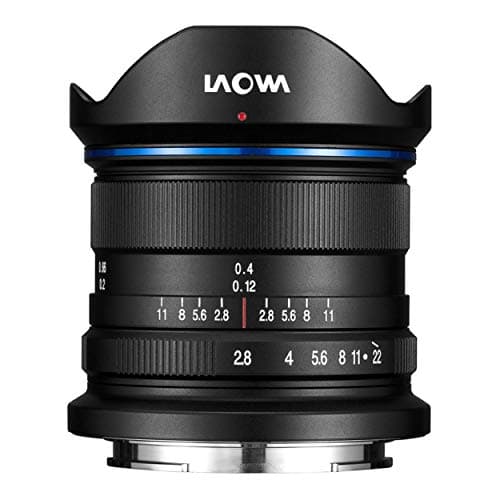
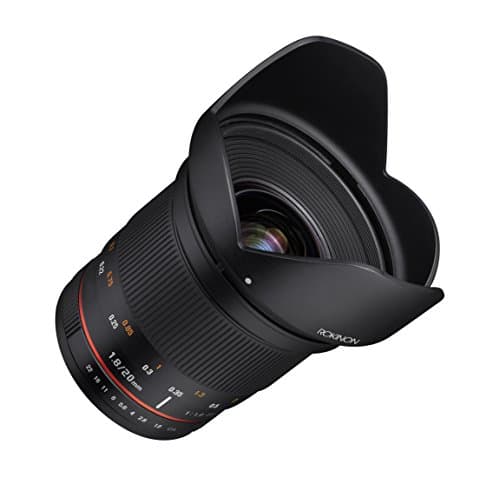
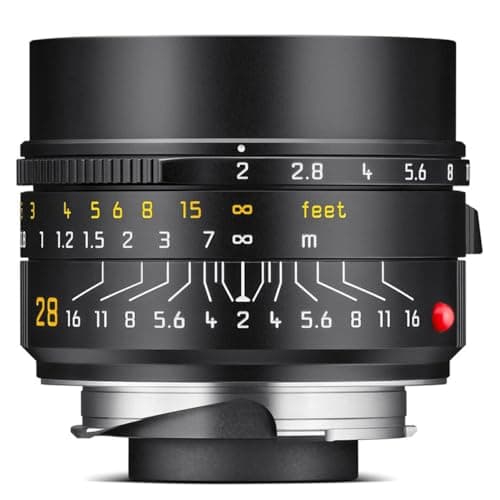
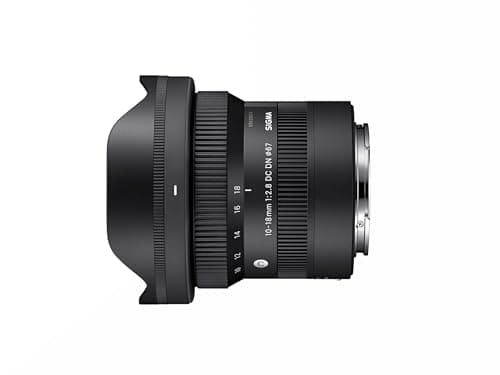
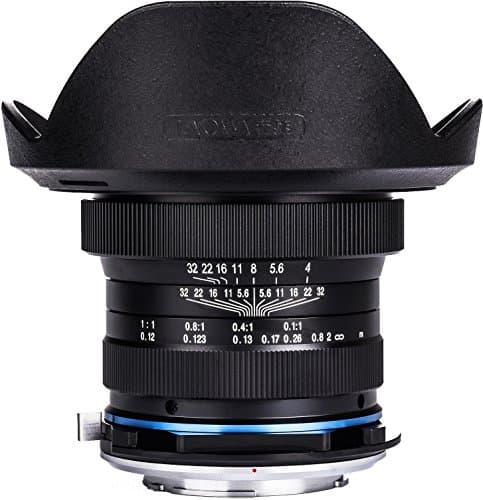
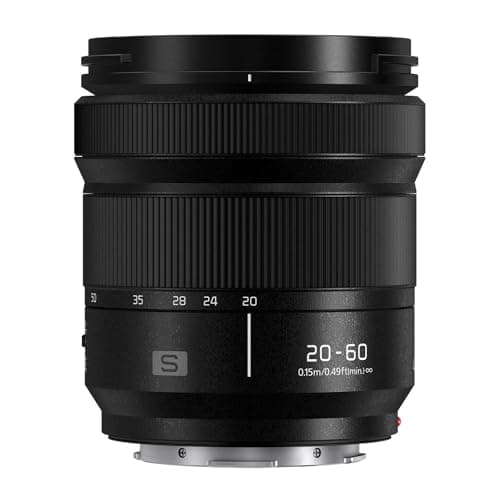
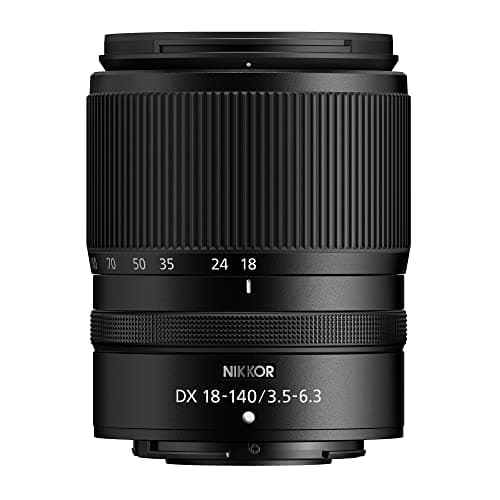
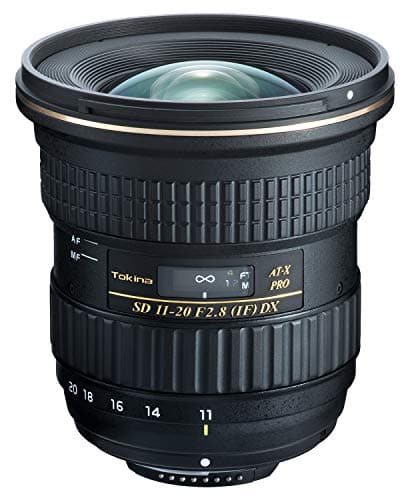
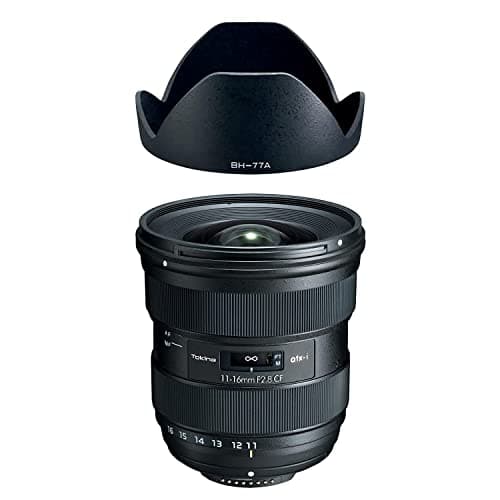
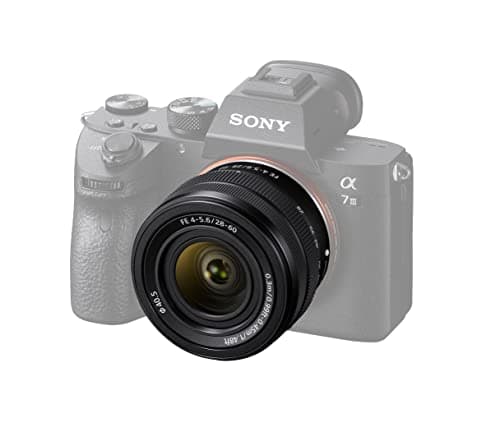
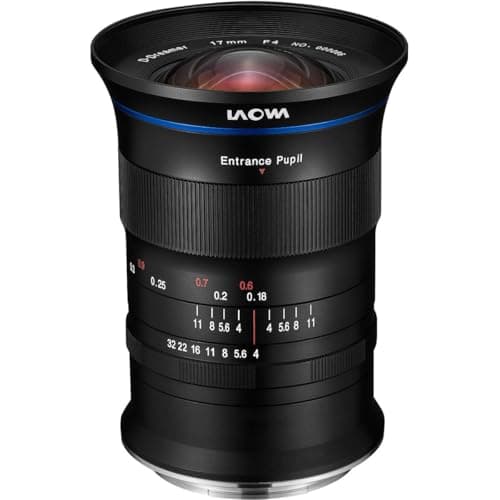
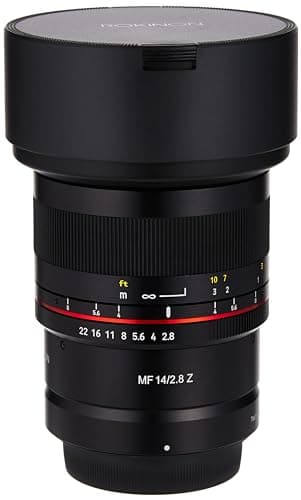
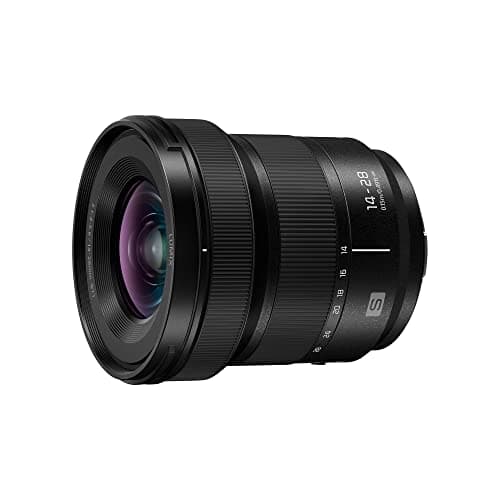
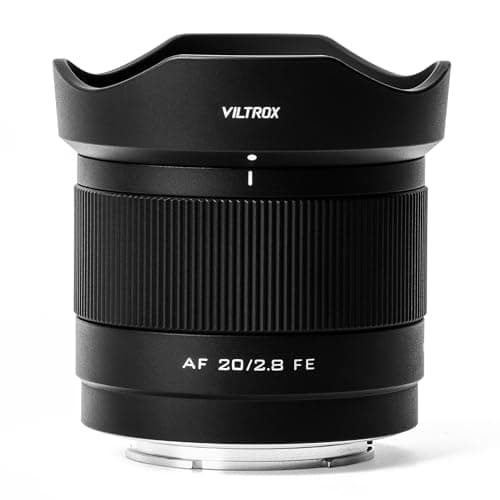
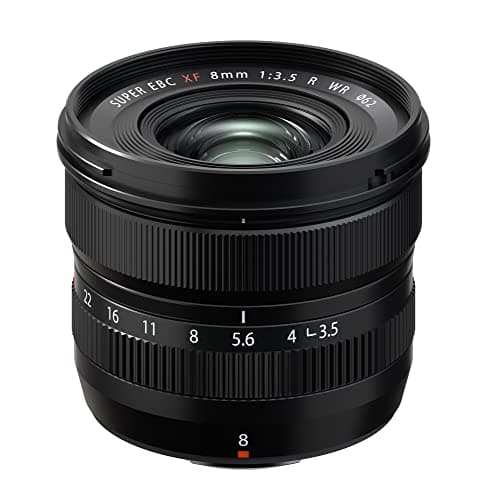
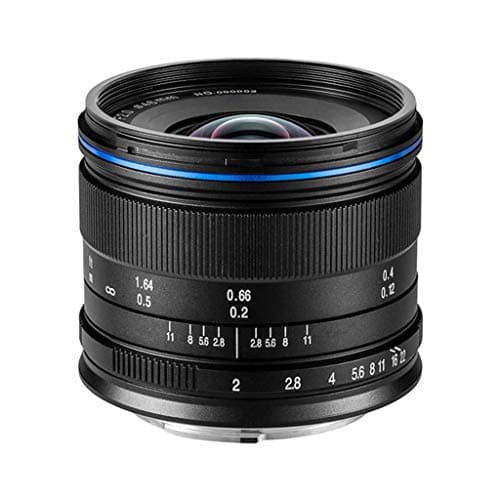
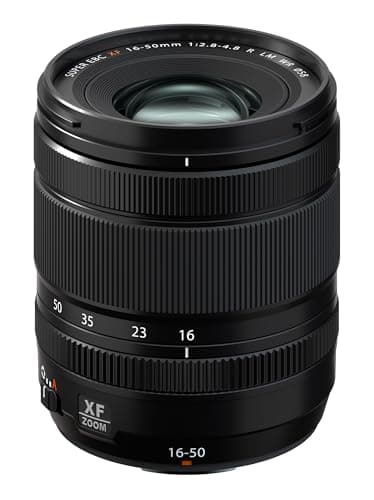
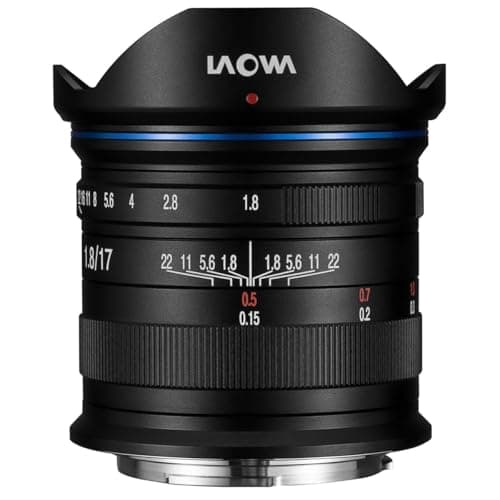
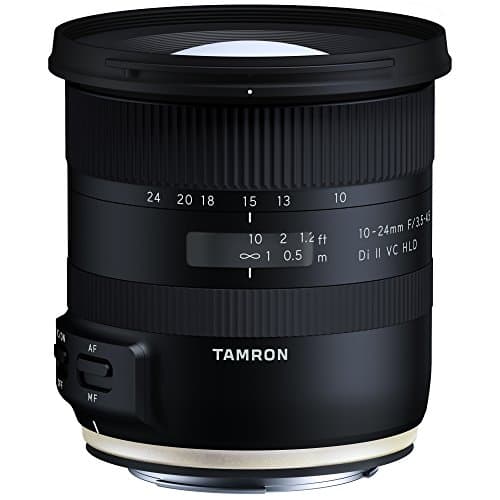
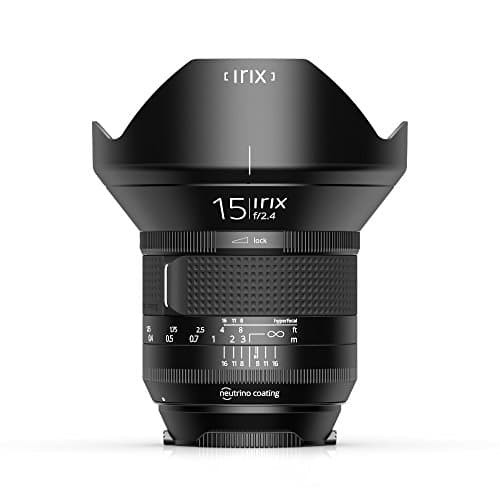
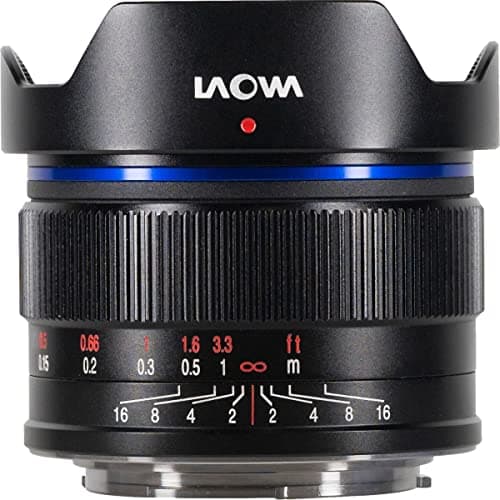
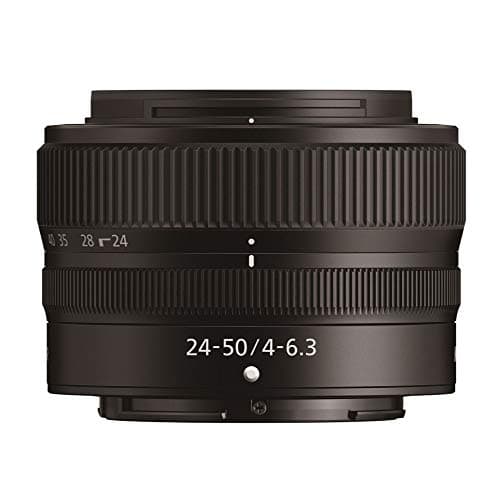
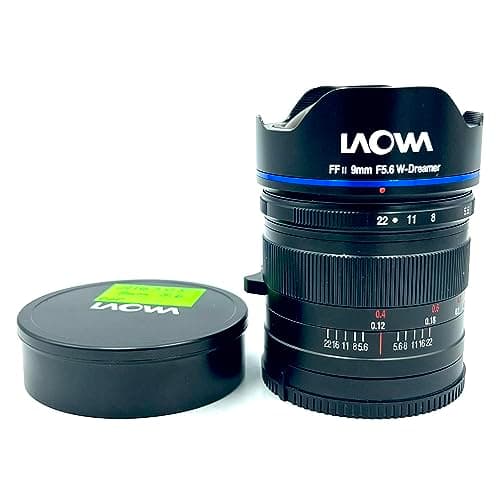
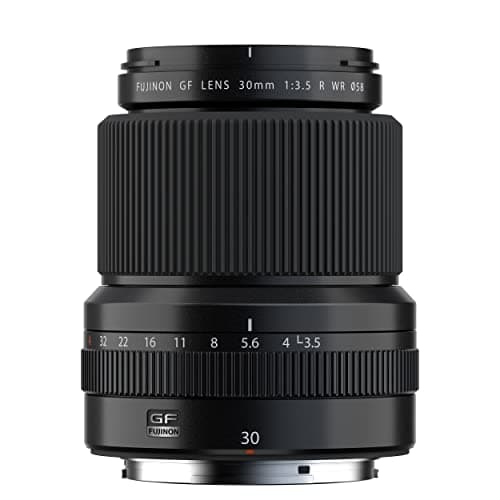
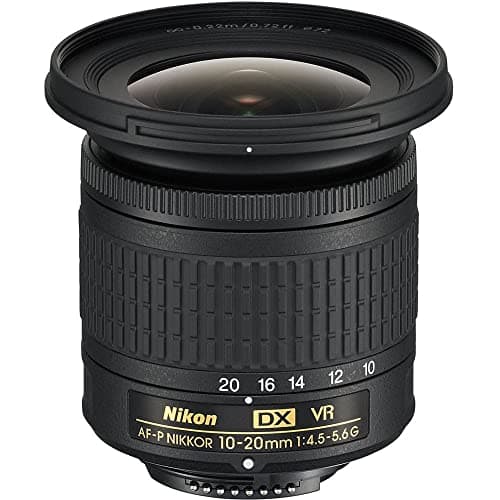
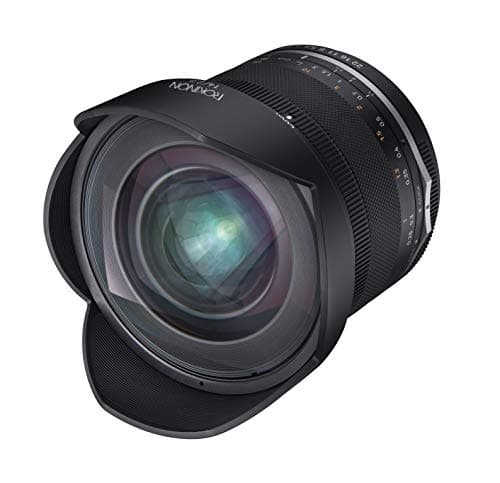
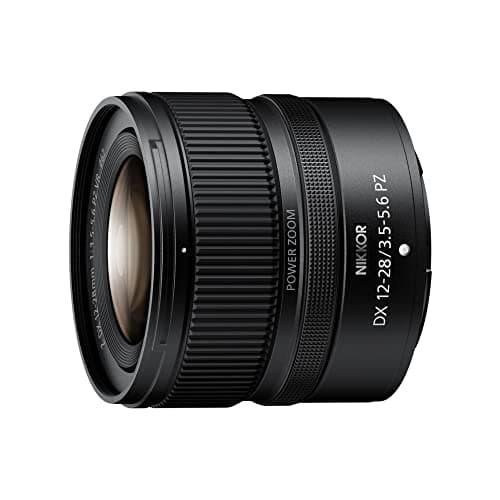
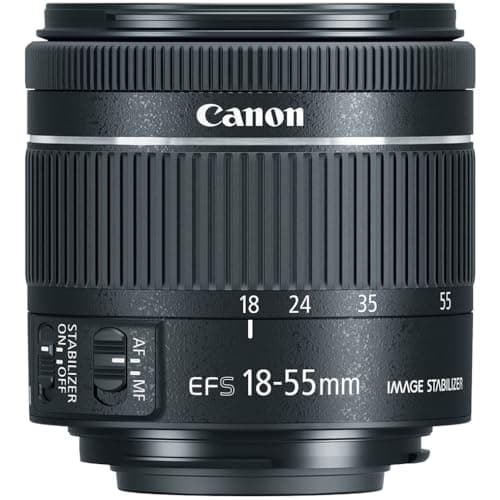
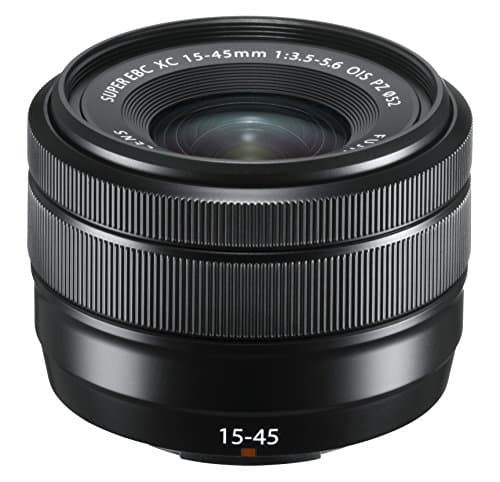
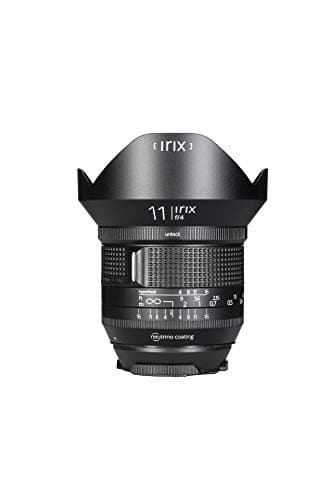
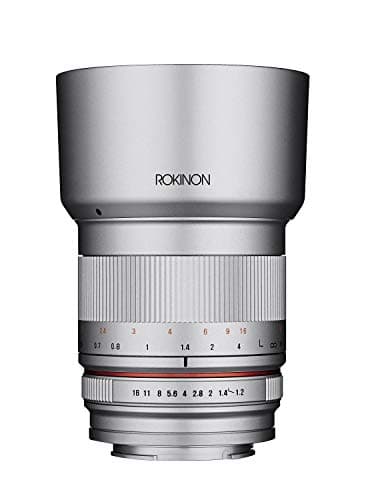
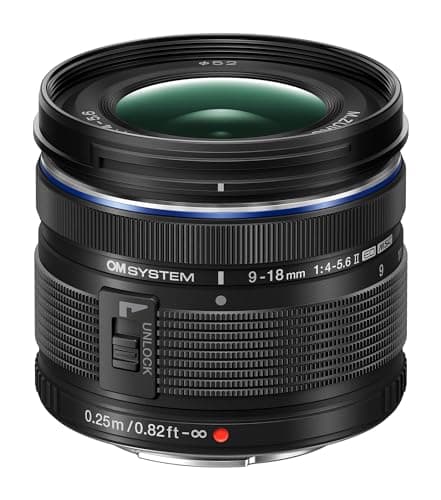
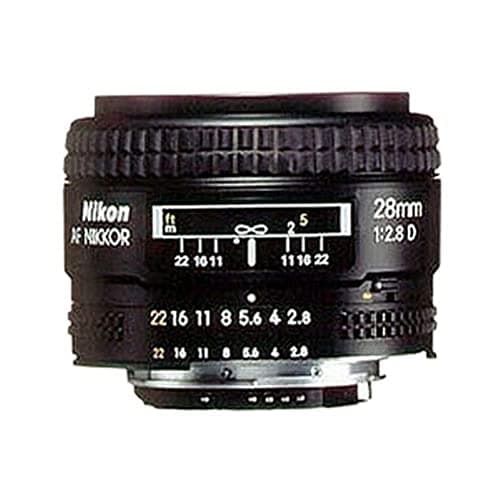
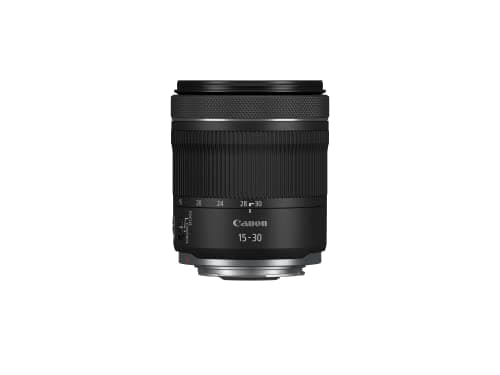
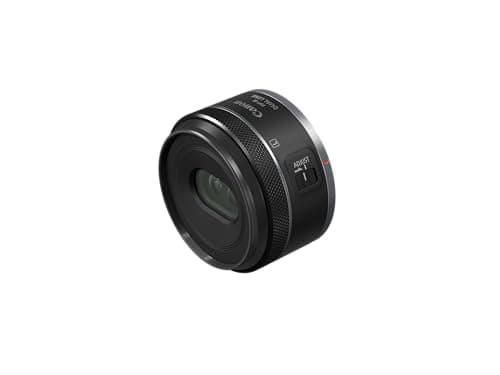
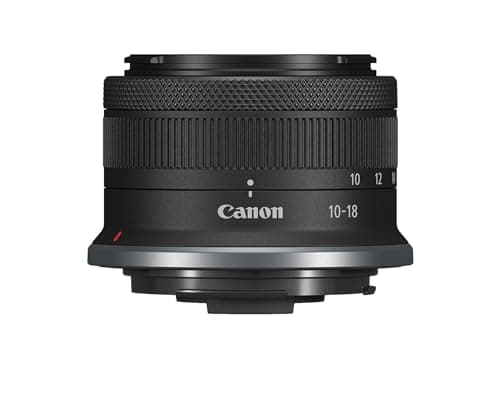
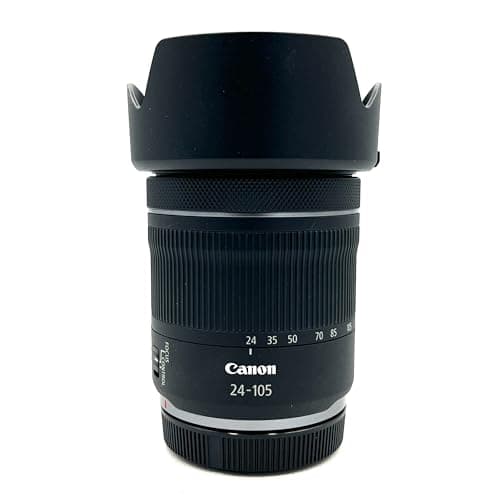
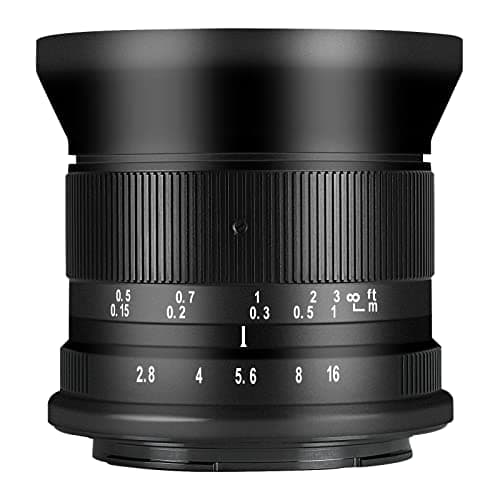
* Product prices and availability are accurate as of the date/time indicated and are subject to change. Any price and availability information displayed on Amazon.com at the time of purchase will apply to the purchase of this product.
* Imaginated.com may receive compensation for purchases made at participating retailers linked on this site. This compensation does not affect what products or prices are displayed, or the order of prices listed. Learn more here.
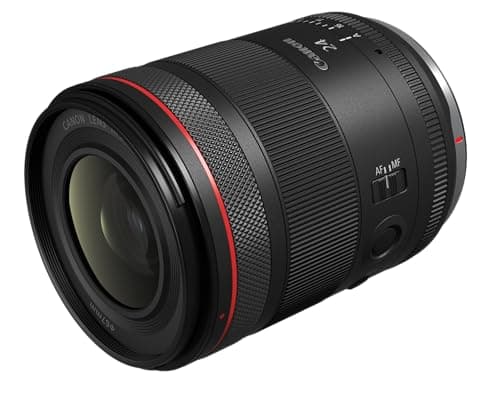
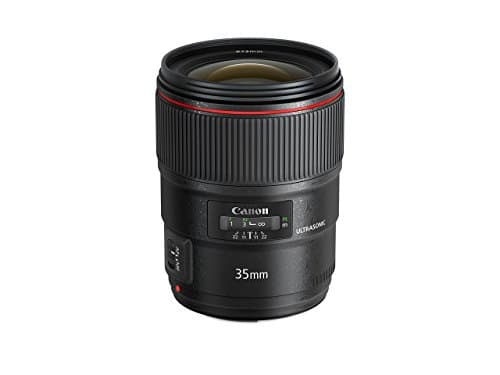
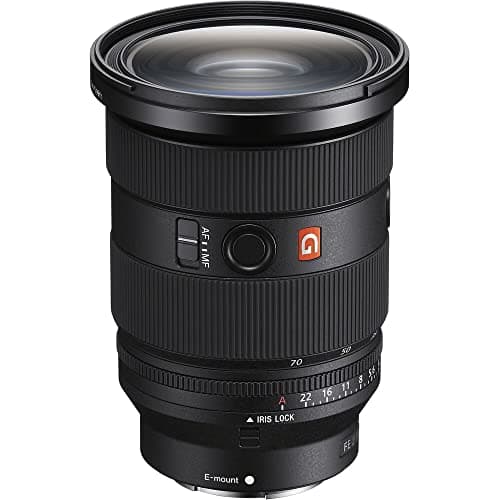
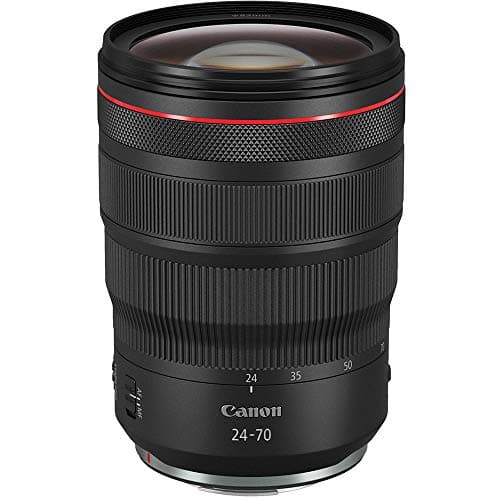
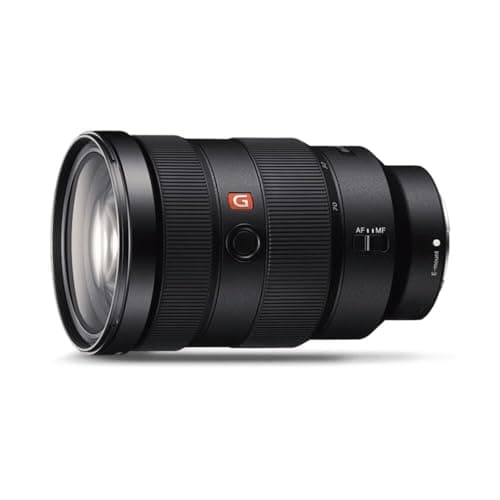
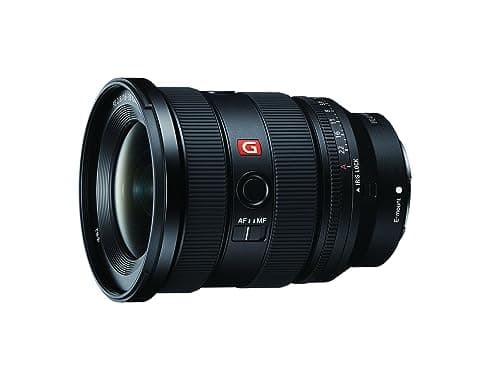
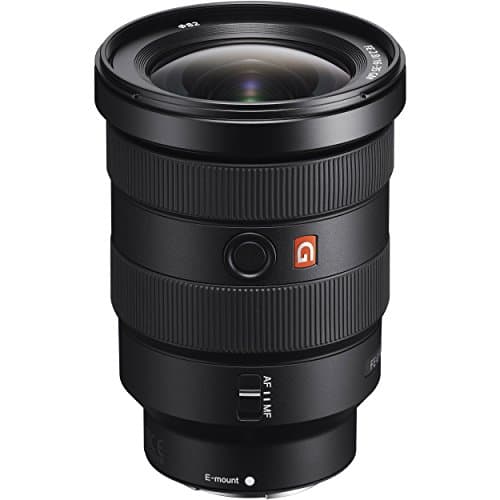
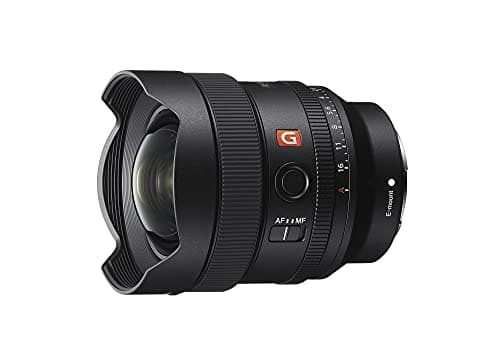
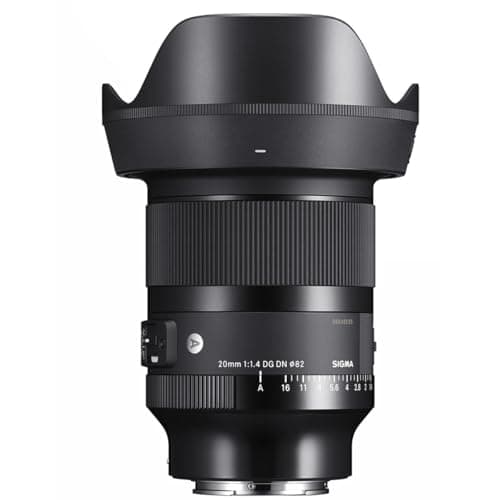
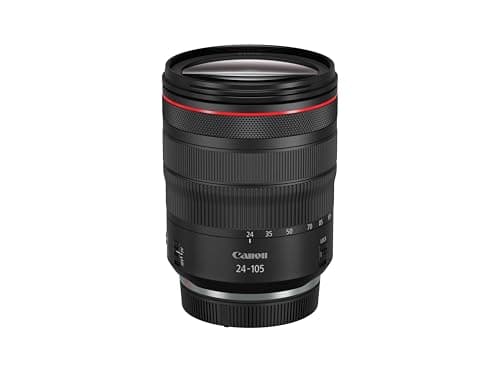
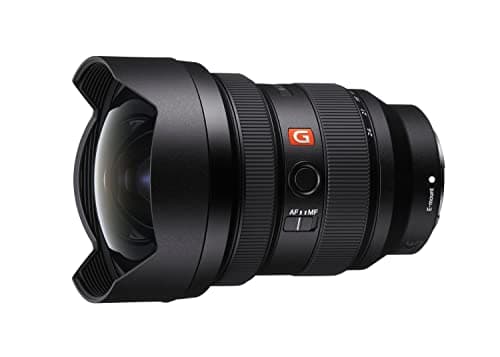
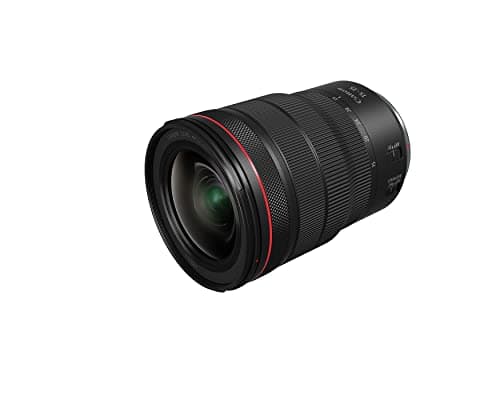
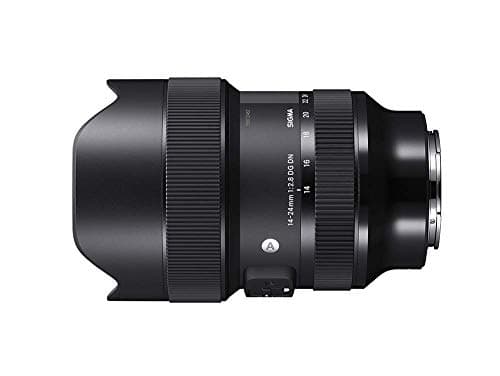
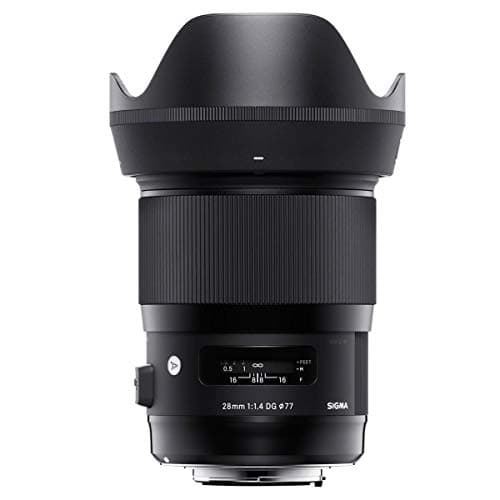
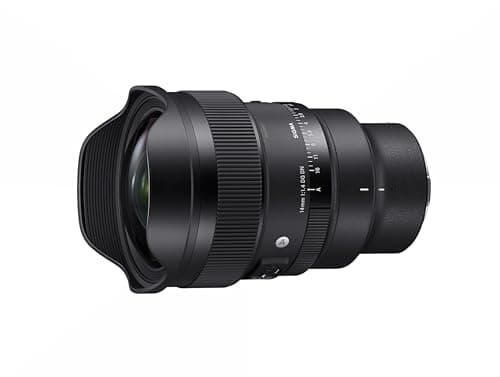
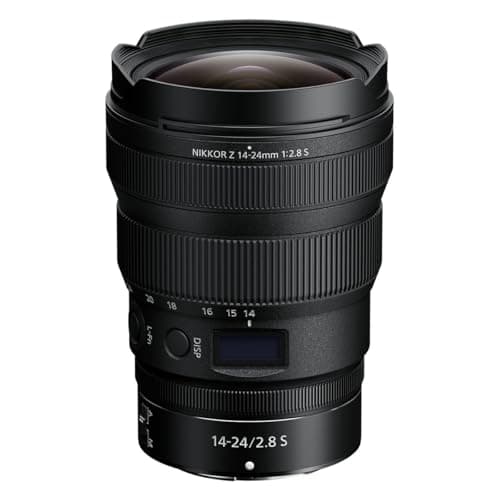
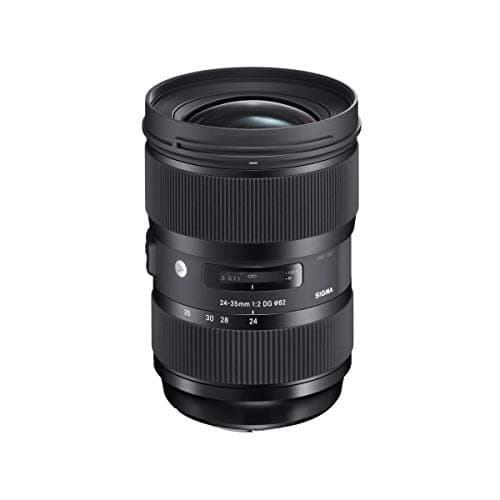
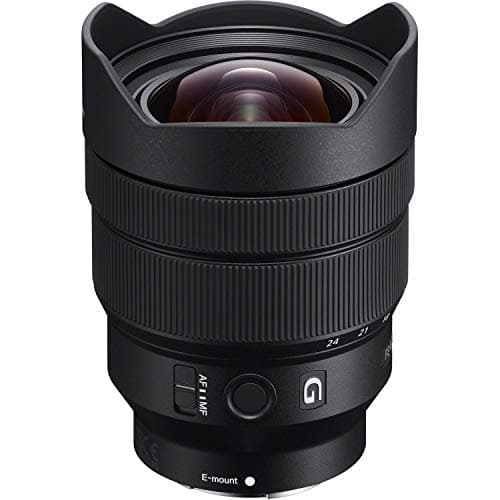
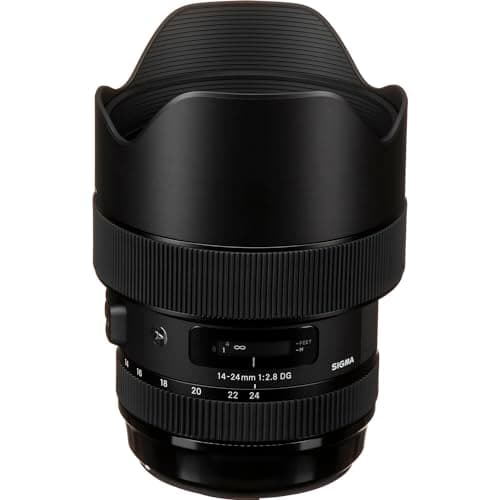
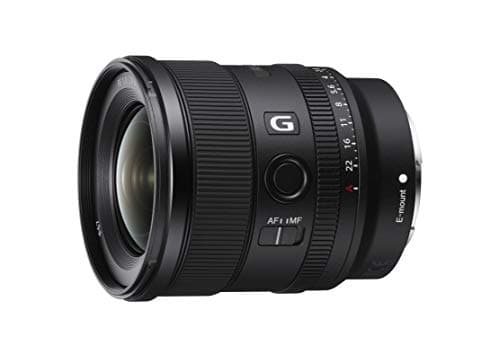
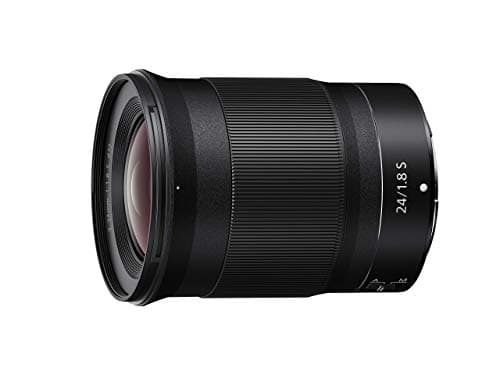
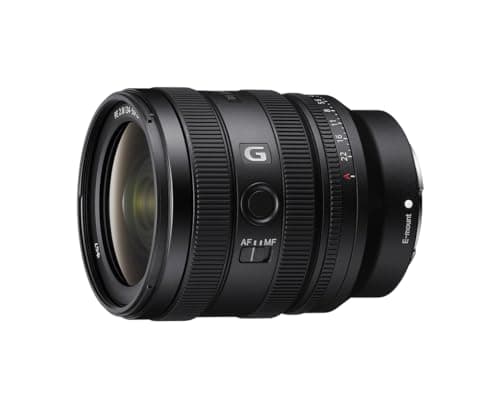
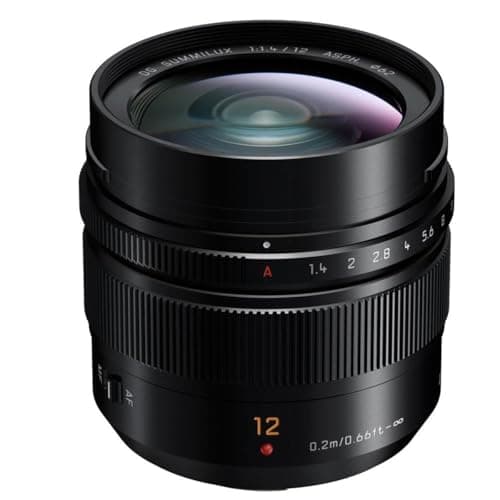
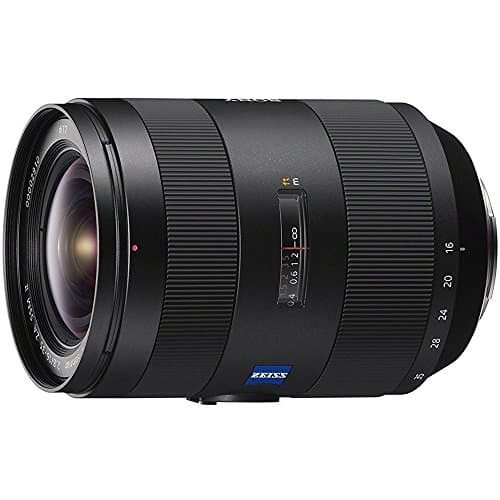
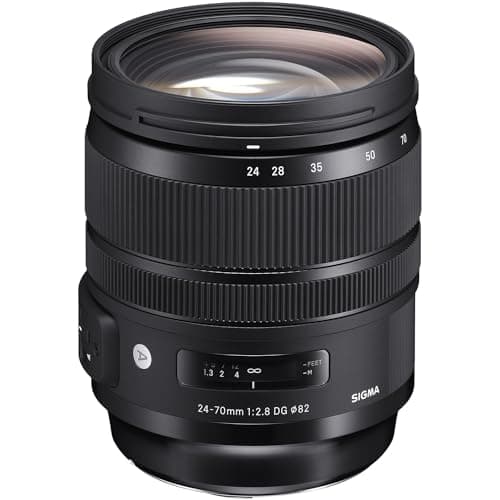
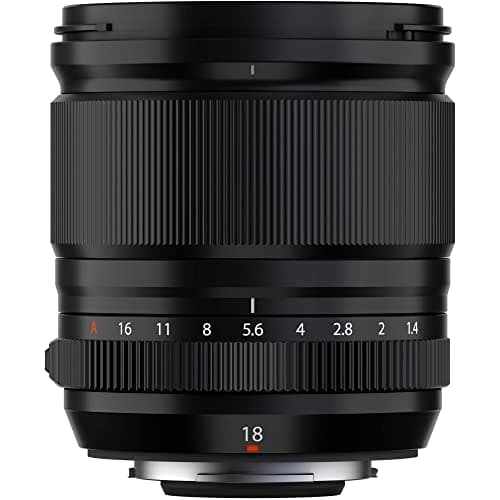
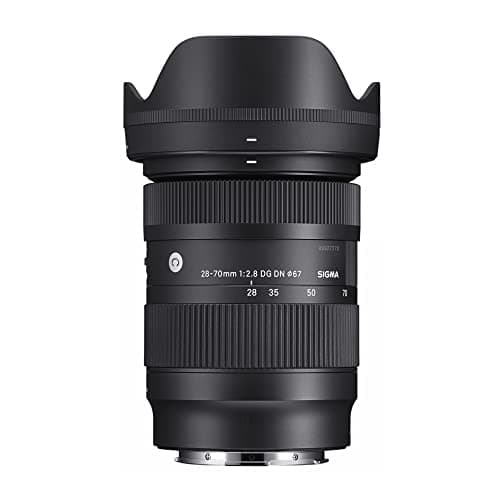
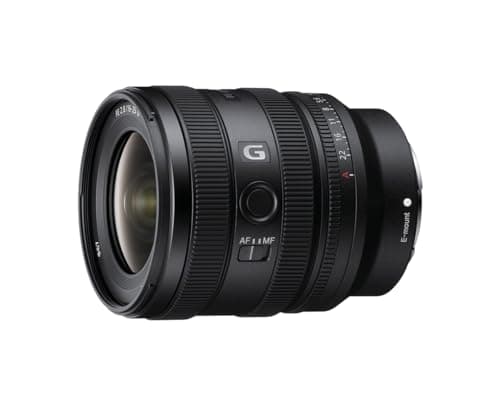
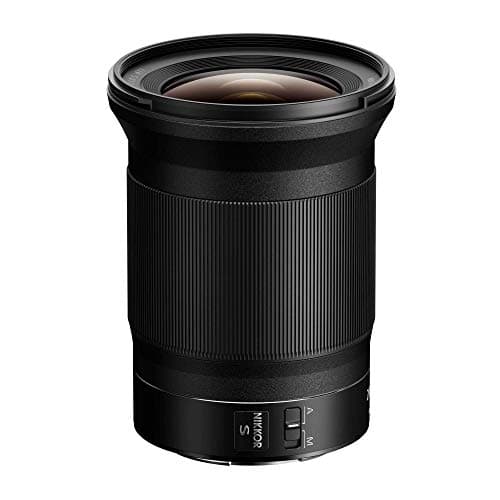
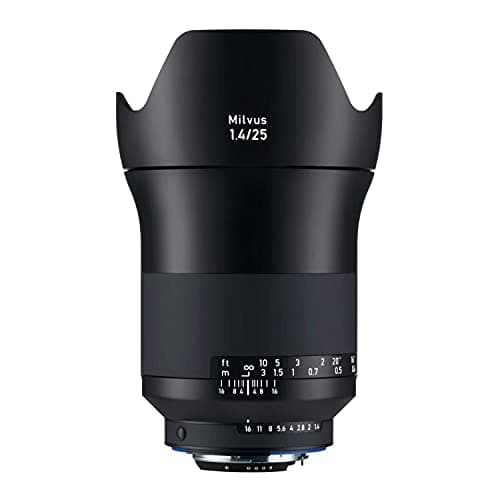
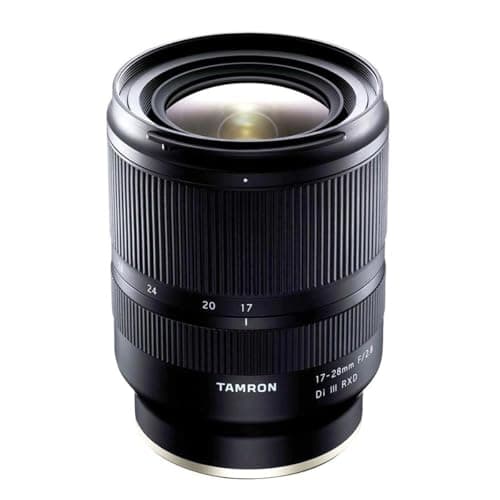
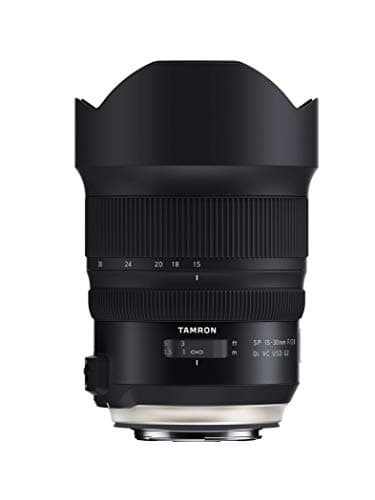
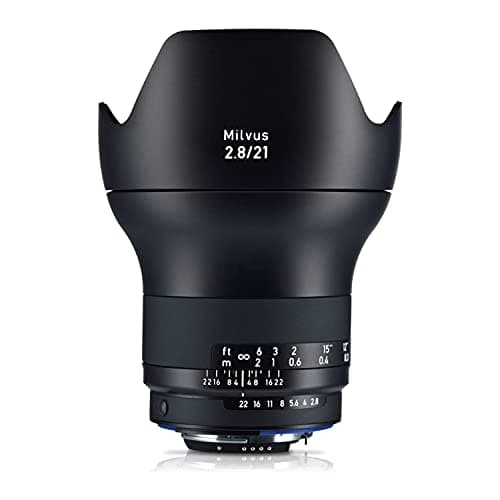
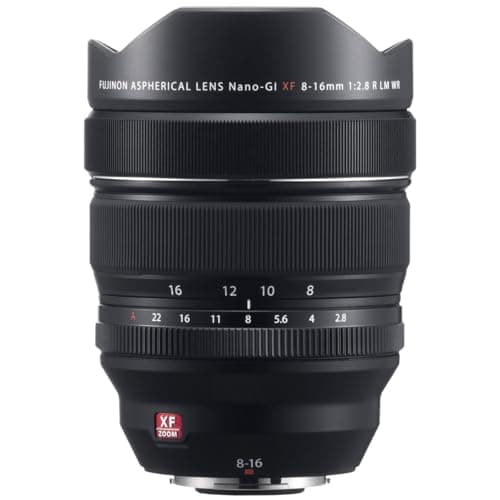
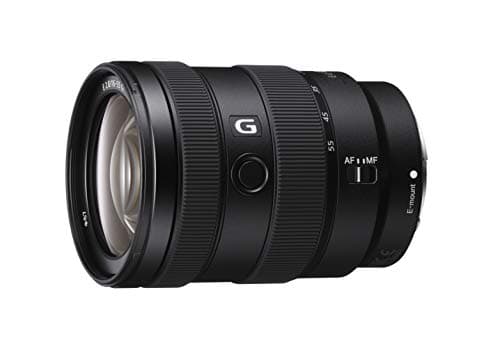
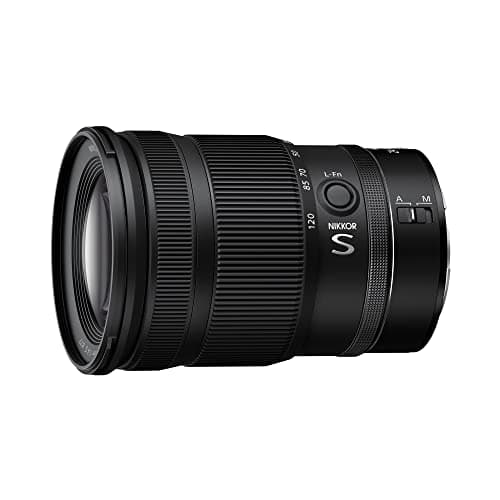
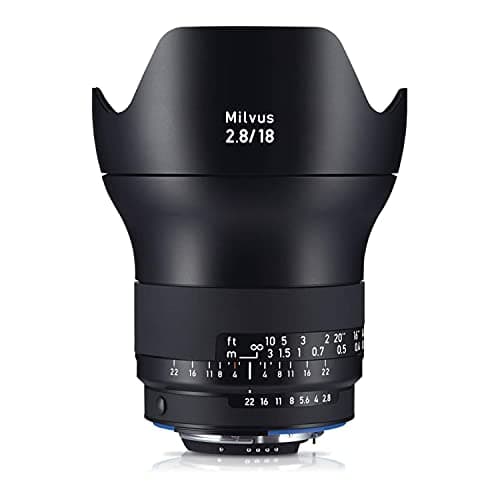
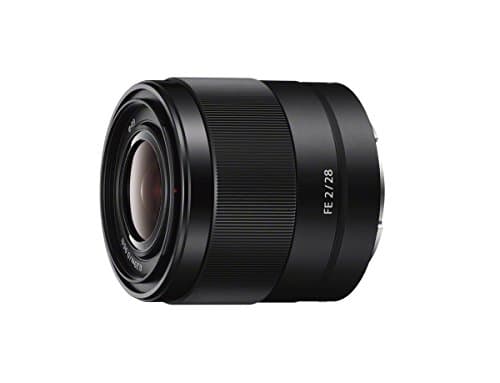
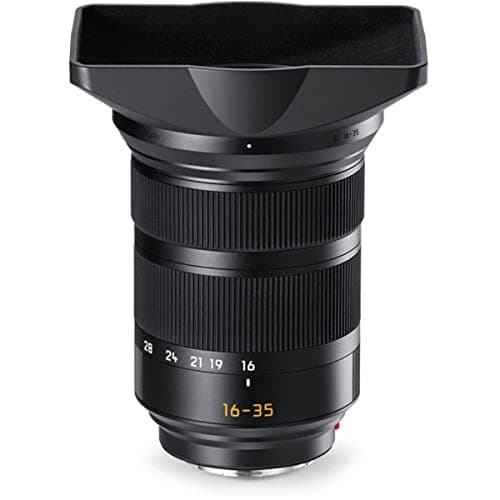
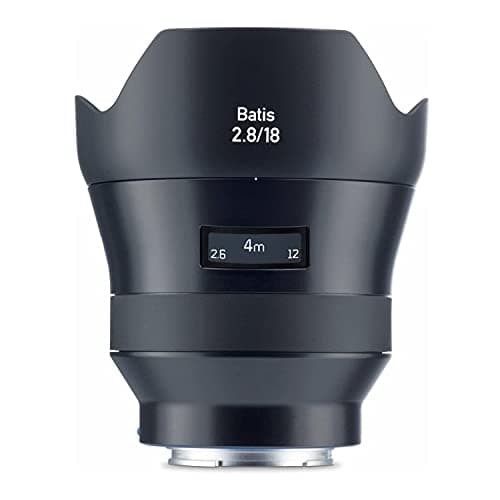
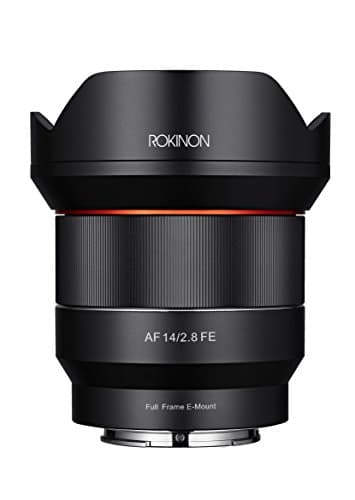
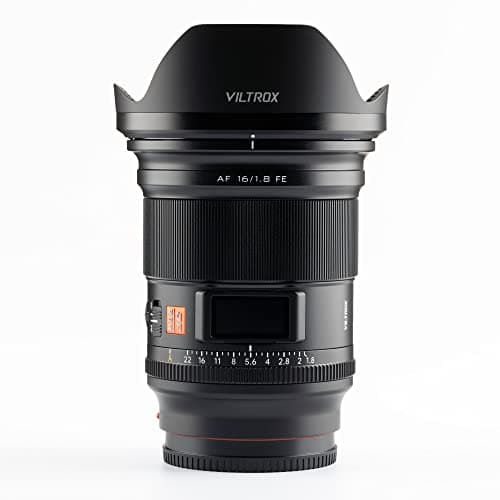
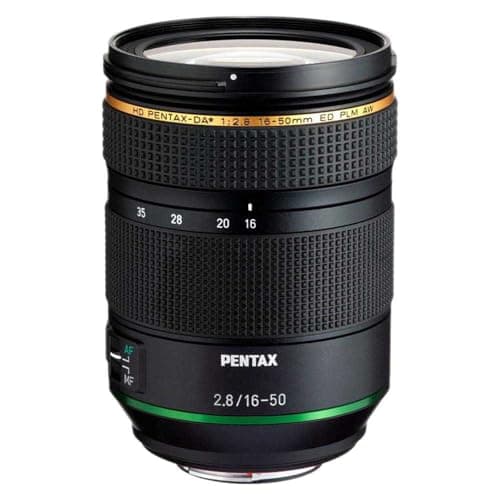
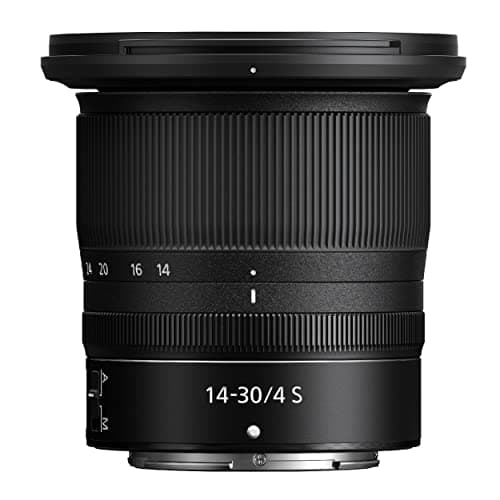
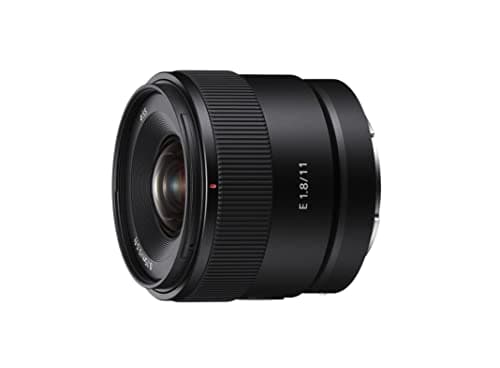
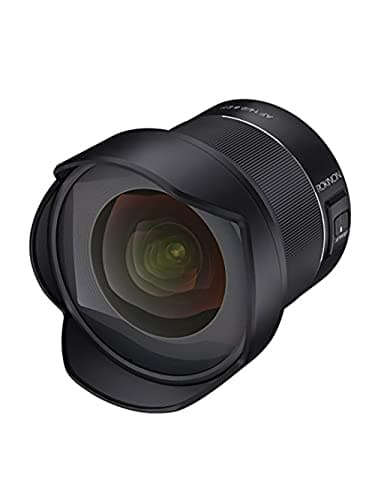
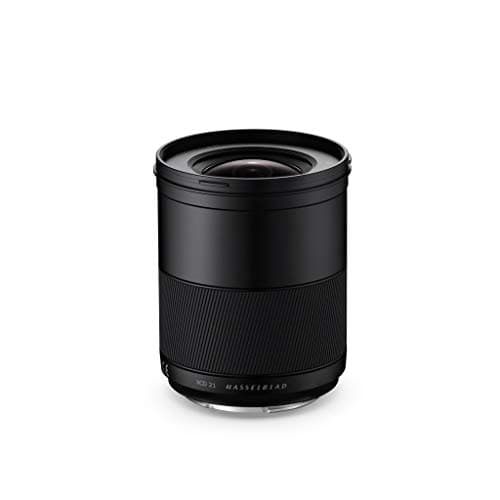
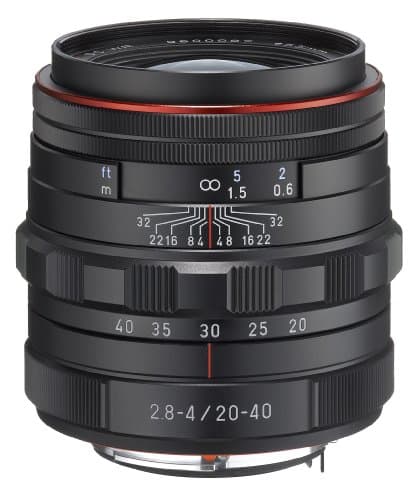
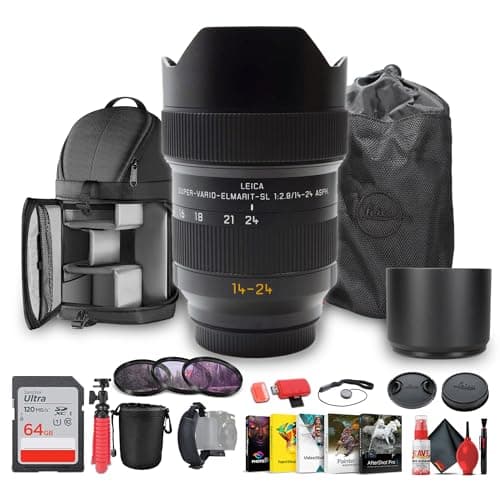
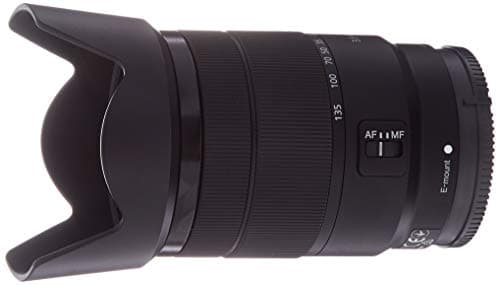
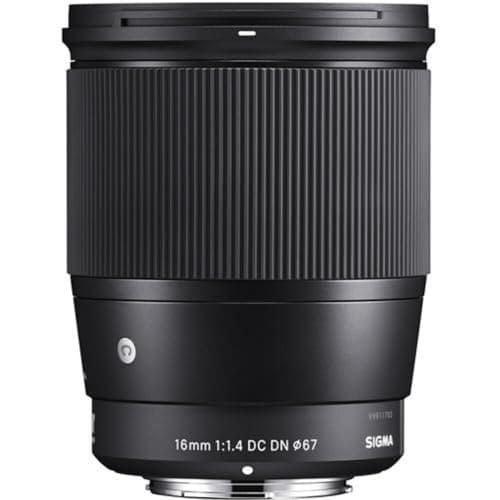
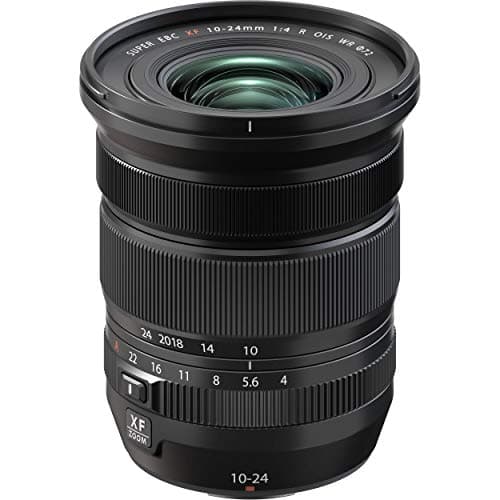
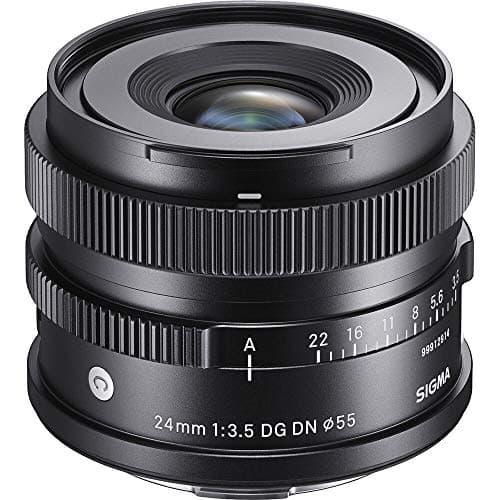
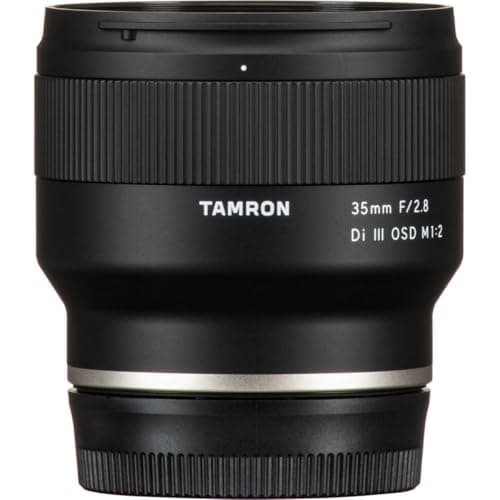
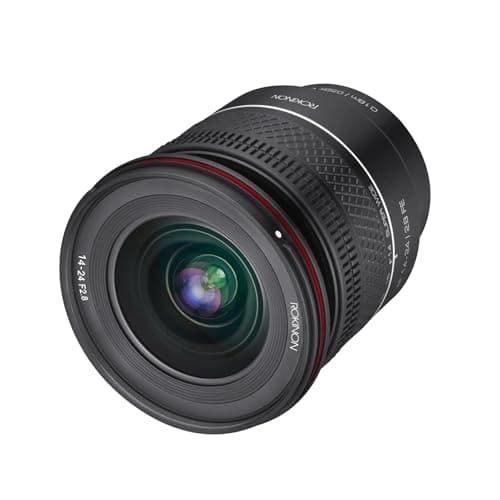
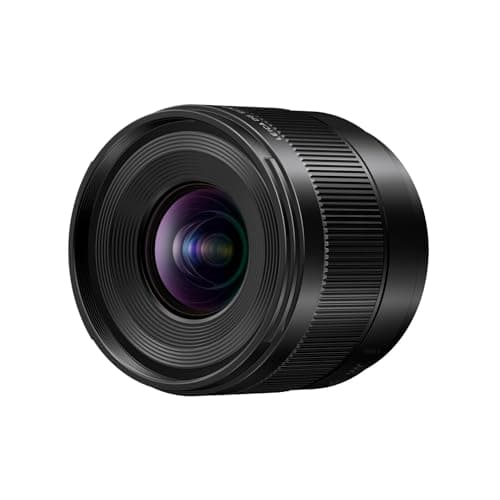
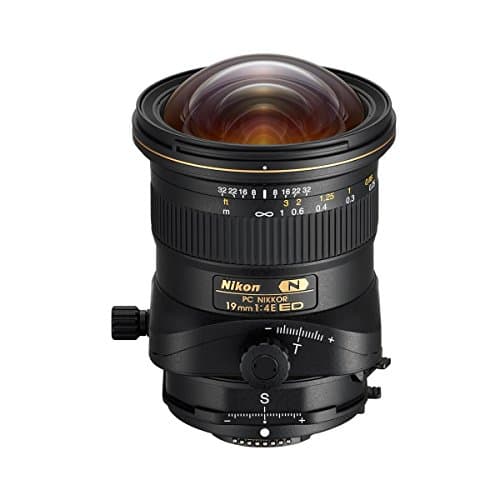
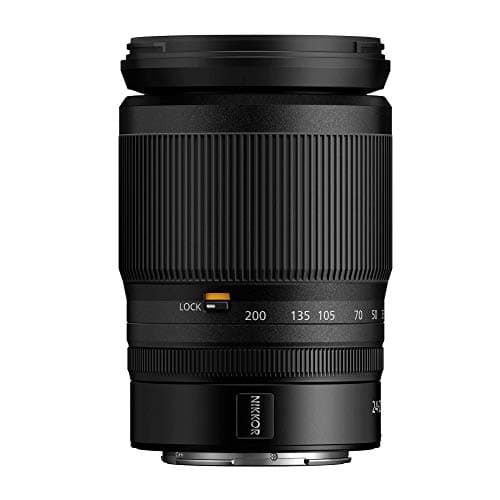
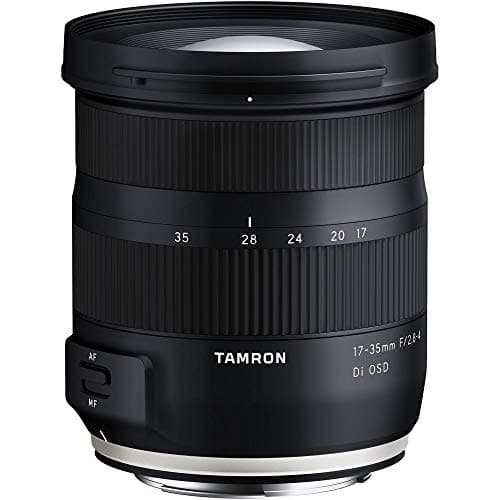
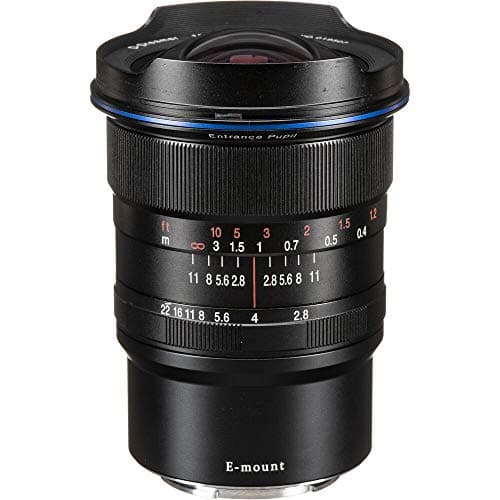
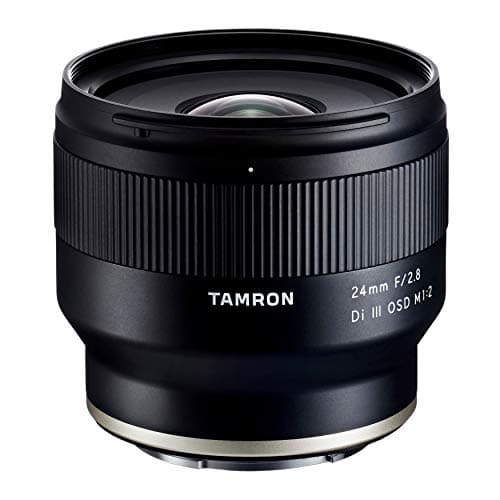
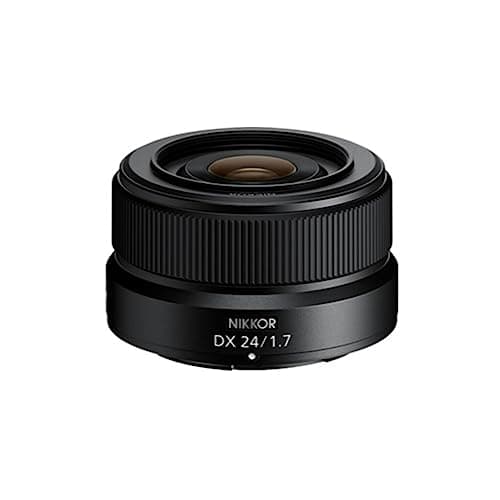
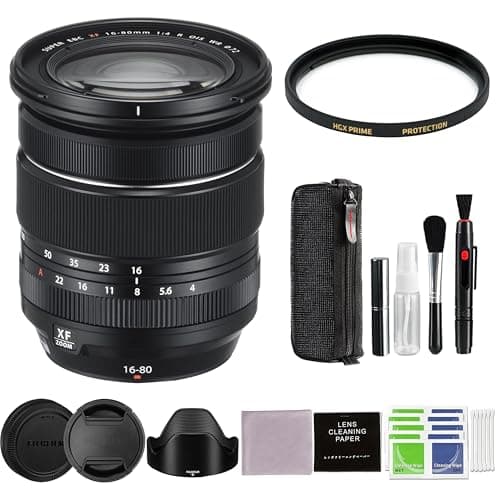
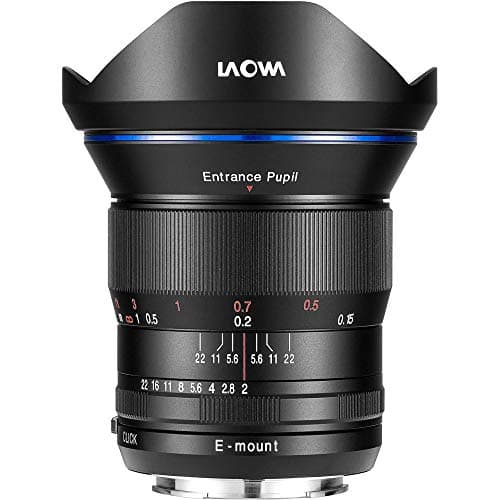
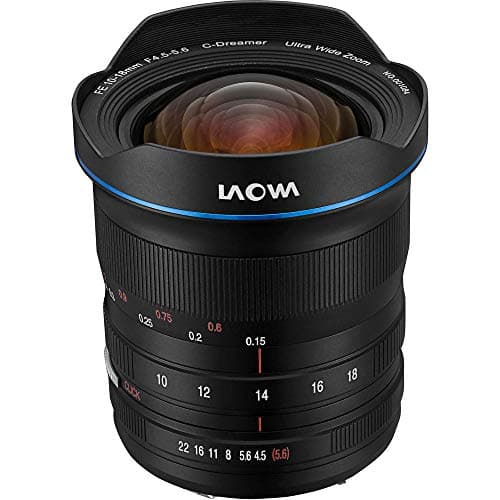
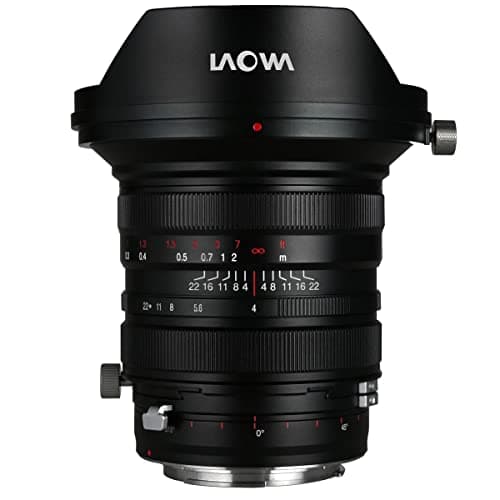
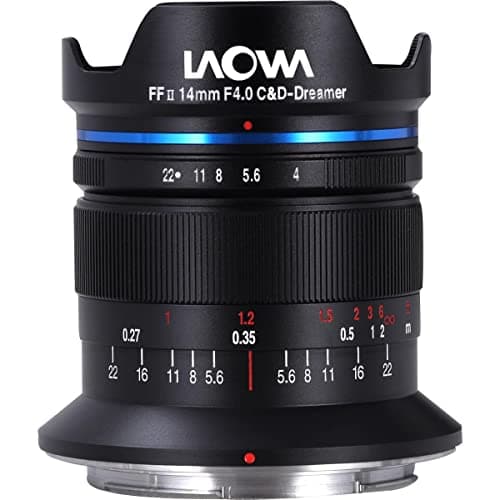
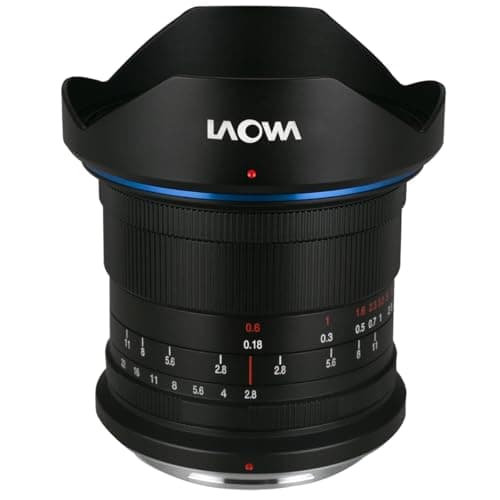
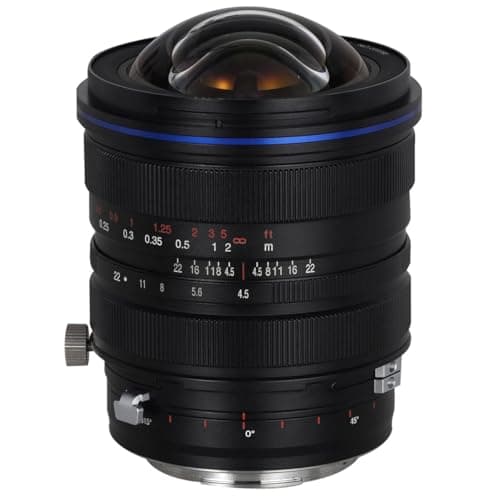
These are the best wide-angle lenses for architectural photography when you want straight verticals, crisp corners, disciplined geometry, and clean glass that resists flare—whether you’re shooting grand exteriors at blue hour or tight interiors with mixed light—and here’s what to look for as you buy: prioritize rectilinear rendering (low barrel/moustache distortion), strong corner performance at working apertures (ƒ5.6–ƒ8), micro-contrast that holds stone, brick, and glass detail, excellent flare/ghost control around bright windows, minimal lateral/longitudinal CA, even field illumination (low vignetting), and a practical filter strategy (front 82/77mm threads when possible, or proven rear/holder systems for bulbous elements); if you need perfectly parallel lines in-camera, lean on shift/tilt-shift options, and if you adapt, ensure solid mechanical tolerances for precise movements. Full-frame rectilinear heroes for interiors and exteriors: Sony FE 12–24mm ƒ2.8 GM (ultra-wide reach with sharp corners), Sony FE 16–35mm ƒ2.8 GM II (workhorse range, superb contrast, takes screw-in filters), Nikon Z 14–24mm ƒ2.8 S (class-leading sharpness with filter solutions), Nikon Z 14–30mm ƒ4 S (travel-light, accepts 82mm filters), Canon RF 15–35mm ƒ2.8L IS USM (fast AF, IS helps handheld scouting), Canon RF 14–35mm ƒ4L IS USM (compact, filter-friendly), Panasonic/L-Mount & Sony/Sigma 14–24mm ƒ2.8 DG DN Art (pro-sharp, low distortion), and Tamron 17–28mm ƒ2.8 (lightweight, clean rendering) for budget-savvy shooters; for prime precision and “Zero-D” style straight lines, look at Laowa 12mm ƒ2.8 Zero-D, Laowa 15mm ƒ2 Zero-D, and the Laowa 9mm ƒ5.6 for extreme perspectives when space is tight. Shift and tilt-shift standouts for true architectural control: Canon TS-E 17mm ƒ4L and TS-E 24mm ƒ3.5L II (gold standards via EF adapters on mirrorless), Nikon PC 19mm ƒ4E ED and PC-E 24mm ƒ3.5D (precise movements and sharp, corrected frames), plus modern shift primes like Laowa 15mm ƒ4.5 Shift and Laowa 20mm ƒ4 Shift when you need generous rise/fall without keystone headaches; these let you align the camera level, shift to fit the facade, and keep verticals parallel with less resolution loss than heavy post-corrections. APS-C shooters get premium geometry and range with Sony E 10–20mm ƒ4 PZ (tiny, sharp, filter-friendly), Sony E 10–18mm ƒ4 OSS (classic interior zoom), Fujifilm XF 10–24mm ƒ4 R OIS WR (stabilized, rectilinear, weather-sealed), XF 8–16mm ƒ2.8 (ultra-wide pro option), and Canon RF-S 10–18mm for compact rigs; primes like Laowa 12mm ƒ2.8 Zero-D (via mount options) also shine on crop for low-distortion lines. Practical buyer tips: if you rely on filters (ND/soft grads), prefer lenses with standard front threads or proven holders; when shooting glassy towers, prioritize coatings that kill veiling flare and ghosts; if you stitch panos, choose lenses with consistent illumination and low wave distortion and learn the lens’s entrance pupil for clean parallax-free seams; for heavy correction needs or historic facades, build a two-lens spine—one shift lens (17–24mm equivalent) for exteriors and a rectilinear zoom (14/15–35mm) for interiors and scouting; if adapting TS-E/PC glass, invest in a high-tolerance adapter and a sturdy tripod head for precise shifts. Field technique that keeps your lines honest: level the camera (virtual horizon), compose with shift rather than tilt, stop down to the lens’s sweet spot (often ƒ5.6–ƒ8) for planar sharpness without diffraction, focus slightly past one-third into the scene or use magnified live view for the critical plane (window mullions, facade edges), bracket exposures (±2 EV) to tame bright windows and deep interiors, map your HDR/Enfuse workflow for natural tonality, and shoot blue hour for balanced sky/interior luminance; use a circular polarizer sparingly on ultra-wides to avoid blotchy skies, and adopt graduated NDs only when they suit your horizon lines; when you must correct in post, apply lens profiles first, then perspective transforms, then crop for clean edges. Whether you’re capturing vaulted interiors, steel-and-glass skylines, heritage facades, or boutique lobbies, the best wide-angle lenses for architectural photography combine low distortion, punchy corner-to-corner sharpness, and reliable flare control—with shift or tilt-shift movements when you need perfection—so your structures stay straight, textured, and beautifully resolved.
Lenses by brand:
Lenses by price:
Lenses by type:
Lenses by sensor:
Lenses by feature:
Lenses by use case:
- Best Wide-Angle Lenses for Architectural Photography
- Best Wide-Angle Lenses for Astrophotography
- Best Wide-Angle Lenses for Automotive Photography
- Best Wide-Angle Lenses for Cityscape Photography
- Best Wide-Angle Lenses for Concert Photography
- Best Wide-Angle Lenses for Event Photography
- Best Wide-Angle Lenses for Fashion Photography
- Best Wide-Angle Lenses for Food Photography
- Best Wide-Angle Lenses for Landscape Photography
- Best Wide-Angle Lenses for Macro Photography
- Best Wide-Angle Lenses for Nature Photography
- Best Wide-Angle Lenses for Night Photography
- Best Wide-Angle Lenses for Pet Photography
- Best Wide-Angle Lenses for Photojournalism
- Best Wide-Angle Lenses for Portrait Photography
- Best Wide-Angle Lenses for Product Photography
- Best Wide-Angle Lenses for Real Estate Photography
- Best Wide-Angle Lenses for Sports Photography
- Best Wide-Angle Lenses for Street Photography
- Best Wide-Angle Lenses for Travel Photography
- Best Wide-Angle Lenses for Underwater Photography
- Best Wide-Angle Lenses for Wedding Photography
- Best Wide-Angle Lenses for Wildlife Photography
- Best Wide-Angle Lenses for Video
Lenses by experience:
Cameras: