
Best Zoom Lenses for Professionals in 2026
Filters:
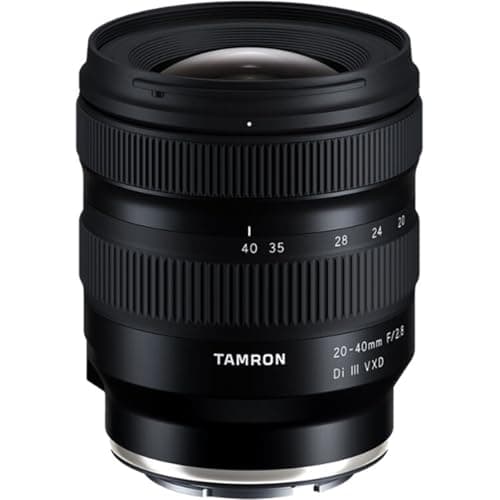
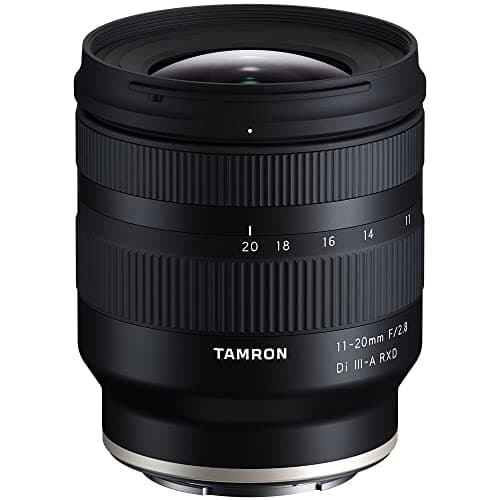
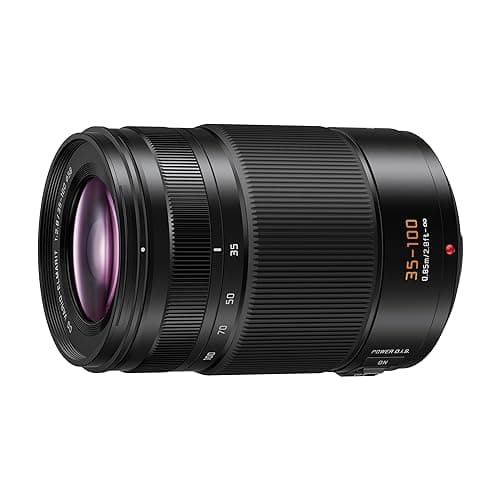
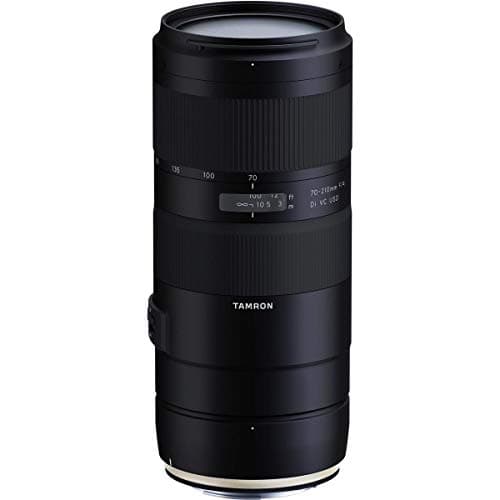
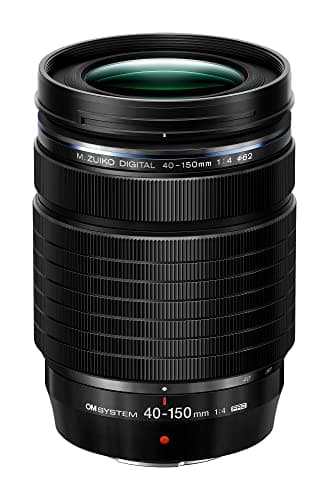
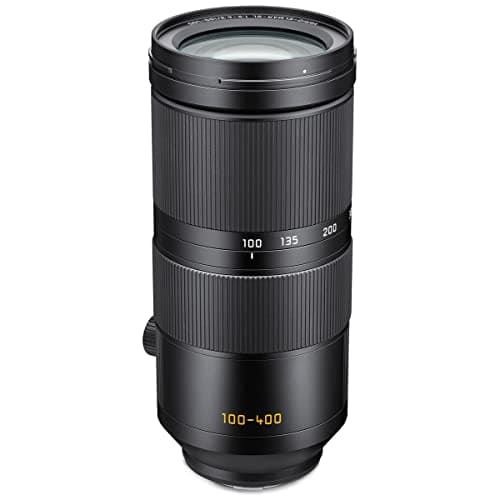
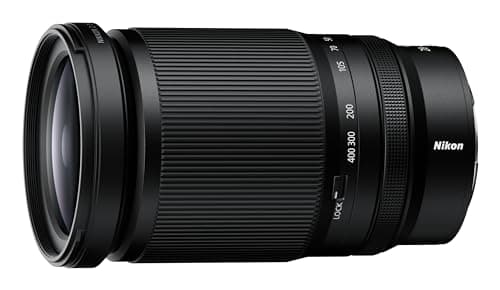

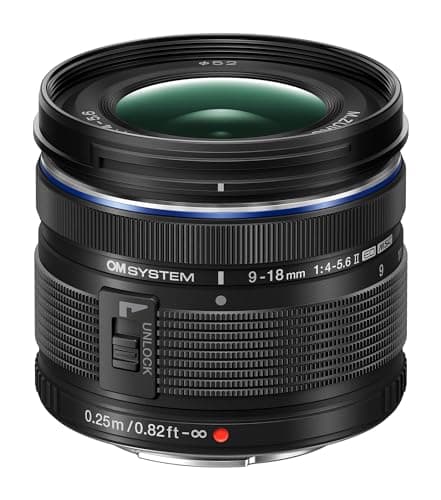
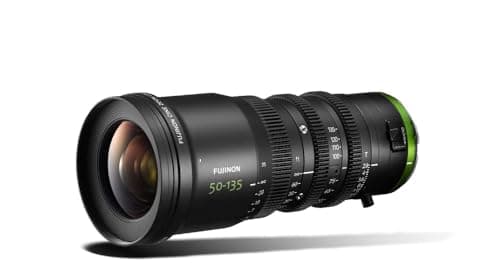
* Product prices and availability are accurate as of the date/time indicated and are subject to change. Any price and availability information displayed on Amazon.com at the time of purchase will apply to the purchase of this product.
* Imaginated.com may receive compensation for purchases made at participating retailers linked on this site. This compensation does not affect what products or prices are displayed, or the order of prices listed. Learn more here.
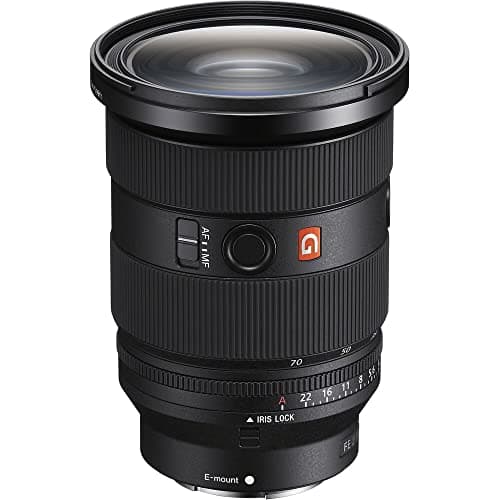
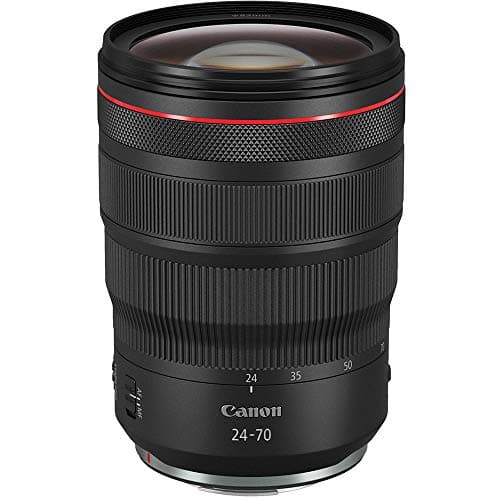
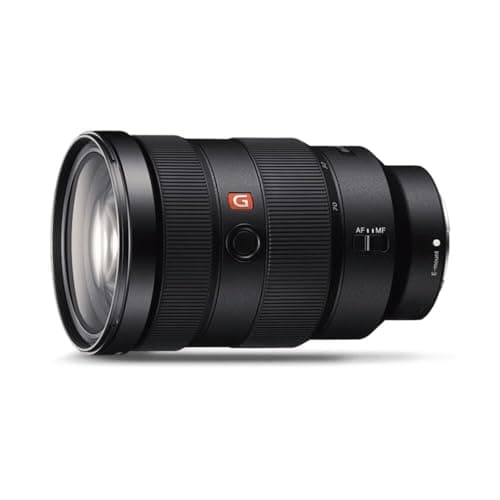
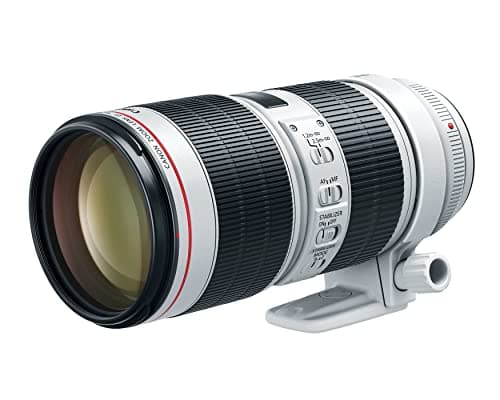
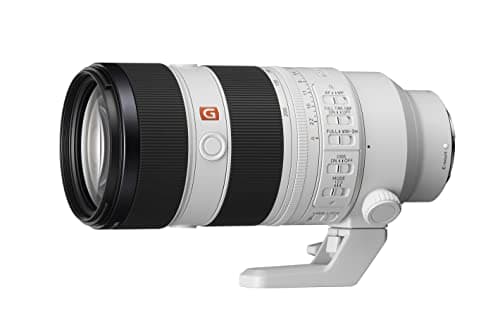
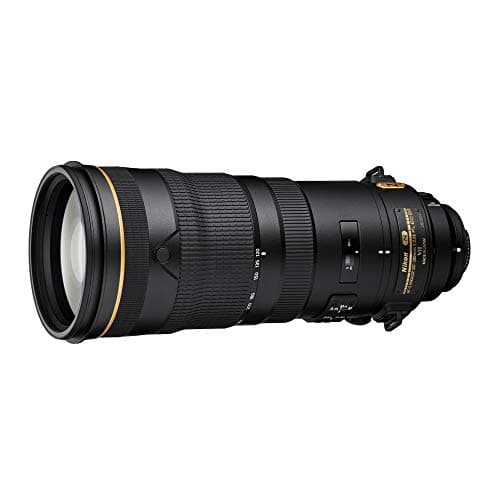
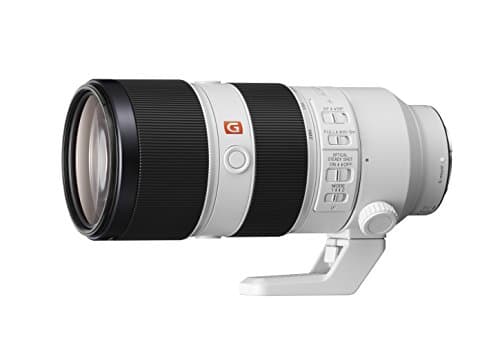
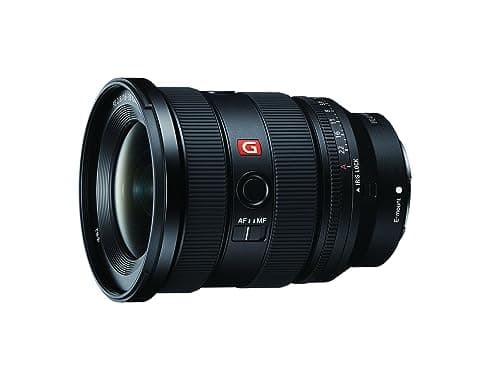
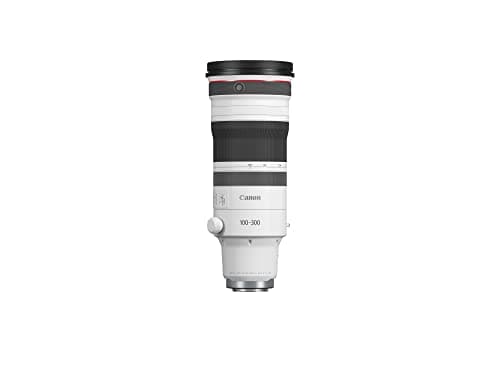
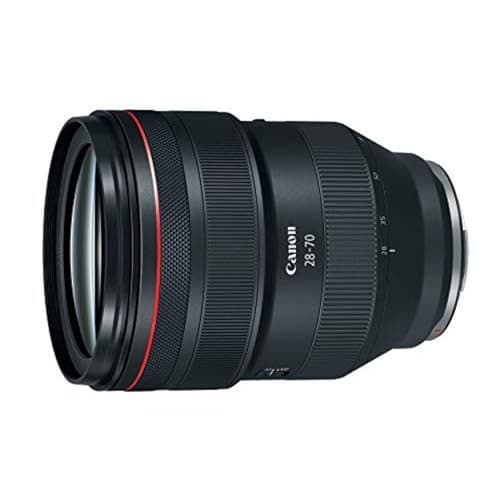
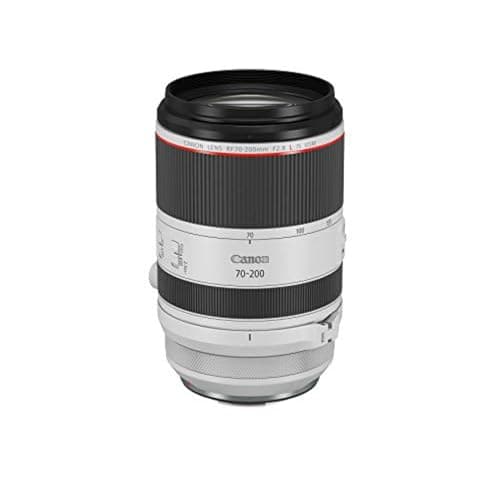
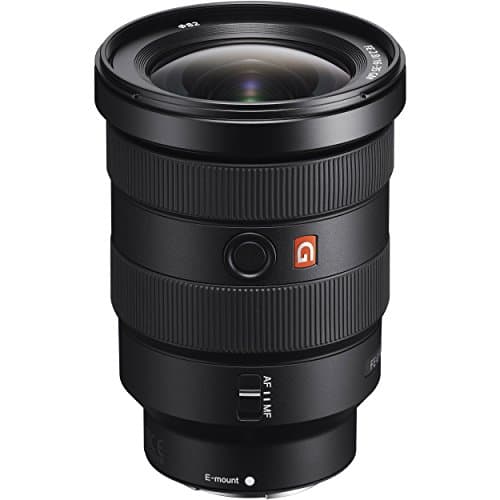
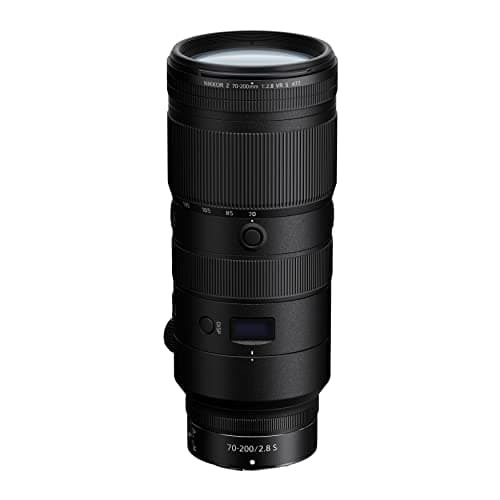
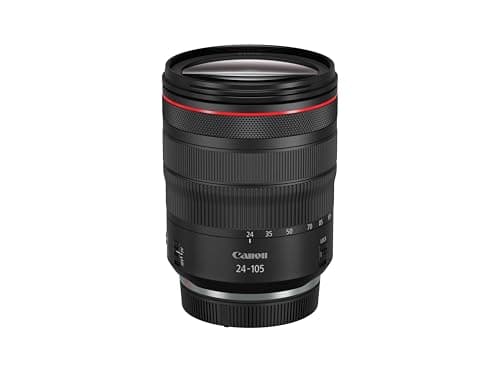
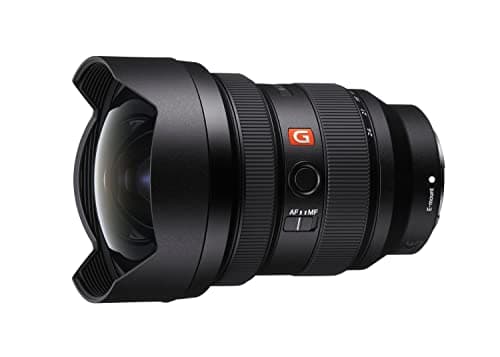
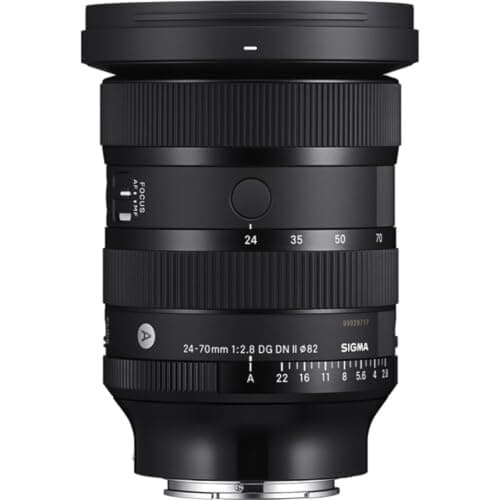
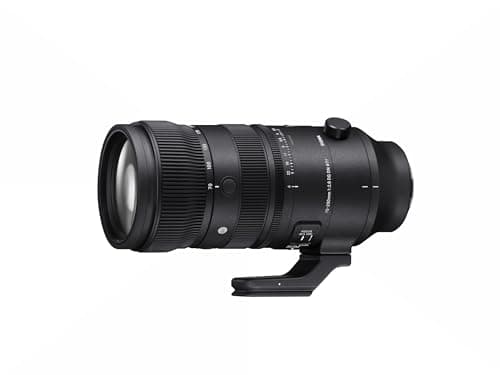
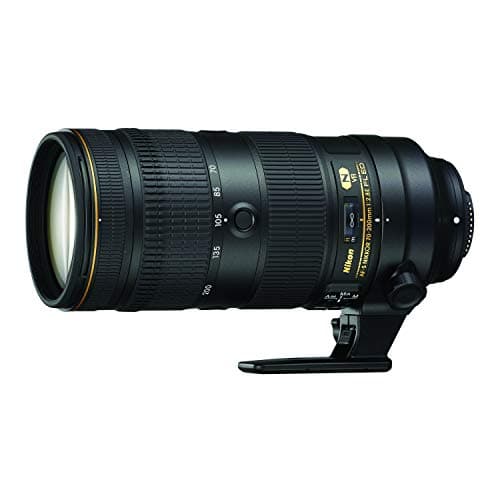
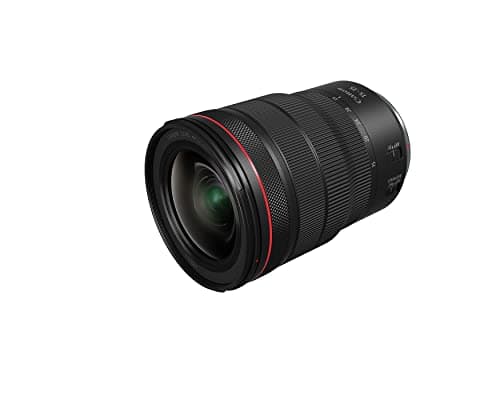
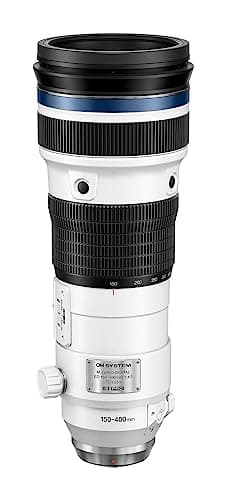
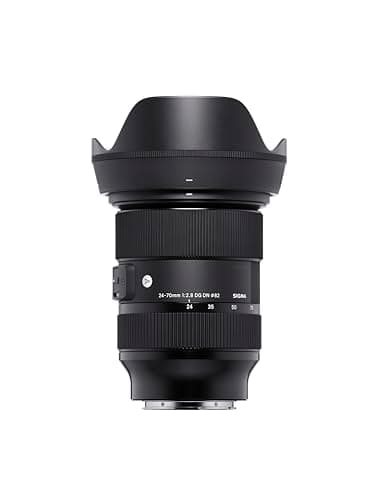
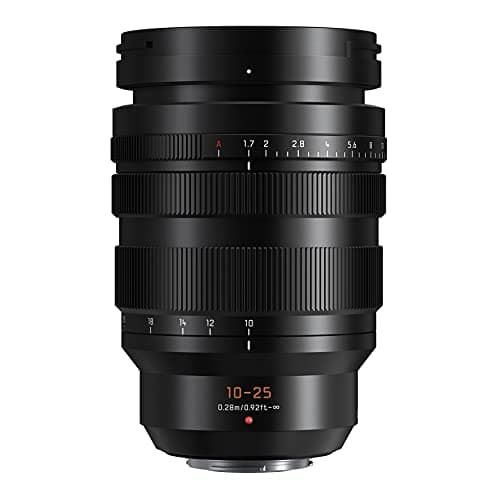
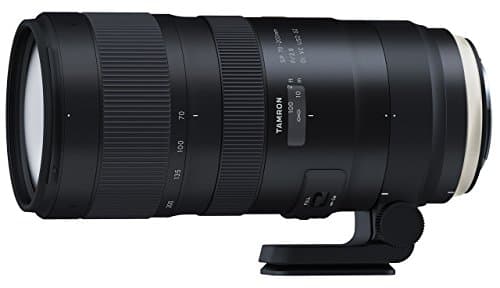
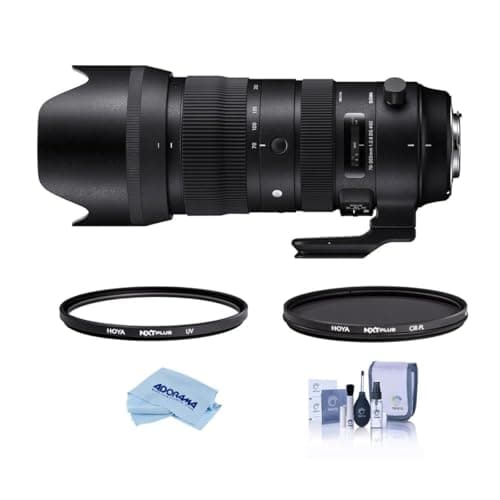
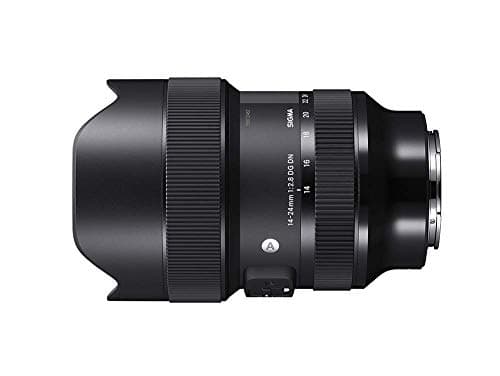
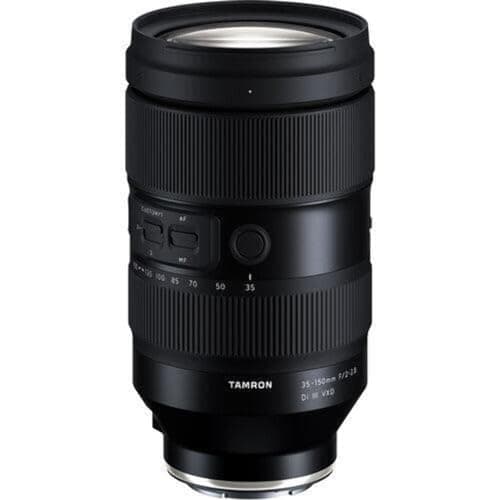
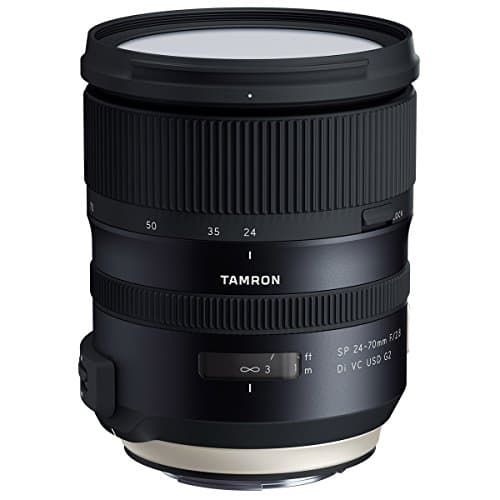
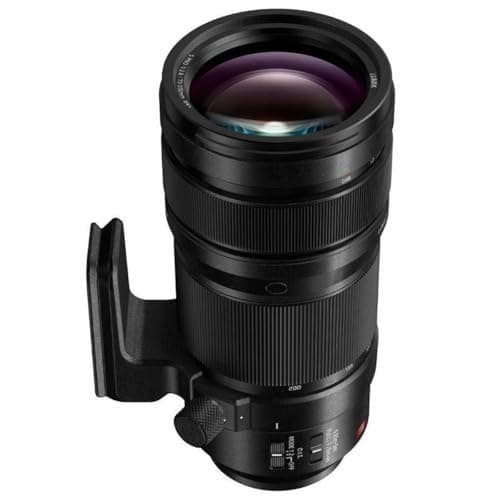
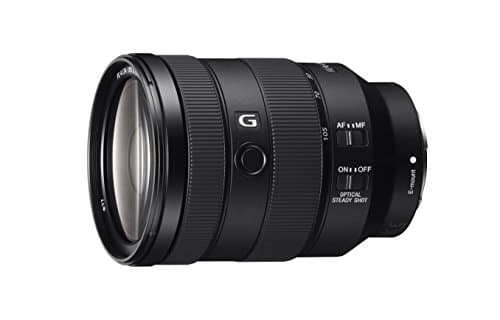
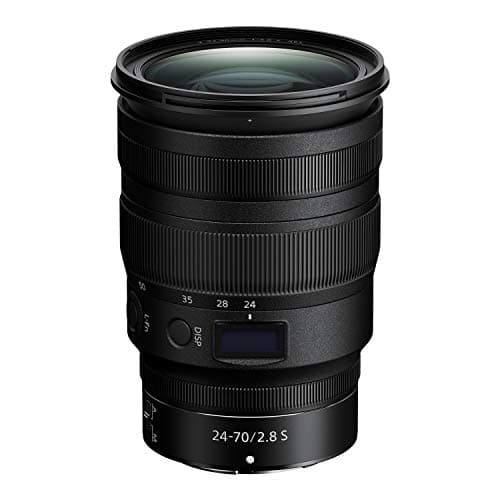
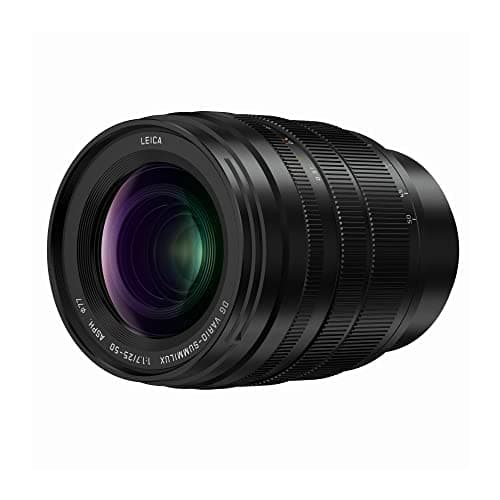
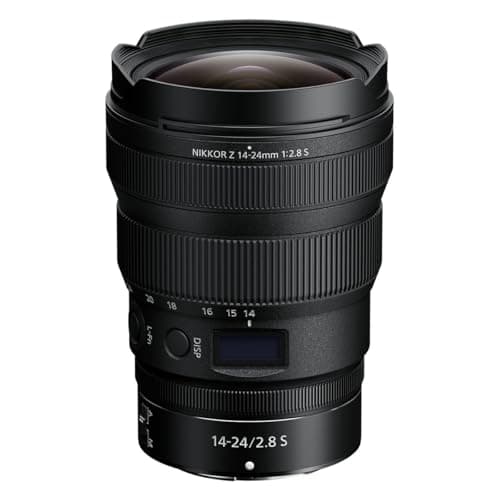
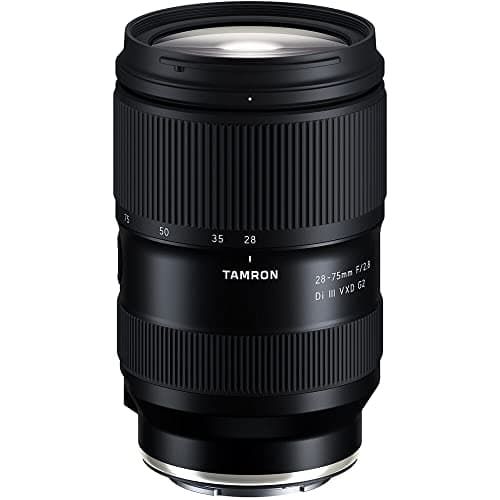
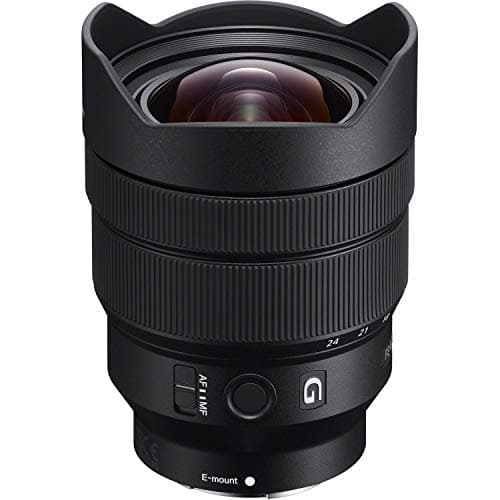
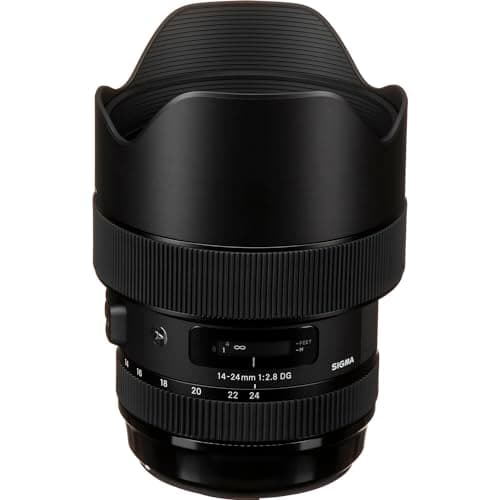
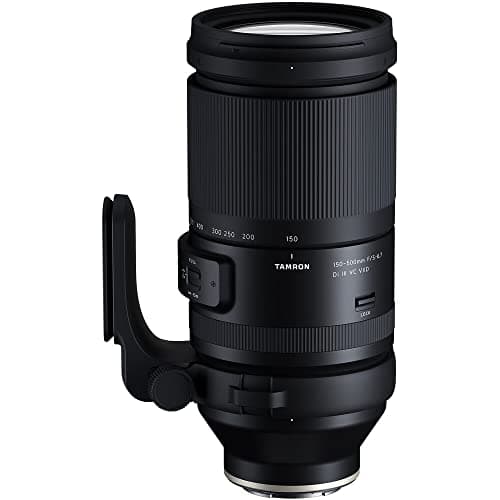
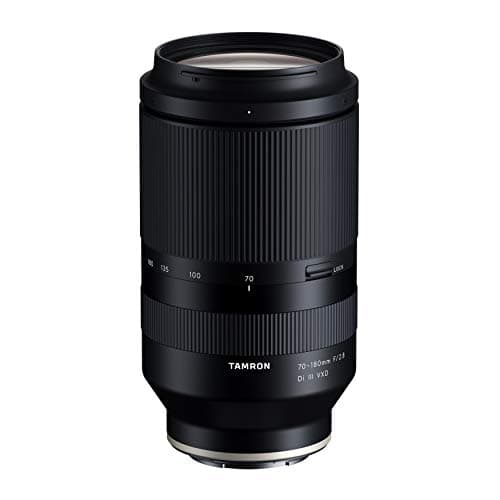
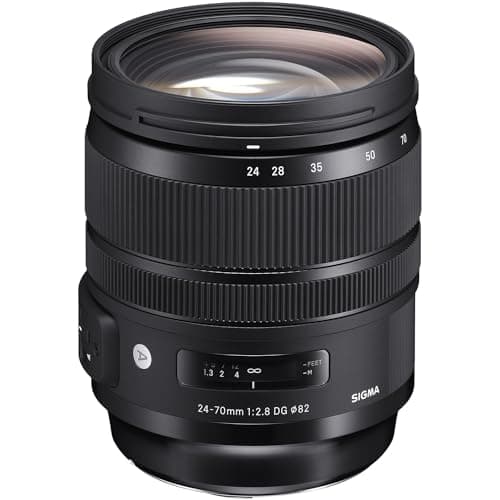
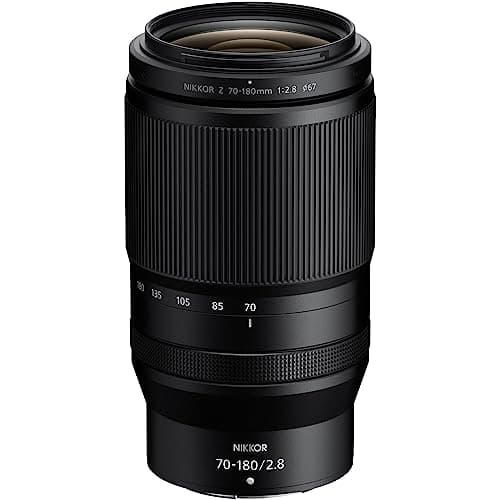
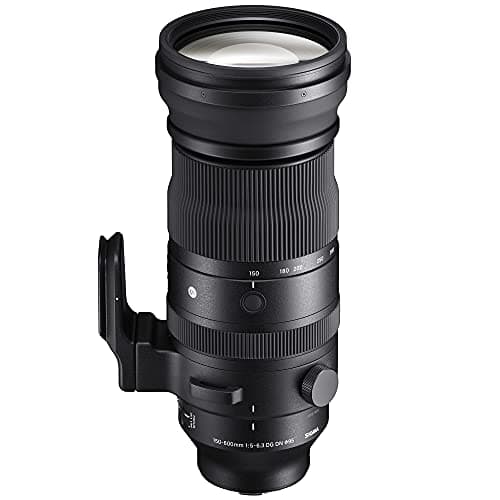
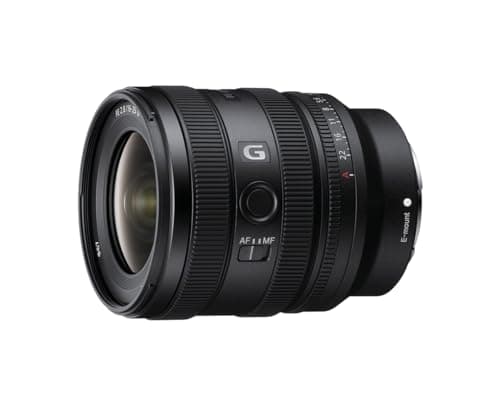
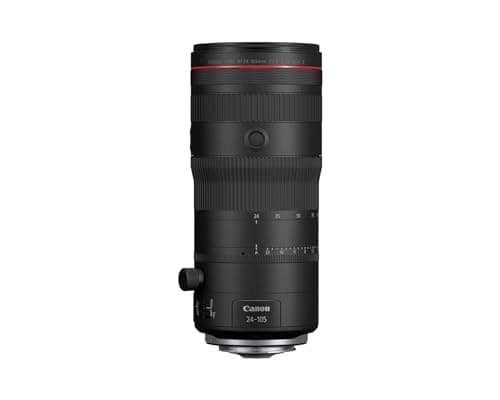
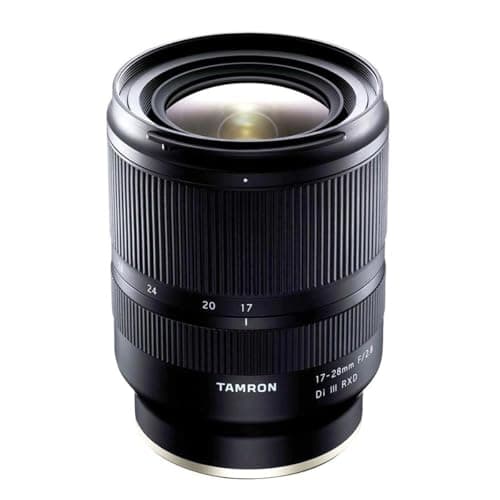
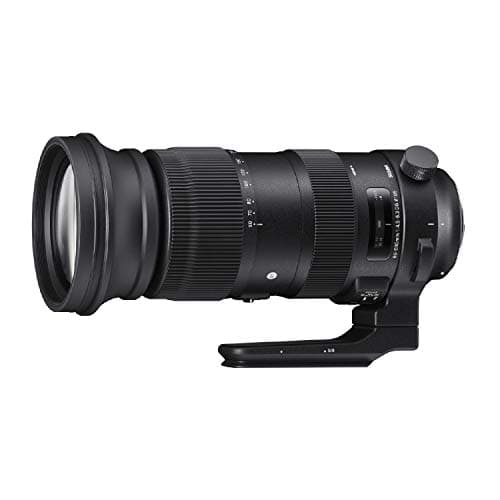
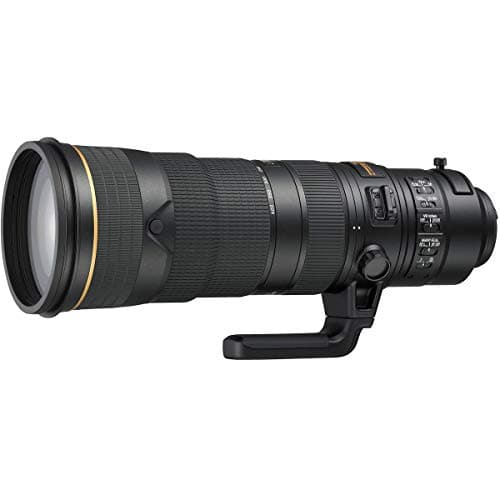
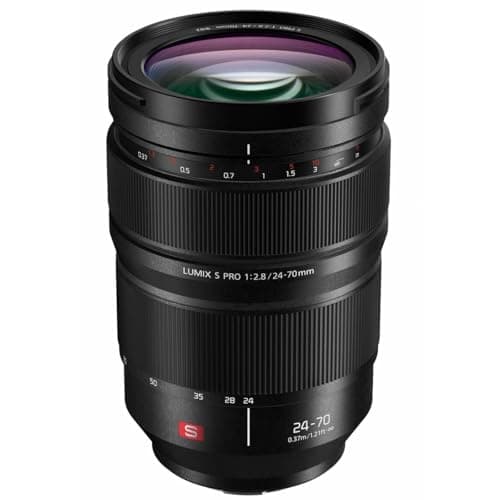
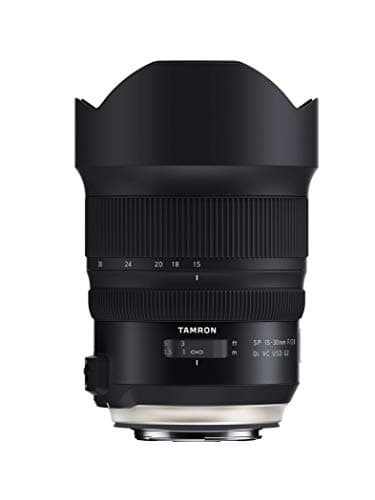
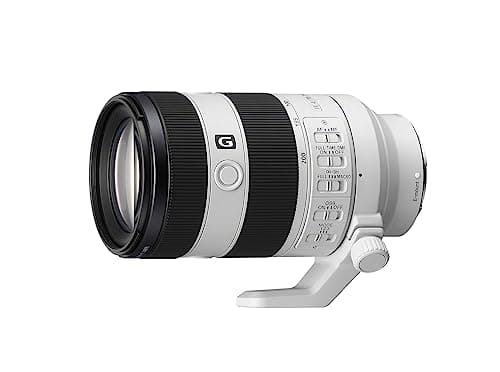
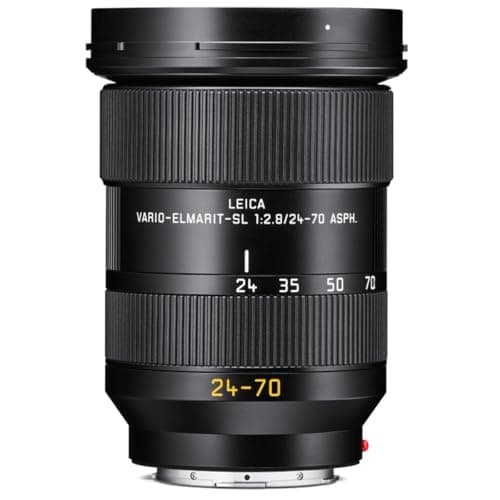
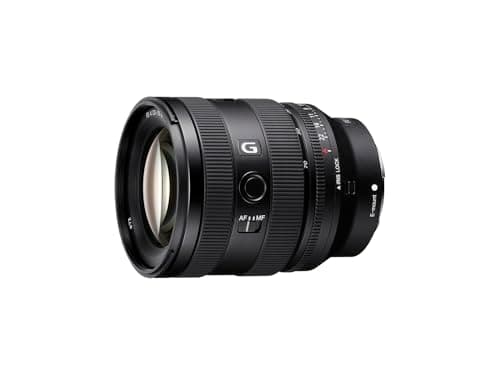
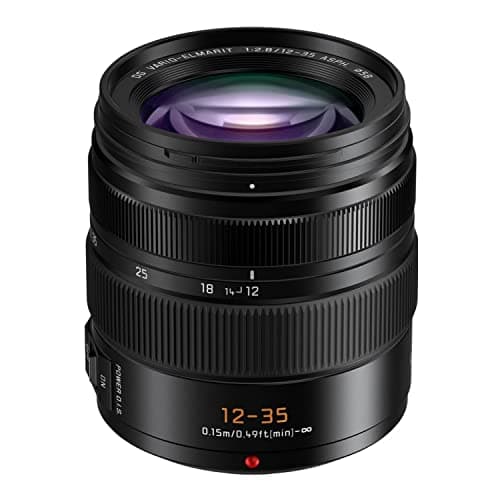
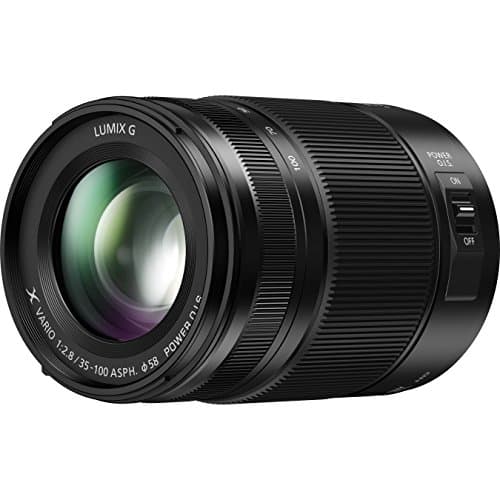
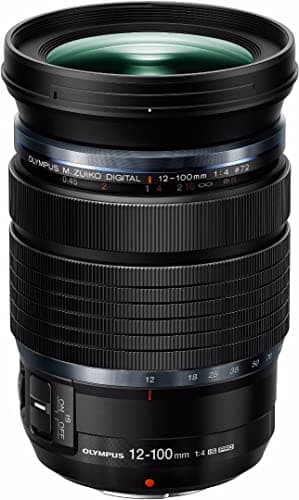
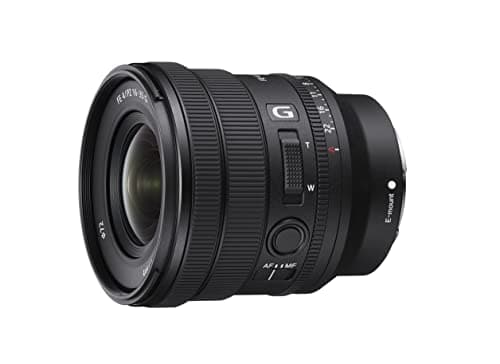
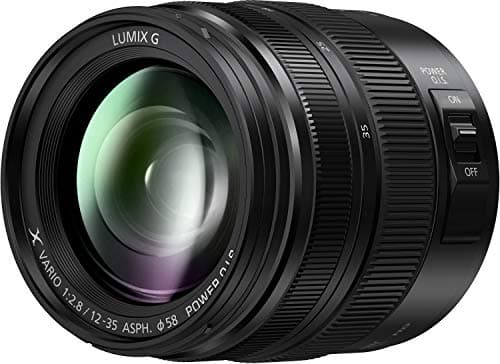
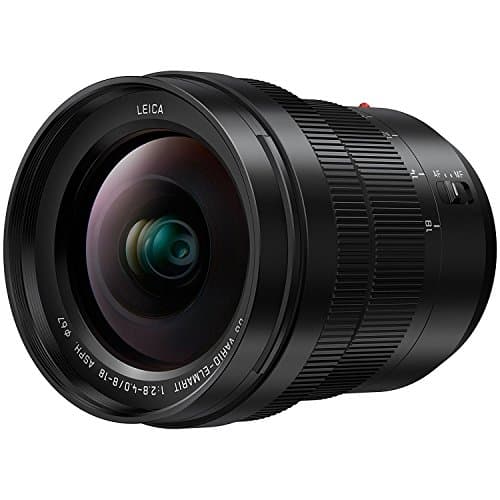
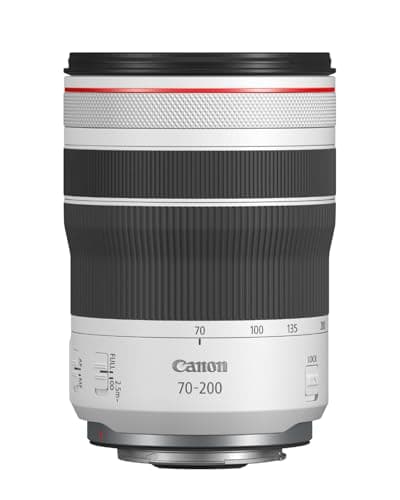
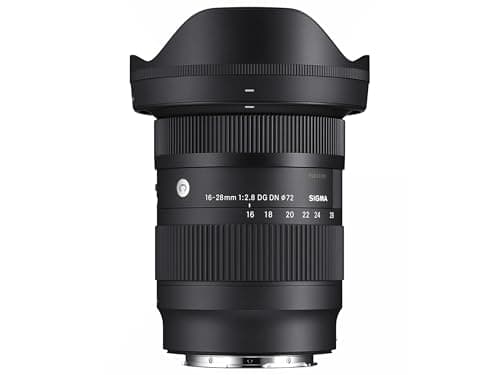
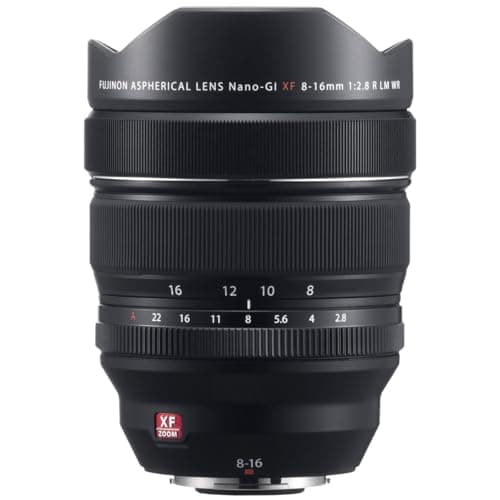
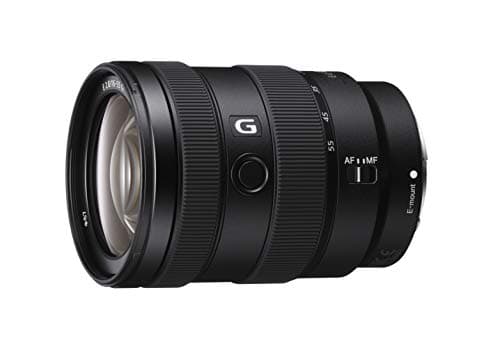
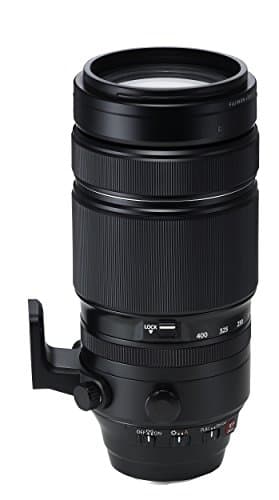
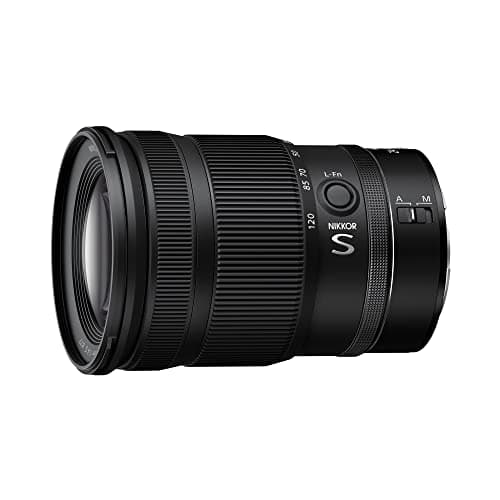
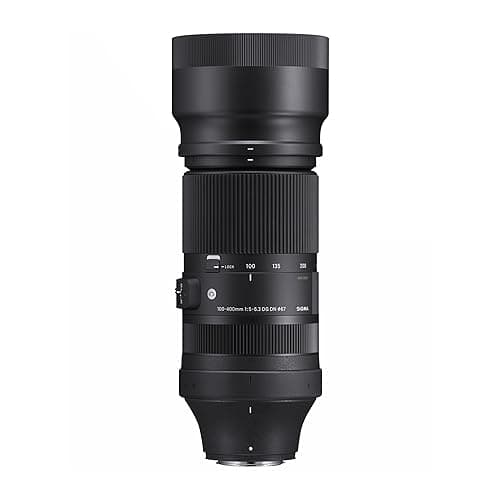
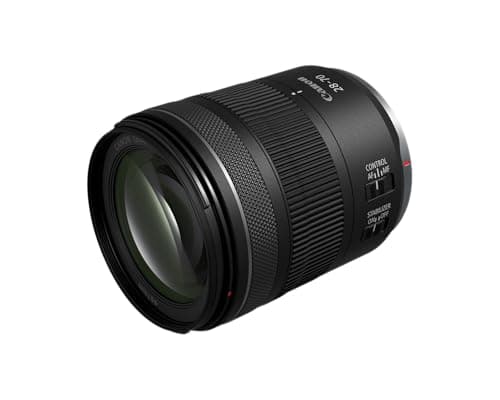
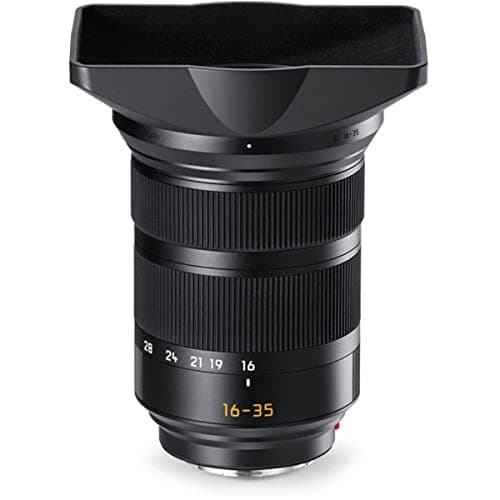
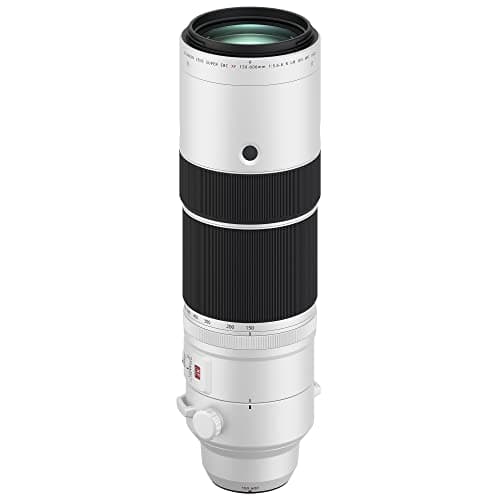
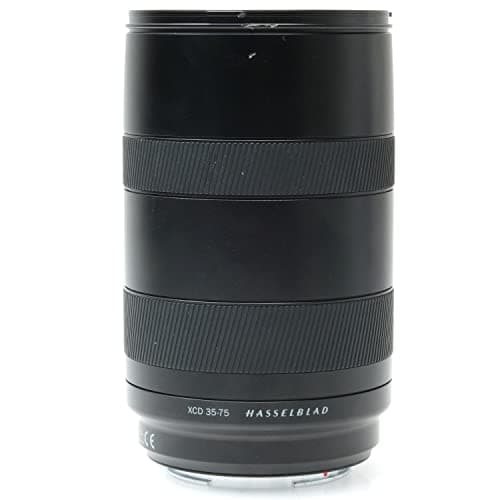
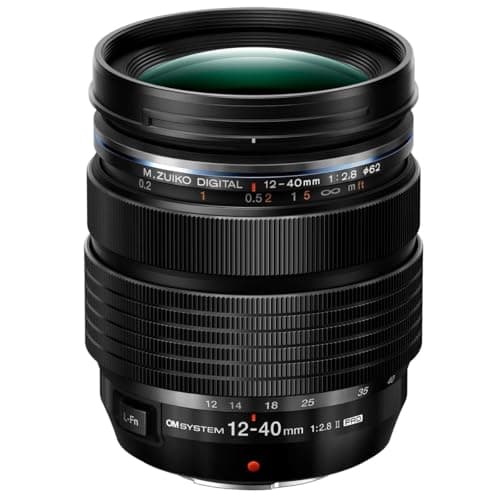
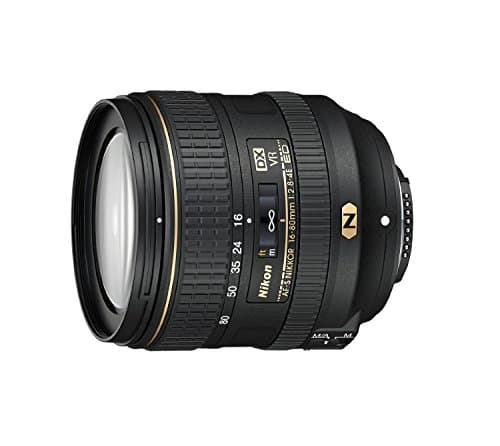
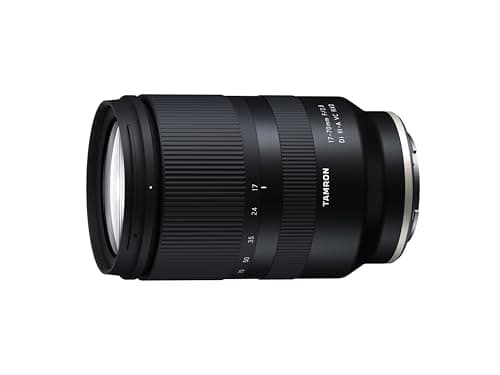
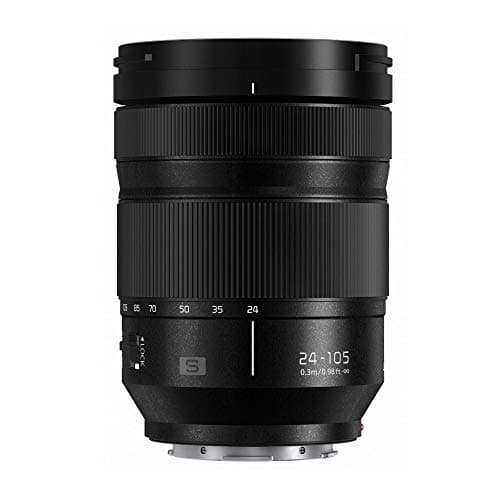
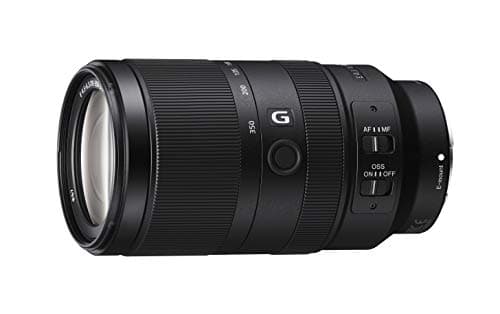
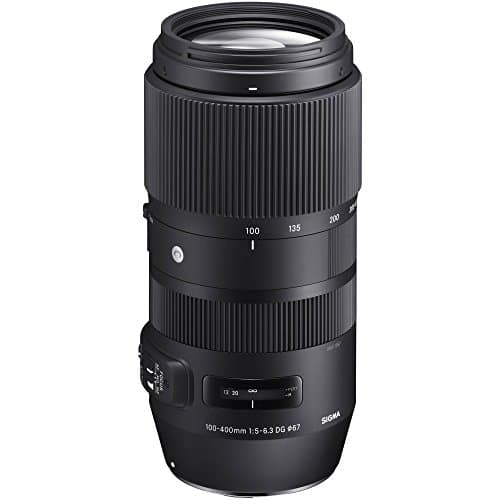
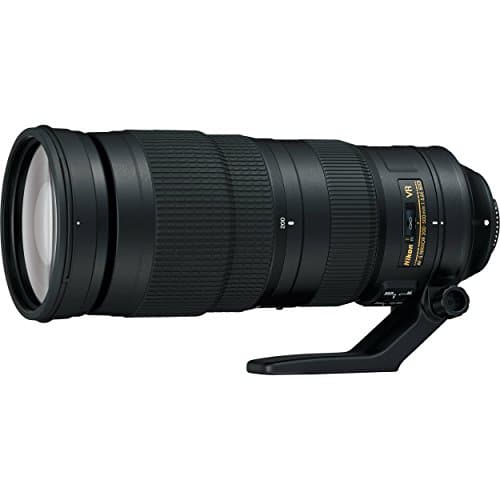
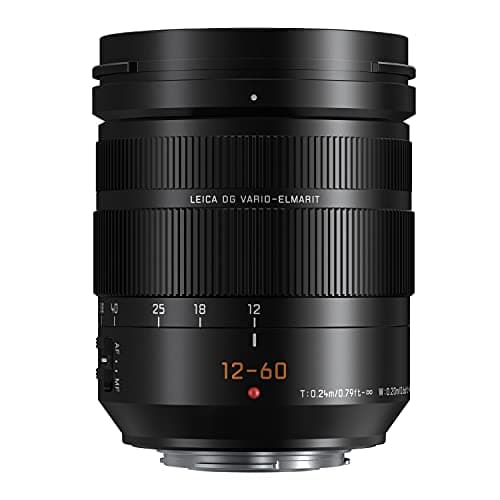
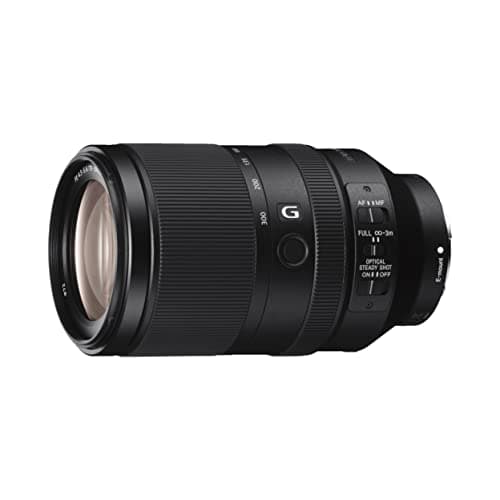
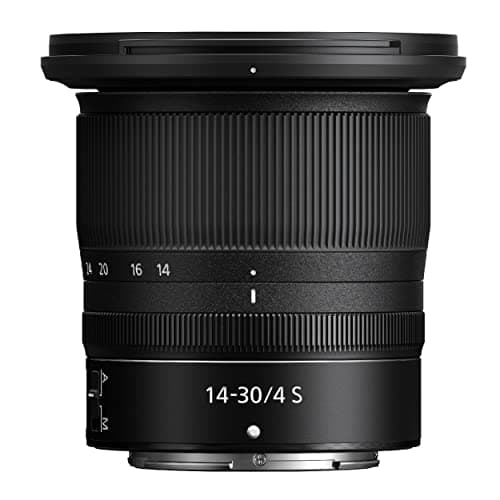
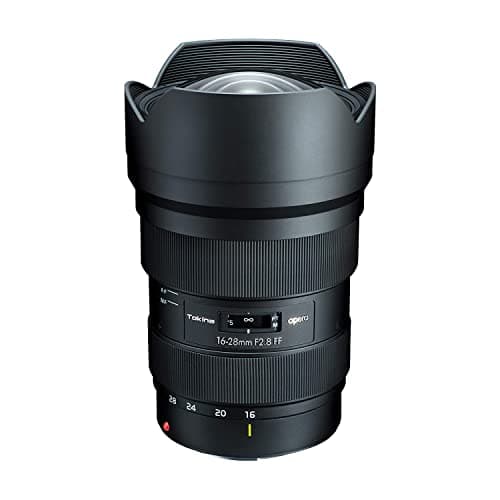
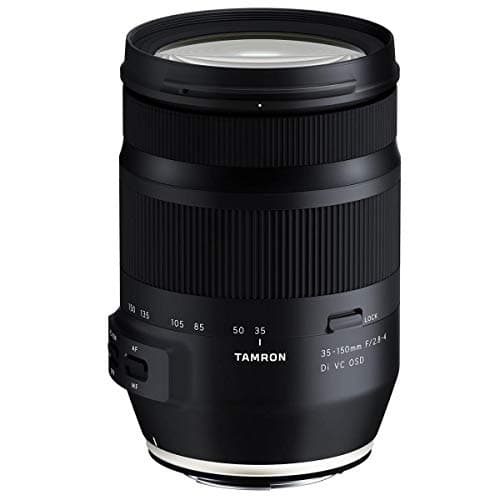
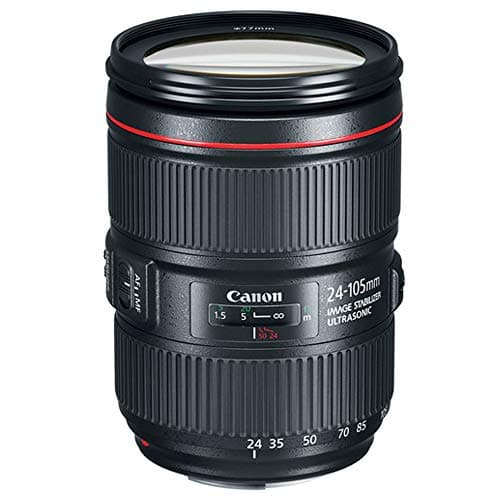
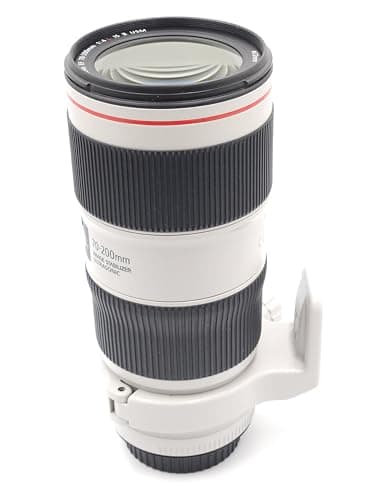
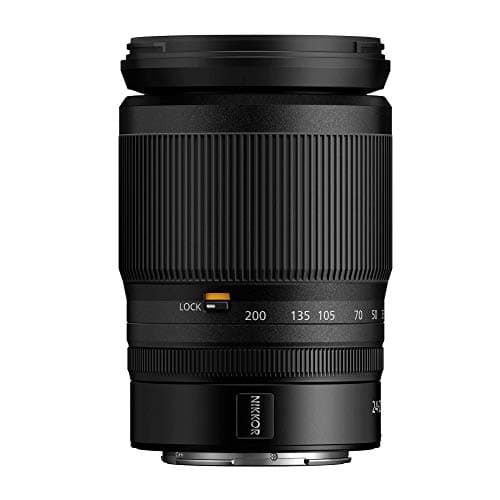
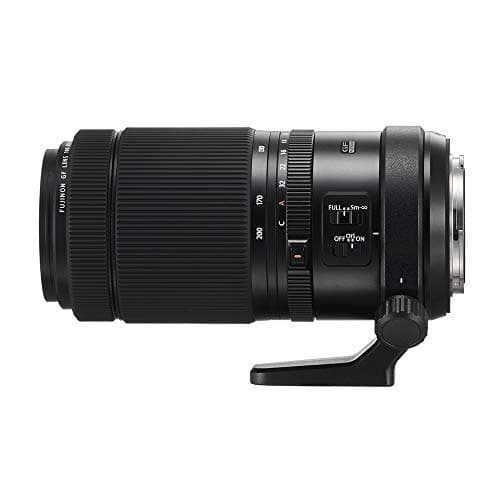
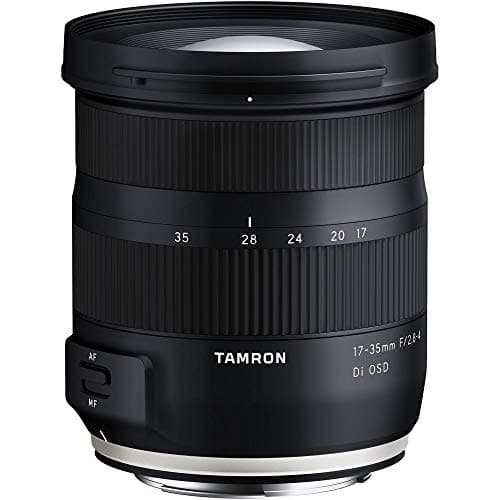
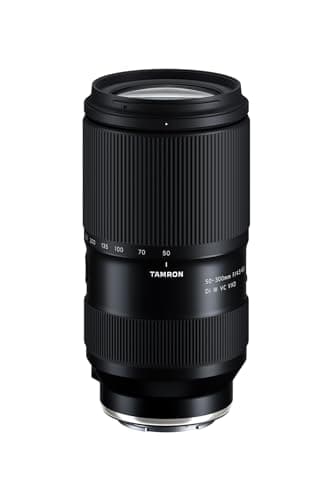
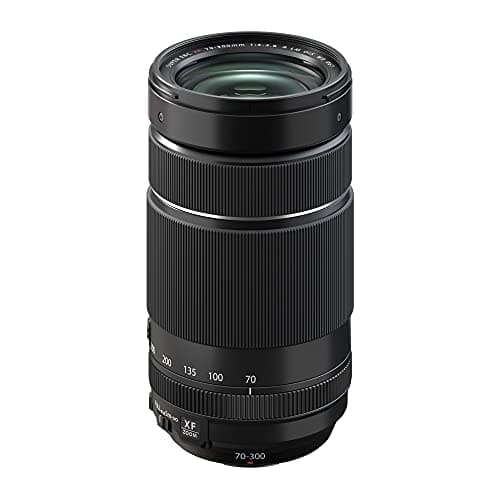
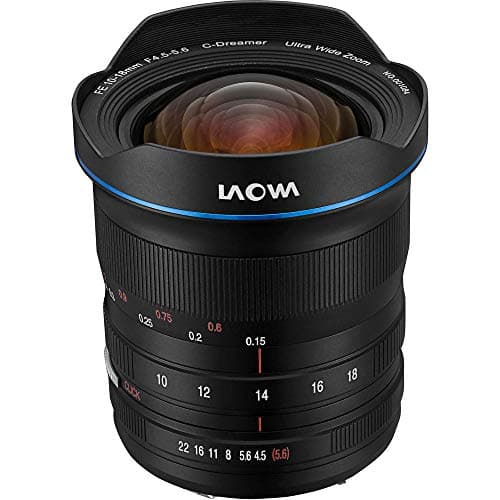
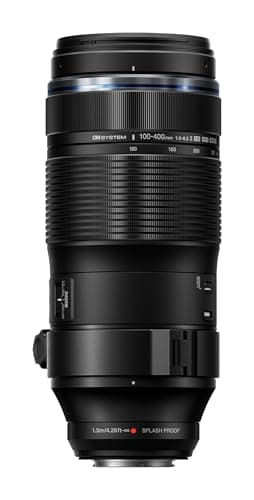
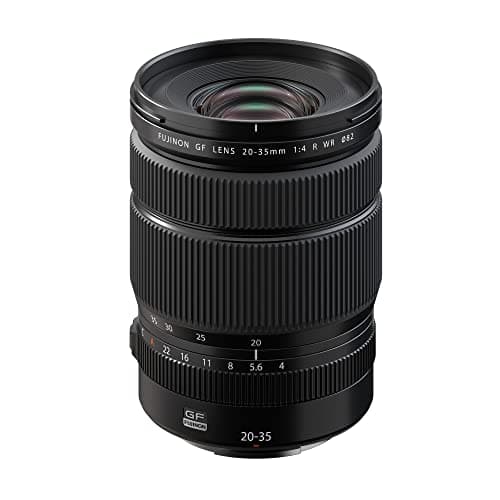
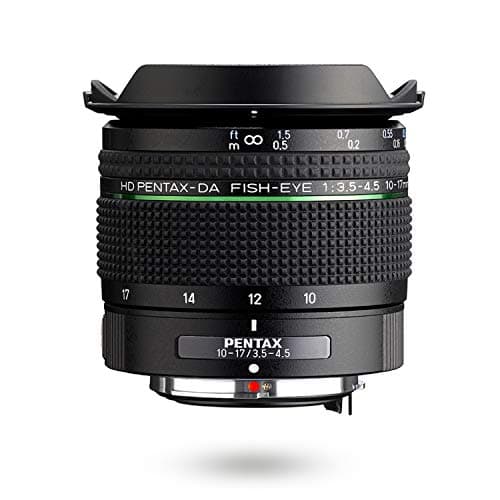
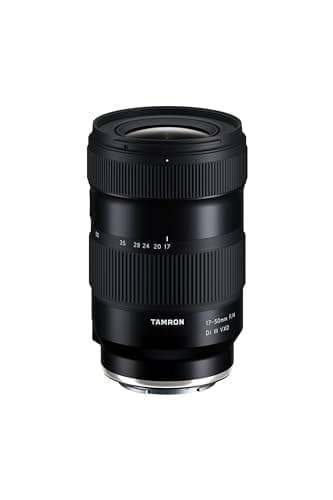
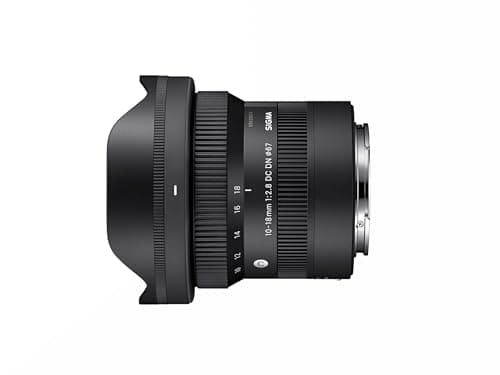
These are the best zoom lenses for professionals when you want prime-level sharpness, fast and reliable AF, disciplined aberrations, robust sealing, and color/contrast that stay consistent across bodies and lighting—whether you’re shooting weddings and events, editorial/advertising, sports, news, fashion, travel doc, or hybrid video—and here’s what to look for as you buy: prioritize constant ƒ2.8 (ƒ4 for lighter travel sets with great IS), rectilinear optics with low wave/moustache distortion, strong wide-open contrast and LoCA control, quiet linear/SSM/STM motors with predictable behavior, minimal focus breathing if you film, effective stabilization that cooperates with IBIS, hard-wearing barrels with reliable weather gaskets and fluorine front elements, and matched lens families for uniform color; prefer internal focus (and internal zoom for balance/dust), standardized fronts (77/82mm) for one VND/CPL/diffusion, and close-focus for larger bokeh at the same framing. Full-frame pro spines: wide/context—Sony FE 12–24mm ƒ2.8 GM and FE 16–35mm ƒ2.8 GM II or FE PZ 16–35mm ƒ4 G; Canon RF 15–35mm ƒ2.8L IS / RF 14–35mm ƒ4L IS; Nikon Z 14–24mm ƒ2.8 S / Z 14–30mm ƒ4 S; Sigma 14–24mm ƒ2.8 DG DN and 16–28mm ƒ2.8 (value, clean corners). Standard/story—Sony FE 24–70mm ƒ2.8 GM II (light, breathing control), Canon RF 24–70mm ƒ2.8L IS (flagship AF/IS), Nikon Z 24–70mm ƒ2.8 S (neutral, razor), Sigma 24–70mm ƒ2.8 DG DN (consistent rendering), Panasonic/LUMIX S Pro 24–70mm ƒ2.8 and S 24–105mm ƒ4 O.I.S. for range; prime-like speed in one—Canon RF 28–70mm ƒ2L for campaign work. Tele/action/portrait—Sony FE 70–200mm ƒ2.8 GM OSS II (blazing AF, low breathing) and ƒ4 G OSS II (light with macro-ish close focus), Canon RF 70–200mm ƒ2.8L/ƒ4L IS (compact, superb IS), Nikon Z 70–200mm ƒ2.8 VR S (benchmark sharp), Sigma 70–200mm ƒ2.8 DG DN OS (modern optics, strong value); long reach for wildlife/sports—Sony FE 100–400mm GM and FE 200–600mm G, Canon RF 100–500mm L, Nikon Z 100–400mm S and Z 180–600mm, Sigma 100–400mm DG DN and 150–600mm DG DN, Tamron 150–500mm—pick for AF + weight. One-lens specialists—Tamron 35–150mm ƒ2–2.8 (run-and-gun portrait/event), OMNI doc zoom—Sony FE 24–105/4, Canon RF 24–105/4L, Nikon Z 24–120/4 S for travel/editorial days. APS-C pro picks: Sony E 16–55mm ƒ2.8 G (prime-like), Tamron 17–70mm ƒ2.8 VC (fast + stabilized + close), Sigma 18–50mm ƒ2.8 DC DN (tiny workhorse); tele—Sony E 70–350mm G, Fujifilm XF 50–140mm ƒ2.8 OIS (bread-and-butter) + XF 70–300mm OIS (TC-ready); wides—Sony E 10–20mm PZ ƒ4, Fujifilm XF 10–24mm ƒ4 OIS, Sigma 10–18mm ƒ2.8 DC DN; Canon RF-S teams—18–150mm IS for travel docs with RF 24–70/2.8 on a second body when needed. Micro Four Thirds pro sets: OM SYSTEM 12–40mm ƒ2.8 Pro II + 40–150mm ƒ2.8 Pro (classic twin-pack), OM 12–100mm ƒ4 IS Pro (Sync IS legend for handheld seconds), Panasonic 12–35mm ƒ2.8 and 35–100mm ƒ2.8 (tiny OIS pair), Panasonic Leica 10–25mm ƒ1.7 and 25–50mm ƒ1.7 (prime-like speed for dark sets). Practical buyer tips: build a three-zoom spine you trust—(14/16–35 + 24–70 + 70–200) covers most pro work; add 100–400/200–600 for field sports/wildlife; standardize 77/82mm fronts for one high-quality VND, subtle diffusion (Black Mist/Glimmer 1/8–1/4), and a modest CPL (use lightly on ultrawides); verify TC pairing and AF behavior; keep firmware current (AF, breathing comp, IS sync); choose internal zooms for dusty venues/gimbals; carry identical bodies or at least matched color profiles to reduce grading time. Field technique that keeps files premium and consistent: keep the camera roughly level for honest proportions, favor 24–35mm for context and 85–200mm for people/shape control, and place critical detail near the central third; shoot near wide open for mood, then stop 1/3–2/3 stop for edge confidence; run Manual or T/Av with Auto-ISO and sensible floors (1/125–1/250s for people, 1/500–1/1000s for action), expose for faces/important highlights, and bracket gently in high-contrast scenes; for video, lock a 180° shutter with a quality VND, set slow AF transitions and medium sensitivity, enable breathing compensation, and prefer internal-focus/zoom designs for gimbal stability; standardize white balance per scene, record lens metadata, and build repeatable marks for composites; maintain lenses—clean fronts, check screws/feet, and calibrate AF where supported. Whether you’re filing on deadline, crafting campaigns, directing hybrid productions, or traveling with a lean crew, the best zoom lenses for professionals combine prime-grade optics, fast confident AF, rugged sealing, and filter-friendly design—so your work stays sharp, consistent, and client-ready in any environment.
Lenses by brand:
Lenses by price:
Lenses by type:
Lenses by sensor:
Lenses by feature:
Lenses by use case:
Lenses by experience:
Cameras: