
10 Best Zoom Lenses with Bokeh in 2026
Filters:
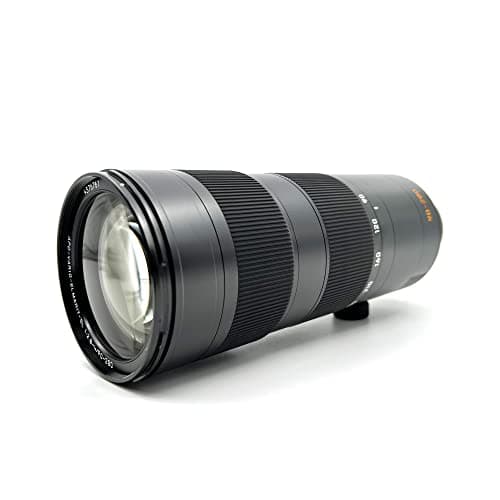
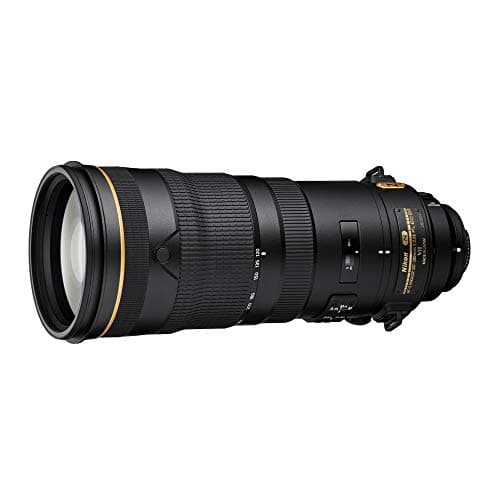
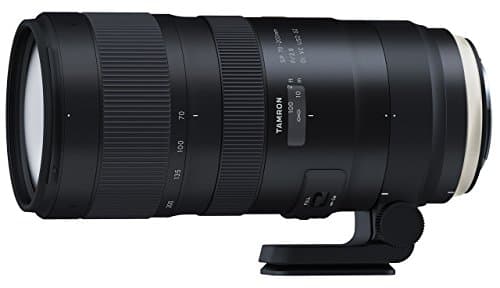
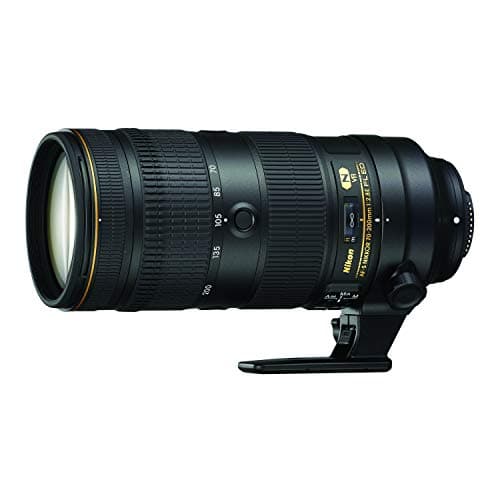
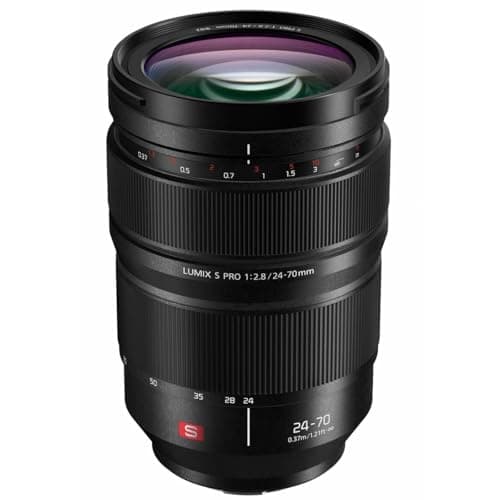
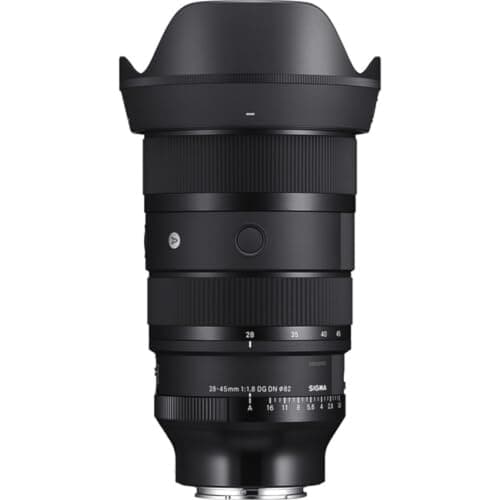
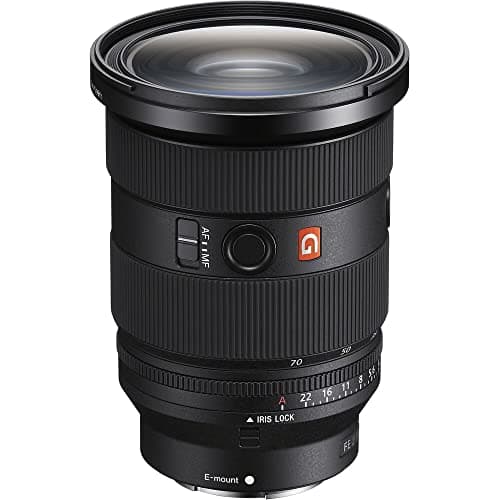
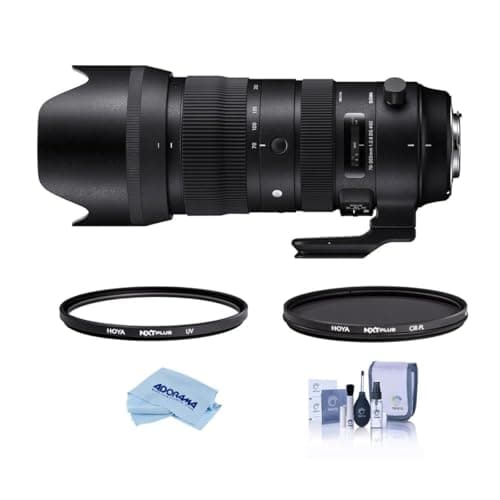

* Product prices and availability are accurate as of the date/time indicated and are subject to change. Any price and availability information displayed on Amazon.com at the time of purchase will apply to the purchase of this product.
* Imaginated.com may receive compensation for purchases made at participating retailers linked on this site. This compensation does not affect what products or prices are displayed, or the order of prices listed. Learn more here.
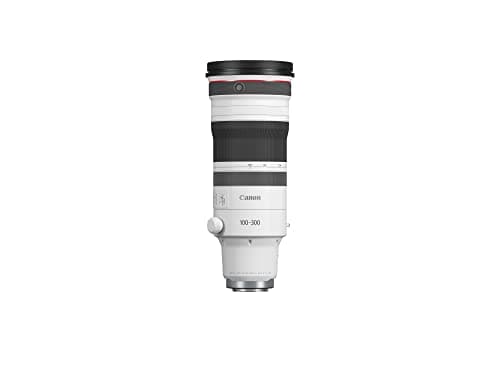
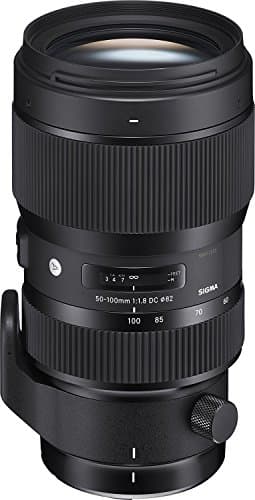
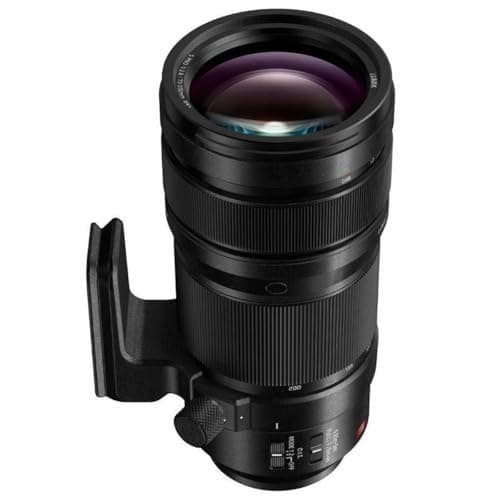
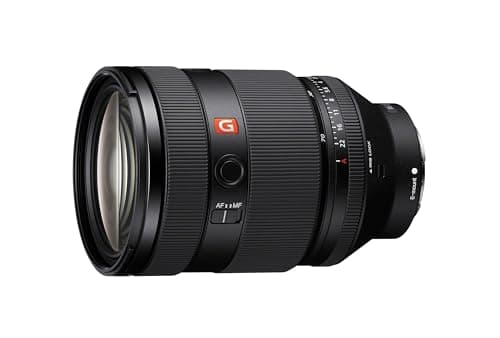
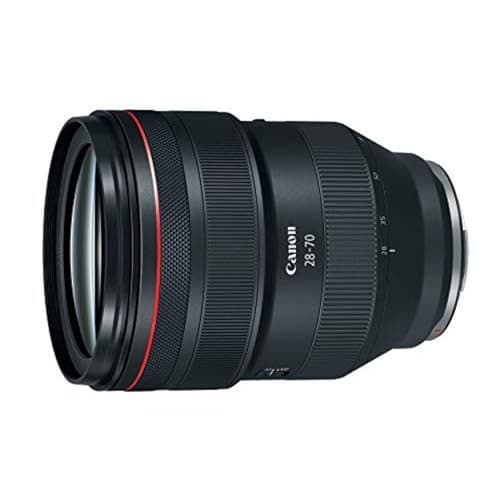
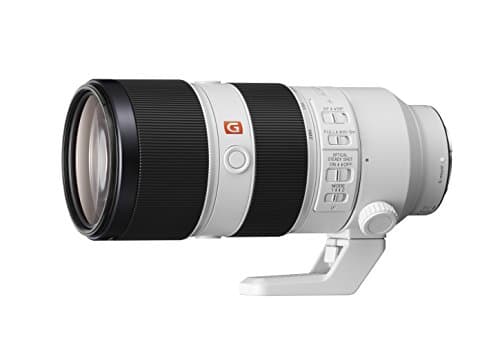
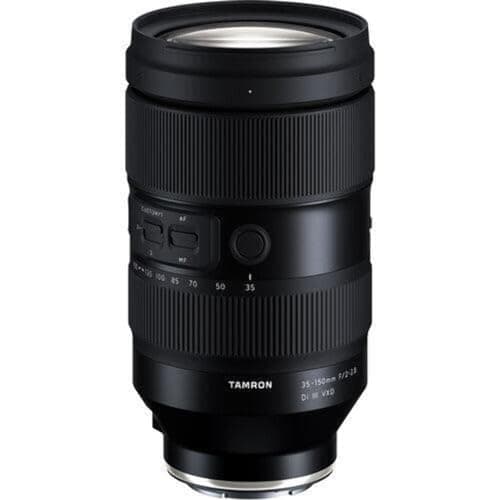
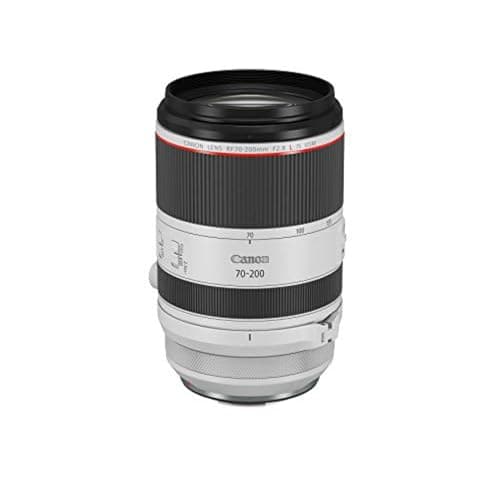
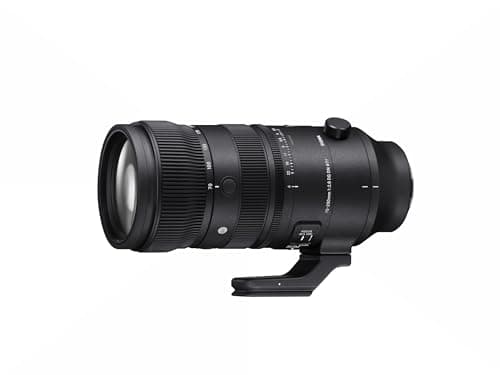
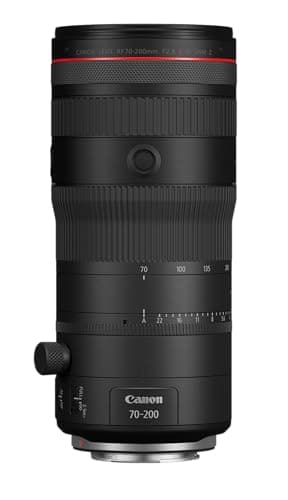
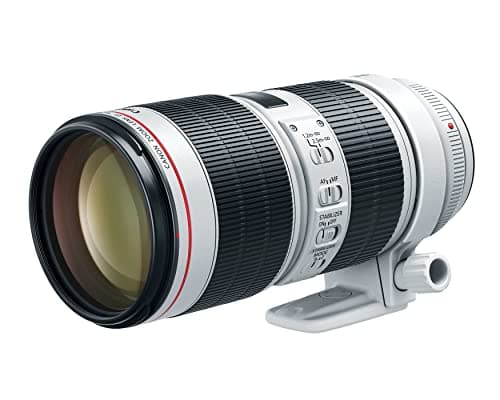
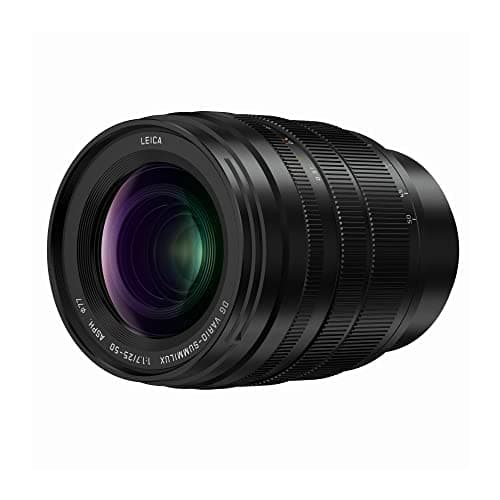
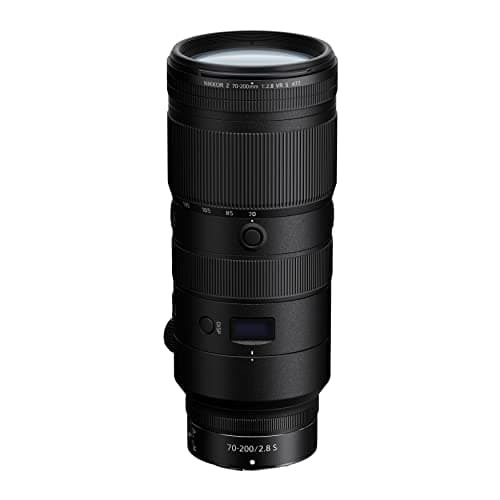
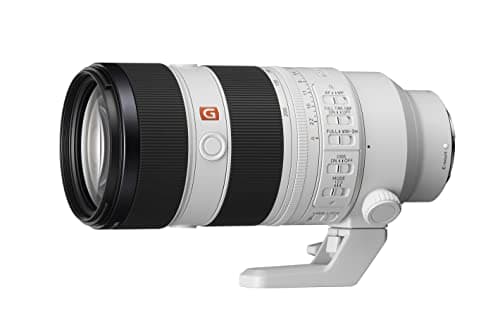
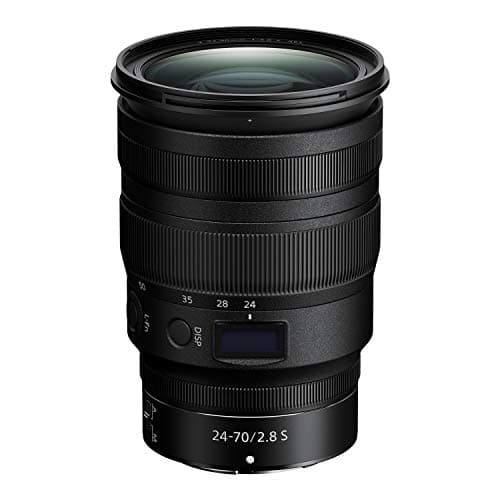
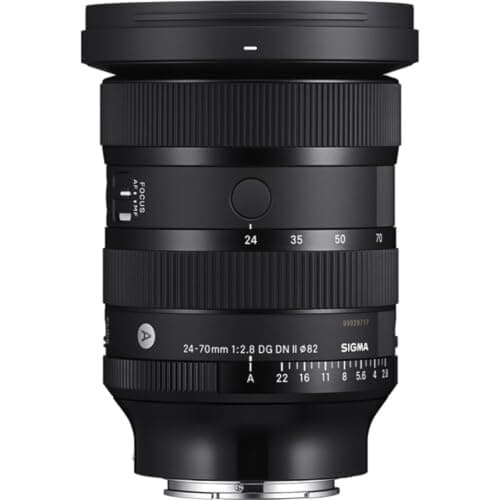
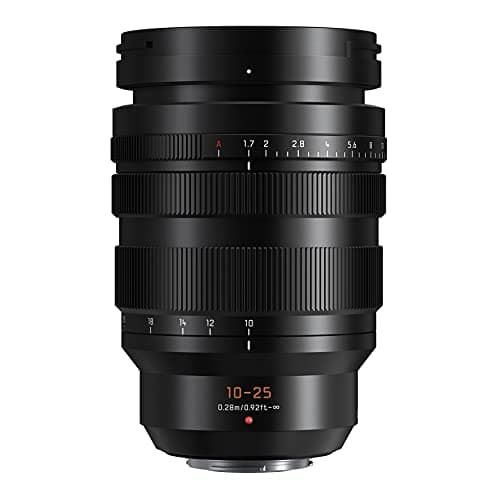
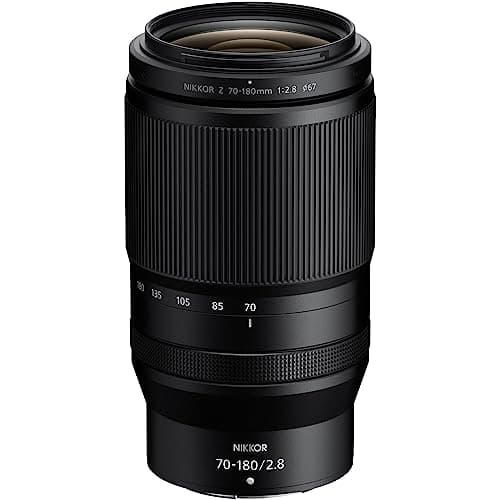
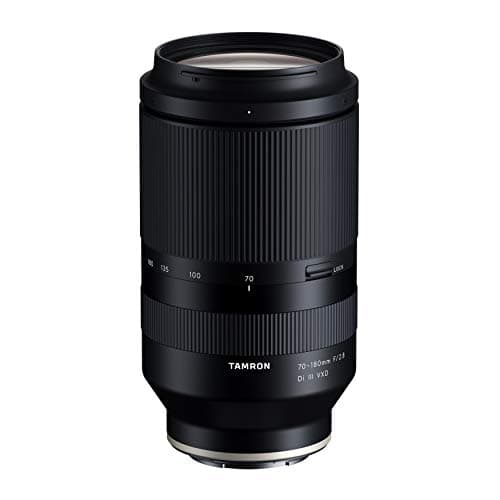
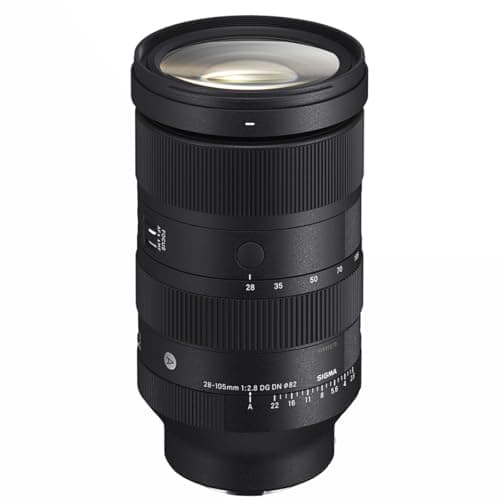
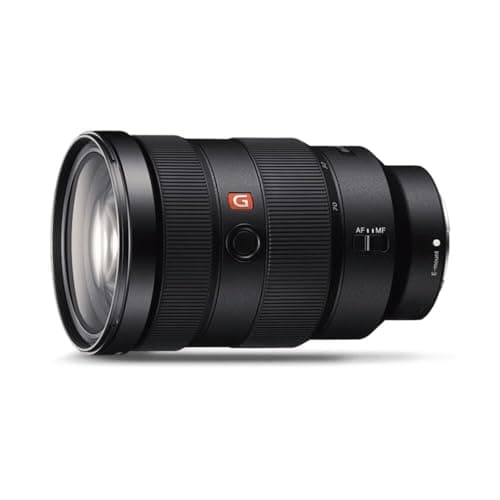
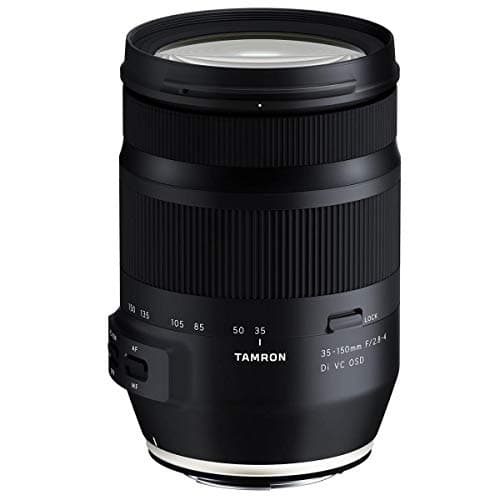
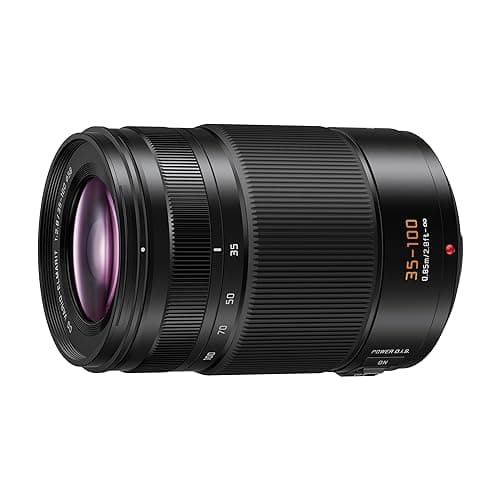
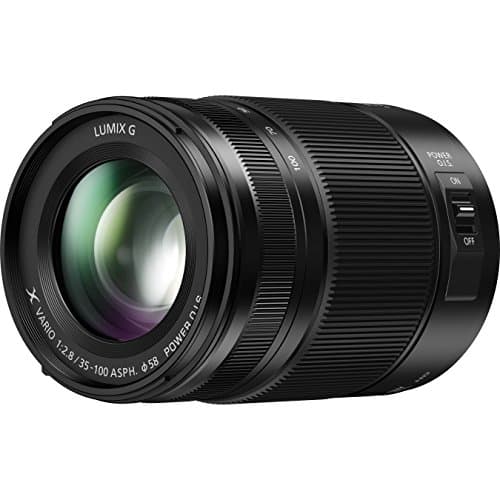
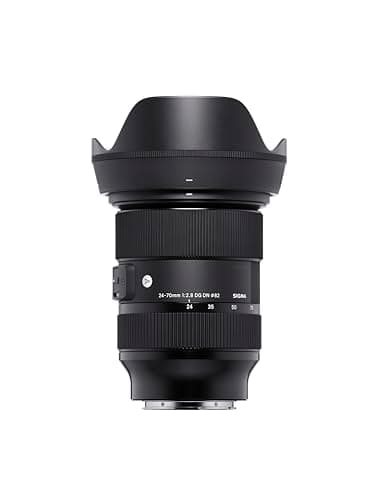
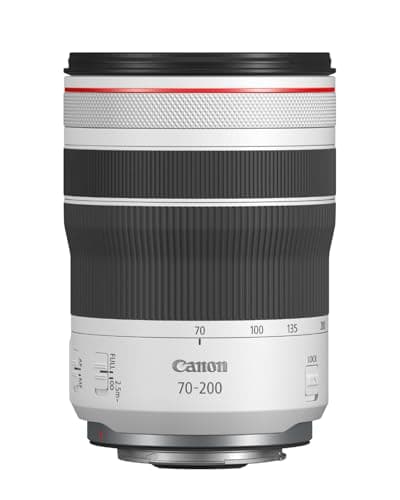
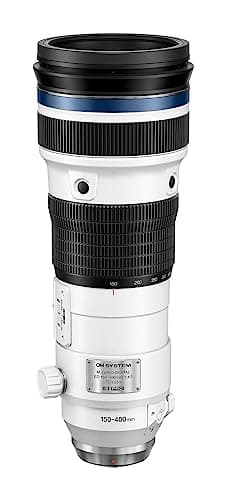
These are the best zoom lenses for bokeh when you want creamy subject separation, round specular highlights, quiet AF transitions, and rendering that flatters skin and metal—whether you’re shooting portraits, weddings, street details, fashion, or cinematic B-roll—and here’s what to look for as you buy: prioritize fast constant apertures (ƒ2–ƒ2.8), long focal lengths for compression (135–200mm end is your friend), circular diaphragm blades that stay round stopped down, strong axial CA control (so highlights don’t fringe), close-focus ability for larger blur at the same framing, minimal onion-ring texture from molded aspherics, and quiet linear/STM motors with low breathing if you film; stabilization (IS/OSS/VR) helps hold composition at portrait shutter speeds, and standardized front diameters (77/82mm) let one VND/diffusion cover the set. Full-frame bokeh heroes (general): Canon RF 28–70mm ƒ2L (the zoom that behaves like primes—dreamy background melt across the range), RF 70–200mm ƒ2.8L IS (silky tele separation with beautiful highlight shape), RF 100–300mm ƒ2.8L IS (arena-ready compression with creamy blur), Sony FE 24–70mm ƒ2.8 GM II (round, clean discs and excellent close-focus), FE 70–200mm ƒ2.8 GM OSS II (gorgeous, consistent bokeh with fast linear AF), Tamron 35–150mm ƒ2–2.8 (portrait powerhouse with prime-like blur from 50–150mm), Sigma 24–70mm ƒ2.8 DG DN Art and 70–200mm ƒ2.8 DG DN OS (modern coatings, smooth transitions), Nikon Z 24–70mm ƒ2.8 S (pleasing blur and neutral color), Z 70–200mm ƒ2.8 S (creamy tele look with great CA control), Z 70–180mm ƒ2.8 (lighter, still very smooth), Panasonic/LUMIX S Pro 24–70mm ƒ2.8 and 70–200mm ƒ2.8 (cinema-friendly rendering); tele specials that paint backgrounds: Sigma 120–300mm ƒ2.8 Sports (field-to-portrait crossover) and legacy Canon/Nikon 70–200mm ƒ2.8 pro glass (adapted) which still delivers plush blur. APS-C bokeh zoom standouts: Sigma 18–35mm ƒ1.8 DC HSM Art (legendary “prime-zoom” with generous blur at close focus), Sigma 50–100mm ƒ1.8 DC HSM Art (portrait zoom with lux separation), Sony E 16–55mm ƒ2.8 G (clean, round highlights), Sony E 70–350mm ƒ4.5–6.3 G OSS (aperture is slower, but long-end compression still melts backgrounds), Fujifilm XF 16–55mm ƒ2.8 and XF 50–140mm ƒ2.8 (buttery, people-friendly rendering), Canon EF-S 17–55mm ƒ2.8 IS (older, still beautiful), Nikon Z DX 50–250mm (budget tele compression for outdoor blur). Micro Four Thirds bokeh zoom champs: Panasonic Leica 10–25mm ƒ1.7 and 25–50mm ƒ1.7 (unique constant-fast pair with prime-like rendering), Olympus/OM SYSTEM 40–150mm ƒ2.8 Pro (tele softness to backgrounds with elegant speculars), Panasonic 35–100mm ƒ2.8 and 35–100mm ƒ2.8 II (small, smooth), Olympus 12–40mm ƒ2.8 Pro II (close-focus “macro-ish” bokeh at 40mm). Practical buyer tips: for the creamiest look, use the tele end and step closer—distance management beats aperture alone; test close-focus—zooms with strong MFD/0.2–0.3× magnification give “macro-style” blur without switching lenses; prefer lenses with 9–11 rounded blades to keep discs circular at ƒ2.8–ƒ4; diffusion filters (Black Mist/Glimmer 1/8–1/4) can smooth speculars without killing micro-contrast; apodization magic is mostly prime-only—so for zooms, lean on focal length and distance; if you shoot hybrid, verify breathing and enable camera-side compensation. Field technique for maximum cream: increase subject-to-background distance (2–4× your subject distance is a quick rule), use longer focal lengths (135–200mm) and get physically closer for the same framing, shoot near wide open and stop 1/3–2/3 stop if you want eyelash-sharpness with smooth transitions, place highlights behind subjects and avoid busy mid-ground, keep faces near the central third to minimize cat’s-eye shaping, and watch backlight—flag the lens to prevent veiling; for video, set slow AF transitions, use a 180° shutter with quality VND, and favor internal-focus zooms for stable gimbal balance; for indoor light, expose for skin and let backgrounds fall to blur, correcting any LoCA in post; for outdoor tele blur, pick shaded backgrounds or foliage at distance for painterly color fields. Whether you’re crafting fashion portraits, wedding candids, cinematic walk-and-talks, or intimate lifestyle details, the best zoom lenses for bokeh combine fast apertures, long-end compression, round diaphragms, and clean aberration control—so subjects pop, highlights glow, and backgrounds melt exactly the way you imagined.
Lenses by brand:
Lenses by price:
Lenses by type:
Lenses by sensor:
Lenses by feature:
Lenses by use case:
Lenses by experience:
Cameras: